
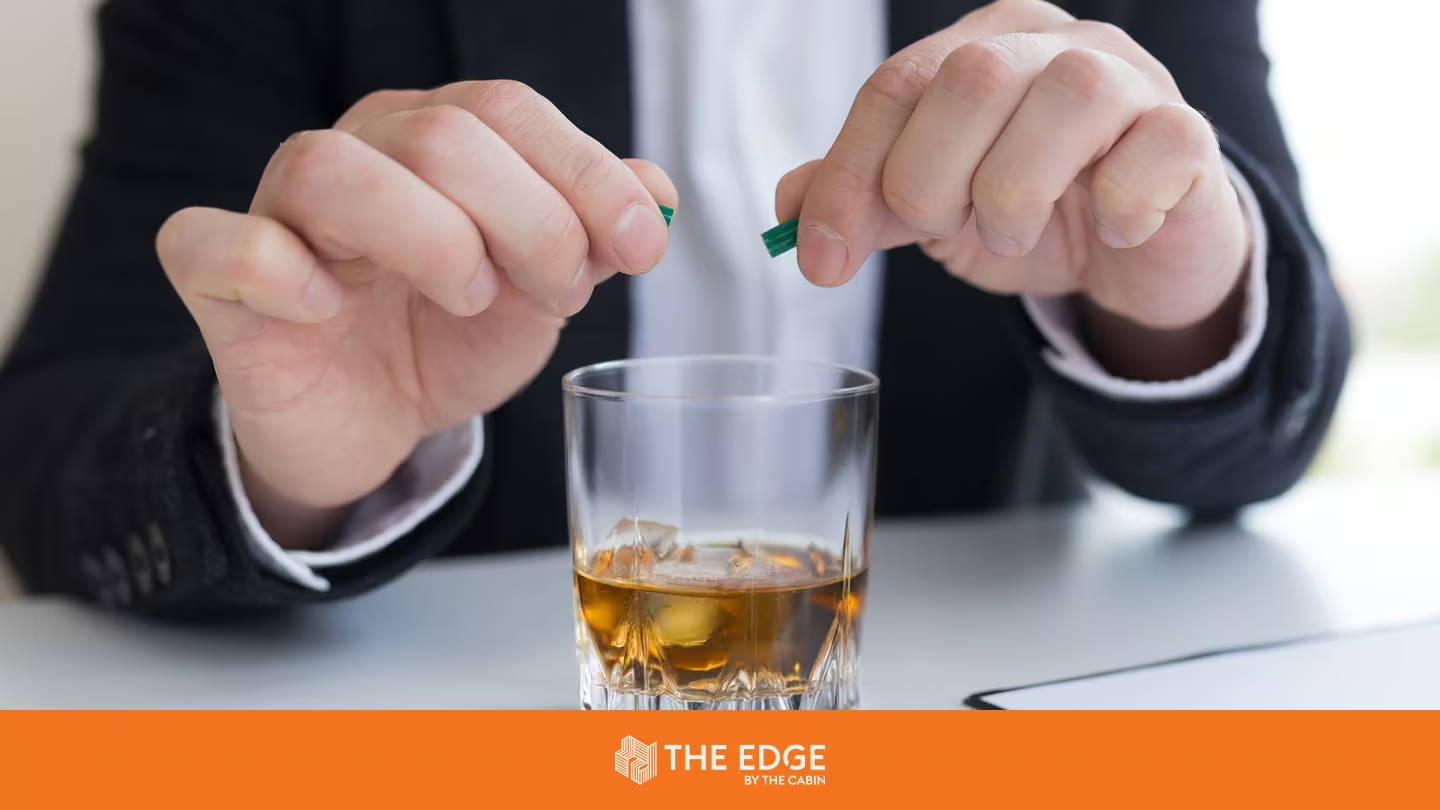
Doxycycline and Alcohol is a combination that raises health concerns for patients undergoing antibiotic therapy, because alcohol can interfere with how the antibiotic works in the body.
Drinking while on doxycycline may increase strain on the liver, since the substances are processed through the liver, reduce drug absorption, and make side effects (nausea, dizziness, and stomach irritation) more severe. The interaction can weaken the immune system and slow recovery, making treatment less effective overall. These effects reduce the reliability of infection control.
Mixing doxycycline and alcohol may prolong illness and increase the risk of incomplete treatment. Healthcare providers advise against drinking during antibiotic therapy, and the safest answer to can you drink on doxycycline is to avoid alcohol until the course of medication is finished to protect liver health and ensure the antibiotic works properly. This guidance helps prevent avoidable treatment failure.
What are the Consequences of Drinking Alcohol while taking Doxycycline?
The Consequences of Drinking Alcohol while taking Doxycycline are reduced drug absorption, stronger stomach irritation, and slower healing from infection. The alcohol interferes with how doxycycline is processed in the body, lowering its ability to fight bacteria effectively.
Immediate effects include nausea, vomiting, dizziness, and stomach pain, which become more noticeable when alcohol is consumed. These symptoms may appear even after small amounts of alcohol. Heavy intake increases the risk of liver strain in older adults or patients with pre-existing liver problems.
Mixing alcohol with doxycycline weakens the treatment outcome and prolongs illness recovery. The keyword drinking alcohol on doxycycline highlights the risk of undermining antibiotic therapy through alcohol use.
Long-term consequences of drinking alcohol on doxycycline include repeated treatment failures, a higher risk of antibiotic resistance, and cumulative liver damage. Alcohol reduces the drug’s absorption and effectiveness, meaning infections may persist longer or return more aggressively. The interaction contributes to weakened immune defense and greater vulnerability to bacterial complications.
The combination with doxycycline raises the chance of lasting gastrointestinal problems and impaired liver function for patients with chronic alcohol use. Alcohol intake while on doxycycline worsens immediate side effects and also compromises long-term health outcomes by reducing antibiotic success and stressing vital organs.
How does Alcohol Influence Doxycycline in the Body?
Alcohol influences doxycycline in the body through reduced absorption, weakened antibiotic effectiveness, and intensified side effects.
Alcohol can increase reactions when combined with prescribed drugs, according to “Alcohol-Medication Interactions: Potentially Dangerous Mixes”, by the National Institute on Alcohol Abuse and Alcoholism (NIAAA), in 2023. The liver and digestive system are placed under greater strain when alcohol is consumed with doxycycline, leading to reduced antibiotic concentration in the bloodstream and weaker infection control.
Alcohol worsens common side effects (nausea, dizziness, and headaches), making them more severe and more complicated to manage. This reduces treatment tolerance.
Alcohol complicates doxycycline therapy by weakening the immune response and slowing recovery. The liver becomes more vulnerable to toxicity when alcohol is present, which is already burdened by metabolizing doxycycline, raising risks of inflammation or long-term damage.
The evidence from NIAAA emphasizes that alcohol-drug combinations magnify adverse reactions, which directly applies to Doxycycline and alcohol interaction. Avoiding alcohol while on doxycycline ensures maximum antibiotic effectiveness and protects overall health.
Does Alcohol Interfere with the Effectiveness of Doxycycline?
Yes, alcohol may interfere with the effectiveness of doxycycline by reducing its absorption and weakening the body’s ability to fight infection. This interaction matters during active antibiotic therapy.
The liver and digestive system are forced to metabolize the substances when alcohol is consumed, which can lower the concentration of doxycycline in the bloodstream. It reduces absorption, making the antibiotic less effective, prolonging recovery, or leading to incomplete treatment.
Alcohol worsens common side effects of doxycycline (nausea, dizziness, and headaches), making the experience of treatment more difficult to tolerate. Poor tolerance often leads to missed doses. The evidence shows that alcohol use can complicate antibiotic therapy and worsen tolerance, according to the research titled “Fact versus Fiction: A Review of the Evidence behind Alcohol and Antibiotic Interactions”, by Kari A. Mergenhagen, in 2020.
Alcohol can strain the liver, which is already processing doxycycline, raising the risk of toxicity and slower drug clearance. The dual burden may weaken immune response and increase the likelihood of recurring infections.
Following medical guidelines is crucial, as abstaining from alcohol ensures that doxycycline works at full strength and reduces the chance of complications. Alcohol reduces its effectiveness and magnifies side effects, while occasional drinking may not completely block the antibiotic’s action, still making avoidance the safest choice during treatment.
Does Alcohol Make Doxycycline Less Effective?
Yes, alcohol makes doxycycline less effective by reducing its absorption and weakening the immune response. It can worsen side effects (nausea, dizziness, and headaches), making treatment harder to tolerate.
Patients are advised to avoid alcohol during therapy to ensure that doxycycline may work at full strength. This approach supports consistent antibiotic action.
Who should Completely Avoid Alcohol while on Doxycycline?
Patients with liver disease, alcohol dependency, pregnant or breastfeeding women, and the elderly should completely avoid alcohol while taking doxycycline. The groups are at higher risk because alcohol places additional strain on the liver, which is already responsible for metabolizing doxycycline.
Alcohol can worsen toxicity and slow drug clearance in patients with liver conditions, while patients with alcohol addiction may face heightened side effects and reduced antibiotic effectiveness. Pregnant and breastfeeding women are advised to abstain because alcohol and doxycycline together may increase risks for mother and child.
The elderly are more vulnerable to dizziness, nausea, and weakened immune response, making alcohol especially dangerous in antibiotic therapy. Age-related metabolic changes increase sensitivity.
Alcohol can magnify doxycycline’s side effects, including stomach upset, headaches, and dizziness, while reducing the ability to fight infection. The complications lead to prolonged illness, liver damage, or incomplete treatment for high-risk groups. Full abstinence from alcohol in doxycycline therapy is the safest choice if unsure about personal risk.
Professional rehab support and counseling can provide guidance and reduce dependency, ensuring safer recovery and better treatment outcomes for patients struggling with alcohol misuse. The importance of avoiding alcohol in vulnerable populations is to protect health and maximize antibiotic effectiveness. Prevention reduces avoidable treatment failure.
Can Doxycycline and Alcohol Together Cause Addictive Behavior?
Yes, Doxycycline and Alcohol together can cause Addictive Behavior, although this outcome is not supported by medical evidence. Doxycycline is an antibiotic that targets bacterial infections, while alcohol is a psychoactive substance with addictive potential. The drug does not alter brain chemistry in ways that promote dependency.
Alcohol misuse while taking doxycycline creates a dangerous cycle of continued use despite harm. Reduced antibiotic absorption, more potent side effects (nausea and dizziness), and prolonged illness recovery occur. Repeated reliance on alcohol despite worsening health outcomes reflects addictive behavior patterns, but the root cause is alcohol itself, not doxycycline.
The risks of alcohol misuse while on antibiotics include weakened treatment success, a higher chance of infection relapse, and long-term liver strain. Heavy drinking while medicated places extra stress on the liver, which processes the substances, increasing the toxicity.
Drinkers who continue drinking heavily while on doxycycline may normalize harmful habits and increase dependency on alcohol. Pairing it with alcohol magnifies health risks and encourages patterns of misuse that resemble addictive behavior, while doxycycline does not directly cause addiction. Behavioral patterns, not the antibiotic, drive dependency.
Does Alcohol Addiction Increase the Risks of Taking Doxycycline?
Yes, Alcohol Addiction increases the risks of taking Doxycycline because chronic alcohol use weakens the body’s ability to process medications and places extra strain on the liver.
Doxycycline is metabolized through the liver, and when alcohol is consumed excessively, the organ becomes overworked, leading to slower drug clearance and higher toxicity. The interaction raises the chance of severe gastrointestinal irritation, dizziness, and reduced antibiotic effectiveness.
Alcohol misuse disrupts immune function, making infections more challenging to treat and prolonging recovery. Treatment outcomes become less predictable. Alcohol addiction increases risks by altering drug metabolism and damaging health.
Long-term alcohol dependence reduces nutrient absorption, weakens the immune system, and impairs liver enzymes responsible for breaking down doxycycline. Infections persist longer, side effects intensify, and the risk of liver injury grows as a result. The combination of impaired drug metabolism and weakened immunity demonstrates how chronic alcohol misuse magnifies the dangers of antibiotic therapy in drinkers struggling with Alcohol Addiction. Avoidance improves both safety and recovery outcomes.
Worried About Alcohol and Medication?
If you find it difficult to stop drinking while taking medication, we can help. Contact The Edge for confidential support.
How much Alcohol can you Safely Drink with Doxycycline?
You can safely drink one to two drinks of alcohol while taking doxycycline. This guidance reflects general tolerance, not optimal treatment conditions. Medical evidence shows that even small amounts reduce how well the antibiotic works.
Alcohol interferes with drug absorption, increases stomach irritation, and raises the chance of nausea, dizziness, and headaches. Heavy or chronic drinking is strongly discouraged because it places extra strain on the liver, which processes alcohol and doxycycline, leading to slower recovery and a higher risk of toxicity.
Infections last longer or return more aggressively when alcohol intake is not controlled. Treatment effectiveness becomes less predictable. Safely drink one to two drinks of alcohol only under moderation, but the safe threshold depends on age, liver health, and immune strength.
Weakened immunity or chronic alcohol use face greater risks, including reduced antibiotic effectiveness and long-term organ damage with liver disease. The alcohol weakens immune defenses, making bacterial infections more challenging to treat, while doxycycline requires complete absorption to work correctly. The most responsible approach is to minimize or avoid alcohol altogether and consult a doctor for personalized guidance to maximize recovery and prevent complications. Medical advice ensures safer outcomes.
How does Alcohol Interact with Higher Doses of Doxycycline?
Alcohol interacts more severely with higher doses of doxycycline because the substances place significant stress on the liver, which is responsible for metabolizing them. The liver works harder to process the antibiotic, and alcohol consumption compounds the burden, increasing the risk of toxicity when doxycycline levels are elevated.
Side effects (nausea, vomiting, dizziness, and stomach irritation) become more noticeable, while the antibiotic’s ability to fight infection is reduced. The higher the dose of doxycycline, the greater the chance that alcohol may interfere with absorption and effectiveness, leading to prolonged or incomplete recovery. Dose-related sensitivity amplifies risk.
The interaction is more severe with higher doses because alcohol accelerates dehydration, weakens the immune response, and disrupts drug metabolism. Elevated doxycycline levels already heighten sensitivity to gastrointestinal upset and liver strain, and alcohol boosts the effects.
Long-term risks include liver damage, antibiotic resistance due to reduced drug effectiveness, and recurring infections that fail to resolve correctly. The alcohol with high-dose doxycycline exaggerates the immediate side effects and long-term health consequences, making avoidance of alcohol the safest approach. Prevention reduces cumulative harm.
Can you Drink Alcohol with Doxycycline 100mg?
No, drinking alcohol with doxycycline 100mg is not recommended because alcohol reduces the antibiotic’s effectiveness and increases side effects. The body’s ability to absorb and process the medication is weakened when alcohol is consumed with a 100mg dose of doxycycline.
The interaction leads to stronger gastrointestinal irritation, nausea, dizziness, and headaches. The liver, which metabolizes alcohol and doxycycline, becomes overworked, raising the risk of toxicity and slower recovery from infection. Alcohol interferes with immune function, making bacterial infections harder to treat and prolonging illness.
The keyword doxycycline 100mg and alcohol highlights the risk of undermining treatment success through alcohol intake. Consistency in dosing is critical.
Specific advice for the dosage is to avoid alcohol entirely while taking doxycycline 100mg to ensure the antibiotic works at full strength. Even small amounts of alcohol may reduce absorption and delay healing, while heavy or chronic drinking places stress on the liver and increases long-term health risks.
The dangers are even greater for drinkers with liver problems or weakened immunity. The safest approach is to minimize or eliminate alcohol intake and consult a doctor for personalized guidance when prescribed doxycycline 100mg. Individual assessment improves safety.
How can Residential Treatment Centers Help Individuals Manage Accidental Doxycycline and Alcohol Consumption?
Residential treatment centers help individuals manage accidental doxycycline and alcohol consumption by providing structured medical supervision and immediate health monitoring. Side effects (nausea, dizziness, and liver strain) become more severe, requiring careful observation, when alcohol is mixed with doxycycline.
Treatment centers ensure that medications are adjusted appropriately, reducing risks of toxicity and preventing complications. Medical staff track vital signs, evaluate liver function, and modify antibiotic therapy if required to stabilize recovery. Continuous monitoring improves response accuracy.
Residential programs offer detox services to eliminate alcohol from the body and reduce withdrawal symptoms safely, beyond medical oversight. Counseling sessions address the behavioral aspects of alcohol misuse, helping drinkers understand the dangers of mixing antibiotics with alcohol and preventing future incidents.
Supportive therapies, including group sessions and individualized care, strengthen coping strategies and promote long-term wellness. Treatment centers provide a comprehensive path to recovery by combining medical management with psychological support for patients seeking Residential Treatment in Europe as a structured environment for healing. Integrated care supports sustained recovery.
Is Alcohol Detox Important before taking Doxycycline?
Yes, alcohol detox is important before taking doxycycline because chronic alcohol use weakens the liver and immune system, which are critical for processing antibiotics effectively. This weakened state reduces the body’s capacity to tolerate medications safely.
Detoxing helps clear alcohol from the body, reducing the risk of toxicity and ensuring that doxycycline is adequately absorbed. Drinkers with alcohol dependency face more potent side effects (nausea, dizziness, and liver strain), while the antibiotic’s effectiveness against infection is reduced, especially without detox.
Detoxing before starting doxycycline allows the body to stabilize and handle medications more efficiently. By removing alcohol, drug metabolism improves and liver enzymes function more effectively, reducing complications.
Detox programs provide medical supervision, nutritional support, and counseling, which strengthen recovery and prepare the body for antibiotic therapy. The process ensures that treatment outcomes are not compromised, and long-term health is protected for patients undergoing Detoxification (Detox) as part of their care plan. Medical oversight increases treatment safety.
Can the Combination of Doxycycline and Alcohol be Addictive?
Yes, the combination of doxycycline and alcohol can be addictive, although doxycycline itself is not addictive. The antibiotic does not act on the brain’s reward pathways or create dependency.
The concern lies in alcohol, which has addictive properties and complicates treatment when consumed with doxycycline. Mixing the two increases side effects, and patients who continue drinking despite worsening health outcomes may show patterns of alcohol dependence. It reflects alcohol misuse rather than any addictive potential of doxycycline. The behavior signals dependency risk.
Alcohol dependence complicates recovery by reducing doxycycline’s effectiveness, weakening immune defenses, and raising the risk of liver damage. Chronic drinking interferes with drug metabolism, meaning infections may last longer or return more aggressively.
Combining it with doxycycline magnifies health risks and reinforces harmful habits, creating a cycle of poor health and dependency for drinkers already struggling with alcohol misuse. Doxycycline is not addictive, but alcohol dependence makes treatment more dangerous and undermines antibiotic success, highlighting the importance of medical supervision and counseling support when alcohol misuse is present. Early intervention improves outcomes.
How do different Alcohol Types Interact with Doxycycline?
All types of alcohol interact negatively with doxycycline, and the severity depends on alcohol concentration. Beer, with lower alcohol content, still reduces absorption of the antibiotic and worsens stomach irritation, especially with carbonation that increases bloating and nausea.
Wine, which contains higher alcohol levels and tannins, intensifies gastrointestinal discomfort and places more strain on the liver. Spirits (vodka, whiskey, or rum) pose the greatest risk because their high alcohol concentration overwhelms liver metabolism, leading to more potent side effects, slower drug clearance, and greater toxicity.
It highlights the seriousness of Doxycycline and alcohol interaction across all alcohol types. The risks become more severe as alcohol strength increases, meaning spirits present the greatest danger compared to beer or wine. Alcohol weakens the immune response, prolongs infection recovery, and reduces doxycycline’s effectiveness, regardless of type.
Long-term use of alcohol with antibiotics can raise the risk of liver damage and repeated infections. Drinking stronger types of alcohol makes the risks worse, showing the bigger dangers of Substance Abuse when medicines and alcohol are mixed, and all kinds of alcohol can interfere with doxycycline. Strength correlates with severity.
Can you Drink Beer while taking Doxycycline?
Yes, you can drink beer while taking doxycycline, which is considered safe in moderation, but heavy or frequent intake reduces the antibiotic’s effectiveness and increases side effects. This distinction depends on individual health status.
The alcohol does not directly block the antibiotic’s action when beer is consumed with doxycycline, but it does place extra stress on the liver and digestive system. Beer’s carbonation and alcohol content increase the nausea, bloating, dizziness, and stomach irritation.
Moderate drinking, defined as one to two drinks per day, may not completely block doxycycline’s ability to fight infection, but heavy drinking weakens the immune response and slows recovery. It highlights the risks of combining doxycycline and beer for patients with liver problems or compromised health.
Safety advice emphasizes that while occasional beer consumption may not cause severe interactions, the best practice is to minimize or avoid alcohol entirely while on doxycycline. Heavy or chronic drinking reduces absorption of the antibiotic, prolongs illness, and raises the risk of liver toxicity.
Patients are advised to consult a doctor for personalized guidance, particularly if they have pre-existing liver conditions or are prescribed higher doses of doxycycline. Moderation is key, but avoiding beer altogether ensures maximum antibiotic effectiveness and safer recovery. Caution protects treatment success.
Can you Drink Wine with Doxycycline?
Yes, you can drink wine with doxycycline in small amounts, but it is not recommended because alcohol interferes with the antibiotic’s effectiveness and increases side effects. This risk applies even with occasional intake.
Wine contains a higher alcohol concentration than beer and compounds (tannins), which can irritate the stomach lining. The combination raises nausea, dizziness, headaches, and gastrointestinal discomfort when wine is combined with doxycycline. The liver, which metabolizes both alcohol and doxycycline, becomes overworked, slowing down drug clearance and reducing the antibiotic’s ability to fight infection.
It makes the risks of Doxycycline and wine interaction more noticeable compared to lighter alcoholic beverages. Higher alcohol content intensifies these effects.
Moderation is key, but medical guidance emphasizes that avoiding wine altogether while on doxycycline is the safest approach. Even occasional drinking may weaken the immune response, prolong recovery, and increase the risk of liver strain.
Heavy or frequent wine consumption magnifies the dangers, potentially leading to reduced absorption of the antibiotic and incomplete treatment of infection. Patients are advised to minimize or eliminate wine intake and consult a doctor for personalized advice, to ensure maximum effectiveness of doxycycline and protect long-term health. Avoidance reduces preventable complications.
How long after taking Doxycycline can I Drink Alcohol?
You may drink alcohol at least 48 to 72 hours after the last dose of doxycycline, since it allows the antibiotic to clear from the system. Doxycycline has a half-life of about 18–22 hours, meaning it takes that long for half of the drug to be eliminated from the body.
Most of the medication is metabolized and excreted after two to three days, reducing the risk of alcohol interfering with its absorption or effectiveness. Alcohol worsens side effects (nausea, dizziness, or stomach upset), so waiting ensures the antibiotic has completed its therapeutic role. This timing supports full treatment benefit.
The drug remains active in the body for several days, and its effectiveness depends on maintaining consistent blood levels until the infection is fully treated. Drinking alcohol too soon may weaken the immune response, increase liver strain, and reduce the antibiotic’s ability to fight infection.
For patients with alcohol dependency or liver conditions, complete abstinence during treatment is strongly advised. Waiting at least 72 hours provides the safest timeline to avoid complications and ensure the antibiotic has worked effectively, while occasional drinking may be safer a few days after finishing doxycycline. Individual health factors still apply.
How does Alcohol Affect Amoxicillin compared to Doxycycline?
Alcohol may influence doxycycline and amoxicillin differently, with doxycycline being more sensitive to alcohol’s effects. When alcohol is consumed during doxycycline therapy, it can reduce absorption, lower drug concentration in the bloodstream, and may intensify side effects such as nausea, dizziness, and headaches.
The liver, which metabolizes both alcohol and doxycycline, can become strained, increasing the risk of toxicity and slower recovery. Amoxicillin, on the other hand, is less affected in terms of absorption. Alcohol can still worsen gastrointestinal irritation, fatigue, and dehydration, which may hinder the body’s ability to heal efficiently. Healing efficiency depends on immune stability.
The unique risks of combining alcohol with antibiotics highlight essential distinctions. Doxycycline may lose effectiveness more quickly, raising the chance of incomplete treatment and antibiotic resistance. Amoxicillin may still function, but can cause stronger stomach upset and reduced energy when alcohol is present.
Alcohol can place added stress on the body and may prolong illness, making abstinence the safest choice in therapy. Alcohol can interfere more with doxycycline’s effectiveness, but it can worsen side effects with Alcohol and Amoxicillin, underscoring the importance of avoiding alcohol in any antibiotic course. Consistency improves outcomes.
Is it Safe to Combine Doxycycline and Alcohol Occasionally?
No, it is not considered safe to combine doxycycline and alcohol occasionally. Alcohol may interfere with doxycycline’s absorption and can reduce its effectiveness in fighting infection. Even occasional drinking can worsen side effects (nausea, dizziness, and headaches) while placing added strain on the liver, which is already processing the antibiotic.
The risks may prolong recovery or lead to incomplete treatment. Alcohol can weaken the immune response, making the body less capable of clearing an infection efficiently. These effects are cumulative.
Healthcare providers explain that patients with liver disease, alcohol dependency, or weakened immunity are at high risk of complications when mixing alcohol and doxycycline. Occasional drinking may be safer several days after finishing doxycycline, depending on health status.
Occasional drinking in therapy may increase the chance of antibiotic resistance or incomplete recovery, even for healthy adults. Patients are advised to avoid alcohol entirely while on doxycycline and consult a healthcare provider if unsure about personal risks for safety. Professional support, including rehab programs, can help drinkers struggling with alcohol use to reduce dependency and ensure safer recovery. Support improves adherence and treatment success.
What are the Side Effects of Mixing Doxycycline and Alcohol?
The side Effects of Mixing Doxycycline and Alcohol are listed below:
- Dizziness: Mixing doxycycline with alcohol can intensify dizziness since both substances affect the central nervous system. It may impair balance, coordination, and focus, increasing the risk of accidents. Avoid driving or operating machinery, stay hydrated, and rest until symptoms subside to manage dizziness.
- Stomach Upset: Alcohol irritates the stomach lining, and doxycycline can cause gastrointestinal discomfort. Together, they increase the risk of nausea, bloating, and indigestion. Take doxycycline with food (not dairy) and avoid alcohol until treatment is complete, to reduce stomach upset.
- Liver Strain: Alcohol and doxycycline are metabolized by the liver, which can lead to added stress and potential toxicity. Heavy drinking while on doxycycline increases the risk of liver inflammation or damage. Avoid alcohol entirely in treatment and consult a doctor if patients experience jaundice or abdominal pain, to protect liver health.
- Reduced Antibiotic Effectiveness: Alcohol weakens the immune response and interferes with doxycycline absorption. This interference can result in slower recovery or incomplete treatment of the infection. Abstain from alcohol and follow the prescribed dosage schedule strictly to ensure effectiveness.
- Headaches: Alcohol is a known trigger for headaches, and doxycycline can cause pressure or pain in the head. Persistent headaches may increase when the two are combined. Rest in a quiet environment, stay hydrated, and use doctor-approved pain relief if required.
What are the Long-Term Effects of Mixing Doxycycline and Alcohol?
The Long-Term Effects of Mixing Doxycycline and Alcohol include:
- Liver Strain: Regular mixing of doxycycline and alcohol may place continuous stress on the liver, which can weaken liver function, increase inflammation, and may raise the risk of liver disease. Patients with pre-existing liver conditions are especially vulnerable.
- Reduced Drug Effectiveness: Alcohol can interfere with doxycycline absorption, which may reduce its long-term effectiveness. It can lead to incomplete treatment of infections, recurring illness, and may contribute to antibiotic resistance. Infections may become harder to treat over time.
- Gastrointestinal Irritation: Frequent alcohol use with doxycycline may worsen stomach upset, indigestion, and acid reflux. Long-term irritation can contribute to chronic gastritis or ulcers. Digestive health and nutrient absorption may decline.
- Weakened Immune Response: Alcohol may suppress immune function, making the body less capable of fighting infections. It can prolong illness, combined with reduced antibiotic effectiveness. Recovery from infections may become slower and less complete.
- Increased Risk of Headaches: Mixing alcohol and doxycycline can intensify headaches and migraines. It may lead to chronic discomfort and reduced quality of life if repeated. Persistent headaches may affect sleep and concentration.
- Persistent Dizziness: Alcohol and doxycycline together may cause dizziness, blurred vision, and balance issues. The symptoms can become more frequent with repeated use. This increases the risk of falls and accidents.
- Fatigue and Low Energy: Alcohol may reduce energy levels, and doxycycline can add to the effect. Long-term mixing may result in persistent fatigue and reduced stamina. Daily functioning and work performance may suffer.
- Organ Toxicity Risk: The liver and kidneys process the alcohol and doxycycline. Repeated strain increases the risk of toxicity, scarring, or reduced organ efficiency. Future medication tolerance may also decline.
- Antibiotic Resistance: Incomplete treatment due to alcohol interference may contribute to antibiotic resistance. Infections may become harder to treat and require more potent medications. This poses serious long-term public health challenges.
- Slower Recovery Rates: Alcohol may prolong healing by reducing doxycycline’s effectiveness and weakening immunity. Long-term mixing can result in consistently slower recovery from infections. Vulnerability to recurring illness increases.
- Mental Health Impact: Alcohol combined with antibiotics may worsen anxiety, mood swings, or depressive symptoms. It can affect emotional stability and coping mechanisms. Mental strain may reduce adherence to treatment plans.
- Nutrient Deficiency: Alcohol can interfere with nutrient absorption, and doxycycline may add to the effect. Long-term mixing may lead to deficiencies in vitamins (B12 and folate). These deficiencies weaken immunity and overall health resilience.
Is Doxycycline an Antibiotic?
Yes, doxycycline is an antibiotic that belongs to the tetracycline class. It works by stopping the growth of bacteria, making it effective for treating a wide range of infections. The medication targets bacterial protein synthesis, which limits bacterial replication and spread.
Patients are advised to avoid alcohol in treatment, as mixing medications with alcohol may reduce effectiveness when considering Drinking Alcohol on Antibiotics. Avoidance helps preserve consistent antibiotic activity.
How does Alcohol Worsen the Side Effects of Doxycycline?
Alcohol may make the side effects of doxycycline worse by increasing nausea, stomach upset, dizziness, and headaches. Doxycycline already has the potential to irritate the digestive system, and alcohol can make the irritation stronger, leading to indigestion, gastritis, or even ulcers over time.
Repeated irritation increases sensitivity in the gastrointestinal tract. The substances affect the nervous system, so drinking while on doxycycline may cause more noticeable dizziness, blurred vision, or balance problems, which raise the risk of falls or accidents in elderly patients. Coordination may be temporarily impaired.
Alcohol may place extra strain on the liver, which is responsible for processing alcohol and doxycycline. The additional metabolic burden can increase fatigue, slow the clearance of the antibiotic, and prolong recovery from infection. Alcohol can weaken immune response, reduce nutrient absorption, and make side effects more persistent, which leads to incomplete treatment or recurring illness.
Abstinence is recommended in doxycycline therapy, and patients who are unsure about their risks must consult a healthcare provider to minimize complications and support faster recovery. Medical guidance improves safety and outcomes.
Does Alcohol Increase the Risk of Liver Damage While on Doxycycline?
Yes, alcohol does increase the risk of liver damage while taking doxycycline. Alcohol and doxycycline are processed through the liver, and when consumed together, they place extra strain on the vital organ. An added workload can heighten the chances of liver irritation, inflammation, or impaired function in patients with pre-existing liver conditions or drinkers who drink heavily.
Risk accumulates with repeated exposure. Even occasional drinking in antibiotic therapy may slow down the body’s ability to clear the drug, prolonging exposure and increasing side effects. The combination of alcohol and antibiotics (doxycycline) can compound liver strain over time.
Alcohol weakens the immune system and reduces the body’s resilience, while doxycycline requires consistent metabolism to remain effective. The liver must work harder when they are present, which leads to fatigue, slower recovery, and a higher risk of long-term liver complications. Healthcare providers recommend avoiding alcohol in doxycycline treatment to protect liver health and ensure the antibiotic works correctly, for safety. Prevention reduces avoidable liver injury.
Seek Professional Help Today
Don’t let alcohol compromise your health or medication. The Edge Rehab is here to support your recovery journey.