
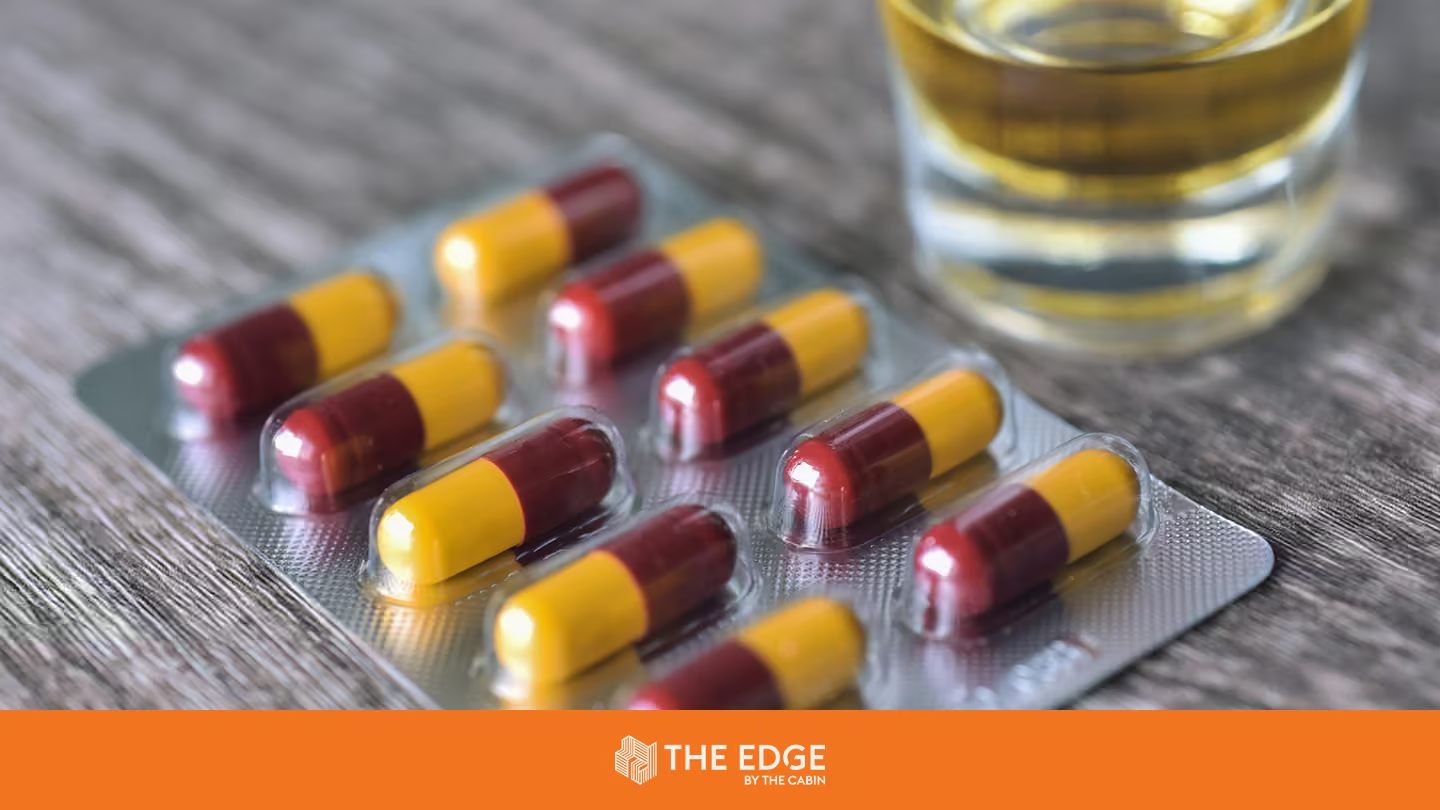
Amoxicillin and alcohol raise important safety concerns because doctors strongly advise against drinking on amoxicillin. Drinking alcohol on Amoxicillin tends to weaken the immune system, making it harder for the body to fight bacterial infections.
Table of Contents
- What Happens if Alcohol is Consumed while taking Amoxicillin?
- How does Alcohol Impact Amoxicillin’s Effectiveness?
- Does Alcohol Interfere with the Action of Amoxicillin?
- What is the Safe Amount of Alcohol to Drink?
- How does Alcohol Interact with Higher Doses?
- Does Alcohol Addiction Increase the Risks?
- What to do if you Accidentally Drank Alcohol?
- Residential Treatment and Management
- Is Alcohol Detox Important?
- How do different Alcohol Types Interact?
- Can you Drink Alcohol with Amoxicillin 500 mg?
- Can you Drink Alcohol with Amoxicillin 875 mg?
- How long after taking Amoxicillin can you Drink?
- Does Alcohol Slow Down Recovery?
- Side Effects of Mixing Amoxicillin and Alcohol
- Long-Term Effects
- Risks Compared to Other Antibiotics
The liver works harder processing the antibiotics and alcohol, which increases strain on the organ. Common side effects from Amoxicillin (nausea, dizziness, stomach upset, and headaches) tend to worsen when alcohol is consumed during treatment.
Recovery slows because alcohol dehydrates the body and disrupts sleep patterns needed for healing. Patients with liver disease, kidney problems, or compromised immune systems face higher risks when mixing Amoxicillin and alcohol. Waiting until the full antibiotic course is finished and symptoms have cleared helps improve healing and reduces the chance of complications.
Can you drink on Amoxicillin? No, you cannot drink alcohol on Amoxicillin. Moderate alcohol intake does not create dangerous chemical interactions with the antibiotic, but drinking while taking Amoxicillin slows recovery and tends to worsen side effects. Alcohol weakens the immune system, adds stress to the liver, and makes common side effects more intense. The body needs rest, hydration, and proper nutrition to heal effectively, so doctors recommend waiting until the full antibiotic course is complete and symptoms have resolved before consuming alcohol again.
What Happens if Alcohol is Consumed while taking Amoxicillin?
The body experiences several effects (nausea, vomiting, dizziness, stomach cramps, headaches, dehydration, and fatigue) that interfere with recovery and increase discomfort if alcohol is consumed while taking Amoxicillin.
Drinking alcohol on Amoxicillin does not stop the antibiotic from working, but alcohol weakens the immune system and slows the healing process. The liver processes both substances simultaneously, creating extra strain and reducing its efficiency. Side effects from Amoxicillin tend to worsen when alcohol is present. Alcohol dehydrates the body and disrupts sleep. Proper hydration and sleep are needed for effective recovery from bacterial infections. Energy levels drop because fighting infection and metabolizing alcohol drain physical resources.
Patients who drink alcohol on Amoxicillin tend to have longer recovery times and experience more severe discomfort compared to patients who avoid alcohol during treatment.
How does Alcohol Impact Amoxicillin’s Effectiveness in the Body?
Alcohol impacts Amoxicillin’s Effectiveness in the body by weakening the immune system and creating conditions that make recovery more complicated, rather than directly blocking the antibiotic. The Amoxicillin and alcohol interaction does not involve dangerous chemical reactions, but alcohol dehydrates the body, which tends to reduce how efficiently the antibiotic circulates through the bloodstream and reaches infection sites. The liver prioritizes metabolizing alcohol over processing other substances, slowing how the body handles Amoxicillin.
Alcohol disrupts sleep quality, and the body repairs tissue and fights infections most effectively during deep sleep. Research shows that alcohol suppresses immune function, reducing white blood cell activity that works alongside antibiotics to eliminate bacteria.
The combination of alcohol and Amoxicillin tends to extend illness duration because the body must handle the infection and the effects of alcohol simultaneously. Patients who avoid alcohol during antibiotic treatment tend to recover faster and experience fewer complications.
Does Alcohol Interfere with the Action of Amoxicillin?
No, alcohol does not directly interfere with the action of Amoxicillin. Amoxicillin continues killing bacteria effectively even when alcohol is present in the body.
Alcohol delays how quickly Amoxicillin is absorbed into the bloodstream, but does not reduce the total amount absorbed or its maximum concentration, according to research titled ”Amoxicillin kinetics and ethanol ingestion” by Morasso M.I., Hip A., Márquez M., González C., and Arancibia A., in 1988. The study found that ethanol significantly affected absorption rate, lag time, and time to peak concentration, but the maximum concentration and overall exposure (area under the curve) remained unchanged. Oral penicillins, including Amoxicillin, are generally safe and effective when alcohol is consumed, with no significant reduction in the antibiotic’s bacterial-killing ability, according to a systematic review titled “Fact versus Fiction: a Review of the Evidence behind Alcohol and Antibiotic Interactions” by Mergenhagen K.A., Wattengel B.A., Skelly M.K., Clark C.M., and Russo T.A., in 2020. Alcohol creates risks through other mechanisms that affect recovery rather than the medication itself.
Drinking alcohol weakens the immune system function, making it harder for the body to support Amoxicillin’s antibacterial action. Alcohol worsens common side effects (nausea, vomiting, dizziness, and stomach discomfort), which tend to delay recovery because the body struggles to rest properly, stay hydrated, and maintain adequate nutrition. Recovery time tends to extend when alcohol enters the system during treatment because the body must handle the infection and alcohol’s adverse effects (dehydration, disrupted sleep, and immune suppression) simultaneously.
What is the Safe Amount of Alcohol to Drink while using Amoxicillin?
No safe amount of alcohol exists while using Amoxicillin. Doctors strongly advise avoiding all alcohol consumption during antibiotic treatment to support recovery and reduce complications.
Moderate alcohol intake (one drink for women or two drinks for men per day) does not create dangerous chemical interactions with Amoxicillin, but drinking still weakens immune function, dehydrates the body, and places extra stress on the liver, slowing recovery and worsening side effects (nausea, dizziness, vomiting, and stomach discomfort).
Patients taking Amoxicillin must wait until they complete the full course and feel fully recovered before consuming alcohol. Doctors recommend consulting a healthcare provider before drinking during antibiotic therapy, especially for patients with liver disease, kidney disease, or weakened immune systems. The safest approach remains complete abstinence throughout the treatment period and for at least 48 to 72 hours after the last dose.
How does Alcohol Interact with Higher Doses of Amoxicillin?
Alcohol interacts with higher doses of Amoxicillin by increasing metabolic strain on the liver and intensifying side effects, though it does not reduce the antibiotic’s bacterial-killing effectiveness, according to “Fact versus Fiction: a Review of the Evidence behind Alcohol and Antibiotic Interactions” by Mergenhagen K.A., Wattengel B.A., Skelly M.K., Clark C.M., and Russo T.A., in 2020.
Pharmacological evidence shows that alcohol delays absorption timing but does not reduce maximum concentration or total amount absorbed at standard doses (250mg to 500mg) or higher doses (875mg).
Alcohol and Amoxicillin rely on overlapping liver pathways, so higher doses place more demand on liver enzymes, and concurrent alcohol consumption compounds the liver’s workload. Clinical observations report that patients taking higher doses with alcohol experience more severe gastrointestinal side effects (nausea, vomiting, stomach pain, and diarrhea) because they irritate the stomach lining.
Practical implications include increased dehydration, worsened fatigue, and prolonged recovery times. Patients prescribed higher doses face greater risks of liver enzyme elevation and fluid imbalance when drinking alcohol during treatment. Medical guidance consistently recommends avoiding alcohol entirely, especially for patients on higher-dose prescriptions.
Struggling to Stop Drinking During Treatment?
If you find yourself unable to pause alcohol consumption even while taking medication, it may indicate a need for support. Contact The Edge for a confidential consultation.
Does Alcohol Addiction Increase the Risks of Taking Amoxicillin?
Yes, alcohol addiction increases the risk of taking Amoxicillin. Chronic heavy drinking damages the liver, which processes alcohol and antibiotics, reducing the organ’s ability to metabolize medications effectively.
The liver of a patient with alcohol addiction already works under constant stress, and adding Amoxicillin creates an additional metabolic burden that tends to elevate liver enzymes and increase the risk of liver toxicity. Heavy alcohol use weakens the immune system by reducing white blood cell production and function, making it harder for the body to fight bacterial infections even with antibiotic support.
Malnutrition and vitamin deficiencies (B vitamins, vitamin C, and zinc), common in chronic alcohol users, further compromise immune response and slow healing. Alcohol addiction damages the gastrointestinal lining, reducing nutrient and medication absorption, which tends to lower how effectively the body uses Amoxicillin. Dehydration from regular drinking worsens during antibiotic treatment, increasing kidney strain and the likelihood of side effects.
Patients with alcohol addiction tend to face higher rates of treatment failure because continued drinking interferes with medication adherence, proper rest, and adequate hydration needed for recovery. The combination of alcohol addiction and Amoxicillin creates serious complications (liver inflammation, kidney problems, severe dehydration, and prolonged infection) that require close medical supervision.
What should you do if you Accidentally Drank Alcohol while taking Amoxicillin?
If you accidentally drank alcohol while taking Amoxicillin, you should follow the ten steps listed below.
- Stop drinking alcohol immediately. Put down any alcoholic beverages and avoid consuming more alcohol for the remainder of the antibiotic treatment.
- Drink plenty of water. Hydrate the body with several glasses of water over the next few hours to help flush out alcohol and support kidney function.
- Eat a nutritious meal or snack. Consume food to reduce stomach irritation and provide nutrients needed for recovery.
- Monitor symptoms closely. Watch for worsening side effects such as increased nausea, severe vomiting, intense dizziness, stomach pain, or unusual fatigue.
- Continue taking Amoxicillin as prescribed. Do not skip doses or stop the antibiotic early, as completing the full course is essential for treating the infection.
- Rest and allow the body to recover. Get adequate sleep and avoid strenuous activities to help the body process substances and continue fighting the infection.
- Contact a healthcare provider if symptoms worsen. Call a doctor or pharmacist if severe reactions (persistent vomiting, extreme dizziness, difficulty breathing, or severe abdominal pain) occur.
- Report the incident to the doctor. Inform the healthcare provider about alcohol consumption during the next appointment or phone call to ensure proper monitoring.
- Avoid alcohol for the remainder of treatment. Abstain from all alcoholic beverages until the full antibiotic course is complete and recovery is achieved.
- Wait 48 to 72 hours after finishing Amoxicillin before drinking again. Allow the body time to clear the medication completely before resuming alcohol consumption.
How can Residential Treatment Centers help manage Accidental Amoxicillin and Alcohol consumption?
Residential Treatment Centers can help manage accidental Amoxicillin and alcohol consumption by providing 24-hour medical supervision and structured care that addresses immediate health risks and underlying alcohol use issues. Medical staff monitor vital signs, liver function, and kidney function to detect complications from mixing alcohol with antibiotics. Nurses ensure the full antibiotic course is completed on schedule while maintaining sobriety, and healthcare providers adjust medication dosages based on organ function and personal health status.
Nutritional support programs help improve immune function and medication absorption by addressing common vitamin deficiencies and malnutrition in patients with chronic alcohol use. Counselors teach coping strategies and relapse prevention skills to reduce the likelihood of future alcohol-medication interactions.
Specialized addiction medicine services that coordinate infection treatment with alcohol recovery programs are offered by facilities such as Residential Treatment in Europe and similar centers. Integrated care plans allow healthcare providers to educate patients on medication safety, proper antibiotic use, and the risks of drinking alcohol during treatment, promoting long-term health beyond the residential stay.
Is Alcohol Detox Important Before Taking Amoxicillin?
Yes, alcohol detox is important before taking Amoxicillin for patients with alcohol dependence or chronic heavy drinking. Detoxification (detox) clears alcohol from the body and stabilizes physical health, allowing the liver and kidneys to process antibiotics more effectively.
The liver metabolizes alcohol and Amoxicillin, and completing detox reduces the metabolic burden on an already stressed organ. Supervised detox includes medical monitoring that identifies liver damage, kidney impairment, or other complications that influence how the body handles antibiotics. Healthcare providers adjust dosing based on organ function assessments during detox, ensuring safer and more effective treatment.
Detox restores hydration, corrects electrolyte imbalances, and addresses nutritional deficiencies (B vitamins, vitamin C, folate, and zinc) that tend to weaken immune function and slow recovery. Completing detoxification (detox) before starting antibiotics reduces the risk of dangerous interactions between withdrawal symptoms and medication side effects, making infection treatment safer and more effective.
How do different Alcohol Types Interact with Amoxicillin?
Different alcohol types interact with Amoxicillin by affecting the body through similar mechanisms, regardless of whether the beverage is beer, wine, spirits, or cocktails. All alcoholic drinks contain ethanol, which drives the problematic Amoxicillin and alcohol interaction by weakening immune function, stressing the liver, and intensifying side effects from the antibiotic.
Higher-proof spirits deliver concentrated ethanol that increases dehydration and liver strain compared to lower-proof beverages. Wine and beer contain compounds (tannins, sulfites, congeners, histamines) that tend to cause more stomach irritation when combined with Amoxicillin, increasing nausea and digestive discomfort. Carbonated drinks (beer, champagne, hard seltzers) accelerate alcohol absorption, bringing on side effects faster. Sweet alcoholic beverages add to blood sugar fluctuations, which tend to worsen fatigue and dizziness alongside antibiotic side effects. Volume of alcohol matters more than the type because total ethanol intake determines immune suppression and liver strain.
Patients with substance abuse histories face equal risks across all alcohol types because chronic alcohol use damages organ function and reduces the body’s ability to handle medications safely. Medical guidance remains consistent, advising that avoiding all alcohol during antibiotic treatment supports faster recovery and reduces complications.
Can you Drink Beer while taking Amoxicillin?
No, drinking beer while taking Amoxicillin is not recommended. The interaction between Amoxicillin and beer creates the same risks as consuming any other alcoholic beverage during antibiotic treatment. Beer contains ethanol, which weakens immune function and makes it harder for the body to fight the bacterial infection that Amoxicillin targets.
The carbonation in beer irritates the stomach lining and accelerates alcohol absorption into the bloodstream, triggering side effects (nausea, dizziness, vomiting, and stomach discomfort) more quickly than non-carbonated drinks. Beer acts as a diuretic, causing dehydration that reduces how effectively antibiotics circulate and reach infected tissues. The liver must process ethanol from beer and Amoxicillin simultaneously, creating metabolic stress that slows recovery.
Drinking beer during treatment tends to worsen common antibiotic side effects and extend recovery time, while disrupting sleep needed for healing and immune support. Light or low-alcohol beer still contains enough ethanol to interfere with immune function and medication metabolism. Moderate beer consumption (one or two drinks) does not produce dangerous chemical reactions with Amoxicillin, but doctors advise complete abstinence throughout the treatment course. Patients must finish the full antibiotic prescription and feel fully recovered before resuming beer or any alcohol consumption.
Can you Drink Wine while taking Amoxicillin?
No, drinking wine while taking Amoxicillin is not recommended. The combination of Amoxicillin and wine produces the same adverse effects on recovery and side effects as other alcoholic beverages. Wine contains 12% to 15% alcohol by volume, which weakens the immune system’s ability to support antibiotic therapy.
Ethanol in wine forces the liver to divide resources between processing alcohol and metabolizing Amoxicillin, creating metabolic strain that slows both functions. Wine contains tannins, sulfites, and histamines that irritate the gastrointestinal tract and intensify side effects (nausea, stomach pain, diarrhea, and vomiting). Red wine in particular contains higher levels of congeners and tannins, which tend to cause more severe headaches and stomach upset when combined with medications. Wine acts as a diuretic, leading to dehydration that reduces how well Amoxicillin reaches infection sites.
Drinking wine during antibiotic treatment disrupts sleep patterns and prevents deep rest needed for optimal healing. Alcohol in wine suppresses white blood cell activity, making it harder for the body to eliminate bacteria even with antibiotic support. Patients who drink wine while taking Amoxicillin tend to experience longer recovery times and more intense side effects.
Medical professionals advise caution when mixing alcohol types with Amoxicillin, as all ethanol sources create similar risks. Complete abstinence from wine and all alcoholic beverages throughout treatment produces the best outcomes.
Can you Drink Alcohol with Amoxicillin 500 mg?
No, drinking alcohol while taking Amoxicillin 500 mg is not recommended. The combination of Amoxicillin 500mg and alcohol produces the same adverse effects as other antibiotic and ethanol interactions. Alcohol weakens immune function, making it harder for the 500 mg dose to eliminate the bacterial infection.
The liver must metabolize both substances simultaneously, creating metabolic stress even at the standard dosage. Drinking alcohol while taking 500 mg of Amoxicillin (three times daily) tends to worsen side effects (nausea, dizziness, stomach upset, and headaches). Alcohol causes dehydration, reducing how well the antibiotic circulates to infected tissues.
Moderate alcohol consumption (one drink for women or two drinks for men) does not create dangerous chemical reactions with the 500 mg dose, but doctors recommend complete abstinence during treatment. Recovery delays and intensified side effects tend to occur when alcohol is consumed with Amoxicillin 500 mg. Adequate hydration, proper nutrition, and quality sleep support the antibiotic’s function, and alcohol interferes with all three.
Patients must avoid alcohol throughout the treatment course and wait 48 to 72 hours after the final dose before resuming drinking. Patients with liver, kidney, or immune conditions face higher risks when combining Amoxicillin 500mg and alcohol.
Can Amoxicillin be Addictive?
No, Amoxicillin is not addictive. The antibiotic kills bacteria without producing euphoria, physical dependence, or psychological cravings. It does not affect brain reward pathways or alter mood to cause addiction. Amoxicillin is taken for short courses (7 to 10 days), and stopping after completing the prescription does not cause withdrawal symptoms. The body does not develop tolerance to Amoxicillin, so higher doses are not needed to maintain bacterial-killing effects.
Can you Drink Alcohol with Amoxicillin 875 mg?
No, drinking alcohol while taking Amoxicillin 875 mg is not recommended. The combination of Amoxicillin 875 mg and alcohol increases metabolic demands on the liver compared to lower dosages. Doctors prescribe 875 mg doses (twice daily) for more severe infections that already stress the immune system.
The liver must process the higher medication quantity while metabolizing alcohol, compounding the workload on hepatic enzyme systems. Drinking alcohol with 875 mg of Amoxicillin tends to intensify gastrointestinal side effects (severe nausea, vomiting, stomach pain, and diarrhea) because both irritate the digestive tract. The higher dose places greater demands on kidney function, and alcohol’s diuretic effect worsens dehydration and kidney strain. Patients on 875 mg doses face increased risks of elevated liver enzymes when drinking alcohol during treatment. Recovery slows more at higher doses because the body manages a severe infection and alcohol’s adverse effects on immune function.
Moderate alcohol consumption does not produce dangerous chemical reactions with 875 mg of Amoxicillin, but abstinence is even more critical than with lower doses. Alcohol limits must remain at zero throughout treatment because any drinking compromises the body’s ability to handle the increased medication load. Doctors strongly advise patients on 875 mg doses to avoid all alcoholic beverages until completing the whole prescription and achieving full recovery, as optimal immune function supports antibiotic therapy.
How long after taking Amoxicillin can you Drink Alcohol?
You can drink alcohol after 48 to 72 hours of taking the last dose of Amoxicillin, allowing the medication to clear from the body and giving the immune system time to recover from the infection.
Amoxicillin has a half-life of about 61.3 minutes in healthy adults, meaning the body eliminates half of the drug every hour, according to research titled “Pharmacokinetics of Amoxicillin” by Zarowny D., Ogilvie R., Tamblyn D., MacLeod C., and Ruedy J. in 1974. Around 60% of an oral dose is excreted unchanged in urine within 6 to 8 hours, with detectable serum levels up to 8 hours after administration. Biochemical studies demonstrate that after approximately five half-lives (5 to 6 hours), roughly 97% of Amoxicillin clears from the bloodstream, with most of the drug leaving the body within 24 hours through renal excretion. Serum half-life correlates with kidney function, with normal kidney function producing a half-life of around 71 minutes, according to research titled “Pharmacokinetics of Amoxicillin: Dosage Nomogram for Patients with Impaired Renal Function” by Humbert G., Spyker D.A., Fillastre J.P., and Leroy A. in 1979.
Clinical guidance recommends waiting 48 to 72 hours after completing the antibiotic course before drinking because the immune system tends to remain weakened even after the drug clears, and alcohol consumed too soon interferes with complete recovery. Medical observations indicate that resuming alcohol immediately after treatment increases risks of prolonged fatigue, incomplete infection recovery, and relapse symptoms.
The liver and kidneys need recovery time after metabolizing antibiotics, particularly for higher doses (875 mg) or longer courses. Waiting 48 to 72 hours ensures Amoxicillin completes its bacterial-killing work, allows organs to recover from metabolic stress, and gives the immune system time to restore normal function. Patients with liver or kidney impairment or weakened immunity must wait longer (up to one week) and consult a healthcare provider for guidance tailored to their health status.
Does Alcohol Slow Down the Recovery Process when taking Amoxicillin?
Yes, alcohol slows down the recovery process when taking Amoxicillin. Alcohol weakens the immune system by suppressing white blood cell production and reducing the activity of lymphocytes and neutrophils, which support bacterial elimination alongside antibiotic therapy. Drinking causes dehydration that lowers blood volume and circulation efficiency, making it harder for Amoxicillin to reach infection sites at therapeutic concentrations. Alcohol disrupts sleep by preventing deep Rapid Eye Movement (REM) cycles, during which the body performs most healing, tissue repair, and immune regeneration. The liver prioritizes metabolizing alcohol over other functions, diverting energy away from supporting immune responses and infection recovery.
Alcohol depletes nutrients (B vitamins, vitamin C, zinc, and magnesium), which the body needs to produce antibodies, repair tissue, and maintain immune function. Drinking increases systemic inflammation, counteracting healing and prolonging bacterial clearance. Alcohol reduces appetite and nutrient intake, depriving the body of proteins, calories, and micronutrients required for immune cell production and tissue repair.
The combination of alcohol and infection places a double burden on the body’s energy reserves, causing longer illness duration, persistent symptoms, and a higher risk of treatment failure. Alcohol interferes with medication adherence by causing forgetfulness about scheduled doses, further delaying recovery.
What are the Side Effects of Mixing Amoxicillin and Alcohol?
The side effects of mixing Amoxicillin and Alcohol are listed below.
- Severe Nausea and Vomiting: Alcohol irritates the stomach lining and intensifies nausea from Amoxicillin, leading to persistent vomiting that reduces medication absorption and causes dehydration.
- Intense Dizziness and Lightheadedness: Amoxicillin and alcohol affect the central nervous system and lower blood pressure, creating balance problems and vertigo that make standing or walking difficult.
- Stomach Pain and Cramping: Alcohol and Amoxicillin irritate the gastrointestinal tract, causing sharp abdominal pain, cramping, and worsening discomfort throughout the day.
- Severe Diarrhea: The combination of Amoxicillin and alcohol disrupts gut bacteria and irritates the intestinal lining, producing frequent watery stools, urgency, and fluid loss that increases dehydration risk.
- Increased Liver Stress: The liver metabolizes alcohol and Amoxicillin simultaneously, elevating liver enzymes and creating a metabolic burden that tends to cause fatigue and abdominal discomfort.
- Extreme Fatigue and Weakness: Alcohol and antibiotics drain energy reserves, leaving the body exhausted, requiring more rest, and reducing daily activity capacity.
- Severe Headaches: Dehydration from alcohol combined with antibiotic side effects leads to intense headaches that respond poorly to over-the-counter pain relief.
- Dehydration: Alcohol acts as a diuretic while infections reduce fluid levels, resulting in dry mouth, dark urine, decreased urination, and slower recovery.
- Sleep Disruption: Alcohol prevents deep restorative sleep needed for healing, causing poor sleep quality, frequent waking, and daytime drowsiness that hinders recovery.
- Weakened Immune Response: Alcohol suppresses white blood cell function and antibody production, making it harder for the body to fight bacterial infections even with antibiotics.
- Increased Heart Rate: The combination tends to elevate heart rate and produce palpitations, which is concerning for patients with cardiovascular conditions or high blood pressure.
- Skin Flushing and Rash: Some patients experience facial redness, warmth, and itching when alcohol is mixed with Amoxicillin, indicating heightened sensitivity and potential allergic-type reactions.
How does Alcohol Worsen the Side Effects of Amoxicillin?
Alcohol worsens the side effects of Amoxicillin by amplifying gastrointestinal distress, increasing central nervous system impacts, and placing extra metabolic stress on vital organs. Alcohol irritates the stomach lining and increases gastric acid production, which turns mild nausea from Amoxicillin into severe vomiting that prevents proper food intake and medication absorption. The combination inflames intestinal tissue, causing more intense stomach cramping, abdominal pain, and diarrhea than Amoxicillin alone.
Alcohol acts as a central nervous system depressant that magnifies dizziness and lightheadedness, creating balance problems, confusion, and coordination difficulties that increase fall and accident risk. Drinking alcohol promotes severe dehydration through increased urination and reduced fluid retention, making side effects such as headaches, fatigue, and weakness more pronounced and longer-lasting. The liver processes ethanol and Amoxicillin through the same enzyme pathways, forcing the organ to work at full capacity, elevating liver enzymes, causing hepatic inflammation, and raising the risk of liver damage in susceptible patients. Alcohol depletes antioxidants like glutathione that usually protect the liver, leaving it more vulnerable to injury during antibiotic metabolism.
The combination disrupts electrolyte and mineral balance (potassium, magnesium, sodium), which worsens muscle weakness, heart palpitations, and general fatigue during infection recovery. Alcohol suppresses bone marrow function and reduces blood cell production, further weakening the immune system and prolonging recovery. Drinking interferes with nutrient absorption in the small intestine, preventing the body from using vitamins and minerals necessary to support healing and reduce antibiotic side effects.
What are the Long-Term Effects of Mixing Amoxicillin and Alcohol?
The long-term effects of Mixing Amoxicillin and alcohol are listed below.
- Chronic Liver Damage: Repeatedly mixing Amoxicillin and alcohol overworks the liver and causes progressive hepatic inflammation, fatty liver disease, fibrosis, and eventual cirrhosis from sustained metabolic stress on the organ.
- Persistent Kidney Dysfunction: The combination of Amoxicillin and alcohol places continuous strain on kidney filtration systems, leading to reduced kidney function, chronic kidney disease, and impaired ability to eliminate toxins and medications from the body.
- Recurrent and Chronic Infections: Frequently drinking while on antibiotics weakens immune system function over time, creating vulnerability to repeated bacterial infections that become harder to treat and take longer to resolve.
- Antibiotic Resistance Development: Incomplete treatment due to alcohol interference allows bacteria to survive and develop resistance mechanisms, making future infections more difficult to treat and requiring more potent antibiotics.
- Weakened Immune System: Long-term alcohol consumption during antibiotic treatments permanently suppresses immune cell production, reduces antibody responses, and increases susceptibility to infections, viruses, and diseases.
- Gastrointestinal Disorders: Repeated exposure to the irritating combination damages the stomach and intestinal lining, causing chronic gastritis, peptic ulcers, inflammatory bowel conditions, and persistent digestive problems.
- Nutritional Deficiencies: Regular mixing depletes essential vitamins and minerals (B vitamins, vitamin C, zinc, magnesium) over time, leading to anemia, nerve damage, bone weakness, and impaired wound healing.
- Cardiovascular Complications: The long-term combination elevates blood pressure, increases heart rate irregularities, weakens heart muscle function, and raises the risk of heart disease and stroke.
- Cognitive Impairment: Sustained alcohol use during antibiotic treatments damages brain tissue, impairs memory formation, reduces concentration ability, and causes lasting cognitive decline.
- Increased Medication Side Effects Sensitivity: The body becomes more sensitive to antibiotic side effects over time, experiencing more severe reactions (nausea, dizziness, allergic responses) with each subsequent treatment course.
- Treatment Failure Patterns: Repeated mixing creates a pattern of incomplete infection resolution, requiring longer antibiotic courses, more potent medications, and sometimes hospitalization for intravenous antibiotic therapy.
- Liver Enzyme Abnormalities: Chronic combination use causes persistently elevated liver enzymes, like Alanine Aminotransferase (ALT) and Aspartate Aminotransferase (AST), that indicate ongoing liver damage and reduce the organ’s ability to process medications safely in the future.
Does Mixing Amoxicillin and Alcohol Increase the Risk of Liver Stress?
Yes, mixing Amoxicillin and alcohol increases the risk of liver stress. The liver metabolizes Amoxicillin and alcohol through overlapping pathways, which forces the organ to work at full capacity to process both substances simultaneously. Alcohol produces toxic byproducts (acetaldehyde) that damage liver cells, while Amoxicillin places minimal stress under normal circumstances.
Combining them creates metabolic competition that elevates liver enzymes (ALT, AST, GGT) and increases oxidative stress by depleting antioxidants like glutathione. Patients with pre-existing liver conditions face higher risks of inflammation, fibrosis, or cirrhosis. Even moderate alcohol intake during antibiotic treatment tends to cause temporary liver stress and requires recovery time afterward.
Is the Risk of Gastrointestinal Issues Greater if Alcohol is Mixed with Amoxicillin?
Yes, the risk of gastrointestinal issues is greater if alcohol is mixed with Amoxicillin. Amoxicillin and alcohol irritate the stomach and intestines, and their combination intensifies nausea, vomiting, diarrhea, and abdominal cramping. Amoxicillin disrupts gut bacteria, and alcohol increases gastric acid and damages protective mucus layers, making the stomach lining more vulnerable. Alcohol speeds up intestinal movement and increases intestinal permeability, allowing toxins to trigger inflammation.
Higher alcohol consumption during antibiotic treatment increases the likelihood of severe side effects, dehydration, and nutrient malabsorption, which delays recovery.
Is it Dangerous to Drink Alcohol while on other Antibiotics compared to Amoxicillin?
Yes, it is dangerous to drink alcohol while on other antibiotics compared to Amoxicillin because some antibiotic classes (metronidazole, tinidazole, cephalosporins) produce severe and potentially life-threatening reactions. Amoxicillin belongs to the penicillin family and does not create dangerous chemical reactions with alcohol, though drinking slows recovery and worsens side effects. Interactions vary depending on the specific medication class and chemical structure, making awareness of antibiotics and alcohol crucial.
Metronidazole and tinidazole produce disulfiram-like reactions when combined with alcohol, causing violent vomiting, severe headaches, rapid heart rate, low blood pressure, chest pain, and shortness of breath that require emergency care. Cephalosporins (cefotetan, ceftriaxone) create similar reactions with facial flushing, nausea, vomiting, headaches, and cardiovascular complications. Fluoroquinolones (ciprofloxacin, levofloxacin) with alcohol increase central nervous system effects (dizziness, confusion, seizures, and impaired coordination). Linezolid interacts with tyramine-containing alcoholic drinks (red wine, beer, aged spirits), causing hypertensive crisis, severe headaches, and stroke risk. Isoniazid combined with alcohol elevates liver toxicity risk, potentially leading to rapid liver failure.
Trimethoprim-sulfamethoxazole mixed with alcohol worsens side effects and increases the risk of blood disorders, kidney damage, and severe allergic reactions. Doxycycline and tetracycline absorption decreases with alcohol, reducing antibiotic effectiveness and prolonging infections. Medical professionals recommend complete alcohol abstinence during treatment with any antibiotic because alcohol universally weakens immunity, worsens side effects, and delays recovery. Patients taking multiple medications face compounded risks as alcohol interacts differently with each drug, creating unpredictable and serious complications.
Get Professional Help Today
Don’t let alcohol dependency compromise your health. The Edge Rehab offers specialized care to help you reclaim your life.