
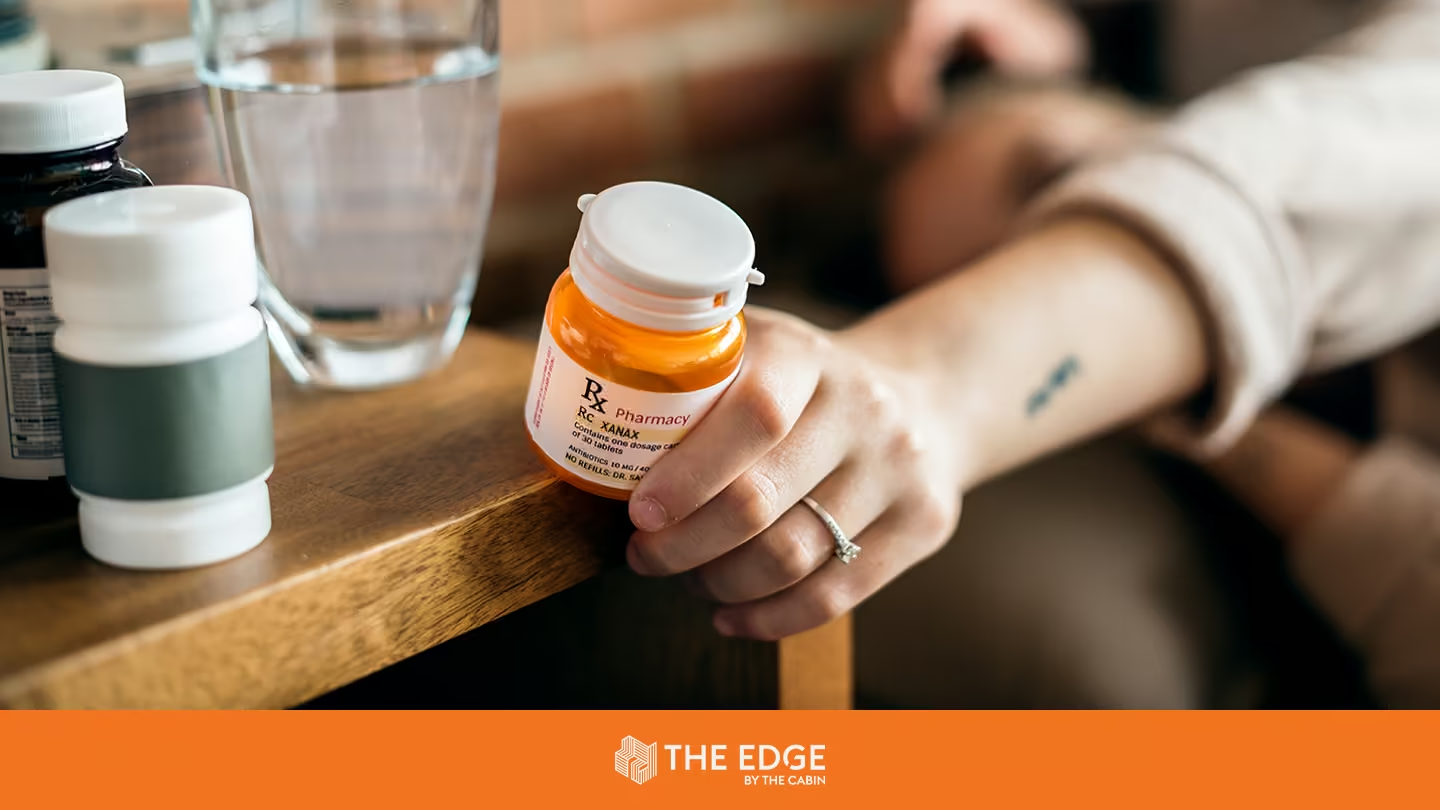
Xanax Addiction involves the compulsive use of alprazolam, a potent medication within the benzodiazepine drug class that is prescribed primarily as a Schedule IV controlled substance for the treatment of severe anxiety and panic disorders. The medication is available under both brand and generic names, with global terminology including Xanax, Zanax, and Xanor. Symptoms of addiction include continued use despite negative consequences in personal, professional, or social life, physiological dependence, psychological reliance, and neuroadaptation, where the brain becomes increasingly dependent on the drug to maintain a sense of calm and emotional stability. Individuals may also experience intense cravings, difficulty reducing use, and persistent concerns about functioning without the medication. Treatment involves medical monitoring, gradual tapering, and behavioral therapy to manage anxiety, prevent relapse, and reduce withdrawal-related complications. Comprehensive treatment plans often address both the physical dependence and the underlying psychological factors that contribute to ongoing use. Ongoing clinical support, relapse prevention strategies, and evidence-based therapeutic interventions help individuals achieve sustainable recovery while ensuring the safe and effective management of Xanax addiction and its associated risks.
What medical conditions does Xanax treat?
Xanax treats several specific psychological and physiological conditions associated with excessive neurological activity and heightened anxiety responses. Doctors primarily prescribe the medication for the management of generalized anxiety disorder and various forms of panic disorder. Xanax helps relieve the intense symptoms of panic attacks, including heart palpitations, overwhelming fear, shortness of breath, and feelings of impending doom. Physicians may also prescribe the medication for certain off-label uses, such as short-term insomnia, anxiety related to specific medical conditions, or chemotherapy-induced nausea. Clinical guidelines emphasize that this medication is intended primarily for short-term use, helping reduce the risk of tolerance, dependence, and misuse. Patients should not expect the medication to serve as a long-term solution for everyday life stressors, routine worries, or minor tension. A thorough clinical evaluation determines how Xanax is used in a comprehensive treatment plan based on the individual’s symptoms, medical history, and treatment needs. Medical teams must carefully monitor the duration and effectiveness of treatment to ensure that the original condition remains the focus of care and does not become overshadowed by tolerance, dependence, or other medication-related concerns. Ongoing medical supervision helps support safe use while allowing healthcare providers to evaluate treatment progress and adjust recommendations when necessary.
What Does Xanax Do to the Body?
Xanax induces a series of depressant effects on the central nervous system by interacting with specific neurotransmitters in the brain. The medication increases the activity of GABA-A receptors, which help inhibit overactive neural signals and reduce excessive brain activity associated with anxiety and panic. The chemical interaction produces calming and sedative effects that often manifest shortly after the substance enters the bloodstream. Physical sedation occurs as the drug slows certain cognitive processes and physiological functions, creating a sense of relaxation and reduced tension. Muscle relaxation is a common effect, as the brain sends fewer excitatory signals to the skeletal system and decreases physical symptoms associated with stress and anxiety. High doses of the medication may significantly impair short-term memory, concentration, and the ability to process complex information effectively. Slowed reaction times can make everyday tasks, such as driving, operating machinery, or making rapid decisions, potentially dangerous. The body effectively enters a state of artificial tranquility that suppresses many of the physical and emotional symptoms of distress. Additional effects may include drowsiness, reduced alertness, dizziness, and changes in coordination, particularly when the medication is taken in higher doses or used for extended periods. These physiological effects explain why Xanax is effective for anxiety management, while also highlighting the importance of medical supervision during use.
How Does Xanax Work Chemically in the Brain?
Xanax works chemically by binding to the benzodiazepine site of the gamma-aminobutyric acid (GABA-A) receptor complex in the brain. The binding action increases the frequency of chloride channel opening within neurons, enhancing the effects of the brain’s primary inhibitory neurotransmitter. A higher concentration of chloride ions makes neurons less likely to reach an action potential and fire, resulting in reduced neural activity and a calming effect on the central nervous system. This inhibition directly reduces the hypersensitivity of the brain’s alarm system during periods of high stress, anxiety, or panic. Tolerance development begins when the brain attempts to compensate for the continued presence of the medication by reducing the sensitivity or availability of gamma-aminobutyric acid (GABA) receptors. Neuroadaptation follows as neural pathways gradually become accustomed to the constant presence of the drug and adjust their normal functioning accordingly. The brain may eventually become less efficient at regulating anxiety levels naturally without medication, particularly after prolonged or excessive use. These neurochemical changes can create a cycle in which the individual increasingly relies on the drug to avoid symptoms of anxiety, withdrawal, or heightened nervous system activity. Over time, this process contributes to physical dependence and reinforces continued use, making professional medical supervision important when reducing or discontinuing Xanax. The interaction between GABA receptors, neural inhibition, tolerance, and dependence explains both the therapeutic effects and addiction potential associated with the medication.
How does Xanax affect the body and mind?
Xanax affects the body and mind by creating a subjective experience of relaxation, reduced anxiety, and a temporary sense of emotional and physical calm. Patients typically report feeling calm, less tense, and drowsy within thirty to sixty minutes of oral ingestion. Misuse of the medication at higher doses can lead to a sense of euphoria, as the brain’s reward pathways may be indirectly stimulated. Emotional blunting can occur when an individual feels disconnected from the full range of emotions, making it more difficult to experience joy, sadness, or emotional responsiveness in a natural way. Slowed reaction times are a physical hallmark of the drug’s impact on areas of the brain responsible for coordination, movement, and cognitive processing. Mental fog, impaired concentration, and a lack of coordination are common occurrences while the drug is at peak concentration in the bloodstream. The mind experiences a temporary reprieve from racing thoughts, excessive worry, and heightened anxiety, while the body often feels heavy, relaxed, and sedated. Some individuals may also experience dizziness, reduced alertness, or memory difficulties, particularly when larger doses are used. Long-term impacts may include a persistent state of lethargy, reduced motivation for daily activities, and increased reliance on the medication to manage stress or anxiety. These combined effects on mood, cognition, and physical functioning illustrate why Xanax can be effective therapeutically, while also carrying a risk of dependence when used improperly or for extended periods.
How to Use Xanax Safely If Prescribed?
To use Xanax safely when prescribed, follow the four steps below.
- Adhere to the dosage. Follow the exact milligram amount and dosing schedule provided by the healthcare professional without exception. Taking more than the prescribed amount or using the medication more frequently than directed can lead to excessive sedation, impaired judgment, respiratory depression, and an increased risk of dependence.
- Limit treatment duration. Use the medication only for the period recommended by your healthcare provider and supported by clinical guidelines to reduce the risk of physical dependence and tolerance. Prolonged use beyond the recommended timeframe significantly increases the likelihood of neurological adaptation and withdrawal symptoms when the medication is discontinued.
- Avoid alcoholic beverages. Refrain from consuming alcohol while the medication remains active in your system. Combining Xanax with alcohol can amplify central nervous system depression and substantially increase the risk of dangerous side effects, accidental overdose, impaired coordination, or life-threatening respiratory complications.
- Maintain regular follow-ups. Schedule consistent appointments with the prescribing doctor to evaluate the ongoing necessity, effectiveness, and safety of treatment. These follow-up visits allow the medical team to monitor for signs of tolerance, side effects, misuse, or emerging dependence while making appropriate adjustments to the treatment plan when necessary.
Following these safety measures helps maximize the therapeutic benefits of Xanax while reducing the risks associated with long-term use, dependence, and medication-related complications. Consistent medical supervision remains an important component of safe and effective Xanax treatment.
Is Xanax an Opioid or Narcotic?

No, Xanax is not an opioid or a narcotic in the pharmacological sense of the term. Xanax belongs to the benzodiazepine class of medications, which works primarily on the gamma-aminobutyric acid (GABA) system rather than the opioid receptors found throughout the brain and nervous system. Opioids are primarily prescribed for pain management, while benzodiazepines are intended for the treatment of anxiety disorders, panic disorders, seizure disorders, and certain short-term neurological and psychiatric conditions. Law enforcement and legal systems may occasionally use the term narcotic broadly when referring to controlled substances, but medical professionals rely on more precise pharmacological classifications. The medication functions as a central nervous system depressant and has a chemical structure that is distinctly different from opioid substances such as oxycodone or heroin. Patients must understand that although Xanax is not an opioid, it still carries a significant potential for misuse, tolerance, physical dependence, and withdrawal complications. Misidentifying the drug class can lead to dangerous misunderstandings regarding its risks, side effects, drug interactions, and safe use guidelines. Understanding the difference between benzodiazepines and opioids helps patients make informed decisions about treatment and recognize the unique risks associated with each category of medication. Proper education and medical supervision play an important role in reducing the likelihood of misuse and promoting safe medication management.
Can Xanax Make You High?
Yes, Xanax can make you feel high when consumed in doses that exceed the prescribed therapeutic range or when the medication is misused. The experience often involves an intense feeling of relaxation, sedation, and temporary relief from emotional distress or anxiety. Some individuals misuse the drug to achieve a sense of euphoria, emotional detachment, or a profound disconnect from reality. The brain experiences an artificial surge of tranquility and calmness that may feel rewarding, particularly for individuals experiencing high levels of stress, anxiety, or emotional discomfort. The relatively rapid onset of the medication allows some people to feel these effects shortly after ingestion, which can contribute to its misuse potential. Recreational use bypasses the intended medical purpose of the medication and places the individual at risk for serious physical, psychological, and behavioral health complications. Higher doses may also cause impaired judgment, memory problems, reduced coordination, and dangerous levels of sedation. Continued pursuit of these pleasurable sensations can contribute to the development of tolerance, physical dependence, and a substance use disorder involving Xanax. As tolerance develops, individuals may feel compelled to increase their dosage to achieve the same effects, which further increases the risk of addiction and overdose. Understanding the distinction between therapeutic use and recreational misuse is essential for recognizing the risks associated with a Xanax high and promoting safe medication practices.
What is Xanax Addiction?
Xanax addiction is a complex brain disease characterized by the compulsive search for and use of the medication despite knowing the negative personal, social, physical, or psychological consequences. The FDA and other clinical organizations recognize that the substance has a significant potential for the development of dependence and addiction, even when it is initially taken as prescribed. Addiction involves a loss of control in which the individual can no longer effectively regulate the amount, frequency, or circumstances surrounding their use of the drug. The brain undergoes physiological and neurochemical changes that begin to prioritize the substance over healthy rewards, personal goals, and normal survival-driven behaviors. Cravings become a dominant part of the individual’s daily life and help drive the cycle of repeated use, dependence, and compulsive drug-seeking behavior. Social relationships, family connections, academic performance, and occupational responsibilities often suffer as the medication becomes the primary focus of attention and behavior. Professional treatment is necessary to address both the psychological and physical aspects of the condition through comprehensive medical and therapeutic support. Individuals may continue using Xanax despite experiencing negative consequences, withdrawal symptoms, or a growing awareness that the medication is causing harm. Effective treatment typically includes medical supervision, gradual tapering when appropriate, behavioral therapies, relapse prevention planning, and ongoing recovery support. Research consistently demonstrates that all formulations of Xanax carry a high risk of addiction, highlighting the importance of medical supervision and professional treatment, confirming that Xanax is addictive. Early recognition of addiction symptoms and timely intervention can significantly improve recovery outcomes and reduce the long-term impact of benzodiazepine dependence.
Why Is Xanax So Addictive?
Xanax is so addictive because its rapid onset of action provides immediate relief from anxiety, panic, and emotional distress, creating strong psychological reinforcement and encouraging repeated use. Many individuals experience noticeable calming effects shortly after taking the medication, which can strengthen the association between Xanax use and symptom relief. Xanax’s relatively short duration of action often encourages more frequent dosing to maintain the desired calming effect, contributing to the development of tolerance, where increasingly higher amounts are needed to achieve the same result. Withdrawal symptoms can be severe and may appear relatively soon after the last dose, creating powerful negative reinforcement that motivates continued use to avoid discomfort. The indirect influence on dopamine-related reward pathways in the brain further strengthens the cycle of dependence, reinforcing the connection between Xanax use and feelings of relief or emotional stability. Over time, the brain adapts to the presence of the medication, making it more difficult to regulate anxiety naturally without the drug. Each of these factors combines to make this particular benzodiazepine more difficult to discontinue than other similar medications such as Valium, Ativan, and Klonopin. The combination of rapid symptom relief, tolerance development, withdrawal effects, and neurochemical adaptation contributes significantly to Xanax’s addiction potential. These characteristics highlight the importance of careful medical supervision, appropriate prescribing practices, and professional treatment when dependence or addiction develops.
Adolescent Xanax Misuse Leads to Higher Rates of Addiction
At The Edge, we understand the harm Xanax misuse can cause young men and their families. Our specialised treatment program is designed to help those struggling with addiction.
How Fast Can You Become Addicted to Xanax?
You can become addicted to Xanax in as little as three to four weeks of consistent daily use, although the exact timeline varies from person to person. The transition from medical use to dependence or addiction is influenced by several factors, including dosage, frequency of consumption, duration of use, and individual biological differences. Individuals who take the medication multiple times per day or at higher doses face a significantly greater risk of developing tolerance, dependence, and addiction more rapidly. Personal factors, such as a history of substance use disorders, co-occurring mental health conditions, or genetic predispositions, can further accelerate the process. The brain begins adjusting its chemical balance to the presence of the drug soon after use begins, as it adapts to the enhanced activity of the gamma-aminobutyric acid (GABA) system. These neurochemical adaptations can occur even when the medication is taken according to a prescription. Some patients may experience rebound anxiety, increased nervousness, or mild withdrawal symptoms after approximately one month of regular treatment, particularly if the medication is reduced or stopped abruptly. Healthcare providers recommend limiting Xanax use to the shortest duration necessary to reduce the risk of tolerance, dependence, and long-term neurological changes. Early signs of dependence may include needing higher doses to achieve the same effect or feeling uncomfortable when a dose is missed. Careful medical supervision and regular treatment reviews help identify these warning signs early and support safer medication use.
How Addictive Is Xanax Compared to Other Benzodiazepines?
Xanax is generally regarded as having a higher potential for addiction compared to many longer-acting benzodiazepines. The medication enters the bloodstream and crosses the blood-brain barrier more rapidly than drugs such as Valium, producing noticeable effects within a relatively short period of time. The rapid rise in concentration creates a more immediate and pronounced calming effect, which the brain may associate with relief, reward, and emotional comfort. This quick onset is one of the primary factors that increase the medication’s misuse and addiction potential. The body also metabolizes Xanax relatively quickly, leaving some individuals vulnerable to rebound anxiety, cravings, or early withdrawal symptoms due to its shorter half-life. This pattern can contribute to more frequent dosing and a stronger cycle of dependence than is often observed with benzodiazepines that remain active in the body for longer periods. The intensity of the calming effect, combined with the discomfort that may occur as the medication wears off, serves as a major driver of compulsive use behaviors. Longer-acting benzodiazepines generally produce a more gradual onset and decline in effects, which may reduce the intensity of reinforcement experienced by the user. Although all benzodiazepines carry a risk of dependence and addiction, Xanax is often considered particularly habit-forming due to its rapid onset, shorter duration of action, and stronger association with immediate symptom relief. These characteristics highlight the importance of careful prescribing, ongoing monitoring, and professional guidance throughout treatment.
A comparison of Xanax to other benzodiazepines is shown in the table below.
|
Medication |
Onset & Duration |
Addiction Risk |
Withdrawal Severity |
|
Xanax |
Very Rapid / Short |
Very High |
Severe and Acute |
|
Ativan |
Intermediate / Medium |
High |
Significant |
|
Klonopin |
Slow / Long |
High |
Intense and Prolonged |
|
Valium |
Fast / Very Long |
Moderate |
Less Acute |
Can You Get Addicted to Xanax as Prescribed?
Yes, you can get addicted to Xanax as prescribed. Physical dependence can develop in individuals who take the medication daily for an extended period, even when they follow their healthcare provider’s instructions exactly as directed. The brain gradually adapts to the presence of the drug and may reduce its natural reliance on inhibitory neurotransmitter activity when Xanax is consistently used to maintain balance and reduce anxiety symptoms. Patients often notice that their initial dose becomes less effective over time, a process known as tolerance, which can create a desire to increase the dosage or continue treatment longer than originally intended. This progression can occur gradually and may not always be immediately recognized by the individual. Dependence can develop without recreational misuse, drug-seeking behavior, or intentional overuse of the medication. Risk increases significantly when Xanax is taken continuously for more than a few weeks, particularly when treatment extends beyond the recommended short-term duration. The likelihood of dependence may also be influenced by dosage, frequency of use, individual biology, and personal history of substance use disorders. Long-term use requires a medically supervised tapering process to help prevent potentially serious withdrawal symptoms and reduce the risk of complications. Abrupt discontinuation can trigger rebound anxiety, insomnia, agitation, and other withdrawal-related effects. Regular medical monitoring helps identify early signs of tolerance or dependence and supports the safe use of Xanax throughout treatment.
Is Xanax Physically or Psychologically Addictive?
Yes, Xanax is both physically and psychologically addictive, which can make the recovery process more challenging for many individuals. Physical addiction involves the neuroadaptation of the central nervous system to the constant presence of the medication. Over time, the body adjusts its normal functioning and may eventually reach a state where it struggles to maintain homeostasis without a specific amount of the drug. This physiological dependence can result in withdrawal symptoms when the medication is reduced or discontinued. Psychological addiction involves intense mental cravings and an emotional reliance on the substance to cope with anxiety, stress, fear, panic, or difficult social situations. Patients may begin to feel that they are unable to manage life’s challenges effectively without the sense of calm or relief provided by the medication. The medication can become closely associated with emotional comfort, making it difficult to separate recovery from the perceived need for continued use. The combination of physical discomfort caused by withdrawal and the mental obsession associated with cravings makes Xanax particularly difficult to stop using independently. These two forms of addiction often reinforce one another, creating a cycle that sustains continued use and increases the risk of relapse. The physical and psychological aspects of addiction must be addressed simultaneously through comprehensive medical care, behavioral therapy, and ongoing recovery support. An integrated treatment approach helps individuals manage withdrawal symptoms, develop healthier coping mechanisms, and build the skills needed for long-term recovery.
What Is Xanax Abuse?
Xanax abuse is defined as any use of the medication that occurs outside the specific instructions, dosage recommendations, or treatment guidelines provided by a medical professional. Xanax abuse includes taking higher doses than prescribed, using the medication more frequently than intended, or continuing to use it beyond the recommended treatment period. Obtaining the drug through illegal channels, purchasing it without a prescription, or using someone else’s prescription also constitutes a form of misuse and abuse. Individuals may misuse the substance for recreational purposes to experience intoxication, euphoria, relaxation, or a sense of emotional detachment. Dose manipulation, such as crushing pills, altering the method of administration, or attempting to intensify the drug’s effects, is another common indicator of abusive behavior. Combining Xanax with other substances, particularly alcohol, opioids, or other central nervous system depressants, is a dangerous and frequently observed form of misuse that significantly increases health risks. These behaviors can impair judgment, coordination, memory, and overall cognitive functioning while increasing the likelihood of accidents and medical emergencies. The misuse of Xanax substantially increases the risk of tolerance, physical dependence, addiction, and the development of a long-term substance use disorder. Repeated abuse can also contribute to worsening mental health symptoms, social difficulties, and disruptions in occupational or academic performance. The behaviors significantly increase the risk of developing a long-term substance use disorder and experiencing a fatal overdose. Early identification of misuse patterns and timely professional intervention can help prevent more severe health consequences and support successful recovery outcomes.
Why Do People Abuse Xanax?
People abuse Xanax for a variety of reasons, including the desire for rapid stress relief, emotional numbing, and temporary escape from psychological distress. The medication provides a fast-acting sense of calm that can make it appealing to individuals struggling with untreated trauma, chronic anxiety, panic symptoms, or overwhelming emotional challenges. Some individuals seek the euphoric effects that may occur when the drug is taken in larger amounts than prescribed. Others use the substance as a form of self-medication for conditions such as sleep disturbances, social anxiety, or persistent emotional discomfort without receiving appropriate medical guidance. Peer influence, social pressure, and the availability of Xanax within certain social environments can also contribute to recreational experimentation and misuse. The immediate gratification offered by the medication makes it a tempting solution for individuals looking to temporarily disconnect from reality, reduce emotional pain, or avoid stressful situations. Emotional numbing may allow some individuals to avoid confronting painful memories, unresolved trauma, or ongoing life stressors, even though the underlying issues remain unaddressed. Over time, repeated reliance on Xanax for emotional regulation can weaken an individual’s ability to cope with challenges through healthy coping mechanisms. As tolerance develops, larger amounts of the medication may be needed to achieve the same effects, increasing the risk of dependence and addiction. This pattern of use can evolve into a cycle of dependency that becomes increasingly difficult to break without professional support and treatment. Understanding the motivations behind Xanax abuse is important for identifying risk factors, developing effective interventions, and supporting long-term recovery.
How Do People Abuse Xanax?
People abuse Xanax through a variety of unsafe and non-medical patterns of use, including taking more medication than prescribed, combining it with other substances, or using it in ways not intended by healthcare professionals. Oral misuse is the most common form of Xanax abuse, occurring when individuals take excessive amounts of the medication in an attempt to intensify its effects. Individuals may also engage in dose stacking, where additional doses are taken before earlier doses have fully worn off, increasing the risk of harmful side effects and overdose. Mixing Xanax with alcohol is a common and extremely dangerous form of misuse that can significantly amplify the depressant effects of both substances on the central nervous system. Some individuals attempt alternative methods of misuse in the belief that these approaches will produce stronger or faster effects, despite the substantial health risks involved. Non-medical routes of administration can increase the likelihood of adverse reactions and other serious complications. Misinformation regarding alternative methods of use can contribute to dangerous behaviors and poor decision-making. Each method of misuse increases the risk of severe health consequences, including respiratory depression, loss of consciousness, seizures, cardiovascular complications, and potentially fatal overdose. Repeated misuse also increases the likelihood of tolerance, physical dependence, addiction, and long-term psychological and physical health problems. Early intervention and professional treatment are important for addressing misuse patterns before they progress into a more severe substance use disorder.
What Are Common Street Names and Forms of Xanax?
The common street names and forms of Xanax are listed below.
- Bars: Rectangular tablets containing 2 mg of alprazolam, typically scored into four sections for easier division. Highly sought after on the illicit market, they may appear in various colors such as white, yellow, or green, depending on the manufacturer and formulation.
- Xans: A widely recognized slang term for Xanax that is commonly used in popular culture, online communities, and among individuals who misuse the medication. Xans remains one of the most frequently used street names associated with Xanax.
- Zannies: An informal nickname derived from the pronunciation of Xanax. The term is often associated with instant-release formulations, although it is commonly used interchangeably with Xans in everyday conversation.
- Pills: Smaller circular or oval tablets available in lower dosage strengths, including 0.25 mg, 0.5 mg, and 1 mg. Tablet color may sometimes indicate strength, although appearance can vary significantly between manufacturers.
- Counterfeit tablets: Illegally manufactured tablets designed to resemble legitimate Xanax products. These counterfeit versions may contain fentanyl, synthetic drugs, or other dangerous substances, creating a significantly elevated risk due to their unknown chemical composition and potency.
- Dosage strengths: Standard pharmaceutical dosage increments generally range from 0.25 mg to 2 mg per tablet. Color, shape, markings, and tablet design are often used to identify strength and formulation rather than relying on brand-specific names within illicit markets.
Understanding common street names and tablet forms can help individuals recognize potential misuse, counterfeit products, and drug-related risks. Counterfeit Xanax remains a particularly serious concern, as illegal tablets may contain substances that dramatically increase the risk of overdose, poisoning, or other life-threatening complications.
What Are the Signs of Xanax Abuse?
The signs of Xanax abuse are listed below.
- Slurred speech: Visible difficulty in articulating words or speaking at a consistent volume during normal interactions. It occurs because the medication slows down the communication between the brain and the speech muscles.
- Memory gaps: Frequent periods where the individual does not recall events that happened while they were under the influence. Large doses interfere with the brain’s ability to create and store new long-term memories.
- Social isolation: Gradual withdrawal from family and friends in favor of spending time alone or with other drug users. The individual may lose interest in hobbies and responsibilities as the drug becomes their primary focus.
- Physical coordination issues: Noticeable stumbling or a lack of balance that resembles alcohol intoxication. The drug affects the motor functions of the brain, which leads to an increased risk of falls and accidents.
What Does Xanax Addiction Look Like?
Xanax addiction often looks like a person becoming increasingly reliant on the medication to manage everyday life and feeling unable to function normally without it. Individuals may become preoccupied with obtaining, maintaining, or protecting a constant supply of the drug, even when legitimate medical reasons for use no longer exist. Loss of control becomes evident when the individual continues using Xanax despite experiencing negative physical, emotional, social, occupational, or legal consequences. Daily responsibilities, including work, education, family obligations, or parenting duties, may begin to suffer as the sedative and cognitive effects of the medication interfere with normal functioning. Compulsive use can involve behaviors such as seeking prescriptions from multiple healthcare providers, attempting to obtain additional medication through unauthorized sources, or using larger amounts than originally prescribed. The individual may appear persistently drowsy, mentally foggy, emotionally detached, or withdrawn from relationships and activities that were previously important. Mood changes, reduced motivation, impaired memory, and difficulty concentrating may also become more noticeable over time. Financial difficulties can emerge as increasing amounts of money, time, and energy are directed toward obtaining and using the medication. The pattern reflects significant neurochemical and behavioral changes associated with prolonged Xanax use and dependence. Friends, family members, and coworkers may observe changes in personality, decision-making, or overall functioning before the individual recognizes the severity of the problem. These warning signs often indicate that professional assessment and treatment may be necessary to address the physical and psychological aspects of addiction.
What Are the Symptoms of Xanax Addiction?
The symptoms of Xanax addiction are listed below.
- Tolerance: The need for increasingly larger doses of the medication to achieve the original calming or anxiety-reducing effect. The brain’s receptors gradually become less responsive to the drug after repeated exposure, leading to diminished effectiveness over time and increasing the risk of dependence and misuse.
- Cravings: Intense, persistent, and intrusive thoughts about using the drug that may occur throughout the day. These urges can be triggered by stress, emotional discomfort, environmental cues, or situations associated with previous Xanax use, making it difficult for the individual to focus on other responsibilities.
- Withdrawal avoidance: Continued use of the medication primarily to prevent the onset of uncomfortable physical or psychological withdrawal symptoms. Individuals often fear the return of severe anxiety, tremors, agitation, insomnia, or other withdrawal-related effects that may occur when drug levels begin to decrease.
- Functional decline: A noticeable reduction in the ability to meet expectations at work, school, home, or within personal relationships. The individual increasingly prioritizes obtaining or using Xanax over self-care, responsibilities, hobbies, and social obligations.
Additional signs of Xanax addiction may include loss of control over use, unsuccessful attempts to cut back, increased secrecy surrounding medication use, and continued consumption despite negative consequences. These symptoms often reflect underlying physical dependence, psychological reliance, and neurochemical changes associated with long-term benzodiazepine exposure. Recognizing these warning signs early can support timely intervention, professional treatment, and improved long-term recovery outcomes.
If Xanax use is becoming a habit
It’s time to understand why and take action, and our trained professionals at The Edge can help.
What Are the Symptoms of Xanax Dependence?
The symptoms of Xanax dependence are listed below.
- Rebound anxiety: The return of the original anxiety symptoms at a significantly greater intensity once the medication begins to wear off or is discontinued. Rebound anxiety occurs because the brain is attempting to readjust after a period of artificial suppression of anxiety-related neural activity, often leading to heightened nervousness, restlessness, and emotional distress.
- Physical tremors: Involuntary shaking of the hands, fingers, or other parts of the body when a dose is missed, delayed, or reduced. These symptoms indicate that the nervous system has become increasingly sensitive and hyperexcitable in the absence of the medication.
- Insomnia: Severe difficulty falling asleep, staying asleep, or achieving restful sleep without the sedative effects of Xanax. The brain may remain in a heightened state of alertness, making restorative sleep difficult and contributing to fatigue, irritability, and reduced daily functioning.
Additional symptoms of Xanax dependence may include sweating, increased heart rate, muscle tension, agitation, headaches, difficulty concentrating, and heightened sensitivity to stress. The severity of these symptoms often depends on factors such as dosage, duration of use, individual physiology, and the speed at which the medication is reduced or discontinued. Dependence refers to the body’s physical adaptation to the drug, which causes withdrawal symptoms when use is reduced, interrupted, or stopped. Addiction involves compulsive drug-seeking behaviors, loss of control over use, persistent cravings, and continued consumption despite negative health, social, occupational, or legal consequences. An individual can develop physical dependence without meeting the clinical criteria for addiction, although dependence may increase the risk of addiction over time. Understanding the distinction between dependence and addiction is important for recognizing symptoms early and determining the most appropriate treatment approach.
What Are the Side Effects of Long-Term Xanax Use?
The side effects of long-term Xanax use are listed below.
- Cognitive decline: Persistent difficulty with memory, concentration, attention, and processing new information can develop after prolonged use. This effect is linked to the medication’s impact on brain regions involved in learning, memory formation, and executive functioning. Individuals may notice increased forgetfulness, slower thinking, and reduced mental clarity during daily activities.
- Mood changes: Long-term use increases the risk of depression, chronic irritability, emotional instability, and changes in overall emotional well-being. Alterations in brain chemistry associated with extended benzodiazepine exposure can make it more difficult for individuals to regulate mood naturally without the medication. Some individuals may also experience reduced motivation and decreased interest in previously enjoyable activities.
- Emotional blunting: Individuals may feel emotionally flat, detached, or disconnected from both their own feelings and the emotions of others. This dampening of emotional responsiveness can affect personal relationships, social engagement, and overall quality of life. Emotional blunting may also reduce an individual’s ability to fully experience positive emotions, empathy, and emotional connection.
- Physical risks: Chronic use increases susceptibility to falls, fractures, balance problems, and respiratory complications, particularly among older adults. The sedative effects of Xanax can impair coordination, reaction time, and physical stability, causing these risks to accumulate over time. Long-term use may also contribute to ongoing fatigue and reduced physical functioning in some individuals.
- Increased anxiety: A paradoxical effect of long-term use is that the medication may eventually make an individual more vulnerable to anxiety and panic symptoms. The brain becomes increasingly reliant on the drug to regulate stress responses, so reduced effectiveness, missed doses, or withdrawal can intensify feelings of anxiety and emotional distress. This cycle can reinforce continued use and contribute to the development of dependence over time.
Long-term Xanax use can affect cognitive health, emotional regulation, physical safety, and overall quality of life, highlighting the importance of regular medical monitoring and periodic treatment evaluations. Healthcare providers often recommend using Xanax for the shortest effective duration to reduce the risk of these long-term complications while supporting safe and effective treatment outcomes.
What Are the Dangers of Mixing Xanax With Alcohol?
The dangers of mixing Xanax with alcohol are listed below.
- Respiratory failure: Dangerous slowing of the breathing rate that can lead to severely reduced oxygen intake or complete respiratory arrest. Xanax and alcohol both suppress the central nervous system and impair the brain’s ability to regulate breathing, creating a life-threatening medical emergency. The risk becomes even greater when high doses of either substance are involved.
- Profound unconsciousness: A state of extreme sedation in which an individual becomes difficult or impossible to awaken through normal stimulation, including loud noises or physical contact. This level of unconsciousness significantly increases the risk of choking on vomit, aspiration, falls, traumatic injuries, and other potentially fatal complications. Emergency medical intervention may be required to prevent serious harm.
- Enhanced toxicity: Increased strain on the liver and other vital organs as the body attempts to metabolize multiple depressant substances simultaneously. The combined toxic burden can overwhelm normal physiological processes and increase the likelihood of severe adverse reactions, organ dysfunction, or acute medical complications.
- Severe memory blackouts: Complete or partial loss of memory for events that occurred while both substances were active in the body. The synergistic depressant effects of Xanax and alcohol can significantly impair the brain’s ability to form, store, and retrieve new memories. Individuals may engage in risky behaviors during these blackout periods without any later recollection of their actions.
The combination of Xanax and alcohol is particularly dangerous because both substances amplify each other’s sedative effects rather than simply adding to them. This interaction substantially increases the risk of overdose, respiratory depression, coma, accidental injury, and death. Medical professionals strongly advise avoiding alcohol completely while taking Xanax to reduce the risk of these serious and potentially life-threatening consequences.
What Is Xanax Withdrawal?
Xanax withdrawal is a complex physiological and psychological reaction that occurs when a person who has developed dependence on the medication suddenly stops taking it or significantly reduces their dosage. The brain enters a state of heightened hyperexcitability because the inhibitory effects previously provided by the drug are abruptly removed. Rebound anxiety is often one of the earliest symptoms to appear and may be significantly more intense than the original anxiety or panic symptoms for which the medication was prescribed. Neurological risks include the possibility of seizures, including grand mal seizures, which can become life-threatening without prompt medical attention and appropriate treatment. The body may also experience cardiovascular symptoms such as rapid heart rate, elevated blood pressure, palpitations, and increased physical agitation. Sleep cycles are frequently disrupted during withdrawal, leading to insomnia, fatigue, exhaustion, and worsening psychological distress. Additional symptoms may include tremors, sweating, irritability, difficulty concentrating, muscle tension, and heightened sensitivity to stress. Professional medical supervision is necessary to manage these risks, monitor symptoms, and ensure the safety of the individual throughout the withdrawal process. The severity and duration of Xanax withdrawal symptoms depend on the individual’s history of use, including dosage, frequency, length of treatment, and overall physical and mental health. Withdrawal symptoms can vary considerably from person to person, making individualized treatment and tapering plans essential for safe recovery. A medically supervised taper is often recommended to reduce withdrawal severity and minimize the risk of serious complications.
What Are the Symptoms of Xanax Withdrawal?
The symptoms of Xanax withdrawal are listed below.
- Extreme anxiety: Feelings of intense panic, fear, nervousness, and dread that can become overwhelming for the individual. These symptoms often emerge quickly after discontinuation and frequently peak within the first several days of withdrawal. Many individuals experience anxiety levels that exceed those present before they began taking the medication.
- Sleep disturbances: Difficulty falling asleep, staying asleep, or achieving restful sleep. Symptoms may include vivid dreams, nightmares, frequent awakenings, and persistent insomnia. The brain remains in a heightened state of alertness, preventing normal sleep cycles and contributing to physical and emotional exhaustion.
- Muscle tremors: Involuntary shaking, twitching, or trembling that may affect the hands, arms, legs, or entire body. Muscle tremors are a visible sign that the central nervous system is struggling to readjust and restore its natural balance after prolonged exposure to the medication. Tremors may be accompanied by muscle tension, restlessness, and physical discomfort.
- Grand mal seizures: Serious electrical disturbances in the brain that require immediate emergency medical attention. Grand mal seizures represent one of the most dangerous complications associated with abrupt Xanax discontinuation and can become life-threatening if not properly managed. The risk of seizures is one of the primary reasons medical supervision is strongly recommended during withdrawal.
- Psychosis: The potential development of hallucinations, severe confusion, paranoia, or a loss of contact with reality during the most acute stages of withdrawal. This symptom is more likely to occur in individuals who have used very high doses for extended periods or who discontinue the medication suddenly without medical guidance.
Additional withdrawal symptoms may include sweating, irritability, headaches, increased heart rate, nausea, difficulty concentrating, and heightened sensitivity to stress. The severity of withdrawal symptoms varies based on factors such as dosage, duration of use, frequency of use, and overall health status. Professional medical supervision can help manage symptoms safely, reduce complications, and support a more comfortable withdrawal process.
Why Is Xanax Withdrawal Dangerous?
Xanax withdrawal is dangerous because it can trigger a sudden and significant increase in central nervous system activity after the brain has adapted to the medication’s calming effects. The drug suppresses neural activity by enhancing the action of gamma-aminobutyric acid (GABA), the brain’s primary inhibitory neurotransmitter. When Xanax is abruptly removed, the nervous system may become excessively active, causing neurons to fire more rapidly and unpredictably than normal. This state of hyperexcitability can lead to serious neurological complications, including seizures and, in severe cases, status epilepticus, a medical emergency that requires immediate treatment. Cardiovascular stability may also be affected, increasing strain on the heart and contributing to symptoms such as elevated blood pressure, rapid heart rate, and increased physical stress on the body. The risk of severe complications, including life-threatening outcomes, is one of the primary reasons medical professionals discourage unsupervised detoxification. Hyperexcitability within the nervous system can also contribute to dangerous behavioral changes, severe anxiety, panic, confusion, agitation, and intense psychological distress. Some individuals may experience hallucinations, psychosis, or profound sleep disruption during acute withdrawal. Only a controlled environment with qualified healthcare professionals can provide the monitoring, medications, and interventions necessary to manage these risks safely. Clinical monitoring helps identify complications early and ensures that potentially serious symptoms are addressed before they become life-threatening. Medically supervised tapering is often recommended to reduce withdrawal severity and support a safer transition away from Xanax. Professional care significantly improves safety, comfort, and overall treatment outcomes during the withdrawal process.
How Is Xanax Addiction Diagnosed?
Xanax addiction is diagnosed by a qualified healthcare professional using criteria outlined in the Diagnostic and Statistical Manual of Mental Disorders (DSM). A comprehensive assessment typically involves reviewing the individual’s medication use history, patterns of Xanax consumption, medical background, mental health status, and current physical and psychological symptoms. Clinicians look for specific indicators of a substance use disorder, including an inability to reduce or stop use despite repeated efforts or a strong desire to do so. Social impairment, relationship difficulties, declining performance at work or school, and the neglect of important personal responsibilities are also key factors considered during the diagnostic process. Tolerance and withdrawal symptoms serve as important physical markers that may indicate the presence of physiological dependence and a developing substance use disorder. Healthcare professionals may also evaluate cravings, loss of control over use, time spent obtaining or using the medication, and continued use despite harmful consequences. The diagnosis helps determine whether the condition is classified as mild, moderate, or severe based on the number and severity of symptoms present. This classification guides treatment planning and helps clinicians identify the most appropriate level of care for the individual. The evaluation is essential for developing an effective treatment strategy that addresses both the physical and psychological aspects of Xanax addiction. Medical professionals use this structured framework to ensure that each patient receives individualized care, appropriate clinical support, and evidence-based interventions designed to promote long-term recovery and improved overall well-being.
How Is Xanax Addiction Treated?
Xanax addiction is treated through a comprehensive, multi-faceted approach that combines medical care, behavioral therapies, and ongoing recovery support. The first step often involves a gradual and medically supervised taper of the medication to reduce the risk of dangerous withdrawal symptoms and other potential complications. Abrupt discontinuation is generally avoided, as it can increase the likelihood of severe withdrawal effects, including seizures and significant psychological distress. Therapeutic interventions, such as cognitive-behavioral therapy (CBT), help individuals identify and address the underlying causes of anxiety, emotional difficulties, and substance use behaviors. Support groups, individual counseling, and structured therapy programs provide opportunities to develop healthier coping mechanisms, improve emotional regulation, and build resilience for daily life. Programs may also incorporate medication-assisted treatment or other supportive medical interventions when clinically appropriate to help stabilize brain chemistry and manage symptoms during the early stages of recovery. Treatment plans frequently address co-occurring mental health conditions, such as anxiety disorders, depression, or trauma-related concerns, which may contribute to ongoing Xanax use. Long-term aftercare is an essential component of recovery, helping individuals maintain progress, prevent relapse, and successfully transition back into everyday life. The treatment plan is often adjusted throughout the recovery process to reflect changing needs, treatment goals, and individual progress. Regular clinical evaluations help ensure that interventions remain effective and aligned with the person’s recovery journey. A combination of professional medical expertise, evidence-based treatment, strong support systems, and personal commitment offers the best opportunity for achieving long-term recovery and improved overall well-being.
What Are Xanax Addiction Treatment Options?

The Xanax addiction treatment options are listed below.
- Inpatient treatment: Residential programs that provide a highly structured environment and 24-hour medical supervision. The option is ideal for individuals with severe addictions who need a safe place to focus entirely on recovery.
- Outpatient programs: Treatment schedules that allow the person to live at home while attending therapy sessions during the day or evening. Outpatient programs provide flexibility for patients with work or family commitments who still require professional support.
- Cognitive Behavioral Therapy: A therapeutic approach that focuses on changing the thought patterns and behaviors that lead to drug misuse. Cognitive Behavioral Therapy is widely considered one of the most effective tools for managing addiction and underlying anxiety.
- Group sessions: Facilitated meetings where individuals can share their experiences and gain support from others in similar situations. The interactions help reduce the isolation that accompanies substance use disorders.
- Dual diagnosis care: Specialized treatment designed for individuals who struggle with both an addiction and a co-occurring mental health condition. Addressing both issues simultaneously is necessary for achieving long-term stability and health.
How can Inpatient Detox Help with Xanax Addiction?
Inpatient detox can help with Xanax addiction by offering a safe, structured, and medically supervised environment for the initial withdrawal process. Medical professionals monitor the patient’s vital signs around the clock to help ensure safety and stability as the drug gradually leaves the system. The staff can administer medications to manage uncomfortable withdrawal symptoms and reduce the risk of serious complications, including seizures and other medical emergencies associated with benzodiazepine withdrawal. The level of care removes the individual from the triggers, stressors, and environmental influences present in daily life, helping lower the risk of early relapse during a vulnerable stage of recovery. Continuous clinical supervision also allows treatment teams to respond quickly to changes in physical health, emotional distress, or withdrawal severity throughout the detoxification process. Psychological support is available to help individuals manage the intense rebound anxiety, emotional instability, sleep disturbances, and psychological discomfort that often occur during Xanax withdrawal. Successfully completing the detox phase creates a stronger foundation for ongoing therapy, behavioral treatment, relapse prevention planning, and long-term recovery support. Most comprehensive treatment plans for Xanax addiction recommend beginning with a structured inpatient detox program to promote a safer, more comfortable, and clinically effective withdrawal process before transitioning into continued treatment.
How does Outpatient Rehab Help with Xanax Addiction?
Outpatient rehab helps with Xanax addiction by providing professional guidance, structured therapeutic support, and ongoing clinical care while the individual continues to live within their own community and maintain daily responsibilities. The treatment format allows individuals to apply the coping skills, behavioral strategies, and recovery tools learned in therapy directly to real-life situations, helping reinforce positive habits and long-term behavioral change. Regular sessions with counselors focus on identifying personal triggers, improving emotional regulation, developing relapse prevention strategies, and addressing the underlying psychological factors that contribute to Xanax misuse. Group therapy sessions within the program provide a sense of community, shared experience, accountability, and peer support, all of which play an important role in sustaining long-term recovery. Many outpatient programs also incorporate individual counseling, mental health support, stress management techniques, and wellness-focused interventions to strengthen recovery outcomes and improve emotional stability. Many people find that outpatient treatment is a practical and effective way to receive professional care without stepping away from their careers, family responsibilities, or everyday commitments for an extended period. The treatment schedule can be adjusted over time as the individual gains greater stability, confidence, and independence in recovery. Sustained participation in the program remains crucial for achieving the long-term therapeutic, emotional, and behavioral benefits associated with outpatient rehab for Xanax addiction.
Kicking a Xanax habit can be challenging
This is why it is important to seek professional assistance for transitioning out of Xanax misuse and into a healthier lifestyle.
What Dua Diagnosis Care can help with Xanax Addiction?
Dual diagnosis care can help with Xanax addiction by addressing the complex and interconnected relationship between substance use disorders and co-occurring mental health conditions. Many individuals use Xanax as a form of self-medication to cope with symptoms associated with depression, generalized anxiety disorder, panic disorders, trauma, or other underlying psychological challenges. Treating only the addiction while leaving the underlying mental health condition unmanaged often increases the risk of ongoing emotional distress and repeated relapse. Specialized dual diagnosis programs integrate medical treatment, psychiatric care, behavioral therapy, and psychological support to help stabilize both conditions simultaneously and create a more effective path toward recovery. Clinicians work collaboratively to identify how mental health symptoms influence substance use patterns while developing strategies that address both issues within a single, coordinated treatment plan. The comprehensive approach provides individuals with healthier coping mechanisms, emotional regulation skills, and therapeutic support that reduce the need to rely on Xanax or other substances to manage psychological symptoms. Personalized care plans are carefully tailored to address the unique medical, emotional, and psychological needs of each individual, ensuring that both Xanax addiction and any co-occurring mental health conditions receive comprehensive and effective treatment.
Can Group Therapy Help with Xanax Addiction?

Yes, group therapy can provide significant benefits for individuals recovering from Xanax addiction. The sessions allow participants to connect with others who have faced similar challenges and understand the physical, emotional, and psychological effects of dependence. Sharing personal stories and listening to the experiences of peers helps reduce the feelings of shame, loneliness, and isolation that are often associated with addiction and recovery. The group dynamic offers a unique level of accountability, encouragement, and peer support that individual therapy alone may not always provide. Facilitators guide discussions toward developing healthy coping mechanisms, improving communication skills, strengthening emotional resilience, and building long-term relapse prevention strategies. Participants also gain valuable insight by learning how others manage cravings, stress, anxiety, and recovery-related challenges in their daily lives. Building a supportive social network is a critical component of maintaining sobriety and emotional stability after the initial treatment phase. Many individuals attribute a significant portion of their long-term recovery success to consistent participation in group therapy sessions and ongoing engagement with a supportive recovery community.
Can Xanax Addiction Be Prevented?
Yes, Xanax addiction can often be prevented through careful medical supervision, responsible prescribing practices, and increased public awareness regarding the potential risks associated with long-term use. Healthcare providers can help reduce the likelihood of dependency by prescribing the medication for short-term treatment when appropriate and using the lowest effective dose necessary to manage symptoms. Patients should receive clear guidance about the risks of increasing their dosage, taking the medication more frequently than prescribed, or continuing use without consulting their healthcare provider. Monitoring for early signs of tolerance, dependence, or misuse, while exploring non-addictive treatment options for anxiety and related conditions, can serve as important preventative measures. Behavioral therapies, stress management techniques, lifestyle modifications, and other evidence-based mental health interventions may also help reduce reliance on benzodiazepine medications over time. Encouraging open communication between patients and healthcare professionals helps ensure that concerns about side effects, medication effectiveness, or dependency risks are identified and addressed before they become more serious. Education about the dangers of sharing prescriptions, combining Xanax with alcohol or other substances, and using the medication outside of medical guidance remains a critical part of preventing misuse, dependency, and addiction.
What Happens in Xanax Rehab?
Xanax rehab involves a structured program of therapy, education, and recovery-focused support designed to help individuals overcome dependence on the drug and build a foundation for long-term sobriety. The process begins with a comprehensive assessment to create a personalized treatment plan based on the individual’s medical history, mental health needs, substance use patterns, and recovery goals. Patients participate in a variety of therapeutic services, including individual counseling, group therapy, family sessions, and behavioral interventions that address both the physical and psychological aspects of addiction. These activities focus on identifying personal triggers for drug use, improving emotional regulation, and developing healthier ways to manage stress, anxiety, and other challenges without relying on Xanax. Educational workshops provide valuable information about the science of addiction, the effects of benzodiazepine dependence, and the importance of long-term relapse prevention strategies. Programs often include holistic activities such as mindfulness practices, physical exercise, wellness support, and stress management techniques to promote overall physical and emotional well-being. Many treatment programs also incorporate relapse prevention planning, coping skills development, mental health support, and lifestyle improvement strategies that strengthen long-term recovery outcomes. The primary goal of Xanax rehab is to equip individuals with a comprehensive set of therapeutic tools, coping strategies, and support systems that encourage a healthier, drug-free, and more stable future. Long-term success in Xanax rehab is closely linked to active participation, ongoing therapeutic engagement, and a sustained commitment to the recovery process.
What Is the Difference Between Xanax Detox and Xanax Rehab?
The difference between Xanax detox and Xanax rehab lies in their primary objectives and the specific methods they use to support recovery from benzodiazepine dependence. Detox is the initial stage of treatment that focuses on safely managing the physical symptoms of withdrawal as Xanax gradually leaves the body. The Xanax detox phase is primarily medical in nature and aims to stabilize the individual’s physical health through continuous monitoring, symptom management, medication support when necessary, and a carefully supervised tapering process. Rehab is the next stage of recovery and focuses on the psychological, emotional, and behavioral factors that contribute to addiction and ongoing substance use. This phase involves intensive therapeutic interventions that help individuals understand the underlying reasons for their drug use, identify triggers, develop healthier coping mechanisms, and learn how to maintain sobriety in everyday life. Rehab programs often include individual counseling, group therapy, family support services, relapse prevention education, and mental health treatment to address the broader impact of addiction on a person’s life. Rehab targets the long-term behavioral patterns and emotional challenges that contribute to substance misuse, while detox primarily addresses the immediate physical dependence and withdrawal process. Xanax detox and Xanax rehab are commonly used together as complementary stages of treatment, creating a more comprehensive recovery process that addresses both physical dependence and the long-term psychological aspects of addiction.
What Does Xanax Detox Involve?
Xanax detox involves a carefully managed and medically supervised process in which the dosage of the medication is gradually reduced over time to help the body adjust safely to functioning without the drug. This tapering approach is widely considered the safest method for reducing the risk of severe, distressing, and potentially life-threatening withdrawal symptoms that can occur when Xanax use is stopped abruptly. Medical professionals may prescribe a longer-acting benzodiazepine as part of the tapering strategy to help stabilize brain chemistry, ease withdrawal discomfort, and support a safer transition during the detoxification process. Constant monitoring of vital signs, neurological function, physical health, and emotional well-being is provided to help ensure patient safety and stability throughout treatment. The duration of detox varies depending on the individual’s level of dependence, length of use, dosage history, overall health status, and response to the tapering schedule. Staff members may also provide medications and supportive care to help manage symptoms such as nausea, muscle tension, sleep disturbances, anxiety, and other withdrawal-related discomforts. Psychological support and clinical guidance are often incorporated into the detox process to help individuals cope with emotional challenges and prepare for the next stage of treatment. The primary goal of Xanax detox is to achieve a safe and medically stable drug-free state while minimizing withdrawal complications, supporting physical recovery, and preparing the individual for ongoing rehabilitation and long-term recovery efforts.
How Long Does Xanax Addiction Recovery Take?
Xanax addiction recovery typically takes between 6 months and 2 years, although the exact timeline varies based on the individual’s history of use, dosage levels, duration of dependency, mental health status, and other personal and clinical factors. The initial physical detoxification phase generally lasts between 1 and 2 weeks as the body gradually adjusts to the absence of the medication and withdrawal symptoms begin to stabilize. Psychological healing, emotional recovery, and the development of healthier coping skills often require 3 to 6 months of intensive therapy, counseling, and structured support to address the underlying causes of addiction and reduce relapse risks. The brain may take 12 months or longer to restore natural chemical balance and neurological functioning following prolonged or heavy Xanax use, particularly when dependency has developed over an extended period. Long-term recovery remains an ongoing process that requires a sustained commitment to healthy lifestyle choices, emotional regulation, relapse prevention strategies, and continued personal growth. Recovery timelines can also be influenced by participation in therapy, family support, co-occurring mental health conditions, and the consistency of aftercare involvement following formal treatment. Individuals often benefit from continued participation in support groups, recovery communities, and therapeutic services for 1 to 5 years or longer after discontinuing the medication. Long-term recovery success is often reflected in an individual’s ability to maintain emotional stability, healthy relationships, meaningful daily functioning, and a fulfilling life without returning to substance use.
What Does Xanax Recovery Look Like Long Term?
Long-term Xanax recovery looks like a life characterized by greater emotional stability, improved self-confidence, and the ability to manage stress, anxiety, and everyday challenges without relying on medication. The recovery process often involves restoring healthy relationships, rebuilding trust with loved ones, and achieving meaningful professional, personal, and lifestyle goals that may have been affected during active addiction. Many individuals report a return of cognitive clarity, improved concentration, better decision-making abilities, and a more balanced mood as the brain gradually recovers and adapts following long-term Xanax use. The recovery journey also includes building a strong support network, maintaining healthy routines, and consistently practicing effective stress-management and relapse prevention techniques that support long-term well-being. Ongoing participation in therapy, support groups, wellness activities, and personal development efforts can further strengthen emotional resilience and help individuals navigate future challenges more effectively. Individuals in long-term recovery frequently discover increased self-awareness, healthier coping mechanisms, and a stronger sense of purpose than they experienced before their addiction. Maintaining sobriety requires ongoing attention to the habits, behaviors, thought patterns, and lifestyle choices that support a healthy, drug-free life. Over time, dependence on the medication is replaced by healthier coping strategies, stronger emotional regulation skills, and a recovery-focused lifestyle that no longer revolves around substance use.
How to Treat Xanax Addiction Safely?
To treat Xanax addiction safely, there are four important steps to follow. First, consult with an addiction specialist or medical professional to determine the appropriate level of care, evaluate the severity of dependence, and establish the safest tapering schedule based on the individual’s health status and treatment needs. Second, enter a professional detox facility to manage the risks associated with withdrawal, including seizures, extreme anxiety, insomnia, tremors, and other potentially severe symptoms under continuous medical supervision and monitoring. Third, engage in intensive behavioral therapy to address the psychological aspects of dependence, identify the underlying causes of substance use, and develop healthier coping mechanisms for managing anxiety, stress, and emotional challenges. Therapeutic approaches such as cognitive-behavioral therapy, group counseling, and relapse prevention training can help strengthen long-term recovery skills and improve emotional resilience. Lastly, participate in a long-term aftercare program to maintain sobriety and prevent relapse through ongoing community support, continued therapeutic engagement, and regular clinical check-ins. Lastly, participate in a structured long-term aftercare program that helps maintain sobriety, reduce relapse risks, reinforce recovery strategies, and provide ongoing support through community resources, support groups, counseling services, and clinical follow-up care.
Xanax Addiction Statistics and Trends
Xanax addiction statistics reflect a significant public health challenge due to the widespread misuse and dependency risks associated with benzodiazepine medications. National health surveys indicate that millions of people misuse these medications each year for recreational use, self-medication, or non-medical reasons related to anxiety, stress, and other psychological concerns. Emergency room visits often involve benzodiazepine-related complications, including overdose, adverse drug interactions, withdrawal symptoms, and impaired functioning. Overdose deaths linked to benzodiazepines have increased, especially when Xanax is combined with synthetic opioids, alcohol, or other central nervous system depressants. Prolonged use can also raise the risk of physical dependence, tolerance, and withdrawal complications, making early intervention and professional treatment important. Many individuals obtain Xanax through informal sources, shared prescriptions, counterfeit medications, or other non-medical channels rather than legitimate healthcare providers. Healthcare professionals monitor these trends to improve prevention efforts, identify emerging risks, and allocate treatment resources more effectively. Understanding Xanax addiction statistics helps highlight the scope of misuse, strengthen public health initiatives, and connect affected individuals with timely support and treatment.
Xanax addiction statistics are shown in the table below.
|
Stat Description |
Value |
|
Annual Prescriptions |
Over 45 Million |
|
Reported Misuse |
15% of users |
|
Overdose Involvement |
30% of benzo deaths |
|
ER Visit Increase |
25% since 2015 |
Don't let Xanax affect your son's health!
Reach out to us today and discover how The Edge can help him embark on a journey towards a happier, healthier lifestyle.