
Types of internet addiction include social media addiction, online gaming addiction, compulsive internet browsing, and cybersex addiction.
The subtypes are characterized by persistent, excessive, and compulsive internet use, leading to negative effects on individuals’ personal, social, emotional, and professional lives. Internet addiction causes individuals to neglect daily responsibilities, relationships, work performance, and even their physical and mental health. Each subtype creates distinct behavioral patterns, emotional triggers, and psychological challenges, requiring tailored treatment strategies, behavioral interventions, and long-term management approaches.
1. Social media addiction
Social media addiction involves a compulsive preoccupation with digital networking platforms such as Facebook, Instagram, or TikTok. Individuals feel an uncontrollable urge to check notifications, respond to updates, or scroll through feeds for many hours each day. The behavioral pattern leads to the neglect of real-life responsibilities, reduced productivity, disrupted sleep patterns, and a decline in physical and emotional well-being. Dopamine release in the brain during online social interactions reinforces the desire to stay constantly connected and digitally engaged. Users experience withdrawal symptoms like irritability, restlessness, or anxiety when they are unable to access their accounts. Persistent social media usage negatively impacts self-esteem and emotional health through constant comparison with others, unrealistic expectations, and social validation seeking. Users find it difficult to stop using the applications even when the negative consequences become apparent in their personal relationships, academic performance, or professional lives. Digital health, mental wellness research, and behavioral addiction studies continue to reveal a growing concern regarding social media addiction.
What Are The Characteristics Of Social Media Addiction?

The characteristics of social media addiction are listed below.
- Constant Notification Checking: Individuals feel a frequent and compulsive need to monitor their devices for likes, comments, shares, or messages. The behavior often occurs during inappropriate times, such as meals, conversations, study sessions, or work meetings. It disrupts concentration, reduces productivity, and prevents individuals from engaging fully in the present moment. Constant notification checking also increases anxiety levels, attention fragmentation, and emotional dependency on digital interaction.
- Mood Modification: Digital platforms serve as a primary tool for altering emotional states or escaping from daily stress, loneliness, boredom, or frustration. Users turn to social networks to experience temporary relief, entertainment, validation, or excitement. The reliance creates a behavioral cycle where emotional regulation becomes heavily dependent on online engagement and digital validation. Over time, individuals struggle to manage emotions effectively without social media stimulation.
- Withdrawal Symptoms: Patients experience distress, irritability, anxiety, or restlessness when they are unable to access their favorite social applications. The feelings include frustration, sadness, fear of missing out, or a strong sense of social disconnection. Symptoms often subside only once the individual regains access to the internet or resumes platform usage. Withdrawal symptoms demonstrate the psychological dependency associated with compulsive social media behavior.
- Tolerance Development: Users gradually spend increasing amounts of time on social platforms to achieve the same level of emotional satisfaction or stimulation. Initial short sessions evolve into several hours of continuous scrolling, browsing, or content consumption without a clear purpose. The progression indicates a deepening behavioral dependency over time and reflects the growing normalization of excessive social media usage. Tolerance development often reduces users’ awareness of how significantly their digital habits affect daily life, relationships, and mental well-being.
What Are the Current Social Media Addiction Statistics?
The current social media addiction statistics are shown in the table below.
| Age Group | Avg. Daily Screen Time (hrs) | Addiction Rate (%) | Most Used Platform | Negative Impact Reported |
| 13 to 17 | 7.5 | 12 | TikTok | Low Self-Esteem |
| 18 to 24 | 6.0 | 9 | Sleep Deprivation | |
| 25 to 34 | 4.5 | 5 | Work Procrastination | |
| 35 to 44 | 3.5 | 3 | Relationship Stress | |
| 45 plus | 2.5 | 1 | Reduced Physical Activity |
The table outlines social media addiction across different age groups. The 13 to 17 group spends 7.5 hours daily with a 12% addiction rate, primarily using TikTok, leading to low self-esteem. The 18 to 24 group averages 6 hours, with a 9% addiction rate and Instagram usage, causing sleep deprivation. The 25 to 34 group spends 4.5 hours daily, with a 5% addiction rate, using Facebook, which results in work procrastination. The 35 to 44 group averages 3.5 hours, with a 3% addiction rate, using LinkedIn, causing relationship stress. The 45+ group averages 2.5 hours, with a 1% addiction rate, using Facebook, leading to reduced physical activity. Reliable social media addiction statistics are important for researchers to understand the long-term effects of digital habits on public health.
2. Online gaming addiction

Online gaming addiction is a behavioral disorder characterized by a loss of control over the amount of time spent playing video games. Players engage in multiplayer environments such as World of Warcraft or Fortnite for extended periods while neglecting basic needs, personal responsibilities, and social interactions. The condition develops into addiction as the brain continuously seeks the rewards associated with in-game achievements, competition, progression systems, and social status. Immersion in virtual worlds offers an escape from real-life stress, emotional discomfort, or personal challenges, making digital environments appear more appealing than physical interactions. Excessive gaming causes academic failure, declining work performance, job loss, or the breakdown of family and social relationships. Physical health suffers due to sleep deprivation, eye strain, physical inactivity, and poor nutrition during prolonged gaming sessions. An online gaming addiction often requires specialized behavioral intervention, psychological support, and structured treatment strategies to help individuals regain balance, self-control, and stability in their daily routines.
Why Do People Develop Online Gaming Addiction?
People develop online gaming addiction because structured reward systems in video games trigger the release of pleasure-related chemicals in the brain, reinforcing repetitive gaming behavior. The progression of gaming addiction often begins with a desire for social belonging, acceptance, and connection within digital gaming communities. Games provide a sense of competence, achievement, control, and autonomy that individuals may lack in their offline lives or personal environments. Continuous updates, competitive rankings, seasonal events, and limited-time rewards create a fear of missing out, encouraging players to log in daily and remain consistently engaged. Achievement loops keep players psychologically invested by delivering frequent small victories, virtual rewards, and progression milestones that feel emotionally significant. The escapism created by immersive storylines and interactive virtual worlds temporarily masks underlying emotional pain, loneliness, anxiety, boredom, or stress. Gaming environments also offer a controlled space where players experience a strong sense of influence, predictability, and accomplishment within their surroundings. The combination of social interaction, psychological reward systems, emotional escape, and competitive stimulation increases the risk of developing compulsive gaming behaviors over time.
Does Online Gaming Increase Internet Addiction Risk?
Yes, online gaming increases the risk of broader internet addiction by fostering psychological and behavioral dependency on continuous digital stimulation. The fast-paced and competitive nature of online gaming trains the brain to expect constant feedback, instant gratification, and rapid reward cycles. The risk increases further when players spend additional hours researching gaming strategies, participating in online forums, watching livestreams, or consuming gaming-related content across multiple platforms. The transition expands internet usage far beyond the act of playing games itself, creating a more persistent pattern of online engagement. Social bonds formed within gaming communities often extend to messaging apps, streaming platforms, and social media networks, keeping individuals connected to the internet for prolonged periods. Habitual gaming also normalizes extended sedentary digital behavior and reduces awareness of excessive screen time. The normalization of prolonged online activity increases the likelihood of developing additional forms of internet overuse, including social media addiction, compulsive browsing, and digital content dependency.
HELPING YOUR SON BECOME A GAME CHANGER
The Edge is here to help your son reconnect with life beyond the screen.
3. Cyber-relationship addiction
Cyber-relationship addiction is a condition in which individuals become excessively involved in online friendships, emotional attachments, or romantic connections. The relationships commonly develop through chat rooms, dating applications, multiplayer communities, messaging platforms, or social media groups. Users begin prioritizing digital interactions over physical communication with spouses, family members, friends, or coworkers. The perceived anonymity and emotional distance of the internet often encourage deeper personal disclosures and emotional vulnerability than individuals typically share in face-to-face interactions. The addiction leads to the neglect of real-world responsibilities, weakened interpersonal relationships, and increased social isolation from local communities. Virtual connections frequently provide an idealized form of companionship that appears less stressful, less demanding, and more emotionally rewarding than traditional offline relationships. Developing a strong dependency on online relationships can result in significant emotional distress, anxiety, loneliness, or depressive symptoms when the digital connection is interrupted, ignored, or permanently severed.
How Is Cyber-Relationship Addiction Different From Social Media Addiction?
Cyber-relationship addiction differs from social media addiction because it primarily focuses on developing deep emotional intimacy and psychological attachment with specific individuals online. Social media addiction typically involves a broader desire for entertainment, attention, social validation, or approval from a large digital audience. Relationship-focused addiction centers on the intense emotional bond created through private messaging, continuous communication, and shared digital experiences with one person or a small group of online confidants. Individuals often spend several hours each day maintaining emotionally dependent conversations and virtual interactions that gradually replace real-world social connections. The primary motivation behind cyber-relationship addiction is the search for emotional support, companionship, intimacy, or romantic fulfillment rather than passive scrolling or content consumption. Social media addiction generally involves engagement with a wider variety of digital content, including videos, news updates, advertisements, influencer content, and entertainment feeds. Cyber-relationship addiction and social media addiction both involve excessive screen time and compulsive internet use, but the emotional triggers, behavioral patterns, and psychological motivations behind each condition remain distinct.
Does Technology Addiction Affect Relationships?
Yes, technology addiction affects relationships by creating barriers to physical presence, emotional availability, and meaningful interpersonal connections. Individuals struggling with technology addiction often spend excessive time on their devices instead of engaging in conversations, shared activities, or emotional interactions with their partners, children, family members, or friends. An example of technology addiction occurs when a person repeatedly checks their phone during a romantic dinner or family gathering, leading to feelings of neglect, frustration, and emotional disconnection. Constant digital distractions reduce the quality of shared experiences, weaken emotional intimacy, and limit genuine face-to-face communication. Conflict frequently develops when one individual prioritizes online interactions, gaming, social media activity, or digital entertainment over household responsibilities, social commitments, or relationship needs. The ongoing lack of eye contact, active listening, empathy, and emotional engagement gradually weakens the foundation of healthy and trusting relationships. In severe cases, prolonged technology addiction can contribute to serious communication breakdowns, emotional distance, loss of trust, and long-term relationship instability.
4. Information overload
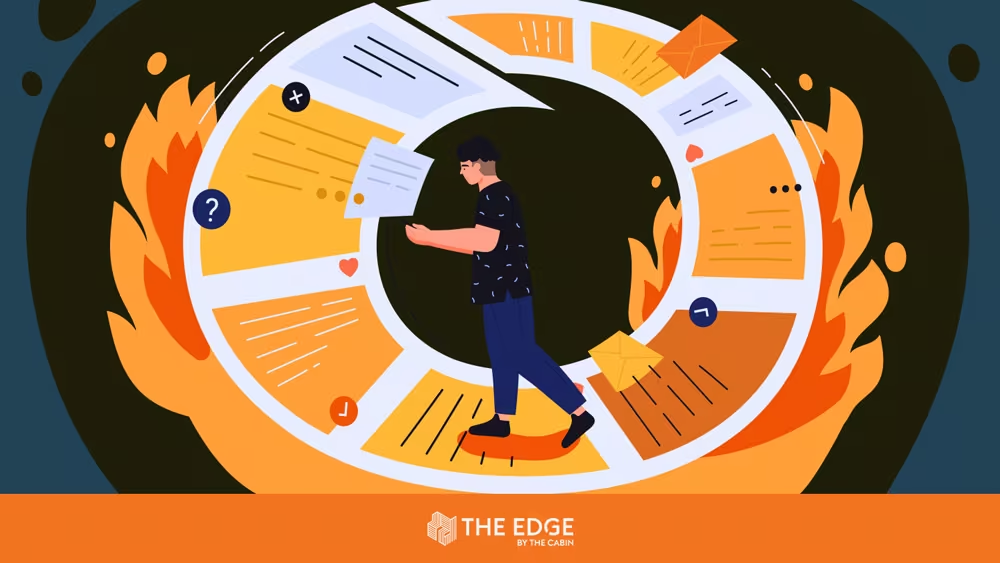
Information overload occurs when individuals compulsively search for data, news, updates, or trivia across websites, search engines, forums, and digital platforms. The overwhelming volume of constantly available content can lead to endless browsing sessions that consume hours of productive time and reduce overall focus. The behavior often develops from a strong desire to stay informed, remain updated, solve uncertainties, or avoid feeling uninformed about specific topics or current events. Constant exposure to excessive amounts of new information overwhelms the brain and reduces the ability to process, organize, or retain knowledge effectively. People frequently find themselves clicking from one link to another, opening multiple tabs, or consuming unrelated content without a clear purpose or destination. The repetitive cycle of information seeking interferes with work performance, decision-making ability, concentration, and emotional well-being. Excessive digital information consumption contributes to mental fatigue, cognitive exhaustion, reduced attention span, increased stress levels, and difficulty maintaining long-term concentration.
What Are The Behavioral Signs Of Compulsive Internet Surfing?
The behavioral signs of compulsive internet surfing are listed below.
- Spending more time online than intended: Individuals plan to check a quick fact or search for brief information, but end up browsing for several hours without realizing how much time has passed. The lack of self-control suggests that the digital environment is gradually dictating the person’s daily schedule and attention span. It frequently leads to missed deadlines, delayed responsibilities, reduced productivity, and postponed personal tasks. The pattern often becomes more severe when individuals repeatedly underestimate the amount of time spent online.
- Difficulty stopping or reducing internet use: Users attempt to set boundaries or reduce their browsing habits, but struggle to follow through consistently. The urge to continue searching for more information becomes stronger than the logical desire to log off or focus on offline priorities. The ongoing struggle creates frustration, guilt, mental exhaustion, and a growing sense of helplessness. Repeated failed attempts to reduce internet use are common indicators of compulsive digital behavior.
- Constantly checking websites, apps, or social media: The need for updates drives repetitive checking of news feeds, notifications, search engines, emails, or trending topics throughout the day. The behavior disrupts workflow, weakens concentration, and prevents individuals from maintaining deep focus on important responsibilities or long-term projects. Constant digital interruptions create a state of continuous partial attention, mental distraction, and fragmented thinking.
- Neglecting responsibilities due to internet use: Daily responsibilities such as household chores, academic work, career obligations, or personal commitments are ignored in favor of online browsing and information seeking. The immediate gratification associated with discovering new content feels more rewarding than completing long-term goals or routine tasks. The neglect eventually contributes to professional setbacks, academic decline, interpersonal conflict, or personal consequences. Compulsive browsing gradually shifts attention away from essential real-world responsibilities.
- Losing track of time while browsing: Hours pass without individuals noticing the progression of time or recognizing how deeply absorbed they have become in online activity. The distortion of time perception is a common indicator of a maladaptive flow state associated with compulsive internet behavior. Individuals often recognize the lost time only when physical needs such as hunger, fatigue, or sleep deprivation become impossible to ignore. The experience reduces awareness of healthy time management and daily balance.
- Using the internet as an escape from stress or emotions: Browsing the internet serves as a distraction from anxiety, loneliness, boredom, stress, or emotionally challenging situations. The brain shifts attention toward external information and digital stimulation rather than confronting internal discomfort or unresolved emotional issues. The coping mechanism prevents individuals from addressing the underlying causes of emotional distress in healthy and productive ways. Emotional avoidance through compulsive internet use increases long-term psychological dependency on digital environments.
- Engaging in aimless browsing: Individuals open numerous tabs, switch between websites, or consume large amounts of content without thoroughly reading, understanding, or retaining the information. The act of continuously collecting new information becomes more satisfying than processing or applying the knowledge itself. Aimless browsing often creates mental clutter, cognitive fatigue, and reduced information retention.
- Feeling anxious when offline: Limited internet access creates feelings of anxiety, discomfort, restlessness, or fear of missing important updates and information. Individuals may feel disconnected, uninformed, or left behind when they cannot access digital content or online platforms. The anxiety motivates the person to reconnect to the internet as quickly as possible. Persistent offline anxiety reflects the growing emotional dependency associated with compulsive internet surfing behaviors.
How Does Information Overload Become A Form Of Internet Addiction?
Information overload becomes a form of internet addiction by transforming the pursuit of knowledge and digital content into a compulsive, repetitive, and uncontrollable behavior. The brain gradually becomes conditioned to the constant stream of novel stimuli provided by news websites, search engines, databases, forums, and social media platforms. Each new piece of information triggers a small dopamine response that reinforces continued searching, browsing, and content consumption. Individuals develop a persistent sense of urgency to learn everything about a topic, leading to excessive, unproductive, and mentally exhausting research sessions. The behavior slowly evolves from a useful informational habit into a dominant daily activity that consumes attention, productivity, and mental energy. Individuals find it increasingly difficult to resist the impulse to search for trivial facts, breaking news, trending discussions, or constant updates throughout the day. The quality of information processing, retention, and decision-making often declines as compulsive internet use and excessive online exposure continue to increase.
5. Online gambling addiction

Online gambling addiction is a behavioral disorder in which individuals are unable to resist the urge to bet money through digital gambling platforms and internet-based betting services. Activities such as virtual poker, sports betting, online casinos, fantasy sports wagering, and digital slot machines are common examples of the behavior. The convenience and constant accessibility of gambling platforms through smartphones, tablets, and computers make the habit increasingly difficult to control or break. Online gambling addiction often leads to severe financial losses, mounting debt, emotional distress, and long-term financial instability. The fast-paced nature of online gambling allows users to place more bets within shorter periods compared to traditional physical casinos, increasing impulsive decision-making and compulsive gambling behavior. Players frequently hide their gambling activities, financial transactions, or betting habits from family members and loved ones to avoid criticism, conflict, or intervention. An online gambling addiction often requires professional treatment, psychological counseling, behavioral therapy, and financial recovery support to address the underlying emotional triggers, compulsive behaviors, and financial consequences associated with the disorder.
How Does Online Gambling Addiction Develop?
Online gambling addiction develops through a gradual behavioral progression that often begins with casual, recreational, or socially influenced betting activities. Initial gambling wins create strong psychological reinforcement and emotional excitement, encouraging individuals to gamble more frequently and spend increasing amounts of time on betting platforms. Over time, individuals begin wagering larger amounts of money to achieve the same level of stimulation, excitement, or emotional satisfaction. Financial losses frequently trigger a behavior known as chasing losses, where gamblers continue placing additional bets in an attempt to recover previously lost money. The repetitive cycle quickly becomes difficult to control as individuals lose perspective on their financial condition, emotional well-being, and decision-making ability. The anonymity, convenience, and continuous 24-hour accessibility of online gambling platforms encourage frequent, impulsive, and hidden gambling sessions without external accountability. Digital gambling platforms also use flashing visuals, reward animations, sound effects, and rapid gameplay mechanics to recreate the stimulating and psychologically rewarding atmosphere associated with traditional casinos.
Worried your son has a gambling addiction?
The good news is that help’s available. The Edge operates a gambling addiction treatment that’s tailor-made for teens and young men, and we’ll help you understand what help looks like.
6. Online shopping addiction
Online shopping addiction involves the compulsive and excessive purchasing of goods through digital marketplaces, e-commerce websites, and mobile shopping applications. Individuals spend long periods browsing online stores, comparing products, and making repeated purchases for items they often do not need or rarely use. The convenience of one-click ordering, personalized recommendations, targeted advertisements, and home delivery services fuels the impulsive and repetitive nature of the behavior. The condition frequently develops as a coping mechanism for stress, loneliness, boredom, anxiety, or other negative emotional states, while also providing a temporary sense of excitement or emotional relief. The emotional high associated with making a purchase is commonly followed by guilt, regret, frustration, or shame once the products arrive or the financial consequences become apparent. Excessive online shopping often leads to cluttered living environments, reduced productivity, distraction from personal goals, and difficulty maintaining healthy financial habits. Financial stability becomes compromised as individuals prioritize compulsive buying behaviors over saving money, paying bills, or managing essential living expenses responsibly.
What Problems Can Online Shopping Addiction Create Financially?
The financial problems that online shopping addiction can create are listed below.
- Overspending and accumulating debt: Individuals spend beyond their monthly income on unnecessary products, impulsive purchases, or nonessential consumer goods. The behavior often results in high-interest balances across multiple credit cards, payment plans, or digital financing accounts. Debt can quickly become overwhelming and financially unmanageable when compulsive shopping behaviors continue without intervention or financial control.
- Maxing out credit cards: Individuals use the full limits of their available credit to support repetitive online purchases and impulsive spending habits. The behavior lowers credit scores, increases financial instability, and reduces the ability to secure loans or financing for essential needs such as housing, transportation, or emergencies. Reaching maximum credit limits also creates significant emotional stress, anxiety, and financial pressure. Long-term credit overuse may contribute to lasting financial damage and reduced financial independence.
- Difficulty paying bills or saving money: Money intended for rent, utilities, groceries, healthcare, or other necessities is frequently redirected toward online shopping purchases. Poor financial planning and compulsive spending behaviors increase the risk of missed payments, service interruptions, penalties, or legal complications. Consistent overspending makes it extremely difficult to build savings, prepare for emergencies, or maintain long-term financial security.
- Hiding financial statements from family: Individuals may intercept financial mail, delete transaction notifications, or hide bank alerts to prevent family members or partners from discovering the extent of their spending habits. The secrecy damages trust within relationships and often contributes to arguments, emotional tension, and domestic conflict. Financial secrecy is a common behavioral sign associated with compulsive online shopping addiction.
- Selling personal assets to fund shopping: Individuals sell valuable possessions, electronics, jewelry, or personal belongings to obtain additional money for continued online purchases. The behavior reflects a growing loss of control over spending impulses and financial decision-making. Selling important assets to support compulsive shopping behaviors can create long-term financial instability and emotional distress.
7. Pornography addiction

Pornography addiction is a behavioral condition characterized by the compulsive and excessive consumption of adult digital content through websites, streaming platforms, or online media channels. Individuals often spend large portions of their day viewing explicit material, repeatedly returning to adult content despite negative emotional, social, or personal consequences. The habit interferes with real-life intimacy, emotional connection, and the overall quality of romantic relationships. Over time, the brain may become desensitized to natural forms of stimulation, causing individuals to seek increasingly intense, frequent, or extreme content to achieve the same level of satisfaction or arousal. Persistent pornography use can contribute to feelings of isolation, shame, anxiety, depression, emotional disconnection, or low self-esteem. Social responsibilities, workplace performance, academic obligations, and personal goals are often neglected as individuals prioritize compulsive viewing behavior over healthier daily activities. A pornography addiction can also contribute to unrealistic expectations surrounding intimacy, body image, emotional connection, and healthy human relationships, which may negatively influence long-term interpersonal dynamics and self-perception.
How Does Pornography Addiction Develop?
Pornography addiction develops through a gradual behavioral progression in which casual viewing evolves into a compulsive coping mechanism for stress, boredom, loneliness, anxiety, or emotional discomfort. The brain releases significant amounts of dopamine and other pleasure-related chemicals during the consumption of explicit material, reinforcing the behavior and encouraging repeated use over time. Individuals often discover that they need to spend increasing amounts of time consuming digital content to achieve the same emotional stimulation, satisfaction, or psychological escape. The growing tolerance frequently leads users to search for more diverse, novel, or intense content in an attempt to maintain the same emotional effect. The privacy, anonymity, and constant accessibility of the internet allow the habit to develop and intensify without immediate social consequences or external accountability. Some individuals gradually begin prioritizing digital sexual stimulation over emotional intimacy and physical interaction within real-life relationships. The behavior eventually becomes a reflexive response to negative emotional states, emotional stress, or uncomfortable personal experiences, increasing the psychological dependency associated with compulsive pornography consumption.
Help Young People Who Are Addicted to Porn
Porn addiction can be difficult to talk about, but it’s essential for young people facing this issue to receive the necessary support.
8. Work-related internet addiction
Work-related internet addiction occurs when individuals feel a compulsive need to remain constantly connected to professional responsibilities through digital devices, online platforms, and workplace communication tools. Examples of internet-related work activities include managing social media accounts, responding to continuous email chains, monitoring analytics, attending virtual meetings, or conducting nonstop market research. Individuals often find it extremely difficult to disconnect from work-related notifications, messages, or tasks, even during personal time, weekends, vacations, or family activities. The behavior commonly develops from a fear of falling behind professionally, missing important updates, losing productivity, or failing to meet workplace expectations. Over time, the boundaries between professional responsibilities and private life become increasingly blurred, contributing to chronic stress, emotional exhaustion, and reduced work-life balance. Excessive focus on work-related online activity frequently leads to burnout, mental fatigue, sleep disruption, and the neglect of personal relationships or self-care routines. Many individuals begin to view constant digital availability and uninterrupted online responsiveness as necessary requirements for professional achievement, career advancement, and workplace competitiveness.
What Are The Causes Of Work-Related Internet Addiction?

The causes of work-related Internet Addiction are listed below.
- Pressure to stay constantly connected: Employers, coworkers, or clients often expect immediate responses to emails, messages, notifications, or work-related updates at all hours of the day. The culture of constant availability makes it difficult for employees to fully disconnect from professional responsibilities during personal time. The fear of appearing unproductive, unavailable, or less committed drives compulsive device checking and continuous online engagement. Persistent workplace connectivity gradually reinforces unhealthy digital dependency patterns.
- High workload or unrealistic job expectations: Excessive workloads and unrealistic performance demands force individuals to spend extended periods online to complete professional tasks and meet deadlines. The internet becomes the primary work environment when responsibilities continue beyond standard working hours. The ongoing pressure often creates a cycle of continuous labor, emotional exhaustion, and reduced work-life balance.
- Remote work environments that blur work–life boundaries: Working remotely eliminates the physical separation between office spaces and personal living environments. Individuals frequently continue working late into the evening because computers, smartphones, and digital communication tools remain constantly accessible. The absence of a daily commute also removes the natural psychological transition between professional responsibilities and personal time. Remote work environments can unintentionally normalize excessive digital engagement and extended online work habits.
- Fear of missing important updates or opportunities: Individuals worry about missing critical emails, urgent assignments, workplace discussions, promotions, or career opportunities when they are offline. The anxiety associated with missing professional updates keeps employees emotionally attached to their work devices during weekends, vacations, and personal events. Fear-driven connectivity increases compulsive monitoring of workplace communication platforms.
- Perfectionism in digital tasks: Individuals spend excessive amounts of time refining online documents, presentations, emails, or digital projects far beyond what is realistically necessary. The desire to maintain a flawless professional image or perfect digital performance contributes to inefficient time management and compulsive online work behavior. Perfectionistic work habits increase mental fatigue, stress levels, and prolonged internet use related to professional responsibilities.
- Company culture that rewards overwork: Some organizations openly praise employees who respond to emails late at night, remain available during vacations, or consistently work beyond scheduled hours. The positive reinforcement encourages the development of unhealthy behavioral patterns associated with compulsive work-related internet use. Workplace environments that reward constant responsiveness often normalize digital overwork and reduce healthy personal boundaries.
How Does Remote Work Influence Internet Addiction?
Remote work influences internet addiction by turning the digital environment into the primary space for professional communication, collaboration, productivity, and daily task management. Internet-based work depends heavily on stable connectivity and constant online access, which increases sensitivity to offline periods or missed digital communication. Individuals often feel pressured to remain logged in, active, and immediately responsive to demonstrate productivity, reliability, and workplace presence to supervisors or coworkers. The dependency on digital tools and online platforms frequently encourages individuals to shift toward non-work internet activities during breaks, extending the total amount of time spent online throughout the day. The limited social interaction found in remote work environments also leads many workers to seek digital entertainment, social media engagement, streaming content, or online browsing as a substitute for in-person social connections. The overlap between professional responsibilities and personal internet use gradually merges work and leisure into nearly continuous daily screen exposure. Individuals may eventually struggle to disconnect from digital environments or feel uncomfortable functioning without constant internet connectivity.
9. Online entertainment addiction
Online entertainment addiction is a behavioral condition in which individuals compulsively consume streaming videos, television shows, movies, podcasts, or digital music through internet-based entertainment platforms. Platforms such as YouTube or Netflix provide an endless stream of personalized content that encourages prolonged passive viewing and continuous media consumption for several hours at a time. An example of the behavior includes binge-watching multiple seasons of a television series over a single weekend while ignoring work responsibilities, household tasks, social commitments, or personal health needs. The habit becomes strongly connected to internet addiction when individuals begin relying on digital entertainment platforms for emotional comfort, stress relief, distraction, or mood regulation. The brain gradually becomes accustomed to the constant visual, emotional, and auditory stimulation delivered by streaming services and algorithm-driven recommendations. Individuals often struggle to participate in hobbies, recreational activities, or social interactions that do not involve digital screens or online entertainment. Excessive entertainment consumption contributes to sedentary behavior, disrupted sleep patterns, reduced physical activity, eye strain, mental fatigue, and declining overall physical health.
What is Internet Addiction Disorder?
Internet addiction disorder is a mental health condition characterized by an uncontrollable, excessive, and harmful preoccupation with the digital world and online activities. Individuals affected by the condition often prioritize internet use, digital entertainment, social media interaction, gaming, or online communication over their physical health, social relationships, academic responsibilities, and professional obligations. Common symptoms include a loss of interest in offline hobbies, difficulty limiting screen time, emotional dependence on internet use, and a persistent urge to spend increasing amounts of time online. The disorder affects individuals across different age groups, occupations, cultures, and global communities, demonstrating the widespread psychological impact of excessive internet exposure. Mental health professionals frequently use behavioral therapy, counseling, cognitive interventions, and digital habit management strategies to help individuals regain control over compulsive internet behaviors. Internet addiction disorder is commonly associated with underlying psychological conditions such as social anxiety, depression, loneliness, chronic stress, impulsivity, or low self-esteem. The growing prevalence of internet addiction presents a significant public health challenge in modern societies where digital technology remains deeply integrated into communication, entertainment, education, and everyday life.
Is Internet Addiction Disorder Different From Internet Addiction?
Yes, internet addiction disorder is a more formal clinical term used to describe severe, persistent, and chronic forms of compulsive internet use that significantly interfere with daily functioning and mental health. The term “internet addiction disorder” generally implies a level of psychological impairment that may require professional evaluation, behavioral therapy, or structured treatment, while the term “internet addiction” is often used more casually to describe excessive or unhealthy internet use patterns. Internet addiction disorder also suggests the presence of more structured behavioral symptoms and diagnostic characteristics that affect emotional regulation, cognitive functioning, social behavior, academic performance, or occupational stability. Both terms describe the broader problem of compulsive and uncontrolled digital behavior, excessive online engagement, and psychological dependency on internet-based activities. The primary distinction lies in the severity of symptoms, the degree of functional impairment, and the formal clinical context associated with the diagnosis. Researchers, mental health professionals, and academic publications sometimes use the terms interchangeably, although “internet addiction disorder” is more commonly associated with clinical assessment and mental health treatment discussions.
What is the Difference between Internet Addiction and Computer Addiction?
Internet addiction and computer addiction differ primarily in the source of the compulsive behavior, the role of internet connectivity, and the type of digital activity involved. Internet addiction focuses on behaviors performed while connected to the internet, including online browsing, social media engagement, streaming content, online gambling, or multiplayer gaming. Computer addiction, in contrast, involves compulsive offline computer-based activities such as organizing files, excessive coding, repetitive software use, offline gaming, or prolonged interaction with computer systems without requiring internet access. The social interaction, instant communication, and continuous digital stimulation associated with the internet are major psychological drivers behind internet-related compulsions. Computer addiction is generally centered on prolonged interaction with the device itself, technical engagement, repetitive digital tasks, or the sense of structure and control provided by computer use. Internet addiction and computer addiction both involve excessive screen time, compulsive digital behavior, and the neglect of real-world responsibilities, relationships, or personal well-being. Computer addiction can still develop in environments with limited or no internet access, demonstrating that compulsive technology use is not always dependent on online connectivity.
What are the Symptoms of Internet Addiction?

The symptoms of internet addiction are listed below.
- Spending excessive time online: Individuals spend the majority of their waking hours browsing the internet, using social media, streaming content, gaming, or engaging in other online activities. The behavior often occurs at the expense of sleep, physical activity, personal hygiene, productivity, and face-to-face social interaction. The amount of time spent online usually increases gradually as the behavioral dependency becomes more severe over time.
- Inability to control or reduce internet use: Individuals repeatedly attempt to reduce screen time or limit internet usage but struggle to maintain those boundaries consistently. The urge to remain connected feels stronger than the desire to improve personal habits, relationships, or overall well-being. The inability to control online behavior is considered one of the primary indicators of behavioral addiction and compulsive internet dependency. Failed attempts to disconnect often create feelings of frustration, guilt, or helplessness.
- Neglecting responsibilities: Academic responsibilities, workplace duties, household obligations, and personal commitments are ignored or postponed as internet use becomes the individual’s main priority. The neglect can contribute to poor academic performance, declining productivity, job-related problems, financial difficulties, or strained relationships with family and friends. Individuals may also hide or minimize the extent of their internet use to avoid criticism or concern from others.
- Losing track of time while online: Users experience a distorted sense of time while browsing websites, gaming, watching videos, or scrolling through digital platforms. Individuals may intend to spend only a few minutes online but later realize that several hours have passed unnoticed. The phenomenon is especially common in highly immersive and algorithm-driven digital environments designed to encourage prolonged engagement. Time distortion reduces awareness of daily responsibilities, routines, and healthy digital boundaries.
- Physical health decline: Long periods of sitting and excessive screen exposure contribute to weight gain, poor posture, neck pain, back pain, headaches, sleep disruption, and reduced physical activity. Eye strain, fatigue, and repetitive stress discomfort are also common physical symptoms associated with prolonged internet use. Chronic internet overuse can gradually weaken overall physical health and daily energy levels.
- Emotional volatility when offline: Individuals become angry, anxious, irritable, restless, or emotionally distressed when they are unable to access the internet or digital devices. The emotional reaction resembles withdrawal symptoms commonly associated with other forms of behavioral addiction and psychological dependency. Emotional withdrawal symptoms highlight the strong psychological attachment that develops through compulsive internet use.
How Can You Identify Symptoms Of Internet Addiction?
You can identify symptoms of internet addiction by closely monitoring how digital behavior affects daily functioning, emotional stability, physical health, relationships, productivity, and overall quality of life. Early warning signs often include persistent preoccupation with the internet while offline, compulsive thoughts about online activities, and a gradual increase in daily screen time. Individuals may begin neglecting conversations, family interactions, friendships, academic responsibilities, or work obligations in favor of browsing social media, gaming, streaming content, or scrolling through news feeds. Tracking behaviors such as the frequency of phone checking, compulsive notification monitoring, or the inability to remain offline for extended periods can help recognize problematic internet use patterns. Early prevention strategies include setting structured screen time boundaries, limiting unnecessary digital exposure, and scheduling regular periods away from internet-connected devices. Prioritizing physical exercise, outdoor activities, hobbies, and face-to-face social interaction helps maintain healthier digital habits and emotional balance. Seeking support from a mental health professional or counselor can also provide effective strategies for addressing the emotional triggers, stress factors, and behavioral patterns associated with compulsive internet use.
Seeking Help at The Edge
When internet use becomes an addiction—don’t worry—you’re not alone. Our trained professionals at The Edge will assess and guide you to recovery.
What are the Effects of Internet Addiction?
The effects of internet addiction are listed below.
- Decline in academic or work performance: Compulsive internet use contributes to procrastination, poor concentration, missed deadlines, and reduced productivity in educational or professional environments. Students may experience declining grades when study time is replaced with social media use, online gaming, streaming content, or excessive browsing. Employees often struggle to maintain focus and efficiency, which can negatively affect job performance, workplace relationships, and long-term career stability. Persistent digital distraction weakens attention span and reduces overall task completion ability.
- Reduced sleep quality and chronic fatigue: Staying online late at night disrupts natural sleep cycles and interferes with healthy sleeping patterns. The blue light emitted from screens reduces melatonin production, making it more difficult for individuals to fall asleep and achieve restorative rest. Sleep deprivation contributes to daytime fatigue, reduced concentration, low energy levels, irritability, and impaired cognitive functioning. Long-term sleep disruption can negatively affect both physical health and emotional well-being.
- Increased anxiety, stress, or depression: Excessive internet use and constant digital exposure contribute to feelings of stress, emotional exhaustion, insecurity, loneliness, or low self-esteem. Social comparison on digital platforms often creates feelings of inadequacy or dissatisfaction with personal life circumstances. Continuous exposure to online conflict, misinformation, or distressing news content can further increase psychological distress and emotional instability. Many individuals experience emotional isolation and disconnection even while remaining constantly connected online.
- Social withdrawal and weakened real-life relationships: Individuals gradually prioritize online interaction over spending meaningful time with family members, friends, or local communities. The behavioral shift contributes to loneliness, emotional distance, communication difficulties, and the weakening of important support systems. Face-to-face communication skills and emotional connection in real-world environments may decline over time. Excessive internet use often reduces the quality of personal relationships and social engagement.
- Poor time management and procrastination: The internet becomes a major source of distraction that interferes with productivity, goal completion, and daily responsibilities. Individuals frequently postpone important tasks, chores, academic work, or personal commitments to engage in trivial online activities or passive digital consumption. Chronic procrastination caused by excessive internet use can create disorganization, stress, and difficulty maintaining daily structure.
- Physical health issues: Excessive screen time and prolonged sitting contribute to eye strain, headaches, neck pain, back pain, poor posture, and repetitive stress discomfort. A sedentary lifestyle associated with compulsive internet use also increases the risk of obesity, cardiovascular problems, reduced physical fitness, and other long-term health complications. Physical inactivity caused by excessive internet use can gradually weaken overall health and energy levels.
- Financial strain: Internet-related addictions involving online shopping, gambling, gaming purchases, or digital subscriptions can result in excessive spending, significant debt, financial instability, and loss of personal savings. Financial stress caused by compulsive online behavior can also damage relationships and emotional well-being.
- Loss of interest in non-digital hobbies: Activities such as reading, exercising, sports, crafting, outdoor recreation, or creative hobbies may gradually be abandoned in favor of screen-based entertainment and online engagement. The loss of offline interests reduces personal balance, creativity, and healthy real-world stimulation.
What Are The Negative Effects Of Internet Addiction?
The negative effects of internet addiction are listed below.
- Decline in academic or work performance: Constant digital distractions interfere with concentration, productivity, and the ability to complete responsibilities efficiently. Individuals often divide their attention between important tasks and online activities, reducing the overall quality of their academic or professional performance. Missed deadlines, incomplete assignments, declining grades, and workplace problems commonly develop as internet use becomes excessive. Persistent distraction weakens long-term focus, organizational skills, and task management ability.
- Poor sleep quality and chronic fatigue: Late-night browsing, gaming, streaming, or social media use disrupts healthy sleep routines and reduces the quality of restorative sleep. Continuous screen exposure during nighttime hours interferes with the body’s natural sleep cycle and contributes to sleep deprivation. Chronic exhaustion affects concentration, emotional stability, memory, energy levels, and daily functioning during work, school, or personal activities. Long-term sleep disruption can also increase stress levels and reduce overall physical health.
- Increased anxiety, stress, or depression: The digital environment can become a major source of emotional pressure, overstimulation, social comparison, and psychological distress. Many individuals experience declining mental health as they become increasingly dependent on online validation, digital interaction, or constant internet engagement for emotional comfort. Exposure to cyberbullying, negative news, online conflict, or unrealistic social expectations may further intensify anxiety, stress, and depressive symptoms. Emotional dependency on internet use often reduces healthy coping mechanisms in offline life.
- Social withdrawal and weakened real-life relationships: Individuals frequently sacrifice face-to-face interaction and meaningful personal relationships in favor of online communication and digital entertainment. The behavioral shift contributes to emotional isolation, loneliness, weakened social skills, and reduced emotional connection with family members or friends. Social withdrawal also makes it more difficult for individuals to recognize problematic behaviors or seek support for their internet addiction.
- Strained family dynamics: Family conflicts often develop when internet use takes priority over household responsibilities, communication, emotional availability, or shared activities. Excessive screen time may create tension between partners, parents, children, or other family members due to neglect, emotional distance, or lack of participation in family life. Persistent digital overuse can gradually weaken trust, communication, and emotional connection within households.
- Cognitive changes: Frequent multitasking, rapid content switching, and continuous online stimulation reduce the brain’s ability to maintain deep concentration on complex or long-term tasks. Excessive internet use may also affect memory retention, attention span, decision-making ability, and cognitive processing efficiency over time. Constant digital stimulation conditions the brain to expect immediate rewards and fast-paced information consumption.
If you or someone that you care about is in need of help
Contact The Edge today, we help young men overcome various addictions, including internet use, through our innovative treatment program, promoting healthier behaviours.
What are the Causes of Internet Addiction?
The causes of internet addiction are listed below.
- Using the internet to escape stress, anxiety, or negative emotions: Many individuals use the digital world as a temporary escape from emotional discomfort, stress, anxiety, loneliness, boredom, or personal problems. Online activities provide short-term emotional relief and distraction, which reinforces the habit of turning to the internet whenever uncomfortable feelings arise. Over time, the behavior develops into a repetitive coping mechanism that increases emotional dependency on digital environments. Emotional avoidance through excessive internet use often strengthens compulsive behavioral patterns.
- Loneliness: Individuals who lack emotional support, social interaction, or meaningful relationships in their offline environment may turn to the internet for companionship and connection. Online communities, social media platforms, gaming groups, and digital communication channels create a sense of belonging that may feel absent in everyday life. The emotional comfort provided by online interaction can gradually increase reliance on digital relationships and virtual engagement. Persistent loneliness is a major psychological factor associated with compulsive internet use.
- Easy access to constant entertainment and stimulation: Modern technology provides continuous 24-hour access to games, streaming platforms, social media, videos, news, and other forms of digital entertainment. The endless availability of stimulating content makes it easy for individuals to spend excessive amounts of time online without recognizing how much time has passed. Personalized algorithms, notifications, and autoplay features further encourage prolonged engagement and repetitive internet use. Constant digital stimulation conditions the brain to seek immediate entertainment and rapid reward cycles.
- Biological predisposition: Some individuals possess neurological or psychological traits that increase vulnerability to addictive behaviors and compulsive habits. Brain chemistry involving dopamine sensitivity, impulsivity, reward-seeking behavior, or emotional regulation difficulties may contribute to the development of internet addiction. Individuals with existing mental health conditions may also face a higher risk of developing problematic internet use patterns.
- Social pressure: The pressure to remain updated on social trends, online discussions, notifications, workplace communication, or peer interactions encourages compulsive internet use and constant digital connectivity. Fear of missing out on social events, messages, entertainment, or online activity often increases the urge to stay connected throughout the day. Social expectations surrounding constant availability contribute to unhealthy digital habits and prolonged screen exposure.
How Do Emotional Factors Contribute To Internet Addiction?
Emotional factors contribute to internet addiction by acting as major psychological drivers behind compulsive digital behavior and excessive online engagement. Individuals experiencing high levels of stress, sadness, anxiety, loneliness, boredom, or emotional exhaustion often use the internet as a form of self-medication and emotional escape. The immediate gratification provided by social media, gaming, streaming platforms, online browsing, or digital interaction temporarily masks difficult emotions such as grief, insecurity, frustration, or emotional discomfort. The short-term relief prevents individuals from developing healthier coping strategies, emotional resilience, and effective problem-solving skills in offline life. Over time, the brain begins associating internet use with emotional comfort and psychological relief, reinforcing repetitive online behavior and strengthening the addictive cycle. Low self-esteem, emotional insecurity, and social anxiety often encourage individuals to seek reassurance, validation, and approval through likes, comments, messages, and other forms of online feedback. Emotional dependency on digital validation drives individuals to check their devices, notifications, and online platforms repeatedly throughout the day, increasing compulsive internet use behaviors.
How Does Loneliness Affect Internet Addiction?
Loneliness affects internet addiction by encouraging individuals to seek emotional connection, companionship, and social fulfillment through virtual environments and online interaction. Loneliness refers to the subjective emotional experience of feeling isolated, disconnected, or lacking meaningful personal relationships and social support. Individuals who struggle with loneliness often find it easier to communicate with strangers online than to initiate face-to-face conversations or build relationships in physical social settings. The internet creates a low-pressure and psychologically safer environment for interaction, allowing individuals to control their self-presentation, communication style, and level of emotional exposure. The perceived emotional safety of digital interaction encourages lonely individuals to spend increasing amounts of time in chat rooms, social media platforms, gaming communities, or online forums. Although online relationships and digital communities may provide temporary emotional comfort and validation, they often lack the emotional depth, physical presence, and long-term support associated with real-world relationships. The repeated reliance on virtual interaction can gradually increase social withdrawal, weaken local community involvement, and deepen emotional dependency on internet-based communication and digital environments.
How can Depression Rehab Help with Internet Addiction?
Depression rehab can help with internet addiction by addressing the underlying emotional and mental health conditions that contribute to compulsive digital behavior and excessive internet use. Professional treatment programs provide a structured and supportive environment where individuals learn healthier ways to manage stress, depression, anxiety, loneliness, and emotional discomfort without relying on constant digital distraction or online escapism. Therapists and mental health professionals offer individual counseling sessions, group therapy, behavioral interventions, and emotional support to help patients identify the psychological triggers associated with compulsive internet use. Treatment programs often include activities that improve physical health, strengthen real-world social interaction, encourage emotional regulation, and rebuild healthy daily routines. Patients commonly receive cognitive behavioral therapy (CBT) to challenge negative thought patterns, improve coping mechanisms, and reduce behaviors linked to addiction and emotional dependency. Treating the underlying symptoms of depression and emotional distress often reduces the psychological need for excessive digital escapism and compulsive online engagement. The depression rehab programs also provide long-term emotional support, relapse prevention strategies, and practical life-management skills that help individuals rebuild healthier, more balanced, and emotionally fulfilling lives.
Is Depression Linked To Internet Addiction?
Yes, depression is strongly linked to internet addiction through a bidirectional relationship in which each condition can intensify and reinforce the other over time. Individuals experiencing depressive symptoms often use the internet as a coping mechanism to escape feelings of sadness, loneliness, emotional exhaustion, hopelessness, or lack of motivation toward offline activities. For example, some individuals spend long periods scrolling through social media feeds, watching videos, or consuming online content to distract themselves from emotional distress and personal problems. Excessive internet use frequently contributes to greater social isolation, physical inactivity, disrupted sleep patterns, and reduced real-world engagement, all of which are associated with worsening depressive symptoms. The lack of meaningful offline interaction, personal achievement, emotional connection, or productive daily structure can deepen feelings of hopelessness and low self-worth. Research consistently shows that individuals struggling with internet addiction are more likely to experience symptoms associated with depression, emotional instability, and other mental health challenges.
How Does Anxiety Lead To Higher Levels Of Internet Addiction?
Anxiety leads to higher levels of internet addiction by increasing the psychological need for distraction, reassurance, emotional comfort, and continuous access to information. Anxiety is a mental and emotional state characterized by persistent worry, nervousness, fear, or heightened concern about future events, uncertainty, social situations, or personal problems. The internet provides an easily accessible way for individuals to research their fears, seek reassurance, distract themselves from anxious thoughts, or temporarily relieve emotional discomfort through entertainment and online engagement. Individuals with social anxiety often perceive digital communication as less intimidating and emotionally safer than face-to-face interaction, making online environments feel more manageable and controllable. The preference for online interaction gradually increases the amount of time spent in digital spaces while reducing opportunities to develop confidence and real-world social skills. Repetitive behaviors such as constantly checking notifications, news updates, messages, or social media feeds can become ritualistic coping mechanisms used to reduce uncertainty and manage anxious feelings. Over time, the emotional dependency on internet use for anxiety relief may evolve into compulsive behavior patterns and full-scale internet addiction.
Can Emotional Treatments, Such as Anxiety Therapy Services, Help With Internet Addiction?
Yes, emotional treatments such as anxiety therapy services can help with internet addiction by teaching individuals healthier ways to process fear, stress, emotional discomfort, and anxious thought patterns. Therapists work with patients to identify the specific emotional triggers, anxieties, and behavioral patterns that increase the urge to seek comfort or distraction through internet use. For example, individuals may learn to manage social stress, emotional overwhelm, or anxious thoughts through breathing exercises, mindfulness techniques, cognitive restructuring, or healthy coping strategies instead of compulsively checking their phones or using digital platforms for reassurance. Improving emotional regulation and stress management skills reduces psychological dependency on the internet as a primary coping mechanism. Therapy sessions also provide a supportive and nonjudgmental environment where individuals can openly discuss the emotional, social, physical, and psychological consequences of excessive internet use. Patients often develop personalized recovery plans that include structured screen time boundaries, healthier daily routines, offline social engagement, and gradual reconnection with family members, hobbies, and local communities. Comprehensive anxiety treatment, emotional support, and behavioral therapy are important components of long-term recovery from internet addiction and other behavioral dependency disorders.
Getting Treatment for Internet Addictions
Changing habits is essential, and breaking free from internet addiction starts with seeking help. The Edge Crete is your top choice for internet addiction treatment. Our expert team specialises in substance abuse, behavioural disorders, and mental health, offering the support you need.
