
Physical and psychological addiction are two closely connected forms of dependence that can affect the body, mind, emotions, behaviors, and overall well-being. Physical addiction involves the body adapting to the presence of a substance and responding with withdrawal symptoms or physical discomfort when use is reduced or stopped.
Psychological addiction involves an emotional or mental reliance on a substance or behavior to achieve relief, reward, comfort, escape, or a sense of control. Contributing factors may include repeated substance use, changes within the brain’s reward system, trauma, chronic stress, mental health symptoms, genetic vulnerability, and environmental or social influences. Treatment may include medical care, detoxification support, therapy, medication-assisted treatment when appropriate, support groups, relapse prevention strategies, and long-term recovery planning tailored to individual needs. Understanding both types of addiction is important because recovery efforts may overlook key symptoms and underlying causes when treatment focuses only on physical dependence or only on psychological factors.
What is the Difference Between Physical and Psychological Addiction?
The difference between physical and psychological addiction is that physical addiction involves the body’s dependence on a substance, while psychological addiction involves an emotional or mental dependence on a substance or behavior. Physical addiction affects the body through symptoms such as tolerance, withdrawal, sleep disturbances, sweating, tremors, nausea, pain, and other physical reactions that may occur when use is reduced or stopped. Psychological addiction affects thoughts, emotions, cravings, motivation, stress responses, and behavior, often creating a strong emotional attachment to the substance or activity. The two forms frequently occur together when the body becomes dependent on a substance, and the mind develops a strong desire for its perceived effects or emotional benefits. Physical addiction can make stopping use uncomfortable and, in some cases, medically risky due to the potential for withdrawal symptoms. Psychological addiction can make stopping particularly challenging because the substance or behavior may become closely linked to relief, reward, personal identity, emotional comfort, or coping mechanisms. Both forms of addiction can disrupt daily life, relationships, education, employment, physical health, and emotional stability, often affecting multiple areas of functioning at the same time. Treatment may address both physical and psychological addiction through medical support, therapy, coping skills development, relapse prevention planning, and ongoing recovery-focused care.
What does Physical Addiction Mean?
Physical addiction means the body adapts to a substance over time and begins to rely on its presence to function within an altered physiological state. Stopping or reducing use may trigger withdrawal symptoms because the body reacts to the sudden absence or reduction of the substance to which it has become accustomed. Physical dependence typically develops through repeated exposure, particularly when substance use is frequent, prolonged, or involves higher amounts over time. Tolerance may develop when a person requires increasingly larger amounts of a substance to experience the same effects that were once achieved with a lower dose. Withdrawal can be physically and emotionally uncomfortable and may include symptoms such as sweating, shaking, nausea, insomnia, pain, anxiety, and changes in heart rate or blood pressure. Certain substances can cause severe or potentially dangerous withdrawal symptoms that require professional medical supervision and care. Medical support may help reduce withdrawal symptoms, improve comfort, and increase safety during the early stages of recovery. Treatment for physical addiction may include medical detoxification, medication support, clinical monitoring, hydration, sleep management, and step-down recovery planning designed to support long-term recovery and stability.
Does Physical Addiction Always Involve Withdrawal Symptoms?
Yes, physical addiction is characterized by the presence of withdrawal symptoms when substance use is significantly reduced or stopped, although the type and severity of symptoms can vary considerably. Withdrawal symptoms can vary based on the substance involved, dosage, duration of use, medical history, overall health status, and the degree of physical dependence that has developed. The body reacts to the absence of the substance because repeated use can alter the way certain body systems function and adapt over time. The severity of withdrawal can differ significantly because one person may experience mild discomfort while another may develop more serious or medically significant symptoms. Some withdrawal symptoms may be relatively mild and can include headaches, nausea, sweating, restlessness, irritability, or sleep disturbances. Other withdrawal symptoms may require professional treatment, particularly when alcohol, benzodiazepines, barbiturates, or opioids are involved, as these substances can create more complex withdrawal risks. Medical care may be necessary when withdrawal involves seizures, severe confusion, dehydration, hallucinations, breathing difficulties, or loss of consciousness, as these symptoms can become medical emergencies. A clinical assessment can help determine whether home-based support, outpatient care, medical detoxification, or inpatient treatment is the safest and most appropriate option for managing withdrawal and recovery.
Addiction isn't a failure of willpower
It’s a chronic medical condition that rewires the brain’s reward system, especially in young adults. However, there is help available. At The Edge, we offer specialised inpatient programs for young men facing substance and mental health issues, including drug dependency.
What is Psychological Addiction?
Psychological addiction is an emotional or mental reliance on a substance or behavior to achieve relief, reward, comfort, escape, or a sense of control. Strong cravings often develop because the mind begins to associate the substance or behavior with stress relief, pleasure, confidence, emotional numbness, or a sense of emotional safety. Thoughts may become increasingly focused on the substance or behavior when feelings such as stress, boredom, loneliness, anger, emotional pain, or shame arise. Emotional dependence can develop when a person feels unable to cope, manage emotions, or maintain a sense of stability without the substance or behavior. Daily functioning may be affected when cravings, repetitive behaviors, secrecy, or ongoing use begin to interfere with responsibilities, relationships, education, employment, or overall health. A psychological addiction can occur with substances, gambling, sexual behaviors, gaming, shopping, or other activities that activate reward and reinforcement pathways. Recovery often includes therapy because the underlying emotional patterns, thought processes, and behavioral habits need to be understood and addressed. Treatment may focus on identifying triggers, developing coping skills, addressing trauma, strengthening relapse prevention strategies, building support systems, and creating healthier sources of reward and fulfillment.
How does Psychological Dependence Develop?
Psychological dependence develops through repeated reliance on a substance or behavior to achieve emotional relief, comfort, reward, escape, or a sense of control. The habit becomes reinforced over time because the brain begins to associate the substance or behavior with feelings of pleasure, confidence, calmness, relief, or reduced emotional distress. Emotional needs often drive continued use when stress, anxiety, depression, trauma, loneliness, shame, or boredom become difficult to manage through healthier coping methods. Repetition strengthens psychological dependence because each experience reinforces the belief that the substance or behavior is an effective way to cope with emotional discomfort or challenging situations. Cravings may become stronger when triggers appear within familiar environments, relationships, emotional states, daily routines, or stressful situations. Stopping can become difficult because the person may feel emotionally unsettled, overwhelmed, or unable to manage certain feelings without the substance or behavior. Psychological dependence may continue even after physical withdrawal symptoms have improved, particularly when underlying emotional triggers and coping difficulties remain unresolved. Therapy can help individuals develop healthier coping patterns, improve emotional regulation, and build alternative strategies that do not depend on substance use or compulsive behaviors.
How do Physical and Psychological Addictions Affect Teenagers?

Physical and psychological addictions can affect teenagers by disrupting physical health, behavior, learning, emotional development, decision-making abilities, and overall well-being. Young people may be more vulnerable to long-term effects because the brain continues to develop throughout adolescence and early adulthood. Learning and academic performance may be affected when substance use interferes with memory, attention, motivation, school attendance, concentration, or decision-making skills. Emotional health may decline when cravings, shame, anxiety, depression, irritability, emotional instability, or mood swings become more frequent or severe. Physical dependence can lead to withdrawal symptoms that interfere with sleep, appetite, energy levels, daily functioning, and overall safety. Psychological dependence may cause substances or behaviors to feel necessary for confidence, social acceptance, emotional comfort, or relief from stress and difficult emotions. Early intervention is important because addiction can affect family trust, academic progress, friendships, legal well-being, and long-term physical and mental health. Recovery support helps teenagers develop coping skills, improve family communication, strengthen relapse prevention strategies, establish healthier routines, and build a supportive foundation for long-term recovery from teen addiction.
Can a Person Be Psychologically Addicted Without Physical Dependence?
Yes, a person can be psychologically addicted without developing physical dependence. Emotional cravings may exist without physical withdrawal symptoms, because the mind can become strongly attached to the relief, reward, routine, comfort, or escape associated with a substance or behavior. Psychological dependence can develop on its own when a substance or behavior becomes the primary method of coping with stress, loneliness, anxiety, shame, or other difficult emotions. Physical symptoms may be absent when the body has not developed a level of dependence that produces noticeable withdrawal symptoms. The addiction can still be serious because cravings, obsessive thoughts, secrecy, and repetitive behaviors may significantly disrupt daily life and overall functioning. Treatment may be beneficial even when medical detoxification is not required, particularly when the behavior is difficult to control or causes harm. Therapy can help identify emotional triggers, strengthen coping skills, address underlying concerns, and reduce the risk of relapse. Psychological addiction still deserves professional attention, because significant emotional distress, impaired functioning, and loss of control can exist even in the absence of physical withdrawal symptoms.
What Causes Physical Dependence and Psychological Dependence?
Repeated exposure to addictive substances or behaviors can cause physical and psychological dependence by gradually altering the way the brain and body function over time. These brain and body adaptations occur when repeated use affects systems involved in reward, stress regulation, pain perception, sleep, mood, and alertness. Repetition strengthens dependence because both the body and mind begin to anticipate and rely on the substance or behavior to maintain a sense of normal functioning or emotional balance. The brain’s reward systems play an important role when feelings of pleasure, relief, comfort, or emotional escape reinforce repeated use. The risk of dependence increases with continued use, particularly when a substance is used frequently, in large amounts, or during periods of emotional distress and vulnerability. Physical dependence develops as the body adapts to the presence of the substance and begins to react when use is reduced or stopped. Psychological dependence develops as the mind increasingly relies on the substance or behavior for coping, confidence, emotional comfort, relief, or a sense of control. Prevention is important because early education, healthy coping strategies, secure medication storage, strong support systems, and timely intervention can help reduce the risk of both physical and psychological dependence.
How does the Brain Respond to Addictive Substances?
The brain responds to addictive substances by activating reward pathways and strengthening patterns of repeated use over time. Chemical changes may occur because many addictive substances influence dopamine levels, stress-response systems, memory processes, motivation, and decision-making abilities. Pleasure signals may increase during substance use, which can teach the brain to associate the substance with reward, relief, comfort, or positive feelings. The motivation to repeat use often grows when the brain remembers the experience and begins to anticipate the same rewarding effects in the future. Dependence can develop when repeated use alters the way the brain responds to natural rewards, stress, cravings, and everyday sources of satisfaction. Behavior may gradually change over time because the drive to obtain or use the substance can become stronger than concerns related to health, relationships, education, work, or personal values. Changes in the brain do not remove personal responsibility, but they can help explain why reducing or stopping substance use may feel extremely difficult for some individuals. Treatment can help support recovery of both brain function and behavior through therapy, social support, medication when clinically appropriate, and the consistent practice of healthier routines and coping strategies.
How does Trauma Affect Physical and Psychological Addiction?
Trauma can affect physical and psychological addiction by increasing emotional distress, heightening sensitivity to stress, and creating a stronger desire for relief, comfort, or escape. Some individuals may turn to substances or addictive behaviors in an attempt to cope with intrusive memories, fear, shame, emotional numbness, sleep disturbances, or other trauma-related symptoms. Emotional pain can influence substance use when drugs or addictive behaviors appear to provide temporary relief from distressing emotions or overwhelming experiences. The risk of addiction may increase when trauma affects stress-response systems, trust in others, personal boundaries, emotional regulation, self-esteem, and overall feelings of safety. Physical dependence may develop when repeated substance use continues over an extended period, particularly when substances are used regularly to manage trauma-related distress. Psychological addiction may develop when a substance or behavior becomes strongly associated with feelings of safety, control, escape, emotional relief, or protection from painful experiences. The trauma and addiction treatment can help by addressing emotional and physical safety, therapeutic pacing, trauma triggers, coping skills, and recovery strategies within a supportive and nonjudgmental environment. Recovery often includes addressing underlying trauma, because unresolved trauma may continue to contribute to emotional distress, substance use, and an increased risk of relapse.
Does Repeated Use Increase Dependence?
Yes, repeated use can increase both physical and psychological dependence over time. Adaptation occurs gradually as the body and brain adjust to repeated exposure to a substance or behavior. Tolerance may develop when the same amount of a substance produces a weaker effect than it did previously, leading some individuals to seek larger amounts. Cravings may become stronger when the mind begins to associate use with relief, reward, social acceptance, emotional comfort, or an escape from difficult feelings. Dependence can become more difficult to overcome when use becomes a routine habit, an automatic response, or a primary way of managing daily stress and emotional challenges. Early intervention is beneficial because addressing unhealthy patterns sooner may reduce health risks and make treatment less complex. Repeated use may also increase the likelihood of withdrawal symptoms, particularly when the substance affects the central nervous system, and the body becomes accustomed to its presence. Professional support can help individuals identify safer next steps, address emerging concerns, and reduce the risk of dependence becoming more severe over time.
Addiction affects more than behaviour
Whether an addiction is physical or purely psychological, lasting recovery requires actively rewiring the brain’s reward pathways. The Edge combines medical care, psychological therapy, and relapse prevention to support long-term recovery.
How do Symptoms Vary Between Physical and Psychological Addiction?
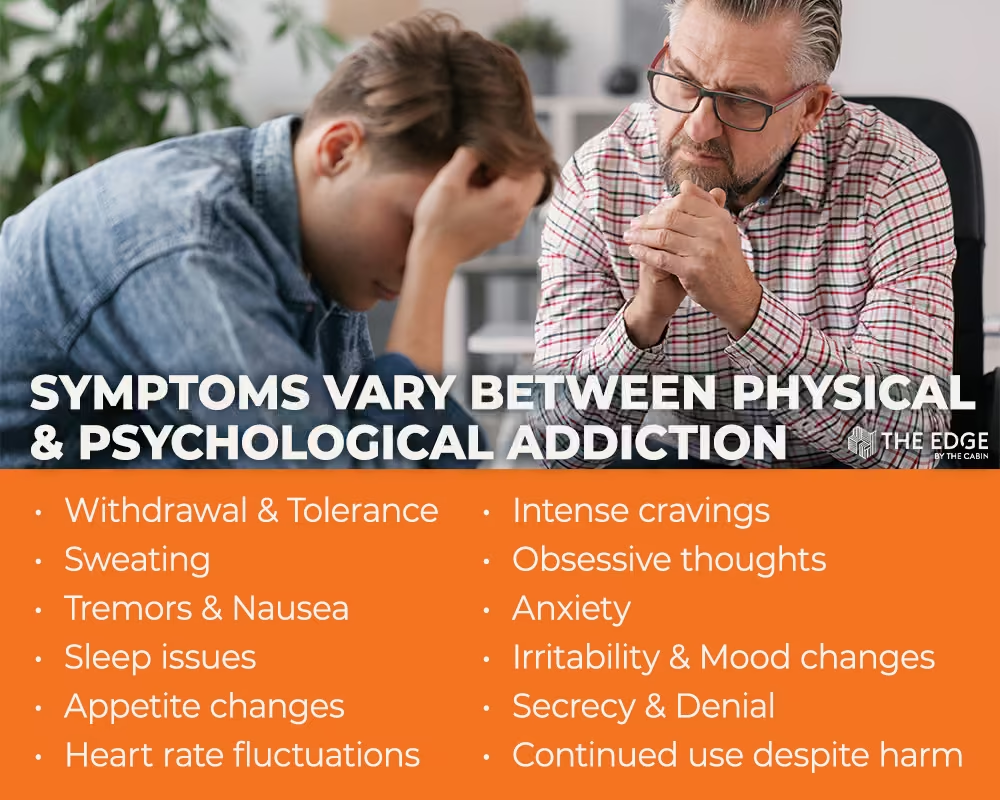
Symptoms vary between physical and psychological addiction based on the different ways they affect the body, emotions, thoughts, and behaviors. Physical addiction is primarily associated with bodily symptoms, while psychological addiction is more closely linked to emotional, mental, and behavioral symptoms. Physical symptoms may include withdrawal, tolerance, sweating, tremors, nausea, pain, sleep disturbances, appetite changes, and fluctuations in heart rate or blood pressure. Psychological symptoms may include intense cravings, obsessive thoughts about use, anxiety, irritability, mood changes, denial, secrecy, and continued use despite negative consequences. Withdrawal is considered a physical symptom when the body reacts to the absence or reduction of a substance that it has become dependent upon. Cravings are generally considered psychological symptoms when the mind strongly urges a person to seek relief, pleasure, comfort, or escape through substance use or addictive behavior. Both types of symptoms can affect daily life significantly, because physical discomfort may trigger cravings, and cravings may increase the likelihood of repeated use. Effective treatment addresses both physical and psychological symptoms through approaches such as detoxification, medical care, therapy, medication when appropriate, support groups, and relapse prevention planning. A comprehensive assessment helps identify which symptoms require immediate medical attention and which concerns may benefit from ongoing therapeutic support and recovery planning.
What are the Common Symptoms of Physical Dependence?
The common symptoms of physical dependence are listed below. These symptoms can vary in severity depending on the substance involved, the duration of use, and the level of dependence that has developed.
- Withdrawal Symptoms: Withdrawal symptoms are physical and emotional reactions that occur when substance use is reduced or stopped. These symptoms may include nausea, sweating, shaking, insomnia, pain, irritability, anxiety, or changes in mood and overall well-being.
- Tolerance: Tolerance occurs when the body requires increasingly larger amounts of a substance to achieve the same effect that was previously experienced with a lower amount. This pattern may increase health risks and contribute to greater difficulty when attempting to stop use.
- Sweating: Sweating refers to increased perspiration that may occur during withdrawal as the body adjusts to the absence of a substance. This symptom may occur alongside chills, restlessness, fever-like sensations, anxiety, or general physical discomfort.
- Tremors: Tremors are involuntary shaking movements that may affect the hands, body, voice, or other muscles. They can occur during withdrawal from alcohol, sedatives, and certain other substances associated with physical dependence.
- Sleep Problems: Sleep problems may include insomnia, restless sleep, frequent waking, vivid dreams, or nightmares. Poor sleep can intensify cravings, contribute to mood disturbances, reduce concentration, and increase overall physical and emotional discomfort during recovery.
Are Cocaine Addiction Symptoms Physical, Psychological, or Both?
Yes, cocaine addiction symptoms can be both physical and psychological, often affecting multiple areas of a person’s health and daily functioning at the same time. These symptoms affect both the body and mind because cocaine influences energy levels, mood, reward pathways, stress responses, and behavior. Cravings are a common symptom and may involve intense urges, obsessive thinking, or persistent thoughts about using cocaine again. Physical effects may include increased heart rate, elevated blood pressure, excessive sweating, appetite changes, sleep disturbances, and significant fatigue following periods of use. Psychological effects may include anxiety, irritability, paranoia, depression, restlessness, emotional instability, or a growing sense of loss of control over cocaine use. Comprehensive treatment is often necessary because physical and psychological symptoms frequently overlap and can reinforce one another throughout the addiction cycle. Some symptoms may continue after cocaine use stops, particularly cravings, mood disturbances, sleep problems, and difficulties with emotional regulation. Treatment may include medical assessment, therapy, relapse prevention planning, support groups, and care for co-occurring mental health symptoms that may develop alongside cocaine addiction.
Can Cravings Occur Without Physical Symptoms?
Yes, cravings can occur without physical symptoms and may be driven primarily by psychological dependence rather than physical addiction. Psychological dependence may exist independently when the mind develops a strong association between a substance or behavior and feelings of relief, reward, comfort, control, or escape. Mental urges can remain intense even when physical withdrawal symptoms such as sweating, shaking, nausea, or other bodily reactions are not present. Physical withdrawal may not occur when the body has not developed physical dependence or when the acute withdrawal phase has already resolved. Cravings can still be highly disruptive, because they may contribute to obsessive thinking, irritability, secrecy, relapse risk, or poor decision-making. Professional support may be beneficial when cravings begin to interfere with work, education, relationships, daily responsibilities, or recovery goals. Therapy can help individuals identify personal triggers, strengthen coping strategies, and practice healthier responses before cravings lead to substance use or other addictive behaviors. Relapse prevention planning can help reduce the risk of returning to substance use, even when physical symptoms are absent and cravings are primarily psychological in nature.
When addiction takes control, it can feel like your future is beyond reach
But there is hope. At The Edge Rehab, we craft specialised treatment plans that dive deep into the neurological roots of your dependency.
How are Physical and Psychological Addictions Treated?

Physical and psychological addictions are treated through a combination of medical care, therapeutic interventions, and ongoing recovery support that address both the body and the mind. Treatment plans vary based on individual needs, because factors such as the substance involved, withdrawal risk, mental health status, trauma history, age, and available support systems can differ significantly from person to person. Multiple treatment approaches are often combined when the body requires withdrawal management and the mind requires support for cravings, emotional regulation, and behavioral change. Professional guidance can help determine whether medical detoxification, medication support, inpatient rehabilitation, outpatient rehabilitation, intensive outpatient programs (IOPs), therapy, or support groups are the most appropriate treatment options. Recovery is more likely when treatment addresses both the physical symptoms of dependence and the emotional, psychological, or behavioral factors that contribute to substance use. Long-term support may improve recovery outcomes through relapse prevention planning, aftercare services, family involvement, healthy routines, and continued accountability. Physical addiction may require medical monitoring, medication-assisted treatment, or supervised detoxification to reduce withdrawal-related risks and improve safety. Psychological addiction may benefit from cognitive behavioral therapy (CBT), individual counseling, motivational therapies, trauma-informed care, peer support, and other therapeutic approaches that help build healthier coping skills and long-term resilience.
What Therapies Help With Psychological Dependence?
The therapies that help with psychological dependence are listed below. These approaches are often used together to address the emotional, behavioral, and cognitive factors that contribute to dependence and ongoing cravings.
- Cognitive Behavioral Therapy: Cognitive Behavioral Therapy (CBT) helps change unhelpful thinking patterns and behaviors that contribute to cravings and repeated substance use. CBT can help individuals identify triggers, challenge distorted beliefs, develop healthier perspectives, and build effective coping skills for long-term recovery.
- Counseling: Counseling provides emotional support for challenges such as stress, shame, grief, trauma, anxiety, and depression. Individual sessions can help people better understand the underlying reasons a substance or behavior became a primary coping mechanism.
- Motivational Therapy: Motivational therapy encourages positive behavioral change by exploring personal goals, values, and readiness for recovery. This approach may help individuals resolve uncertainty or ambivalence about reducing or stopping substance use.
- Group Therapy: Group therapy provides opportunities for peer support, accountability, and shared recovery experiences. Participating in a group setting may reduce feelings of isolation while strengthening communication, coping, and relapse prevention skills.
- Family Therapy: Family therapy focuses on improving relationships by addressing communication patterns, personal boundaries, trust issues, and supportive family roles. Family involvement may help reduce conflict, strengthen the recovery environment, and encourage long-term support for continued progress.
Is Medication Needed for Every Case of Physical Addiction?
No, medication is not required for every case of physical addiction, and treatment recommendations can vary depending on the individual situation. The need for medication depends on factors such as the substance involved, the severity of withdrawal symptoms, medical history, overall safety risks, and the person’s treatment goals. Some mild cases may be managed through clinical monitoring, hydration, sleep support, nutritional care, therapy, and a structured recovery environment without the need for medication. Other cases may require medication, because withdrawal from substances such as alcohol, benzodiazepines, barbiturates, opioids, or certain other drugs can create significant health and safety risks. Healthcare providers may prescribe medications to reduce withdrawal symptoms, prevent complications, manage cravings, and support long-term recovery when clinically appropriate. Decisions regarding medication should be guided by a comprehensive clinical assessment rather than personal preference alone. Physical addiction can become dangerous when withdrawal symptoms include seizures, severe confusion, dehydration, hallucinations, breathing difficulties, or other potentially life-threatening complications. Professional guidance can help determine whether medication, medical detoxification, outpatient treatment, or a higher level of care is the safest and most effective option.
Why is It Important to Understand Both Types of Addiction?
Understanding both types of addiction is important because it helps identify the full range of symptoms and supports the selection of appropriate treatment strategies. Recovery planning often becomes more effective when physical dependence and psychological dependence are evaluated together rather than treated as separate concerns. Different symptoms require different treatment approaches, because withdrawal symptoms may require medical care and monitoring, while cravings and emotional challenges may benefit from therapy and coping skills development. Greater awareness can improve care, because individuals and families may better understand why stopping substance use can remain difficult even after physical symptoms begin to improve. A better understanding of addiction can support recovery by reducing stigma and shame while highlighting how addiction can affect the body, thoughts, emotions, behaviors, and overall functioning. Early recognition is beneficial because warning signs can be identified and addressed before the consequences become more severe or difficult to manage. Treatment may be less effective when it focuses only on detoxification and does not address the psychological dependence, emotional factors, and behavioral patterns that contribute to ongoing substance use. A comprehensive recovery plan addresses safety concerns, withdrawal symptoms, cravings, personal triggers, trauma-related issues, relationship challenges, relapse prevention, and long-term support for sustained recovery.
Unsure which treatment is right for you or someone you love?
Addiction affects families as well as individuals. Speak with The Edge’s team to explore personalised recovery options.
How Can Recognizing the Differences Improve Recovery?
Recognizing the differences between physical and psychological addiction can improve recovery by helping treatment address both the physical and emotional aspects of dependence. Recovery strategies often become more effective when withdrawal symptoms, cravings, emotional triggers, and behavioral patterns are identified separately and addressed with appropriate interventions. Treatment can be more personalized, because one individual may require medical detoxification and withdrawal management, while another may benefit more from intensive therapy focused on cravings, trauma, or emotional regulation. Progress may be easier to monitor when physical symptoms, mood changes, sleep quality, cravings, and relapse triggers are evaluated separately and consistently throughout recovery. Recovery outcomes may improve when care is tailored to the individual’s specific needs rather than relying on a single treatment approach for every symptom or challenge. Long-term recovery success may become more likely when treatment includes both physical stabilization and the development of healthy emotional coping skills. Recognizing these differences can also help families understand why cravings and emotional struggles may continue even after physical withdrawal symptoms have resolved. A clear and comprehensive recovery plan can help reduce relapse risk, strengthen confidence, and support ongoing progress throughout the recovery journey.
Can Physical and Psychological Addiction Happen at the Same Time?
Yes, physical and psychological addiction can occur at the same time, and they often develop together during the course of an addiction. Many addictions involve both forms of dependence, because repeated substance use can affect the body and the mind simultaneously. Both the body and mind may be affected when symptoms such as tolerance, withdrawal, cravings, emotional reliance, and ongoing substance use occur together. Symptoms often overlap because physical discomfort can trigger cravings, while cravings may increase the likelihood of repeated substance use and continued dependence. Comprehensive treatment is often beneficial when both physical and psychological addiction are present, as each form may require different but complementary interventions. Recovery may address both aspects through medical detoxification, medication-assisted treatment when appropriate, therapy, support groups, relapse prevention strategies, and aftercare services. Physical stabilization helps reduce withdrawal-related risks and discomfort, while psychological treatment focuses on reducing cravings, addressing emotional triggers, and changing relapse-related behavior patterns. A combined treatment plan can support a safer recovery process, strengthen long-term stability, and improve the likelihood of lasting recovery outcomes.
No matter what type of addiction you are facing, recovery is possible
Starting with an understanding of the addiction. Contact The Edge today to speak confidentially with our team for a free consultation available 24/7.
