
Caffeine addiction is the compulsive use of caffeine despite negative physical, mental, or social effects. Regular consumption over time can increase tolerance and physical dependence, leading to cravings and withdrawal symptoms such as headaches and fatigue.
Common signs include cravings, tolerance, sleep problems, and difficulty reducing intake despite awareness of harm. Treatment typically involves gradual reduction, behavioral strategies, and professional support when needed. Drug and alcohol rehab may become appropriate when caffeine dependence occurs alongside other substance use concerns or significantly affects daily life. Understanding caffeine addiction helps clarify when casual consumption has progressed into a pattern requiring intervention.
What is Caffeine Addiction?
Caffeine addiction is a pattern of compulsive consumption that develops as tolerance and physical dependence build over time. Regular use can lead to cravings and withdrawal symptoms that emerge once intake decreases or stops. The pattern can make it difficult to reduce or stop caffeine consumption even when negative effects become clear. Daily reliance on caffeine to function normally often signals that casual use has progressed into a deeper dependence. Behavioral changes, including irritability or anxiety when caffeine is unavailable, frequently accompany this level of use. Recognizing these signs early supports a more manageable path toward moderation or reduction.
What are the Common Uses and Side Effects of Caffeine?
The common uses and side effects of caffeine are listed below.
- Improved Focus: Improved focus enhances concentration during tasks requiring sustained mental attention. Many individuals rely on this effect to support daily productivity.
- Increased Alertness: Increased alertness helps reduce drowsiness during periods of fatigue or low energy. The benefit remains one of the most common reasons behind caffeine use for daily energy support.
- Jitters: Jitters involve feeling shaky or restless following high caffeine consumption. The side effect often develops when intake exceeds individual tolerance.
- Insomnia: Insomnia develops as caffeine’s stimulating effects interfere with the body’s ability to fall or stay asleep. The side effect often worsens with consumption later in the day.
- Digestive Upset: Digestive upset, including stomach discomfort or nausea, frequently accompanies high caffeine intake. The side effect results from increased stomach acid production.
Can You Become Dependent on Caffeine?
Yes, you can become dependent on caffeine. Stopping suddenly may cause withdrawal symptoms such as headaches and fatigue. Gradually reducing intake can help minimize withdrawal discomfort during the transition. Dependence typically develops after consistent daily consumption over an extended period. Tolerance accompanies this dependence, requiring more caffeine to achieve the same stimulating effect. Recognizing early signs of dependence supports a more manageable approach to adjusting intake if needed.
Don't let compulsive habits dictate your health
At The Edge Rehab, our specialised programs address both behavioral compulsions and underlying mental health challenges.
What Causes Caffeine Addiction?
The causes of caffeine addiction are listed below.
- Repeated Consumption: Repeated consumption strengthens tolerance and dependence as the body adjusts to regular caffeine exposure. The pattern drives escalating intake over time.
- Brain Chemistry: Brain chemistry changes as caffeine repeatedly blocks adenosine and influences dopamine activity. Reward pathways become increasingly tied to caffeine’s stimulating effects.
- Habitual Routines: Habitual routines develop as caffeine becomes tied to specific times of day, such as mornings or afternoon slumps. These routines often make reduction more difficult over time.
- Stress and Fatigue: Stress and fatigue often increase reliance on caffeine as a coping mechanism for low energy or poor sleep. The pattern can reinforce daily dependence.
- Accessibility: Accessibility of caffeinated products, including coffee, tea, and energy drinks, increases the chance of frequent consumption. Wide availability contributes to higher rates of regular use.
Why does Caffeine Affect the Brain?
Caffeine affects the brain because it blocks adenosine, a chemical that promotes sleepiness and relaxation. Blocking adenosine receptors increases alertness and stimulates brain activity shortly after consumption. Other stimulating neurotransmitters take a larger role once these receptors become less active. Caffeine can influence mood and energy levels through its broader effects on brain chemistry. Repeated exposure to adenosine blockade can reinforce the brain’s association between caffeine and improved alertness or mood. Recognizing adenosine’s role in brain stimulation helps explain why regular use can lead to both tolerance and dependence.
Does Caffeine Increase Dopamine?
Yes, caffeine can indirectly increase dopamine activity in the brain. Increased dopamine activity contributes to improved mood and feelings of reward following consumption. These mood and reward effects may reinforce repeated caffeine use as the brain associates intake with positive feelings. Dopamine involvement helps explain why caffeine can feel rewarding beyond its basic alertness effects. Regular stimulation of the dopamine pathway may contribute to escalating consumption over time. Understanding caffeine’s effect on dopamine clarifies why the substance carries genuine addictive potential despite its widespread social acceptance.
What are the Symptoms of Caffeine Addiction?
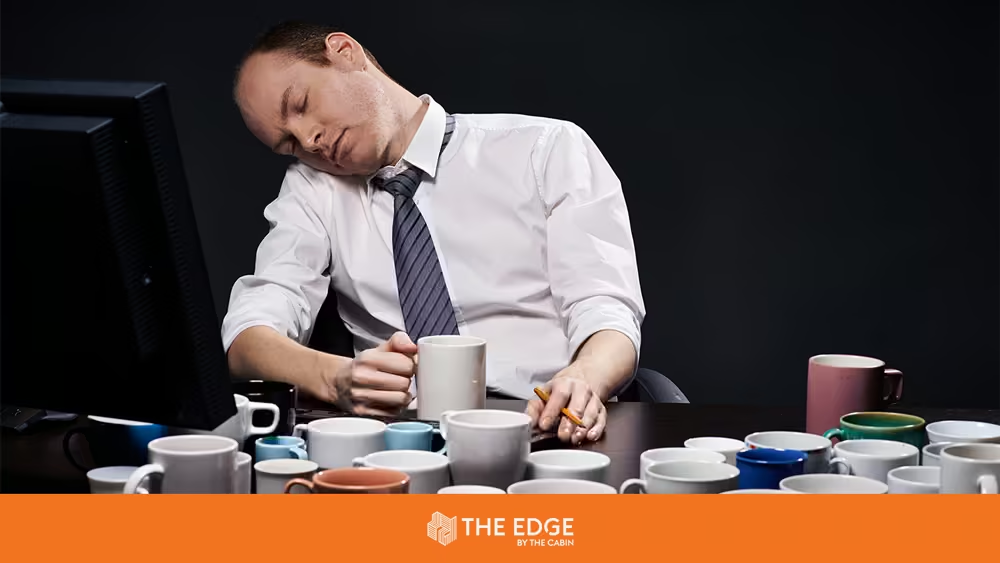
The symptoms of caffeine addiction are listed below.
- Cravings: Cravings involve a strong urge to consume caffeine, often triggered by routine or fatigue. This urge can persist even when consumption is not physically necessary.
- Tolerance: Tolerance develops when larger amounts are needed to achieve the same effect once experienced at lower intake levels. The pattern often drives escalating consumption.
- Withdrawal: Withdrawal produces symptoms such as headaches, fatigue, or irritability when caffeine intake decreases or stops. These symptoms typically emerge within a day of reduced consumption.
- Sleep Problems: Sleep problems, including difficulty falling or staying asleep, frequently accompany regular caffeine use. Sleep disruption often worsens with higher or more frequent intake.
- Loss of Control: Loss of control describes trouble reducing caffeine intake despite awareness of negative effects. The pattern often signals a deeper level of dependence.
What are the Common Signs of Caffeine Dependence?
The common signs of caffeine dependence are listed below.
- Daily Reliance: Daily reliance on caffeine to feel normal or function properly often indicates a developing dependence. The pattern frequently intensifies over time without intervention.
- Increasing Consumption: Increasing consumption develops as tolerance requires larger amounts to achieve the same stimulating effect. The escalation often continues gradually and unnoticed.
- Withdrawal Symptoms: Withdrawal symptoms, including headaches and fatigue, appear when intake decreases or stops. These symptoms often reinforce continued consumption to avoid discomfort.
- Difficulty Reducing Intake: Difficulty reducing intake despite attempts to cut back frequently signals a deeper physical dependence. Repeated failed attempts often indicate the need for a structured approach.
- Physical Discomfort Without Caffeine: Physical discomfort without caffeine, including fatigue or irritability, often points to genuine dependence rather than simple habit. The discomfort typically eases once caffeine is reintroduced.
Can Caffeine Addiction Cause Anxiety?
Yes, caffeine addiction can cause anxiety. High doses may cause nervousness, restlessness, and a rapid heartbeat. Reducing caffeine helps improve these symptoms as the nervous system settles. Individual sensitivity significantly influences how strongly caffeine affects anxiety levels. Existing anxiety disorders may become more pronounced with regular high caffeine consumption. Awareness of this connection supports more mindful consumption for individuals prone to anxiety symptoms.
What If Caffeine Is Only Part of the Problem?
Excessive caffeine use can be linked to stress, anxiety, or emotional issues. Our personalised treatment programmes can help you tackle the root causes of these unhealthy patterns.
How can you Tell If you are Addicted to Caffeine?
You can tell if you are addicted to caffeine by noticing cravings, loss of control, and continued use despite negative effects. Tolerance and withdrawal are common warning signs that often accompany this pattern. Daily reliance on caffeine to function normally frequently signals that casual use has progressed into dependence. These symptoms may interfere with daily life, including sleep, mood, and productivity. Repeated failed attempts to reduce intake further indicate a pattern that has become difficult to control without support. Recognizing these signs early supports a more manageable path toward reducing consumption.
What Is the Difference Between Caffeine Addiction and Caffeine Dependence?
The difference between caffeine addiction and caffeine dependence is that dependence reflects a physical adaptation, while addiction involves compulsive use despite harmful effects. Dependence mainly causes tolerance and withdrawal as the body adjusts to regular intake. Addiction affects behavior, including cravings, loss of control, and continued use despite clear harm. A person can be dependent without meeting the broader behavioral features associated with addiction. The distinction matters because dependence alone may not require the same level of intervention as addiction. Understanding the difference helps clarify when professional support becomes necessary.
Is Caffeine Use Disorder a Medical Condition?
Yes, caffeine use disorder is recognized as a condition requiring further study in psychiatric diagnostic guidelines. Caffeine use disorder involves problematic caffeine use that causes distress or impairment in daily functioning. Not everyone who consumes caffeine heavily has caffeine use disorder, since diagnosis requires specific patterns of harm and difficulty controlling use. Ongoing research continues to refine the understanding of caffeine use disorder’s clinical criteria. Recognition of caffeine use disorder highlights that genuine dependence on caffeine can carry real consequences. Professional evaluation helps determine whether symptoms meet the threshold for caffeine use disorder.
What Happens When you Stop Using Caffeine?
Headaches, fatigue, and irritability happen when you stop using caffeine as the body adjusts to the absence of regular stimulation. Symptoms usually improve as the body adjusts over the following days. Sleep patterns and mood may shift temporarily during this transition. Individual tolerance and prior consumption levels influence how intense these symptoms become. Gradual reduction rather than sudden cessation often minimizes the severity of this withdrawal experience.
What are the Symptoms of Caffeine Withdrawal?
The symptoms of caffeine withdrawal are listed below.
- Headaches: Headaches represent a common early symptom of caffeine withdrawal. The symptom appears within the first day of reduced intake.
- Fatigue: Fatigue develops as the body adjusts to functioning without its usual level of caffeine stimulation. Low energy and tiredness frequently accompany this adjustment period.
- Irritability: Irritability increases as caffeine withdrawal affects mood regulation during the adjustment process. Mood changes or frustration often accompany other withdrawal symptoms.
- Difficulty Concentrating: Difficulty concentrating reflects reduced focus as the brain adjusts to lower stimulant activity. The symptom often improves as the body stabilizes.
- Drowsiness: Drowsiness develops as the stimulating effects of caffeine disappear from the system. Increased sleepiness accompanies the early withdrawal period.
How Long does Caffeine Withdrawal Last?
Caffeine withdrawal usually lasts between 2 and 9 days. Symptoms peak within the first 24 to 48 hours before gradually easing. Recovery time varies depending on caffeine intake and individual factors such as metabolism and prior consumption levels. Heavier or more prolonged prior use often correlates with a longer withdrawal duration. Staying hydrated and getting adequate rest often supports a smoother transition through this timeline. Gradual reduction rather than sudden cessation often minimizes the intensity of these symptoms.
Treat the Pattern, Not Just the Dependence
Understanding why you rely on caffeine can be an important step towards changing the behaviour. The Edge combines professional therapy, structure, and support to help young men understand unhealthy behaviours and develop practical strategies for lasting recovery.
How is Caffeine Addiction Treated?

Caffeine addiction is treated by gradually reducing caffeine intake and addressing related behaviors. Behavioral strategies and professional support may be helpful, particularly when dependence significantly affects daily life. Gradual reduction helps lessen withdrawal symptoms compared with sudden cessation. Identifying personal triggers, such as specific routines or stress patterns, supports more effective long-term reduction. Healthy lifestyle habits, including proper hydration and consistent sleep, often make the reduction process easier to maintain. Professional guidance becomes particularly valuable when caffeine dependence occurs alongside other health or substance use concerns.
Where does Caffeine Addiction Fit Among the Types of Addiction?
Caffeine addiction fits among the milder forms of substance-based dependence, sharing core mechanisms with other conditions while carrying comparatively lower health risk. Tolerance, cravings, and withdrawal symptoms mirror patterns seen across many addiction types. Severity generally remains lower compared with addictions involving more potent or illegal substances. Social acceptability of caffeine delays recognition of the addiction compared with more stigmatized substances. Behavioral patterns, including escalating use and difficulty cutting back, reflect genuine dependence despite the milder overall profile. Comparing caffeine addiction within this broader context helps clarify both its risks and its relatively lower severity among the broader types of addiction.
What are the Best Ways to Treat Caffeine Addiction?

The best ways to treat caffeine addiction are listed below.
- Gradual Reduction: Gradual reduction involves slowly decreasing caffeine intake to minimize withdrawal symptoms. The method generally produces more comfortable and sustainable results than stopping abruptly.
- Hydration: Hydration through drinking plenty of water supports the body’s adjustment during caffeine reduction. Proper fluid intake often eases physical discomfort during this process.
- Healthy Sleep: Healthy sleep habits help restore natural energy levels without reliance on caffeine. Consistent sleep routines often reduce the perceived need for stimulants.
- Behavioral Therapy: Behavioral therapy addresses unhealthy patterns linked to caffeine cravings and habitual consumption. Structured sessions help build healthier coping strategies over time.
- Professional Support: Professional support through medical guidance becomes valuable when dependence is severe or accompanied by other health concerns. Guided treatment often improves consistency throughout the reduction process.
Not Sure What Addiction Treatment Looks Like?
Understanding the treatment process can help you take the next step with greater clarity.
Can You Quit Caffeine Without Medical Help?
Yes, you can quit caffeine without medical treatment in most cases. Gradually reducing intake helps minimize withdrawal symptoms during the process. Medical support may be beneficial for severe dependence or other health concerns that complicate the reduction process. Individual tolerance and prior consumption levels influence how manageable self-directed quitting becomes. A structured, gradual approach generally produces more comfortable results than attempting to stop suddenly. Recognizing when additional support is needed helps ensure a safer and more successful outcome.
How can you Prevent Caffeine Addiction?
You can prevent caffeine addiction by following the six steps. First, monitoring daily caffeine intake helps identify early signs of escalating consumption before dependence develops. Second, staying within recommended daily limits, generally up to 400 mg, helps reduce the risk of tolerance and withdrawal. Third, maintaining consistent sleep supports natural energy levels without relying heavily on caffeine. Fourth, managing stress through healthy coping techniques reduces the temptation to use caffeine as an emotional crutch. Fifth, taking occasional breaks from caffeine helps prevent tolerance from building over time. Sixth, staying mindful of consumption patterns helps identify warning signs before casual use progresses into dependence.
How Much Caffeine Is Safe to Consume Each Day?
Up to 400 mg of caffeine per day is generally considered safe for most healthy adults. Individual tolerance and medical conditions can affect safe intake levels for certain people. Some individuals may need to consume less, particularly consumers with heart conditions, anxiety disorders, or heightened sensitivity. The amount equals roughly four cups of brewed coffee consumed throughout the day. Spreading consumption throughout the day rather than all at once may help reduce the likelihood of side effects. Awareness of personal sensitivity helps determine an appropriate daily amount within this general guideline.
Can You Avoid Caffeine Addiction While Still Drinking Coffee?
Yes, you can avoid caffeine addiction while still drinking coffee through moderate, mindful consumption. Staying within recommended daily limits helps prevent dependence from developing over time. Taking occasional breaks from caffeine may also help maintain tolerance at a manageable level. Spacing out consumption throughout the day rather than concentrating it in a short period often supports moderation. Awareness of personal consumption patterns helps identify early signs of escalating use. Balanced, mindful coffee drinking generally allows enjoyment without progressing into genuine addiction.
When Should Drug and Alcohol Rehab be Sought for Caffeine Addiction?

You should seek drug and alcohol rehab for caffeine addiction when dependence significantly affects daily functioning or occurs alongside other substance use concerns. Severe withdrawal symptoms that interfere with work, relationships, or basic responsibilities often signal a need for professional evaluation. Co-occurring use of caffeine alongside other substances may warrant integrated treatment addressing both patterns together. Repeated failed attempts to reduce intake without success frequently indicate a need for more structured support. Underlying health conditions worsened by excessive caffeine use may also warrant professional guidance during the reduction process. Recognizing these signs helps determine when self-directed reduction is no longer sufficient, and treatment through drug and alcohol rehab becomes appropriate.
Don’t Let Dependence Become Part of Your Everyday Life
Whether you’re struggling with dependence, addictive behaviours, anxiety, or other underlying challenges, therapy can help you develop healthier strategies for managing everyday life. Reach out to our team via our
