
Energy drink addiction is the compulsive overuse of energy drinks despite harmful effects, often driven by caffeine dependence.
Energy drink addiction shares similarities with other substance-based addictions, particularly through tolerance, cravings, and withdrawal symptoms. Quitting typically involves a gradual reduction in intake rather than sudden cessation, which helps minimize discomfort. Common symptoms include cravings, tolerance, sleep problems, and difficulty cutting back despite negative effects. Side effects such as insomnia, anxiety, and elevated heart rate frequently accompany prolonged excessive use. Understanding energy drink addiction helps clarify why cutting back requires a structured approach rather than an abrupt stop.
What is Energy Drink Addiction?
Energy drink addiction is a pattern of compulsive consumption that develops primarily through dependence on caffeine’s stimulating effects. Regular excessive intake can cause tolerance, cravings, and withdrawal symptoms such as headaches and fatigue. Control over consumption diminishes as the body adapts to frequent, high-level caffeine exposure. Sleep disruption and increased anxiety frequently accompany prolonged use as the nervous system remains in a heightened state. Reducing intake becomes difficult once dependence develops, even when negative effects become apparent. Recognizing the pattern early helps distinguish casual consumption from a developing addiction.
How can Energy Drinks Become Addictive?
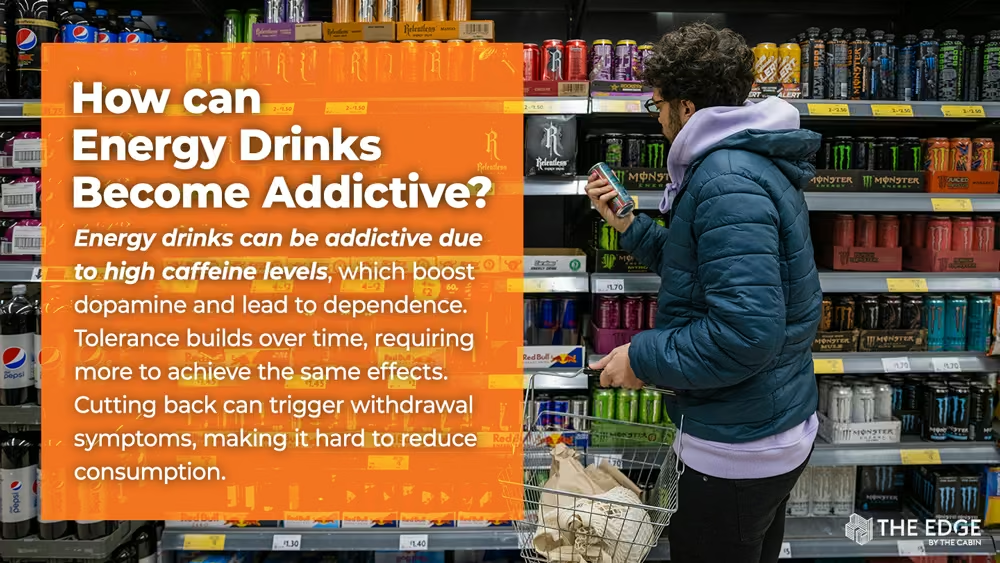
Energy drinks can become addictive through their high caffeine content, which stimulates the brain’s reward system and promotes dependence. Dopamine activity increases with regular consumption, reinforcing the habitual use of these beverages. Tolerance frequently develops as the brain adjusts to consistent caffeine exposure, requiring larger amounts to achieve the same stimulating effect. Increased consumption often follows as the original amount no longer produces the desired alertness or energy boost. Reducing intake after dependence has developed can trigger withdrawal symptoms, including headaches and fatigue. Cravings frequently intensify alongside this physiological adaptation, making reduction more challenging without a structured approach.
Can Someone Get Addicted to Energy Drinks?
Yes, individuals can become addicted to energy drinks, primarily due to caffeine dependence. Frequent excessive consumption can cause cravings, tolerance, and withdrawal symptoms similar to other caffeine-related dependencies. The dependence can make reducing or stopping energy drink consumption difficult without a structured plan. Physical symptoms often accompany the psychological pull toward continued use as tolerance builds over time. Recognition of these patterns supports earlier intervention before dependence becomes more severe. Awareness of the risk remains important given how widely available and socially accepted these beverages are.
Don't let compulsive habits dictate your health
At The Edge Rehab, our specialised programs address both behavioral compulsions and underlying mental health challenges.
What Causes Energy Drink Addiction?
The causes of energy drink addiction are listed below.
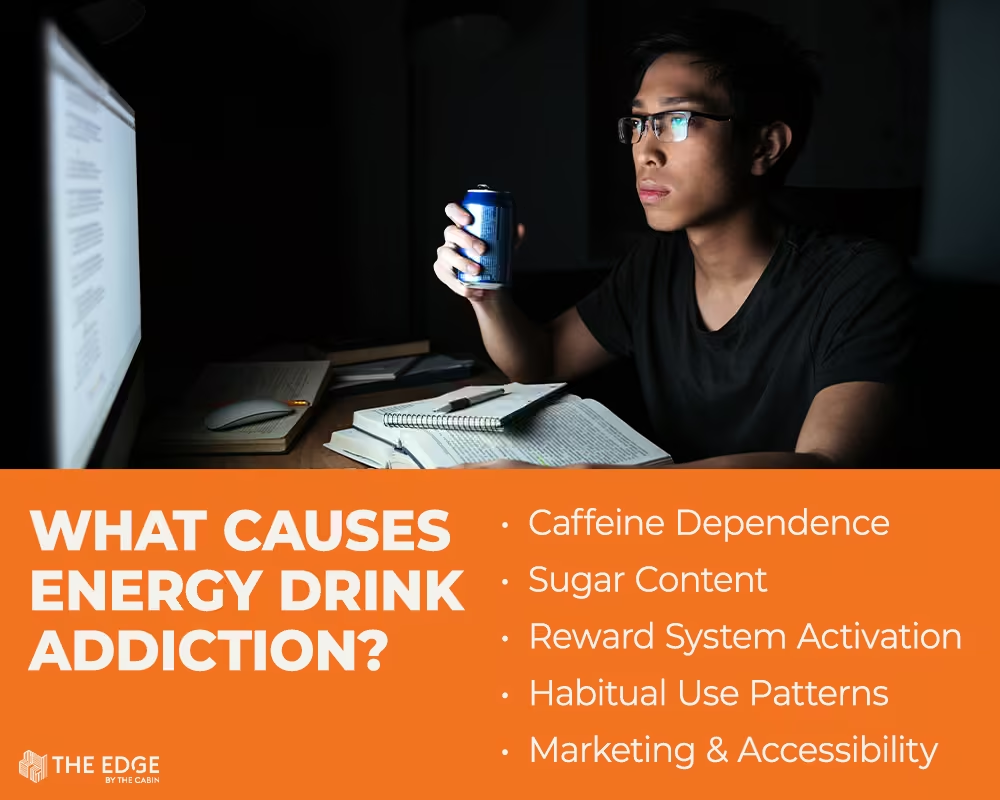
- Caffeine Dependence: Caffeine dependence develops as the brain adjusts to regular stimulation from repeated consumption. The adaptation often drives continued and increasing intake.
- Sugar Content: Sugar content in many energy drinks contributes to reward-seeking behavior through rapid energy spikes. Repeated exposure to this pattern can reinforce habitual consumption.
- Reward System Activation: Reward system activation occurs as stimulant ingredients trigger dopamine release in the brain. This reinforcement strengthens the association between energy drinks and pleasurable effects.
- Habitual Use Patterns: Habitual use patterns develop as energy drinks become tied to specific routines, such as morning wake-ups or afternoon slumps. The routines make reduction more difficult over time.
- Marketing and Accessibility: Marketing and accessibility increase exposure and normalize frequent consumption across various age groups. Wide availability contributes to higher rates of regular use.
Which Ingredients Make Energy Drinks Addictive?
The ingredients that make energy drinks addictive are listed below.
- Caffeine: Caffeine stimulates the central nervous system and drives the primary addictive mechanism in most energy drinks. Regular intake leads to tolerance and dependence over time.
- Taurine: Taurine may enhance the stimulating effects of caffeine when combined in energy drink formulations. The combination can intensify the overall reward response.
- Sugar: Sugar contributes to short-term energy spikes that reinforce repeated consumption patterns. Frequent sugar intake alongside caffeine may strengthen habitual use.
- Guarana: Guarana contains natural caffeine that adds to the overall stimulant content of many energy drinks. The ingredient can intensify both the effects and the risk of dependence.
- B Vitamins: B vitamins are included for perceived energy benefits, though their addictive contribution remains minimal compared with caffeine. The presence of B vitamins supports the broader marketing appeal of these products.
Is Caffeine the Main Reason Energy Drinks Are Addictive?
Yes, caffeine is the main reason energy drinks can become addictive. Caffeine stimulates the central nervous system and can cause dependence with regular use. Higher caffeine intake increases the risk of cravings and withdrawal symptoms upon reduction. Other ingredients, such as sugar and taurine, may contribute additional reinforcement, though caffeine remains the primary driver. Tolerance develops as the brain adjusts to consistent caffeine exposure, often requiring higher amounts over time. Recognizing caffeine’s central role, alongside its broader caffeine uses, helps explain why reducing energy drink intake gradually proves more effective than stopping abruptly.
What are the Symptoms of Energy Drink Addiction?
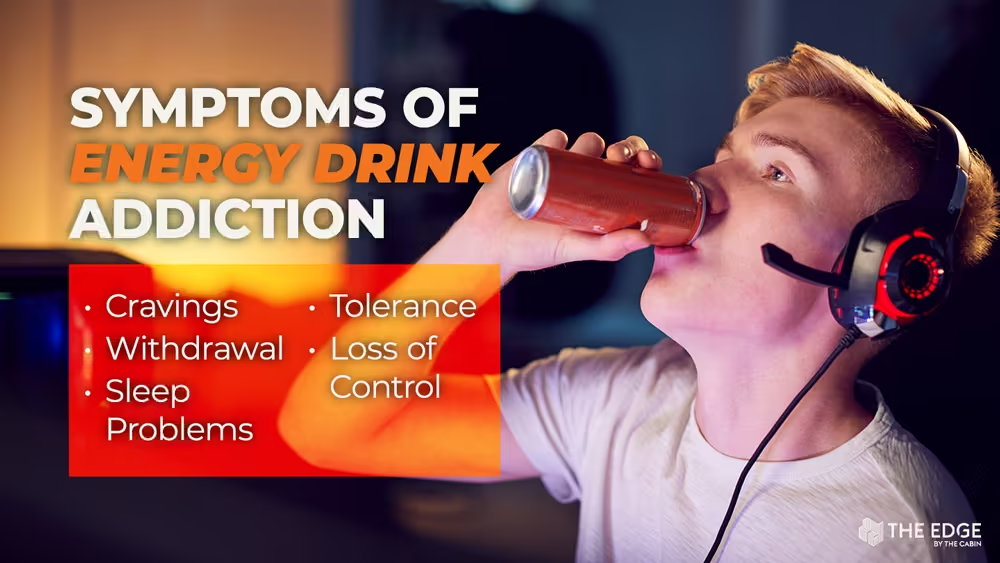
The symptoms of energy drink addiction are listed below.
- Cravings: Cravings involve a strong urge to consume energy drinks, often triggered by routine or stress. This urge can persist even when consumption is not physically needed.
- Tolerance: Tolerance develops when larger amounts are needed to achieve the same stimulating effect once experienced at lower intake levels. This pattern often drives escalating consumption.
- Withdrawal: Withdrawal produces symptoms such as headaches, fatigue, or irritability when caffeine intake decreases or stops. These symptoms typically emerge within a day of reduced consumption.
- Sleep Problems: Sleep problems, including difficulty falling or staying asleep, frequently accompany regular energy drink use. Sleep disruption often worsens with higher or more frequent intake.
- Loss of Control: Loss of control describes difficulty cutting back despite awareness of negative effects on health or daily life. This pattern often signals a deeper level of dependence.
How Can Someone Tell If They Are Addicted to Energy Drinks?
Someone can tell if they are addicted to energy drinks by noticing an inability to stop despite clear negative effects on health or daily life. Cravings, tolerance, and withdrawal symptoms serve as common warning signs of a developing dependence. Daily reliance on energy drinks to function normally signals that casual use has progressed into addiction. Interference with sleep, mood, or physical health frequently accompanies this level of dependence. Repeated failed attempts to reduce consumption further indicate that the pattern has become difficult to control without support. Recognising the signs early supports a more manageable path toward reducing intake.
Do Cravings Get Worse Over Time?
Yes, cravings can become stronger with continued excessive use. Increasing tolerance leads to greater caffeine intake as the body adapts to prior consumption levels. This escalation can make quitting more difficult the longer excessive use continues. Cravings frequently intensify around routine triggers, such as specific times of day or stressful situations. Left unaddressed, this pattern often deepens dependence and increases the risk of withdrawal symptoms upon reduction. Early intervention helps prevent cravings from becoming more difficult to manage over time.
What If Energy Drink Is Only Part of the Problem?
Overuse of energy drinks can be linked to stress, anxiety, or emotional issues. Our personalised treatment programmes can help you tackle the root causes of these unhealthy patterns.
What Side Effects can Energy Drink Addiction Cause?
The side effects that energy drink addiction can cause are listed below.
- Insomnia: Insomnia develops as caffeine’s stimulating effects interfere with the body’s natural ability to fall or stay asleep. The side effect worsens with higher or more frequent consumption.
- Anxiety: Anxiety increases as excessive caffeine intake heightens nervous system activity beyond normal levels. Persistent nervousness accompanies extended periods of heavy use.
- Rapid Heart Rate: Rapid heart rate results from the stimulant effect of caffeine and other ingredients on the cardiovascular system. The effect can place added strain on the heart with continued use.
- High Blood Pressure: High blood pressure often develops as repeated stimulant exposure affects cardiovascular regulation. The risk increases significantly with frequent, high-volume consumption.
- Digestive Problems: Digestive problems, including stomach discomfort or nausea, frequently accompany excessive energy drink intake. The symptoms often result from the combined effects of caffeine and high sugar content.
How do Energy Drinks Affect the Body and Brain?
Energy drinks affect the body and brain through caffeine-driven increases in heart rate, blood pressure, and dopamine activity. Energy drinks temporarily improve alertness and energy by activating the central nervous system. Dopamine release accompanies this stimulation, reinforcing the desire for repeated consumption. Excessive use can disrupt sleep, mood, and cardiovascular function over time as the body adjusts to frequent stimulant exposure. Blood pressure and heart rate often rise noticeably with heavy or repeated intake. Long-term overuse can compound these effects, increasing the risk of more serious cardiovascular and psychological complications.
Can Energy Drink Addiction Lead to Serious Health Problems?
Yes, energy drink addiction can lead to serious health problems. Risks include heart issues, high blood pressure, anxiety, and sleep disorders that develop or worsen over time. Cardiovascular strain increases with prolonged, heavy consumption of caffeine and other stimulants. Severe cases may require medical evaluation and treatment, particularly when heart-related symptoms or persistent anxiety develop. Early recognition of these risks supports timely intervention before complications become more serious. Reducing intake gradually lowers the chance of these long-term health consequences.
What Happens During Energy Drink Withdrawal?
Headaches, fatigue, and irritability commonly occur during energy drink withdrawal as the body adjusts to reduced caffeine intake. The body temporarily reacts to the absence of caffeine as it adjusts to functioning without its usual level of stimulation. Symptoms typically emerge within a day of reduced intake as the nervous system recalibrates. Symptoms usually improve as the body adjusts over the following days. Staying hydrated and getting adequate rest supports a smoother transition through this process.
What are the Most Common Energy Drink Withdrawal Symptoms?
The most common energy drink withdrawal symptoms are listed below.
- Headaches: Headaches represent one of the most common symptoms of energy drink withdrawal. The symptom often appears within the first day of reduced intake.
- Fatigue: Fatigue develops as the body adjusts to functioning without its usual level of caffeine stimulation. Low energy and tiredness frequently accompany this adjustment period.
- Irritability: Irritability increases as caffeine withdrawal affects mood regulation during the adjustment process. Increased frustration often accompanies other withdrawal symptoms.
- Difficulty Concentrating: Difficulty concentrating reflects reduced mental focus as the brain adjusts to lower stimulant activity. The symptom improves as the body stabilizes.
- Drowsiness: Drowsiness develops as the stimulating effects of caffeine disappear from the system. Feeling unusually sleepy accompanies the early withdrawal period.
Do Withdrawal Symptoms Go Away on Their Own?
Yes, withdrawal symptoms improve on their own. Symptoms usually lessen within several days to a week as the body adjusts to reduced caffeine intake. Staying hydrated and resting can support recovery during this adjustment period. Headaches and fatigue typically resolve faster than irritability or difficulty concentrating in some individuals. Gradual reduction rather than sudden cessation often minimizes the intensity of these symptoms. Most cases resolve without medical intervention, though persistent or severe symptoms may warrant professional evaluation.
Treat the Pattern, Not Just the Dependence
The Edge combines professional therapy, structure, and support to help young men understand unhealthy behaviours and develop practical strategies for lasting recovery.
How can you Quit an Energy Drink Addiction?

You can quit an energy drink addiction by following the six steps below. First, reducing caffeine intake incrementally helps minimize the intensity of withdrawal symptoms such as headaches and fatigue. Second, replacing energy drinks with healthier alternatives, including water or green tea, supports hydration without the same stimulant load. Third, maintaining consistent sleep and balanced nutrition helps stabilize energy levels naturally during the transition. Fourth, identifying personal triggers, such as specific times of day or stress, supports more effective avoidance of habitual consumption. Fifth, seeking support from friends, family, or a healthcare provider often improves consistency throughout the reduction process. Sixth, tracking progress and celebrating small milestones helps reinforce commitment to long-term change, supporting lasting success in quitting an energy drink addiction.
What is the Best Way to Stop Drinking Energy Drinks?
The best way to stop drinking energy drinks is to gradually reduce caffeine intake instead of stopping suddenly. A gradual reduction helps minimize withdrawal symptoms such as headaches, fatigue, and irritability. Lowering intake incrementally over one to two weeks often allows the body to adjust more comfortably than abrupt cessation. Healthy lifestyle habits, including proper hydration and consistent sleep, make quitting easier to maintain. Replacing energy drinks with lower-caffeine alternatives can ease the transition while providing some stimulation. The gradual method generally produces more sustainable results than attempting to stop all at once.
Should Energy Drinks Be Quit Gradually Instead of All at Once?
Yes, gradually reducing intake is generally recommended over stopping all at once. Gradually reducing intake lowers the risk of severe withdrawal symptoms, including intense headaches and fatigue. The approach improves comfort and long-term success by allowing the body to adjust incrementally. Sudden cessation produces more pronounced symptoms compared with a slower reduction schedule. A structured tapering plan supports better adherence throughout the quitting process. Gradual reduction remains the more sustainable path toward long-term abstinence from energy drinks.
How can Energy Drink Addiction be Prevented From Returning?
Energy drink addiction can be prevented from returning by following the six steps. First, replacing energy drinks with healthier alternatives, such as water or green tea, helps maintain hydration and reduce reliance on stimulants. Second, prioritizing regular, quality sleep supports natural energy levels without the need for caffeine-based products. Third, maintaining balanced nutrition throughout the day helps stabilize energy and reduce cravings for quick stimulant boosts. Fourth, incorporating regular exercise supports mood and stamina, reducing the temptation to rely on energy drinks. Fifth, managing stress through healthy coping techniques helps prevent the emotional triggers that lead back to habitual consumption. Lastly, staying mindful of consumption patterns helps identify early warning signs before dependence develops again.
What Healthy Habits Can Replace Energy Drinks?
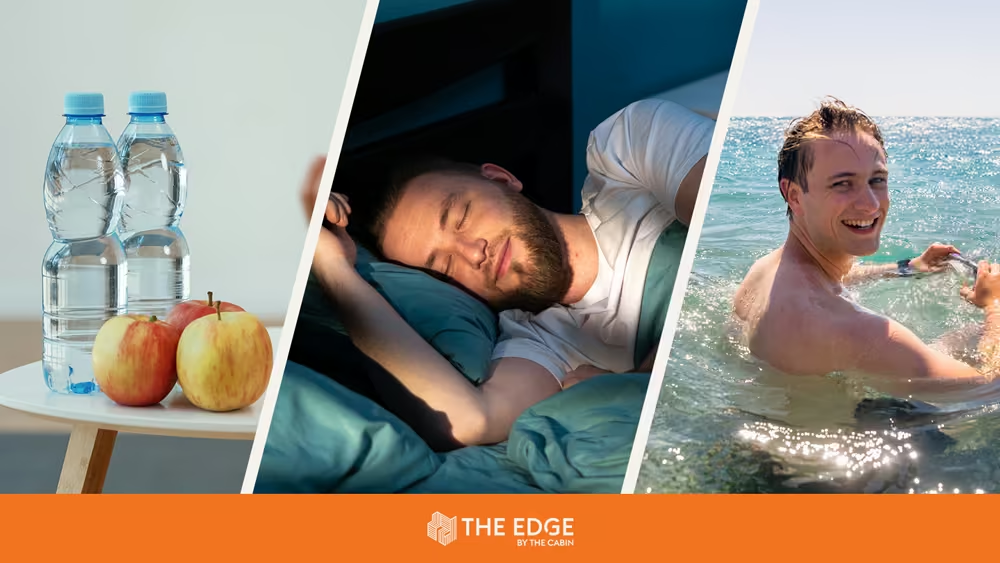
The healthy habits that can replace energy drinks are listed below.
- Water: Water supports hydration and energy without the stimulant effects associated with energy drinks. Proper hydration often improves overall alertness naturally.
- Regular Sleep: Regular sleep improves alertness naturally by allowing the body to rest and recover fully each night. Consistent sleep patterns often reduce the perceived need for stimulants.
- Balanced Meals: Balanced meals provide steady energy throughout the day without the sharp spikes and crashes associated with caffeine and sugar. Consistent nutrition supports a more stable mood and focus.
- Exercise: Exercise boosts mood and stamina through natural increases in circulation and endorphin release. Regular physical activity often reduces reliance on external stimulants for energy.
- Green Tea: Green tea offers a lower-caffeine alternative that still provides mild stimulation without the intensity of energy drinks. The option supports a smoother transition away from heavier caffeine sources.
Can Lifestyle Changes Help Someone Stay Free From Energy Drink Addiction?
Yes, lifestyle changes can help someone stay free from energy drink addiction. Good sleep, nutrition, exercise, and stress management improve natural energy levels without relying on stimulants. The habits support long-term recovery and help prevent relapse into old consumption patterns. Consistent routines reduce the emotional and physical triggers that previously led to energy drink use. Building these habits gradually supports lasting change rather than a temporary adjustment. Long-term success depends on maintaining these practices well beyond the initial recovery period.
With the right support, you can understand the behaviours behind dependence
Speak with The Edge team to explore your treatment options and find out what support may be available.
