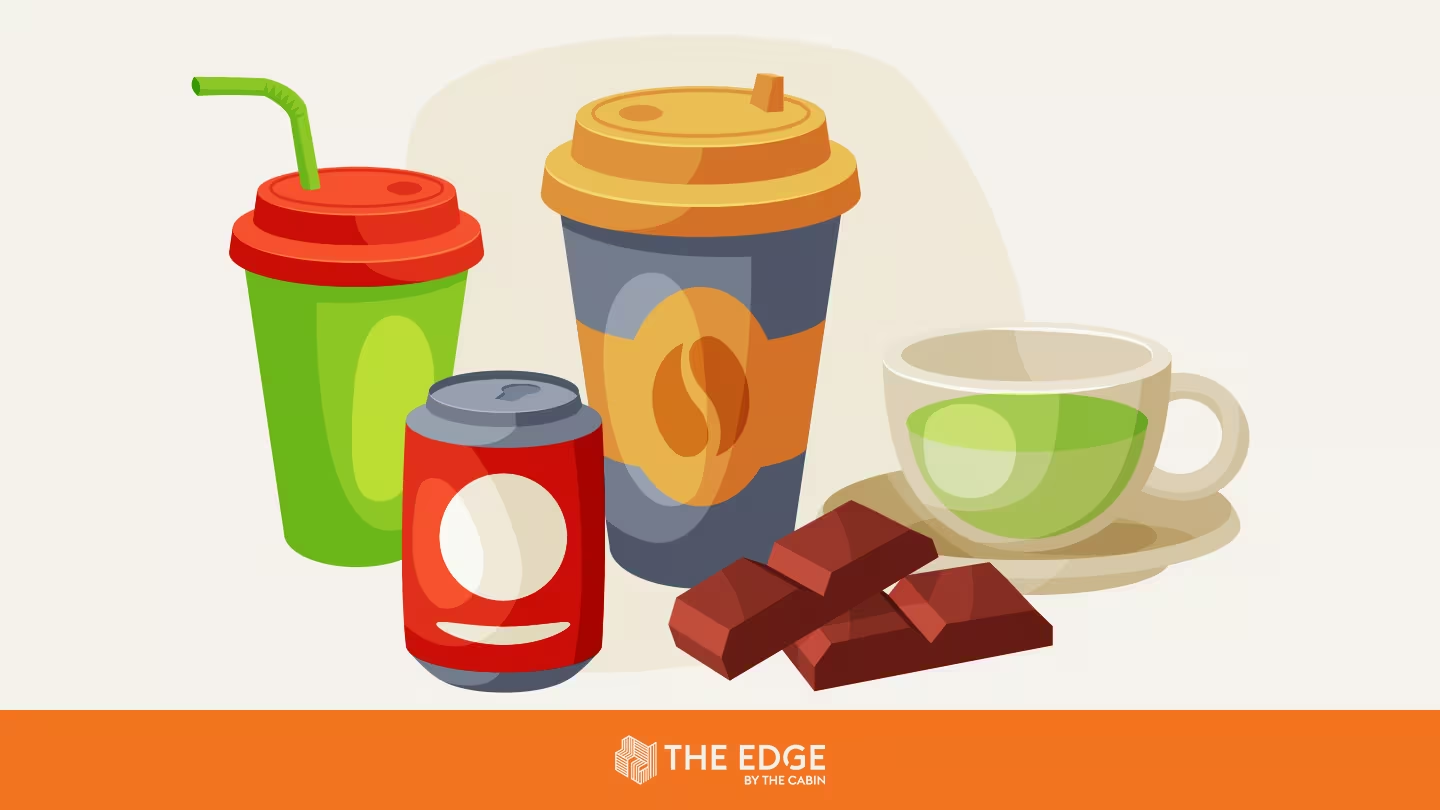
Caffeine is a natural stimulant that increases alertness by affecting the central nervous system. Caffeine occurs naturally in coffee, tea, and chocolate and is added to energy drinks and medications. Common uses include increasing alertness, improving focus, boosting physical performance, and treating headaches.
Up to 400 mg of caffeine per day is considered safe for most healthy adults, though individual tolerance varies. Reducing the effects of excessive caffeine intake typically involves hydration, gradual reduction, and lifestyle adjustments. Understanding caffeine helps clarify how it affects the body and where moderation becomes important.
What is Caffeine?
Caffeine is one of the most widely consumed stimulants worldwide, found across a range of everyday foods and beverages. Caffeine is commonly found in coffee, tea, chocolate, and energy drinks, making it accessible through daily dietary choices. Its stimulating effects are temporary and vary depending on individual tolerance, body weight, and metabolism. Regular consumption can influence alertness, mood, and physical performance within a short period after intake. Sensitivity to caffeine differs significantly between individuals, affecting how strongly its effects are experienced. Moderate consumption remains safe for most healthy adults, though excessive intake can lead to uncomfortable side effects.
How does Caffeine Work in the Body?
Caffeine works in the body by blocking adenosine, a brain chemical that promotes sleepiness and relaxation. The blocking action increases alertness and reduces feelings of fatigue shortly after consumption. Neural activity rises as adenosine receptors become less active, allowing other stimulating neurotransmitters to become more prominent. Heart rate and nervous system activity increase alongside this heightened alertness. Effects typically peak within thirty to sixty minutes and gradually diminish over several hours. Individual metabolism significantly influences how quickly these effects fade after consumption.
How Is Caffeine Different From Methamphetamine?
Caffeine differs from methamphetamine primarily in potency, mechanism, and overall health risk. Caffeine blocks adenosine receptors to produce mild alertness, while methamphetamine directly floods the brain with dopamine at a much higher intensity. Health risks associated with caffeine remain comparatively low when consumed in moderate amounts. Methamphetamine carries severe addiction potential and significant physical and psychological harm, even with limited use, reflected in the range of methamphetamine addiction symptoms that can emerge quickly. Legal status differs substantially, with caffeine widely available and methamphetamine classified as an illegal controlled substance in most contexts. Comparing the two substances highlights how dramatically stimulant intensity and risk can vary within the same broad category.
Is Caffeine a Stimulant?
Yes, caffeine is a central nervous system stimulant. Caffeine increases alertness, attention, and wakefulness shortly after consumption. Caffeine effects are temporary and depend heavily on the amount consumed and individual sensitivity. Higher doses generally produce stronger stimulating effects, though this raises the chance of side effects. Tolerance can develop with regular use, requiring more caffeine to achieve the same level of alertness. Moderate consumption remains the safest way to experience its stimulating benefits without significant risk.
What If Caffeine Is Only Part of the Problem?
Excessive caffeine use can be linked to stress, anxiety, or emotional issues. Our personalised treatment programmes can help you tackle the root causes of these unhealthy patterns.
What are the Main Uses of Caffeine?
The main uses of caffeine are listed below.
- Increase Alertness: Increasing alertness helps reduce drowsiness during periods of fatigue or low energy. The effect makes caffeine a common choice during early mornings or long work hours.
- Improve Focus: Improving focus enhances concentration during tasks that require sustained mental attention. Individuals rely on caffeine to support productivity throughout the day.
- Boost Physical Performance: Boosting physical performance increases endurance during exercise or physical activity. Athletes use caffeine before workouts to enhance stamina.
- Treat Headaches: Treating headaches is supported by caffeine’s inclusion in some pain-relief medications. Caffeine can enhance the effectiveness of certain analgesic ingredients.
- Promote Wakefulness: Promoting wakefulness helps people stay awake during periods requiring extended alertness. This use is common among individuals working night shifts or long hours.
Where is Caffeine Found Naturally?
Caffeine occurs naturally in the seeds, leaves, and fruits of certain plants. Common natural sources include coffee beans, tea leaves, cacao beans, and guarana. These plants are used to produce many caffeinated foods and beverages consumed worldwide. Coffee beans generally contain the highest concentration among common natural sources. Tea leaves produce a milder caffeine content, combined with other beneficial plant compounds. Cacao beans and guarana contribute smaller amounts of caffeine, frequently found in chocolate products and certain energy drinks.
Is Caffeine Used in Medicine?
Yes, caffeine is used in some medications. Caffeine is commonly added to headache medicines and treatments for certain medical conditions. Caffeine can enhance the effectiveness of some pain relievers by improving absorption and boosting their overall effect. Some respiratory treatments for infants include caffeine to support breathing regulation. Medical use typically involves carefully controlled dosages under professional supervision. Its inclusion in medication reflects caffeine’s broader pharmacological benefits beyond everyday consumption.
What are the Benefits of Caffeine?
The benefits of caffeine are listed below.
- Increased Wakefulness: Increased wakefulness helps counter feelings of drowsiness during periods of fatigue. The benefit supports alertness throughout demanding parts of the day.
- Improved Focus: Improved focus enhances concentration, supporting better performance on tasks requiring sustained attention. Many individuals experience sharper mental clarity after consumption.
- Higher Energy: Higher energy levels develop as caffeine reduces feelings of fatigue and tiredness. This effect often supports productivity during long or demanding days.
- Enhanced Exercise Performance: Enhanced exercise performance supports greater endurance during physical activity. Athletes frequently use caffeine to improve stamina and reduce perceived effort.
- Improved Mood: Improved mood may temporarily increase mental well-being following consumption. The effect accompanies the broader alertness and energy benefits of caffeine.
How does Caffeine Improve Focus and Energy?
Caffeine improves focus and energy by blocking adenosine receptors in the brain, which reduces feelings of drowsiness. The action allows other stimulating neurotransmitters, including dopamine and norepinephrine, to become more active. Increased neural activity supports sharper concentration and quicker reaction times shortly after consumption. Physical energy rises as caffeine stimulates the central nervous system and increases heart rate. Effects typically last several hours before gradually diminishing as caffeine metabolizes. Consistent moderate intake supports steady focus without the sharp crashes associated with excessive consumption.
Can Caffeine Boost Physical Performance?
Yes, caffeine can improve endurance and exercise performance. It reduces perceived effort and increases alertness during physical activity. Benefits are generally greater with moderate intake consumed shortly before exercise. Athletes often experience improved stamina and reduced fatigue during prolonged physical exertion. Excessive intake, however, can lead to jitters or discomfort that may hinder rather than help performance. Moderate, well-timed consumption typically produces the most consistent performance benefits.
Not Sure What Addiction Treatment Looks Like?
Understanding the treatment process can help you take the next step with greater clarity.
What are the Side Effects of Caffeine?
The side effects of caffeine are listed below.
- Jitters: Jitters involve feeling shaky or restless following high caffeine consumption. The side effect develops quickly after intake exceeding an individual’s tolerance.
- Insomnia: Insomnia develops as caffeine’s stimulating effects interfere with the body’s ability to fall or stay asleep. The side effect worsens with consumption later in the day.
- Anxiety: Anxiety increases as caffeine heightens nervous system activity beyond typical levels. Persistent nervousness often accompanies higher doses.
- Rapid Heart Rate: Rapid heart rate results from caffeine’s stimulant effect on the cardiovascular system. The effect can place added strain on the heart with excessive intake.
- Digestive Upset: Digestive upset, including stomach discomfort or nausea, frequently accompanies high caffeine consumption. The side effect often results from increased stomach acid production.
What Happens if You Consume Too Much Caffeine?
Jitters, anxiety, rapid heartbeat, and insomnia happen if you consume too much caffeine. Digestive discomfort and headaches may also accompany significant overconsumption. Severe overconsumption may require medical attention, particularly if symptoms include irregular heartbeat or severe agitation. Individual tolerance significantly influences how much caffeine triggers these overstimulation symptoms. Reducing intake gradually after overconsumption often helps the body return to its normal baseline more comfortably.
Can Caffeine Cause High Blood Pressure?
Yes, caffeine can temporarily raise blood pressure. The effect is usually greater in people who are sensitive to caffeine or consume it infrequently. Long-term effects vary depending on the individual, with regular consumers developing some tolerance to this particular effect. Blood pressure increases typically appear shortly after consumption and diminish within a few hours. Individuals with existing high blood pressure may experience more pronounced effects from caffeine intake. Monitoring personal response to caffeine helps identify whether this effect poses a meaningful health concern.
How Much Caffeine Is Safe Per Day?

Up to 400 mg of caffeine per day is generally considered safe for most healthy adults. An intake of up to 400 mg of caffeine equals about four cups of brewed coffee consumed throughout the day. Individual tolerance and medical conditions can change safe limits significantly for certain people. Pregnant individuals and consumers with specific health conditions require lower daily amounts. Consuming caffeine gradually throughout the day rather than all at once may reduce the chance of side effects. Awareness of personal sensitivity helps determine an appropriate daily amount within the general guideline.
How Much Caffeine Is Too Much?
Caffeine intake exceeding 400 mg per day is generally considered too much for most healthy adults. The threshold equals roughly four cups of brewed coffee consumed within a single day. Individual tolerance and medical conditions can lower the threshold significantly for certain individuals. Symptoms such as jitters, rapid heartbeat, and anxiety signal that intake has surpassed a comfortable limit. Pregnant individuals and consumers with heart conditions typically face a lower safe threshold than the general population. Monitoring personal response remains the most reliable way to identify an appropriate limit.
Is 400 mg of Caffeine a Safe Daily Limit?
Yes, 400 mg of caffeine per day is considered a safe daily limit for most healthy adults. The 400 mg per day recommendation does not apply to everyone, particularly consumers with certain health conditions. Pregnant individuals and consumers with certain health conditions may need lower amounts to avoid adverse effects. Sensitivity to caffeine varies significantly, meaning some individuals may experience side effects well below the 400 mg daily limit. The 400 mg per day recommendation serves as a helpful reference point rather than a universal requirement.
Is Caffeine Good or Bad for You?
It depends on the amount consumed and individual sensitivity. Moderate caffeine intake can be beneficial, while excessive intake can be harmful. Benefits include improved alertness and focus, though too much can cause side effects such as anxiety or insomnia. Overall effects depend significantly on personal tolerance, health conditions, and timing of consumption. Moderate, well-timed intake typically provides the most favorable balance between benefit and risk. Understanding personal response helps determine whether caffeine functions as a helpful tool or a source of discomfort.
Who Should Limit or Avoid Caffeine?
The people who should limit or avoid caffeine are listed below.
- Pregnant Individuals: Pregnant individuals may need a lower intake due to potential effects on fetal development. Medical guidance recommends significantly reduced caffeine consumption during pregnancy.
- Children and Adolescents: Children and adolescents are more sensitive to caffeine’s stimulating effects than adults. Lower body weight and developing nervous systems often amplify these effects.
- People with Heart Conditions: People with heart conditions may experience worsened symptoms from caffeine’s stimulant effects. Increased heart rate and blood pressure can pose additional risk in these cases.
- People with Anxiety Disorders: People with anxiety disorders may experience increased anxiety following caffeine consumption. Heightened nervous system activity can intensify existing symptoms.
- People Sensitive to Caffeine: People sensitive to caffeine may develop side effects with even small amounts. Individual tolerance varies widely regardless of overall health status.
What Health Conditions Can Make Caffeine Risky?
The health conditions that can make caffeine risky are listed below.
- High Blood Pressure: High blood pressure may temporarily worsen following caffeine consumption. This effect can pose an added risk for individuals already managing cardiovascular concerns.
- Heart Rhythm Disorders: Heart rhythm disorders can increase symptoms such as palpitations following caffeine intake. Stimulant effects may exacerbate irregular heart activity in these cases.
- Anxiety Disorders: Anxiety disorders may trigger increased nervousness after caffeine consumption. Heightened nervous system activity often intensifies existing anxiety symptoms.
- Insomnia: Insomnia can interfere with sleep quality when caffeine is consumed too close to bedtime. Sensitivity to this effect often increases among individuals already struggling with sleep.
- Gastroesophageal Reflux Disease (GERD): Gastroesophageal Reflux Disease may worsen acid reflux symptoms following caffeine consumption. Increased stomach acid production often accompanies this effect.
Can You Become Dependent on Caffeine?
Yes, you can become dependent on caffeine through regular, consistent use. Stopping suddenly may cause withdrawal symptoms such as headaches and fatigue. Gradually reducing intake can help minimize withdrawal discomfort during the transition. Dependence typically develops after consistent daily consumption over an extended period. Tolerance accompanies this dependence, requiring more caffeine to achieve the same stimulating effect. Recognizing early signs of dependence supports a more manageable approach to adjusting intake if needed.
Don't let compulsive habits dictate your health
At The Edge Rehab, our specialised programs address both behavioral compulsions and underlying mental health challenges.
How Can You Reduce the Effects of Too Much Caffeine?
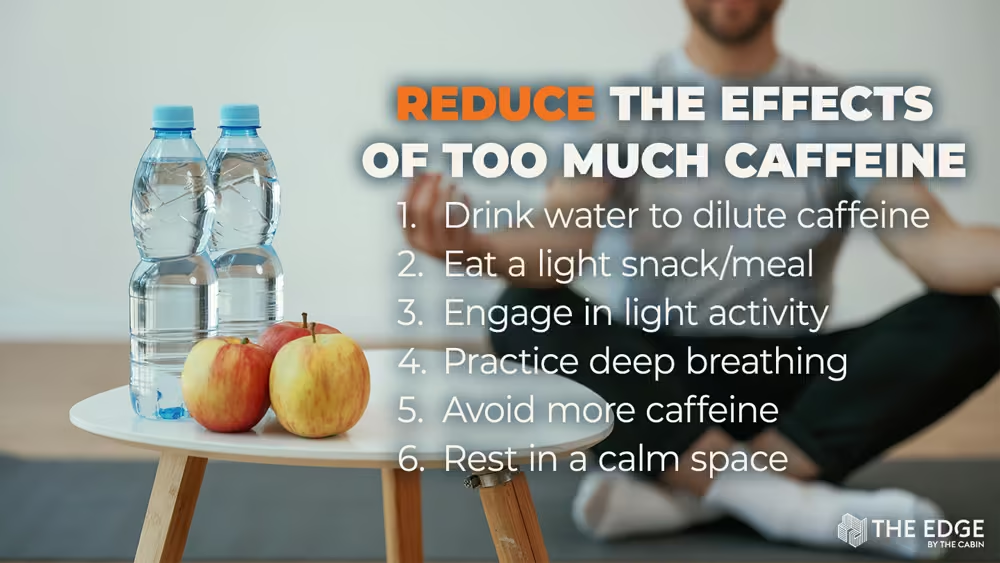
You can reduce the effects of too much caffeine by following the six steps. First, drinking water helps dilute caffeine’s concentration and supports the body’s natural processing. Second, eating a light snack can help ease digestive discomfort often associated with excessive intake. Third, engaging in light physical activity, such as walking, may help metabolize caffeine more efficiently and reduce jitteriness. Fourth, practicing slow, deep breathing can help calm the nervous system during periods of heightened anxiety or restlessness. Fifth, avoiding additional caffeine or stimulants allows the body to gradually process the existing amount without further escalation. Lastly, resting in a calm environment supports the body’s natural recovery as symptoms subside over the following hours.
What are the Signs of Caffeine Addiction?
The signs of caffeine addiction are listed below.
- Cravings: Cravings involve a strong urge to consume caffeine, often triggered by routine or fatigue. The urge can persist even when consumption is not physically necessary.
- Tolerance: Tolerance develops when larger amounts are needed to achieve the same stimulating effect once experienced at lower intake levels. The pattern drives escalating consumption over time.
- Withdrawal Symptoms: Withdrawal symptoms, including headaches and fatigue, appear when caffeine intake decreases or stops. The symptoms typically emerge within a day of reduced consumption.
- Loss of Control: Loss of control describes difficulty cutting back despite awareness of negative effects on health or daily life. The pattern signals a deeper level of dependence.
- Continued Use Despite Harm: Continued use despite harm involves persisting with high caffeine intake even after experiencing negative side effects. The pattern remains one of the clearest indicators of caffeine addiction.
Can Caffeine Addiction be Treated in Drug and Alcohol Rehab?
Yes, caffeine addiction can be treated in drug and alcohol rehab when it occurs alongside other substance use disorders or significantly affects daily life. Treatment may include supervised caffeine reduction, counseling, and behavioral therapy tailored to individual needs. Professional support can help manage withdrawal symptoms and prevent relapse during the reduction process. Structured programs address the physical dependence and any underlying behavioral patterns contributing to excessive use. Combined treatment for caffeine alongside other substances improves overall recovery outcomes, particularly within a structured drug and alcohol rehab setting. Professional guidance remains valuable when caffeine dependence significantly interferes with health or daily functioning.
Your Wellbeing Is More Important Than Your Next Caffeine Fix
With the right support, you can understand the behaviours behind dependence and develop healthier patterns for managing energy, stress, and difficult emotions. Speak with The Edge team to explore your treatment options and find out what support may be available.