
Cannabis withdrawal is a physiological and behavioral condition that develops after regular cannabis use stops.
Physical symptoms such as insomnia and appetite loss accompany psychological symptoms, including anxiety and irritability, during the withdrawal period. A typical timeline spans several weeks, with most symptoms peaking early before gradually resolving. Sleep stabilization, lifestyle changes, and behavioral therapy commonly support recovery throughout this process. Severe symptoms occasionally warrant medical attention, particularly when mental health risks emerge. Understanding cannabis withdrawal helps clarify what to expect physically and emotionally after quitting marijuana use.
What is Cannabis Withdrawal?
Cannabis withdrawal is a post-use physiological adaptation state that develops after the body adjusts to the sudden absence of regular cannabis exposure. The endocannabinoid system, previously regulated by external cannabinoid intake, begins recalibrating once use stops. This adjustment period produces a range of physical and psychological responses as the body returns to its natural chemical balance. The condition reflects genuine physiological dependence rather than a lack of willpower or commitment to quitting. Recognition of this state as a legitimate clinical condition has grown alongside increased research into cannabis use patterns. Professional understanding of this adaptation process supports more effective approaches to managing the withdrawal period
What is Cannabis Addiction?

Cannabis addiction is a pattern of compulsive cannabis use that continues despite negative consequences to health, relationships, or daily functioning. Repeated use reinforces dependence as the brain adjusts to regular cannabinoid exposure over time. Control over use often diminishes as tolerance develops, requiring larger amounts to achieve the same effect. Daily responsibilities, relationships, and physical health frequently decline as compulsive use patterns take hold. Withdrawal symptoms upon cessation often reflect the degree of physiological dependence that has developed. Professional evaluation helps distinguish regular use from a diagnosable case of cannabis addiction requiring structured treatment.
Adolescent Marijuana Use Leads to Higher Rates of Addiction
At The Edge, we understand the harm marijuana can cause young men and their families, and our specialised treatment program can help.
How are cannabis withdrawal symptoms categorized across different types?
Cannabis withdrawal symptoms are categorized into physical, psychological, and behavioral groups based on how they manifest. Physical symptoms involve bodily reactions such as insomnia, sweating, and appetite changes that reflect the body’s direct response to reduced cannabinoid exposure. Psychological symptoms involve emotional and mental responses such as anxiety, irritability, and depression tied to shifts in brain chemistry. Behavioral symptoms involve disruptions to habits and routines previously centered around regular cannabis use. This categorization reflects the type of symptom experienced rather than its severity or position within the withdrawal timeline. Grouping symptoms this way helps clarify the full range of effects without implying that one category is more serious than another. Understanding these distinct categories supports a clearer picture of what withdrawal involves beyond a single symptom or experience.
What are the physical symptoms of cannabis withdrawal?
The physical symptoms of cannabis withdrawal are listed below.
- Insomnia: Insomnia develops as sleep regulation adjusts to the absence of regular cannabis use. Difficulty falling or staying asleep often persists during the early withdrawal period.
- Sweating: Sweating occurs as the body’s temperature regulation responds to the physiological adjustment process. This symptom often appears alongside other early withdrawal signs.
- Appetite Loss: Appetite loss develops as normal hunger signals shift following cessation of regular cannabis use. Reduced eating may continue for several days after quitting.
- Headaches: Headaches frequently accompany the early withdrawal period as the body adjusts to reduced cannabinoid activity. This symptom typically resolves within the first week.
What are the psychological symptoms of cannabis withdrawal?
The psychological symptoms of cannabis withdrawal are listed below.
- Anxiety: Anxiety increases as the brain adjusts to functioning without regular cannabinoid stimulation. Nervousness and unease often intensify during the first several days.
- Irritability: Irritability develops as emotional regulation becomes more difficult during the adjustment period. Minor frustrations may trigger stronger reactions than usual.
- Depression: Depression may emerge as mood regulation shifts following cessation of regular cannabis use. Low mood commonly accompanies other psychological symptoms during this period.
- Cravings: Cravings for cannabis often intensify as the brain seeks to restore its prior level of cannabinoid stimulation. These urges frequently peak during the first week after quitting.
What are the behavioral symptoms of cannabis withdrawal?
The behavioral symptoms of cannabis withdrawal are listed below.
- Routine Disruption: Routine disruption occurs as daily habits previously centered around cannabis use become unsettled. Adjusting to new routines often takes time during early recovery.
- Craving-Driven Behavior: Craving-driven behavior involves persistent thoughts or actions aimed at obtaining cannabis despite attempts to quit. This pattern often reflects the strength of prior habitual use, sharing similarities with other behavioral addictions.
- Social Withdrawal: Social withdrawal may develop as previous social activities tied to cannabis use become harder to navigate. Rebuilding social routines often supports long-term recovery.
- Restlessness: Restlessness reflects an inability to settle into new habits during the adjustment period. This behavioral pattern often eases as the withdrawal period progresses.
What is the cannabis withdrawal timeline after quitting marijuana?
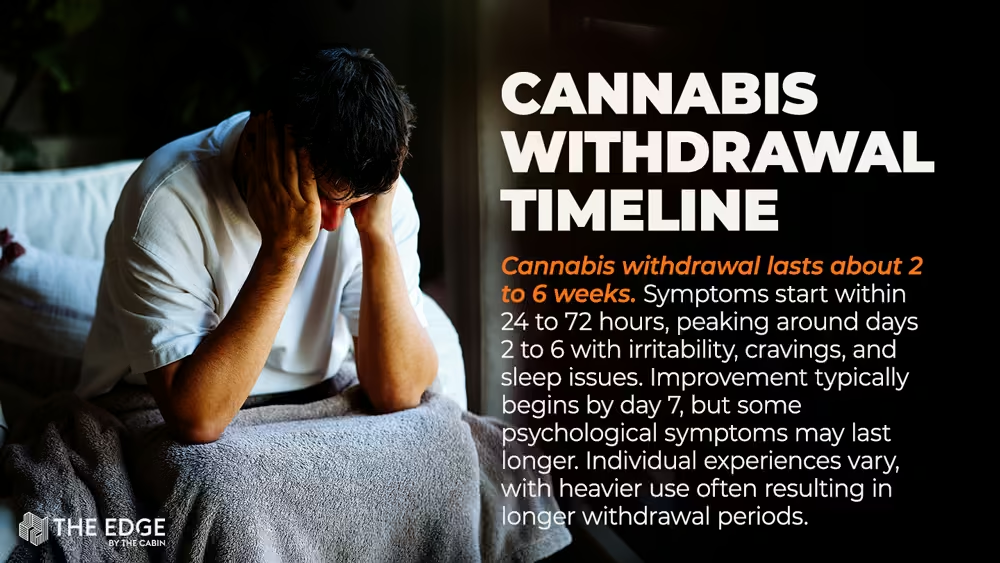
The cannabis withdrawal timeline after quitting marijuana is a phased process that unfolds over several weeks. Symptoms typically begin within 24 to 72 hours as the body starts adjusting to reduced cannabinoid exposure. The most intense symptoms generally occur during days 2 through 6, including irritability, cravings, and sleep disruption. A gradual improvement phase follows from day 7 through week 2, as physical symptoms begin easing while psychological symptoms may persist. Residual symptoms, including occasional cravings and sleep changes, can continue for several additional weeks in some individuals. Overall timeline length varies based on prior usage patterns, individual physiology, and co-occurring mental health conditions. Understanding this chronological progression helps set realistic expectations for the recovery process.
How long does cannabis withdrawal last on average?
Cannabis withdrawal lasts an average of 2 to 6 weeks for most individuals. The most intense symptoms typically resolve within the first 1 to 2 weeks after cessation. Residual symptoms, including sleep disturbances or occasional cravings, may extend into the following weeks for some individuals. Heavier or more prolonged prior use often correlates with a longer overall withdrawal duration. Individual variability remains significant, with some people experiencing shorter timelines and others requiring additional time. Professional support during this period helps manage symptoms and improves the likelihood of sustained abstinence.
You Don't Have to Face Cannabis Withdrawal Alone
Our trained professionals at The Edge can help. We’ll assess the severity of your situation and guide you on the path to recovery and a healthier, fulfilling life.
What factors determine cannabis withdrawal duration?
The factors that determine cannabis withdrawal duration are listed below.
- Usage Intensity: Usage intensity, including frequency and amount of prior cannabis use, often correlates with withdrawal length. Heavier use patterns frequently extend the overall timeline.
- THC Potency: THC potency in previously used products can influence the severity and duration of withdrawal symptoms. Higher potency products often correlate with more pronounced symptoms.
- Duration of Use: Duration of use plays a significant role, with longer periods of regular cannabis use often producing more extended withdrawal. Years of consistent use frequently correlate with longer recovery timelines.
- Mental Health Conditions: Mental health conditions, including anxiety or depression, can extend the psychological symptoms of withdrawal. Pre-existing conditions often complicate the overall recovery process.
- Individual Physiology: Individual physiology, including metabolism and body composition, can influence how quickly cannabinoids clear the system. This variation often affects the pace of symptom resolution.
How does heavy cannabis use affect withdrawal outcomes?
Heavy cannabis use intensifies withdrawal outcomes by increasing the duration and severity of the adjustment process. Frequency and amount of prior use directly influence how strongly the body has adapted to regular cannabinoid exposure. Individuals with a history of heavy use often require additional weeks to reach the same level of symptom resolution as lighter users. Habitual patterns built over years of consistent use tend to strengthen cravings and increase the likelihood of relapse during recovery. Cognitive effects, including difficulty concentrating, may also persist longer among individuals transitioning from heavy use. Structured support and professional guidance often become more important as usage intensity increases prior to cessation.
Does THC potency influence withdrawal severity?
Yes, THC potency influences withdrawal severity. Higher potency cannabis products often produce more pronounced physical and psychological symptoms upon cessation. Regular use of high-potency products may lead to a stronger physiological adaptation requiring more time to reverse. Cravings and irritability frequently intensify among individuals who previously used higher-potency products regularly. Lower potency use, by comparison, often correlates with milder withdrawal experiences. Individual response still varies considerably regardless of the potency of previously used products.
Do mental health conditions affect cannabis withdrawal outcomes?
Yes, mental health conditions affect cannabis withdrawal outcomes. Pre-existing anxiety or depression often intensifies the psychological symptoms experienced during withdrawal. Individuals managing these conditions may find cravings and mood instability more difficult to navigate without additional support. Withdrawal can temporarily worsen symptoms of an existing mental health condition during the adjustment period. Professional guidance becomes particularly important for individuals with a documented mental health history undergoing cannabis withdrawal. Coordinated care addressing both conditions together often improves overall recovery outcomes.
How can cannabis withdrawal symptoms be managed?

Cannabis withdrawal symptoms can be managed through a structured combination of practical strategies. Consistent sleep routines help address insomnia and other sleep-related symptoms common during the withdrawal period. Regular physical activity supports mood stability and reduces the intensity of irritability and anxiety. Adequate hydration and balanced nutrition help the body recover more efficiently during the adjustment period. Behavioral therapy provides structured coping strategies for managing cravings and emotional symptoms as they arise. Support from family, friends, or peer groups often improves consistency in following these management strategies. A combined approach addressing physical, psychological, and behavioral symptoms together typically produces the most effective results.
How can sleep be improved during cannabis withdrawal?
Sleep can be improved during cannabis withdrawal by following the five steps below.
- Maintain a Consistent Sleep Schedule. Going to bed and waking at the same time each day helps the body adjust more quickly to its natural sleep cycle. Regularity reinforces the internal clock disrupted during withdrawal.
- Limit Screen Exposure Before Bed. Reducing exposure to phones, tablets, or televisions in the hour before bed lowers stimulation that can interfere with falling asleep. Less blue light exposure supports a more natural transition into rest.
- Practice Relaxation Techniques. Deep breathing, gentle stretching, or short meditation before bedtime helps calm the nervous system during the adjustment period. These methods ease the tension that often accompanies withdrawal-related sleep difficulty.
- Avoid Stimulants in the Evening. Cutting out caffeine and other stimulants during the hours before bedtime reduces additional sleep disruption. Lower stimulant intake supports deeper, more consistent rest.
- Create a Calming Sleep Environment. Keeping the bedroom dark, quiet, and cool encourages the body to settle into sleep more easily. A comfortable, distraction-free setting supports better sleep quality throughout withdrawal.
What lifestyle changes help with cannabis withdrawal recovery?

The lifestyle changes that help recovery are listed below.
- Regular Exercise: Regular exercise supports mood stability and reduces symptoms of anxiety and irritability during withdrawal. Physical activity often boosts overall energy levels throughout the recovery period.
- Proper Hydration: Proper hydration supports the body’s natural recovery processes as it adjusts to reduced cannabinoid exposure. Adequate fluid intake often improves physical comfort during the withdrawal timeline.
- Balanced Nutrition: Balanced nutrition addresses appetite changes and supports overall physical stability during recovery. Consistent meals often help regulate energy levels throughout the adjustment period.
- Daily Structure: Daily structure replaces routines previously centered around cannabis use with healthier habits. A consistent schedule often reduces restlessness and supports emotional stability.
- Social Support: Social support from friends, family, or recovery groups reinforces commitment during the withdrawal period. Consistent encouragement often improves long-term recovery outcomes.
Wondering What Recovery Looks Like?
Learn how structured treatment, therapy, and ongoing support can help you move beyond cannabis withdrawal and towards lasting recovery.
Can Cognitive Behavioral Therapy (CBT) support cannabis withdrawal recovery?
Yes, Cognitive Behavioral Therapy (CBT) can support cannabis withdrawal recovery. The structured approach helps individuals identify triggers connected to cravings and habitual cannabis use. Coping skills developed through CBT provide healthier alternatives for managing stress and emotional discomfort during withdrawal. Cognitive restructuring addresses unhelpful thoughts that may contribute to continued use or relapse. Relapse prevention planning, a core component of Cognitive Behavioral Therapy (CBT), prepares individuals to navigate high-risk situations effectively. Consistent application of these skills often improves long-term recovery outcomes beyond the initial withdrawal period.
When does cannabis withdrawal require medical attention?
Cannabis withdrawal requires medical attention when symptoms escalate beyond typical physical or psychological discomfort. Persistent or worsening depression that interferes with daily functioning signals a need for professional evaluation. Severe anxiety or panic symptoms that do not improve with standard coping strategies may also require medical support. Any indication of suicidal thoughts or self-harm intent constitutes an immediate medical emergency, regardless of withdrawal stage. Significant dehydration or inability to maintain adequate nutrition during withdrawal similarly warrants prompt medical evaluation. Recognizing these escalation thresholds helps ensure timely intervention when withdrawal symptoms exceed typical expectations.
What severe symptoms indicate medical cannabis withdrawal risk?
Panic symptoms, suicidal ideation, and severe persistent depression indicate a medical cannabis withdrawal risk. Panic symptoms that feel overwhelming or uncontrollable represent one of the clearest indicators of medical risk. Suicidal ideation constitutes a medical emergency requiring immediate professional intervention regardless of withdrawal severity otherwise. Severe, persistent depression that does not improve within the expected timeline may also signal a need for medical care. Symptoms of this severity exceed the typical range associated with standard cannabis withdrawal. Prompt medical evaluation helps ensure safety when these high-risk symptoms emerge during the withdrawal process.
Is cannabis withdrawal ever medically dangerous?
Yes, cannabis withdrawal can become medically dangerous in certain cases, particularly involving severe psychological symptoms. Suicidal ideation or intense panic symptoms represent the clearest examples of medically significant risk during withdrawal. Individuals with pre-existing mental health conditions may face a higher likelihood of experiencing dangerous symptom escalation. Severe dehydration or malnutrition resulting from prolonged appetite loss can also become medically concerning in rare cases. Most cases of cannabis withdrawal remain manageable without significant medical risk when supported by appropriate coping strategies. Prompt medical attention for severe symptoms helps prevent complications and supports a safer recovery process.
Withdrawal Is Only the Beginning of Recovery
With the right support, young men can work through dependence, understand their triggers, and develop healthier ways to manage life without cannabis. Speak with The Edge team about your situation and explore whether professional addiction treatment could be right for you.