Types of drugs fall into several broad categories based on how they affect the brain and body, including stimulants, depressants, opioids, hallucinogens, cannabinoids, Inhalants, and dissociative drugs.
Each category produces distinct effects, ranging from increased alertness to sedation, altered perception, or dissociation. Classification considers medical use, chemical structure, and the potential for misuse or dependence. Effects vary significantly depending on the type of drug, amount used, and individual factors. Certain patterns of drug use, particularly those involving opioids, stimulants, or polysubstance combinations, require professional care through drug and alcohol rehab. Understanding the categories helps clarify why different substances carry different risks and treatment needs.
1. Stimulants
Stimulants increase alertness, energy, heart rate, and brain activity through their effect on the central nervous system. Caffeine, nicotine, cocaine, and amphetamines are examples of stimulants. The substances produce heightened focus and wakefulness shortly after use. Repeated use can lead to tolerance, dependence, and withdrawal symptoms upon reduction. Reviewing stimulant withdrawal symptoms and treatment helps clarify what recovery from this category typically involves.
2. Depressants
Depressants slow down brain activity and relax the body, often producing sedation or reduced anxiety. Alcohol, benzodiazepines, and barbiturates are examples of depressants. The substances commonly affect coordination, reaction time, and cognitive function during use. Prolonged use can lead to physical dependence and withdrawal symptoms upon cessation. Structured treatment for addiction to depressants addresses the physical and behavioral aspects of dependence.
3. Opioids (Narcotics)
Opioids relieve pain but can cause drowsiness and dependence with repeated use. Morphine, codeine, fentanyl, and heroin are examples of Opiods. The substances work by binding to opioid receptors in the brain, reducing pain signals and producing euphoria. Regular use frequently leads to tolerance, physical dependence, and significant overdose risk. Understanding what opioids are and how they function helps clarify why this category carries such serious health concerns.
4. Hallucinogens
Hallucinogens alter perception, thoughts, and senses, often producing significant changes in how reality is experienced. LSD, psilocybin, and mescaline are examples of hallucinogens. The substances affect brain regions involved in sensory processing and mood regulation. Effects can vary widely between individuals and even between different uses by the same person. Recognizing the signs of hallucinogen addiction supports earlier intervention when patterns of use become concerning.
5. Cannabinoids
Cannabinoids affect mood, memory, and coordination through their interaction with the body’s endocannabinoid system. Cannabis and hashish are examples of Cannabinoids. The substances can produce relaxation, altered perception, and changes in appetite. Regular use may lead to dependence, particularly with high-potency products used frequently. Structured marijuana addiction treatment addresses psychological dependence and related behavioral patterns.
6. Inhalants
Inhalants are chemicals inhaled for psychoactive effects, often producing brief but intense intoxication. Glue, paint thinner, and aerosol sprays are examples of inhalants. The substances affect the brain quickly due to rapid absorption through the lungs. Repeated use carries a significant risk of long-term organ damage and cognitive impairment. Recognizing the signs of inhalant addiction helps identify when professional support becomes necessary.
7. Dissociative Drugs
Dissociative drugs cause feelings of detachment from reality, often altering perception of one’s own body and surroundings. ketamine and PCP are examples of dissociative drugs. The substances work differently from other categories by disrupting communication between brain regions rather than simply stimulating or sedating activity. Effects can include distorted perception, numbness, and impaired coordination. Understanding dissociative drugs and their effects supports safer awareness of this less commonly discussed category.
Addiction Is a Brain-Based Disease
It’s time to understand why and take action. When substance use starts to take control, professional support at The Edge can help transform young lives.
How are Drugs Classified?
Drugs are classified based on their effects on the body and brain, medical uses, chemical structure, and potential for misuse or dependence. Different classification systems may be used for medical, legal, or scientific purposes, depending on the context. Multiple classification methods exist, including pharmacological, legal, and clinical systems. The purpose behind classification often determines which system applies in a given situation. Understanding these drug categories helps guide safe use, treatment, and regulation across different contexts. Consistent classification supports clearer communication between healthcare providers, researchers, and policymakers.
Are All Drugs Classified the Same Way?
No, drugs are not classified the same way across every system. Medical classification often focuses on therapeutic use and prescribing guidelines. Legal classification focuses on regulatory status and potential for misuse within a given jurisdiction. Scientific classification typically emphasizes chemical structure and mechanism of action in the brain and body. These differing approaches can result in the same substance being categorized differently depending on the system used. Recognizing this variation helps explain why classification sometimes appears inconsistent across different sources.
Is Alcohol a Depressant Drug?

Yes, alcohol is classified as a central nervous system depressant because it slows brain activity and body functions. Alcohol reduces nervous system activity, leading to relaxation, slowed reaction time, and impaired coordination. Effects depend on the amount consumed, with higher amounts producing more significant sedation and impairment. Excessive alcohol use increases the risk of accidents, dependence, and various health problems over time. Long-term heavy use can lead to withdrawal symptoms upon cessation, reflecting its depressant classification. Understanding this classification helps clarify why alcohol carries risks similar to other depressant substances.
What are the Main Categories of Drugs?
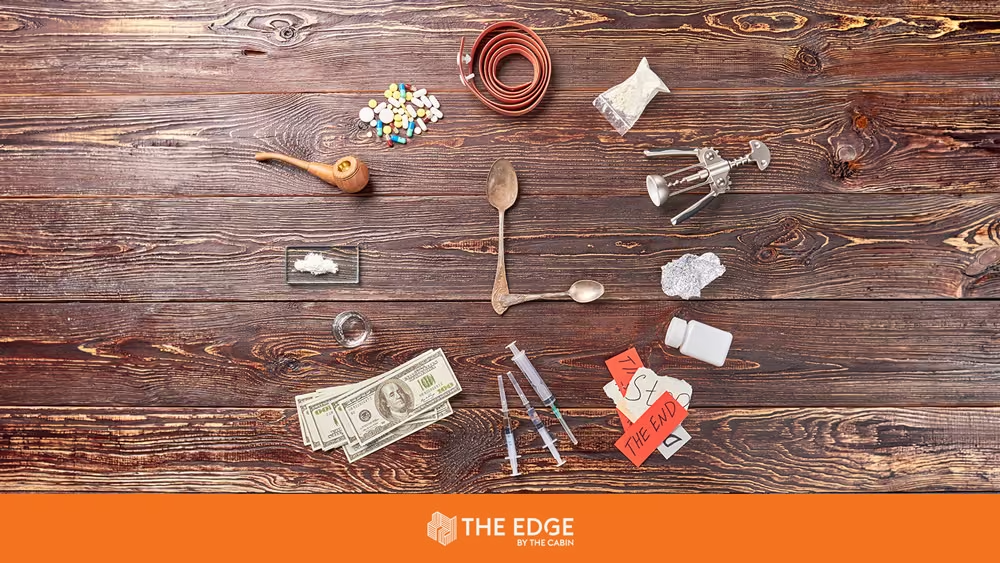
The main categories of drugs are listed below.
- Depressants: Depressants slow central nervous system activity, often producing relaxation and sedation. Common examples include alcohol and benzodiazepines.
- Stimulants: Stimulants increase alertness and energy by heightening central nervous system activity. Common examples include caffeine and amphetamines.
- Opioids: Opioids relieve pain and produce sedation through their effect on opioid receptors in the brain. Common examples include morphine and fentanyl.
- Hallucinogens: Hallucinogens alter perception and thinking, often changing how sensory information is processed. Common examples include LSD and psilocybin.
- Cannabis: Cannabis produces mixed psychoactive effects, including relaxation and altered perception. This category includes both marijuana and hashish products.
What Makes Each Drug Category Different?
Each drug category differs in how it affects the brain, body, behavior, and medical use. These differences influence both the benefits and risks associated with each category. Effects vary significantly between categories, ranging from sedation to stimulation to altered perception. Each category carries unique risks, including different withdrawal patterns and overdose concerns. Medical use differs as well, with some categories offering established therapeutic applications while others carry minimal medical value. Understanding these differences supports safer decision-making and more effective, targeted treatment approaches.
Can One Drug Fit into More Than One Category?
Yes, some drugs fit into more than one category because they produce multiple effects or have several medical uses. Categories can overlap when a substance affects the brain through more than one mechanism. Classification is not always exclusive, particularly for substances with both stimulant and hallucinogenic properties. A drug’s classification often depends on the specific system being used, whether medical, legal, or scientific. This overlap can create confusion when comparing information from different sources. Recognizing this flexibility helps clarify why some substances appear in multiple categories depending on context.
If you suspect your son is using drugs
It’s crucial to step in sooner rather than later. His health and future are incredibly important, and early intervention can make a significant difference.
What are the Most Common Types of Illegal Drugs?
The most common types of illegal drugs are listed below.
- Cocaine: Cocaine is a powerful stimulant that produces intense but short-lived euphoria and increased energy. Regular use carries a high risk of dependence and cardiovascular strain.
- Heroin: Heroin is an opioid that produces strong pain relief and euphoria, along with a significant risk of overdose. Dependence often develops quickly with repeated use.
- Methamphetamine: Methamphetamine is a potent stimulant that produces prolonged energy and alertness, often accompanied by severe long-term health effects. Addiction potential remains particularly high with this substance.
- LSD: LSD is a hallucinogen that significantly alters perception, thought, and sensory experience. Effects can last several hours and vary considerably between individuals.
- MDMA: MDMA combines stimulant and mild hallucinogenic effects, often producing heightened emotional connection and energy. Regular use can lead to psychological dependence and mood-related complications.
What are Some Examples of Illegal Drugs?
Examples of illegal drugs are listed below.
- Cocaine: Cocaine is derived from the coca plant and produces intense stimulant effects. It remains illegal in most countries due to its high addiction potential.
- Heroin: Heroin is a semi-synthetic opioid derived from morphine, carrying significant overdose and dependence risk. Its illegal status reflects its high potential for harm.
- Methamphetamine: Methamphetamine is a synthetic stimulant associated with severe physical and psychological effects. Illegal production and distribution contribute to widespread public health concerns.
- LSD: LSD is a synthetic hallucinogen with no accepted medical use in most jurisdictions. Its illegal status stems from unpredictable psychological effects and misuse potential.
- Psilocybin Mushrooms: Psilocybin mushrooms contain naturally occurring hallucinogenic compounds. Legal status varies by region, though they remain illegal in most places.
Are All Illegal Drugs Addictive?
No, not all illegal drugs carry the same level of addiction potential, though most carry some risk of dependence. Substances such as cocaine, heroin, and methamphetamine carry particularly high addiction potential due to their strong effects on brain reward pathways. Hallucinogens such as LSD generally carry lower physical addiction potential, though psychological patterns of misuse can still develop. Individual factors, including genetics, mental health, and frequency of use, significantly influence addiction risk. Method of use, such as injection or smoking, can also increase the likelihood of dependence. Recognizing these differences helps clarify why addiction risk varies considerably even among substances that share illegal status.
What are the Effects of Different Types of Drugs?

. The effects of different types of drugs are listed below.
- Stimulant Effects: Stimulant effects include increased alertness, energy, and heart rate. These effects typically appear shortly after use and can lead to overstimulation with excessive intake.
- Depressant Effects: Depressant effects include relaxation, slowed reaction time, and reduced anxiety. Excessive use can lead to dangerous sedation and slowed breathing.
- Opioid Effects: Opioid effects include pain relief, drowsiness, and euphoria. These effects carry a significant overdose risk, particularly with higher doses or combined substance use.
- Hallucinogenic Effects: Hallucinogenic effects include altered perception, distorted thinking, and sensory changes. These effects can vary unpredictably between individual experiences.
- Dissociative Effects: Dissociative effects include a sense of detachment from one’s body or surroundings. These effects often accompany impaired coordination and altered awareness.
How do Drugs Affect the Brain and Body?
Drugs affect the brain and body by changing chemical signaling, which can influence mood, thinking, movement, and bodily functions. Effects depend on the type of drug and amount used, varying significantly across different substances. Brain communication changes as drugs interact with neurotransmitter systems responsible for reward, alertness, or relaxation. Body systems are affected as well, including heart rate, breathing, and coordination, depending on the substance involved. Short-term effects appear quickly, while long-term effects can develop with repeated or heavy use. Repeated misuse increases health risks, including dependence, organ damage, and lasting changes in brain function.
Do All Drugs Have Side Effects?
Yes, all drugs can have side effects, including prescription, over-the-counter, and recreational drugs. The type and severity of these side effects vary between substances and individuals. Side effects differ significantly, ranging from mild discomfort to serious health complications, depending on the drug and dosage. Individual responses vary based on factors such as body chemistry, existing health conditions, and frequency of use. Using drugs as directed and under medical supervision helps reduce risks associated with prescribed medications. Awareness of potential side effects supports safer decision-making for both medical and recreational substance use.
Addiction affects more than behaviour
Whether an addiction is physical or purely psychological, lasting recovery requires actively rewiring the brain’s reward pathways. The Edge combines medical care, psychological therapy, and relapse prevention to support long-term recovery.
How Can You Reduce the Risks of Drug Use?
You can reduce the risks of drug use by following the five steps below.
- Follow Medical Advice. Use medications only as prescribed by a qualified healthcare provider. Deviating from prescribed instructions increases the risk of misuse and dependence.
- Avoid Misuse. Refrain from taking drugs recreationally or outside their intended medical purpose. This practice significantly lowers exposure to unpredictable effects and health risks.
- Learn About Risks. Understand the possible side effects and interactions associated with any medication or substance. Awareness supports more informed decisions and reduces the likelihood of accidental harm.
- Seek Help Early. Address any signs of misuse promptly before patterns become more difficult to manage. Early action often prevents escalation into deeper dependence.
- Avoid Mixing Drugs. Refrain from combining multiple substances, including alcohol, to reduce dangerous interactions. Mixing drugs significantly increases the risk of overdose or severe complications.
What Treatment Options are Available for Drug Addiction?
The treatment options available for drug addiction are listed below.
- Behavioral Therapy: Behavioral therapy addresses the thought patterns and habits that sustain drug addiction. Structured sessions help build healthier coping responses over time.
- Counseling: Counseling provides emotional support and helps address stressors connected to drug use. Regular sessions strengthen motivation and long-term commitment to recovery.
- Medication: Medication helps manage withdrawal symptoms and cravings for certain substance use disorders. Approved medications often support long-term recovery when combined with therapy.
- Rehabilitation Programs: Rehabilitation programs offer structured care within a supportive treatment environment. Reviewing the different types of rehabilitation programs helps identify the level of care best suited to individual needs.
- Aftercare Services: Aftercare services help prevent relapse by maintaining support after formal treatment ends. Continued check-ins reinforce skills learned during earlier treatment stages.
Can Drug Addiction Be Treated Successfully?
Yes, drug addiction can be treated successfully with appropriate professional care, ongoing support, and long-term commitment to recovery. Recovery is possible across a wide range of substances and severity levels when treatment matches individual needs. Individualized treatment improves outcomes by addressing the specific physical, psychological, and behavioral aspects of each case. Continued follow-up and relapse prevention strategies help maintain lasting recovery well beyond initial treatment. Support from family, peers, and professionals often strengthens long-term success. Consistent engagement with treatment resources remains one of the strongest predictors of sustained recovery.
Which Types of Drug Use Require Drug and Alcohol Rehab?

The types of drug use that require drug and alcohol rehab are listed below.
- Opioid Dependence: Opioid dependence requires structured rehab due to severe withdrawal symptoms and significant overdose risk. Medical supervision during detox frequently becomes necessary for this category.
- Stimulant Addiction: Stimulant addiction, including cocaine or methamphetamine use, often requires rehab to address intense cravings and behavioral patterns. Structured treatment helps manage the psychological aspects of dependence.
- Polysubstance Use: Polysubstance use, involving multiple drugs combined, typically requires rehab due to complex withdrawal patterns and increased health risks. Coordinated treatment addresses each substance’s specific effects.
- Long-Term Heavy Use: Long-term heavy use of any substance often requires rehab when dependence has significantly affected health, relationships, or daily functioning. Extended treatment supports more thorough recovery in these cases.
- Use with Co-Occurring Mental Health Conditions: Use with co-occurring mental health conditions often requires integrated rehab addressing both addiction and underlying psychiatric symptoms together. Combined treatment through Drug and Alcohol Rehab typically improves outcomes for this population.
Every type of Drugs addiction deserves the right treatment
Hope and healing are waiting for you and your loved one. At The Edge, our dedicated professionals are here to support you every step of the way. We’ll assess the severity of your situation and guide you on the path to recovery and a healthier, fulfilling life.
