Dissociative drugs are substances that disrupt normal brain-to-body communication, creating feelings of detachment from reality, self, or surroundings.
Common examples include ketamine, Phencyclidine (PCP), Dextromethorphan (DXM), and nitrous oxide, and each substance carries different medical uses and misuse risks. Ketamine, esketamine, and nitrous oxide are classified as dissociative anesthetics, and doctors may prescribe them for anesthesia, pain management, or specific treatment-resistant conditions under supervision. Short-term effects may include numbness, confusion, and altered perception, while long-term misuse may lead to memory problems, dependence, and addiction. Drug and alcohol rehab becomes necessary for dissociative drug addiction when use becomes difficult to control, withdrawal or cravings appear, or daily functioning becomes impaired.
What are Dissociative Drugs?
Dissociative drugs are substances that interrupt the brain’s normal signaling pathways, producing a sense of separation from reality, self-awareness, or the immediate environment. Perception and awareness become altered when these substances interfere with sensory processing and cognitive function outside of a medical setting. Effects vary by substance, dose, individual health, and method of use. Detachment experienced during use may involve numbness, distorted sensory perception, or a sense of separation from one’s own body. Some dissociative drugs carry accepted clinical value, while others, such as Phencyclidine (PCP), carry no approved medical use and are associated primarily with misuse. Recreational or unsupervised use increases the likelihood of dangerous side effects, accidents, and long-term health complications. Risk rises further when dissociative drugs are combined with alcohol or other substances outside of a controlled environment.
What is Dissociative Anesthesia?
Dissociative anesthesia is a state of profound detachment from pain, surroundings, and self-awareness produced by specific anesthetic agents that alter brain signaling rather than simply suppressing consciousness. The condition differs from general anesthesia because a person may remain partially responsive while feeling disconnected from sensory input and physical sensation. Pain perception becomes significantly reduced, which makes dissociative anesthesia useful for certain surgical, diagnostic, or emergency procedures. Brain pathways responsible for interpreting pain, memory, and awareness become disrupted, creating a temporary separation between the mind and the body’s sensory experience. Medical professionals administer these anesthetics under controlled conditions to manage dosage and monitor vital signs. Certain dissociative anesthetics, including ketamine, carry approved medical applications alongside a recognized potential for misuse outside clinical settings. Safe use depends on proper medical supervision, correct dosing, and careful patient monitoring throughout the procedure.
How do Dissociative Drugs Affect the Brain?
Dissociative drugs affect the brain by disrupting signaling pathways involved in perception, memory, and sensory processing, which changes awareness and responsiveness. Brain communication becomes disrupted when these substances interfere with neurotransmitter activity linked to sensory input and cognitive processing. Perception changes as the brain receives altered or reduced sensory signals from the body and the surrounding environment. Memory formation may also become impaired during dissociative drug use, especially at higher doses. Higher doses generally produce more pronounced dissociative effects, including stronger feelings of detachment or unresponsiveness. Repeated misuse increases health risks by placing ongoing strain on brain function and cognitive stability. Neurological adaptation may occur with frequent use, contributing to tolerance and dependence over time. Medical supervision reduces the likelihood of severe brain-related complications when dissociative medications are used for approved treatment purposes.
Addiction Is a Brain-Based Disease
It’s time to understand why and take action. When substance use starts to take control, professional support at The Edge can help transform young lives.
Do Dissociative Drugs Change How People See and Feel Reality?
Yes, dissociative drugs can change how people perceive reality, themselves, and their surroundings. These effects vary depending on the drug, dose, and individual response. Perception becomes altered as sensory signals are disrupted or distorted during use. Feelings of detachment may occur, including a sense of separation from one’s body or environment. The experience differs between individuals based on health status, dosage, and prior substance use history. Misuse can be dangerous, particularly when combined with other substances or used in unsafe settings. Impaired judgment during altered perception may increase the risk of accidents or injury. Medical guidance helps ensure safer use when dissociative substances are part of an approved treatment plan.
What are the Most Common Examples of Dissociative Drugs?
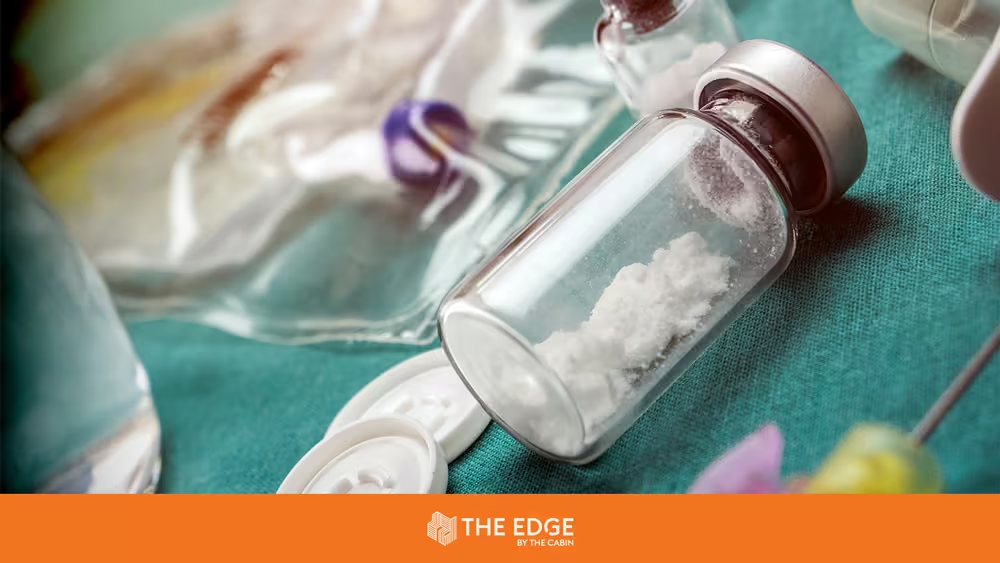
The most common examples of dissociative drugs are listed below.
- Ketamine: Ketamine is a dissociative anesthetic used in some medical settings for pain management and certain mental health treatments. Misuse may cause hallucinations, memory problems, and dependence.
- Phencyclidine (PCP): PCP is an illegal dissociative drug known for producing intense detachment and altered perception. Use may lead to aggression, paranoia, and severe psychological effects.
- Dextromethorphan (DXM): DXM is a cough suppressant ingredient that can produce dissociative effects when taken in excessive amounts. Misuse may cause impaired coordination, confusion, and dangerous sedation.
- Nitrous Oxide: Nitrous oxide is a gas used for sedation and pain relief in certain medical and dental procedures. Misuse may cause oxygen deprivation, dizziness, and loss of consciousness.
- Salvia Divinorum: Salvia divinorum is a plant-based substance that can produce short-lived dissociative and hallucinogenic effects. Use may cause confusion, disorientation, and unpredictable behavior.
How is Ketamine Different From PCP and DXM?
Ketamine is different from PCP and DXM by its distinct medical use, physical form, misuse potential, and primary effects on the brain and body. Medical acceptance separates these substances significantly, since ketamine carries approved anesthetic and mental health applications, while PCP and DXM misuse is not medically endorsed. Physical form differs as well, with ketamine commonly found in liquid or powder form, PCP found in tablet, powder, or liquid form, and DXM contained within over-the-counter cough medications. Misuse potential varies by accessibility, since DXM is widely available in retail products, while ketamine and PCP require illicit or diverted sources. Effects also differ in intensity and duration, with PCP effects often lasting longer and carrying a higher risk of aggression or psychosis. Ketamine misuse carries its own risks despite its medical applications, and cases involving young men may benefit from ketamine addiction treatment for young men.
The differences among ketamine, PCP, and DXM are shown in the table below.
| Category | Ketamine | PCP | DXM |
| Medical Use | Approved for anesthesia and certain treatment-resistant conditions | No accepted medical use | Approved as a cough suppressant at recommended doses |
| Primary Form | Liquid or powder | Tablet, powder, or liquid | Tablet, capsule, or liquid cough medication |
| Misuse Potential | Moderate to high, especially with diverted supply | High, due to unpredictable effects | Moderate, due to wide retail availability |
| Main Effects | Sedation, analgesia, altered perception | Intense detachment, aggression, paranoia | Confusion, impaired coordination, sedation |
Are All Dissociative Drugs Used for Medical Purposes?
No, not all dissociative drugs are used for medical purposes. Some substances, including ketamine, esketamine, and nitrous oxide, carry approved applications for anesthesia, pain management, or specific mental health treatment. PCP and DXM misuse have no accepted medical use and are associated primarily with recreational or non-medical consumption. Medical acceptance depends on safety data, dosing standards, and clinical research supporting therapeutic benefit. Substances without medical approval often carry higher risks due to inconsistent potency, unsafe production, and lack of professional oversight. Distinguishing between medically supervised and unsupervised dissociative drug use helps clarify safety expectations. Professional guidance remains important when dissociative substances are part of an approved treatment plan.
Which Medications are Classified as Dissociative Anesthetics?
The medications classified as dissociative anesthetics are listed below.
- Ketamine: Ketamine is a common dissociative anesthetic used for pain management and certain surgical or medical procedures. Its effects include analgesia, sedation, and altered perception.
- Esketamine: Esketamine is used for certain cases of treatment-resistant depression under close medical supervision. Administration occurs in controlled clinical settings due to its dissociative effects.
- Nitrous Oxide: Nitrous oxide provides anesthesia and sedation in some medical and dental settings. Its effects are generally short-lived and closely monitored during administration.
When do Doctors Prescribe Dissociative Medications?
Doctors prescribe dissociative medications when anesthesia, pain management, or specific mental health conditions require clinically appropriate intervention. Anesthesia use occurs during surgical or medical procedures requiring sedation and pain control. Pain management applications may involve short-term or procedural use under supervised settings. Specific mental health conditions, including treatment-resistant depression, may warrant esketamine under strict clinical protocols. Use is medically supervised throughout treatment to monitor dosing, response, and potential side effects. Approved indications vary by medication, patient history, and clinical guidelines established by healthcare authorities. Careful monitoring helps ensure safe treatment by tracking vital signs, mental status, and recovery progress. Dosage adjustments may occur based on individual response and treatment goals. Ongoing evaluation supports safer outcomes throughout the course of dissociative medication use.
Can Dissociative Medications be Used Safely Under Medical Supervision?
Yes, dissociative medications can be used safely under appropriate medical supervision. Healthcare professionals monitor dosing and patient response throughout treatment. Medical oversight improves safety by identifying early signs of adverse reactions or complications. Correct dosing is essential, since dissociative medications carry a narrow margin between therapeutic and harmful effects. Following medical guidance helps reduce complications, including respiratory issues, blood pressure changes, or psychological distress. Clinical settings provide equipment and staff trained to manage emergencies if they arise. Safe use depends on accurate patient history, including prior substance use and existing health conditions. Structured protocols support consistent and predictable outcomes during treatment involving dissociative anesthetics.
What are the Effects of Dissociative Drugs?

The effects of dissociative drugs are listed below.
- Altered Perception: Altered perception involves distorted sensory experiences, including changes in sound, vision, or touch. The effect may vary based on dose and substance type.
- Detachment from Reality: Detachment from reality involves a sense of separation from one’s body, thoughts, or surroundings. The effect is central to dissociative drug experiences.
- Numbness: Numbness involves reduced sensitivity to pain or physical sensation. The effect may increase injury risk during intoxication.
- Confusion: Confusion involves difficulty processing information, thinking clearly, or responding appropriately. Judgment and coordination may become impaired.
- Memory Problems: Memory problems involve difficulty forming or recalling information during and after use. Repeated misuse may worsen cognitive function over time.
If you suspect your son is Using Drugs
It’s crucial to step in sooner rather than later. His health and future are incredibly important, and early intervention can make a significant difference.
What are the Short-Term Effects of Dissociative Drugs?
The short-term effects of dissociative drugs are listed below.
- Numbness: Numbness means reduced sensitivity to pain or touch during intoxication. The effect may increase the risk of injury or accidents.
- Confusion: Confusion means difficulty thinking clearly or responding to surroundings. Judgment may become impaired during use.
- Dizziness: Dizziness means balance difficulty or lightheadedness following dissociative drug use. Falls and injuries may become more likely.
- Rapid Heart Rate: Rapid heart rate means increased cardiovascular activity during intoxication. The symptom may raise concern at higher doses.
- Hallucinations: Hallucinations mean sensory experiences that are not based in reality. These may include visual, auditory, or tactile disturbances.
What are the long-term effects of Dissociative Drugs?
The long-term effects of dissociative drugs are listed below.
- Memory Impairment: Memory impairment means ongoing difficulty forming or recalling information after repeated use. Cognitive function may decline with continued misuse.
- Bladder Problems: Bladder problems may develop with long-term ketamine misuse, including pain, urgency, and reduced capacity. Medical evaluation may be needed for severe symptoms.
- Mood Disorders: Mood disorders may include depression, anxiety, or emotional instability following prolonged dissociative drug use. Mental health symptoms may persist after use stops.
- Cognitive Decline: Cognitive decline means reduced ability to concentrate, learn, or process information over time. Long-term misuse may affect daily functioning.
- Dependence: Dependence means the body or mind adapts to repeated dissociative drug exposure. Cravings and withdrawal symptoms may develop with continued use.
Can Dissociative Drugs Lead to Addiction?
Yes, dissociative drugs can lead to addiction, especially when they are used repeatedly or misused. Risk varies by substance, dose, frequency, and individual health history. Repeated misuse increases addiction risk by reinforcing brain reward pathways associated with the drug’s effects. Dependence may develop when the body or mind begins relying on dissociative effects to function or cope with stress. Cravings and withdrawal symptoms may appear once dependence forms, making the substance harder to stop. Early treatment supports recovery by addressing cravings, withdrawal, and underlying behavioral patterns before addiction becomes more severe. Long-term support may be beneficial for maintaining recovery and preventing relapse. Professional guidance helps identify safer paths toward reducing or stopping dissociative drug use.
How do Dissociative Drugs Compare With Other Hallucinogens?
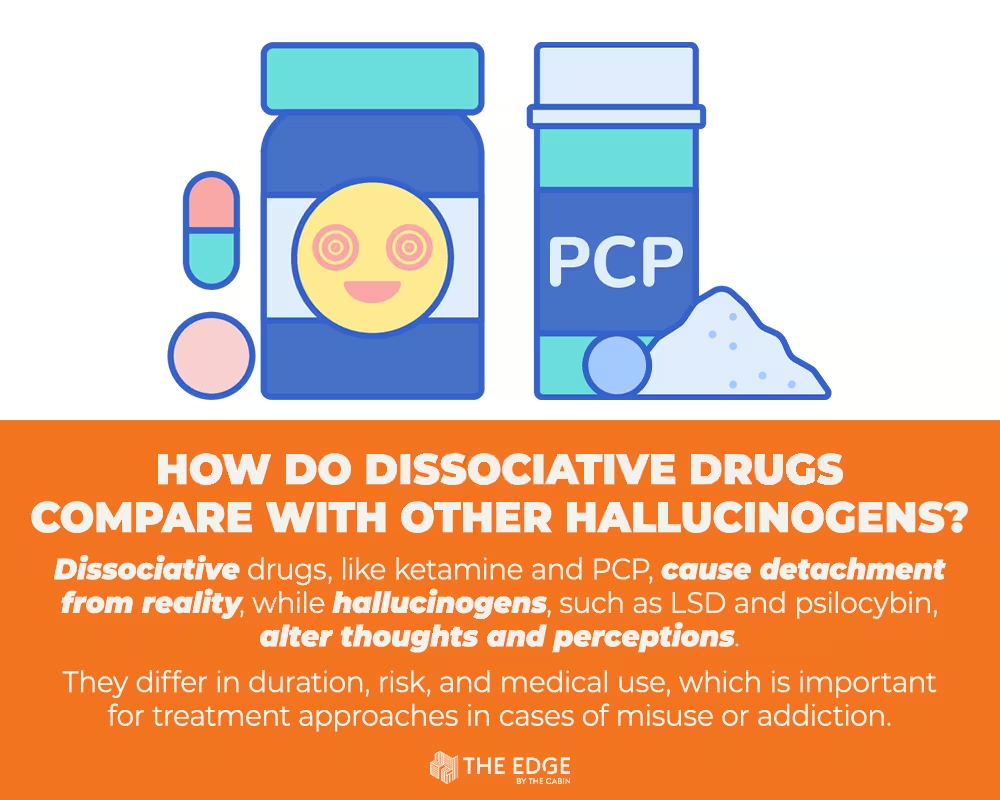
Dissociative drugs compare with other hallucinogens by producing distinct patterns of detachment, altered perception, and sensory disruption. Both categories affect brain pathways linked with perception and consciousness, though the specific mechanisms and experiences differ. Dissociative drugs primarily create feelings of separation from the body, self, or environment, while other hallucinogens more often alter thoughts, emotions, and visual or auditory perception. Ketamine and PCP represent common dissociative examples, while LSD and psilocybin represent common hallucinogen examples. Duration of effects may differ as well, since some hallucinogens produce longer-lasting experiences than certain dissociative drugs. Risk profiles vary by substance, dose, and method of use across both categories. Medical acceptance also differs, since some dissociative drugs carry approved clinical applications, while most classic hallucinogens do not. Understanding these distinctions helps clarify appropriate treatment approaches when misuse or addiction develops.
What Makes Dissociative Drugs Different From Psychedelics?
Detachment from reality and the surrounding environment makes dissociative drugs different from psychedelics, which primarily alter perception, thoughts, and sensory experiences without producing the same degree of dissociation. Their effects differ in how the brain processes sensory input, emotional response, and self-awareness. Brain pathways are affected differently, since dissociative drugs often interfere with communication between brain regions responsible for sensory integration. Psychedelics more commonly affect serotonin pathways linked with mood, perception, and cognition. Although both alter consciousness, the subjective experiences are distinct, with dissociative drugs often producing numbness or detachment, while psychedelics may produce vivid sensory distortion. Duration and intensity also vary between substance categories and individual doses. Medical research has explored limited therapeutic applications for both categories under controlled settings. Recognizing these differences supports more accurate assessment and treatment planning for substance misuse.
Are Dissociative Drugs and Hallucinogens the Same?
No, dissociative drugs and hallucinogens are not the same. Dissociative drugs primarily create detachment from reality, the body, or the surrounding environment. Hallucinogens primarily alter perception, thought patterns, and sensory experiences without the same degree of separation from self. Brain pathways involved also differ, since dissociative drugs often affect glutamate-related signaling, while classic hallucinogens more often affect serotonin receptors. Effects may overlap in some cases, including confusion or altered sensory perception. Duration, intensity, and risk profiles vary between the two categories. Distinguishing between them helps guide safer treatment and harm reduction approaches. Clinical assessment can determine which substance category is involved when misuse or addiction occurs.
Searching for Help for Someone You Love?
Seeking professional treatment isn’t just a choice; it’s a crucial step toward saving your loved one’s life.
When Should Someone Seek Treatment for Dissociative Drug Misuse?

A person should seek treatment for dissociative drug misuse when use becomes difficult to control or begins causing significant harm. Warning signs may include increased tolerance, cravings, secrecy, or continued use despite health, social, or legal consequences. Daily functioning may decline when dissociative drug use affects work, school, relationships, or personal responsibilities. Physical or mental health symptoms, including memory problems, mood changes, or bladder issues, may signal a need for professional evaluation. Risk increases when dissociative drugs are combined with alcohol or other substances. Early intervention improves outcomes by addressing misuse before dependence or addiction develops further. Treatment becomes especially important when withdrawal symptoms, psychological distress, or safety concerns emerge. A professional assessment can determine the appropriate level of care based on individual needs and severity of use.
What Treatment Options are Available for Dissociative Drug Addiction?

The treatment options available for dissociative drug addiction are listed below.
- Behavioral Therapy: Behavioral therapy changes unhealthy behaviors linked with dissociative drug use. Structured techniques help address triggers, thought patterns, and coping skills.
- Individual Counseling: Individual counseling provides emotional support for stress, trauma, or underlying issues connected to substance use. Sessions focus on personal challenges and recovery goals.
- Rehabilitation Programs: Rehabilitation programs offer structured treatment for dissociative drug addiction. Programs may include therapy, medical support, and relapse prevention planning.
- Support Groups: Support groups encourage long-term recovery through shared experience and peer accountability. Group connection may reduce isolation during treatment.
- Aftercare Services: Aftercare services help prevent relapse after primary treatment ends. Continued support may include counseling, group meetings, and monitoring.
1. Behavioral Therapy
Behavioral therapy changes unhealthy behaviors associated with dissociative drug misuse. Therapy sessions help identify triggers, thought patterns, and situations that reinforce continued use. Coping skills are developed to manage cravings, stress, and high-risk situations. Progress is monitored throughout treatment to adjust techniques based on individual response. Structured, goal-oriented approaches commonly used to address these patterns include Cognitive Behavioral Therapy (CBT).
2. Individual Counseling
Individual counseling provides emotional support for stress, trauma, or underlying issues connected to dissociative drug use. Sessions allow personal exploration of triggers, emotional pain, and recovery goals in a private setting. Trust between the client and counselor supports honest communication about substance use patterns. Counseling may also address co-occurring mental health symptoms that contribute to continued misuse. Consistent sessions help build accountability throughout the recovery process.
3. Rehabilitation Programs
Rehabilitation programs offer structured treatment for dissociative drug addiction through therapy, medical support, and relapse prevention planning. Programs may include individual counseling, group therapy, education, and life skills training. Structured schedules provide accountability and consistency during early recovery. Medical staff can monitor withdrawal symptoms or co-occurring health concerns throughout treatment. The types of rehabilitation programs vary based on the severity of addiction and individual needs.
4. Support Groups
Support groups encourage long-term recovery through shared experience, accountability, and peer connection. Group members provide encouragement during difficult stages of recovery. Isolation may decrease when individuals connect with others facing similar challenges. Meetings often reinforce coping strategies learned during formal treatment. Continued participation supports long-term stability after treatment ends.
5. Aftercare Services
Aftercare services help prevent relapse after primary treatment for dissociative drug addiction ends. Continued support may include counseling, group meetings, and regular monitoring. Aftercare planning addresses triggers, stress, and lifestyle factors that could lead to renewed use. Ongoing engagement helps individuals maintain progress made during rehabilitation. Structured follow-up care supports long-term recovery goals.
Can People Recover From Dissociative Drug Addiction?
Yes, people can recover from dissociative drug addiction with appropriate treatment and support. Recovery involves therapy, counseling, structured rehabilitation, and ongoing aftercare. Progress depends on factors including severity of use, co-occurring health conditions, and personal support systems. Behavioral therapy helps address triggers, cravings, and unhealthy thought patterns linked with continued use. Support groups and aftercare services help maintain progress after formal treatment ends. Setbacks may occur during recovery, but they do not eliminate the possibility of long-term success. Continued engagement with treatment and support networks improves recovery outcomes. Professional guidance remains valuable throughout each stage of the recovery process.
When is Drug and Alcohol Rehab Needed for Dissociative Drug Addiction?

Drug and alcohol rehab is needed for dissociative drug addiction when use becomes difficult to control or begins causing significant harm to health, relationships, or daily responsibilities. Warning signs may include increased tolerance, withdrawal symptoms, cravings, or continued use despite negative consequences. Risk increases when dissociative drugs are combined with alcohol or other substances, since combined effects may become unpredictable or dangerous. Daily functioning may decline when use interferes with work, school, or personal obligations. Co-occurring mental health symptoms, including anxiety or mood changes, may also indicate a need for structured treatment. Therapy and relapse prevention planning tailored to individual needs are provided through Drug and Alcohol Rehab. Professional assessment helps determine the appropriate level of care based on the severity of use and overall health. Structured treatment supports safer recovery through personalized care and long-term planning.
Because YOUNG MEN ARE AT HIGH RISK FOR ADDICTION
With the right support and guidance, hope is within reach. Contact The Edge Crete for support in drug addiction recovery.