Hallucinogen addiction is a pattern of repeated hallucinogen use that continues even when the drug causes psychological, social, physical, or behavioral harm.
Control over use may weaken as the person keeps returning to the drug for escape, sensation seeking, or repeated altered experiences. Treatment usually involves counseling, behavioral therapy, mental health care, support groups, and rehabilitation programs when daily life becomes harder to manage. Available treatment options include outpatient care, inpatient treatment, individual therapy, group therapy, and aftercare services. Recovery planning also needs to address safety, mood changes, relapse triggers, and co-occurring substance use or mental health concerns. Early assessment improves treatment matching and helps reduce long-term harm.
What is Hallucinogen Addiction?
Hallucinogen addiction is a pattern of compulsive hallucinogen use despite negative consequences and reduced control over the drug. The condition affects behavior, judgment, emotional stability, and daily functioning when use continues after harm becomes clear. Hallucinogen addiction usually involves repeated use, strong psychological attachment, and ongoing return to the substance even when relationships, work, school, or health begin to suffer. Control over drug use may decline as the person starts planning life around access, recovery from use, or repeated altered experiences. Cravings, preoccupation, and continued use despite harm are important warning signs in this pattern. Physical dependence is less typical for many classic hallucinogens, but psychological dependence and substance use disorder can still develop. Treatment becomes important when the use pattern creates distress, safety risk, or significant impairment.
How does Hallucinogen Use Become a Disorder?
Hallucinogen use becomes a disorder through a pattern of significant distress, loss of control, or repeated impairment in daily life. The shift from use to disorder happens when the person keeps using despite worsening consequences. Functioning declines in school, work, relationships, safety, finances, or mental health. Problems become more serious when the person minimizes harm, uses the drug in risky settings, or returns to the drug after frightening reactions. Frequency alone does not define the disorder because some individuals develop severe consequences without constant use. Clinical assessment focuses on control, impairment, risk, and continued use despite harm. Professional support helps identify severity and match treatment to the actual pattern.
Can Someone Develop Hallucinogen Use Disorder Without Daily Use?
Yes, someone can develop a hallucinogen use disorder without daily use because the level of harm and loss of control matters more than simple frequency. A person may use only on certain weekends, parties, or stressful periods and still develop a serious disorder. Repeated risky behavior, psychological dependence, dangerous decisions, or severe emotional consequences are enough to make the pattern clinically important. Daily use is not required when the substance keeps leading to distress, relationship strain, school problems, accidents, or mental health deterioration. Severity varies from one individual to another, and timing alone does not show the full picture. Clinical evaluation becomes important when the same harmful cycle returns again and again. Early assessment helps prevent the pattern from becoming more entrenched.
How are Hallucinogens Linked to Addiction and Substance Abuse?
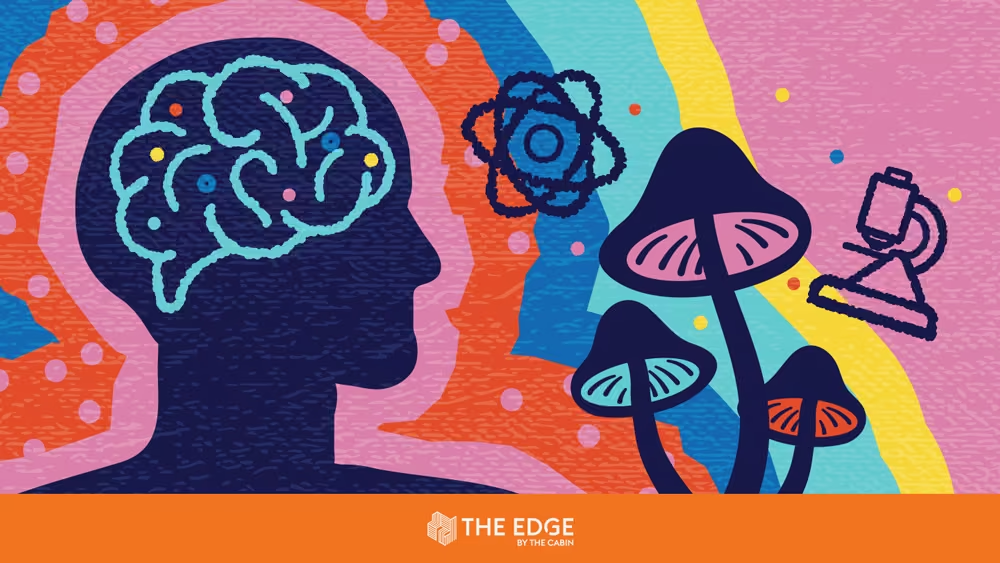
Hallucinogens are linked to addiction and substance abuse through repeated psychological reinforcement, risky use patterns, and continued use despite harmful consequences. Repeated use becomes part of a substance use disorder when the drug pattern causes distress or problems at home, school, work, or with mental health. Classic psychedelics generally show lower physical dependence risk than alcohol or opioids, but misuse becomes serious when a person uses the drug for escape, emotional relief, sensation seeking, or repeated altered experiences. Dissociative hallucinogens, especially PCP, carry greater concern for psychological addiction and dangerous behavioral effects than many classic hallucinogens. Substance abuse becomes clearer when drug use continues after fear, paranoia, conflict, accidents, or psychiatric symptoms. Assessment matters because hallucinogens differ in brain effects, behavioral risks, and addiction potential. Treatment addresses psychological dependence, risky use patterns, mental health symptoms, and repeated drug seeking.
How Do Hallucinogens Affect the Brain?
Hallucinogens affect the brain by disrupting signaling systems that shape perception, mood, thinking, and the sense of reality. Classic hallucinogens such as LSD and psilocybin act heavily on serotonin-related pathways, which change sensory processing, emotion, and thought. Dissociative hallucinogens such as PCP and ketamine affect several receptor systems and create detachment from the body, confusion, distorted awareness, and poor judgment. Brain changes during intoxication explain why sights, sounds, time, and personal meaning feel unusually intense, unreal, or frightening. Vulnerable individuals face a higher risk of panic, paranoia, unsafe behavior, or severe emotional distress during use. Repeated misuse increases concern for psychological dependence and longer-lasting psychiatric problems in some people.
Addiction Is a Brain-Based Disease
It’s time to understand why and take action. When substance use starts to take control, professional support at The Edge can help transform young lives.
What Types of Hallucinogens Are Most Commonly Misused?
The types of hallucinogens most commonly misused are listed below.
- Lysergic acid diethylamide (LSD): LSD is a powerful psychedelic hallucinogen that changes perception, mood, and thinking. The drug is strongly linked to visual distortions, intense emotional shifts, and unpredictable trips.
- Psilocybin Mushrooms: Psilocybin mushrooms contain psychoactive compounds that alter sensory experience and thought patterns. Misuse may involve repeated use for escape, novelty, or emotional intensity.
- Phencyclidine (PCP): PCP is a dissociative hallucinogen that can produce detachment, confusion, aggression, and dangerous behavior. The drug carries a higher risk of psychological addiction and severe impairment than many classic psychedelics.
- Ketamine: Ketamine is a dissociative drug that can create detachment from the body and surroundings. Repeated misuse may affect memory, behavior, judgment, and daily functioning.
- Dextromethorphan: Dextromethorphan in very high amounts can cause dissociative and hallucinogenic effects. Misuse sometimes appears through repeated over-the-counter product abuse.
- Mescaline: Mescaline is a psychedelic substance found in certain cacti. Perceptual change, emotional intensity, and altered thinking are common effects.
- Dimethyltryptamine (DMT): DMT is a strong hallucinogen that produces intense and short-lived alterations in perception and consciousness. Repeated misuse may be tied to sensation seeking or repeated pursuit of extreme experiences.
Do Different Hallucinogens Cause Different Symptoms and Effects?
Yes, different hallucinogens cause different symptoms and effects because each substance acts on the brain in a different way and carries a different risk profile. LSD and psilocybin usually produce visual distortions, emotional shifts, and altered sensory experience, while dissociative substances such as PCP and ketamine more strongly affect detachment, coordination, and awareness of reality. PCP can also produce aggression, confusion, severe paranoia, and dangerous behavior at higher doses. Duration of effect differs across substances, which changes risk, recovery time, and the chance of unsafe decisions during intoxication. Physical effects also vary by drug and dose, including heart rate changes, nausea, sweating, tremor, and motor impairment. Mental health vulnerability, setting, dose, and other substances further shape the outcome. Careful assessment matters because treatment planning depends on the specific drug pattern and the actual symptoms produced.
What Factors Make Hallucinogens Addictive?
The factors that make hallucinogens addictive are listed below.
- Psychological Reinforcement: Psychological reinforcement happens when desired experiences encourage repeated use. Relief, curiosity, escapism, or intense altered states may strengthen the pattern.
- Mental Health Factors: Mental health factors include depression, anxiety, trauma, loneliness, or emotional distress that increase vulnerability to misuse. Drug use may become a coping method rather than a single experiment.
- Social Influences: Social influences include peers, parties, festivals, or subcultures where hallucinogen use feels normal or rewarding. Repeated exposure in the same environment may support continued use.
- Repeated Exposure: Repeated exposure increases familiarity with the drug and lowers psychological barriers to using it again. The pattern may become more automatic over time.
- Behavioral Patterns: Behavioral patterns develop when the drug becomes linked with certain places, people, emotions, or routines. Habit learning can make returning to use more likely even after negative experiences.
How Addictive are Psychedelics Compared to Other Drugs?
Psychedelics are generally less addictive compared to other drugs, but problematic use still occurs in some individuals. Physical dependence is less typical for classic psychedelics than for opioids, alcohol, or nicotine. Psychological use patterns matter because some people return to the experience for escape, identity, sensation seeking, or repeated altered states. Risk is not absent simply because withdrawal is less prominent. Severity depends on mental health vulnerability, social environment, repeated exposure, and whether other substances are used at the same time. Dissociative hallucinogens, especially PCP, may carry greater behavioral risk and stronger psychological dependence than classic psychedelics. Careful evaluation remains important when misuse is causing harm, even if addiction potential appears lower than with other drug categories.
Can Hallucinogens Cause Psychological Dependence?
Yes, hallucinogens can cause psychological dependence in some individuals, even when physical dependence is less typical. Emotional reliance may develop when the person starts using the drug to escape distress, chase altered states, or manage boredom, stress, or identity problems. Repeated use can become linked with certain settings, people, or emotional conditions, which strengthens the urge to return to the experience. Cravings may appear through anticipation, preoccupation, or repeated planning around the drug. Dependence patterns differ widely because each hallucinogen and each person carries a different level of risk. PCP shows a clearer pattern of psychological addiction than many classic psychedelics. Support becomes necessary when the drug starts shaping daily choices, relationships, or mental health.
If you suspect your son is Using Drugs
It’s crucial to step in sooner rather than later. His health and future are incredibly important, and early intervention can make a significant difference.
What are the Signs and Symptoms of Hallucinogen Addiction?
The signs and symptoms of hallucinogen addiction are listed below.
- Cravings: Cravings involve strong urges to use the drug again. Thoughts about the next use may become frequent and distracting.
- Loss of Control: Loss of control means the person struggles to limit use or stop after deciding to quit. Repeated attempts to cut back may fail.
- Continued Use Despite Harm: Continued use despite harm means the person keeps using even after mental, social, legal, or physical problems appear. Awareness of harm does not stop the pattern.
- Preoccupation: Preoccupation means attention shifts toward getting, planning, discussing, or recovering from the drug. Daily focus becomes narrower over time.
- Neglected Responsibilities: Neglected responsibilities include missed work, poor school performance, broken commitments, or relationship strain. Regular life tasks begin to lose importance.
Which Symptom Is Characteristic of Someone on a Hallucinogenic Drug?
Altered perception is a characteristic symptom of someone on a hallucinogenic drug because these substances directly disrupt how reality is experienced. Visual distortions, intensified colors, unusual sounds, sensory crossover, and changes in time perception are common features. The environment may feel unreal, exaggerated, threatening, or emotionally overwhelming. Reality testing may weaken during the experience, especially at higher doses or with dissociative substances. Symptoms vary by drug type, dose, mental state, and setting, so no two experiences look exactly the same. Some individuals show anxiety, confusion, paranoia, or intense emotional swings. Clinical risk rises when altered perception combines with poor judgment, impulsive behavior, or dangerous surroundings.
Can Hallucinogens Cause Lasting Changes in Mood or Behavior?
Yes, hallucinogens can cause lasting changes in mood or behavior in some individuals, especially after repeated use, high doses, or use in vulnerable people. Mood instability, anxiety, suspiciousness, emotional withdrawal, or behavior changes may continue after the acute drug effect ends. Some individuals report lingering perceptual disturbance or repeated visual symptoms long after use stops. Mental health history, trauma, dose, repeated exposure, and co-use of other substances all shape the risk. Not every user develops persistent problems, but the possibility is clinically important. Ongoing symptoms need professional monitoring because the pattern may reflect substance-related mental health complications rather than a temporary reaction. Long-term follow-up improves treatment planning when mood or behavior does not return to baseline.
What are the Short-Term Effects of Hallucinogens?
The short-term effects of hallucinogens are listed below.
- Visual Distortions: Visual distortions change the way objects, colors, shapes, and movement appear. The outside world may feel strange or unreal.
- Altered Thinking: Altered thinking affects judgment, attention, reasoning, and interpretation of events. Ideas may feel unusually deep, confusing, or frightening.
- Mood Changes: Mood changes can include euphoria, fear, anxiety, panic, or rapid shifts between emotional states. Emotional intensity may rise quickly.
- Increased Heart Rate: Increased heart rate is a common physical effect with several hallucinogens. Blood pressure, temperature, and breathing changes may also occur.
- Sensory Intensification: Sensory intensification makes sights, sounds, or bodily sensations feel stronger than normal. Overstimulation may become distressing in some situations.
What are Long-Term Effects of Hallucinogens?
The long-term effects of hallucinogens are listed below.
- Persistent Mood Changes: Persistent mood changes may include anxiety, depression, irritability, or unstable emotional reactions. Symptoms may continue after drug use stops.
- Cognitive Difficulties: Cognitive difficulties affect attention, memory, judgment, and organized thinking. Daily decision-making may become harder.
- Anxiety Symptoms: Anxiety symptoms may remain elevated after repeated hallucinogen misuse. Fear, worry, or panic may become more frequent.
- Perceptual Disturbances: Perceptual disturbances include flashbacks or ongoing visual disturbances in some individuals. Stress, fatigue, or other substances may worsen the experience.
- Social Problems: Social problems can involve relationship conflict, isolation, work decline, legal stress, or school failure. Long-term misuse often spreads harm across several parts of life.
What are the Most Common Side Effects of Hallucinogens?
The most common side effects of hallucinogens are listed below.
- Confusion: Confusion makes thinking unclear and reality harder to interpret. Direction, judgment, and decision-making may worsen.
- Anxiety: Anxiety may rise sharply during a frightening or overwhelming drug experience. Fear can become intense very quickly.
- Visual Changes: Visual changes include distortions, movement effects, or unusual color and shape perception. Sensory experience may become hard to trust.
- Elevated Heart Rate: Elevated heart rate is a common bodily reaction to several hallucinogens. Blood pressure and breathing rate may rise at the same time.
- Nausea: Nausea and stomach discomfort may occur, especially with certain hallucinogenic substances. Physical distress may increase panic during intoxication.
Can Hallucinogens Affect the Body as Well as the Mind?
Yes, hallucinogens can affect the body and the mind because their action extends beyond perception alone. Physical effects may include nausea, tremor, sweating, unsteady movement, higher heart rate, blood pressure changes, and body temperature shifts. Psychological effects may include visual distortion, dissociation, confusion, paranoia, mood changes, and fear. Multiple body systems may be affected at the same time, which increases risk during intoxication. Substance type, dose, mental state, and other drugs all influence the exact response. Certain hallucinogens, especially dissociative drugs such as PCP, can produce greater physical danger and more severe behavioral disturbance. Safe medical evaluation becomes important when the person shows agitation, violence, psychosis, chest symptoms, seizures, or severe confusion.
Searching for Help for Someone You Love?
Seeking professional treatment isn’t just a choice; it’s a crucial step toward saving your loved one’s life.
What Risks are Linked to Hallucinogen Abuse?
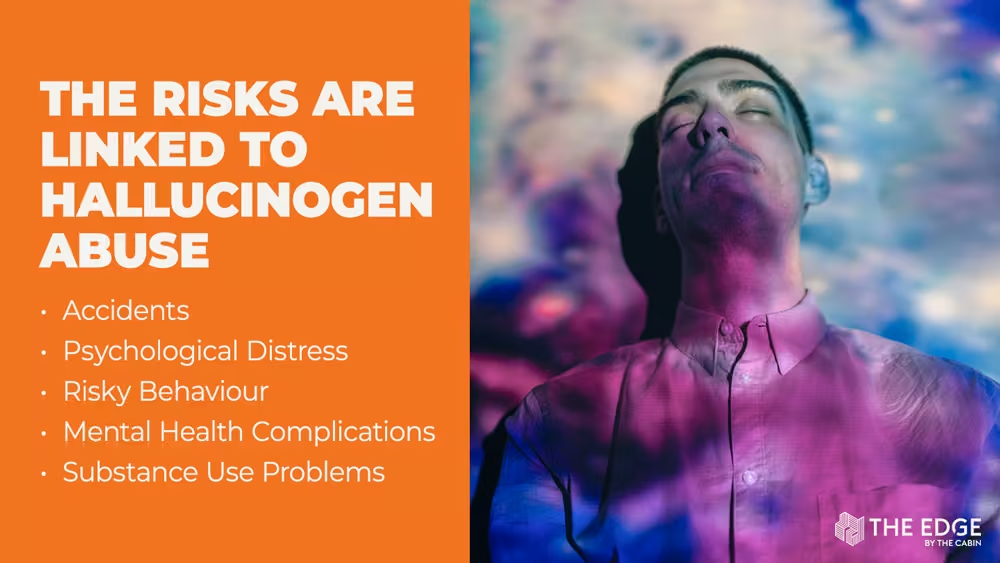
The risks linked to hallucinogen abuse are listed below.
- Accidents: Accidents become more likely when perception, coordination, and judgment are impaired. Dangerous settings increase the chance of injury.
- Psychological Distress: Psychological distress may include panic, paranoia, terror, or severe confusion during or after the drug effect. The experience can become traumatic.
- Risky Behavior: Risky behavior may involve unsafe driving, jumping, violence, wandering, or unsafe sex. Judgment often becomes less reliable under intoxication.
- Mental Health Complications: Mental health complications include anxiety, depression, psychosis, mood instability, or worsening of existing conditions. Vulnerable individuals face greater risk.
- Substance Use Problems: Substance use problems may develop when repeated misuse, psychological dependence, or polydrug use begins. Continued abuse may then expand into a broader addiction pattern.
Why are Hallucinogens Dangerous for Some People?
Hallucinogens are dangerous for some people because reactions are unpredictable, and mental health vulnerability differs from one person to another. The same dose may produce a mild experience in one person and a severe crisis in another. Pre-existing anxiety, trauma, psychosis risk, mood disorders, or substance use history can increase the chance of a harmful outcome. Dose, setting, sleep loss, physical health, and other drugs also change the level of danger. Judgment may become so impaired that accidental injury, aggression, or panic-driven behavior becomes more likely. Dissociative hallucinogens can add stronger risks involving coordination, violence, blood pressure changes, and psychosis. Careful assessment matters because risk depends on both the drug and the individual using it.
Can Hallucinogen Use Trigger Mental Health Problems?

Yes, hallucinogen use can trigger mental health problems in some individuals, and the risk is higher when there is an existing vulnerability. Anxiety, paranoia, panic, mood instability, and psychotic symptoms may emerge during intoxication or after repeated misuse. Existing conditions may worsen when the drug amplifies fear, confusion, or altered reality testing. Mental health outcomes differ because dose, substance type, personal history, trauma, and co-use of other drugs all affect the reaction. Not every individual develops a lasting problem, but the possibility remains clinically important. Professional evaluation helps determine whether the symptoms are temporary, substance-induced, or signs of a broader psychiatric disorder. Early treatment improves safety and supports better recovery planning.
Because YOUNG MEN ARE AT HIGH RISK FOR ADDICTION
But recovery is possible, and it begins with seeking help from addiction counsellors. Contact The Edge Crete for support in drug addiction recovery.
How is Hallucinogen Addiction Treated?

Hallucinogen addiction is treated through behavioral and supportive approaches that address use patterns, mental health symptoms, coping skills, and recovery planning. Treatment selection depends on severity, safety risk, mental health history, and whether other substances are involved. Clinical care combines therapy, support groups, monitoring, and structured rehabilitation when impairment becomes more serious.
The main treatments for hallucinogen addiction are listed below.
- Counseling: Counseling provides emotional support and helps the person examine drug use, triggers, and recovery goals. Regular sessions improve insight and accountability.
- Behavioral Therapy: Behavioral therapy addresses harmful thought patterns, coping deficits, and relapse triggers. Structured approaches help reduce return to use.
- Support Groups: Support groups encourage recovery through shared experience and social accountability. Group connection may reduce isolation and denial.
- Rehabilitation Programs: Rehabilitation programs provide structured treatment for severe cases or complex substance use patterns. Daily support may improve stability and safety.
- Mental Health Care: Mental health care treats anxiety, depression, trauma-related symptoms, psychosis, or other conditions that complicate recovery. Integrated care improves treatment matching.
1. Counselling
Counselling helps individuals examine why hallucinogen use continued and what consequences followed. Emotional support remains an important part of recovery because guilt, fear, confusion, or denial often remain after repeated misuse. Sessions focus on stress, trauma, relationships, relapse triggers, or treatment readiness. Personal insight improves when the person has space to describe patterns without judgment. Recovery planning becomes more practical as specific goals replace vague intentions. The structured support described in addiction counselling helps individuals begin recovery with clearer motivation, stronger follow-through, and more practical goals.
2. Behavioral Therapy
Behavioural therapy helps change harmful patterns linked to craving, impulsive use, denial, and repeated return to hallucinogens. Therapists work on trigger identification, thought patterns, coping strategies, and relapse prevention. Skills-based treatment becomes especially useful when the person struggles with stress, mood symptoms, or other substance use. Regular therapy improves awareness of how emotion, environment, and habit shape drug decisions. Recovery becomes more stable when the individual learns how to interrupt the cycle before use begins. The Cognitive Behavioural Therapy (CBT) offers tools for changing risky thinking patterns, managing triggers, and strengthening safer behaviour during hallucinogen recovery.
3. Support Groups
Support groups provide peer-based recovery support and reduce the isolation that often follows substance misuse. Group discussion helps individuals see that relapse triggers, shame, and denial are common recovery barriers rather than private failures. Shared accountability improves follow-through when motivation drops between formal treatment sessions. Social connection also supports healthier routines and replaces drug-linked peer environments. Recovery skills become easier to maintain when support remains active over time. Ongoing participation may strengthen long-term sobriety and emotional stability.
4. Rehabilitation Programs
Rehabilitation programs provide structured treatment when hallucinogen misuse is severe, repeated, or linked with dangerous behavior and mental health complications. A higher level of care becomes necessary when the person has psychosis, polydrug use, unstable living conditions, or repeated relapse. Structured programs create distance from triggers and provide daily therapeutic support. Staff monitors behavior, mental health symptoms, medication needs, and overall recovery engagement. Treatment planning combines therapy, group work, mental health care, and relapse prevention. The rehabilitation programs provide useful support when outpatient care is not enough.
5. Mental Health Care
Mental health care treats the emotional and psychiatric issues that often accompany hallucinogen misuse. Anxiety, depression, trauma symptoms, paranoia, mood instability, or psychotic symptoms may need direct treatment during recovery. A person with a pre-existing mental health condition usually needs integrated care rather than substance treatment alone. Clinical monitoring helps clarify whether symptoms reflect intoxication, withdrawal-related instability, or a separate mental health disorder. Recovery becomes safer when psychiatric care and addiction treatment work together. Long-term outcomes improve when both the drug pattern and the mental health pattern receive attention.
What Treatment Options are Available for Hallucinogen Addiction?

Treatment options available for hallucinogen addiction vary by severity, safety needs, mental health symptoms, and recovery environment. Some individuals improve through outpatient therapy and support, while others need residential structure and continuous monitoring. Treatment planning should match the full clinical picture rather than focus only on the drug.
The available treatment options for hallucinogen addiction are listed below.
- Outpatient Treatment: Outpatient treatment provides care while the person continues living at home. Regular sessions support recovery without full residential placement.
- Inpatient Treatment: Inpatient treatment provides structured residential care with closer monitoring. Higher support is helpful when safety or stability is a concern.
- Individual Therapy: Individual therapy offers one-to-one support for drug patterns, mental health symptoms, and relapse risk. Private sessions help explore triggers in depth.
- Group Therapy: Group therapy offers peer-based recovery support and social accountability. Shared experience can strengthen motivation and coping.
- Aftercare Services: Aftercare services provide continued support after formal treatment ends. Follow-up helps maintain recovery gains over time.
1. Outpatient Treatment
Outpatient treatment provides regular care as the person continues daily life at home, school, or work. Many individuals with mild to moderate hallucinogen use disorder improve through scheduled counseling, therapy, and mental health monitoring. The format fits daily responsibilities and still provides structured recovery support. Progress depends on safety, living environment, treatment attendance, and the absence of severe instability. Relapse prevention becomes a major part of care because triggers remain present in the home environment. The standard outpatient treatment helps individuals recover without residential placement when symptoms are stable enough for community-based care.
2. Inpatient Treatment
Inpatient treatment provides structured residential care for individuals who need safety, stabilization, and full-time support. The option fits cases involving severe mental health symptoms, repeated relapse, polydrug use, dangerous behavior, or unstable living conditions. Daily structure reduces exposure to triggers and improves treatment engagement. Staff monitor symptoms closely and respond quickly to psychiatric or behavioral complications. Recovery work usually includes counseling, therapy, support groups, and discharge planning. The inpatient vs. outpatient rehab helps clarify when a residential setting is the better choice.
3. Individual Therapy
Individual therapy offers private one-to-one support focused on the person’s specific triggers, emotions, beliefs, and recovery barriers. Sessions address fear, shame, trauma, denial, or distorted thinking that keeps the substance use pattern active. A private format makes it easier to discuss sensitive experiences, including frightening trips, psychotic symptoms, or risky behavior. Personalized treatment goals improve follow-through and allow deeper work on relapse prevention. Progress becomes clearer when therapy tracks how thoughts, mood, and environment influence drug use. The individual therapy provides focused support that is often central to hallucinogen recovery.
4. Group Therapy
Group therapy provides recovery support through peer discussion, shared learning, and therapist-guided interaction. Many individuals benefit from hearing how others handle cravings, denial, fear, relapse triggers, and emotional fallout after substance misuse. Social accountability grows when recovery goals are discussed in a structured group setting. Isolation decreases when the person sees that the struggle is not unique. Group work teaches communication, reflection, and healthier support seeking. The group therapy provides a peer-based treatment model that helps many individuals maintain recovery momentum.
5. Aftercare Services
Aftercare services provide ongoing support after formal treatment ends. Recovery remains vulnerable during the transition back to regular life because stress, old routines, and social triggers often return quickly. Follow-up care may include therapy, peer support, check-ins, case management, or relapse prevention planning. Continued structure helps individuals maintain treatment gains instead of losing progress after discharge. Long-term recovery usually improves when support remains active beyond the first treatment phase. Aftercare is especially useful when hallucinogen misuse occurred alongside other mental health or substance use concerns.
Is Rehab Effective for Hallucinogen Recovery?
Yes, rehab is effective for hallucinogen recovery when treatment matches the person’s level of severity, mental health needs, and relapse risk. Structured programs help individuals step away from triggers and focus fully on stabilization and recovery skills. Professional support becomes especially important when hallucinations, paranoia, polydrug use, repeated relapse, or psychiatric symptoms are present. Recovery skills improve through therapy, daily structure, group support, and discharge planning. Outcomes vary because motivation, co-occurring disorders, family support, and aftercare influence progress. Continued care after rehab improves the chance of long-term stability. The Drug and Alcohol Rehab explains why structured care, aftercare, and follow-up matter in hallucinogen recovery
The Edge Crete Designed to Get Young Men Back on Track
The Edge Crete, we offer specialised inpatient programs designed specifically for young men facing the challenges of substance use and mental health struggles, including dependency on hallucinogens. With the right support and guidance, hope is within reach.
