

Nicotine withdrawal is a physiological and psychological response that develops after the body adjusts to the sudden absence of regular nicotine exposure.
Dopamine receptor adaptation plays a central role, as the brain adjusts to functioning without nicotine’s artificial reinforcement. Physical symptoms such as headaches and fatigue accompany psychological symptoms, including irritability and anxiety, during the withdrawal period. A typical timeline spans several weeks, with cravings and other symptoms peaking within the first few days before gradually easing. Nicotine replacement therapy, prescription medications, and behavioral counseling commonly support recovery throughout this process. Understanding nicotine withdrawal helps clarify what to expect physically and emotionally after quitting smoking or other nicotine products.
What is Nicotine Withdrawal?
Nicotine withdrawal is a direct physiological and psychological reaction driven by dopamine receptor adaptation following nicotine cessation. Receptors previously stimulated by consistent nicotine intake undergo an adjustment process once regular use stops. The shift produces a combination of physical discomfort and emotional disturbance as the brain recalibrates its reward system. The dependence mechanism reflects genuine neurochemical change rather than a simple habit or preference tied to nicotine. Symptoms typically emerge within hours of the last use and continue shifting over the following days and weeks. A professional understanding of the process supports more effective strategies for managing the withdrawal period.
What is Nicotine Addiction?
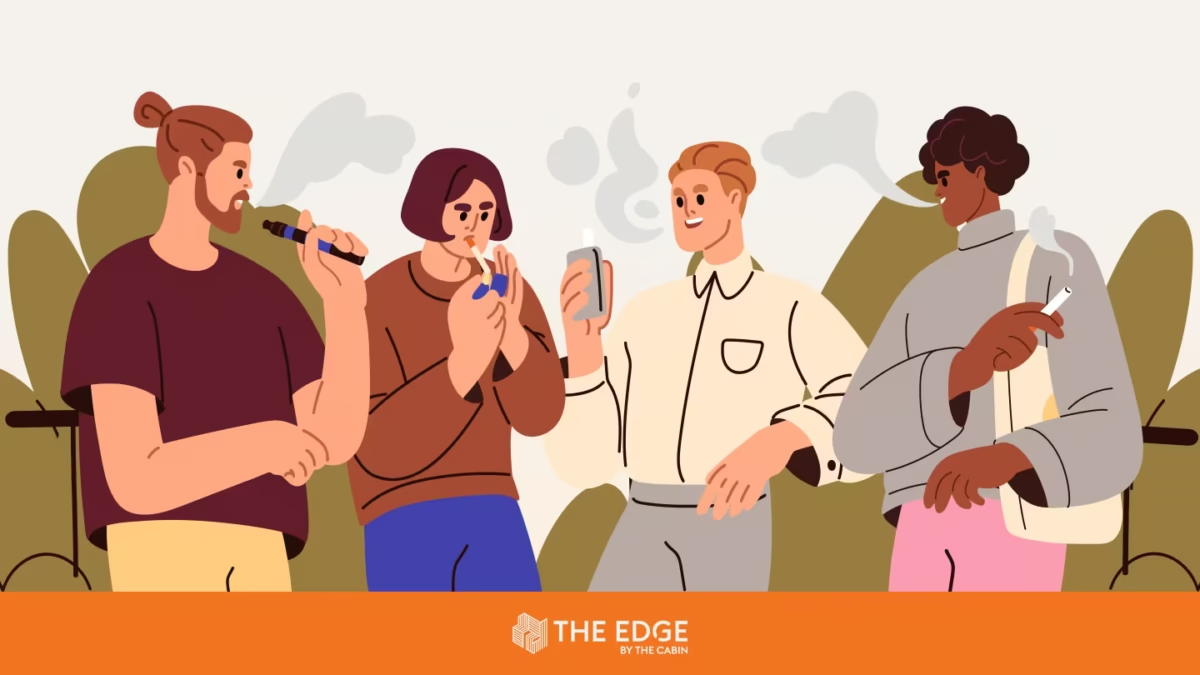
Nicotine addiction is a chronic dependence on nicotine’s reward system effects. Nicotine triggers dopamine spikes in the brain, reinforcing continued use through a powerful reward mechanism. Habit loops develop as repeated use becomes tied to specific routines, emotions, or environmental cues over time. The reinforcement cycle strengthens with each use, making nicotine one of the most difficult substances to stop using. Tolerance often develops as the brain requires more frequent exposure to sustain the same level of dopamine stimulation. Withdrawal symptoms upon cessation reflect the degree of dependence that has developed through the reinforcement cycle, a pattern closely tied to nicotine addiction.
How are Nicotine Withdrawal symptoms categorized across different types?
Nicotine withdrawal symptoms are categorized across different types by grouping them into physical, psychological, and cognitive categories. Physical symptoms involve bodily reactions such as headaches, fatigue, and appetite changes tied to the body’s adjustment after cessation. Psychological symptoms involve emotional responses such as irritability, anxiety, and mood swings connected to dopamine reduction. Cognitive symptoms involve difficulties such as impaired concentration, memory lapses, and slower mental processing during the adjustment period. Overlap frequently occurs between these categories, since emotional distress can intensify physical discomfort and cognitive difficulty at the same time. Severity varies between individuals depending on prior nicotine intake, duration of use, and personal coping resources. Recognizing this overlap helps clarify why withdrawal often feels like a combined physical, emotional, and mental experience rather than isolated symptoms.
What are the physical symptoms of Nicotine Withdrawal?
The physical symptoms of nicotine withdrawal are listed below.
- Headaches: Headaches frequently develop as blood flow and nervous system activity adjust following nicotine cessation. This symptom often peaks during the first few days.
- Fatigue: Fatigue develops as the body adjusts to functioning without nicotine’s stimulating effects on alertness. Energy levels often improve gradually over the following weeks.
- Appetite Increase: Appetite increase commonly occurs as nicotine’s appetite-suppressing effects disappear after cessation. This symptom often contributes to modest weight gain during recovery.
- Sweating: Sweating reflects the autonomic nervous system’s broader adjustment to the absence of nicotine. This symptom typically resolves within the first one to two weeks.
- Cravings: Cravings for nicotine often intensify as the body seeks to restore its prior level of stimulation. These urges frequently peak during the first several days after quitting.
Tired of Living Around Your Next Cigarette or Vape?
At The Edge Rehab, our specialised treatment programs look beyond surface habits to address the psychological, physical, and emotional roots of dependency. Discover how professional addiction treatment can help you take back control of your life.
What are the psychological symptoms of Nicotine Withdrawal?
The psychological symptoms of nicotine withdrawal are listed below.
- Irritability: Irritability increases as dopamine reduction affects emotional regulation during the adjustment period. Minor frustrations may trigger stronger reactions than usual.
- Anxiety: Anxiety develops as the brain adjusts to functioning without nicotine’s calming effect on the nervous system. Nervousness often intensifies during the first week after cessation.
- Depression: Depression may emerge as dopamine activity declines following the sudden absence of nicotine stimulation. Low mood commonly accompanies other psychological symptoms during this period.
- Mood Swings: Mood swings reflect the broader instability in dopamine and stress-related brain chemistry during withdrawal. Emotional unpredictability often eases as the body gradually stabilizes.
What are the behavioral symptoms of Nicotine Withdrawal?
The behavioral symptoms of nicotine withdrawal are listed below.
- Restlessness: Restlessness develops as the body adjusts to functioning without its usual nicotine-driven routine. This symptom often intensifies during moments previously associated with smoking.
- Irritability: Irritability frequently accompanies behavioral symptoms as frustration builds around disrupted habits. This overlap with psychological symptoms often makes early withdrawal particularly challenging.
- Smoking Urges: Smoking urges emerge strongly around specific cues, such as stress, meals, or social situations previously tied to use. These urges often reflect deeply ingrained habit loops, similar to patterns seen in other behavioral addictions.
- Habit Seeking: Habit seeking involves searching for substitute behaviors to replace the routine previously filled by nicotine use. This pattern often persists until new, healthier habits become established.
What types of therapies support Nicotine Withdrawal recovery?

The therapies that support nicotine withdrawal recovery are listed below.
- Nicotine Replacement Therapy: Nicotine replacement therapy delivers controlled doses of nicotine to reduce withdrawal symptoms during cessation. The approach helps ease the transition away from nicotine dependence.
- Nicotine Patches, Gum, Lozenges, Inhaler, and Nasal Spray: These products deliver nicotine through various methods to manage cravings without the harmful effects of smoking. Each format allows for different dosing flexibility depending on individual needs.
- Varenicline (Chantix): Varenicline reduces cravings and blocks nicotine’s rewarding effects on the brain. The prescription medication supports both symptom relief and long-term cessation.
- Bupropion (Zyban): Bupropion helps reduce withdrawal symptoms and cravings through its effect on brain chemistry unrelated to nicotine itself. The medication offers an alternative for individuals unable to use nicotine replacement products.
- Cognitive Behavioral Therapy: Cognitive Behavioral Therapy helps address the thought patterns and triggers connected to nicotine use. Structured sessions build coping skills for managing cravings and preventing relapse.
- Motivational Interviewing: Motivational Interviewing strengthens personal commitment to quitting through guided, non-confrontational conversation. The approach helps individuals identify their own reasons for pursuing cessation.
- Behavioral Counseling and Talk Therapy: Behavioral counseling and talk therapy provide ongoing support for managing the emotional challenges of withdrawal. Regular sessions help reinforce progress throughout the recovery process.
- Group Therapy and Support Groups: Group therapy and support groups connect individuals with others facing similar challenges during nicotine withdrawal. Shared experience often strengthens accountability and long-term commitment.
- Digital Cessation Programs, Apps, and SMS Coaching: Digital cessation programs, apps, and SMS coaching provide accessible, ongoing support throughout the quitting process. These tools often supplement traditional therapy with daily reminders and tracking.
- Mindfulness-Based Relapse Prevention: Mindfulness-based relapse prevention teaches awareness techniques for managing cravings and stress without returning to nicotine use. The approach helps build long-term resilience against relapse triggers.
- Contingency Management Programs: Contingency management programs reinforce abstinence through structured incentives tied to verified nicotine-free periods. The approach often strengthens motivation during the early stages of cessation.
- Hypnosis (Hypnotherapy): Hypnosis is sometimes used to support smoking cessation by guiding individuals into a focused, relaxed state to reinforce motivation against smoking. Clinical evidence supporting its effectiveness remains limited compared to other approaches, so it is generally considered complementary rather than a standalone treatment.
1. Nicotine Replacement Therapy
Nicotine replacement therapy helps with nicotine withdrawal by delivering controlled doses of nicotine without the harmful chemicals found in cigarettes. The approach reduces the intensity of withdrawal symptoms by gradually lowering the body’s dependence on nicotine over time. Available in multiple formats, including patches, gum, and lozenges, the therapy allows flexibility based on individual preference and symptom severity. Cravings and irritability decrease significantly when replacement therapy is used consistently during the cessation process. Combining the approach with behavioral support often improves long-term success compared with using medication alone. Gradual tapering of nicotine replacement products typically continues until dependence is fully resolved.
2. Nicotine Patches, Gum, Lozenges, Inhaler, and Nasal Spray
Nicotine patches, gum, lozenges, inhalers, and nasal sprays help with nicotine withdrawal by delivering measured doses of nicotine through different methods of administration. Patches provide a steady, low-level release throughout the day, making them suitable for consistent baseline craving control. Gum and lozenges allow more immediate, on-demand relief during sudden urges or high-stress moments. The inhaler and nasal spray offer faster absorption, closely mimicking the hand-to-mouth habit associated with smoking. Choosing the right format often depends on individual craving patterns, lifestyle, and personal preference. Combining a steady-release option with a fast-acting product frequently improves overall symptom control during cessation.
3. Varenicline (Chantix)
Varenicline helps with nicotine withdrawal by reducing cravings and blocking nicotine’s rewarding effects on the brain. The medication binds to the same receptors nicotine typically activates, lessening the pleasurable response associated with smoking. Reduced reward signaling makes continued smoking feel less satisfying, which supports long-term cessation efforts. Cravings and withdrawal symptoms often decrease significantly within the first one to two weeks of consistent use. A structured treatment course begins before the quit date and continues for several weeks afterward. Medical supervision remains important throughout treatment to monitor effectiveness and manage any side effects.
4. Bupropion (Zyban)
Bupropion helps with nicotine withdrawal by reducing symptoms and cravings through its effect on brain chemistry unrelated to nicotine itself. The medication influences dopamine and norepinephrine activity, easing some of the mood-related symptoms common during cessation. Irritability and low mood often improve as the medication helps stabilize these affected neurotransmitter systems. The option provides an alternative for individuals unable to use nicotine replacement products due to personal preference or medical reasons. Treatment typically begins one to two weeks before the quit date to allow the medication to reach effective levels. Medical guidance helps determine appropriate dosing and monitors for potential side effects throughout treatment.
5. Cognitive Behavioral Therapy
Cognitive Behavioral Therapy helps with nicotine withdrawal by addressing the thought patterns and triggers connected to nicotine use. Structured sessions identify specific situations, emotions, or routines that increase the urge to smoke. Coping skills developed through this approach provide healthier alternatives for managing stress and cravings. Cognitive restructuring addresses unhelpful beliefs that may contribute to continued use or relapse during recovery. Relapse prevention planning, a core component of the therapy, prepares individuals to navigate high-risk situations effectively. Consistent application of these skills through Cognitive Behavioral Therapy (CBT) improves long-term recovery outcomes beyond the initial withdrawal period.
6. Motivational Interviewing
Motivational Interviewing helps with nicotine withdrawal by strengthening personal commitment to quitting through guided, non-confrontational conversation. Motivational Interviewing helps individuals identify their own reasons for pursuing cessation rather than relying on external pressure. Open-ended questions and reflective listening techniques encourage deeper reflection on personal motivations and goals. Ambivalence about quitting decreases as individuals work through their own reasoning with a trained facilitator. This method frequently complements other treatments by reinforcing motivation throughout the recovery process. Structured Motivational Enhancement Therapy (MET) sessions often strengthen long-term commitment to nicotine cessation.
7. Behavioral Counseling and Talk Therapy
Behavioral counseling and talk therapy help with nicotine withdrawal by providing ongoing support for managing the emotional challenges of cessation. Regular sessions address stress, mood changes, and other psychological symptoms that commonly accompany withdrawal. Therapists help individuals develop personalized coping strategies suited to their specific triggers and lifestyle. Consistent engagement often improves emotional resilience during the most difficult early weeks of quitting. Progress is tracked across sessions, allowing adjustments to the treatment approach as needed. Continued counseling support reinforces long-term abstinence well beyond the initial withdrawal period.
8. Group Therapy and Support Groups
Group therapy and support groups help with nicotine withdrawal by connecting individuals with others facing similar challenges during cessation. Shared experience often reduces feelings of isolation during difficult stages of the quitting process. Regular attendance reinforces accountability and strengthens long-term commitment to abstinence. Peer encouragement can provide additional motivation during moments of craving or temptation. These settings often complement individual therapy and medical treatment options. Structured Group Therapy sessions frequently support sustained recovery beyond formal treatment programs.
9. Digital Cessation Programs, Apps, and SMS Coaching
Digital cessation programs, apps, and SMS coaching help with nicotine withdrawal by providing accessible, ongoing support throughout the quitting process. The tools include daily reminders, progress tracking, and personalized coping tips delivered directly to a phone. Immediate access to support during cravings helps bridge gaps between scheduled therapy or counseling sessions. Programs incorporate educational content about withdrawal symptoms and effective coping strategies. Consistent engagement with these tools often reinforces motivation during the early weeks of cessation. Digital support frequently supplements traditional therapy rather than replacing it entirely.
10. Mindfulness-Based Relapse Prevention
Mindfulness-based relapse prevention helps with nicotine withdrawal by teaching awareness techniques for managing cravings and stress without returning to use. This approach encourages individuals to observe cravings without immediately acting on them, reducing their perceived intensity over time. Breathing exercises and present-moment awareness techniques help ease the emotional discomfort associated with withdrawal. Building this skill set supports long-term resilience against triggers encountered after the acute withdrawal period ends. Regular practice often strengthens an individual’s ability to tolerate discomfort without reaching for nicotine. This approach frequently complements other treatments by addressing the emotional roots of relapse risk.
11. Contingency Management Programs
Contingency management programs help with nicotine withdrawal by reinforcing abstinence through structured incentives tied to verified nicotine-free periods. Participants typically receive rewards, such as vouchers or privileges, for confirmed abstinence at scheduled check-ins. This approach strengthens motivation during the early stages of cessation when cravings often feel most intense. Consistent positive reinforcement helps build momentum toward longer-term abstinence goals. Structured Contingency Management programs frequently work well alongside counseling or medication-based treatment approaches. Combining this method with other therapies often improves overall treatment success rates.
12. Hypnosis (Hypnotherapy)
Hypnosis (Hypnotherapy) relies on suggestion-based techniques delivered during a state of deep relaxation, distinguishing it from the medication and behavioral approaches used elsewhere on this list. Some individuals report short-term benefits, particularly when hypnosis is combined with other established treatments rather than used alone. Clinical evidence supporting hypnosis for smoking cessation remains limited and mixed compared with approaches such as Nicotine Replacement Therapy or Cognitive Behavioral Therapy. Major treatment guidelines generally do not list hypnosis among first-line or strongly recommended options due to this weaker research base. Individuals considering hypnosis may benefit from pairing it with a more established method rather than relying on it as a standalone treatment.
Step Into a Community Built for Lasting Growth
If you are ready to make a meaningful change in a supportive setting, we invite you to look inside our structured facility.
What is the Nicotine Withdrawal timeline after quitting smoking?
The nicotine withdrawal timeline after quitting smoking is a multi-stage process spanning 1 to 28 days. Symptoms typically begin within 2 to 4 hours of the last use as nicotine levels drop in the bloodstream. The most intense symptoms generally peak within 2 to 3 days, including strong cravings, irritability, and difficulty concentrating. A gradual decline phase follows, with most acute symptoms easing over 14 to 28 days as the body continues adjusting. Timeline variability depends heavily on the level of prior nicotine dependence, including frequency and duration of use. Individuals with a dependence history exceeding 1 year experience an additional 1 to 2 weeks of withdrawal symptoms compared with lighter users. Understanding the progression helps set realistic expectations throughout the recovery process.
How long does Nicotine Withdrawal last on average?
Nicotine withdrawal lasts an average of 2 to 4 weeks for most acute symptoms to resolve. Cravings and irritability typically peak within the first several days before gradually easing over the following weeks. Lingering cravings can persist beyond this acute phase, sometimes continuing for several months in some individuals. Physical symptoms such as headaches and fatigue generally resolve faster than psychological symptoms like anxiety or low mood. Overall duration depends on prior dependence level, frequency of use, and individual physiology. Professional support during this period often improves the likelihood of sustained abstinence.
What factors determine Nicotine Withdrawal duration?
Usage intensity, duration of use, frequency, genetics, psychological factors, and environmental influences determine nicotine withdrawal duration. Usage intensity, including the number of cigarettes or nicotine products used daily, correlates with symptom severity and length. Duration of use plays a significant role, since years of consistent nicotine exposure typically produce a longer and more challenging withdrawal period. Frequency of use throughout the day affects how deeply the brain has adapted to nicotine’s presence. Genetic factors can influence how quickly the body metabolizes nicotine and how strongly withdrawal symptoms present. Psychological factors, including stress levels and coping skills, shape how withdrawal is experienced and managed. Environmental factors, such as exposure to smoking-related cues, can extend cravings and behavioral symptoms well beyond the acute phase.
How does heavy nicotine use affect withdrawal outcomes?
Heavy nicotine use intensifies withdrawal outcomes by increasing the severity and duration of symptoms experienced after cessation. Frequent, high-level exposure over time causes nicotine receptors to undergo deeper desensitization compared with lighter use patterns. The deeper receptor adaptation requires a longer recovery period as the brain works to restore normal dopamine sensitivity. Cravings and irritability often present with greater intensity among heavy users due to the stronger reward reinforcement built over time. Symptom duration frequently extends several additional weeks beyond the typical acute withdrawal window in cases of heavy prior use. Structured support and professional guidance often become more important as usage intensity increases prior to cessation.
Does nicotine potency or intake level influence withdrawal severity?
Yes, nicotine potency and intake level influence withdrawal severity. Higher potency products or greater daily intake often produce more pronounced physical and psychological symptoms upon cessation. Regular use of high-potency products may lead to stronger receptor adaptation requiring more time to reverse. Cravings and irritability frequently intensify among individuals who previously used higher intake levels regularly. Lower intake levels, by comparison, correlate with milder withdrawal experiences. Individual response varies considerably regardless of the potency or intake level involved.
Do mental health conditions affect Nicotine Withdrawal outcomes?
Yes, mental health conditions affect nicotine withdrawal outcomes. Pre-existing anxiety or depression intensifies the psychological symptoms experienced during withdrawal. Individuals managing these conditions may find cravings and mood instability more difficult to navigate without additional support. Withdrawal can temporarily worsen symptoms of an existing mental health condition during the adjustment period. Professional guidance becomes particularly important for individuals with a documented mental health history undergoing nicotine withdrawal. Coordinated care addressing both conditions together often improves overall recovery outcomes.
How can Nicotine Withdrawal symptoms be managed?
Nicotine withdrawal symptoms can be managed by following the structured five steps below.

- Use Medical Support Tools. Incorporate nicotine replacement therapy or prescribed medication to reduce the intensity of withdrawal symptoms. Consistent use of these tools often eases cravings during the most difficult early days.
- Identify Personal Triggers. Recognize specific situations, emotions, or routines that increase the urge to use nicotine. Awareness of these triggers supports more effective avoidance or coping strategies.
- Build New Coping Habits. Replace nicotine-related routines with healthier alternatives, such as short walks or deep breathing exercises. New habits often reduce reliance on nicotine as an emotional or behavioral crutch.
- Engage in Behavioral Therapy. Address underlying thought patterns and triggers connected to nicotine use through structured counseling. Professional guidance strengthens long-term coping skills throughout recovery.
- Plan for Relapse Prevention. Prepare specific strategies for navigating high-risk situations and unexpected cravings. A clear plan often reduces the likelihood of returning to nicotine use after initial progress.
How can sleep be improved during Nicotine Withdrawal?

Sleep can be improved during nicotine withdrawal by following the five steps below.
- Maintain a Consistent Sleep Schedule. Going to bed and waking at the same time each day helps the body adjust more quickly to its natural sleep cycle. Regularity reinforces the internal clock disrupted by nicotine’s stimulating effects.
- Limit Stimulant Intake in the Evening. Reducing caffeine and other stimulants in the hours before bedtime lowers additional sleep disruption during withdrawal. Nicotine’s own stimulating effects previously interfered with sleep regulation, making this step especially important during recovery.
- Practice Relaxation Techniques. Deep breathing, gentle stretching, or short meditation before bedtime helps calm the nervous system during the adjustment period. These methods ease the tension that often accompanies withdrawal-related sleep difficulty.
- Limit Screen Exposure Before Bed. Reducing exposure to phones, tablets, or televisions in the hour before bed lowers stimulation that can interfere with falling asleep. Less blue light exposure supports a more natural transition into rest.
- Create a Calming Sleep Environment. Keeping the bedroom dark, quiet, and cool encourages the body to settle into sleep more easily. A comfortable, distraction-free setting supports better sleep quality throughout withdrawal.
What lifestyle changes help with Nicotine Withdrawal recovery?

The lifestyle changes that help with nicotine withdrawal recovery are listed below.
- Regular Exercise: Regular exercise supports dopamine restoration and reduces symptoms of anxiety and irritability during withdrawal. Physical activity often boosts overall energy levels throughout the recovery period.
- Proper Hydration: Proper hydration supports the body’s natural recovery processes as it adjusts to reduced nicotine exposure. Adequate fluid intake often improves physical comfort during the withdrawal timeline.
- Balanced Nutrition: Balanced nutrition addresses appetite changes and supports overall physical stability during recovery. Consistent meals often help regulate energy levels throughout the adjustment period.
- Stress Reduction Techniques: Stress reduction techniques, including mindfulness or deep breathing, help ease the emotional strain of withdrawal. Lower stress levels often support healthier dopamine regulation over time.
- Social Support: Social support from friends, family, or recovery groups reinforces commitment during the withdrawal period. Consistent encouragement often improves long-term recovery outcomes.
Recovery is Possible
At The Edge, we understand that every person’s recovery journey is unique. From overcoming misuse to managing dependencies and withdrawal, our specialised treatments are designed to support and empower you every step of the way.
When does Nicotine Withdrawal require medical attention?
Nicotine withdrawal requires medical attention when symptoms escalate beyond typical physical or psychological discomfort. Persistent or worsening depression that interferes with daily functioning signals a need for professional evaluation. Severe anxiety symptoms that do not improve with standard coping strategies may also require medical support. Any indication of suicidal thoughts or self-harm intent constitutes an immediate medical emergency, regardless of withdrawal stage. Chest pain or other unexplained physical symptoms during withdrawal should prompt immediate medical evaluation to rule out unrelated health concerns. Recognizing these escalation thresholds helps ensure timely intervention when withdrawal symptoms exceed typical expectations.
What severe symptoms indicate high-risk Nicotine Withdrawal?
The severe symptoms that indicate high-risk nicotine withdrawal are listed below.
- Severe Anxiety: Severe anxiety that feels overwhelming or uncontrollable represents one of the clearest indicators of medical risk. This level of distress often escalates quickly without prompt professional support.
- Depression: Persistent depression that does not improve within the expected withdrawal timeline may signal a need for professional evaluation. Escalation often occurs when low mood begins interfering with basic daily functioning.
- Suicidal Ideation: Suicidal ideation constitutes a medical emergency requiring immediate intervention regardless of withdrawal severity otherwise. This symptom represents the most urgent escalation pathway among all withdrawal-related risks.
- Chest Pain: Chest pain during withdrawal should prompt immediate medical evaluation to rule out cardiovascular complications unrelated to typical symptoms. This symptom can escalate rapidly and requires urgent attention rather than delayed monitoring.
Is Nicotine Withdrawal ever medically dangerous?
Yes, nicotine withdrawal can become medically dangerous in certain cases, particularly involving severe psychological or physical symptoms. Suicidal ideation or intense anxiety represent the clearest examples of medically significant risk during withdrawal. Individuals with pre-existing mental health conditions may face a higher likelihood of experiencing dangerous symptom escalation. Chest pain or other unexplained physical symptoms can also become medically concerning and require prompt evaluation. Most cases of nicotine withdrawal remain manageable without significant medical risk when supported by appropriate coping strategies. Prompt medical attention for severe symptoms helps prevent complications and supports a safer recovery process.
Imagine life without nicotine controlling your day
Every smoke-free day is a step towards better physical and mental health. Speak confidentially with our team today and find the treatment option at The Edge that’s right for you.