

Stimulant withdrawal is a neurochemical state that develops after a person stops using stimulant drugs following a period of regular use.
The brain’s dopamine system falls out of balance once repeated stimulation from the drug suddenly ends. Physical and psychological symptoms often appear within hours to days, ranging from fatigue and appetite changes to depression and intense cravings. Amphetamines and cocaine produce varying withdrawal patterns and recovery timelines. Treatment typically relies on supportive medical care alongside behavioral therapy to manage symptoms and reduce relapse risk. Understanding stimulant withdrawal helps clarify why professional support improves outcomes during this difficult transition.
What is Stimulant Withdrawal?
Stimulant withdrawal is a clinical condition that develops when the brain’s dopamine system falls out of balance following the cessation of regular stimulant use. Repeated stimulant exposure artificially raises dopamine activity, and the brain adjusts by reducing its own natural production over time. Sudden cessation leaves this system depleted, producing a range of physical and psychological symptoms during the adjustment period. Fatigue, mood disturbances, and intense cravings commonly emerge as the brain works to restore its natural chemical balance. Symptom severity often depends on the duration and intensity of prior stimulant use. Medical understanding of this imbalance helps explain why withdrawal feels physically and emotionally difficult for many individuals. Professional support during this period often improves safety and comfort throughout the recovery process.
What causes Stimulant Addiction?
A chronic disruption in the brain’s reward system causes stimulant addiction. Repeated stimulant use triggers excessive dopamine release, and this surge reinforces drug-seeking behavior through the brain’s natural reward circuitry. Neural pathways adapt over time to expect this artificial stimulation, and this adaptation weakens the response to natural rewards like food, social connection, or achievement. Tolerance develops as a result, requiring higher doses to reach the same reinforcing effect previously achieved with less. Genetic predisposition plays a significant role, since a family history of substance use disorders raises individual risk substantially. Underlying mental health conditions, including anxiety and depression, often coexist with stimulant use and deepen dependency. Environmental factors such as chronic stress, trauma exposure, and peer influence further shape vulnerability to addiction. Continued substance use despite clear negative consequences reflects the compulsive nature of this reward-driven condition. Withdrawal symptoms emerge once stimulant use stops, confirming the depth of physical and psychological dependence the brain has formed in stimulant addiction.
How does Stimulant Withdrawal affect the brain?
Stimulant withdrawal affects the brain by suppressing dopamine and related reward system activity following the sudden absence of the drug. Motivation and pleasure responses often decline sharply as the brain adjusts to functioning without artificial stimulation. Mood commonly drops during this period, producing symptoms resembling depression or emotional flatness. Cognitive function may also decline temporarily, affecting concentration, memory, and decision-making during early withdrawal. Sleep and appetite regulation frequently shift as the nervous system recalibrates without stimulant influence. Brain chemistry gradually stabilizes over time, though the pace of recovery varies between individuals. Professional monitoring during this period helps address symptoms before they escalate into more serious complications.
Addiction Is a Brain-Based Disease
It’s time to understand why and take action. When substance use starts to take control, professional support at The Edge can help transform young lives.
What are Stimulant Withdrawal symptoms?
The types of stimulant withdrawal symptoms are listed below.
- Physical Symptoms: Physical symptoms include fatigue, sleep disruption, and increased appetite following stimulant cessation. These symptoms intensify during the early phase before gradually easing.
- Psychological Symptoms: Psychological symptoms include depression, anxiety, irritability, and anhedonia tied to dopamine depletion. Emotional symptoms frequently represent the most challenging aspect of the withdrawal process.
1. Physical Symptoms
Physical symptoms during stimulant withdrawal differ between the early crash phase and the more extended acute phase. Fatigue appears early and can remain intense for several days as the body adjusts to functioning without stimulant support. Sleep disruption commonly follows, with some individuals experiencing excessive sleep while others struggle with insomnia. Appetite increases frequently, as the body attempts to recover from prior suppression caused by stimulant use. Physical symptoms generally peak within the first few days before gradually improving over the following weeks. Recovery pace often depends on the intensity and duration of prior stimulant use.
2. Psychological Symptoms
Psychological symptoms during stimulant withdrawal reflect the emotional crash caused by sudden dopamine depletion. Depression often emerges as one of the most prominent symptoms, sometimes accompanied by feelings of hopelessness. Anxiety and irritability frequently accompany this emotional shift, making daily interactions more difficult. Anhedonia, or the reduced ability to feel pleasure, commonly persists as the brain’s reward system slowly recalibrates. Cravings often intensify alongside these emotional symptoms, increasing the risk of returning to stimulant use. Professional support during this phase helps manage psychological symptoms and reduce relapse risk.
What are the signs of Stimulant Withdrawal?

The signs of stimulant withdrawal are listed below.
- Early Fatigue: Early fatigue appears shortly after stimulant use stops, reflecting the body’s sudden loss of artificial energy support. This sign often marks the beginning of the withdrawal process.
- Mood Changes: Mood changes, including irritability and sadness, frequently develop as dopamine levels decline. These changes often intensify during the first several days.
- Intense Cravings: Intense cravings for stimulants commonly emerge as the brain seeks to restore prior levels of dopamine stimulation. Cravings often remain a significant challenge throughout early recovery.
- Sleep Disturbances: Sleep disturbances, including excessive sleep or insomnia, frequently accompany the withdrawal process. Sleep patterns often stabilize gradually as recovery progresses.
- Cognitive Slowing: Cognitive slowing, including reduced concentration and mental fog, often appears during early withdrawal. This sign typically improves as brain chemistry gradually rebalances.
What early signs appear after stopping stimulants?
The early signs of stimulant withdrawal are listed below.
- Sudden Fatigue: Sudden fatigue develops quickly as the body’s stimulant-driven energy disappears. This sign often represents the first noticeable symptom of withdrawal.
- Mood Drop: A mood drop frequently follows within the first day as dopamine levels decline sharply. Sadness or emotional flatness commonly characterizes this early stage.
- Strong Cravings: Strong cravings for stimulants often emerge quickly as the brain seeks its prior source of stimulation. These cravings frequently peak during the initial crash phase.
- Increased Sleep Need: Increased sleep need commonly appears as the body attempts to recover from prior stimulant-induced sleep deprivation. Extended sleep periods often occur during this early window.
- Irritability: Irritability frequently develops alongside these early symptoms as emotional regulation becomes more difficult. This sign often persists into the following days of withdrawal.
What severe signs require medical attention?
The severe signs requiring medical attention are listed below.
- Severe Depression: Severe depression marks a significant escalation beyond typical mood changes associated with withdrawal. Persistent hopelessness or emotional numbness signals a need for professional evaluation.
- Suicidal Ideation: Suicidal ideation represents a medical emergency requiring immediate intervention regardless of withdrawal stage. Any expression of self-harm intent warrants urgent professional support.
- Extreme Fatigue: Extreme fatigue that prevents basic daily functioning exceeds the typical range of withdrawal-related tiredness. This level of exhaustion often signals the need for medical evaluation.
- Severe Dehydration: Severe dehydration can develop when appetite and fluid intake drop significantly during withdrawal. This complication requires prompt medical attention to prevent further health decline.
- Psychotic Symptoms: Psychotic symptoms, including hallucinations or paranoia, occasionally persist into withdrawal following heavy stimulant use. These symptoms require immediate psychiatric evaluation and care.
Understanding the signs is the first step toward recovery
If you recognise the signs of substance use, The Edge Crete offers structured, expert care to help you break free from the cycle and begin recovery.
What types of Stimulant Withdrawal exist?
The types of stimulant withdrawal are listed below.
- Amphetamine Withdrawal: Amphetamine withdrawal often produces prolonged fatigue and low mood extending over several weeks. Prescription and illicit amphetamine use can lead to this withdrawal pattern.
- Cocaine Withdrawal: Cocaine withdrawal typically produces a shorter but more intense crash phase compared with other stimulants. Cravings and fatigue often dominate this compressed withdrawal timeline.
1. Amphetamine Withdrawal
Amphetamine withdrawal produces fatigue, low mood, and a prolonged recovery period compared with other stimulant types. Symptoms frequently extend over several weeks as the brain’s dopamine system gradually recalibrates. Both prescription amphetamine use and illicit amphetamine use can lead to this withdrawal pattern following cessation. Sleep disruption and appetite changes commonly accompany the emotional symptoms during this extended timeline. Cravings often persist throughout the recovery period, increasing the risk of relapse without proper support. Professional treatment during this phase helps manage symptoms and supports long-term stability.
2. Cocaine Withdrawal
Cocaine withdrawal typically produces a short but intense crash phase within the first few days after use stops. Cravings often peak sharply during this initial period, driven by rapid dopamine depletion. Fatigue accompanies these cravings, creating a demanding combination during the early withdrawal window. Symptoms generally ease more quickly compared with amphetamine withdrawal, though psychological effects can linger longer. Emotional instability frequently continues even after the acute physical symptoms resolve. Professional support during this period helps manage both the intensity and duration of withdrawal symptoms.
Does Cocaine Addiction affect the brain’s reward system?
Yes, cocaine addiction affects the brain’s reward system by repeatedly flooding it with dopamine during use. Reward pathways become increasingly reliant on the substance to produce feelings of pleasure and motivation. Natural dopamine production often declines as the brain adjusts to this artificial stimulation over time. The disruption explains why withdrawal produces such a pronounced emotional crash once use stops. Cravings frequently intensify as the brain seeks to restore its prior level of dopamine activity. Professional treatment addresses this reward system disruption alongside the broader symptoms of cocaine addiction and withdrawal.
How is Stimulant Withdrawal treated?

Stimulant withdrawal is treated by following the five steps below.
- Provide Supportive Medical Care. Address physical symptoms such as fatigue, sleep disruption, and appetite changes through consistent monitoring. Close attention during this phase helps prevent complications from escalating.
- Monitor Psychological Symptoms. Track signs of severe depression or suicidal ideation throughout the withdrawal process. Early identification of these symptoms improves safety and treatment response.
- Introduce Behavioral Therapy. Build coping strategies and address cravings once acute symptoms begin to stabilize. Structured sessions strengthen the foundation for long-term recovery.
- Encourage a structured routine. Support sleep, nutrition, and daily stability through consistent scheduling during recovery. Predictable habits often improve overall symptom management.
- Plan for Relapse Prevention. Identify personal triggers and address ongoing cravings linked to prior stimulant use. This step supports long-term recovery well beyond the initial withdrawal period.
What medical treatments are used for Stimulant Withdrawal?
The medical treatments used for stimulant withdrawal are listed below.
- Sleep Management: Sleep management addresses excessive sleep or insomnia that commonly develops during withdrawal. Supportive strategies help restore a more consistent sleep pattern over time.
- Nutritional Support: Nutritional support helps restore healthy eating patterns disrupted by prior stimulant use. Balanced nutrition strengthens physical recovery during this period.
- Cardiovascular Monitoring: Cardiovascular monitoring tracks heart rate and blood pressure for complications related to prior stimulant use. Regular checks help identify risks before they become serious.
- Emotional Support Care: Emotional support care addresses the mood instability commonly associated with dopamine depletion. Supportive attention reduces distress during the most difficult withdrawal symptoms.
- Severe Symptom Monitoring: Severe symptom monitoring allows early intervention if depression, suicidal ideation, or psychosis develops. Prompt medical response improves safety during high-risk periods.
Searching for Help for Someone You Love?
Seeking professional treatment isn’t just a choice; it’s a crucial step toward saving your loved one’s life.
How does Cognitive Behavioral Therapy (CBT) help recovery?

Cognitive Behavioral Therapy helps recovery by addressing cravings and reducing the likelihood of relapse following stimulant withdrawal. The approach identifies specific triggers, including stress, social settings, or emotional states, that increase the urge to use stimulants. Distorted or unhelpful thoughts connected to substance use are addressed through structured cognitive restructuring techniques. Coping skill development plays a central role, giving individuals healthier alternatives for managing stress and difficult emotions. Relapse prevention planning builds on these skills, preparing individuals to respond effectively during high-risk situations. Consistent practice of these strategies strengthens long-term behavior change well beyond the initial recovery period. Structured Cognitive Behavioral Therapy (CBT) sessions remain among the most researched and widely used treatment methods for stimulant addiction recovery.
How long does Stimulant Withdrawal last?
Stimulant withdrawal generally lasts between 1 and 90 days, depending on the phase and individual circumstances. The initial crash phase typically lasts 1 to 3 days and includes intense fatigue, mood changes, and cravings. The acute phase extends for 7 to 21 days, during which physical and psychological symptoms gradually ease. A post-acute phase may follow, involving milder symptoms such as low motivation or occasional cravings lasting 30 to 90 days. Amphetamine withdrawal often produces a longer recovery timeline compared with the shorter, more intense crash associated with cocaine withdrawal. Individual variability remains significant, with some people experiencing shorter or more extended timelines depending on prior use patterns. Professional support throughout this timeline helps manage symptoms and reduce the risk of complications.
What factors affect recovery duration?
Dosage, duration of use, mental health history, support system, and relapse occurrence affect recovery duration for stimulant withdrawal. Recovery duration typically ranges from 14 days to 6 months, depending on these combined factors. Dosage levels prior to cessation often correlate with the intensity and length of withdrawal symptoms, with higher prior doses frequently extending the recovery timeline by an additional 2 to 4 weeks. Duration of use plays a significant role as well, since periods of stimulant use exceeding 1 year produce prolonged withdrawal lasting 1 to 3 additional months. Mental health history can affect recovery duration, particularly when co-occurring depression or anxiety exists, since these conditions may extend the emotional symptoms of withdrawal by 4 to 8 weeks. A strong support system often shortens perceived recovery difficulty by 1 to 2 weeks, since consistent emotional and practical assistance frequently improves overall treatment engagement. Relapse occurrence can reset or extend the withdrawal timeline entirely, since each relapse reintroduces the cycle of dopamine disruption and adds an additional 30 to 90 days to full recovery.
What complications can occur during Stimulant Withdrawal?
The complications that can occur during stimulant withdrawal are listed below.
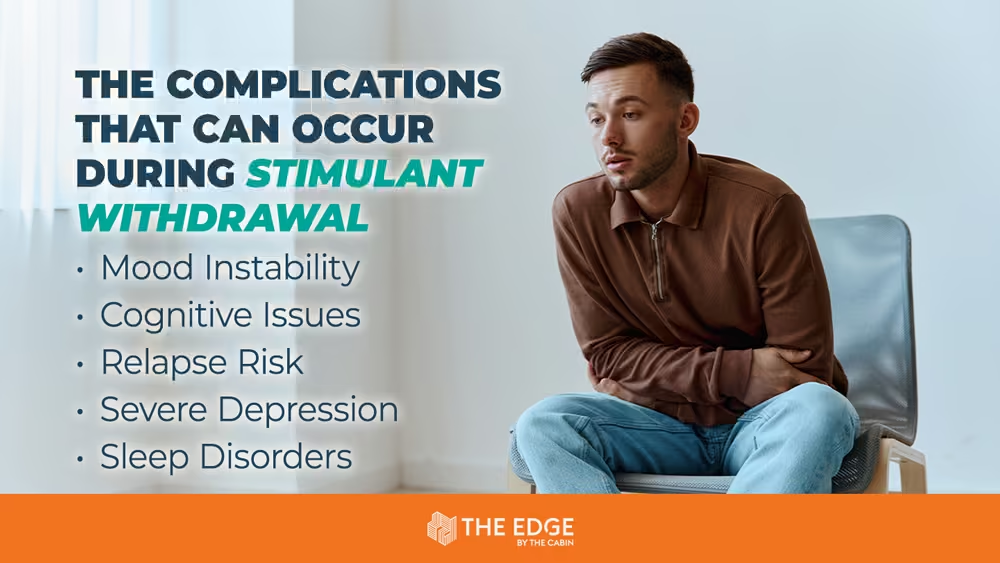
- Mood Instability: Mood instability often develops as dopamine levels fluctuate during the withdrawal process. Emotional unpredictability can complicate daily functioning during this period.
- Cognitive Issues: Cognitive issues, including memory problems and reduced concentration, frequently accompany the withdrawal timeline. These difficulties improve gradually as brain chemistry stabilizes.
- Relapse Risk: Relapse risk increases significantly during withdrawal due to intense cravings and emotional distress. This risk often peaks during the early crash and acute phases.
- Severe Depression: Severe depression may develop in some cases, requiring prompt medical or psychiatric evaluation. This complication represents one of the more serious risks during withdrawal.
- Sleep Disorders: Sleep disorders can persist beyond the acute withdrawal phase, affecting long-term recovery stability. Ongoing sleep difficulty may require additional supportive treatment.
How does Stimulant Withdrawal increase relapse risk?
Stimulant withdrawal increases relapse risk by creating a neurochemical imbalance from dopamine depletion that produces intense cravings and emotional distress. The brain’s reward system, weakened by prior stimulant use, seeks to restore its previous level of stimulation during this period. Depression, anxiety, and anhedonia often intensify the urge to return to stimulant use as a means of temporary relief. Fatigue and cognitive difficulties can further weaken resolve during the most challenging phase of withdrawal. Cravings frequently peak during the early crash and acute phases, coinciding with the highest relapse risk. Professional treatment and consistent support during this period significantly reduce the likelihood of returning to stimulant use. Structured coping strategies help address this risk directly as the brain’s chemistry gradually stabilizes.
No matter what type of addiction you are facing, recovery is possible
Push yourself one step further to The Edge by contacting our admissions team for a confidential, 24/7 consultation and take the first step toward a brighter tomorrow!