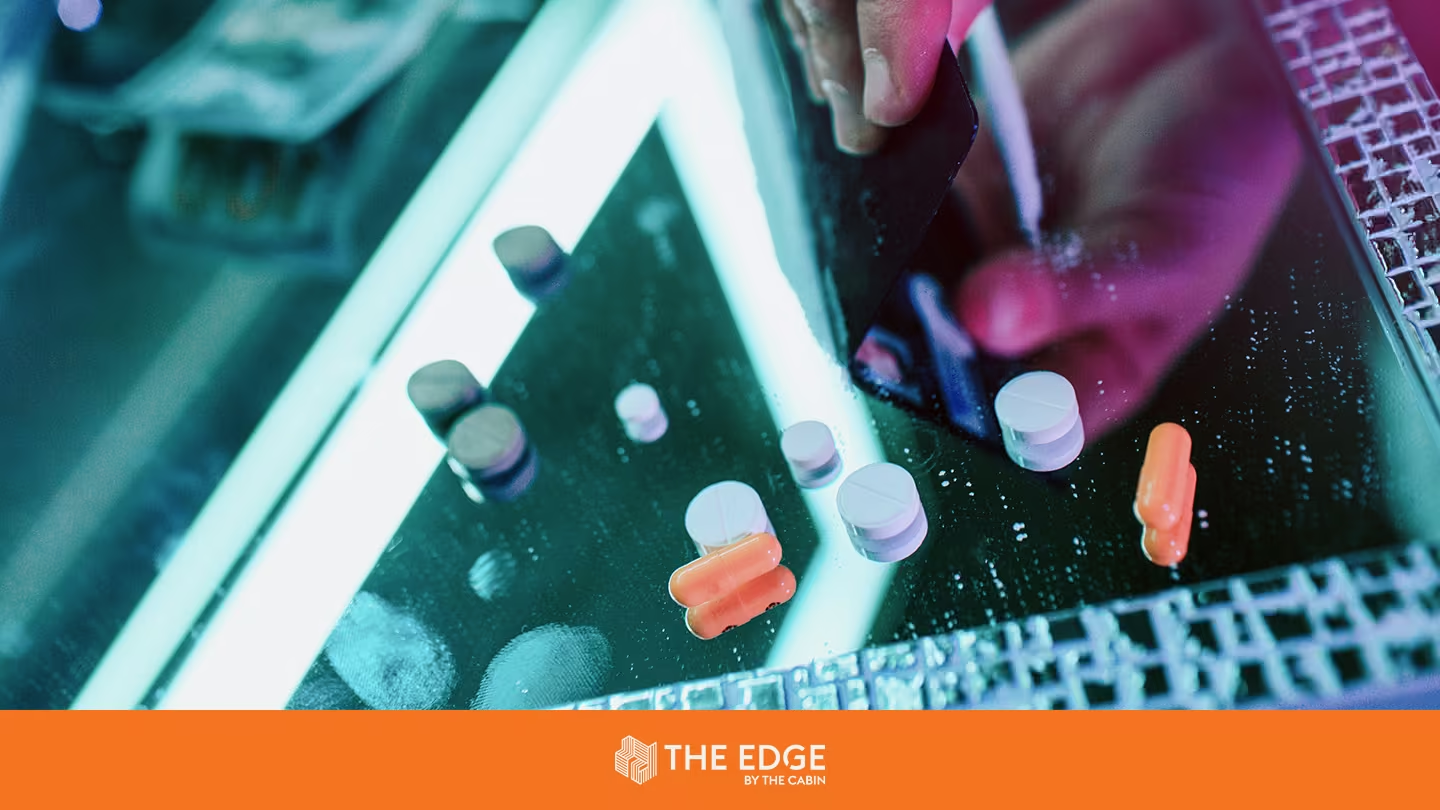
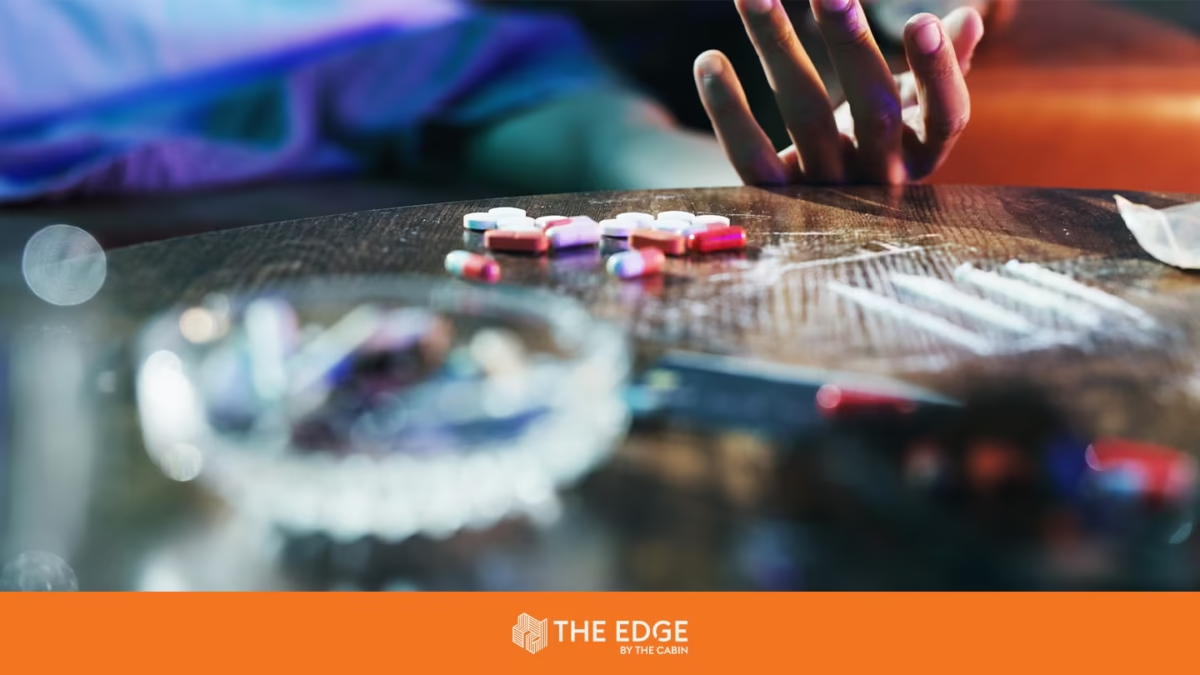
Misuse of prescription drugs creates significant health, behavioral, safety, and recovery-related risks when medication is used in ways that differ from a healthcare provider’s instructions or prescribed directions.
The issue differs from drug addiction because misuse refers to improper medication use, while addiction involves compulsive drug use that continues despite negative consequences and harm. Opioid misuse can affect teenagers by increasing the risk of overdose, impaired judgment, physical dependence, academic difficulties, and emotional distress that may impact daily functioning and well-being. Prescription drug addiction treatment may include medical detox, inpatient rehabilitation, outpatient rehabilitation, intensive outpatient programs, individual therapy, support groups, and structured aftercare planning tailored to a client’s recovery needs. Early intervention and professional support may reduce health risks, improve recovery outcomes, and help individuals develop safer medication habits and healthier long-term coping strategies.
What is the Definition of Misuse of Prescription Drugs?
Misuse of prescription drugs means using medication in a manner that does not follow the directions provided by a licensed healthcare professional. This behavior may include taking a higher dose than prescribed, using medication more frequently than directed, taking someone else’s prescription medication, or using medication for nonmedical purposes or desired effects. Medical instructions are not being followed when medication is used outside the approved dose, schedule, intended purpose, or by someone other than the person for whom it was prescribed. Such use becomes inappropriate because prescription medications are prescribed based on a specific patient’s medical condition, dosage requirements, treatment goals, and safety considerations. Health risks may increase when misuse affects breathing, alertness, mood, heart function, sleep quality, judgment, coordination, or overall physical and mental functioning. Misuse can lead to serious consequences, including physical dependence, overdose, withdrawal symptoms, addiction, legal complications, and strain within personal relationships. Prescription drug misuse does not always indicate addiction, but repeated or ongoing misuse can significantly increase the risk of developing an addiction. Professional guidance may help individuals better understand medication safety, identify harmful patterns of use, and reduce the risks associated with prescription drug misuse.
What are Prescription Drugs?

The types of prescription drugs are listed below, along with their common medical uses and potential risks when they are used outside prescribed medical directions.
- Pain Relievers: Pain relievers are medications used to manage pain resulting from injury, surgery, illness, or chronic health conditions. Opioid pain relievers may carry risks of misuse, physical dependence, and overdose when they are used outside prescribed medical directions.
- Antibiotics: Antibiotics are medications used to treat bacterial infections and help prevent the spread or worsening of illness. Misuse may include taking leftover antibiotics, skipping prescribed doses, stopping treatment too early, or using them without a current prescription.
- Antidepressants: Antidepressants are medications used to manage depression, anxiety disorders, and other related mood conditions. Safe use requires ongoing medical supervision, because sudden dosage changes or discontinuation may contribute to withdrawal-like symptoms or the return of underlying symptoms.
- Stimulants: Stimulants are medications commonly prescribed for attention-related disorders and certain sleep conditions. Misuse may involve taking them to increase energy, improve academic performance, support weight control, or enhance productivity beyond their intended medical purpose.
- Sedatives: Sedatives are medications used to reduce anxiety, promote relaxation, or support healthy sleep patterns. Misuse may increase the risk of excessive sedation, impaired judgment, physical dependence, respiratory complications, and potentially dangerous interactions with other substances or medications.
Are Prescription Drugs Only Available With a Doctor’s Approval?
Yes, prescription drugs are generally only available with approval from a licensed healthcare provider. They are regulated medications because they can have powerful effects on the body and may cause harm when used incorrectly or without appropriate medical supervision. Authorization is required so a healthcare provider can assess symptoms, establish a diagnosis, review medical history, evaluate potential drug interactions and allergies, and determine the appropriate dosage requirements. Medical oversight is important because some prescription medications may lead to physical dependence, withdrawal symptoms, overdose, or serious side effects when they are not used properly. Safety is improved when medication is used only by the person for whom it was prescribed and taken exactly according to medical instructions. Proper use is supported through follow-up appointments, clear dosage instructions, pharmacy oversight, and ongoing monitoring when necessary. Some medications are subject to stricter regulations and monitoring requirements because they carry a higher risk of misuse, dependence, or addiction. A prescription does not automatically make a medication safe for every individual or every situation, which is why professional medical guidance remains an important part of safe medication use.
Adolescent Prescription Drugs Misuse Leads to Higher Rates of Addiction
At The Edge, we recognise the challenges prescription drug misuse brings to young men and their families. Our specialised treatment programme is designed to support those battling addiction and help them reclaim their lives.
How does Prescription Drug Misuse Differ From Drug Addiction?
Prescription drug misuse differs from drug addiction in that misuse describes improper medication use, while addiction involves compulsive drug use that continues despite harmful consequences. Misuse is a behavior that may occur once or repeatedly and can include taking higher doses than prescribed, using another person’s medication, or taking a prescription drug for a nonmedical purpose. Addiction is a chronic condition characterized by cravings, loss of control over use, continued use despite negative consequences, and, in some cases, tolerance or withdrawal symptoms. Misuse does not always indicate addiction, because a person can use medication improperly without developing compulsive patterns of use or impaired control. Repeated misuse can increase the risk of addiction when it begins to affect the brain’s reward, stress-response, and self-control systems over time. Misuse and drug addiction are not the same, because misuse describes the manner in which a drug is used, while addiction describes a condition marked by impaired control, compulsive use, and ongoing harm. Early intervention is important because unsafe patterns of use can increase health and behavioral risks before addiction develops. Treatment planning may differ depending on whether a person is experiencing occasional misuse, physical dependence, withdrawal symptoms, co-occurring mental health conditions, or a diagnosable substance use disorder.
What does Drug Misuse Mean?
Drug misuse means using a medication or substance in a way that is not intended, prescribed, or medically directed. Use becomes inappropriate when prescribed directions, dosage limits, timing instructions, intended medical purposes, or prescription ownership requirements are not followed. Directions are not being followed when medication is taken more frequently, in larger amounts, or through a different method of administration than originally prescribed. Risk increases because the drug may negatively affect breathing, alertness, mood, heart rate, sleep quality, memory, judgment, or other important physical and cognitive functions. Harm may occur even when the medication was originally obtained through a legal prescription and prescribed for a legitimate medical purpose. Prevention is important because education, safe medication storage, proper disposal practices, and honest communication with healthcare providers can help reduce the likelihood of misuse. Drug misuse can involve opioids, stimulants, sedatives, sleeping medications, benzodiazepines, and a variety of other prescription or controlled medications. Professional support may be beneficial when misuse becomes repetitive, difficult to control, or begins to create health, behavioral, or safety-related concerns
Can Misuse Happen Without Addiction?
Yes, misuse can occur without addiction. A person may misuse medication on one occasion or multiple occasions without developing compulsive patterns of use or an addiction. Misuse and addiction are different concepts, because misuse describes unsafe, inappropriate, or unauthorized use, while addiction involves a loss of control and continued use despite harmful consequences. Not all misuse develops into addiction, particularly when the behavior is addressed early, and appropriate safety guidance is followed. Risks still exist because even a single episode of misuse can result in overdose, dangerous side effects, harmful drug interactions, or accidental injury. Early intervention is helpful because repeated misuse may increase the likelihood of tolerance, physical dependence, withdrawal symptoms, or drug cravings over time. Medical guidance can help individuals return to safe medication use or discontinue the medication safely when appropriate. Assessment is particularly important when misuse occurs alongside stress, chronic pain, insomnia, anxiety, trauma-related concerns, or a history of substance use, as these factors may increase the risk of ongoing problems.
Why do People Misuse Prescription Medicine?
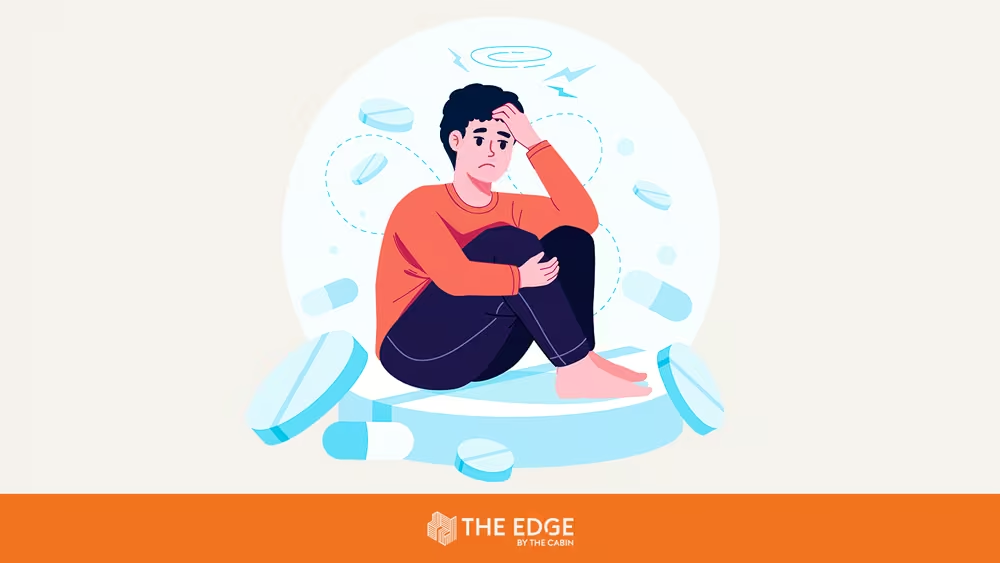
People misuse prescription medicine for a variety of reasons, including relieving symptoms, improving performance, managing emotions, sleeping, staying awake, reducing pain, or experiencing certain physical or psychological effects. Motivations can vary widely because misuse may stem from untreated pain, anxiety, peer pressure, academic demands, workplace stress, curiosity, trauma, or easy access to medication within the home. Personal reasons also differ from one individual to another, with some people using medication to escape emotional distress and others using it to increase focus, energy, or productivity. Access can play a significant role in misuse when unused medications, shared prescriptions, or improper storage practices make prescription drugs easier to obtain. Risks increase when medication is taken without a medical assessment or used outside prescribed directions, dosage guidelines, or treatment recommendations. Education supports prevention by helping people understand dosage limits, potential side effects, dependence risks, overdose warning signs, and the importance of proper medication disposal. Prescription drug misuse can occur among teenagers, young adults, adults, and older adults, affecting individuals across a wide range of age groups. Early support and intervention may help reduce harm, address unsafe patterns of use, and lower the risk of dependence or addiction developing over time.
Which Prescription Drugs are Most Often Abused?
The prescription drugs most often abused are listed below, along with their common medical uses and the risks associated with misuse.
- Opioids: Opioids are prescription pain medications commonly used to treat moderate to severe pain. Misuse may affect breathing, alertness, judgment, and physical functioning while also increasing the risks of dependence, overdose, and other serious health complications.
- Stimulants: Stimulants are medications prescribed for attention-related disorders and certain sleep disorders. Misuse may involve attempts to increase energy, improve focus, support weight control, enhance studying, or boost academic, athletic, or workplace performance.
- Sedatives: Sedatives are medications used to reduce anxiety or support sleep by slowing activity within the central nervous system. Misuse may increase the risk of excessive drowsiness, falls, memory impairment, physical dependence, and dangerous interactions with other substances or medications.
- Benzodiazepines: Benzodiazepines are calming medications commonly prescribed for anxiety, panic disorders, seizure management, or short-term sleep difficulties. Misuse may lead to tolerance, physical dependence, withdrawal symptoms, impaired functioning, and severe sedation.
- Sleeping Pills: Sleeping pills are medications used to help manage insomnia and other sleep-related difficulties. Misuse may cause impaired alertness, confusion, unusual sleep-related behaviors, physical dependence, or withdrawal symptoms when use is reduced or stopped abruptly.
How does Opioid Misuse Affect Teenagers?
Opioid misuse can affect teenagers by increasing health, behavioral, academic, emotional, and dependency-related risks that may interfere with healthy development and daily functioning. Teenagers have developing brains, and opioid exposure may affect judgment, impulse control, reward processing, decision-making abilities, and the perception of risk. Misuse can impair judgment and increase the likelihood of unsafe driving, dangerous combinations with alcohol or other substances, risky social behaviors, and potentially life-threatening overdose events. The risk of dependence increases when opioid use becomes repetitive, particularly when medications are used without a prescription, taken in higher doses than intended, or used more frequently than directed. Early intervention is important because teen opioid misuse may be associated with mental health symptoms, peer pressure, trauma, family stress, untreated pain, or other underlying challenges that require attention. Long-term effects may include academic difficulties, legal problems, relationship conflict, withdrawal symptoms, an increased risk of addiction, and reduced emotional stability over time. Families and healthcare providers may need to watch for warning signs such as sleep disturbances, missing medication, mood changes, increased secrecy, declining academic performance, and sudden shifts in social behavior. The teen opioid addiction care may include medical assessment, individual therapy, family support services, medication-assisted treatment when appropriate, and structured recovery planning designed to support long-term well-being.
If misuse is becoming a habit
It’s time to understand why and take action, which is why it is important to seek lasting and effective help for young people who are misusing it.
Are Some Prescription Drugs More Addictive Than Others?
Yes, some prescription drugs have a greater potential for addiction than others, depending on how they affect the brain and body. Addiction risk can vary based on the type of medication, dosage, duration of use, personal and family history, mental health status, and the way the medication is used. Opioids carry a higher risk of addiction because they affect both pain-relief mechanisms and the brain’s reward pathways, which may contribute to tolerance, physical dependence, and overdose risk. Sedatives may also have a high addiction potential, because they slow nervous system activity and can lead to physical dependence when misused repeatedly or over extended periods. Stimulants may carry a significant misuse risk when they are used to increase energy, improve focus, support weight control, or produce feelings of euphoria. Medical supervision is important because healthcare providers can monitor dosage levels, side effects, refill patterns, and early warning signs of misuse or dependence. Misuse increases addiction and safety risks when medication is taken in larger amounts, used more frequently than prescribed, obtained without a prescription, or combined with alcohol or other substances. Safer medication use depends on following prescribed dosing instructions, storing medication securely, maintaining honest communication with healthcare providers, and seeking timely support when concerns or warning signs arise.
How Can Someone Misuse Prescription Drugs?
Prescription drugs can be misused by taking incorrect doses, using them without a prescription, or taking them for purposes other than those intended by a healthcare provider. Misuse can take many forms, because medication may be taken at the wrong time, in the wrong amount, by someone other than the intended patient, or for a reason that differs from its prescribed purpose. Directions are not being followed when a person changes dosage frequency, crushes pills, combines medications, alters the method of use, or ignores important warning labels and instructions. Unauthorized use occurs when prescription medication is shared, borrowed, purchased without authorization, or taken from another individual. Health consequences may occur because the medication was not prescribed based on that person’s medical history, current health condition, or individual treatment needs. Proper use is essential because prescription drugs can interact with alcohol, other medications, sleep-related issues, mental health symptoms, and existing medical conditions in potentially harmful ways. Misuse can occur with opioids, stimulants, sedatives, benzodiazepines, sleeping pills, antidepressants, and many other prescription medications. Professional guidance may help identify unsafe patterns early and reduce the likelihood of misuse progressing to dependence, addiction, or other serious health concerns.
What are Common Examples of Medication Misuse?
Common examples of medication misuse are listed below, along with an explanation of why these behaviors may increase health and safety risks.
- Taking Extra Doses: Taking extra doses means using more medication than prescribed or exceeding recommended dosage instructions. This behavior may increase the risk of side effects, overdose, tolerance, physical dependence, and other serious health complications.
- Using Another Person’s Medication: Using another person’s medication means taking a drug that was prescribed for someone else. This practice is unsafe because dosage requirements, medical diagnoses, allergies, and potential drug interactions have not been evaluated for the individual using the medication.
- Using for Different Purposes: Using medication for different purposes means taking it for effects that were not intended by the prescribing healthcare provider. Examples may include using stimulants to improve studying or productivity, or using opioids to manage stress, emotional discomfort, or other nonmedical concerns.
- Changing Dose Frequency: Changing dose frequency means taking medication more often or less often than directed. Incorrect scheduling may increase the likelihood of side effects, withdrawal symptoms, reduced treatment effectiveness, or treatment failure.
- Ignoring Instructions: Ignoring instructions means taking medication in a way that conflicts with label directions or healthcare provider guidance. Improper use may include mixing medication with alcohol, crushing pills that are intended to be swallowed whole, altering the method of administration, or stopping treatment suddenly without medical advice.
Is Taking Another Person’s Medicine Considered Misuse?
Yes, taking another person’s prescribed medication is considered medication misuse. The medication was not prescribed based on that individual’s medical condition, health history, treatment needs, or safety considerations. Proper authorization is absent because a licensed healthcare provider did not evaluate the appropriate dosage, potential risks, allergies, drug interactions, or diagnosis for the person taking the medication. Safety risks may increase when the medication affects breathing, alertness, heart rate, mood, sleep patterns, coordination, or other important physical and cognitive functions. Harmful effects may occur even when the medication was safe and effective for the person who originally received the prescription. Medical guidance is important because prescription medications can interact with alcohol, other medications, and existing health conditions in potentially dangerous ways. Taking another person’s opioid, stimulant, sedative, benzodiazepine, or sleeping medication can be especially risky due to the potential for serious side effects, dependence, overdose, or harmful drug interactions. Safe medication use requires the correct patient, appropriate dosage, proper timing, a legitimate medical purpose, and ongoing healthcare provider oversight.
What Effects Can Prescription Drug Misuse Have on the Body?
Prescription drug misuse can affect the brain, heart, lungs, liver, digestive system, coordination, sleep, mood, and overall physical and mental functioning throughout the body. The effects can vary depending on the type of medication involved, the dosage taken, the individual’s overall health, and whether other substances are being used at the same time. Multiple body systems can be affected because prescription drugs may alter breathing, heart rate, blood pressure, sleep patterns, digestion, coordination, alertness, and emotional regulation. The risk of side effects and complications increases when medication is taken in higher doses than prescribed, mixed with alcohol, or used without appropriate medical supervision. Potential health complications include overdose, falls, accidental injuries, physical dependence, withdrawal symptoms, memory impairment, mood disturbances, and strain on vital organs. Risks vary depending on the drug involved, because opioids can slow breathing, stimulants can place additional strain on the heart, and sedatives can cause excessive drowsiness and impaired functioning. Mental health effects may include anxiety, depression, irritability, paranoia, emotional instability, or worsening of existing mental health symptoms. Medical support is important when misuse causes severe symptoms, creates safety concerns, or becomes difficult to stop without professional assistance.
What are the Short-Term Effects of Prescription Drugs?
The short-term effects of prescription drugs are listed below. These effects can vary depending on the medication, dosage, individual health factors, and whether the medication is being used as directed.
- Drowsiness: Drowsiness refers to reduced alertness, slower reaction times, and an increased risk of accidents during activities such as driving, operating machinery, or performing work-related tasks. Sedatives, opioids, and sleeping medications may cause significant drowsiness, particularly when misused or taken in higher doses.
- Dizziness: Dizziness may involve balance difficulties, lightheadedness, feelings of faintness, or unsteady movement. This effect may increase the risk of falls, accidents, and other injuries, especially in vulnerable individuals.
- Nausea: Nausea refers to stomach discomfort, queasiness, or the urge to vomit. Opioids, antibiotics, and several other prescription medications may cause nausea as a short-term side effect in some individuals.
- Mood Changes: Mood changes may include emotional shifts such as irritability, anxiety, sadness, calmness, elevated energy levels, or unexpected changes in emotional state. Prescription drug misuse may contribute to greater emotional instability and unpredictable mood fluctuations.
- Impaired Judgment: Impaired judgment refers to reduced decision-making ability, decreased awareness of potential risks, and difficulty evaluating consequences. This effect may increase the likelihood of unsafe driving, risky behaviors, poor decision-making, or dangerous combinations of drugs and alcohol.
Can Misusing Prescription Drugs Cause Immediate Harm?
Yes, prescription drug misuse can cause immediate harm, and in some cases, the consequences may become serious or life-threatening within a short period of time. Serious reactions may occur quickly when a person takes excessive amounts of medication, combines multiple drugs, consumes alcohol while using medication, or takes a medication without proper medical guidance. Side effects may become more severe because the body may not tolerate the dosage, method of use, or combination of substances involved. Medical emergencies can develop when opioids significantly slow breathing, sedatives cause extreme drowsiness, stimulants place excessive strain on the heart, or severe allergic reactions occur. Prompt medical attention may be required for symptoms such as chest pain, breathing difficulties, seizures, confusion, fainting, blue or gray lips, severe agitation, or loss of consciousness. These risks should not be ignored, because prescription medications can have powerful effects on the body even when they have been legally prescribed and dispensed. Immediate harm may also include falls, accidental injuries, blackouts, panic reactions, vomiting, impaired coordination, or overdose. Safe storage practices, correct dosing, adherence to medical instructions, and seeking help early when concerns arise can help reduce the risk of immediate harm.
Self-medication can lead to dependence
If a young man you care about is self-medicating, please contact us to learn how The Edge can help your son transition to a happier, healthier lifestyle once again.
What are the Long-Term Consequences of Prescription Drug Abuse?
The long-term consequences of prescription drug abuse are listed below. The severity of these consequences can vary depending on the type of medication involved, the duration of misuse, and the individual’s overall health and circumstances.
- Dependence: Dependence occurs when the body adapts to the presence of a drug and responds negatively when the medication is reduced or discontinued. Withdrawal symptoms may develop after prolonged use or repeated misuse, making it difficult to stop without support.
- Addiction: Addiction is characterized by compulsive drug use despite harmful consequences. This pattern may involve intense cravings, loss of control over use, continued use despite negative outcomes, and difficulty reducing or stopping use without treatment.
- Health Problems: Long-term health problems may affect breathing, heart function, sleep quality, digestion, pain sensitivity, liver health, memory, coordination, and overall physical functioning. The specific risks depend on the medication involved and the pattern of misuse.
- Mental Health Issues: Mental health issues may include anxiety, depression, irritability, mood instability, paranoia, or worsening trauma-related symptoms. Prescription drug misuse may also intensify existing mental health conditions and make symptom management more difficult over time.
- Social Difficulties: Social difficulties may include relationship conflict, neglected responsibilities, academic challenges, declining work performance, financial strain, or legal consequences. Personal, professional, and family responsibilities may be negatively affected when misuse becomes frequent or ongoing.
What are the Signs of Prescription Drug Addiction?
The signs of prescription drug addiction are listed below. These signs may vary from person to person, but they often indicate that medication use has become difficult to control and is beginning to cause harm.
- Cravings: Cravings are intense urges or persistent desires to use the medication again. These urges may become stronger during periods of stress, physical pain, withdrawal, emotional distress, or exposure to people, places, or situations associated with drug use.
- Loss of Control: Loss of control refers to difficulty reducing, limiting, or stopping medication use. A person may take larger amounts than intended, use the medication for longer than planned, or continue using despite repeated attempts to stop.
- Tolerance: Tolerance occurs when increasing amounts of a medication are needed to achieve the same effect that was previously experienced with a lower dose. Tolerance may increase the risk of dependence, misuse, and overdose.
- Withdrawal Symptoms: Withdrawal symptoms occur when the body reacts to a reduction or absence of the drug after regular use. Symptoms may include anxiety, sweating, insomnia, nausea, pain, mood changes, shaking, or other forms of physical and emotional discomfort.
- Continued Use Despite Harm: Continued use despite harm means a person continues using the medication even when it is causing significant problems or negative consequences. These consequences may affect physical health, mental well-being, relationships, academic performance, employment, finances, or legal standing.
Can Long-Term Misuse Lead to Dependence?
Yes, long-term misuse can lead to both physical and psychological dependence, particularly when medication is used repeatedly over an extended period. The body may gradually adapt to the presence of a drug when it is used repeatedly, especially at higher doses or outside appropriate medical supervision. Tolerance may develop when the same dosage produces a reduced effect over time, leading some individuals to take larger amounts in an attempt to achieve the desired result. Withdrawal symptoms may occur when the medication is reduced, discontinued, or unavailable after dependence has developed. Dependence increases risk, because physical or emotional discomfort may encourage continued use even when harmful consequences become apparent. Professional treatment may be necessary when stopping the medication causes significant withdrawal symptoms or when cravings begin to interfere with daily responsibilities and overall functioning. Medical tapering may be required for certain medications, particularly sedatives, benzodiazepines, and some antidepressants, to help reduce withdrawal risks and improve safety during discontinuation. Professional support can help reduce withdrawal-related risks, provide medical oversight, and guide a safer and more effective recovery plan.
How Can Prescription Drug Addiction Be Treated?

Prescription drug addiction can be treated through a combination of medical care, therapeutic interventions, and recovery support services that address both substance use and overall well-being. Treatment plans vary from person to person because factors such as medication type, level of dependence, withdrawal risk, mental health status, age, family support, and relapse history can influence treatment needs. Professional guidance is important because some prescription drugs require medical detoxification or carefully supervised tapering to reduce withdrawal risks and improve safety during treatment. Recovery requires ongoing effort because addiction may involve cravings, environmental triggers, emotional distress, and learned behavioral patterns that can continue after substance use has stopped. Multiple treatment approaches may be used, including medical assessment, medication-assisted treatment when appropriate, cognitive behavioral therapy (CBT), counseling, support groups, family therapy, and structured rehabilitation programs. Long-term improvement is more likely when treatment addresses both substance use and underlying concerns such as chronic pain, anxiety, trauma, depression, or sleep-related difficulties. Opioid addiction treatment may include FDA-approved medications when they are clinically appropriate and incorporated into a comprehensive treatment plan. Aftercare plays an important role in relapse prevention by providing ongoing support and continuity of care after the initial stage of treatment has ended.
What Treatment Options are Available for Prescription Drug Abuse?
The treatment options available for prescription drug abuse are listed below. Treatment plans may include one or more of these approaches depending on the individual’s needs, level of dependence, and overall health.
- Medical Treatment: Medical treatment provides professional care for withdrawal symptoms, physical dependence, overdose risks, medication management, and co-occurring medical or mental health concerns. Healthcare providers may adjust treatment plans based on symptoms, response to care, and overall safety considerations.
- Behavioral Therapy: Behavioral therapy helps address unhealthy patterns of thinking and behavior by teaching coping skills, trigger management strategies, refusal skills, and relapse prevention techniques. Cognitive behavioral therapy (CBT) may help clients recognize and challenge thoughts and beliefs that contribute to prescription drug misuse.
- Counseling: Counseling provides emotional support for challenges such as stress, chronic pain, trauma, anxiety, shame, or relationship difficulties. Individual counseling can help identify underlying reasons for misuse and support the development of healthier coping strategies.
- Support Groups: Support groups encourage recovery through shared experiences, accountability, mutual understanding, and peer support. Ongoing group connection may help reduce feelings of isolation and strengthen motivation for long-term recovery.
- Rehabilitation Programs: Rehabilitation programs provide structured treatment for prescription drug misuse or addiction within a supportive and supervised environment. Programs may include therapy, educational services, medication support, relapse prevention planning, life skills development, and aftercare planning to support continued recovery after treatment.
What Types of Rehabilitation Programs are Used for Prescription Drug Addiction?

The types of rehabilitation programs used for prescription drug addiction are listed below. The most appropriate option depends on factors such as addiction severity, medical needs, mental health concerns, living environment, and recovery goals.
- Inpatient Rehabilitation: Inpatient rehabilitation provides residential treatment within a structured environment that includes ongoing care, supervision, and therapeutic support. This type of program may be appropriate for individuals with severe addiction, unstable living situations, a high risk of relapse, or co-occurring mental health conditions.
- Outpatient Rehabilitation: Outpatient rehabilitation allows individuals to receive treatment while continuing to live at home and maintain certain daily responsibilities. This option may be suitable for those with strong support systems, lower medical risks, and the ability to attend scheduled treatment sessions consistently.
- Intensive Outpatient Programs: Intensive outpatient programs (IOPs) provide a higher level of structured support for several days each week without requiring residential care. These programs may include group therapy, individual counseling, relapse prevention planning, family involvement, and ongoing recovery support.
- Medical Detox Programs: Medical detox programs are designed to manage withdrawal symptoms and reduce safety risks during the early stages of recovery. Detoxification may be especially important for opioids, benzodiazepines, sedatives, and other medications associated with physical dependence and potentially serious withdrawal effects.
- Aftercare Programs: Aftercare programs provide long-term recovery support after formal treatment has ended and are often considered an important part of the types of rehabilitation programs available during the recovery process. Services may include ongoing therapy, support groups, medication management follow-up, relapse prevention planning, recovery coaching, and sober living support when appropriate.
How Can Drug Rehab for Young Adults Support Long-Term Recovery?
Drug rehab for young adults can support long-term recovery by providing age-appropriate treatment, education, life-skills development, and recovery support tailored to the unique challenges faced during this stage of life. Young adults often face unique developmental needs related to education, employment, personal identity, independence, peer influence, family dynamics, and emotional regulation, all of which can affect recovery outcomes. Specialized care is most effective when treatment addresses mental health concerns, practical life skills, relapse triggers, social influences, and other factors that may contribute to substance use. Recovery skills are often developed through therapy, peer group support, relapse prevention education, communication training, problem-solving strategies, and structured daily routines. Long-term recovery outcomes may improve when young adults receive support that is specifically designed to match their developmental stage, personal responsibilities, and future goals. Relapse risk may decrease when treatment includes coping skills training, family education, medication management when clinically appropriate, and comprehensive aftercare planning. Prescription drug misuse among young adults may involve opioids, stimulants, sedatives, sleeping medications, or other commonly prescribed substances. The drug rehab for young adults helps connect early recovery with important areas of life, including education, employment, relationships, personal growth, and long-term future goals.
Is Recovery From Prescription Drug Addiction Possible?
Yes, recovery from prescription drug addiction is possible with appropriate treatment, ongoing support, and a commitment to the recovery process. Many individuals achieve lasting improvement when treatment addresses withdrawal symptoms, cravings, mental health concerns, personal triggers, and the risk of relapse. Recovery takes time because prescription drug addiction may involve physical dependence, emotional distress, chronic pain, sleep difficulties, trauma-related concerns, or ongoing stress that require continued attention and support. Support is important because therapy, medication management when appropriate, family involvement, and support groups can help improve stability and strengthen long-term recovery efforts. Meaningful progress is achievable when individuals follow treatment recommendations, develop healthier routines, and actively participate in their recovery plan. Long-term recovery success is more likely when aftercare and ongoing support continue after detoxification or formal rehabilitation programs have ended. Relapse can occur during the recovery process, but it does not mean that treatment has failed or that recovery is no longer possible. Ongoing care helps individuals adjust their recovery plan, address new challenges, and remain focused on their long-term recovery goals.
When Should Someone Seek Drug and Alcohol Rehab for Prescription Drug Addiction?
A person should seek drug and alcohol rehab for prescription drug addiction when prescription drug use becomes difficult to control or begins to cause significant problems in daily life, health, or overall functioning. Early treatment may be especially beneficial when misuse involves taking extra doses, experiencing cravings, developing withdrawal symptoms, hiding medication use, doctor shopping, mixing medications, or using another person’s prescription. Warning signs should not be ignored when prescription drug use begins to affect physical health, academic performance, employment, relationships, financial stability, legal well-being, or emotional health. Professional help should be considered when a person is unable to stop using prescription drugs despite repeated efforts to reduce or quit. Early intervention often improves outcomes because treatment can address developing risks before the consequences become more serious or difficult to manage. Recovery can begin sooner when medical support, therapy, relapse prevention strategies, and aftercare planning are introduced at an early stage. The drug and alcohol rehab may be particularly helpful when prescription drug misuse occurs alongside alcohol use, opioid misuse, sedative misuse, stimulant misuse, or co-occurring mental health symptoms that require integrated care. A comprehensive clinical assessment can help determine whether medical detox, inpatient rehabilitation, outpatient rehabilitation, an intensive outpatient program (IOP), or aftercare services are the most appropriate options for the individual’s needs and recovery goals.
The Edge Crete Designed to Get Young Men Back on Track
When a young man is excited about his future, amazing things can happen. The Edge provides a holistic rehab program abroad, creating distance from addiction influences while offering privacy and adventure.