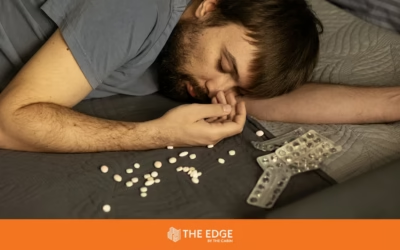
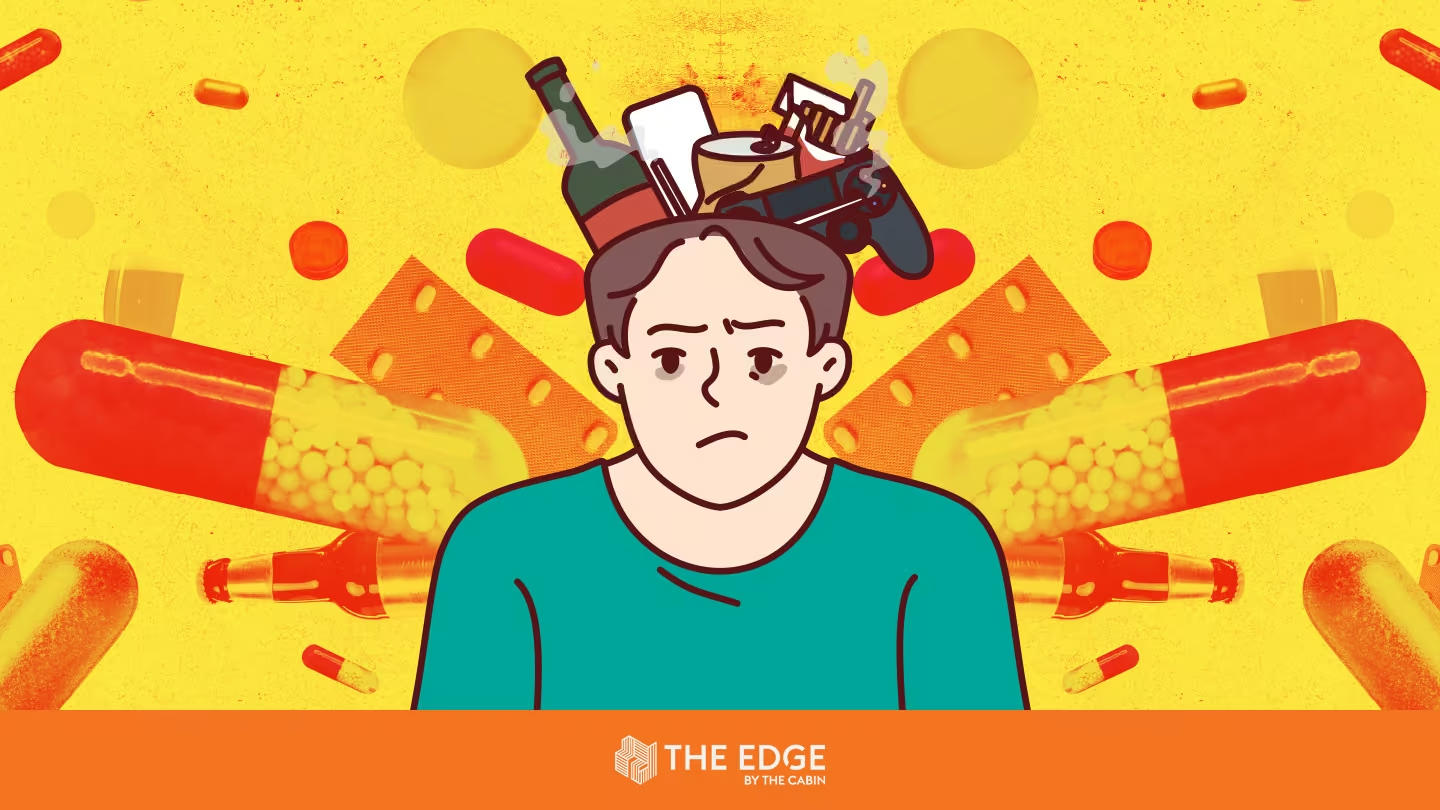
Addiction is a complex psychological, behavioral, and physiological condition characterized by the compulsive pursuit of rewarding substances or behaviors despite harmful consequences to health, relationships, finances, education, or overall well-being.
Individuals may develop addiction through a combination of genetic vulnerabilities, environmental influences, mental health challenges, traumatic experiences, chronic stress, and repeated exposure to addictive substances or behaviors. Common causes often include anxiety, depression, unresolved trauma, family history of addiction, social pressures, and the use of substances as a way to cope with emotional or psychological distress. Recognizing warning signs such as physical cravings, loss of control, increased tolerance, withdrawal symptoms, social withdrawal, mood changes, secrecy, and continued engagement despite negative consequences is essential for early intervention and effective treatment. Addiction can involve substances such as alcohol, opioids, stimulants, nicotine, and prescription medications, as well as behavioral addictions that affect the brain’s reward system in similar ways. Specialized support for young adults at a drug rehab facility can provide age-appropriate therapy, life skills development, emotional support, and evidence-based coping strategies that promote long-term recovery. Prevention strategies focus on education, resilience building, mental health awareness, healthy family relationships, positive social environments, and the development of effective coping mechanisms that reduce the likelihood of substance misuse or addictive behaviors. Prevention efforts are most effective when they combine education, emotional resilience, strong support systems, healthy lifestyle habits, and early intervention strategies that address risk factors before addiction develops.
What is Addiction?
Addiction is a chronic condition characterized by a powerful urge to use a substance or engage in a behavior despite experiencing harmful physical, emotional, social, financial, or psychological consequences. The condition develops as the brain undergoes significant changes within its reward, motivation, and decision-making systems, making it increasingly difficult for an individual to control their actions. Dopamine and other neurotransmitters are released in response to the addictive substance or behavior, creating feelings of pleasure, relief, or reward that reinforce repeated engagement over time. As addiction progresses, the brain adapts to these repeated chemical surges, strengthening cravings and reducing the effectiveness of natural rewards such as relationships, achievements, exercise, or everyday activities. The prefrontal cortex, which is responsible for judgment, impulse control, planning, and decision-making, may become less effective, making it more difficult to resist urges or recognize the long-term consequences of continued use. Addiction can involve substances such as alcohol, opioids, stimulants, nicotine, and prescription medications, as well as behaviors such as gambling and other compulsive activities that activate the brain’s reward system. Long-term consequences may affect physical health, mental well-being, relationships, education, employment, financial stability, and overall quality of life. Many individuals also experience increased tolerance, withdrawal symptoms, emotional distress, and a growing loss of control as the condition becomes more severe. Recovery typically requires a comprehensive approach that combines therapy, medical support, behavioral interventions, relapse prevention strategies, and ongoing recovery resources. Social influences, environmental factors, genetic predisposition, mental health conditions, and life experiences can all affect the development and severity of addiction. Strong support systems, including family members, recovery communities, healthcare professionals, and peer networks, often play a vital role in helping individuals maintain sobriety and achieve long-term recovery success.
Why does Addiction Require Rehab?
Addiction requires rehab because it affects physical health, mental well-being, emotional stability, behavior, relationships, and overall daily functioning in ways that are often difficult to overcome without professional support. As addiction progresses, changes in brain chemistry and behavior can make it challenging for individuals to stop using substances or engaging in addictive behaviors through willpower alone. Professional treatment helps manage withdrawal symptoms that may be physically uncomfortable, emotionally distressing, or medically dangerous without appropriate supervision and care. Structured treatment environments provide a safe and supportive setting away from triggers, high-risk situations, and negative influences that can contribute to continued substance use. Therapists help individuals identify and address the underlying psychological, emotional, and behavioral factors that contribute to addiction, including trauma, anxiety, depression, chronic stress, and unhealthy coping patterns. Peer support groups within treatment programs foster connection, accountability, encouragement, and a sense of shared understanding among individuals facing similar challenges. Medical professionals may provide medications, monitoring, and clinical support to assist with withdrawal management, craving reduction, and the stabilization of brain and body function during recovery. Many rehab programs also incorporate relapse prevention planning, life skills development, family support services, and mental health treatment to address the broader impact of addiction on a person’s life. Long-term recovery strategies are developed to help individuals successfully navigate daily responsibilities, maintain sobriety, and manage future challenges after completing treatment. Behavioral therapies encourage the replacement of destructive habits with healthier coping mechanisms, improved decision-making, and positive lifestyle changes that support lasting recovery. Comprehensive care addresses the physical, emotional, psychological, social, and behavioral aspects of addiction, ensuring that every area of an individual’s well-being receives support throughout the recovery process.
Is Addiction a Disease?
Yes, addiction is widely recognized as a chronic brain disease by major medical and healthcare organizations, although it is also understood as a complex condition influenced by biological, psychological, social, and environmental factors. The disorder causes measurable changes in the structure and function of the brain over time, particularly in areas responsible for reward, motivation, decision-making, impulse control, learning, and memory. These neurological changes can make it increasingly difficult for individuals to control substance use or addictive behaviors despite experiencing harmful consequences. Genetic factors contribute significantly to an individual’s vulnerability to addiction, while environmental influences, mental health conditions, trauma, and life experiences can also affect the development and progression of the disease. Medical treatment, behavioral therapy, psychological support, and ongoing recovery services are often necessary to help individuals manage symptoms and achieve long-term recovery. Relapse can occur during recovery and is often viewed as a feature of the chronic nature of addiction rather than evidence that treatment has failed. Similar to other chronic health conditions, addiction may require ongoing management, lifestyle adjustments, and continued support to maintain stability and reduce the risk of recurrence. Professional intervention helps individuals regain control of their lives through evidence-based therapies, medical care, relapse prevention planning, and recovery-focused support systems. Consistent care, ongoing monitoring, and long-term recovery support can significantly improve outcomes and help individuals successfully manage addiction as a chronic health condition.
Does Addiction Always Involve Loss of Control?
Yes, loss of control is considered one of the defining characteristics of addiction and is a key feature that distinguishes addiction from casual, recreational, or occasional substance use. Individuals struggling with addiction often continue using substances or engaging in addictive behaviors even when they recognize the harmful effects on their health, relationships, finances, education, employment, or overall quality of life. As addiction progresses, changes within the brain’s reward system and executive functioning areas can make it increasingly difficult to resist cravings, control impulses, or stop the behavior without support. The brain regions responsible for judgment, decision-making, self-regulation, and impulse control may become less effective, contributing to repeated substance use despite negative consequences. Compulsive behaviors gradually begin to override rational decision-making, causing substance use or addictive activities to become a higher priority than other important responsibilities and goals. Loss of control can appear in different ways, including unsuccessful attempts to quit, using larger amounts than intended, spending excessive time obtaining or using substances, or returning to use after periods of abstinence. This diminished ability to regulate behavior is a central feature of addiction disorders and often requires professional intervention to address effectively. Support, treatment, and recovery services help individuals regain control by addressing the underlying neurological, psychological, and behavioral factors that contribute to compulsive behavior. Therapeutic approaches focus on strengthening decision-making skills, improving emotional regulation, developing healthier coping mechanisms, and reducing the influence of triggers and cravings. Throughout recovery, individuals learn to identify triggers, manage cravings, and respond to high-risk situations with healthier behaviors that support long-term sobriety and improved self-control.
Why do People Develop Addiction?
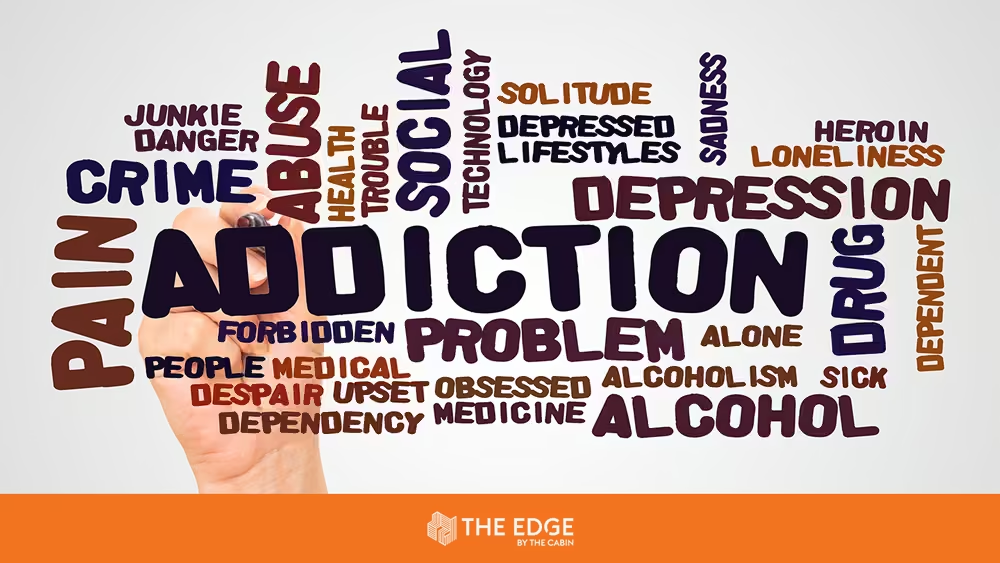
People develop addiction through a complex interaction of biological, psychological, environmental, and social factors that influence how the brain responds to rewarding substances or behaviors. Genetic predisposition can increase an individual’s vulnerability to addiction by affecting brain chemistry, reward sensitivity, impulse control, and the way the body responds to certain substances. Environmental influences such as poverty, family instability, chronic stress, exposure to substance use, peer pressure, and limited access to healthy support systems can further increase the likelihood of developing addictive behaviors. Mental health conditions, including anxiety, depression, post-traumatic stress disorder, bipolar disorder, and other psychological challenges, coexist with addiction and may contribute to substance use as a form of self-medication. Traumatic experiences during childhood or adulthood can significantly increase the risk of addiction by affecting emotional regulation, coping abilities, and overall psychological well-being. Repeated substance use can alter the brain’s reward, motivation, and decision-making systems, reinforcing drug-seeking behavior and making it increasingly difficult to stop despite negative consequences. Social influences, cultural factors, family dynamics, and access to substances can also play important roles in shaping an individual’s risk of addiction and patterns of use. The specific risk factors that contribute to addiction vary from person to person based on unique life experiences, genetics, health history, and environmental circumstances. Early exposure to alcohol, drugs, nicotine, or other addictive substances during adolescence is associated with a greater likelihood of developing more severe substance use disorders later in life, as the brain is still undergoing critical stages of development. The combination and severity of addiction risk factors differ among individuals, which is why prevention, treatment, and recovery approaches are most effective when tailored to each person’s specific needs and circumstances.
What Are the Main Causes of Addiction?
The main causes of addiction are listed below.
- Genetics: Family history may increase the risk of developing a substance use disorder. Genetic variations can influence how the brain responds to pleasure and stress.
- Mental Health: Anxiety, depression, or trauma may contribute to the reliance on substances as a form of self-medication. Psychological struggles drive individuals to seek temporary relief through addictive habits.
- Environment: Social pressure and stress influence behavior by normalizing certain patterns of use. Living in a high-stress household or community can make a person more vulnerable to addiction.
- Substance Exposure: Repeated use changes brain reward systems by flooding the neural pathways with dopamine. The brain may eventually require the substance just to function at a normal level.
- Trauma: Adverse childhood experiences can leave lasting emotional scars that lead to unhealthy coping mechanisms. Individuals may use substances to numb the pain associated with past events.
- Brain Chemistry: Imbalances in neurotransmitters can make some individuals more susceptible to the effects of rewarding stimuli. Neurobiological factors play a significant role in how quickly a habit becomes an addiction.
Can Genetics Increase the Risk of Addiction?

Yes, genetics can increase the risk of addiction by influencing how an individual’s brain and body respond to substances, rewards, stress, and environmental influences. Family history plays an important role in addiction vulnerability, as inherited traits can affect neurotransmitter activity, impulse control, reward sensitivity, stress responses, and the likelihood of developing substance use disorders. Research suggests that genetic factors account for a significant portion of addiction risk, helping explain why some individuals are more susceptible to cravings, dependence, and compulsive substance use than others. Certain genes are associated with how the body metabolizes substances, how reward pathways function, and how strongly an individual responds to pleasurable or reinforcing experiences. Genetics does not act alone, however, and its influence is shaped by environmental factors such as family dynamics, social influences, mental health conditions, trauma, stress, and exposure to substances. Individuals with a family history of addiction may benefit from increased awareness, early prevention efforts, and healthy coping strategies that reduce exposure to known risk factors. Inherited traits do not guarantee that addiction will develop, but they can increase the likelihood of substance misuse when combined with other contributing influences. Understanding genetic risk factors can help individuals, families, and healthcare professionals make informed decisions about prevention, early intervention, and treatment planning. Research continues to identify specific genetic markers and biological pathways associated with addiction, improving the understanding of how inherited characteristics contribute to different forms of substance use disorders and addictive behaviors. Greater awareness of genetic vulnerability can encourage proactive prevention strategies, early support, and healthier lifestyle choices that may help reduce the risk of developing addiction.
BECAUSE YOUNG MEN ARE AT HIGH RISK FOR ADDICTION
At The Edge, we understand that these struggles can feel overwhelming. That’s why our approach focuses on treating the whole person.
How can you Recognize Early Addiction Signs?
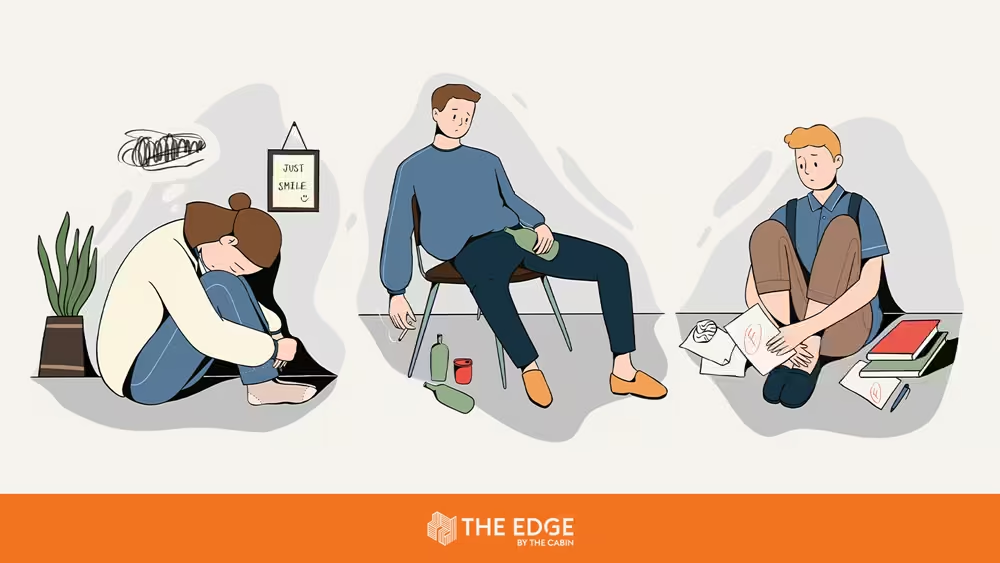
You can recognize early addiction signs by paying attention to subtle but consistent changes in a person’s behavior, physical appearance, emotional well-being, and daily routines. Individuals may begin neglecting responsibilities at work, school, home, or within personal relationships as increasing amounts of time and energy are directed toward the substance or addictive behavior. Social withdrawal is another common warning sign, as a person may distance themselves from family members and long-term friends, spend more time with new peer groups, or isolate themselves from social activities they once enjoyed. Physical changes such as sudden weight loss or gain, disrupted sleep patterns, bloodshot eyes, poor hygiene, unusual fatigue, or changes in overall health may become increasingly noticeable over time. Emotional and behavioral changes often include mood swings, irritability, anxiety, defensiveness, secrecy, or heightened frustration when the individual cannot access the substance or engage in the behavior. Financial problems may also emerge as money is spent on sustaining the addiction rather than meeting personal, household, or professional obligations. Loss of interest in hobbies, recreational activities, personal goals, or meaningful relationships is another common indicator that a potentially serious problem is developing. Individuals may also begin making excuses for their behavior, minimizing concerns raised by others, or repeatedly engaging in risky activities despite negative consequences. Recognizing these signs early can improve the likelihood of successful intervention, timely treatment, and long-term recovery outcomes. Early identification of addiction warning signs allows family members, friends, and healthcare professionals to provide support and connect individuals with appropriate resources before the condition becomes more severe and difficult to treat.
What are the Common Signs of Addiction?
The common signs of addiction are listed below.
- Cravings: Strong urges for the substance or behavior dominate the person’s thoughts throughout the day. The intense desires can make it nearly impossible to focus on other tasks or obligations.
- Tolerance: Need for larger amounts over time becomes necessary to achieve the same initial effects. The body adapts to the presence of the substance, requiring higher doses for satisfaction.
- Withdrawal Symptoms: Discomfort when stopping use can manifest as physical illness or severe emotional distress. Common symptoms include sweating, tremors, anxiety, and nausea during periods of abstinence.
- Behavior Changes: Mood swings or secrecy may develop as the individual tries to hide their habits from others. Sudden shifts in personality or priorities signal a deepening struggle with addiction.
- Neglect of Responsibilities: Daily duties at home or in the workplace may be consistently ignored or poorly performed. The focus remains entirely on obtaining and using the substance.
- Social Isolation: Relationships with family and friends suffer as the individual retreats into their addictive patterns. The individual might avoid social gatherings where the substance is not available.
Addiction is a Disease, Not a Character Flaw.
When addiction causes a loss of control, it can feel like your future is completely out of your hands. It needs a comprehensive approach addressing the physical, emotional, and behavioural roots. At The Edge Rehab, we provide a structured, supportive environment away from daily triggers where young adults can safely reset.
Does Addiction Change Behavior Quickly?
Yes, addiction can change behavior quickly in some individuals, although the speed and severity of these changes depend on the substance involved, the frequency of use, individual biology, mental health status, and environmental influences. Mood, judgment, decision-making, and daily habits may begin to shift noticeably within a relatively short period after regular substance use starts, particularly when highly addictive substances are involved. The pace of behavioral change varies from person to person, as factors such as genetics, metabolism, age, psychological health, stress levels, and patterns of use all influence how addiction develops. Potent substances can alter brain chemistry rapidly, affecting reward pathways, impulse control, motivation, and emotional regulation, which may lead to significant changes in priorities and behavior. Friends, family members, teachers, or coworkers often notice early warning signs such as declining performance at school or work, reduced motivation, social withdrawal, secrecy, or neglect of responsibilities. Impulsive decision-making, increased risk-taking, irritability, mood instability, and changes in social relationships are frequently among the earliest behavioral indicators of a developing addiction. Some individuals may also begin spending more time obtaining, using, or recovering from substances while showing less interest in previously important goals, activities, and relationships. Recognizing these behavioral changes early can improve the chances of successful intervention and reduce the risk of addiction becoming more severe over time. Early attention to concerning behavioral changes can help individuals access support, treatment, and preventive resources before addiction progresses and creates more significant personal, social, or health-related consequences.
What are the Types of Addiction?
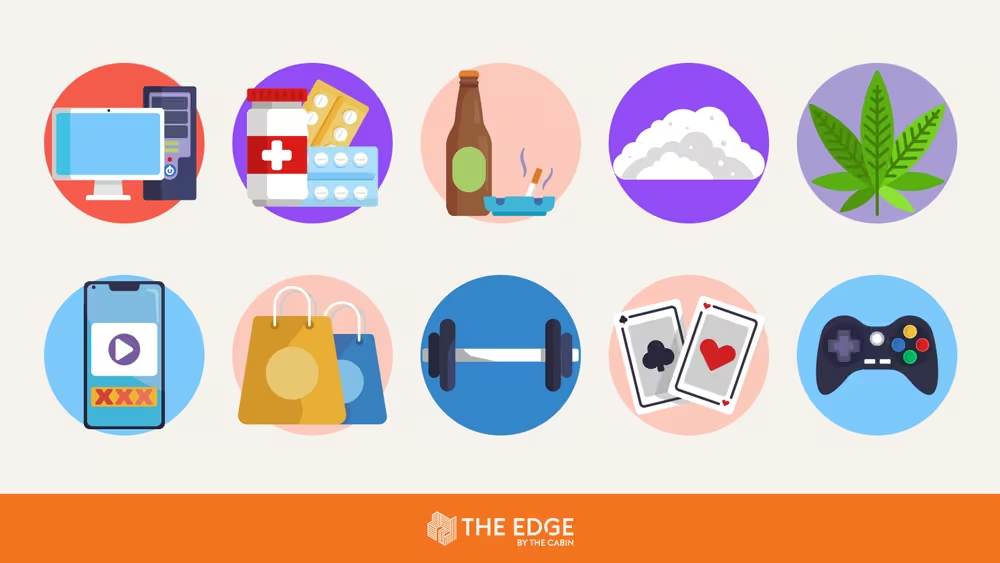
Types of addiction are listed below.
- Substance Addictions: The category involves the compulsive use of chemicals that alter physical and mental states. Common examples include the misuse of alcohol, nicotine, and illicit or prescription drugs.
- Alcohol addiction: Alcohol addiction is a condition where an individual cannot limit their consumption of beverages containing ethanol. Chronic use can lead to liver damage and impaired cognitive function over time.
- Nicotine addiction: Nicotine addiction involves a strong dependence on tobacco or electronic vaping products. Withdrawal symptoms include irritability and intense cravings that make cessation difficult.
- Drug addiction: Drug addiction refers to the compulsive use of illicit substances (stimulants or depressants). Brain receptors can become desensitized to natural rewards after prolonged exposure to these chemicals.
- Prescription medication misuse: Prescription medication misuse occurs when individuals consume pharmaceuticals outside of the guidelines provided by a doctor. The habit may result in severe respiratory issues or accidental toxicity.
- Behavioral Addictions: The disorders involve a compulsive need to engage in certain activities despite the negative consequences. Gambling, excessive internet use, and compulsive shopping fall into this classification. Understanding the different types of addiction helps in identifying the appropriate treatment path.
- Gambling addiction: Gambling addiction is a behavioral disorder characterized by the persistent urge to wager money. Individuals might experience significant financial hardship and emotional distress as the compulsion grows.
- Internet Addiction: Internet addiction describes the excessive use of digital devices that interferes with professional and personal duties. Social isolation occurs as the person prioritizes virtual interactions over real-world connections.
- Social media addiction: Social media addiction manifests as an uncontrollable drive to check digital platforms for social validation. Excessive screen time contributes to increased feelings of loneliness and anxiety.
- Shopping (compulsive buying): Shopping addiction involves a pattern of purchasing items as a way to regulate mood or escape stress. Financial debt and cluttered living spaces are common outcomes of this behavior.
- Food Addiction/binge eating: Food addiction is the compulsive consumption of specific foods to the point of causing physical harm. Individuals experience intense shame and metabolic health problems due to the eating patterns.
- Sex Addiction: Sex addiction consists of an obsessive need for sexual encounters that disrupts relationships and safety. Compulsive behaviors lead to significant psychological strain and social difficulties.
- Work Addiction (workaholism): Work addiction is an uncontrollable urge to perform job tasks at the expense of health and family. Constant stress can lead to burnout and cardiovascular issues for the affected person.
- Exercise Addiction: Exercise addiction occurs when physical training becomes a compulsion that negatively affects other life areas. Overuse injuries and nutritional imbalances can result from an inability to rest.
1. Substance Addictions
Substance addictions involve the chronic and compulsive use of drugs, alcohol, nicotine, or other chemicals that lead to physical, psychological, and behavioral dependence over time. As addiction develops, the body and brain adapt to the repeated presence of the substance, creating a biological and psychological reliance that makes it difficult to function normally without continued use. Common substances associated with addiction include alcohol, tobacco, prescription medications, opioids, stimulants, benzodiazepines, cannabis, and various illicit drugs. Repeated substance use alters brain chemistry, particularly within the reward, motivation, and decision-making systems, causing the brain to become less responsive to natural sources of pleasure and increasingly focused on obtaining and using the substance. When substance use is reduced or stopped, individuals may experience withdrawal symptoms that range from uncomfortable to medically dangerous, depending on the substance involved and the severity of dependence. Despite recognizing the harmful effects on their health, relationships, finances, education, or career, many individuals continue using substances due to cravings, loss of control, and changes in brain function associated with addiction. Substance addictions can also contribute to mental health challenges, emotional instability, social isolation, and long-term physical health complications that affect overall quality of life. Treatment typically involves a combination of detoxification, behavioral therapy, medical support, relapse prevention planning, and ongoing recovery services designed to address both the physical and psychological aspects of addiction. Social influences, environmental conditions, family dynamics, stress, trauma, and mental health concerns often play important roles in the development and progression of substance use disorders. Social, environmental, psychological, and biological factors frequently interact to influence both the onset of substance addictions and the effectiveness of long-term recovery efforts.
Alcohol addiction
Alcohol addiction is a chronic medical condition characterized by an inability to stop, limit, or control alcohol consumption despite experiencing negative social, occupational, emotional, financial, or health-related consequences. Over time, heavy and prolonged alcohol use can significantly alter brain structure and function, affecting areas responsible for decision-making, impulse control, memory, emotional regulation, and reward processing. As dependence develops, the body adapts to the presence of alcohol, making it increasingly difficult to stop drinking without experiencing withdrawal symptoms. Physical dependence can lead to serious withdrawal effects, including tremors, sweating, anxiety, insomnia, hallucinations, seizures, and other potentially life-threatening complications that often require medical supervision. Genetic predisposition can play a substantial role in addiction risk by influencing how an individual responds to alcohol and how vulnerable they are to developing dependence. Long-term alcohol misuse may contribute to severe health complications, including liver disease, heart disease, high blood pressure, neurological impairment, digestive disorders, and mental health challenges. Alcohol addiction can also strain family relationships, disrupt career development, increase legal and financial problems, and negatively affect overall quality of life. Treatment programs commonly include medically supervised detoxification, behavioral therapy, counseling, relapse prevention planning, support groups, and ongoing recovery services designed to address both the physical and psychological aspects of addiction. Specialized care for alcohol addiction requires a comprehensive and individualized approach that promotes lasting recovery, emotional well-being, and long-term sobriety. Early identification and treatment can improve recovery outcomes, reduce long-term health risks, and help prevent alcohol addiction from becoming more severe over time.
Nicotine addiction
Nicotine addiction involves a strong physical, psychological, and behavioral dependence on nicotine, the primary psychoactive substance found in tobacco products and many vaping devices. Smoking, vaping, chewing tobacco, or using other nicotine-containing products delivers nicotine to the brain within seconds, producing temporary feelings of relaxation, pleasure, improved focus, or stress relief that reinforce continued use. Repeated exposure to nicotine activates the brain’s reward pathways and stimulates the release of dopamine, strengthening the cycle of dependence and making it increasingly difficult to quit over time. When nicotine use is reduced or stopped, individuals commonly experience withdrawal symptoms such as irritability, anxiety, restlessness, mood changes, difficulty concentrating, sleep disturbances, and intense cravings. These withdrawal effects can make cessation challenging and often contribute to repeated attempts to quit before long-term success is achieved. Long-term nicotine use is associated with serious health risks, including lung disease, cardiovascular disease, stroke, respiratory complications, and several forms of cancer, particularly when tobacco products are involved. Nicotine addiction can also affect daily routines, reinforce unhealthy behavioral habits, and create strong environmental triggers that encourage continued use. Many individuals require multiple quit attempts, ongoing motivation, and professional support before successfully overcoming nicotine dependence. Behavioral counseling, support groups, nicotine replacement therapies, and evidence-based cessation programs can significantly improve the likelihood of long-term success. Continued support is often beneficial because nicotine addiction remains one of the most common and challenging forms of substance dependence worldwide. Support tools such as nicotine patches, gum, lozenges, medications, and structured cessation programs can help manage withdrawal symptoms and support the physical aspects of recovery.
Drug addiction
Drug addiction is a chronic, relapsing brain disorder characterized by compulsive drug seeking, continued substance use, and an inability to stop despite harmful physical, emotional, social, legal, or financial consequences. Illicit substances such as cocaine, heroin, methamphetamine, and other addictive drugs can rapidly alter neural pathways involved in reward, motivation, learning, and decision-making. As addiction progresses, the brain’s ability to regulate self-control, impulse management, judgment, and emotional responses becomes increasingly impaired, making it difficult for individuals to resist cravings or discontinue use without support. Substance use often becomes the primary focus of daily life, leading to the deterioration of social relationships, family connections, educational goals, and employment stability. Physical health consequences can range from nutritional deficiencies and chronic illness to infectious diseases, cardiovascular complications, neurological damage, and organ failure, depending on the substance used and the duration of addiction. Many individuals also experience co-occurring mental health conditions, such as anxiety, depression, trauma-related disorders, or emotional instability, that contribute to the complexity of addiction and recovery. Therapeutic interventions are designed to address both physical dependence and the underlying emotional, psychological, and behavioral factors that contribute to substance use. Treatment may include detoxification, behavioral therapy, counseling, medication-assisted treatment when appropriate, relapse prevention planning, and long-term recovery support. Professional help is often essential because drug addiction affects individuals from all backgrounds, age groups, and life circumstances while impacting nearly every aspect of health and daily functioning. Long-term recovery is an ongoing process that often requires continued effort, healthy lifestyle changes, supportive relationships, and access to professional and community-based recovery resources.
Prescription medication misuse
Prescription medication misuse occurs when an individual takes a medication in a manner, dosage, frequency, or duration other than what was prescribed by a healthcare professional. Misuse can also involve taking someone else’s prescription medication, using a medication without a valid prescription, or using it for purposes other than its intended medical use. Common medications associated with misuse include prescription painkillers, sedatives, anti-anxiety medications, sleep aids, and stimulants. Some individuals mistakenly believe these medications are safer than illicit drugs because they are approved for medical use and manufactured by pharmaceutical companies. However, chronic misuse can result in serious health complications, physical dependence, psychological addiction, and significant changes in brain function over time. Long-term misuse may increase the risk of overdose, cardiovascular problems, respiratory depression, cognitive impairment, liver damage, and other serious medical conditions, depending on the substance involved. Sharing, selling, or distributing prescription medications is illegal and contributes to broader public health and safety concerns. Prescription medication misuse can also interfere with daily functioning, strain relationships, worsen mental health conditions, and increase the likelihood of developing a substance use disorder. Effective treatment strategies address both the dependency and the underlying medical, emotional, or psychological issues that led to misuse in the first place. Healthcare providers often utilize behavioral therapy, medication management, counseling, and relapse prevention strategies to support recovery and reduce future risks. The prescription medication misuse monitoring programs, responsible prescribing practices, medication education, and early intervention efforts remain important tools for preventing misuse and reducing the risk of long-term dependency.
Addiction is treatable, and recovery is possible.
From substance misuse to behavioural dependencies, The Edge provides specialised treatment tailored to each individual’s recovery journey.
2. Behavioral (Process) Addictions
Behavioral addictions, also known as process addictions, involve a compulsive need to engage in specific activities or behaviors that provide temporary emotional relief, pleasure, excitement, or a sense of reward. Although no substance is consumed, the brain’s reward system responds to these behaviors in ways that can closely resemble the neurological patterns seen in substance addiction. Over time, individuals may become increasingly dependent on the behavior to manage stress, anxiety, boredom, loneliness, or other emotional challenges. Common consequences include financial difficulties, relationship problems, declining mental health, reduced productivity, and disruptions to daily responsibilities. Individuals often experience a loss of control over their behavior and may struggle to reduce, limit, or stop their participation despite recognizing the negative impact on their lives. Chronic behavioral Addictions can involve activities such as gambling, excessive internet use, compulsive shopping, gaming, social media use, pornography consumption, or other repetitive behaviors that become difficult to regulate. As the addiction progresses, individuals may spend increasing amounts of time engaging in the behavior, neglect important obligations, and experience emotional distress when unable to participate in the activity. Treatment commonly involves cognitive-behavioral therapy (CBT), counseling, emotional regulation strategies, and other evidence-based interventions that help identify and modify unhealthy thought patterns and behaviors. Support groups can provide valuable encouragement, accountability, and a sense of community where individuals share experiences, coping techniques, and recovery strategies. Recovery focuses on restoring balance, improving emotional well-being, strengthening self-control, and developing healthy boundaries with everyday activities that have become problematic. Long-term recovery emphasizes restoring balance across all areas of life while building healthier habits, improving coping skills, and creating sustainable boundaries that support emotional and psychological well-being.
Gambling addiction
Gambling addiction is a behavioral addiction and impulse-control disorder characterized by an inability to resist the urge to gamble despite experiencing negative financial, emotional, social, or personal consequences. Individuals with gambling addiction often continue engaging in betting activities even when gambling causes significant problems in their relationships, careers, mental health, or overall quality of life. Financial hardship, severe debt, loss of savings, and ongoing economic instability are among the most immediate and visible consequences associated with compulsive gambling behavior. The brain experiences surges of dopamine and other reward-related chemicals during gambling activities, particularly during periods of anticipation, uncertainty, risk-taking, and occasional wins, reinforcing the desire to continue gambling. As the addiction progresses, many individuals attempt to recover losses by gambling more frequently or wagering larger amounts of money, creating a destructive cycle commonly known as “chasing losses.” Relationships with family members, friends, and partners often suffer due to secrecy, dishonesty, broken trust, and financial strain related to gambling behavior. Individuals may also experience increased anxiety, depression, stress, guilt, and emotional distress as gambling begins to affect multiple areas of their lives. Effective treatment frequently includes cognitive-behavioral therapy, financial counseling, relapse prevention planning, support groups, and other therapeutic interventions designed to address both the behavior and its underlying causes. Chronic gambling addiction can affect individuals from any socioeconomic background, age group, or level of financial stability. Learning to recognize triggers, manage urges, and avoid high-risk situations is an important part of maintaining recovery and reducing the risk of relapse over time.
Internet Addiction
Internet addiction refers to the excessive, compulsive, and difficult-to-control use of online platforms, digital devices, or internet-based activities that interfere with daily functioning and overall well-being. Individuals affected by internet addiction may spend excessive amounts of time browsing websites, engaging with online communities, streaming content, gaming, or participating in other digital activities despite negative consequences. As internet use becomes more dominant, face-to-face social interactions often decrease, leading to isolation from family members, friends, and real-world responsibilities. Extended periods of screen time can contribute to sleep deprivation, eye strain, poor physical health, reduced physical activity, and other health-related concerns. Academic performance, workplace productivity, and personal responsibilities may also suffer as digital engagement increasingly takes priority over important obligations and goals. Many individuals experience anxiety, irritability, restlessness, or emotional discomfort when they are unable to access the internet or participate in preferred online activities. Internet addiction can also contribute to difficulties with attention, emotional regulation, time management, and maintaining a healthy balance between digital and offline life. Treatment often focuses on establishing healthier digital habits, improving self-regulation, strengthening coping skills, and creating appropriate boundaries around technology use. Therapeutic support, counseling, and behavioral interventions can help individuals better understand the underlying reasons for excessive internet use while developing more balanced lifestyle patterns. The internet addiction continues to be a growing concern as technology becomes increasingly integrated into education, work, entertainment, and everyday communication. Therapeutic support helps individuals restore balance between online activities and real-world relationships, responsibilities, and personal well-being.
Social media addiction
Social media addiction is a behavioral condition characterized by excessive preoccupation with social networking platforms and a persistent, difficult-to-control urge to check, browse, post, or engage with online content. Individuals may feel compelled to log on repeatedly throughout the day, even when social media use interferes with work, education, relationships, sleep, or other important responsibilities. Constant monitoring of notifications, messages, likes, comments, and other forms of online engagement can significantly reduce focus, concentration, productivity, and overall daily functioning. Social media platforms stimulate the brain’s reward system through digital validation and intermittent reinforcement, encouraging repeated use and strengthening habitual behaviors. Excessive social media use has been associated with mental health concerns such as anxiety, depression, loneliness, stress, and emotional distress, particularly when online interactions become a primary source of self-worth or social connection. Comparing personal experiences to the carefully curated images, achievements, and lifestyles displayed by others can negatively affect self-esteem, body image, confidence, and overall emotional well-being. Individuals may also experience fear of missing out (FOMO), increased social comparison, disrupted sleep patterns, and difficulty disengaging from digital platforms even when they recognize the negative impact on their lives. Recovery strategies often include digital detox periods, structured limits on screen time, healthier technology habits, and the development of meaningful offline activities and relationships. Professional counseling, behavioral therapy, and emotional support can help individuals address the underlying psychological factors that contribute to excessive social media use. The social media addiction has become an increasingly common concern among adolescents and young adults, although individuals of all ages can experience problematic patterns of social media use.
Shopping (compulsive buying)
Shopping addiction, also known as compulsive buying disorder, involves an overwhelming urge to purchase items repeatedly, often regardless of necessity, affordability, or long-term consequences. Individuals may become preoccupied with shopping, spending excessive amounts of time browsing, purchasing, or thinking about acquiring new items. The act of buying often provides a temporary sense of excitement, relief, comfort, or escape from negative emotions such as stress, anxiety, loneliness, boredom, or sadness. Although the emotional reward may feel significant in the moment, it is typically short-lived and is frequently followed by regret, disappointment, or a desire to continue shopping. Financial stress, mounting debt, depleted savings, and difficulty meeting essential financial obligations are common consequences of compulsive spending behaviors. Individuals may conceal purchases, hide receipts, or avoid discussing their spending habits with family members and loved ones to prevent conflict, criticism, or concern. Feelings of guilt, shame, embarrassment, and loss of control often emerge after shopping episodes, contributing to a cycle of emotional distress and repeated spending. Compulsive buying can also interfere with work responsibilities, damage relationships, increase anxiety about finances, and create significant clutter or disorganization within the home environment. Behavioral therapy can help individuals identify the emotional triggers, thought patterns, and coping deficits that contribute to compulsive purchasing behaviors. Recovery often includes developing healthier coping mechanisms, improving emotional regulation, strengthening decision-making skills, and addressing any underlying mental health concerns. Untreated shopping addiction can contribute to cluttered living spaces, strained personal relationships, and ongoing financial difficulties that negatively affect overall quality of life. Budgeting skills, financial management training, and structured spending plans are often incorporated into the recovery process to support long-term stability and healthier financial habits.
Food Addiction/binge eating
Food addiction and binge eating involve compulsive patterns of eating that can significantly affect physical health, emotional well-being, and daily functioning. Individuals may experience an overwhelming urge to consume large quantities of highly palatable foods, particularly those high in sugar, fat, or processed ingredients, even when they are not physically hungry. Binge eating episodes often occur in private or secrecy and are commonly followed by feelings of guilt, shame, embarrassment, or a loss of control over eating behaviors. Research suggests that highly rewarding foods can activate the brain’s reward pathways in ways that resemble certain aspects of substance-related addictions, reinforcing repeated patterns of overeating. Over time, these behaviors can contribute to serious health complications, including obesity, type 2 diabetes, cardiovascular disease, high blood pressure, sleep disturbances, and other chronic medical conditions. Emotional distress, anxiety, depression, loneliness, trauma, and chronic stress frequently act as triggers, causing individuals to use food as a coping mechanism for managing difficult emotions. Many individuals also experience persistent food cravings, preoccupation with eating, and repeated unsuccessful attempts to control their eating habits, which can further increase emotional distress and frustration. Nutritional counseling, behavioral therapy, and psychological support play important roles in helping individuals develop a healthier and more balanced relationship with food. Effective treatment often focuses on identifying emotional triggers, improving coping skills, addressing underlying mental health concerns, and creating sustainable eating patterns that support overall wellness. Addressing food addiction and binge eating often requires a multidisciplinary approach that supports both physical health and emotional well-being through coordinated medical, nutritional, and psychological care. Support groups can provide a safe, understanding environment where individuals share experiences, build accountability, and learn effective recovery strategies from others facing similar challenges.
Sex Addiction
Sex addiction is a behavioral condition characterized by a compulsive preoccupation with sexual thoughts, urges, or activities that persist despite causing significant personal, emotional, social, occupational, or relationship-related consequences. Individuals may feel unable to control their sexual behaviors, even when those behaviors interfere with daily responsibilities, personal goals, mental health, or overall quality of life. As the condition progresses, some individuals may engage in increasingly risky behaviors that place their physical health, emotional well-being, financial stability, or legal status at risk. Relationships often suffer due to secrecy, dishonesty, emotional disconnection, repeated breaches of trust, or the prioritization of sexual behavior over meaningful intimacy and healthy communication. The brain’s reward system may become heavily focused on the dopamine release and emotional reinforcement associated with sexual stimulation, making it more difficult to regulate behavior over time. Many individuals experience significant guilt, shame, anxiety, loneliness, or social isolation as a result of their compulsive patterns, which can further reinforce the cycle of behavior. Co-occurring mental health concerns such as depression, trauma, low self-esteem, anxiety, or unresolved emotional difficulties may also contribute to the development and persistence of compulsive sexual behaviors. Treatment typically focuses on understanding the underlying causes of the behavior, identifying triggers, improving emotional regulation, and establishing healthy sexual boundaries that support long-term well-being. Professional care often includes individual therapy, behavioral interventions, relationship counseling when appropriate, and relapse prevention strategies tailored to the individual’s needs. A complex condition like sex addiction often depends on specialized professional treatment to address both behavioral patterns and psychological factors involved. Recovery groups and peer support programs can provide encouragement, accountability, and a supportive environment for individuals working toward healthier relationships and sustainable behavioral change.
Work Addiction (workaholism)
Work addiction, commonly known as workaholism, is a behavioral condition characterized by a compulsive need to work excessively, often at the expense of personal health, emotional well-being, relationships, and overall life balance. Individuals affected by work addiction frequently feel an ongoing pressure to remain productive, achieve more, or stay constantly occupied, even when they are physically exhausted or experiencing negative consequences. Work responsibilities gradually become the primary focus of daily life, causing social activities, hobbies, self-care routines, and family relationships to receive less attention. As a result, personal connections often weaken, and individuals may experience conflict, emotional distance, or reduced quality of time with loved ones. Chronic overworking is also associated with stress-related health concerns, including high blood pressure, sleep disturbances, anxiety, fatigue, burnout, headaches, and other physical or mental health complications. The drive to work excessively is often linked to a desire for validation, perfectionism, fear of failure, low self-esteem, financial pressure, or the belief that personal worth is closely tied to professional achievement. Many individuals with work addiction struggle to relax, disconnect from work-related responsibilities, or enjoy leisure activities without experiencing guilt or anxiety. Treatment focuses on helping individuals establish healthier boundaries, improve work-life balance, manage stress more effectively, and develop a stronger sense of identity outside of career success. Counseling, behavioral therapy, and stress-management strategies can help individuals identify the underlying emotional factors that contribute to compulsive work habits. Work addiction can be difficult to recognize because excessive productivity and long working hours are often viewed positively in many professional and social environments. Counseling and therapeutic support help individuals redefine self-worth, strengthen personal relationships, and create a healthier balance between professional goals and overall well-being.
Exercise Addiction
Exercise addiction is a behavioral condition in which an individual develops an unhealthy and compulsive relationship with physical activity, causing exercise to interfere with physical health, emotional well-being, relationships, or daily responsibilities. While regular exercise is generally beneficial, exercise addiction occurs when the drive to work out becomes excessive, uncontrollable, and difficult to reduce despite negative consequences. Individuals may continue training even when they are injured, physically exhausted, ill, or advised by healthcare professionals to rest and recover. As the behavior becomes more dominant, social activities, family commitments, educational pursuits, and work responsibilities may be neglected in order to prioritize exercise routines. Excessive exercise can place significant strain on the body and may contribute to overuse injuries, chronic fatigue, hormonal imbalances, weakened immune function, nutritional deficiencies, and other health complications. Many individuals experience withdrawal-like symptoms such as anxiety, irritability, depression, restlessness, or guilt when they are unable to exercise according to their usual routine. Exercise addiction may also be associated with body image concerns, perfectionism, eating disorders, or a strong reliance on exercise as a primary method of coping with stress and emotional difficulties. Treatment focuses on helping individuals develop a healthier and more balanced relationship with physical activity while addressing the psychological factors that contribute to compulsive exercise behaviors. Recovery often involves counseling, behavioral therapy, physical health monitoring, and education about sustainable fitness practices that support long-term well-being. Effective management of exercise addiction typically combines physical health oversight, psychological support, and behavioral interventions that promote both mental and physical recovery. Developing a more flexible, balanced, and sustainable approach to fitness remains an important component of long-term recovery and overall wellness.
How does Addiction Impact the Brain?
Addiction impacts the brain by fundamentally changing the way neural circuits process reward, motivation, learning, memory, and decision-making. Repeated substance use or engagement in addictive behaviors can alter brain chemistry over time, making it increasingly difficult for natural sources of pleasure, such as relationships, hobbies, achievements, or physical activity, to produce the same level of satisfaction. As addiction develops, the brain’s reward system becomes increasingly focused on the addictive substance or behavior, causing it to prioritize that stimulus over many normal needs, responsibilities, and healthy activities. The prefrontal cortex, which plays a critical role in judgment, impulse control, planning, and decision-making, often becomes less effective, contributing to compulsive behavior and difficulty resisting cravings. These neurological changes strengthen learned patterns of substance use or addictive behavior, making the habit more deeply ingrained and more difficult to overcome without support. Excessive stimulation of neurotransmitters such as dopamine can disrupt normal brain function, leading to reduced sensitivity within reward pathways and a diminished ability to experience pleasure from everyday experiences. Addiction can also affect brain regions involved in stress regulation, emotional processing, and memory formation, increasing vulnerability to cravings, relapse, anxiety, and emotional distress. The cumulative impact of these changes affects reward, motivation, self-control, and behavioral regulation, reinforcing the cycle of addiction over time. Understanding how addiction impacts the brain is essential for developing effective treatment approaches that address both the biological and psychological aspects of the condition. Recovery focuses on supporting the brain’s ability to heal through sustained sobriety, evidence-based treatment, healthy lifestyle habits, emotional regulation skills, and ongoing therapeutic support that encourages long-term neurological and behavioral recovery.
What Happens in the Brain During Addiction?
Addiction affects the brain by overstimulating its reward pathways and triggering the release of unusually large amounts of neurotransmitters associated with pleasure, motivation, and reinforcement, particularly dopamine. Over time, these repeated surges disrupt the brain’s normal chemical balance as it attempts to adapt to the excessive stimulation. In response, neurons may reduce the number or sensitivity of reward receptors, making it harder for individuals to experience pleasure, satisfaction, or motivation from everyday activities such as social interaction, exercise, hobbies, or personal achievements. As a result, the individual may increasingly rely on the addictive substance or behavior to feel normal, experience enjoyment, or relieve emotional discomfort. These neurological adaptations can weaken self-control and strengthen compulsive behaviors, encouraging continued use and, in some cases, larger amounts of the substance to achieve the desired effect. The amygdala, a brain region involved in emotional processing and stress responses, may become more reactive, increasing feelings of anxiety, stress, and emotional discomfort when the addictive stimulus is absent. Neural pathways responsible for memory and learning also become strongly associated with addiction-related cues, triggers, environments, and experiences, which can intensify cravings and increase the risk of relapse. Brain regions involved in decision-making, impulse control, and judgment may become less effective, making it more difficult to resist urges even when the individual understands the negative consequences of continued use. These biological changes create a powerful cycle of craving, reinforcement, and compulsive behavior that can be difficult to overcome without professional treatment and support. Recovery often requires time, consistency, and evidence-based treatment approaches that support the brain’s natural healing processes while helping individuals develop healthier coping mechanisms and behavioral patterns.
Addiction Is a Brain-Based Disease
Because the young adult brain possesses incredible neuroplasticity, early treatment is incredibly effective at rewiring destructive habits. Discover how The Edge Rehab discards the old, clinical-heavy rehab model.
Does Dopamine Play a Key Role in Addiction?
Yes, dopamine plays a key role in addiction because it serves as one of the brain’s primary neurotransmitters involved in reward, motivation, learning, and reinforcement. Dopamine helps the brain identify experiences that are pleasurable or beneficial, encouraging individuals to repeat behaviors that promote survival and well-being. Addictive substances and behaviors can trigger dopamine release at levels that are significantly higher than those produced by natural rewards, creating intense feelings of pleasure, euphoria, excitement, or relief. The brain records these experiences as highly rewarding and begins to associate the substance or behavior with a powerful source of gratification, increasing the desire to repeat it. Over time, repeated overstimulation of the dopamine system can alter the brain’s reward circuitry, making natural rewards such as food, exercise, relationships, social interaction, and personal achievements feel less satisfying than they once did. As the brain adapts, dopamine receptors may become less responsive, reducing the overall sensitivity of the reward system and contributing to tolerance, cravings, and compulsive behavior. This reduced responsiveness often drives individuals to seek larger amounts of the substance or engage in the behavior more frequently in an attempt to achieve the same effects. Dopamine is not solely responsible for addiction, but it plays a central role in strengthening the learning and memory processes that connect addictive behaviors with feelings of reward and reinforcement. Treatment approaches often focus on helping individuals restore healthier brain function through behavioral therapy, lifestyle changes, recovery support, and evidence-based interventions that reduce reliance on addictive substances or behaviors. Evidence-based therapies help individuals develop healthier coping mechanisms while supporting the gradual restoration of normal reward system functioning and neurotransmitter balance over time. Proper medical guidance and ongoing recovery support can further assist the brain’s healing process and promote long-term recovery success.
How is Addiction Treated and Recovered From?
Addiction is treated and recovery is supported through a comprehensive combination of medical care, behavioral therapy, psychological support, lifestyle changes, and long-term recovery resources. Treatment is designed to address the physical, emotional, psychological, and social factors that contribute to addiction while helping individuals build the skills needed for lasting recovery. Detoxification is often the first stage of treatment, providing a medically supervised process that allows harmful substances to leave the body safely while managing withdrawal symptoms and reducing health risks. Inpatient or residential treatment programs offer a highly structured environment where individuals can focus entirely on recovery while receiving intensive medical and therapeutic support. Outpatient programs provide flexible treatment options that allow individuals to continue meeting work, school, or family responsibilities while participating in therapy and recovery services. Cognitive-behavioral therapy (CBT) helps individuals identify the thoughts, emotions, behaviors, and triggers that contribute to substance use and teaches healthier ways to cope with challenges. Group therapy creates opportunities for peer support, accountability, shared learning, and the development of stronger social and communication skills. Medication-assisted treatment (MAT) may be used when appropriate to reduce cravings, manage withdrawal symptoms, stabilize brain function, and support recovery from certain substance use disorders. Family therapy, mental health counseling, trauma-focused treatment, and holistic wellness approaches may also be incorporated to address underlying issues that contribute to addiction and improve overall well-being. Relapse prevention planning is an essential part of treatment and helps individuals recognize high-risk situations, manage cravings, and respond effectively to challenges that may arise after formal treatment ends. Effective relapse prevention planning provides individuals with practical tools, coping strategies, support systems, and recovery resources that help strengthen long-term sobriety and reduce the risk of returning to substance use.
What are the Common Ways to Treat Addiction?
The common ways to treat addiction are listed below.
- Detoxification: Medical professionals oversee the process of clearing substances from the individual’s system. The step ensures that withdrawal symptoms are managed safely and comfortably.
- Inpatient Rehabilitation: Patients live at a facility to receive intensive 24-hour care and support. The structure helps individuals focus entirely on their recovery without outside distractions.
- Outpatient Programs: Treatment is provided through scheduled sessions while the person lives at home. The option is suitable for those with strong support systems and less severe addictions.
- Cognitive Behavioral Therapy: Therapists work with individuals to change harmful thought patterns and behaviors. The approach provides practical tools for managing cravings and stress.
- Medication Assisted Treatment: Healthcare providers use specific medications to help manage cravings and withdrawal symptoms. The method is used for opioid and alcohol dependencies.
- Support Groups: Organizations provide a community of peers with similar experiences. Sharing stories and strategies fosters long-term accountability and motivation.
Is Full Recovery From Addiction Possible?
Yes, full recovery from addiction is possible, and many individuals go on to build healthy, stable, and fulfilling lives free from compulsive substance use or addictive behaviors. Recovery is a highly personal process that varies from one individual to another, but long-term sobriety and meaningful improvements in quality of life are achievable with the right treatment, support, and commitment. Many people successfully recover through a combination of professional care, behavioral therapy, lifestyle changes, peer support, and ongoing recovery-focused practices. Recovery often involves developing healthier coping mechanisms, improving emotional regulation, rebuilding relationships, and learning how to navigate stress, challenges, and everyday responsibilities without relying on addictive substances or behaviors. Early intervention can improve treatment outcomes by addressing addiction before it becomes more severe and causes greater physical, emotional, social, or financial harm. Support from family members, friends, healthcare professionals, and recovery communities frequently plays an important role in maintaining motivation, accountability, and long-term success. Many individuals discover new interests, strengthen their sense of purpose, and experience significant personal growth as they progress through the recovery journey. While setbacks can occur, recovery is generally viewed as an ongoing process of learning, adaptation, and resilience rather than a single event. Relapse, when it occurs, is often treated as an opportunity to reassess recovery strategies and strengthen future prevention efforts rather than as a failure. Consistent healthy habits, ongoing self-awareness, strong support systems, and continued engagement in recovery-focused activities help create a solid foundation for long-term wellness and sustained freedom from addiction.
Concerned about someone you love?
Learn how The Edge helps young adults and families recover together through compassionate, evidence-based addiction treatment.
How does Drug Rehab Support Young Adults With Addiction?

Drug rehab supports young adults with addiction by providing structured treatment, age-appropriate therapy, and comprehensive emotional support that addresses the unique challenges faced during this important stage of development. Young adults often encounter issues related to education, career planning, identity formation, peer influence, independence, mental health, and social pressures, all of which can contribute to substance use and require specialized attention during treatment. Rehab programs designed for young adults combine evidence-based therapies with life skills development, helping participants build healthier coping mechanisms and stronger foundations for long-term recovery.
Early intervention can significantly reduce the risk of long-term addiction-related consequences by addressing substance use concerns before they become more deeply ingrained and disruptive. Specialized treatment settings often provide access to peer groups made up of individuals facing similar life transitions, creating a supportive environment that encourages connection, accountability, and shared growth. Counselors and therapists frequently focus on practical life skills, including communication, emotional regulation, decision-making, financial management, career development, and problem-solving, to prepare young adults for greater independence and success.
Family therapy is commonly included to improve communication, rebuild trust, strengthen relationships, and create a healthier support system within the home environment. Many programs also provide educational support, vocational guidance, mental health treatment, and relapse prevention training to address the broader factors that influence recovery and personal development. Individualized treatment plans ensure that each young adult receives care tailored to their specific needs, goals, strengths, and challenges throughout the recovery process. Understanding how drug rehab supports young adults helps families and individuals recognize the value of early, specialized treatment in building confidence, resilience, healthy coping skills, and a foundation for a productive, substance-free future.
What Makes Young Adult Rehab Programs Different?
Key features that make young adult rehab programs different are listed below.
- Peer Support: Focusing on similar age groups allows individuals to feel understood and less isolated. Shared experiences among young adults foster a sense of community during the healing process.
- Education Support: Helps maintain academic progress while the individual is receiving treatment. Tutoring and school coordination ensure that the transition back to education is seamless.
- Life Skills Training: Encourages independence and stability by teaching essential daily tasks. Programs focus on budgeting, cooking, and career preparation for a successful future.
- Mental Health Care: Addresses emotional and behavioral challenges that often accompany early-stage addiction. Specialized clinicians focus on the psychological development of younger individuals.
- Holistic Care: Integration of physical fitness and nutritional guidance supports overall well-being. Specialized rehab programs provide the necessary tools for long-term sobriety.
Does Early Treatment Improve Recovery Outcomes for Young Adults?
Yes, early treatment improves recovery outcomes for young adults by addressing substance use concerns before they become more deeply established and more difficult to treat. Early intervention can help prevent the progression of addiction, reduce the likelihood of long-term physical and mental health complications, and limit the negative effects that substance use may have on education, relationships, employment, and overall development. During adolescence and young adulthood, the brain is still developing, particularly in areas responsible for decision-making, impulse control, emotional regulation, and judgment. Early support can help protect these developmental processes while reducing the risk of long-term neurological and behavioral consequences associated with substance misuse. Young adults often respond well to treatment because the brain retains a high degree of neuroplasticity, allowing individuals to learn new coping skills, establish healthier habits, and adapt more effectively to positive behavioral changes. Timely intervention can also improve social functioning, strengthen family relationships, and support healthier integration into school, work, and community environments. Early treatment may reduce the likelihood of future legal problems, academic disruption, financial difficulties, and other challenges that commonly arise when substance use disorders remain untreated. Supportive treatment environments help young adults build resilience, develop emotional coping skills, and strengthen their ability to manage future stressors and high-risk situations. Comprehensive treatment plans provide the structure, guidance, and resources needed to support a successful transition into adulthood while promoting long-term recovery and personal growth. Ongoing professional monitoring, therapeutic support, and recovery planning help young adults maintain progress, address emerging challenges, and stay focused on long-term health and well-being.
How to Prevent Addiction?
To prevent addiction, follow the five steps below.
- Acquire Knowledge. Obtain information about the risks and consequences of substance misuse and addictive behaviors. The foundation helps individuals make healthier life choices.
- Develop Resilience. Practice coping mechanisms to manage stress and emotional challenges. Strong mental health reduces reliance on external substances.
- Maintain Connections. Foster supportive relationships with family and friends. Strong social bonds provide a safety net during difficult times.
- Access Assistance. Contact professionals if mental health struggles or early signs of dependency appear. Early help prevents minor issues from becoming chronic disorders.
- Manage Environments. Avoid situations where addictive substances or behaviors are present. Healthy surroundings minimize the temptation to engage in risky activities.
SN: Please refer to the yellow shading as guided for the changes, we don’t have other changes. You can make a clean copy of this to publish. Thank you.
Knowing addiction is the first step
Understanding how recovery works is the next step. No matter where addiction has taken you or a loved one, recovery can begin today. The Edge provides expert care to help young adults regain control and move forward with confidence.