

Work addiction (workaholism) involves a complex interaction between internal causes, observable symptoms, and various treatment methods.
Psychological factors such as perfectionism or a desire for external validation often drive this behavior. Common symptoms include neglecting personal health and experiencing significant strain in social relationships. Treatment strategies frequently focus on therapy and the establishment of healthy daily boundaries. Specialized rehabilitation programs might utilize cognitive behavioral techniques to help individuals reclaim balance in life. Outpatient and wellness programs offer structured support for those seeking to overcome compulsive habits. Behavioral therapy programs provide a systematic way to identify triggers and modify unhealthy work-related routines. Mental health services address the root causes of addiction and support long-term recovery for every patient. Recovery requires a combination of self-awareness and professional guidance to ensure a lasting lifestyle change.
What is Workaholism?
Workaholism is an uncontrollable need to work excessively that interferes with physical health and personal life. The condition differs from high professional dedication because of the loss of control over the behavior. Compulsion drives the person to remain active even when professional requirements are already met. Physical exhaustion occurs when the body lacks the time to recover from constant mental activity. Personal relationships may deteriorate as work takes priority over family and friends. Feelings of guilt arise during periods of inactivity or rest. Anxiety levels increase when the person is away from professional duties for too long. Emotional distress fuels the cycle of overworking as a way to avoid other life stressors. Professional support can provide the tools needed to identify the harmful patterns. Restoring a healthy schedule remains a primary goal for any recovery plan. Behavioral assessments help clinicians understand the depth of the addiction. Lasting change requires a focus on both mental and physical wellness. Individuals who recognize the patterns early seek specialized care to prevent chronic burnout. Consistent effort and therapeutic guidance facilitate the transition back to a balanced and functional daily routine.
How is a Workaholic Different From Someone Who Simply Works Hard?
A workaholic is different from a hard worker because of the internal compulsion and the loss of behavioral control. Hard workers generally maintain the ability to disconnect from professional tasks during personal time or vacations. Workaholism involves a significant loss of control over the duration and intensity of activities related to a career. The primary difference lies in the psychological motivation and the overall impact on the individual’s life and health. Hard workers may experience satisfaction from their efforts without sacrificing physical or mental health in the long run. Workaholics often struggle to stop, even when the behavior starts to harm personal well-being or social connections. The persistent drive can lead to chronic stress and a significant decline in social bonds over time. Distinguishing between these two behaviors is crucial for identifying when professional dedication becomes a clinical concern. Emotional health suffers more in those who cannot stop thinking about tasks even when the office is closed. Recovery focuses on regaining control and learning to appreciate periods of inactivity.
Is Workaholism Considered an Addiction?
Yes, workaholism is a behavioral addiction due to characteristics like compulsive labor and continued action despite harm. The condition shares several key features with other forms of addiction, such as a loss of control and continued action despite negative consequences. Work becomes increasingly difficult to regulate, even when physical or mental health begins to decline. Individuals may ignore warning signs from family or medical professionals to satisfy the urge to be productive. Treatment might be highly beneficial for those struggling to regain autonomy over daily schedules and life choices. Behavioral patterns often mirror those seen in substance-related dependencies, where the activity dominates the person’s thoughts. Professionals frequently use specialized assessments to determine the severity of the compulsion and suggest appropriate interventions. Restoring balance is a primary goal for any recovery plan addressing this specific behavioral issue.
What Causes Work Addiction?
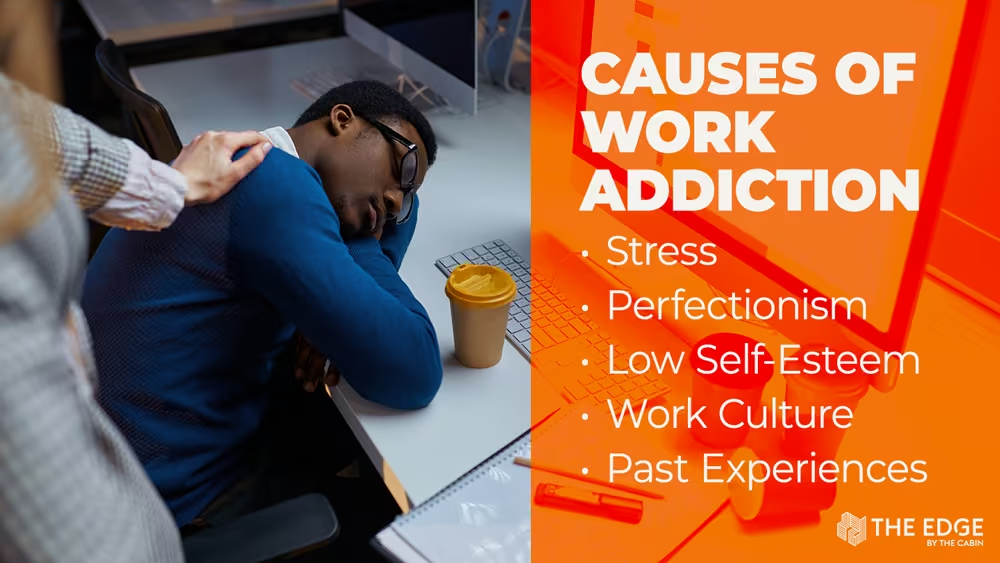
The causes of work addiction are listed below.
- Stress: Professional tasks can become a primary coping mechanism for managing life pressures and external demands. This behavior might provide a temporary escape from difficult emotions or personal challenges.
- Perfectionism: Pressure to achieve flawless results can drive a person to labor for excessive hours. High internal standards often make it difficult to accept anything less than total success.
- Low Self-Esteem: Professional success may serve as the primary driver for an individual’s sense of self-worth. Achievement becomes the only way a person feels valuable or competent in life.
- Work Culture: Environments that reward and celebrate extreme labor can encourage addictive behavioral patterns. Employees may feel significant pressure to conform to high expectations for productivity and availability.
- Past Experiences: Personal history and family dynamics might influence how a person perceives professional achievement and rest. Certain childhood environments could instill a belief that constant productivity is necessary for safety.
Which Personality Traits Increase the Risk of Workaholism?
The personality traits that increase the risk of workaholism are listed below.
- Perfectionism: Desire for flawless results leads to an obsession with minor details and extended labor. Individuals may feel intense anxiety when tasks are not performed to an impossibly high standard.
- Competitiveness: Constant need to succeed can push a person to work harder than peers at any cost. Success is often measured by outperforming others rather than meeting personal needs for rest.
- Ambition: Strong achievement focus causes a person to prioritize professional milestones above all other life areas. Goals may become the central focus of daily existence to the detriment of social health.
- Responsibility: Difficulty delegating tasks forces an individual to take on a disproportionate amount of work. A sense of obligation might prevent the person from trusting colleagues with important projects.
- Approval Seeking: Dependence on external recognition can motivate someone to overextend themselves for praise. Validation from superiors often becomes a necessary component for the person’s emotional stability.
Is your drive to succeed becoming unhealthy?
If work has become more than a career and is affecting your wellbeing, it’s time to take a different path. Let The Edge help you build healthier habits that last.
Can Past Trauma Contribute to Work Addiction?
Yes, past trauma contributes to work addiction by providing a professional distraction from emotional distress and unresolved feelings. Professional activity may provide a convenient escape from painful memories or difficult internal experiences. Emotional needs often remain neglected while the individual focuses entirely on career-related tasks. Trauma can influence long-term behavior patterns and the development of various coping strategies. Therapy might help address these underlying causes by exploring the root of the compulsion. Understanding the connection between past events and current habits is a vital step toward recovery. Support from mental health specialists can facilitate the healing process and restore a sense of internal peace.
Can Stress Trigger an Excessive Desire to Work?
Yes, stress triggers an excessive desire to work by making labor a way to avoid other stressors and anxiety. Temporary relief from internal pressure might occur when a person feels a sense of control over a professional environment. The cycle of using labor to manage tension can quickly become a habitual response to any life pressure. Chronic stress may worsen workaholism by increasing the perceived need for constant productivity and achievement. Healthy coping strategies are essential for breaking this repetitive and potentially harmful pattern of behavior. Reducing overall life pressure can help restore a more sustainable and balanced approach to daily tasks. Professional intervention often focuses on developing new ways to handle stress without overextending the body.
What are the Signs of a Workaholic?
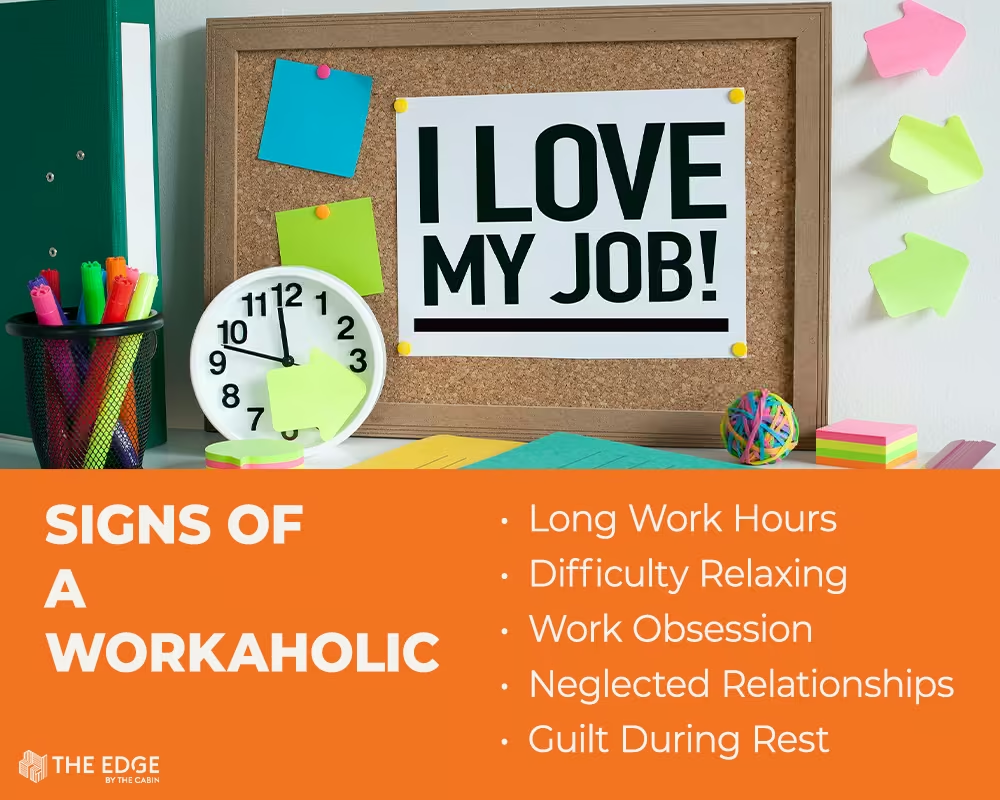
The signs of a workaholic are listed below.
- Long Work Hours: Laboring beyond necessity often indicates a loss of control over professional boundaries. Tasks may continue late into the night or through weekends without a valid business requirement.
- Difficulty Relaxing: Trouble taking breaks can cause significant restlessness or irritability during periods of downtime. The individual might feel that any moment not spent being productive is a failure.
- Work Obsession: Constant thoughts about professional duties occupy the mind during social events or rest periods. Mental preoccupation prevents the person from being fully present with family or friends.
- Neglected Relationships: Less time for others leads to a decline in the quality of personal and social connections. Family members may express concern about the lack of emotional availability and physical presence.
- Guilt During Rest: Feeling uneasy or anxious when not working is a common emotional response for these individuals. A person may believe the self is lazy or unworthy if the self is not constantly performing tasks.
Success Shouldn't Cost You Your Life
If you are struggling to disconnect, experiencing physical exhaustion, or noticing that your family life has taken a backseat to the office, you don’t have to carry that burden alone. At The Edge Rehab, we specialise in treating the underlying anxieties that drive compulsive habits.
What Emotional Changes can Workaholism Cause?
The emotional changes workaholism can cause are listed below.
- Anxiety: Constant pressure to perform leads to persistent feelings of nervousness and apprehension. The fear of making a mistake or falling behind can dominate the individual’s daily experience.
- Irritability: Increased frustration occurs when work is interrupted or when goals are not immediately met. Small setbacks may trigger significant emotional reactions or conflicts with colleagues and family.
- Guilt: Discomfort during rest periods stems from a belief that inactivity is unproductive or wrong. The person might struggle to enjoy leisure time without feeling a sense of shame.
- Stress: Ongoing emotional strain results from the relentless pursuit of achievement and the neglect of self-care. This burden can manifest as a persistent feeling of being overwhelmed by life.
- Emotional Exhaustion: Feeling drained over time is a frequent outcome of ignoring the need for recovery and balance. Joy and satisfaction may decrease as the person becomes increasingly focused on labor.
Do Workaholics Struggle to Relax During Time Off?
Yes, workaholics struggle to relax because of a constant sense of compulsion to remain productive and a fear of falling behind. Rest can create significant internal discomfort or a sense of wasted potential for those involved. Work-related thoughts may continue to circulate in the mind even during vacations or quiet evenings at home. Relaxation difficulties can hinder the body’s natural ability to recover from physical and mental exertion during the day. Achieving a healthy balance is essential for maintaining long-term wellness and preventing the onset of burnout. Learning to appreciate downtime requires conscious effort and often professional guidance through behavioral modification and therapy. Support from peers and family can assist in the transition toward a more sustainable and fulfilling lifestyle.
Do Workaholism and Cocaine Addiction Share Similar Warning Signs?
Yes, workaholism and cocaine addiction share warning signs like compulsive behavior and a loss of control over actions. Both conditions may involve continuing a specific habit despite significant negative effects on health and personal relationships. Cravings for an activity or substance can occur when a person is unable to engage in the behavior. Personal life often suffers as the addiction becomes the primary focus of daily existence for the individual. The underlying neurological mechanisms of reward may share similarities in how the brain responds to internal and external triggers. Identifying these patterns is a crucial step for clinicians who treat cocaine addiction symptoms.
What Symptoms of Work Addiction Affect Physical Health?
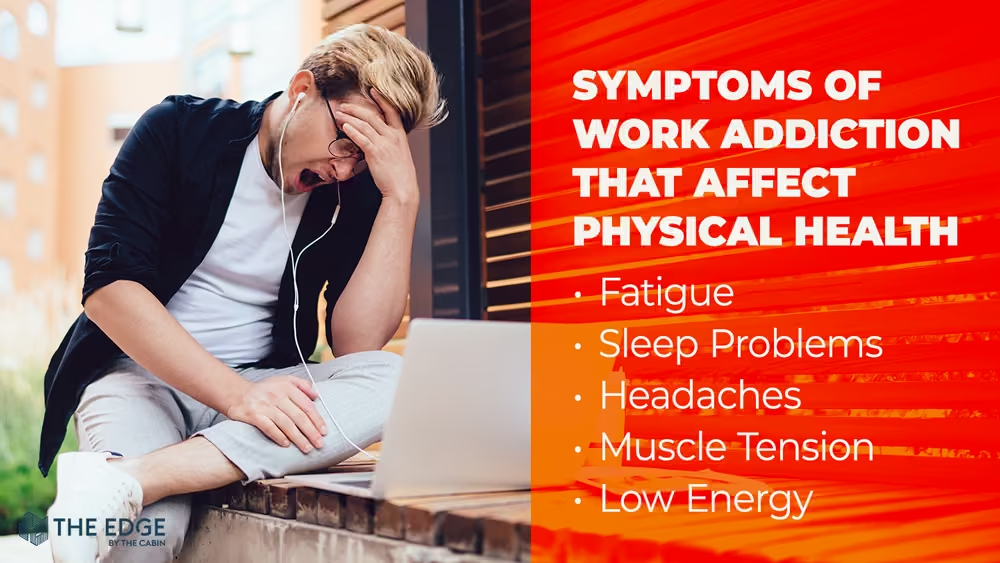
The symptoms of work addiction that affect physical health are listed below.
- Fatigue: Persistent tiredness occurs when the body lacks sufficient time to rest between long periods of labor. Sleep may not provide enough recovery to offset the extreme energy demands of overworking.
- Sleep Problems: Difficulty resting properly can result from a mind that remains active with professional concerns late at night. Insomnia or poor sleep quality often leaves the individual feeling unrefreshed and sluggish.
- Headaches: Stress-related discomfort frequently manifests as tension in the head and neck area. Chronic pressure from overextending the mind can lead to recurring pain and physical distress.
- Muscle Tension: Physical strain increases when the body is held in a state of constant alertness or poor posture. Shoulders and the back are particularly susceptible to the effects of long hours at a desk.
- Low Energy: Reduced physical recovery time prevents the body from replenishing its natural stores of vigor and strength. The person may find it difficult to engage in physical activities or social events after a long day.
How does Overworking Impact Sleep and Energy Levels?
Overworking reduces sleep quality and drains energy reserves by limiting the time available for essential bodily recovery and repair. Fatigue increases when an individual ignores the physical need for rest in favor of continuing professional tasks without a break. Concentration may decline as the brain lacks the necessary downtime to process information and recharge effectively for the next day. Long-term effects of sleep deprivation can accumulate and lead to more serious physical health complications for the person involved. Adequate rest is essential for maintaining cognitive clarity and overall physical stamina throughout the professional week. Energy levels may become inconsistent when the human body is pushed beyond a natural capacity for exertion and labor. Sustainable habits are necessary to ensure that the individual remains healthy and capable of performing duties safely. Balancing labor with recovery is a fundamental requirement for a long and productive career path. Individuals who ignore their needs may find a decline in both productivity and overall health over time. Recovery strategies often emphasize the importance of sleep in maintaining a stable and functional life.
Can Workaholism Lead to Burnout?
Yes, workaholism leads to burnout due to the continuous exhaustion of emotional and physical resources over time. Stress builds when there is no opportunity for the individual to disconnect and recharge during the week. Recovery becomes increasingly difficult once the person enters a state of total depletion and cynicism. Burnout can significantly impact professional performance and harm the quality of personal relationships over time. Early intervention is key to preventing the most severe outcomes of this chronic exhaustion. Adopting healthier work boundaries can help protect the individual from the long-term effects of overexertion. Support from mental health professionals provides the tools needed to manage responsibilities without sacrificing health.
Burnout Doesn't Have to Be Your Future
You deserve to live a life where rest feels rewarding, not anxiety-inducing. Our treatment programme at The Edge Crete combines therapy, practical coping strategies, and personalised care to help you regain control without sacrificing your future.
How does Workaholism Affect Mental Health and Relationships?
Workaholism affects mental health and relationships by increasing stress levels and reducing the quality of social interactions. Excessive work often limits the time available for meaningful interaction with family and friends. Anxiety and emotional exhaustion may occur when the individual feels unable to meet the demands of a professional life. Social time frequently decreases as the person becomes more absorbed in tasks and career milestones. Long-term effects can include a sense of isolation and a decline in overall life satisfaction for the person. Healthy boundaries are important for maintaining emotional stability and fostering strong personal bonds with others. Addressing the compulsion to work leads to improved mental health and more fulfilling interpersonal experiences. Professional guidance may be necessary to navigate these complex social and psychological changes.
What is the Hidden Link Between Workaholism and Mental Health?
The hidden link between workaholism and mental health involves stress, anxiety, and the use of labor as a primary coping mechanism. Professional activity may be used to manage difficult feelings or to avoid addressing personal struggles that feel overwhelming. Emotional distress drives a person toward overwork as a way to gain a sense of accomplishment and temporary control. Mental health may worsen over time if the underlying causes of the compulsion remain unaddressed and ignored by the person. Addressing behavioral patterns and psychological needs improves the chances of a successful and lasting recovery from addiction. Emotional clarity leads to a more balanced approach to professional and personal responsibilities in daily life. Support from clinicians helps the individual identify the hidden connections between labor and the internal state. Healthy habits are fostered when the root of the problem is understood and managed through professional therapy. Long-term stability requires a focus on physical and psychological health to ensure a sustainable lifestyle. Mental wellness depends on the ability to detach from work and focus on other areas of human existence.
How is Workaholism Different From Gambling Addiction?
Workaholism is different from gambling addiction because one involves compulsive labor while the other focuses on wagering money. Both conditions involve a significant loss of control and the continuation of behavior despite negative life consequences and social harm. The activities differ in social perception but share similar psychological patterns of obsession and escalation within the individual mind. Negative outcomes may occur in financial, social, and physical health areas for those struggling with either compulsion. Each issue requires a tailored treatment approach that addresses the specific triggers and habits of the person involved. Understanding the similarities in addictive cycles can help professionals provide more effective care for a problem gambler or gambling addiction.
Can Being Addicted to Work Harm Personal Relationships?
Yes, work addiction harms personal relationships by reducing the time and emotional attention given to family and friends. Communication may decline as the person becomes increasingly preoccupied with professional goals and deadlines. Relationship conflicts frequently increase when family members feel neglected or less important than the individual’s career. Emotional connection can suffer significantly when there is a lack of shared time and meaningful presence in the home. A balance between professional labor and personal life is essential for supporting healthier and more stable relationships. Prioritizing social bonds is a key component of a successful recovery from compulsive working habits. Seeking support from counselors can help repair the damage caused by years of prioritizing labor over people.
How is Work Addiction Diagnosed and Treated?
Work addiction is diagnosed and treated through behavioral assessment and an evaluation of symptoms and daily labor habits. Treatment focuses on changing unhealthy work patterns and developing more sustainable ways of managing professional demands and pressures. Mental health professionals may assist by identifying the underlying psychological drivers of the compulsive behavior seen in the patient. Personal habits are reviewed to determine the impact of labor on physical health and social connections within the family. Early intervention typically leads to better outcomes and helps prevent the development of chronic stress conditions or physical exhaustion. Ongoing support from therapists or peer groups may be beneficial for maintaining long-term behavioral changes and stability. Recovery plans often include setting strict boundaries on work hours and prioritizing self-care activities such as exercise. Developing a balanced lifestyle is the ultimate goal of any clinical intervention for this specific behavioral condition. Professional guidance ensures that the person can achieve career goals without sacrificing health or relationships. Consistent effort leads to a more fulfilling and sustainable approach to all areas of human life.
What Treatment Options are Available for Workaholism?

The treatment options available for workaholism are listed below.
- Therapy: Professional sessions address the underlying thoughts and behaviors that contribute to compulsive labor. Individuals learn to identify triggers and develop healthier responses to professional pressure.
- Counseling: Specialists provide a safe space to discuss the impact of overworking on personal life and health. This process helps the person gain perspective and establish more realistic goals for achievement.
- Support Groups: Peer connections offer a sense of community and shared understanding for those facing similar struggles. Group members provide accountability and encouragement throughout the recovery process.
- Stress Management: Techniques for reducing tension help individuals handle professional demands without resorting to overwork. Methods may include deep breathing, mindfulness, or regular physical activity.
- Lifestyle Changes: Adjusting daily routines encourages a more balanced approach to career and personal life. Prioritizing rest and social activities is a fundamental part of a successful long-term recovery.
You Don't Have to Choose Between Success and Wellbeing
True recovery from workaholism isn’t about giving up your ambition—it’s about regaining control over your daily routine. Our treatment programme at The Edge combines therapy, practical coping strategies, and personalised care to help you regain control without sacrificing your future.
What Types of Rehabilitation Programs Can Help Treat Workaholism?
Types of rehabilitation programs that can help treat workaholism are listed below.
- Outpatient Programs: Regular treatment sessions allow individuals to receive professional support while living at home and continuing jobs. The schedules provide flexibility while maintaining a strong focus on behavioral modification and recovery.
- Behavioral Therapy Programs: Specialized interventions aim to change the specific habits and thought patterns that drive the need to overwork. Clinicians help patients build new skills for managing time and setting healthy boundaries.
- Wellness Programs: Holistic approaches focus on improving physical health, nutrition, and mental clarity as part of the recovery process. The initiatives encourage a well-rounded lifestyle that values rest and self-care.
- Support Groups: Regular meetings with peers foster a sense of community and provide a platform for sharing recovery strategies. Accountability within the group helps individuals stay committed to the goal of a balanced life.
- Mental Health Programs: Clinicians address any co-occurring issues, such as anxiety or depression, that may be fueling the compulsion to labor. Targeted care ensures that all aspects of the individual’s well-being are considered in types of rehabilitation programs.
What Can You Expect During a Workaholism Treatment Program?
You can expect to work on changing unhealthy work behaviors and building healthier habits around productivity, rest, and personal care during a workaholism treatment program. Participants learn to recognize personal triggers and manage stress without overworking the body or mind. Individual and group sessions provide a structured setting for exploring the psychological roots of compulsive work patterns. Progress is monitored regularly to support sustainable changes in daily routines, social interactions, and work boundaries. Recovery takes time, practice, and a consistent commitment to new ways of living and thinking. Ongoing practice outside the clinical setting helps maintain the benefits of treatment over time. Support from specialists helps each person navigate the transition toward a more balanced lifestyle. Preparation and understanding the process are key parts of what to expect in rehab. Learning to prioritize rest, relationships, and personal well-being is a vital part of these programs. Patients leave with a clear plan for maintaining boundaries and preventing a return to old habits.
Can Therapy Help Workaholics Change Their Habits?
Yes, therapy helps workaholics change habits by teaching effective ways to manage stress and professional demands. Sessions often focus on addressing the thought patterns and beliefs that lead to compulsive labor and neglect of health. New coping skills are developed to replace the urge to work excessively during times of emotional or professional pressure. Consistent participation in the therapeutic process significantly improves the chances of achieving a lasting recovery from addiction. Long-term behavioral change is possible with the guidance of a trained mental health professional over a period of time. Individuals gain a deeper understanding of the internal motivations for behavior through regular exploration of past and present experiences. Targeted interventions may also include specialized therapy for young men with depression. Group therapy sessions can offer additional perspectives and support from others facing similar challenges. Identifying triggers is a critical step in preventing a relapse into old and harmful habits. Healthy living requires a commitment to the strategies learned during these professional sessions.
How Can You Prevent and Recover From Workaholism?
You can prevent and recover from workaholism by following six practical steps that support healthier work habits and personal well-being. First, establish clear boundaries between professional responsibilities and personal life to limit the duration of labor. Second, prioritize physical health by scheduling regular exercise and ensuring adequate sleep every night. Third, identify the internal and external triggers that lead to an uncontrollable urge to work excessively. Fourth, seek professional support from a therapist or counselor to address the underlying causes of the compulsion. Fifth, engage in hobbies and social activities that provide a sense of fulfillment outside of career achievements. Lastly, practice mindfulness or relaxation techniques daily to manage stress levels without relying on overwork as a coping mechanism.
What Healthy Habits Help Reduce Work Addiction?

The healthy habits that help reduce work addiction are listed below.
- Regular Breaks: Taking short intervals of rest throughout the day supports mental clarity and prevents physical exhaustion. The habit allows the body to recover from the strain of long periods of focus.
- Exercise: Physical activity reduces stress levels and improves overall mood through the release of natural chemicals in the brain. Movement provides a healthy outlet for energy and helps the individual disconnect from professional concerns.
- Hobbies: Pursuing interests outside of the career provides a sense of balance and personal satisfaction. Engaging in creative or leisure activities helps the person develop an identity beyond a professional role.
- Sleep Routine: Maintaining a consistent schedule for rest ensures that the brain and body have sufficient time to recharge. Quality sleep is essential for managing daily demands and maintaining emotional stability.
- Time Boundaries: Setting specific hours for starting and ending labor prevents professional tasks from encroaching on personal time. The limits are crucial for protecting an individual’s social life and overall well-being.
Is Recovery From Workaholism Possible?
Yes, recovery from workaholism is possible through the development of a healthier work-life balance and consistent behavioral change. Behavior change is a gradual process that requires time and a commitment to new daily habits and routines. Consistent effort in applying recovery strategies is essential for maintaining long-term health and stability in all areas. Recovery significantly benefits an individual’s physical well-being and the quality of personal relationships over a period of time. Dedicated programs provide the necessary tools and guidance for overcoming the compulsion to labor excessively without a break. Success is often achieved through a combination of therapy, peer support, and significant lifestyle modifications. Achieving a balanced life is a realistic goal for anyone willing to address the underlying causes of addiction. Support from loved ones and clinicians can provide the motivation needed to stay on the path toward wellness. Life becomes more fulfilling when labor is no longer the sole focus of existence for the person. Healthy boundaries ensure that work remains a part of life rather than the whole of life.
Reclaim Your Life Beyond Work
If you are ready to break the cycle of overworking as a coping mechanism, we invite you to look inside our premium programme at The Edge. Reach out to our compassionate team via our