

Sex addiction is a common nonclinical term for compulsive sexual behavior that becomes difficult to control despite harm or distress.
The condition may involve persistent sexual thoughts, strong urges, secrecy, risky choices, or repeated behavior that interferes with relationships, work, school, recovery, or emotional health. Causes may involve brain reward patterns, trauma history, stress, depression, anxiety, substance misuse, poor impulse control, and learned coping habits. Symptoms may include obsessive sexual thoughts, cravings, loss of control, repeated failed attempts to stop, and continued behavior despite consequences. Treatment may include psychotherapy, CBT, support groups, family counseling, trauma-informed care, relapse prevention, and treatment for co-occurring substance use or mental health concerns. Recovery from sex addiction involves professional support, trigger management, healthy coping skills, relationship repair, and consistent long-term behavior change.
What is Sex Addiction?
Sex addiction is a pattern of compulsive sexual behaviors that are difficult to control despite negative consequences. The behavior may interfere with daily functioning, emotional stability, relationships, work, school, or recovery goals. The urge becomes persistent, and control over behavior may decrease over time. Clients may continue sexual behavior even after shame, conflict, financial strain, health risk, or broken trust appear. The term sex addiction is commonly used, but clinicians may use terms such as compulsive sexual behavior, hypersexuality, or compulsive sexual behavior disorder depending on the setting. Professional evaluation helps separate high sexual interest from compulsive behavior that causes distress or impairment. Men may delay treatment because shame, stigma, or fear of judgment makes disclosure difficult. Treatment can help clients understand triggers, reduce secrecy, build self-control skills, and address related mental health or substance use concerns.
How does Sex Addiction Affect Thoughts and Behavior?
Sex addiction affects thoughts and behavior by creating frequent sexual preoccupation and repeated urges that feel difficult to manage. Sexual thoughts may dominate attention during work, school, relationships, or recovery activities. Cravings may increase when stress, loneliness, boredom, shame, trauma reminders, or substance use weakens self-regulation. Control becomes difficult when the behavior turns into a repeated coping pattern rather than a chosen sexual expression. Daily activities may be disrupted because time, money, privacy, and emotional energy become focused on sexual behavior. Relationship trust declines when secrecy, dishonesty, or broken agreements appear. Emotional distress may increase after behavior because shame, guilt, anxiety, or regret follow the episode. Therapy helps clients identify the thought cycle, interrupt behavior patterns, and build safer coping responses.
Is Sex Addiction a Real Condition?
Yes, sex addiction is a real mental health concern when sexual thoughts, urges, or behaviors become persistent, distressing, and difficult to control. The exact label may differ across clinical systems, and many clinicians use terms such as compulsive sexual behavior or compulsive sexual behavior disorder. Symptoms are persistent and may affect social functioning, occupational performance, intimate relationships, emotional health, or recovery stability. A professional evaluation is beneficial because sexual behavior alone does not indicate a disorder. Clinicians assess distress, loss of control, repeated failed attempts to stop, risk exposure, and impairment in daily life. Treatment options are available, including psychotherapy, CBT, relapse prevention, support groups, and care for co-occurring mental health or substance use concerns. Men underreport symptoms because shame or stigma can block early help-seeking. A careful assessment protects clients from inaccurate labeling and supports treatment based on actual impairment.
Can Drug or Alcohol Misuse Increase the Risk of Sex Addiction?
Yes, drug or alcohol misuse may increase the risk of compulsive sexual behaviors in some clients by reducing judgment, impulse control, and emotional regulation. Substance use increases risk-taking and makes it harder to pause before acting on sexual urges. Alcohol, stimulants, and other substances may increase disinhibition, craving, secrecy, or exposure to unsafe situations. Co-occurring conditions are common because compulsive sexual behavior may appear with depression, anxiety, trauma symptoms, ADHD, or substance use disorders. Treatment may address both issues when sexual behavior and substance misuse reinforce each other. Recovery planning includes relapse prevention, trigger mapping, sober support, and safer routines. Men may benefit from care that addresses alcohol use, drug use, shame, anger, loneliness, and relationship conflict together. A combined treatment plan through drug and alcohol rehab helps reduce the risk of replacing one compulsive behavior with another.
What Causes Sex Addiction?
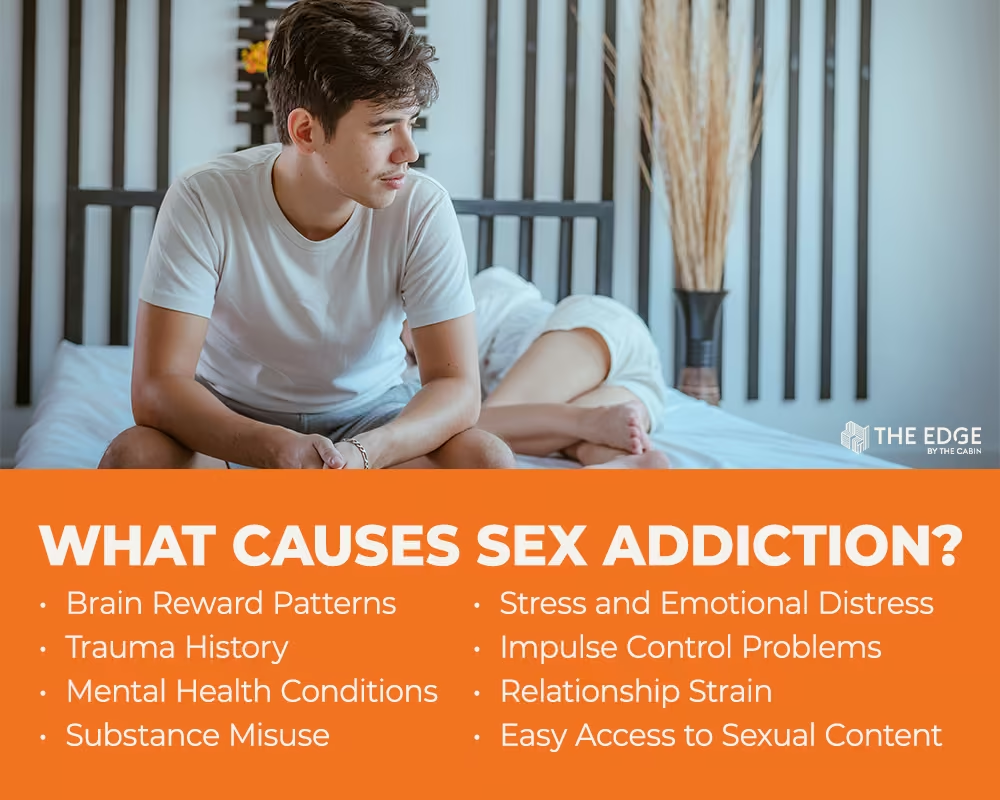
The causes of sex addiction are listed below.
- Brain Reward Patterns: Sexual behavior activates reward pathways that reinforce repetition. Repeated pairing of sexual behavior with relief, pleasure, or escape may strengthen compulsive patterns.
- Trauma History: Trauma may increase vulnerability to compulsive sexual behavior when sexual activity becomes a way to manage pain, fear, shame, or numbness. Trauma-informed therapy helps address the underlying distress safely.
- Mental Health Conditions: Depression, anxiety, ADHD, OCD traits, and mood instability may contribute to compulsive behavior in some clients. Treatment often works best when related symptoms receive care.
- Substance Misuse: Drug or alcohol misuse may reduce self-control and increase risky sexual behavior. Addiction treatment may be needed when substance use and compulsive sexual behavior overlap.
- Stress and Emotional Distress: Stress, loneliness, anger, grief, or boredom may trigger compulsive sexual behavior. Healthier coping tools reduce dependence on sexual behavior for emotional relief.
- Impulse Control Problems: Difficulty delaying urges may increase repeated sexual behavior despite consequences. Therapy may focus on pause skills, urge management, and behavioral planning.
- Relationship Strain: Conflict, rejection, emotional distance, or insecure attachment may increase sexual coping behaviors. Counseling can help rebuild communication and trust.
- Easy Access to Sexual Content: Constant access to sexual material may strengthen habit loops in vulnerable clients. Boundary setting and digital limits may support recovery.
Feeling trapped in a cycle of compulsive sexual behavior?
You’re not alone, and there’s hope for change. Recovery isn’t about guilt or punishment—it’s about learning healthier ways to cope. At The Edge, our experienced therapists are here to guide you through understanding the underlying causes, managing your urges, and building a brighter, healthier future.
Why is Sex Addictive for Some People?
Sex is addictive for some people because sexual activity may activate brain reward pathways that reinforce repeated behavior. Reward signals may encourage repetition when sexual behavior becomes linked to relief, pleasure, escape, or emotional numbing. Some clients become more vulnerable when stress, trauma, substance use, shame, loneliness, or low impulse control affect decision-making. Vulnerability differs among clients, so strong sexual desire alone does not equal addiction. Repeated patterns may develop when the behavior continues despite relationship conflict, financial problems, health risks, or emotional distress. The behavior becomes harder to control when it becomes the main strategy for managing discomfort. Men experience added shame when compulsive sexual behavior conflicts with values, family roles, or recovery goals. Treatment helps clients reduce automatic behavior and build healthier reward systems through connection, routine, therapy, and coping skills.
How Can Trauma and Mental Health Issues Contribute to Sex Addiction?
Trauma and mental health issues can contribute to sex addiction by increasing emotional distress, shame, impulsivity, and the need for relief. Patients may use sexual behavior to cope with anxiety, sadness, anger, numbness, rejection, or trauma memories. Emotional pain may become a factor when sexual behavior provides short-term relief but creates long-term harm. Depression may increase isolation, and anxiety may increase escape seeking. Trauma may affect boundaries, attachment patterns, body memories, trust, and emotional regulation. Underlying issues often require treatment because compulsive sexual behavior may function as a coping strategy rather than the root problem. Recovery may involve trauma-informed care (Therapy), CBT, support groups, relapse prevention, and care for co-occurring conditions. Trauma-informed care helps treatment stay safe, paced, and respectful when trauma history affects sexual behavior.
Can Sex Addiction Develop From Brain Reward Patterns?
Yes, sex addiction can develop from brain reward patterns when repeated sexual behavior becomes strongly connected with relief, pleasure, or escape. Reward pathways may reinforce habits when sexual activity repeatedly reduces stress or emotional discomfort. Pleasure strengthens repetition, especially when access is easy, and stress levels remain high. Learned patterns may develop when the brain begins to expect sexual behavior as a fast way to change mood. Brain mechanisms play a role, but biology alone does not explain every case. Emotional history, trauma, relationships, substance use, and mental health symptoms may shape the behavior. The behavior becomes difficult to control when urges, routines, and rewards reinforce one another. Treatment helps clients interrupt reward loops and build healthier coping routines.
What are the Common Symptoms of Sex Addiction?
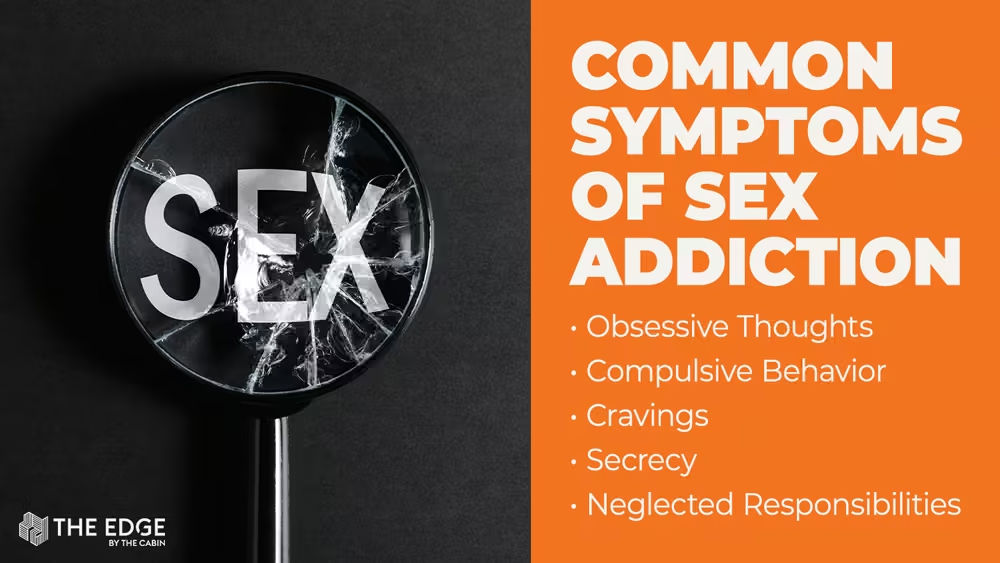
The common symptoms of sex addiction are listed below.
- Obsessive Thoughts: Obsessive thoughts involve frequent sexual preoccupation that interrupts daily focus. The thoughts may continue even when clients want to stop them.
- Compulsive Behavior: Compulsive behavior involves repeated sexual actions that feel difficult to control. The behavior may continue despite harm, shame, or relationship conflict.
- Cravings: Cravings are strong urges for sexual activity, pornography, messaging, fantasy, or risky behavior. Urges may intensify during stress, loneliness, boredom, or substance use.
- Secrecy: Secrecy involves hiding behaviors, deleting evidence, lying, or isolating from loved ones. Hidden patterns may increase guilt and damage trust.
- Neglected Responsibilities: Neglected responsibilities occur when work, family, school, finances, or health needs suffer. Daily duties may decline as sexual behavior takes more time and attention.
What are the Signs of Sex Addiction?
The signs of sex addiction are listed below.
- Loss of Control: Loss of control means the client cannot limit sexual behavior despite repeated intention to stop. The behavior may continue beyond planned boundaries.
- Repeated Attempts to Stop: Repeated attempts to stop involve unsuccessful efforts to reduce sexual behavior. Failed attempts may increase shame and frustration.
- Relationship Problems: Relationship problems may involve broken trust, conflict, secrecy, emotional distance, or repeated boundary violations. Partners and families may feel hurt or confused.
- Excessive Time Use: Excessive time use means large amounts of time go toward sexual thoughts, pornography, messaging, planning, or behavior. Time loss may affect work, sleep, or family life.
- Continued Behavior: Continued behavior means the pattern persists despite emotional, relational, legal, financial, or health consequences. Continued harm signals the need for professional support.
Do Sex Addiction Symptoms Affect Daily Life and Relationships?
Yes, sex addiction symptoms affect daily life and relationships when compulsive behavior disrupts trust, time, responsibilities, or emotional stability. Personal, social, and work responsibilities may be disrupted by secrecy, distraction, missed duties, or repeated conflict. Trust issues develop when partners discover hidden behavior, broken agreements, or unsafe choices. Productivity may decline when sexual thoughts or urges dominate attention during the day. Consequences are significant because compulsive patterns may affect finances, sexual health, family stability, and recovery goals. Support is needed when clients do not reduce the behavior alone. Therapy helps identify triggers, reduce secrecy, rebuild trust, and create relapse prevention plans. Family or couples counseling helps repair communication when relationships are affected.
Your Behaviour Doesn't Define Who You Are
Countless young men find themselves grappling with sex addiction, often suffering in silence. At The Edge Crete, we provide specialised therapy in a welcoming and non-judgmental atmosphere, empowering you to embark on your path to recovery.
How is Hypersexuality Related to Sex Addiction?
Hypersexuality is related to sex addiction by describing frequent or intense sexual thoughts, urges, or behaviors that may become compulsive when control decreases, and consequences appear. The concepts are related but not identical because hypersexuality focuses on high sexual frequency or intensity, while sex addiction focuses on compulsivity, loss of control, distress, and consequences. Increased sexual activity alone does not always indicate addiction. Compulsivity is the key concern when behavior continues despite harm or repeated attempts to stop. Assessment is necessary because culture, relationship context, personal values, and medical factors affect how symptoms appear. Severity varies among clients and may range from distressing thoughts to significant life disruption. Clinicians may use terms such as hypersexuality, compulsive sexual behavior, or compulsive sexual behavior disorder. Treatment focuses on functioning, safety, emotional regulation, and behavior change rather than labels alone.
What Does Hypersexual Mean?
Hypersexual means having unusually frequent, intense, or persistent sexual thoughts, urges, or behaviors that exceed what is typical for the client. The level feels excessive when it causes distress, conflict, distraction, or difficulty with control. Sexual focus becomes overwhelming and interferes with work, school, relationships, sleep, or emotional health. Urges are persistent during stress, anxiety, loneliness, or substance use. Hypersexual behavior involves pornography, masturbation, sexual messaging, multiple partners, risky encounters, or constant fantasy. The term does not automatically mean addiction because context and impairment matter. Professional evaluation helps when sexual thoughts or behaviors cause distress or harm. Treatment focuses on triggers, coping skills, emotional regulation, and co-occurring mental health concerns.
Is Hypersexuality the Same as Sex Addiction?
No, hypersexuality is not exactly the same as sex addiction, although the terms may overlap in common use. Hypersexuality describes unusually frequent or intense sexual thoughts, urges, or behaviors. Sex addiction describes a compulsive pattern marked by loss of control, distress, secrecy, and continued behavior despite consequences. A patient has strong sexual desire without having compulsive sexual behavior. A patient meets concern thresholds when sexual behavior becomes difficult to control and harms daily functioning. Assessment helps identify whether the issue involves high desire, compulsive behavior, trauma coping, mood symptoms, substance use, or relationship distress. Treatment recommendations depend on impairment, safety, and co-occurring conditions. Clinicians prefer terms such as compulsive sexual behavior because the term addiction remains debated in some diagnostic systems.
How is Sex Addiction Diagnosed?
Sex addiction is assessed through clinical evaluation of sexual behaviors, symptoms, and their impact on daily life. Mental health professionals review behavior patterns, loss of control, distress, risk exposure, and functional impairment. The assessment includes questions about frequency, triggers, secrecy, failed attempts to stop, relationship conflict, substance use, trauma history, and mental health symptoms. Behavior patterns are reviewed carefully because high sexual interest alone does not equal addiction. Functional impairment is considered when symptoms affect work, relationships, health, finances, recovery, or emotional stability. Diagnosis requires professional judgment and may use terms such as compulsive sexual behavior or compulsive sexual behavior disorder, depending on the clinical system. Individual circumstances matter because cultural background, relationship agreements, medical issues, and medication effects may influence behavior. A complete evaluation helps guide therapy, support planning, and treatment for co-occurring concerns.
What Behaviors May Indicate Compulsive Sexual Behavior?
The behaviors that may indicate compulsive sexual behavior are listed below.
- Persistent Sexual Thoughts: Persistent sexual thoughts are difficult to control and may interrupt focus. The thoughts may continue despite distress or attempts to redirect attention.
- Repeated Risky Behavior: Repeated risky behavior continues despite emotional, relational, health, legal, or financial consequences. Risk patterns may increase during substance use or emotional distress.
- Loss of Control: Loss of control involves difficulty stopping sexual behavior after deciding to stop. The behavior may feel automatic during high urge states.
- Secrecy: Secrecy involves concealing activities, lying, deleting messages, or hiding sexual behavior from loved ones. Hidden behavior often increases shame and relationship damage.
- Neglect of Responsibilities: Neglect of responsibilities occurs when family duties, work, school, sleep, or health care suffer. Personal obligations may decline as the behavior becomes more time-consuming.
Is Sex Addiction Listed in the DSM?
No, sex addiction is not listed as a formal diagnosis in the Diagnostic and Statistical Manual of Mental Disorders(DSM). The DSM does not include sex addiction or compulsive sexual behavior disorder as a standalone diagnosis. Clinicians may still evaluate and treat clients whose sexual thoughts or behaviors cause distress, loss of control, and functional impairment. The International Classification of Diseases (ICD) recognizes compulsive sexual behavior disorder under impulse control disorders. The difference between DSM and ICD classification makes the language confusing for clients and families. Professional evaluation remains useful even when a specific label is debated. Treatment addresses the symptoms, risks, and co-occurring concerns without relying only on the term sex addiction. A clinician may document related diagnoses when depression, anxiety, trauma, substance use, obsessive-compulsive disorder (OCD) features, or impulse control concerns are present.
You don't have to keep hiding or struggling alone
A Better Life Is Possible. The Edge offers compassionate, confidential treatment designed to help you regain control and build a healthier future.
What Treatment Options are Available for Sex Addiction?
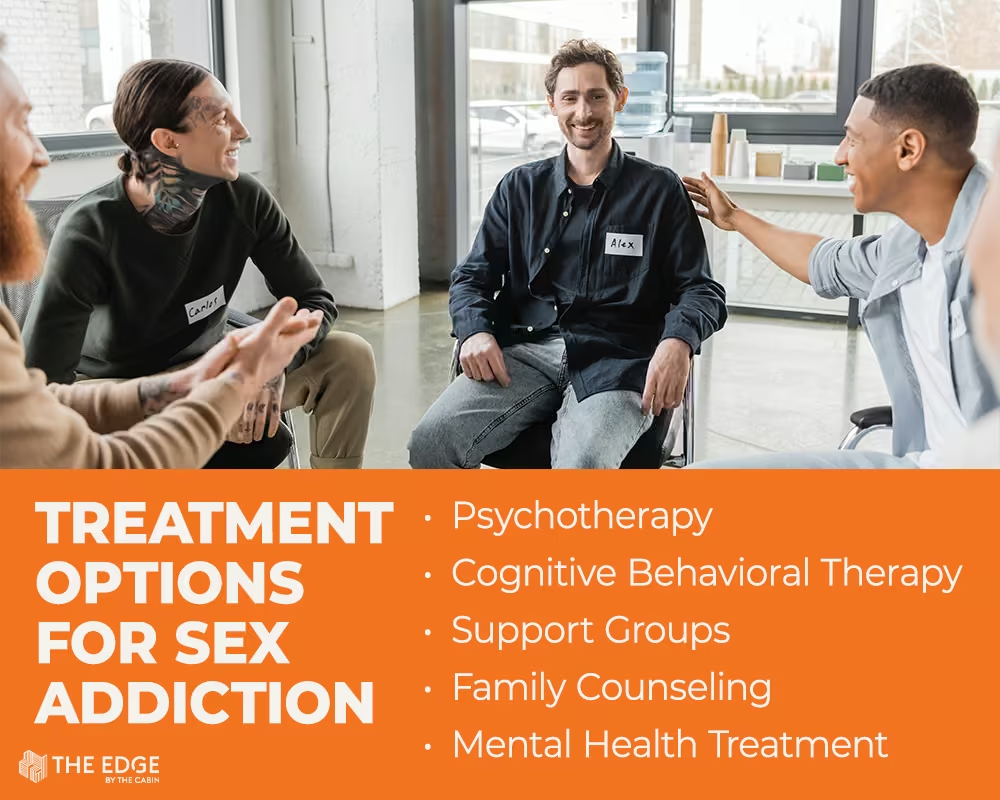
The treatment options available for sex addiction are listed below.
- Psychotherapy: Psychotherapy helps clients understand behavior patterns, emotional triggers, shame, trauma history, and relationship difficulties. Therapy supports long-term change through structured reflection and coping skill development.
- Cognitive Behavioral Therapy: Cognitive Behavioral Therapy helps clients identify thoughts, urges, triggers, and behaviors that maintain compulsive patterns. CBT improves coping skills and relapse prevention planning.
- Support Groups: Support groups provide peer support, accountability, and shared recovery experience. Group support may reduce isolation and shame.
- Family Counseling: Family counseling helps repair communication, boundaries, trust, and relationship strain. Loved ones may need education and support during recovery.
- Mental Health Treatment: Mental health treatment addresses depression, anxiety, trauma, ADHD, OCD traits, or substance use that may contribute to compulsive sexual behavior. Integrated care strengthens recovery planning during sex addiction treatment.
How does Sex Addiction Therapy Help Recovery?
Sex addiction therapy helps recovery by helping patients understand triggers and develop healthier coping strategies. Therapy supports behavioral change by identifying the thoughts, emotions, situations, and routines linked to compulsive sexual behavior. Skills for self-control may improve through urge management, relapse prevention, boundary setting, and emotion regulation practice. Triggers are identified through discussion, journaling, behavior tracking, and review of high-risk situations. Recovery becomes more manageable when clients reduce secrecy and build a clear plan for stress, loneliness, shame, or cravings. Long-term progress is supported when therapy addresses trauma, relationship damage, and co-occurring substance use or mental health concerns. Men benefit from direct, structured treatment that reduces shame and focuses on accountability. Therapy helps clients rebuild trust and create healthier patterns of intimacy.
Can Sex Addiction Be Treated Successfully?
Yes, sex addiction can be treated successfully with appropriate support, therapy, and ongoing behavior change. Patients achieve meaningful improvement when treatment addresses triggers, urges, coping skills, and co-occurring concerns. Therapy is beneficial because it helps clients understand the pattern and create safer responses before urges become behavior. Recovery requires commitment, honesty, and consistent practice because compulsive habits can return during stress or isolation. Progress takes time, especially when trauma, substance use, relationship conflict, or shame is part of the pattern. Long-term management is possible through relapse prevention, support groups, healthy routines, and continued therapy when needed. Men improve when treatment includes accountability, emotional skill building, and practical recovery planning. Success must be measured by reduced harm, improved control, stronger relationships, and better daily functioning.
How Can Someone Recover From Sex Addiction?
A person can recover from sex addiction through treatment, support, and ongoing behavior change. Recovery begins with an honest assessment of the behavior, triggers, consequences, and co-occurring mental health or substance use concerns. Professional help is useful because compulsive sexual behavior involves shame, secrecy, trauma, and relationship harm. Healthy coping skills are essential when stress, loneliness, anger, boredom, or anxiety trigger urges. Recovery is a gradual process that may include psychotherapy, CBT, support groups, family counseling, relapse prevention, and digital boundaries. Support improves outcomes because accountability reduces isolation and helps clients stay consistent. Men benefit from a structured plan that addresses emotional suppression, substance use, anger, and relationship repair. Long-term recovery involves healthier routines, safer intimacy patterns, and continued awareness of relapse warning signs.
What Steps Can Help Overcome Sex Addiction?
The steps that can help overcome sex addiction are listed below.
- Seek Professional Help: Contact a licensed mental health provider or treatment program for proper evaluation and guidance. Clinical support helps identify symptoms, risk factors, and the right level of care.
- Identify Triggers: Recognize stress, loneliness, alcohol use, anger, boredom, rejection, or trauma reminders that increase urges. Trigger awareness helps clients prepare safer responses before compulsive behavior begins.
- Build Healthy Habits: Replace harmful patterns with exercise, sleep routines, social support, hobbies, and recovery activities. Healthy structure lowers relapse risk and supports emotional stability.
- Join Support Groups: Attend support groups for accountability, shared recovery experience, and encouragement. Peer support reduces shame and isolation during recovery.
- Create a Recovery Plan: Develop clear boundaries, coping skills, emergency steps, therapy appointments, and support contacts. Long-term goals help clients maintain progress and respond better to relapse warning signs.
Can Lifestyle Changes Reduce the Risk of Relapse?
Yes, lifestyle changes can help reduce the risk of relapse by improving routine, stress control, emotional stability, and support. Healthy routines support long-term recovery because structure reduces idle time, secrecy, and high-risk situations. Stress management is important because distress often triggers compulsive urges. Positive habits such as sleep consistency, exercise, reduced alcohol use, digital boundaries, and regular therapy improve stability. Relapse prevention requires consistency because urges may return during stress, conflict, loneliness, or shame. Ongoing self-care is beneficial when clients use coping tools before urges become behavior. Men benefit from structured accountability, sober routines, and direct communication with trusted support. Lifestyle changes work best when combined with therapy, support groups, and treatment for co-occurring mental health or substance use concerns.
There Is No Shame in Asking for Help
The weight of shame can be too heavy, but the journey to healing starts with knowledge and connection. Our residential programme at The Edge gives you the time, structure, and professional support needed to understand compulsive sexual behaviour and develop healthier habits for life.


