

Relationship addiction is an unhealthy pattern of emotional dependence on a romantic partner, a relationship, or the idea of being loved.
The pattern develops from attachment wounds, trauma, low self-esteem, fear of abandonment, loneliness, or repeated toxic relationship experiences. Relationship addiction causes obsessive thinking, fear of separation, constant reassurance seeking, weak boundaries, and difficulty leaving harmful relationships. The emotional bond feels intense, but the connection creates stress, insecurity, isolation, and loss of personal identity. Recovery involves psychotherapy, support groups, trauma-informed therapy, self-development, boundary building, and treatment for related mental health or substance use concerns. Men recover by learning emotional independence, rebuilding self-worth, recognizing unhealthy patterns, and practicing safer relationship habits.
What is Relationship Addiction?
Relationship addiction is a pattern of unhealthy emotional dependence on a romantic partner or relationship that becomes central to a person’s sense of safety, worth, and stability. The attachment becomes excessive when a person feels incomplete, anxious, or emotionally unsafe without constant connection. Independence decreases as personal goals, friendships, routines, and self-care become less important than the relationship. Daily functioning affected when thoughts, decisions, mood, and behavior revolve around the partner. Healthy boundaries may become difficult to maintain because fear of rejection or abandonment creates pressure to stay close. The pattern appears in romantic relationships that feel intense, unstable, or hard to leave. Professional support helps men understand attachment patterns, reduce emotional dependence, and build healthier relationship skills.
How is Love Addiction Different From Healthy Love?
Love addiction is different from healthy love through excessive dependence, fear of separation, and compulsive attachment, while healthy love supports mutual respect, emotional balance, and personal independence. Healthy love supports growth because each person keeps a stable identity, clear boundaries, and a meaningful life outside the relationship. Love addiction creates emotional distress because the relationship becomes the main source of validation, comfort, and self-worth. Healthy love allows trust, patience, honesty, and space during conflict or distance. Love addiction creates panic, jealousy, control, or repeated attempts to keep closeness at any cost. The emotional dynamics differ because one pattern supports stability, and the other pattern reinforces insecurity. Men need support when love feels more like fear, obsession, or loss of control than connection.
Can a Person be Addicted to Another Person?
Yes, a person can become addicted to another person when emotional dependence becomes difficult to control and begins to affect daily life. The attachment may feel intense because the person becomes a primary source of validation, comfort, approval, and identity. Separation causes distress when distance creates anxiety, panic, sadness, or fear of abandonment. The relationship becomes unbalanced when personal needs, boundaries, friendships, work, or recovery goals are ignored. A person may stay attached even when the relationship causes repeated conflict, emotional harm, or loss of self-respect. Professional support helps by identifying attachment patterns, trauma responses, and unhealthy coping habits. Recovery focuses on self-worth, emotional regulation, boundary setting, and safer relationship choices.
What Causes Someone to Become Addicted to Relationships?
Unmet emotional needs, attachment issues, trauma, low self-esteem, and repeated safety-seeking patterns cause someone to become addicted to relationships by making romantic connections feel necessary for stability. Past experiences influence behavior when early rejection, neglect, inconsistency, or emotional pain shape how a person understands closeness. Emotional vulnerability increases risk when a person depends on a partner for identity, stability, or relief from distress. Relationship addiction develops over time as reassurance, affection, and reconciliation become the main ways to feel secure. Causes differ among individuals because personality traits, family history, mental health, substance use, and relationship experiences affect attachment patterns. A person repeats harmful bonds when the emotional highs feel rewarding after periods of fear or conflict. Therapy helps uncover the roots of the pattern and supports healthier emotional independence.
How does Emotional Dependence Develop in a Relationship?
Emotional dependence develops in a relationship through heavy reliance on a partner for self-worth, security, happiness, or emotional control. The reliance grows gradually when reassurance, attention, and approval become the main sources of comfort. Personal boundaries weaken as the person begins to ignore needs, values, or limits to keep the relationship stable. Validation becomes increasingly important when fear of rejection or abandonment affects daily choices. Independence declines when hobbies, friendships, goals, and self-care receive less attention. Relationship stress increases because one partner carries too much emotional responsibility. Therapy helps a person rebuild self-trust, practice boundaries, and develop coping skills outside the relationship.
Relationships Should Build You Up—Not Break You Down
Healthy relationships shouldn’t leave you feeling anxious, trapped, or emotionally dependent. At The Edge, we help young men understand unhealthy attachment patterns, rebuild self-worth, and develop healthier relationships through evidence-based therapy.
Are Certain People More Prone to Relationship Addiction?
Yes, certain people are more prone to relationship addiction because attachment styles, personality traits, trauma history, and low self-esteem may increase vulnerability. Men with anxious attachment may fear abandonment and seek repeated reassurance from a partner. Trauma may increase vulnerability when past emotional pain creates a strong need for safety, approval, or rescue through relationships. Low self-esteem contributes because outside validation becomes a substitute for internal self-worth. Not every man with risk factors develops relationship addiction because life context, support systems, coping skills, and treatment access matter. Individual circumstances shape how relationship patterns form and continue. Professional care helps vulnerable individuals identify unhealthy attachment patterns before relationship stress becomes severe.
What are the Signs of Being Addicted to a Person?
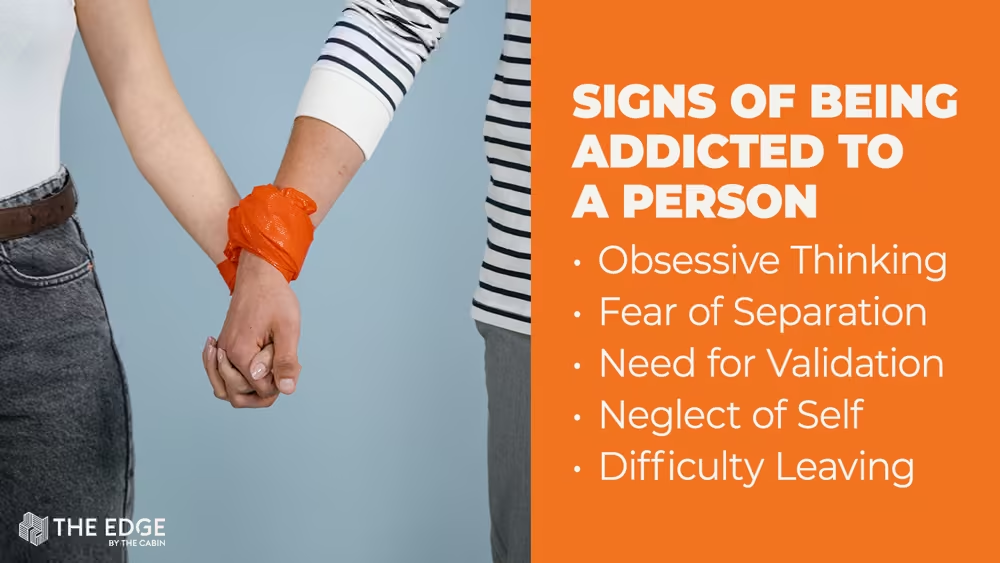
The signs of being addicted to a person are listed below.
- Obsessive Thinking: Obsessive thinking means constant focus on the person, the relationship, or possible rejection. The thoughts interrupt work, sleep, social life, and emotional balance.
- Fear of Separation: Fear of separation means anxiety, panic, sadness, or distress when the person is unavailable. Distance feels threatening even when the relationship is not ending.
- Need for Validation: Need for validation means constant approval seeking through messages, affection, attention, or reassurance. The pattern increases insecurity when approval is delayed or absent.
- Neglect of Self: Neglect of self means personal needs, values, health, friendships, and goals receive less attention. The relationship becomes more important than individual stability.
- Difficulty Leaving: Difficulty leaving means staying in a harmful relationship despite repeated pain, conflict, betrayal, or emotional damage. Fear of loss may feel stronger than the need for safety.
How does a Relationship Addict Typically Behave?
A relationship addict typically behaves with constant closeness seeking, repeated reassurance seeking, and strong dependence on a partner for validation. The behavior becomes dependent when the person struggles to feel calm, valued, or secure without the partner’s attention. Boundaries may be weak because the person may agree to harmful conditions, ignore personal limits, or avoid conflict to prevent rejection. Fear of rejection is strong and leads to clinginess, jealousy, checking behavior, or emotional withdrawal. Relationships become unhealthy when reassurance never feels enough and conflict becomes frequent. Emotional distress increases when the partner creates distance or fails to respond as expected. Therapy helps a person understand the behavior pattern and build healthier emotional regulation.
Is Constant Need for Reassurance a Warning Sign?
Yes, a constant need for reassurance is a warning sign of unhealthy emotional dependence when reassurance becomes excessive and difficult to satisfy. Men struggle with insecurity and need repeated proof of love, loyalty, attention, or commitment. Validation becomes excessive when brief distance, delayed replies, normal conflict, or independent activity creates emotional distress. Anxiety may increase without reassurance because the person may interpret space as rejection or abandonment. The relationship becomes strained when one partner feels pressured to provide constant emotional support. Support is beneficial when reassurance seeking affects peace, trust, and daily functioning. Treatment helps reduce insecurity, strengthen self-worth, and create healthier communication patterns.
Why are Toxic Relationships so Addictive?
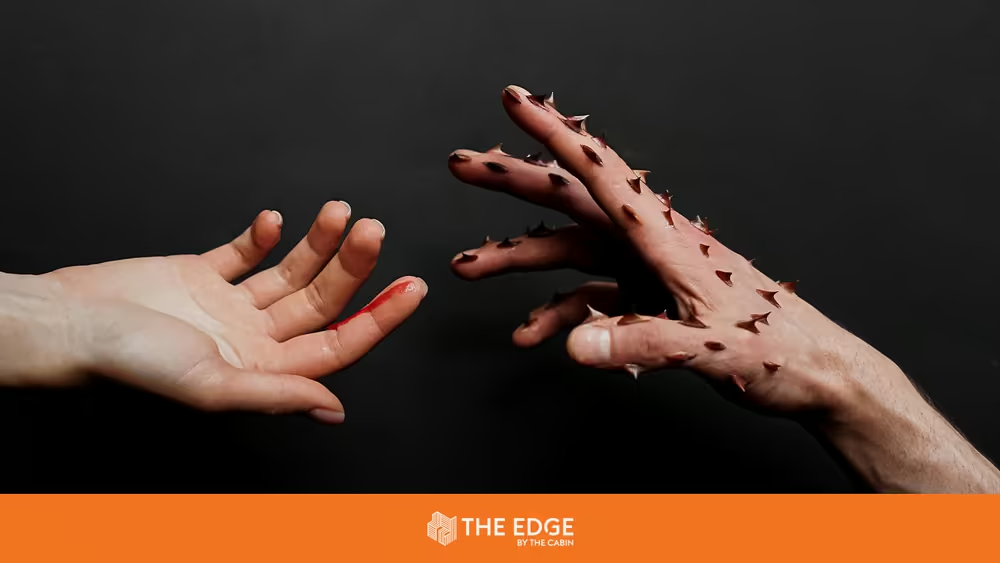
Toxic relationships can become addictive because intense emotional highs and lows reinforce attachment and make the bond feel powerful. The unpredictability may create a cycle where conflict, fear, apology, affection, and temporary relief repeat. Emotional rewards may occur intermittently, which makes moments of kindness or closeness feel more valuable after pain. Strong attachments may form when the person starts chasing relief instead of stability. Leaving becomes difficult because the mind may focus on the good moments and minimize repeated harm. Harmful patterns may continue when fear, hope, guilt, or low self-worth keep the person attached. Recovery requires support because toxic relationship cycles affect judgment, confidence, and emotional safety.
What is the Addictive Relationship Cycle?
The addictive relationship cycle is a repeated pattern of conflict, emotional distress, reconciliation, temporary relief, and renewed attachment. The cycle may begin with tension, insecurity, jealousy, criticism, or fear of abandonment. Conflict may create emotional pain, followed by apology, affection, attention, or promises of change. Temporary relief may feel rewarding because emotional closeness returns after distress. Emotional highs follow lows, and the contrast may reinforce attachment. The relationship becomes difficult to leave when the person begins to expect relief after each painful episode. Emotional dependence grows when repeated reconciliation becomes the main source of hope and security.
Can Emotional Highs and Lows Create Attachment?
Yes, emotional highs and lows can create attachment in some relationships by making the bond feel intense, urgent, and difficult to release. The emotional contrast may increase connection because relief after conflict feels rewarding. Unpredictability may reinforce attention because the person keeps watching for signs of approval, rejection, closeness, or distance. Emotional intensity may become rewarding when calm moments feel rare and valuable after stress. Attachment may deepen as the person begins to chase the return of affection rather than evaluate the full relationship pattern. A healthy balance may decrease when stability is replaced by anxiety and relief. Support helps men recognize the cycle and choose safer connection patterns.
Break the Cycle of Unhealthy Relationships
Learn how The Edge helps young men rebuild confidence, establish healthy boundaries, and create stronger relationships.
How does Relationship Addiction Affect Mental and Emotional Health?
Relationship addiction affects mental and emotional health by increasing stress, insecurity, fear, and psychological distress. Mental well-being may suffer when the relationship becomes the main source of identity, validation, and emotional safety. Anxiety may increase when separation, conflict, silence, or uncertainty feels threatening. Self-esteem may decline when a person ignores personal needs or accepts harmful behavior to keep the relationship. Emotional stability may be affected because mood begins to depend on another person’s attention or approval. Professional support may help by improving boundaries, self-worth, coping skills, and relationship awareness. Treatment may be especially helpful when relationship addiction appears with trauma symptoms, depression, anxiety, substance use, or compulsive sexual behavior.
What Problems Can Addiction in Relationships Cause?
The problems addiction in relationships can cause are listed below.
- Emotional Distress: Emotional distress includes increased stress, worry, guilt, sadness, and fear of abandonment. The person may feel controlled by the relationship’s emotional changes.
- Poor Boundaries: Poor boundaries create difficulty maintaining independence, privacy, values, and personal limits. The person may agree to harmful behavior to avoid rejection.
- Relationship Conflict: Relationship conflict may include frequent arguments, jealousy, mistrust, pressure, or repeated breakups and reunions. Conflict may continue when emotional dependence blocks clear decisions.
- Low Self-Esteem: Low self-esteem may appear when confidence depends on a partner’s approval. Personal worth may feel unstable when the relationship feels uncertain.
- Social Isolation: Social isolation may develop when friendships, family contact, hobbies, and support systems decline. The person may become more dependent as outside connections decrease.
How is Sex Addiction Connected to Relationship Addiction?
Sex addiction is connected to relationship addiction through emotional dependence and compulsive sexual behavior, appearing together in the same relationship pattern. Both concerns involve unhealthy attachment, repeated behavior despite harm, secrecy, shame, and difficulty with self-control. Validation becomes tied to intimacy when sexual contact becomes a way to feel wanted, secure, or emotionally relieved. Compulsive behaviors coexist when sex, romance, attention, and reassurance become linked to self-worth. The conditions are distinct because relationship addiction centers on emotional dependence, while compulsive sexual behavior centers on difficulty controlling sexual urges or actions. Clinical sources note that compulsive sexual behavior affects daily life and is not listed as a Diagnostic and Statistical Manual of Mental Disorders (DSM) diagnosis, while the International Classification of Diseases (ICD) recognizes compulsive sexual behavior disorder under impulse control disorders. Treatment addresses both concerns when sex addiction affects relationship stability.
Can Relationship Addiction Lead to Anxiety or Depression?
Yes, relationship addiction can contribute to anxiety or depression when emotional dependence creates ongoing stress, insecurity, and fear of loss. Emotional dependence may increase psychological strain because a person’s mood becomes tied to another person’s attention, approval, or availability. Mood changes may occur when the relationship feels unstable, distant, or conflict-heavy. Emotional distress may become persistent when the person feels unable to leave or set boundaries despite harm. Mental health may be affected through isolation, low self-esteem, sleep disruption, and repeated worry. Treatment may improve well-being by addressing attachment fears, trauma triggers, and unhealthy coping patterns. Support helps men rebuild identity outside the relationship and develop safer emotional habits.
How can a Person Tell the Difference Between Love and Addiction?
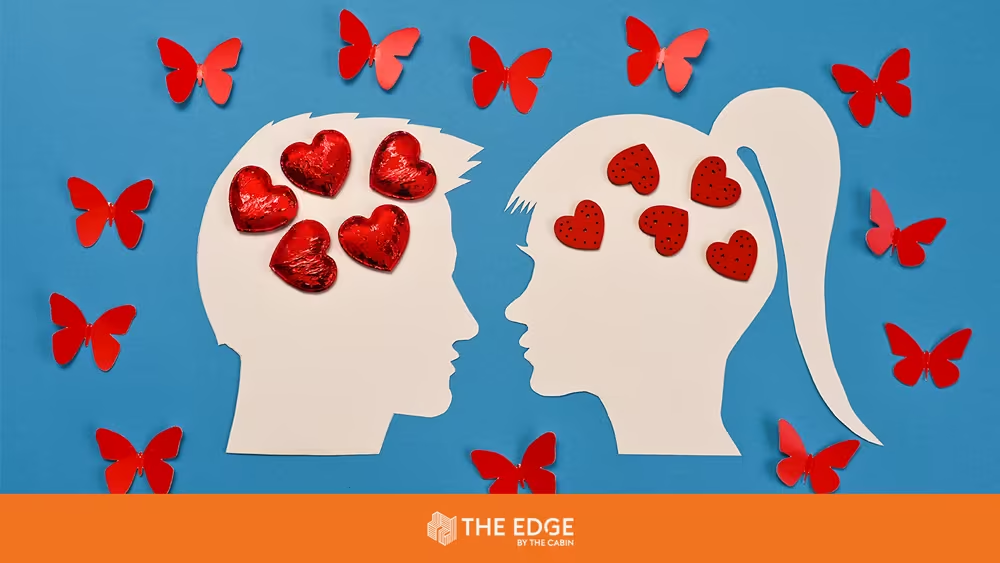
A person can tell the difference between love and addiction by looking at whether the bond supports mutual respect, emotional balance, and independence or creates dependence, fear, and loss of control. Love is based on care, trust, respect, honesty, and shared responsibility. Addiction involves excessive reliance on another person for validation, identity, relief, or emotional security. Healthy relationships support independence because each person keeps friendships, goals, values, and self-respect. Addictive relationships may not support independence because fear of abandonment drives clinginess, jealousy, control, or repeated self-neglect. Love encourages growth because the relationship helps each person feel safer and more stable. Addiction creates excessive reliance when the relationship becomes the only source of comfort or self-worth.
How Does Addiction vs Love Compare?
Addiction differs from love through compulsion, dependency, and fear of loss, while love involves care, trust, respect, and emotional balance. Love involves care, trust, respect, patience, and the ability to stay connected without losing personal identity. Addiction involves compulsion, dependency, fear of loss, and repeated behavior that continues despite emotional harm. Love is balanced because each person has space, boundaries, and responsibility for personal well-being. Addiction is controlling when the person monitors, clings, demands reassurance, or tolerates harm to avoid separation. Healthy love promotes well-being because the relationship adds safety and support to life. Addiction causes harm when emotional dependence creates anxiety, conflict, isolation, or low self-worth.
Your Happiness Shouldn't Depend on Someone Else
Emotional independence is something you can learn. Our therapists at The Edge Crete can help young men overcome relationship addiction by addressing the deeper causes behind unhealthy attachment.
How is Alcohol Addiction Linked to Toxic Relationship Patterns?
Alcohol addiction is linked to toxic relationship patterns through impaired judgment, poor communication, emotional instability, and damaged trust. Relationship conflict increases when drinking leads to broken promises, secrecy, mood changes, aggression, neglect, or unreliable behavior. Communication problems occur because alcohol can lower inhibition and make arguments more intense. Trust becomes damaged when a partner hides drinking, minimizes harm, or repeats behavior that affects emotional safety. Toxic patterns worsen when apologies, conflict, and temporary reconciliation repeat without treatment. Treatment benefits both issues because alcohol recovery and relationship repair require honesty, boundaries, accountability, and support. Care for alcohol addiction symptoms helps reduce emotional instability and relationship harm.
Is Jealousy a Sign of Love or Addiction?
No, jealousy is not a reliable sign of love, but it can become a sign of addiction when it reflects insecurity, fear of loss, control, or emotional dependence. Mild jealousy may appear in relationships, but repeated jealousy becomes harmful when it leads to monitoring, accusations, isolation, or pressure. Love is better shown through trust, respect, honest communication, and healthy boundaries. Addiction may be present when jealousy becomes intense, frequent, or tied to fear of abandonment. The relationship becomes unsafe when jealousy controls decisions or limits independence. Professional support helps when jealousy causes distress, conflict, or repeated attempts to control a partner. Healthy recovery focuses on self-worth, trust building, emotional regulation, and respectful communication.
What Treatments and Recovery Options are Available for Relationship Addiction?
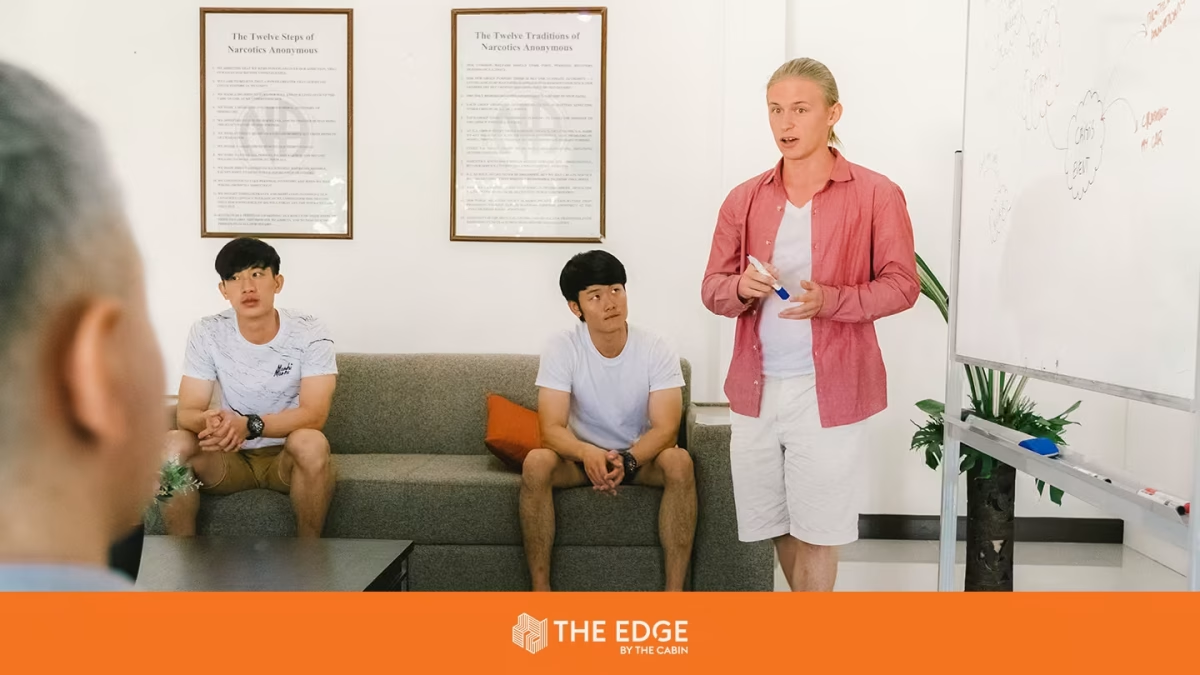
The treatments and recovery options available for relationship addiction are listed below.
- Psychotherapy: Psychotherapy addresses unhealthy relationship patterns, emotional dependence, attachment wounds, and fear of abandonment. Therapy may help a person understand triggers and build safer relationship habits.
- Support Groups: Support groups provide peer support, accountability, and shared recovery experience. Group settings may reduce shame and isolation.
- Cognitive Behavioral Therapy: Cognitive Behavioral Therapy improves coping skills by identifying thoughts and behaviors that reinforce dependence. CBT may help with reassurance seeking, jealousy, self-criticism, and relapse prevention.
- Trauma Therapy: Trauma therapy addresses underlying experiences that shape fear, attachment, boundaries, and emotional reactions. Treatment may help reduce trauma-driven relationship patterns.
- Self-development: Self-development strengthens independence through routines, hobbies, friendships, values, and personal goals. A stronger identity outside romance may support healthier bonds.
How Can Relationship Addiction Recovery Help a Person Build Healthier Bonds?
Relationship addiction recovery can help a person build healthier bonds by strengthening boundaries, self-esteem, emotional regulation, and relationship skills. Emotional independence improves when a person learns to feel secure without constant reassurance from a partner. Communication becomes healthier because needs, limits, and concerns can be expressed without panic or control. Self-awareness increases when triggers, fears, and old attachment patterns become clearer. Relationships become more balanced when each person keeps personal identity, respect, and responsibility. Long-term well-being may improve because recovery reduces emotional chaos and increases stability. Healthy bonds grow through trust, patience, accountability, and consistent self-care.
How Can Trauma-Informed Therapy Help With Relationship Addiction?
Trauma-informed therapy helps with relationship addiction by identifying past experiences that may contribute to unhealthy attachment, fear of abandonment, and emotional dependence. Treatment focuses on safety and healing because trauma can affect trust, boundaries, self-worth, and emotional regulation. Emotional triggers are explored in a careful way so the person can understand why certain relationship situations feel threatening. Coping skills are strengthened through grounding, self-regulation, boundary work, and healthier communication. Recovery may become more effective when treatment addresses the root distress beneath the relationship pattern. Underlying causes can be addressed without blame or shame. Trauma Informed Care (Therapy) supports lasting change when past harm continues to affect present relationship choices.
Does Therapy Improve Long-Term Recovery Outcomes?
Yes, therapy improves long-term recovery outcomes by helping a person change unhealthy behaviors and develop healthier relationship patterns. Consistent treatment supports progress by building self-awareness, emotional regulation, communication skills, and boundary strength. Skills may improve over time as the person practices new responses to fear, jealousy, separation, and conflict. Relapse risk may decrease when triggers are identified and a clear recovery plan is used. Recovery becomes more sustainable because therapy addresses both visible behavior and underlying emotional pain. Emotional well-being improves when self-worth no longer depends entirely on a partner’s approval. Long-term support helps a person maintain healthier bonds and reduce repeated toxic relationship cycles.
Love Shouldn't Feel Like Losing Yourself
If you’re struggling to break free from toxic relationships or seeking constant validation, The Edge Crete is here to help you reclaim your independence and self-worth. Contact our team today to learn how we can help you build healthier relationships and a more confident future.


