The effects of drug abuse are physical, mental, emotional, social, educational, work-related, and long-term problems that can damage daily life and health.
Drug abuse means harmful or repeated drug use that negatively affects health, behavior, relationships, school, work, or daily life. Drug abuse may involve illegal drugs, prescription drugs used outside medical directions, or substances used in unsafe amounts. Individuals may abuse drugs to seek pleasure, cope with stress, manage emotions, escape trauma, reduce pain, fit in socially, or handle pressure. Trauma can affect drug addiction recovery by increasing emotional triggers, stress responses, relapse risk, and difficulty trusting treatment support. Drug and alcohol rehab may be considered when drug use causes loss of control, withdrawal symptoms, cravings, health problems, relationship conflict, poor performance, legal trouble, or repeated failed attempts to stop.
Physical Effects
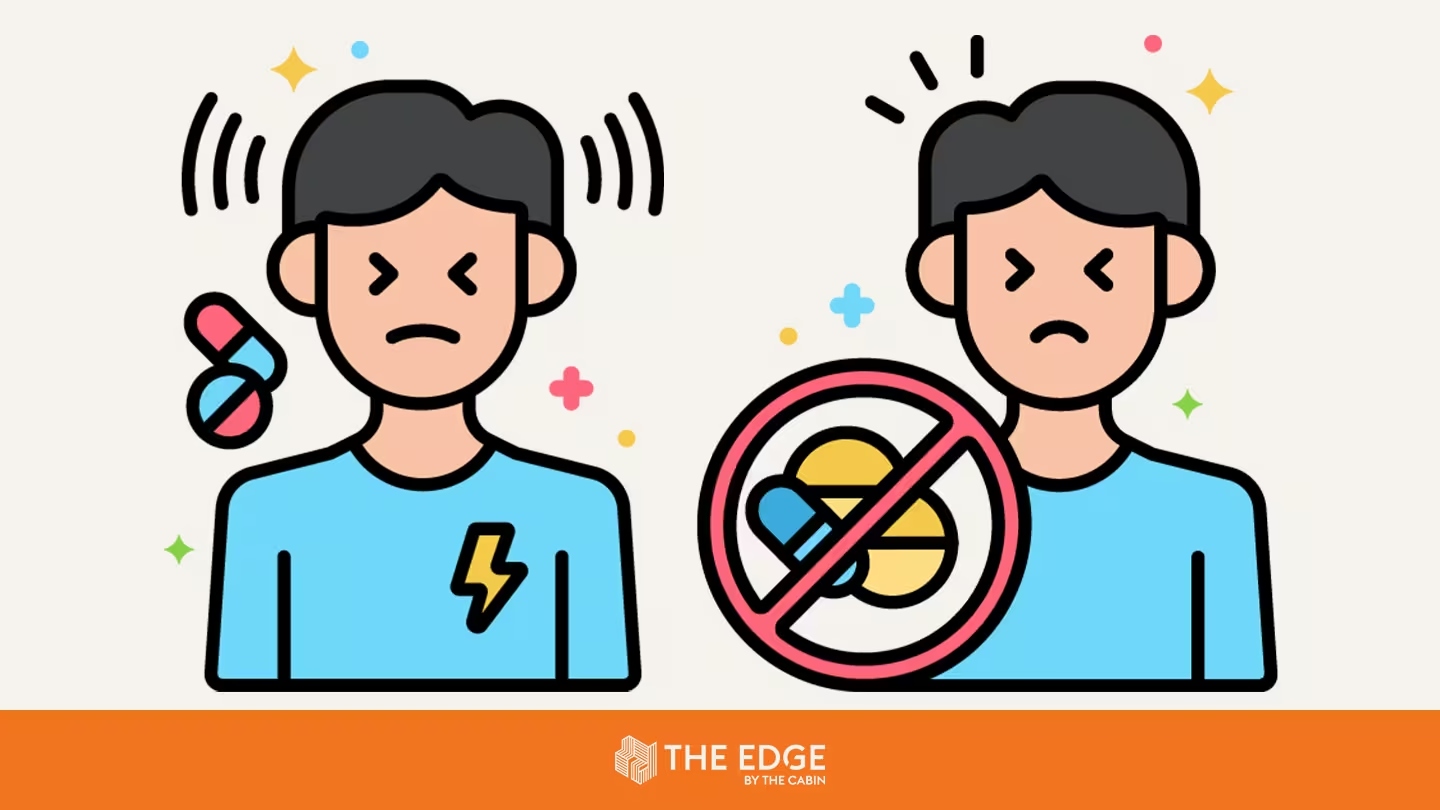
Physical effects are body-related problems that can happen when drug abuse affects organs, energy, sleep, nutrition, movement, and safety. The effects may involve the heart, liver, lungs, kidneys, brain, immune system, and digestive system. Symptoms may include fatigue, pain, poor sleep, appetite changes, weight changes, infections, poor coordination, and overdose signs. The severity depends on the drug type, amount used, route of use, health history, and length of use. Medical care may be needed when drug use causes breathing changes, chest pain, fainting, confusion, seizures, or overdose symptoms.
Damage to Vital Organs Such as the Heart, Liver, Lungs, and Kidneys
Damage to vital organs such as the heart, liver, lungs, and kidneys can happen when drugs place repeated stress on major body systems. The heart may be affected by changes in blood pressure, rhythm, oxygen level, and circulation. The liver may be harmed when it processes toxic substances, repeated high doses, or mixed substances. The lungs may be damaged by smoking, inhaling chemicals, reduced breathing, or repeated infections. The kidneys may be affected when drugs change hydration, blood flow, muscle breakdown, toxin clearance, or blood pressure control.
Weakened Immune System Making Infections More Likely
A weakened immune system making infections more likely is a physical effect of drug abuse that reduces the body’s ability to fight illness. Drug use may increase infection risk through poor sleep, poor nutrition, unsafe injection practices, poor hygiene, and reduced medical care. The body may heal more slowly when the immune system is under repeated stress. Infections may become more likely when wounds, respiratory symptoms, or skin problems are ignored. Treatment can support better health by improving routines, nutrition, medical follow-up, and safer recovery habits.
Sleep Disturbances and Fatigue

Sleep disturbances and fatigue can happen when drug abuse disrupts the brain, nervous system, and daily routines. Stimulants may keep the body awake for long periods and reduce normal rest. Sedatives may cause sleepiness, but disrupt healthy sleep quality and breathing. Withdrawal may cause insomnia, nightmares, restlessness, sweating, or daytime exhaustion. Fatigue may become worse when drug use affects nutrition, hydration, mood, physical health, and recovery motivation.
Poor Nutrition and Weight Changes
Poor nutrition and weight changes can happen when drug abuse affects appetite, food choices, metabolism, and daily structure. Some drugs may reduce hunger and lead to skipped meals, weight loss, dehydration, or vitamin deficiencies. Other substances may increase cravings for sugar, irregular eating, inactivity, or rapid weight gain. Poor nutrition can weaken energy, immunity, mood, concentration, and physical recovery. Nutritional support may help restore strength when treatment rebuilds healthier eating routines and daily stability.
Increased Risk of Accidents, Injuries, Overdose, and Death
Increased risk of accidents, injuries, overdose, and death is one of the most serious physical effects of drug abuse. Impaired judgment, poor coordination, slowed reaction time, and risky behavior can increase injury risk. Accidents may happen during driving, work tasks, fights, falls, unsafe sex, or in dangerous environments. An overdose can become life-threatening when drugs affect breathing, heart function, consciousness, or body temperature. Emergency medical care is needed when breathing slows, skin color changes, seizures occur, or a person cannot be awakened.
Addiction Is a Brain-Based Disease
It’s time to understand why and take action. When substance use starts to take control, professional support at The Edge can help transform young lives.
Mental and Emotional Effects
Mental and emotional effects are changes in mood, thinking, judgment, memory, and behavior caused by drug abuse. Drug use can affect brain reward systems, stress responses, motivation, attention, and emotional control. Symptoms may include anxiety, depression, mood swings, irritability, cravings, confusion, poor judgment, and emotional numbness. These effects may become worse during intoxication, withdrawal, stress, sleep loss, or relapse. Treatment may need to address both substance use and mental health symptoms together.
Anxiety, Depression, and Mood Swings
Anxiety, depression, and mood swings can happen when drug abuse changes brain chemistry and emotional regulation. Drugs may create temporary relief, but repeated use can make emotional symptoms stronger over time. Anxiety may increase when drug effects fade, withdrawal begins, or cravings become intense. Depression may appear when normal activities feel less rewarding without drug use. Mood stability may improve when treatment supports sleep, coping skills, therapy, and substance-free routines.
Memory and Concentration Problems

Memory and concentration problems can happen when drug abuse affects brain areas involved in learning, attention, and planning. A person may forget responsibilities, miss appointments, lose items, or struggle to follow conversations. Concentration problems may affect schoolwork, job tasks, driving safety, and daily decisions. These problems may become worse when drug use disrupts sleep, nutrition, mood, and motivation. Cognitive support may help recovery through routines, reminders, therapy, and structured planning.
Poor Judgment and Decision Making
Poor judgment and decision-making can happen when drug abuse affects self-control, impulse regulation, and risk awareness. A person may take unsafe actions that lead to health, legal, financial, or relationship problems. Drug use can make risky choices feel less serious during intoxication or cravings. Poor decisions may include unsafe driving, unsafe sex, aggression, stealing, or using larger amounts. Treatment can help people identify risk patterns and build safer decision-making skills.
Increased Risk of Mental Health Disorders

Increased risk of mental health disorders can happen when drug abuse worsens anxiety, depression, trauma symptoms, mood instability, or psychosis related symptoms. Substance use and mental health symptoms may influence each other and make recovery more complex. Some people use drugs to cope with emotional pain, but repeated use can make symptoms harder to manage. Co-occurring disorders may require integrated treatment that addresses substance use and mental health together. Professional assessment can help identify the right care plan and reduce long-term risk.
Dependence and Addiction
Dependence and addiction can develop when repeated drug use changes the body, brain, and behavior. Dependence may cause withdrawal symptoms when drug use stops or decreases. Addiction may cause compulsive use despite health, family, legal, or work problems. Cravings, tolerance, loss of control, and continued use can become stronger over time. Treatment may help reduce dependence, manage withdrawal, and rebuild healthy routines.
Social Effects
Social effects are relationship and community problems that can happen when drug abuse changes behavior, trust, communication, and responsibility. Drug use can affect family, friends, partners, coworkers, classmates, and loved ones. Conflict may increase when secrecy, broken promises, mood changes, or unsafe behavior become common. Social isolation may occur when drug use becomes more important than healthy connections. Rehab and therapy may help restore communication, accountability, and support.
Family Conflicts and Broken Relationships
Family conflicts and broken relationships can happen when drug abuse causes secrecy, broken promises, mood changes, and unsafe behavior. Loved ones may feel hurt, confused, angry, afraid, or emotionally exhausted. Arguments may increase when substance use affects money, parenting, trust, household responsibilities, or safety. Relationships may break down when the person denies the problem or avoids help. Family therapy may support healthier communication, boundaries, recovery education, and accountability.
Loss of Trust From Friends and Loved Ones
Loss of trust from friends and loved ones can happen when drug abuse leads to lying, secrecy, missed responsibilities, or repeated harmful behavior. Trust may decline when promises to stop are not followed by real change. Friends and loved ones may become cautious when behavior feels unpredictable or unsafe. Rebuilding trust takes time because recovery requires honesty, consistency, and accountability. Treatment may help people repair trust through communication skills, relapse prevention, and stable behavior.
Social Isolation

Social isolation can happen when drug abuse becomes more important than healthy relationships and daily activities. A person may withdraw from family, friends, school, work, hobbies, or community life. Shame, guilt, depression, fear of judgment, and drug-centered routines can make isolation worse. Isolation can increase cravings because the person has fewer healthy supports and fewer positive routines. Recovery programs may help rebuild connection through therapy, peer support, family involvement, and structured activities.
Financial Problems Due to Spending on Drugs
Financial problems due to spending on drugs can happen when money is used for substances instead of basic needs. Drug use may lead to debt, unpaid bills, missed work, borrowing, or selling personal belongings. Financial strain may affect rent, food, transportation, school, childcare, and medical care. Money conflicts can increase stress and damage family trust. Treatment can support financial recovery by helping the person reduce use, rebuild stability, and plan daily responsibilities.
Legal Issues and Criminal Behavior
Legal issues and criminal behavior can happen when drug abuse leads to possession charges, impaired driving, theft, violence, or unsafe public behavior. Legal problems may affect school, employment, housing, family life, and future opportunities. Criminal behavior may increase when addiction creates pressure to obtain substances or money. Court involvement can add stress, financial costs, and family strain. Early treatment may reduce legal risk by addressing substance use before consequences become more severe.
If you suspect your son is dabbling in drugs
It’s crucial to step in sooner rather than later. His health and future are incredibly important, and early intervention can make a significant difference.
Educational and Work Effects
Educational and work effects are problems that affect learning, attendance, productivity, job stability, and long-term goals. Drug abuse may reduce focus, motivation, energy, memory, judgment, and responsibility. Students may miss classes, fail assignments, lose interest, or leave school. Workers may miss shifts, perform poorly, violate policies, or lose employment. Recovery support may help rebuild structure, responsibility, and future planning.
Poor Academic Performance
Poor academic performance can happen when drug abuse affects focus, memory, motivation, sleep, and attendance. Students may miss assignments, fail tests, skip classes, or stop caring about school goals. Drug use may make learning harder because attention and memory become less reliable. School problems may increase when drug use happens with peer pressure, stress, or mental health symptoms. Treatment and academic support may help rebuild routines, accountability, and learning stability.
Increased Absenteeism From School or Work
Increased absenteeism from school or work can happen when drug abuse causes intoxication, withdrawal, fatigue, mood changes, or legal problems. Repeated absences can damage grades, employment, income, and trust. A person may miss important classes, shifts, meetings, deadlines, or responsibilities. Absenteeism may become a warning sign when it appears with secrecy, declining performance, or behavior changes. Recovery planning can help restore attendance through structure, accountability, symptom management, and support.
Reduced Productivity and Job Loss
Reduced productivity and job loss can happen when drug abuse affects performance, reliability, safety, and decision-making. Work quality may decline when focus, energy, judgment, and motivation are reduced. Mistakes, missed deadlines, conflict, and unsafe actions may become more common. Job loss may occur when substance use disrupts duties or violates workplace policies. Treatment can help people rebuild work readiness, time management, responsibility, and healthy routines.
Difficulty Achieving Personal Goals
Difficulty achieving personal goals can happen when drug abuse interrupts education, work, health, relationships, finances, and self-confidence. Substance use may shift attention away from future planning and daily progress. Goals may feel harder to reach when cravings, withdrawal, conflict, or health problems take priority. Repeated setbacks can increase shame and reduce hope. Recovery can help restore motivation, stability, discipline, and goal-directed behavior.
Long-Term Effects
Long-term effects are lasting health, brain, behavior, social, and life consequences that can develop from repeated drug abuse. These effects may include chronic disease, lasting brain changes, infectious disease risk, reduced life expectancy, addiction, and major life disruption. Long-term drug abuse can change how the brain responds to reward, stress, memory, and decision-making. The risk depends on the drug, dose, frequency, age of first use, health history, trauma, and support access. Treatment can still improve outcomes even after years of drug abuse.
Chronic Diseases
Chronic diseases can develop when repeated drug abuse harms major body systems over time. The heart, liver, lungs, kidneys, brain, and immune system may be affected depending on the drug and use pattern. Drug abuse may increase the risk of cardiovascular disease, respiratory illness, liver disease, infection, stroke, or cognitive decline. Chronic disease risk may become worse when drug use occurs with poor sleep, poor nutrition, unsafe use, or limited medical care. Medical treatment and addiction care may work together to reduce further damage and support long-term health.
Lasting Brain Changes That Affect Thinking and Behavior
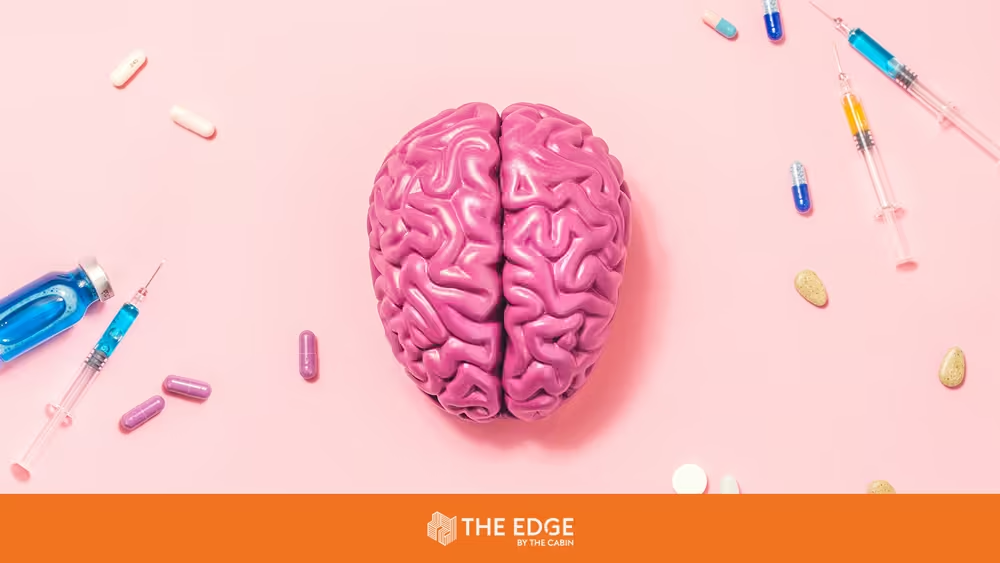
Lasting brain changes that affect thinking and behavior can happen when drug abuse alters reward, memory, stress, and self-control systems. These changes may increase cravings, impulsive behavior, emotional instability, and relapse risk. A person may struggle to make safe choices even after understanding the consequences. Brain changes do not mean recovery is impossible, but they can make structured support important. Therapy, medication support, healthy routines, and time in recovery may help the brain and behavior stabilize.
Increased Risk of Infectious Diseases From Unsafe Drug Use
Increased risk of infectious diseases from unsafe drug use can happen when people share needles, use unsterile equipment, or make unsafe choices while impaired. Infections may include HIV, hepatitis B, hepatitis C, skin infections, and bloodstream infections. Unsafe drug use may also increase risky sexual behavior and reduce attention to hygiene or wound care. Infection risk may become higher when medical testing and treatment are delayed. Medical care, harm reduction, and addiction treatment can reduce health risks and support recovery.
Reduced Life Expectancy
Reduced life expectancy can happen when drug abuse increases the risk of overdose, chronic disease, accidents, violence, suicide, and untreated medical problems. The risk may become higher when substances are mixed or used in dangerous amounts. Long-term drug abuse can weaken the body and reduce access to stable routines, medical care, housing, and support. Overdose risk can increase when tolerance changes after abstinence or when unknown substances are used. Recovery support can improve safety, health, stability, and long-term survival.
Addiction affects more than behaviour
Whether an addiction is physical or purely psychological, lasting recovery requires actively rewiring the brain’s reward pathways. The Edge combines medical care, psychological therapy, and relapse prevention to support long-term recovery.
What is Drug Abuse?

Drug abuse is the harmful or excessive use of drugs in ways that negatively affect health, relationships, responsibilities, or daily life. Drug abuse may involve illegal drugs, prescription drugs used outside medical directions, or substances taken in unsafe amounts. Use becomes harmful when it creates physical, emotional, behavioral, financial, social, legal, school, or work problems. Risks increase over time when repeated use changes brain reward pathways and makes stopping more difficult. Physical problems may include sleep disruption, organ strain, injuries, overdose risk, or withdrawal symptoms. Emotional problems may include anxiety, depression, irritability, cravings, or poor judgment. Social problems may include conflict, secrecy, isolation, loss of trust, and missed responsibilities. Dopamine activity and reward pathway changes are closely linked with drug abuse.
How Does Drug Abuse Differ From Drug Misuse?
Drug abuse differs from drug misuse by involving repeated harmful use that causes negative consequences, while drug misuse involves using a drug incorrectly. Misuse may involve taking a prescription at the wrong dose, using someone else’s medication, or taking medicine for a reason not directed by a clinician. Abuse is more harmful because the pattern continues despite problems in health, relationships, school, work, finances, or safety. Misuse may be occasional, but it can still create a serious risk. Abuse often suggests a stronger pattern of repeated use and negative consequences. Both can increase the risk of addiction when drug use affects reward pathways and self-control. The difference depends on intent, frequency, consequences, and loss of control. Professional assessment can clarify risk and guide the right level of care.
Is Drug Abuse the Same as Addiction?
No, drug abuse is not the same as addiction. Drug abuse describes harmful use that causes problems, while addiction involves compulsive drug seeking and use despite adverse consequences. Individuals may abuse drugs without meeting criteria for addiction, but repeated harmful use can increase addiction risk. Addiction usually includes cravings, loss of control, tolerance, withdrawal symptoms, and continued use despite harm. Drug abuse can be an early warning sign when problems begin to appear. Addiction may require structured treatment, medical care, therapy, and long-term support. Both conditions deserve attention because either pattern can harm health and daily life. Early help may prevent harmful use from becoming more severe.
Why do People Abuse Drugs?
People abuse drugs because they may seek pleasure, cope with stress, manage emotions, reduce pain, escape trauma, or fit in socially. Motivations vary because personal history, environment, mental health, peer influence, and access to drugs differ between individuals. Some people use drugs to feel relaxed, confident, energized, numb, or socially accepted. Others may use drugs to manage anxiety, depression, grief, loneliness, boredom, trauma symptoms, or untreated pain. Risk factors differ because genetics, family history, early exposure, school stress, work stress, and social pressure can affect vulnerability. Drug abuse may become more likely when healthy coping skills and support systems are limited. Repeated use can strengthen brain reward patterns and make stopping harder. Treatment helps identify the reason behind use and replace it with safer coping strategies.
What Factors Increase the Risk of Drug Abuse?
The factors that increase the risk of drug abuse are listed below.
- Genetics: Genetics can increase vulnerability when addiction runs in the family. Family history does not guarantee addiction, but it may raise the risk.
- Peer Pressure: Peer pressure can influence drug use when friends, partners, or social groups normalize substance use. Risk may increase when refusal skills are weak.
- Mental Health Issues: Mental health issues such as anxiety, depression, trauma symptoms, or mood disorders can increase drug abuse risk. Drugs may be used to cope with emotional pain.
- Stress: Stress can increase risk when a person uses drugs to manage pressure, conflict, grief, or burnout. Healthy coping skills can reduce this risk.
- Trauma: Trauma can increase risk when painful experiences affect stress response, trust, emotion regulation, and safety. Trauma-informed treatment may help recovery feel safer.
How is Gambling Addiction Different From Drug Addiction?
Gambling addiction differs from drug addiction by involving compulsive behavior without a substance, while drug addiction involves dependence on a drug. Gambling addiction is behavioral because the repeated action activates reward systems through risk, anticipation, and possible reward. Drug addiction is substance-related because the drug changes brain chemistry through direct chemical effects. Gambling addiction and drug addiction can affect brain reward systems and lead to cravings, loss of control, secrecy, financial problems, relationship conflict, and emotional distress. Gambling addiction does not cause drug withdrawal, but it can create intense urges and emotional distress when gambling stops. Drug addiction may involve physical dependence, tolerance, withdrawal symptoms, and overdose risk depending on the substance. Both conditions may benefit from therapy, support groups, relapse prevention, and structured treatment. Behavioral addiction warning signs are commonly seen in gambling addiction.
Can Stress Lead to Drug Abuse?
Yes, stress can lead to drug abuse when an individual uses substances to cope with difficult emotions or situations. Stress is a common risk factor because it can increase anxiety, anger, sadness, sleep problems, and emotional pressure. Drugs may seem to provide temporary relief, but repeated use can create dependence and new problems. Healthy coping matters because safer strategies can reduce the need to use substances during distress. Managing stress can reduce risk when therapy, exercise, sleep, support, breathing skills, and routine building are used. Chronic stress may make recovery harder when triggers remain active. Treatment can help identify stress patterns and replace drug use with healthier responses. Early support may prevent stress-based use from becoming addiction.
Because YOUNG MEN ARE AT HIGH RISK FOR ADDICTION
But recovery is possible, and it begins with seeking help from addiction counsellors. Contact The Edge Crete for support in drug addiction recovery.
What are the Consequences of Drug Abuse on Daily Life?
The consequences of drug abuse on daily life are listed below.
- Health Problems: Health problems include physical and mental effects caused by harmful drug use. These may involve organ damage, infections, sleep problems, anxiety, depression, overdose risk, or withdrawal symptoms.
- Financial Issues: Financial issues can develop when money is spent on drugs, legal problems, medical care, or missed work. Debt and instability may increase as use continues.
- Poor Performance: Poor performance can affect work, school, parenting, and personal responsibilities. Focus, attendance, motivation, and reliability may decline.
- Relationship Strain: Relationship strain can involve family conflicts, broken trust, secrecy, arguments, and emotional distance. Loved ones may feel hurt, fearful, or exhausted.
- Legal Problems: Legal problems may include possession charges, impaired driving, theft, violence, or probation issues. Legal consequences can affect housing, work, education, and family stability.
How does Drug Abuse Affect Relationships and Work?
Drug abuse affects relationships and work by changing behavior, trust, reliability, communication, and responsibility. Relationships may suffer when secrecy, lying, mood swings, financial strain, or broken promises become common. Loved ones may feel confused, angry, afraid, or emotionally exhausted when drug use continues despite harm. Work may suffer when attendance, focus, productivity, safety, and decision-making decline. Job loss may occur when substance use affects performance or violates workplace policies. Drug abuse can also increase conflict with coworkers, supervisors, teachers, partners, and family members. Recovery support may help repair routines, communication, accountability, and emotional stability. Treatment can help rebuild trust and function through counseling, relapse prevention, and structured care.
How Can Drug Rehab for Young Adults Help With Recovery?

Drug rehab for young adults helps recovery by addressing substance use, mental health, peer pressure, family stress, school needs, work goals, and life skills. Young adults may face unique risks because identity development, independence, social pressure, and brain development can influence drug use patterns. Rehab can provide assessment, therapy, relapse prevention, coping skills, family support, and aftercare planning. Treatment may help young adults understand triggers, manage cravings, repair routines, and build healthier relationships. Structured care can support school or work readiness by improving accountability, motivation, and decision-making. Age-focused support may feel more relevant when treatment addresses real-life pressures and future goals. Recovery can become stronger when care supports emotional growth and practical independence. Specialized treatment options can support age-specific recovery needs in drug rehab for young adults.
Can Drug Abuse Lead to Social Problems?
Yes, drug abuse can lead to social problems. Drug abuse may affect family relationships, friendships, work relationships, school connections, and community involvement. Social problems may include isolation, conflict, broken trust, financial strain, legal trouble, and loss of support. Drug use can become a priority over responsibilities, communication, and healthy connections. Loved ones may pull away when behavior becomes unsafe or unpredictable. Social problems can worsen addiction when isolation increases shame, stress, and cravings. Rehab may help rebuild social skills, accountability, and support systems. Recovery can improve when the person reconnects with safe and supportive relationships.
What are the Effects of Drug Abuse Compared With Substance Abuse?
The effects of drug abuse compared with substance abuse are listed below.
- Physical Effects: Physical effects can occur in drug and substance abuse. These may include organ strain, sleep problems, accidents, overdose, withdrawal symptoms, and infectious disease risk.
- Mental Effects: Mental effects can occur in drug abuse and substance abuse. These may include anxiety, depression, cravings, poor judgment, memory problems, and emotional instability.
- Social Effects: Social effects can occur in drug and substance abuse. These may include conflict, isolation, legal problems, poor performance, financial strain, broken trust, and long-term goal disruption.
How Can the Effects of Drug Abuse Be Reduced?
The effects of drug abuse can be reduced through early treatment, medical support, therapy, relapse prevention, harm reduction, and long-term recovery planning. Medical care can address withdrawal symptoms, overdose risk, infections, chronic disease, pain, and medication needs. Therapy can help identify triggers, trauma responses, mental health symptoms, and patterns that support continued use. Relapse prevention can teach coping skills, craving management, support planning, and safer routines. Harm reduction can reduce immediate danger when abstinence has not yet been reached. Family support and peer support may improve accountability and connection. Long-term recovery planning helps protect progress after the main treatment phase ends. The right care plan depends on drug type, severity, health status, and recovery goals.
How does Trauma Affect Drug Addiction Recovery?
Trauma affects drug addiction recovery by increasing emotional triggers, stress responses, shame, fear, and relapse risk. Some people use drugs to numb memories, avoid feelings, sleep, reduce anxiety, or manage emotional pain linked with trauma. Recovery may feel harder when trauma affects trust, safety, relationships, and nervous system regulation. Trauma symptoms can make cravings stronger during conflict, loneliness, reminders, or perceived threat. Treatment may need to move at a safe pace so the person does not feel overwhelmed. Trauma-informed care helps reduce blame and focuses on safety, choice, trust, collaboration, and empowerment. Addiction recovery may improve when trauma symptoms and substance use patterns are treated together. Integrated care connects emotional healing with relapse prevention during trauma and addiction treatment.
Is Recovery Possible After Long-Term Drug Abuse?
Yes, recovery is possible after long-term drug abuse with appropriate treatment and support. Recovery can happen even when drug use has lasted for years or caused serious consequences. Progress takes time because the brain, body, relationships, routines, and emotional health may need sustained care. Ongoing care helps maintain long-term success through therapy, medication support, peer support, aftercare, and relapse prevention. Setbacks may occur, but setbacks do not mean recovery has failed. Long-term recovery often improves when treatment addresses trauma, mental health, physical health, family support, and daily structure. Hope increases when care is consistent, and goals remain realistic. Professional support can help people rebuild health, stability, and purpose.
Every type of addiction deserves the right treatment
No matter what type of addiction you’re facing, there is hope and healing waiting for you and your loved one. At The Edge, our dedicated professionals are here to support you every step of the way. We’ll assess the severity of your situation and guide you on the path to recovery and a healthier, fulfilling life.
When Should Someone Consider Drug and Alcohol Rehab?
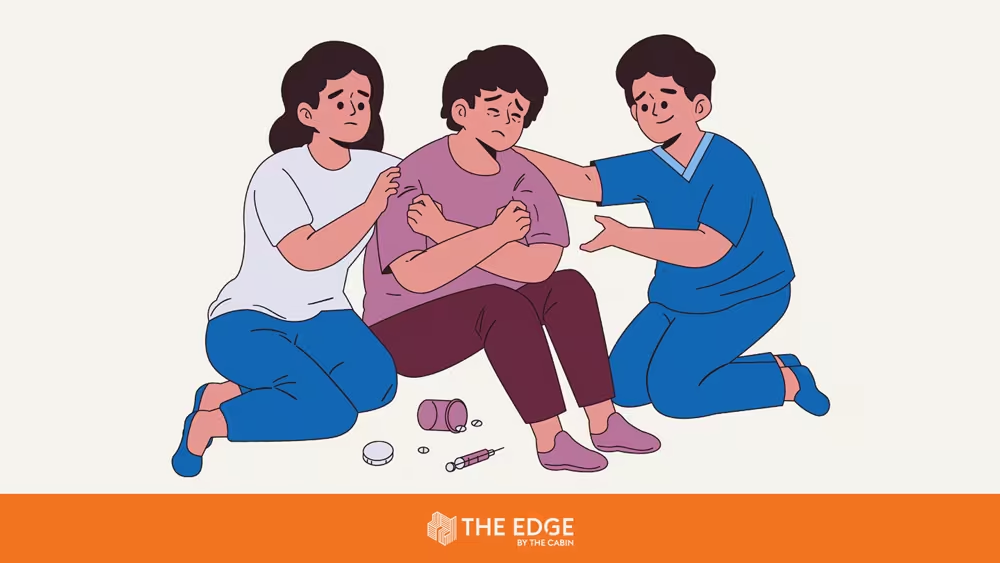
Drug and alcohol rehab should be considered when drug use causes loss of control, cravings, withdrawal symptoms, health problems, relationship conflict, poor performance, legal issues, or repeated failed attempts to stop. Rehab may be needed when a person uses drugs to cope with trauma, stress, anxiety, depression, grief, or emotional pain. Immediate help is important when overdose risk, dangerous withdrawal symptoms, suicidal thoughts, violence, or severe impairment appear. Rehab can provide assessment, detox referrals, therapy, relapse prevention, medication support, family education, and aftercare planning. Treatment may be inpatient, outpatient, residential, partial hospitalization, or intensive outpatient, depending on severity and safety needs. Professional care may help when drug use continues despite promises, consequences, or personal motivation to stop. Early treatment can reduce harm and prevent problems from becoming more severe. Structured recovery support is available through drug and alcohol rehab.
What are the Common Signs of Addiction?
The common signs of addiction are listed below.
- Cravings: Cravings are strong urges to use drugs or alcohol. They may appear during stress, withdrawal, social triggers, or emotional discomfort.
- Loss of Control: Loss of control means difficulty stopping or reducing use. The person may continue despite wanting to quit.
- Tolerance: Tolerance means needing more of a substance to feel the same effect. It can increase health and overdose risks.
- Withdrawal Symptoms: Withdrawal symptoms are physical or emotional discomfort when substance use stops or decreases. Symptoms vary by substance and severity.
- Continued Use: Continued use means using despite negative consequences. Problems may involve health, relationships, school, work, finances, or legal concerns. These patterns are common signs of addiction.
What Signs Suggest a Child May Be Hiding Drug or Alcohol Use?
The signs that suggest a child may be hiding drug or alcohol use are listed below.
- Secrecy: Secrecy means increased privacy, lying, missing items, hidden messages, or avoiding questions. Sudden secrecy may signal a need for closer support.
- Mood Changes: Mood changes may include unusual irritability, sadness, anger, anxiety, or withdrawal. Emotional changes may appear with other warning signs.
- Declining Performance: Declining performance means problems at school, missed assignments, lower grades, or reduced motivation. Attendance problems may also appear.
- New Peer Groups: New peer groups may involve sudden changes in friends or social routines. The child may avoid introducing new friends to the family.
- Physical Changes: Physical changes may include red eyes, unusual odors, fatigue, appetite changes, poor hygiene, or unexplained injuries. These signs do not prove drug use but may require careful attention. These patterns are common warning signs that a child may be hiding drug or alcohol use.
You know your son better than anyone
This doesn’t change just because he no longer lives at home. Help him by reaching out to professionals who know how to provide the support, structure and guidance tailored to young men like him.