
Food addiction is a pattern of compulsive eating that continues even when eating causes distress or daily problems.
Individuals describe repeated cravings, loss of control, and difficulty stopping once eating starts. Marijuana use may increase appetite and food interest in some individuals, which can make craving-based eating harder to manage. Healthcare professionals support recovery through assessment, therapy, nutrition guidance, and structured follow-up. Alcohol use and food addiction may complicate recovery in young adults because both patterns can weaken judgment, increase impulsive behavior, and disrupt healthy routines. Early support helps many individuals build safer eating habits and stronger coping skills.
What is Food Addiction?
Food addiction is a pattern of compulsive eating despite negative consequences and reduced control over food intake. Cravings become intense, and eating may continue even after fullness, guilt, or physical discomfort appears. Daily routines may become harder to manage when thoughts about food, eating episodes, and emotional triggers take up more attention. Clinical discussions usually focus on addictive like eating behaviors rather than a single universally accepted diagnosis. Research uses tools such as the Yale Food Addiction Scale to evaluate symptoms, impairment, and loss of control. Reward-based eating patterns, emotional distress, and repeated unsuccessful efforts to cut back all support the clinical picture. Treatment may help by addressing triggers, coping skills, eating patterns, and related mental health concerns.
How does Food Addiction Affect the Brain?
Food addiction affects the brain by changing reward, motivation, habit formation, and impulse control systems. Highly palatable foods, especially foods high in sugar, fat, or both, activate reward pathways strongly. Repeated exposure strengthens craving patterns and increases attention toward food cues in the environment. Brain-based reward responses make urges feel more urgent than normal hunger. Self-control weakens when stress, emotion, routine, and cue-driven behavior reinforce the eating pattern. Eating behavior shifts from simple enjoyment toward repetitive craving relief. Treatment focuses on brain-based reward learning and daily behavior patterns rather than blame or willpower alone.
Is Food Addiction a Real Condition?
Yes, food addiction is a real behavioral pattern studied by researchers, although its formal classification remains debated. Scientific literature describes addictive like eating, loss of control, craving, and continued use despite harm. Clinicians view the pattern as meaningful when it causes distress, repeated failed efforts to stop, and functional problems. Debate continues because food addiction overlaps with binge eating, emotional eating, obesity, and other eating-related conditions. Assessment matters because the eating pattern itself may need treatment even when labels differ. Clinical care focuses on symptoms, impairment, and triggers rather than arguing over terminology. A careful evaluation helps clarify whether food addiction, binge eating, another eating disorder, or a mixed presentation fits best.
What are the Common Signs of Food Addiction?
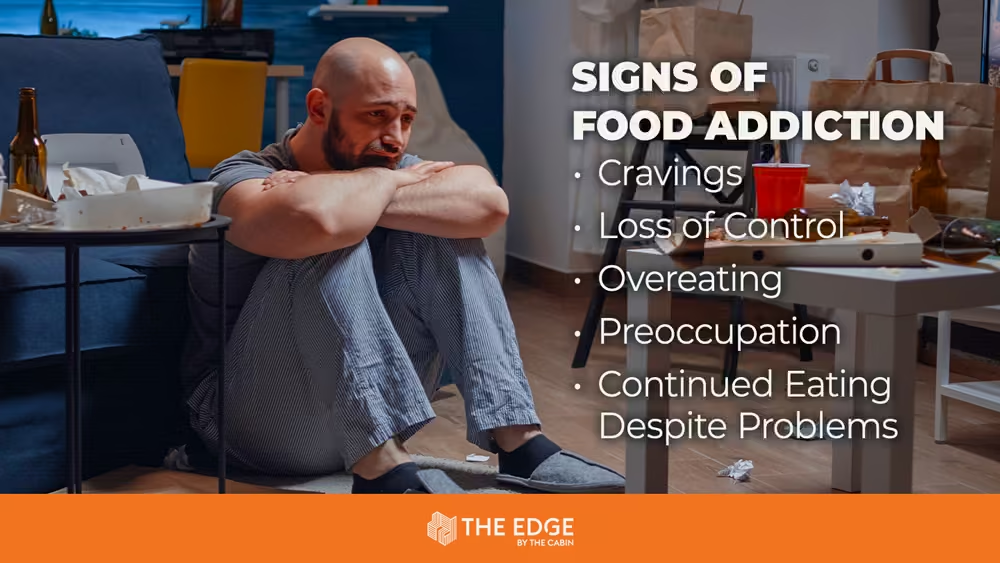
The common signs of food addiction are listed below.
- Cravings: Cravings involve strong urges to eat even when physical hunger is not present. The urge may feel urgent, repetitive, and difficult to ignore.
- Loss of Control: Loss of control means eating feels hard to stop once it begins. Attempts to cut back may fail again and again.
- Overeating: Overeating involves eating beyond fullness or eating larger amounts than intended. Emotional discomfort often follows the episode.
- Preoccupation: Preoccupation means frequent thoughts about food, eating, or the next opportunity to eat. Attention may shift away from work, school, relationships, or rest.
- Continued Eating Despite Problems: Continued eating despite problems means the pattern goes on even after guilt, physical discomfort, weight concerns, or relationship strain develops. The eating behavior continues, although the negative effects are clear.
How Can You Tell if You Are Addicted to Food?
You can tell if you are addicted to food by noticing persistent cravings, repeated loss of control, and continued eating despite negative effects. Eating begins for comfort, stress relief, or reward rather than hunger alone. Repeated unsuccessful efforts to cut back create another strong warning sign. Shame, secrecy, guilt, or hiding food appear when the pattern becomes more severe. Daily life starts to shift around food planning, recovery from overeating, or emotional distress after eating episodes. Self-awareness helps identify the pattern, but self-judgment does not replace evaluation. Professional assessment helps determine whether the pattern reflects food addiction, binge eating, emotional eating, or another condition.
Do Food Addiction Symptoms Go Beyond Hunger?
Yes, food addiction symptoms go beyond physical hunger and involve emotional, behavioral, and reward-driven factors. Cravings may appear after stress, boredom, loneliness, or exposure to certain foods. Emotional relief may become part of the eating pattern even when the body does not need food. Repetition can turn the behavior into a learned response to discomfort. Control becomes more difficult because the trigger is not simply hunger. Eating may start to function as a short-term relief from tension, sadness, or frustration. Support becomes more effective when treatment addresses the emotional and behavioral drivers behind the pattern.
Food Shouldn't Control Your Day
Our personalised treatment programmes can help you address the underlying emotional and behavioural patterns behind compulsive eating.
What Causes Food Addiction?
The causes of food addiction are listed below.
- Reward Sensitivity: Reward sensitivity means certain foods strongly activate pleasure and motivation pathways. Repeated exposure may increase cravings and reinforce compulsive eating.
- Emotional Distress: Emotional distress includes stress, sadness, anxiety, loneliness, or frustration that pushes eating as a coping response. Relief after eating may strengthen the pattern.
- Highly Processed Foods: Highly processed foods often combine sugar, fat, salt, and texture in ways that increase reward value. Repeated intake may make stopping harder for some individuals.
- Habit Learning: Habit learning means that eating becomes linked to routines, cues, places, or times of day. The body and brain start to expect food in those situations.
- Impulsivity: Impulsivity reduces the pause time between urge and action. Fast decisions may make craving-driven eating more likely.
- Sleep Problems: Sleep loss can disrupt appetite regulation and weaken self-control. Tiredness may increase interest in energy-dense foods.
- Trauma or Chronic Stress: Trauma and chronic stress may increase emotional eating and reward-seeking behavior. Long-term strain often makes coping-based eating more frequent.
- Family and Social Environment: Family routines, home food access, and social eating patterns affect behavior. Frequent exposure to trigger foods may increase difficulty with control.
Why do Some Foods Trigger Addictive Behaviors?
Some foods trigger addictive behaviors because they strongly stimulate reward pathways and reinforce craving-based eating. Highly processed foods combine sugar, fat, salt, and texture in ways that make repeated intake more likely. Reward responses may grow stronger when those foods are used for comfort, stress relief, or habit-driven eating. Cravings develop more easily when the same foods repeatedly produce a fast emotional payoff. Over time, eating patterns may shift toward cue-driven behavior rather than body-based hunger. Control may weaken when food cues appear at home, work, school, or social settings. Treatment usually focuses on both the food environment and the emotional meaning attached to the trigger foods.
What Is the Relationship Between Methamphetamine Use and Eating Behavior?
The relationship between methamphetamine use and eating behavior is a stimulant-driven pattern of appetite suppression during active use and appetite disruption during recovery. Methamphetamine suppresses appetite, reduces regular meals, and disrupts nutrition. Weight loss and poor food intake appear when the drug becomes the main focus of daily behavior. Recovery brings appetite return, stronger food interest, and emotional shifts around eating. Nutritional health needs direct support because the body is recovering from stimulant exposure and poor intake. Behavioral treatment, meal structure, and medical care help restore healthier patterns. The overlap between stimulant recovery and eating disruption shows why methamphetamine addiction treatment includes nutrition support and close monitoring.
Can Marijuana Use Affect Food Cravings and Eating Habits?
Yes, marijuana use can affect food cravings and eating habits by increasing appetite and food interest in some individuals. Food seeking may rise after use, especially for highly palatable snacks and sweet foods. Eating frequency may change when marijuana becomes linked with reward, routine, or relaxation. Response differs across individuals because dose, pattern of use, personal biology, and context influence the effect. Some people notice more snacking, larger portions, or less attention to fullness cues. Behavioral patterns become harder to manage when marijuana use and cue-driven eating occur together. Marijuana’s appetite-related effects connect with What Is Marijuana because the substance influences reward, appetite, and eating behavior in some individuals.
Can Stress Increase the Risk of Food Addiction?
Yes, stress can increase the risk of food addiction because many people use food as a short-term way to cope with distress. Emotional eating often becomes stronger when stress feels repetitive or overwhelming. Cravings may rise when the brain starts linking comfort foods with relief from pressure. Frequent stress can weaken planning, increase impulsive behavior, and disrupt normal meal routines. Coping-based eating may then become a repeated habit rather than a single episode. Stress management matters because untreated stress keeps feeding the same reward cycle. Healthy coping skills reduce relapse into compulsive eating.
When food addiction overlaps with other issue or problems
Treating one habit without addressing the other leaves you vulnerable to relapse. At The Edge Rehab, we combine Cognitive Behavioural Therapy (CBT), physical conditioning, outdoor activities, and structured routines to help you overcome multiple dependencies simultaneously.
How is Food Addiction Different From an Eating Disorder?
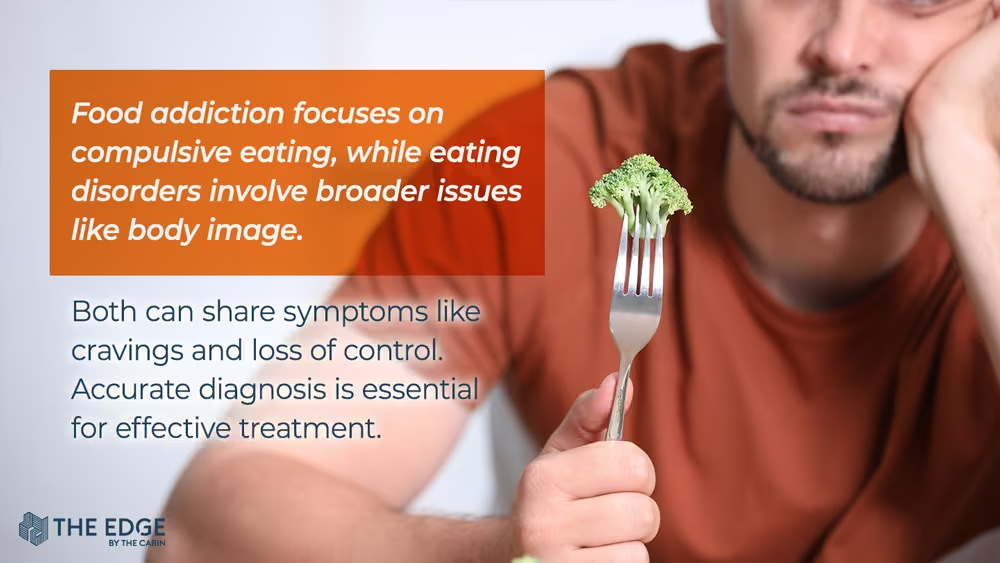
Food addiction is different from an eating disorder by focusing on compulsive food use and addictive eating patterns, while eating disorders include broader disturbances in eating, body image, weight concerns, or compensatory behaviors. Diagnostic systems formally recognize conditions such as binge eating disorder, bulimia nervosa, and anorexia nervosa. Food addiction remains debated as a formal diagnosis, although the behavior pattern is widely studied. Symptom overlap is common because cravings, loss of control, binge episodes, and distress appear in both conditions. A clear evaluation matters because treatment priorities change depending on the diagnosis. Some individuals need eating disorder-focused care, while others need addiction-informed behavioral treatment, or a combined approach. Accurate assessment improves treatment planning and reduces confusion about the problem.
What Is the Difference Between Food Addiction and Overeating?
The difference between food addiction and overeating is that overeating means consuming more food than intended, while food addiction involves compulsive patterns, repeated cravings, and loss of control. Occasional overeating happens during celebrations, stress, distraction, or routine social events. Food addiction involves a more repetitive and impairing cycle. Failed attempts to cut back, continued eating despite harm, and intense food preoccupation point beyond simple overeating. Severity and persistence separate the two patterns. Clinical review becomes useful when overeating starts to feel compulsive or emotionally driven. Treatment planning depends on whether the eating problem is occasional, chronic, addiction-like, or part of an eating disorder.
Are Food Addiction and Binge Eating the Same Thing?
No, food addiction and binge eating are not the same thing, although the two patterns may overlap. Binge eating usually refers to episodes of eating a large amount of food with a sense of loss of control. Food addiction places a stronger emphasis on cravings, compulsive use, repeated failed efforts to stop, and addictive style reinforcement. Some individuals meet the features of both patterns. Clinical assessment is important because treatment decisions may change when binge eating disorder, food addiction, emotional eating, or another presentation is present. Symptom overlap does not mean the conditions are identical. A careful diagnosis helps match therapy, nutrition support, and relapse prevention to the actual problem.
How is Food Addiction Diagnosed?
Food addiction is assessed through clinical evaluation of eating behavior, cravings, loss of control, distress, and daily impairment. Professionals review history, symptom patterns, triggers, emotional context, and previous efforts to cut back. Interviews often explore whether eating continues despite clear physical, emotional, or social problems. Screening tools may support the process, especially when addictive behaviors like eating are suspected. The Yale Food Addiction Scale is one of the most widely used research-based tools for this purpose. Diagnosis requires more than a single answer on a form because individual factors, mental health history, and overlap with eating disorders all matter. A thoughtful assessment helps determine the right treatment path and the level of support needed.
What Questions Do Professionals Ask During an Assessment?
Questions professionals ask during a food addiction assessment are listed below.
- Cravings: Professionals ask how often strong urges to eat appear and which foods trigger them. The answer helps show whether cravings are occasional or repetitive.
- Control: Professionals ask whether eating feels hard to stop once it begins. Loss of control is a core feature in addictive behaviors like eating.
- Frequency: Professionals ask how often episodes happen during a week or month. Pattern frequency helps show the severity and stability of the problem.
- Consequences: Professionals ask how eating affects mood, relationships, health, work, school, and self-respect. Functional impact helps determine the level of impairment.
- Triggers: Professionals ask what situations, emotions, foods, people, or times of day lead to the eating behavior. Trigger review supports treatment planning and relapse prevention.
Is There a Test for Food Addiction?
Yes, screening tools for food addiction exist, but there is no single, standalone medical test that confirms the condition on its own. Clinicians use interviews and validated questionnaires to study addictive like eating patterns. The Yale Food Addiction Scale is one of the most common tools in research and assessment. A full evaluation matters because food addiction overlaps with binge eating, emotional eating, mood symptoms, trauma, and other eating-related problems. Medical review may be needed when weight change, malnutrition, gastrointestinal symptoms, or substance use concerns are also present. Screening tools help organize symptoms, but the clinical picture determines the treatment plan. Assessment works best when behavior, emotion, health, and daily functioning are reviewed together.
What Treatments are Available for Food Addiction?

Treatments available for food addiction are listed below.
- Counseling: Counseling provides emotional support, behavior review, and problem-solving. Sessions often focus on cravings, triggers, shame, and recovery goals.
- Behavioral Therapy: Behavioral therapy helps change compulsive eating patterns and strengthen coping skills. Common approaches include CBT, DBT-informed skills, and relapse prevention work.
- Nutrition Education: Nutrition education improves meal structure, food awareness, and understanding of hunger and fullness cues. Guidance often helps reduce chaos around eating.
- Support Groups: Support groups provide accountability, encouragement, and shared recovery experience. Social support often reduces isolation and relapse risk.
- Rehabilitation Programs: Rehabilitation programs offer structured care when eating problems overlap with substance use, mental health concerns, or severe impairment. Higher support levels may help stabilize routines and treatment engagement.
How can Healthcare Professionals Support Food Addiction Recovery?
Healthcare professionals can support food addiction recovery through assessment, structured treatment planning, and ongoing monitoring. Physicians, therapists, dietitians, and recovery specialists each address a different part of the problem. Clinical support often includes behavior review, nutrition guidance, mental health care, and relapse prevention planning. Progress becomes easier to track when symptoms, triggers, mood, and routine changes are monitored over time. Professional guidance also helps distinguish food addiction from binge eating disorder, depression, trauma-related eating, or substance-related problems. A coordinated plan makes recovery more structured and realistic. The multidisciplinary care model described for healthcare professionals shows why recovery improves when different treatment roles work together.
Don't let compulsive habits dictate your health
At The Edge Rehab, our specialized programs address both behavioral compulsions and underlying mental health challenges.
How does Food Addiction Therapy Help Recovery?

Food addiction therapy helps recovery by identifying triggers, reducing compulsive patterns, and building healthier responses to cravings. Therapy often helps clients understand how stress, emotion, routine, and food cues shape their behavior. Coping skills improve when treatment teaches pause strategies, meal structure, emotional regulation, and relapse planning. Problem patterns become easier to change when the client sees how thoughts, urges, and actions connect. Shame often decreases once the eating behavior is understood as a treatable pattern rather than a personal failure. Relapse risk may fall when therapy includes support, follow-up, and realistic behavior goals. Long-term recovery becomes stronger when therapy addresses both the emotional and behavioral sides of eating.
Can Food Addiction Be Treated Without Rehab?
Yes, food addiction can be treated without rehab when symptoms are mild to moderate, and the person has stable support. Outpatient therapy, nutrition care, medical follow-up, and support groups are enough for many cases. Structured routines and regular appointments often help clients regain control without residential care. Higher levels of treatment may still be needed when severe binge eating, mental health crises, substance use, or major daily impairment are present. The treatment choice depends on safety, severity, and response to outpatient care. Professional guidance helps determine whether outpatient work is appropriate or whether more structure is needed. Recovery improves when the level of care matches the actual intensity of the problem.
How can you Overcome Food Addiction Long-Term?

You can overcome food addiction long-term by building consistent routines, healthier coping skills, therapy support, and ongoing accountability. Triggers need active management because cravings return during stress, fatigue, or emotional strain. Daily structure improves recovery by reducing impulsive eating and strengthening meal consistency. Emotional regulation becomes important because many compulsive eating episodes begin as a response to discomfort rather than hunger. Support systems help maintain accountability when motivation drops. Progress builds through many small decisions rather than one major turning point. Lasting change becomes more realistic when recovery includes behavioral treatment and practical life adjustments.
How do Alcohol and Food Addiction Affect Recovery in Young Adults?
Alcohol and food addiction affect recovery in young adults by increasing impulsive choices, weakening judgment, and disrupting healthy routines. Young adulthood already involves change in schedule, identity, social influence, and stress management, which can make recovery less stable. Alcohol may lower inhibition and increase binge-style eating or trigger loss of control around food. Food addiction may then reinforce the same reward-based cycle that also drives substance use. Combined patterns often increase emotional distress, physical health risks, and treatment complexity. Early intervention matters because repeated reinforcement can harden both behaviors over time. Integrated support for young adults works best when treatment addresses substance use, eating patterns, coping skills, and daily structure together.
What Strategies Help Prevent Relapse?
Strategies that help prevent relapse are listed below.
- Trigger Management: Trigger management identifies high-risk foods, emotional states, places, and routines that lead to compulsive eating. Awareness makes early interruption more likely.
- Support Networks: Support networks provide accountability and encouragement during difficult periods. Regular contact often helps reduce secrecy and isolation.
- Healthy Routines: Healthy routines support stable meals, better sleep, planned snacks, and lower impulsivity. Predictable structure often reduces relapse risk.
- Stress Reduction: Stress reduction uses coping methods such as therapy skills, movement, breathing work, journaling, or recovery planning. Lower stress usually means fewer emotionally driven eating episodes.
- Regular Follow Up: Regular follow-up helps track progress, setbacks, mood changes, and new triggers. A professional review often keeps recovery more stable over time.
Is Full Recovery From Food Addiction Possible?
Yes, full recovery from food addiction is possible with consistent treatment and ongoing support. Recovery usually means improved control, fewer cravings, stronger coping, and healthier eating patterns rather than perfection. Progress happens gradually as triggers become clearer and responses become more stable. Long-term success depends on treatment fit, support, and repeated practice of recovery skills. Setbacks do not erase progress, and setbacks become part of learning what support is still needed. Recovery paths differ because symptoms, triggers, and co-occurring conditions differ across individuals. Meaningful improvement remains realistic when treatment addresses behavior and emotional drivers.
A Healthier Relationship with Food Starts with the Right Support
If you are ready to replace shame and secrecy with lasting discipline, look inside our structured residential programme. Reach out to our team directly through our