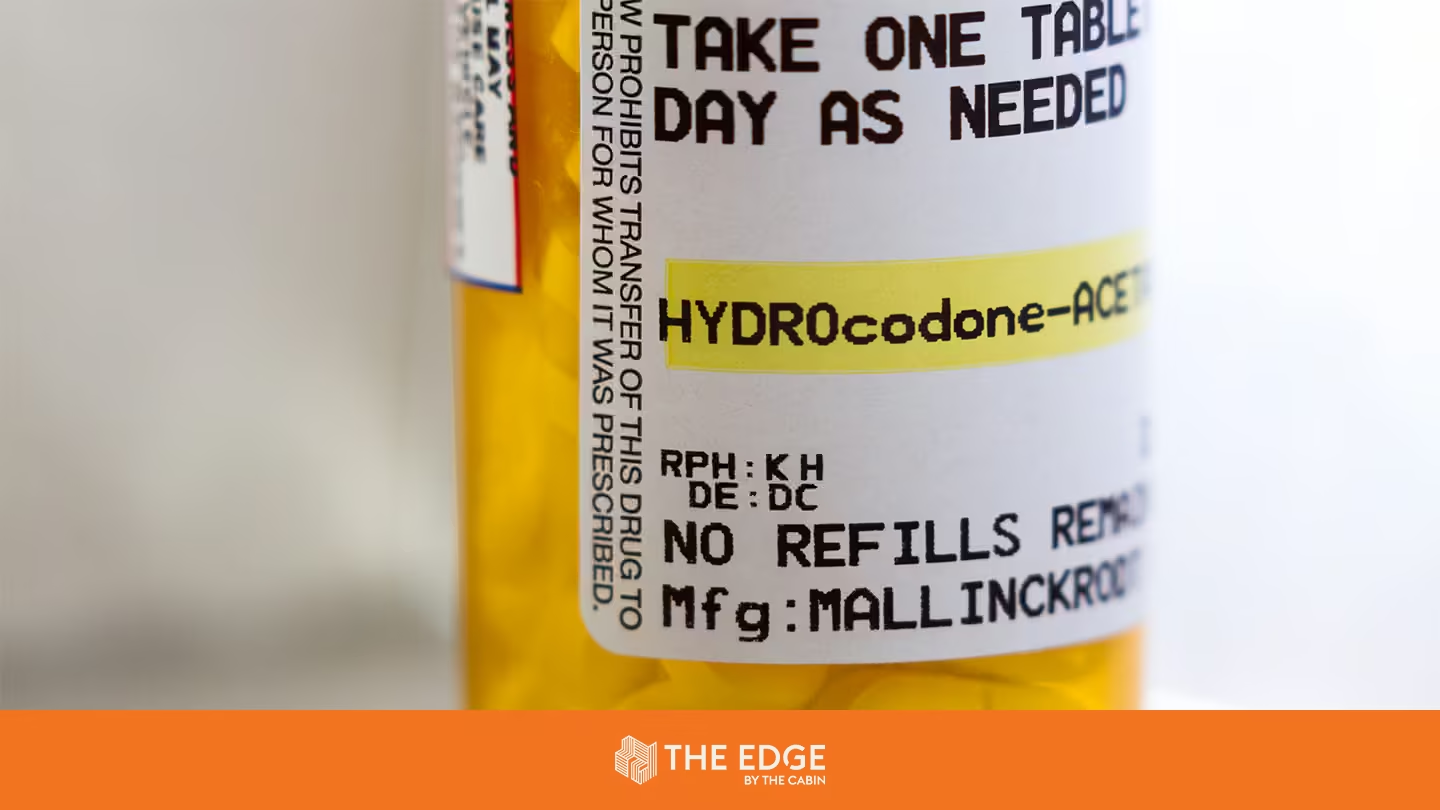
Hydrocodone addiction is a substance use disorder marked by compulsive hydrocodone use despite harm to health, behavior, or daily life.
Hydrocodone belongs to the opioid class and is prescribed for pain relief, yet misuse can lead to cravings, tolerance, dependence, and overdose risk. Common hydrocodone medications include Vicodin, Norco, Lortab, and extended-release hydrocodone products. Treatment options often include medical detoxification, medication-assisted treatment, counseling, behavioral therapy, and structured rehabilitation programs. Rehab helps people recover by providing medical support, therapy, relapse prevention skills, and a stable treatment setting.
What is Hydrocodone Addiction?
Hydrocodone addiction is a disorder involving compulsive hydrocodone use despite clear harm. The pattern affects behavior, daily functioning, physical health, and emotional stability. Drug use becomes harder to control as cravings, tolerance, and repeated misuse begin to shape daily choices. Many people continue using even when work, school, relationships, or safety are already being affected. Health risks rise when use escalates, doses change without medical guidance, or hydrocodone is mixed with other depressant drugs. Treatment can help by addressing withdrawal, compulsive use patterns, and the emotional and behavioral factors that keep the addiction active.
How does Hydrocodone Affect the Brain and Body?
Hydrocodone affects the brain and body through opioid receptor activation that changes pain signaling, reward response, stress response, and physical regulation. The drug reduces pain signals and can create relaxation, drowsiness, or a sense of relief that reinforces repeated use. Brain activity changes because opioid signaling affects reward, stress response, and pain processing at the same time. Physical effects can include slower breathing, constipation, sedation, nausea, and reduced alertness. Misuse risk increases when the drug is taken in higher amounts, more often than prescribed, or for reasons other than pain treatment. Repeated exposure can change how the body and brain respond, which can increase tolerance and dependence over time.
Is Hydrocodone an Opioid?
Yes, hydrocodone is an opioid medication used for pain relief. The drug belongs to the prescription opioid class and works by binding to opioid receptors in the brain and body. Medical use exists for pain management, especially when pain is moderate or severe enough to need opioid treatment. Dependence and addiction can occur even when the medication was first used for a legitimate prescription reason. Risk becomes higher when the dose, timing, or purpose of use begins to change. Careful monitoring matters because the same medication that relieves pain can also create a harmful pattern of repeated opioid use.
Why do People Become Addicted to Hydrocodone?
People become addicted to hydrocodone because repeated opioid use can strongly reinforce drug-taking behavior. Reward pathways in the brain become involved when the drug produces relief, comfort, sedation, or emotional escape. Use may escalate as the person starts relying on hydrocodone for more than physical pain. Individual risk factors matter, including family history, mental health symptoms, past substance misuse, stress, and easy access to the medication. Tolerance can make the same dose feel less effective, which may push misuse higher over time. Addiction risk varies across individuals, yet the risk becomes more serious when repeated use starts shaping daily choices and coping habits.
What Makes Hydrocodone Habit-Forming?
Relief effects, reward reinforcement, repeated exposure, tolerance, and dependence risk make hydrocodone habit-forming. Hydrocodone reinforces repeated patterns of use through its effect on the brain. Relief from pain, stress, or emotional discomfort makes the drug feel rewarding enough to repeat. Continued exposure strengthens the pattern and increases the chance of reaching for hydrocodone again during discomfort or stress. Tolerance can develop, which can lead to higher amounts or more frequent use. Dependence risk increases when repeated use continues for longer periods or outside medical instructions. Careful use matters because habit formation can gradually shift from medical use into compulsive use.
Can Hydrocodone Cause Physical Dependence?
Yes, hydrocodone can cause physical dependence when the body adapts to regular opioid exposure. Withdrawal symptoms can appear if use is reduced suddenly or stopped after repeated use. The body may begin to treat hydrocodone as part of its normal functioning, which is why stopping can feel physically and emotionally difficult. Dependence does not always mean addiction, yet the two overlap when use becomes compulsive and harmful. Medical supervision can help manage withdrawal more safely and reduce complications. Monitoring is important because physical dependence is one of the clearest signs that opioid exposure has become medically significant.
Adolescent Opioid Misuse Leads to Higher Rates of Addiction
At The Edge, we understand the harm opioid misuse can cause young men and their families. Our specialised treatment program is designed to help those struggling with addiction.
What are the Common Types of Hydrocodone Medications?
Common types of hydrocodone medications are listed below.
- Vicodin: Vicodin is a hydrocodone and acetaminophen combination product. The formulation combines opioid pain relief with acetaminophen in one tablet.
- Norco: Norco is another hydrocodone and acetaminophen medication. The product is commonly discussed in opioid misuse and overdose risk because it contains both ingredients.
- Lortab: Lortab is a hydrocodone combination medication that includes acetaminophen. The drug belongs to the same general family of hydrocodone combination pain medicines.
- Extended Release Hydrocodone: Extended-release hydrocodone is a long-acting formulation designed to provide longer pain control. Extended-release products often carry added overdose concern because they contain a larger total opioid amount.
1. Vicodin
Vicodin is a hydrocodone and acetaminophen medication used for pain relief. The product combines an opioid with a non opioid pain reliever in one formulation. Misuse becomes dangerous because increasing the dose raises both opioid risk and acetaminophen exposure. Repeated nonmedical use contributes to tolerance, dependence, and addiction. Overdose risk becomes more serious when Vicodin is mixed with alcohol, benzodiazepines, or other sedating drugs. Pain relief remains the main medical purpose, and the risk is important when discussing Vicodin use.
2. Norco
Norco is a hydrocodone and acetaminophen product used to treat pain. The drug works through the opioid effect of hydrocodone and the added analgesic effect of acetaminophen. Addiction risk remains present because the opioid component can become habit-forming. Misuse can increase the chance of liver injury because acetaminophen toxicity becomes a concern at high amounts. Careful medical use matters because both ingredients carry important safety issues. Pain relief remains the main medical purpose, and safety risk is important when discussing Norco use.
3. Lortab
Lortab is another hydrocodone medication combined with acetaminophen. The product belongs to the same general category as other hydrocodone combination pain medicines. Addiction develops when repeated use shifts from prescribed pain control into compulsive opioid seeking. Tolerance and physical dependence become stronger with ongoing use. Long-term misuse increases the chance of overdose, withdrawal, and broader health complications. Pain relief remains the main medical purpose, and misuse risk matters when discussing Lortab use.
4. Extended Release Hydrocodone
Extended-release hydrocodone is a longer-acting formulation designed to release the opioid over an extended period. The main purpose is steadier pain control across more hours than shorter-acting products. Addiction risk remains serious because the drug is an opioid, and extended-release products contain more hydrocodone in a single dose. Misuse becomes especially dangerous if the product is altered, taken too often, or combined with other sedating substances. Medical supervision is essential because overdose risk rises quickly with incorrect use. Longer-acting pain control and opioid safety risk are important when discussing Extended-Release Hydrocodone.
Are All Hydrocodone Products Equally Addictive?
No, all hydrocodone products are not equally addictive in every situation, although all of them carry a meaningful addiction risk. Formulation, dose, speed of effect, total hydrocodone content, and pattern of use all affect misuse potential. Extended-release products can carry added overdose concern because they contain larger amounts of opioids in one unit. Combination products also carry extra safety concerns because acetaminophen exposure increases when misuse involves high doses. The core addiction risk remains significant across all hydrocodone medications because the opioid effect is still present in each form. Careful comparison requires context rather than one simple ranking.
What are the Signs of Hydrocodone Addiction?
The signs of hydrocodone addiction are listed below.
- Cravings: Cravings involve strong urges to use hydrocodone. The drug may stay on the person’s mind even when no pain treatment is needed.
- Loss of Control: Loss of control means the person struggles to limit dose, timing, or frequency. Attempts to cut back may fail repeatedly.
- Tolerance: Tolerance means the same amount feels less effective over time. Larger doses or more frequent use may then follow.
- Withdrawal Symptoms: Withdrawal symptoms can appear when use stops or drops suddenly. The person may then keep taking hydrocodone to avoid feeling sick.
- Continued Use Despite Harm: Continued use despite harm means the person keeps using even after clear physical, emotional, financial, or relationship damage appears. This pattern is one of the strongest addiction warning signs.
How can you Tell if Someone Is Misusing Hydrocodone?
You can tell if someone is misusing hydrocodone by noticing higher doses, more frequent use than prescribed, or use for reasons other than medical pain relief. Behavior changes include sedation, secrecy, missed responsibilities, mood shifts, or a strong focus on obtaining more pills. Early refill requests, doctor shopping, borrowing medication, or using someone else’s prescription are warning signs. Daily structure changes when the drug begins to shape planning, routine, and priorities. Recognition matters because misuse can escalate into dependence, overdose, and opioid addiction. Early intervention improves safety and makes treatment more effective.
Does Hydrocodone Addiction Change Behavior?
Yes, hydrocodone addiction can change behavior in clear and serious ways. Drug seeking increases as the person becomes more focused on getting, protecting, or using the medication. Responsibilities at home, work, school, or in relationships may start to slip as opioid use becomes more central. Mood, sleep, honesty, and decision-making can also change as the addiction becomes more established. Family conflict often grows when trust is damaged by secrecy, irritability, or repeated broken promises. Support is important because these behavior changes usually reflect a progressing substance use disorder rather than a simple lack of effort.
If these behaviours sound familiar
It is absolutely critical to seek help now. Seeking professional treatment isn’t just a choice; it’s a crucial step toward saving your loved one’s life.
How Dangerous Is Long-Term Hydrocodone Use?
Long-term hydrocodone use is highly dangerous because it increases the risk of dependence, addiction, overdose, breathing suppression, and long-term health problems. Tolerance often develops with prolonged exposure, which makes dose escalation more likely. Dependence risk rises because the body and brain begin to adapt to regular opioid use. Breathing problems, sedation, constipation, hormonal effects, impaired thinking, and emotional changes become more significant over time. Risk becomes more serious when hydrocodone is combined with alcohol, sleep medications, or benzodiazepines. Health monitoring and professional guidance are important because prolonged opioid exposure creates medical and behavioral harm.
What Health Problems Can Hydrocodone Addiction Cause?
Health problems that hydrocodone addiction can cause are listed below.
- Dependence: Dependence means the body has adapted to repeated opioid exposure. Withdrawal symptoms may occur when the drug is reduced or stopped.
- Addiction: Addiction involves compulsive opioid use despite harm. Behavior and daily functioning become harder to manage as the disorder progresses.
- Respiratory Problems: Respiratory problems can occur because opioids slow breathing. This risk becomes more dangerous at higher doses or with other depressant drugs.
- Cognitive Impairment: Cognitive impairment may involve slower thinking, poor judgment, memory problems, or mental fog. These effects can interfere with safety and daily function.
- Mental Health Issues: Mental health issues may worsen during addiction, including depression, anxiety, irritability, or emotional instability. Opioid misuse often complicates recovery from other mental health conditions.
Can a Hydrocodone Overdose Be Fatal?
Yes, a hydrocodone overdose can be fatal because opioids can slow breathing to a life-threatening level. Severe respiratory depression is the main emergency risk in opioid overdose. Warning signs can include slow or shallow breathing, trouble waking the person, weak body tone, and unresponsiveness. The danger becomes even greater when hydrocodone is mixed with alcohol, benzodiazepines, or other sedating drugs. Immediate emergency care is critical because an overdose can worsen very quickly. Rapid treatment matters because opioid overdose is a medical emergency, not a problem that should be watched at home.
How does Hydrocodone Compare to Other Opioids?
Hydrocodone is similar to other opioids in receptor action, pain treatment, and major safety risks, but it can differ by strength, formulation, release pattern, and clinical use. Drug strength, formulation, and clinical use can vary across opioids, even though they affect similar receptor systems. Some opioids are longer acting, some are more potent, and some carry different misuse patterns depending on how they are prescribed or taken. Hydrocodone shares major risks with other prescription opioids, including dependence, addiction, overdose, and breathing problems. Differences in dose, release pattern, and route of use matter in real-world risk. Professional guidance is important because opioid comparisons require a medical context rather than a simple label-based ranking.
Which Is Stronger, Hydrocodone or Oxycodone?
Oxycodone is generally considered stronger than hydrocodone when the two are compared at roughly similar milligram amounts. Potency depends on the actual dose, the formulation, and the clinical situation. A higher dose of hydrocodone can still be more impairing than a lower dose of oxycodone in real use. Formulation also matters because immediate-release and extended-release products behave differently over time. Safe comparison requires a medical context because opioid strength is not the only factor that shapes overdose or addiction risk. Supervision remains important because both drugs are powerful opioids with serious misuse potential.
Is Oxycodone More Addictive Than Hydrocodone?
Yes, oxycodone may have a higher misuse potential in some situations, yet both oxycodone and hydrocodone carry major addiction risk. Potency, formulation, dose, speed of effect, and route of misuse all influence the actual pattern of addiction. Neither drug should be considered safe from an addiction standpoint simply because the other may be stronger. Individual factors such as prior substance use, mental health symptoms, and repeated exposure shape the outcome more than the brand name alone. Medical context matters because risk changes with prescribing patterns and misuse behavior. Safe opioid use requires caution with either drug.
What Treatment Options are Available for Hydrocodone Addiction?

Treatment options for hydrocodone addiction are listed below.
- Medical Detoxification: Medical detoxification helps manage withdrawal more safely during the first phase of treatment. Monitoring can reduce medical risk and improve treatment stability.
- Medication Assisted Treatment: Medication Assisted Treatment uses approved medications to reduce opioid cravings and support recovery. Common options include buprenorphine, methadone, and naltrexone.
- Counseling: Counseling provides emotional support, recovery planning, and help with triggers, stress, and motivation. Regular sessions can improve insight and follow-through.
- Behavioral Therapy: Behavioral therapy helps change harmful patterns linked to craving, avoidance, and relapse. Skills based approaches often support long term recovery.
- Rehabilitation Programs: Rehabilitation programs provide structured treatment and daily recovery support. A higher level of care can help when addiction is severe or unstable.
1. Medical Detoxification
Medical detoxification is the treatment phase that manages opioid withdrawal more safely under professional care. Hydrocodone withdrawal can include body pain, nausea, sweating, anxiety, agitation, sleep problems, and strong cravings. Detox does not treat the full addiction by itself, yet it can stabilize the person enough to begin longer recovery work. Medical oversight becomes especially important when opioid use is heavy, prolonged, or mixed with other substances. Safe medical detox can lower immediate risk and improve treatment entry into the next level of care.
2. Medication Assisted Treatment
Medication-assisted treatment supports recovery by reducing opioid craving, withdrawal, and relapse risk with approved medications. Buprenorphine and methadone help stabilize opioid use disorder by acting on opioid receptors in a controlled treatment setting. Naltrexone works differently because it blocks opioid effects rather than activating the same receptor system. Evidence-based care uses these medications to support recovery and lower harm without simply replacing one addiction with another. Medication works best when paired with counseling, monitoring, and a broader treatment program. A structured recovery plan makes Medication Assisted Treatment (MAT) more effective and safer over time.
3. Counseling
Counseling provides emotional support and helps the person understand the thoughts, stressors, and life patterns linked to hydrocodone misuse. Sessions focus on relapse prevention, motivation, relationships, guilt, shame, and recovery goals. Individual counseling can help identify why opioid use continued even after harm became clear. Family or group-based support may improve accountability and communication. Recovery often becomes more stable when emotional and behavioral drivers are addressed alongside medical care. Emotional support, relapse prevention, and behavior change are central parts of addiction counseling.
4. Behavioral Therapy
Behavioral therapy changes harmful patterns that keep hydrocodone addiction active. Treatment focuses on triggers, craving situations, avoidance habits, mood problems, and thought patterns that justify continued use. Cognitive Behavioral Therapy is often used to strengthen coping skills and reduce relapse risk. Structured therapy helps with depression, anxiety, trauma, or anger when these factors contribute to opioid misuse. Recovery becomes more sustainable when the person learns new behaviors instead of only trying to resist cravings through willpower. Coping skills, trigger management, and relapse prevention are central parts of Behavioral therapy.
5. Rehabilitation Programs

Rehabilitation programs offer structured treatment for people who need more support than outpatient care alone. Daily scheduling, therapy, monitoring, and peer support can help stabilize recovery during a vulnerable period. Rehab may be especially useful when hydrocodone addiction is severe, long-standing, or mixed with other mental health or substance use problems. The setting helps reduce access to triggers and unstructured opioid seeking behavior. Recovery planning often improves because the person has time, support, and repeated practice in a treatment environment. Structured care, daily support, and recovery planning are central parts of rehabilitation programs.
How Does Rehab Help People Recover From Hydrocodone Addiction?

Rehab helps people recover from hydrocodone addiction by providing structured treatment, medical support, and daily recovery practice. The setting addresses both the physical side of opioid dependence and the behavioral side of addiction. Professional care can support withdrawal management, medication treatment, counseling, and relapse prevention planning in one place. Rehab also gives people distance from drug-related routines, easy access, and daily triggers that often keep opioid misuse active. Recovery skills are developed through repetition, accountability, and a safer environment for change. Long-term recovery often becomes more realistic when treatment moves beyond detox and into structured rehabilitation.
Can Hydrocodone Addiction Be Successfully Treated?
Yes, hydrocodone addiction can be successfully treated. Patients can reach long-term recovery when care addresses withdrawal, craving, mental health symptoms, coping skills, and relapse prevention together. Recovery often becomes stronger when medication treatment, therapy, and ongoing support match the person’s actual needs. Progress can take time because opioid addiction affects both the body and behavior in powerful ways. Commitment still matters, yet recovery does not depend on willpower alone. Ongoing support helps protect gains after the first phase of treatment ends.
The Edge Rehab Designed to Get Young Men Back on Track
Our overseas environment provides a blend of adventure and privacy, helping them break free from negative influences. We focus on various substance and mental health issues, including Hydrocodone dependency. If a young man you care about is struggling with addiction, we’re here to help him get the support he needs for a better future.