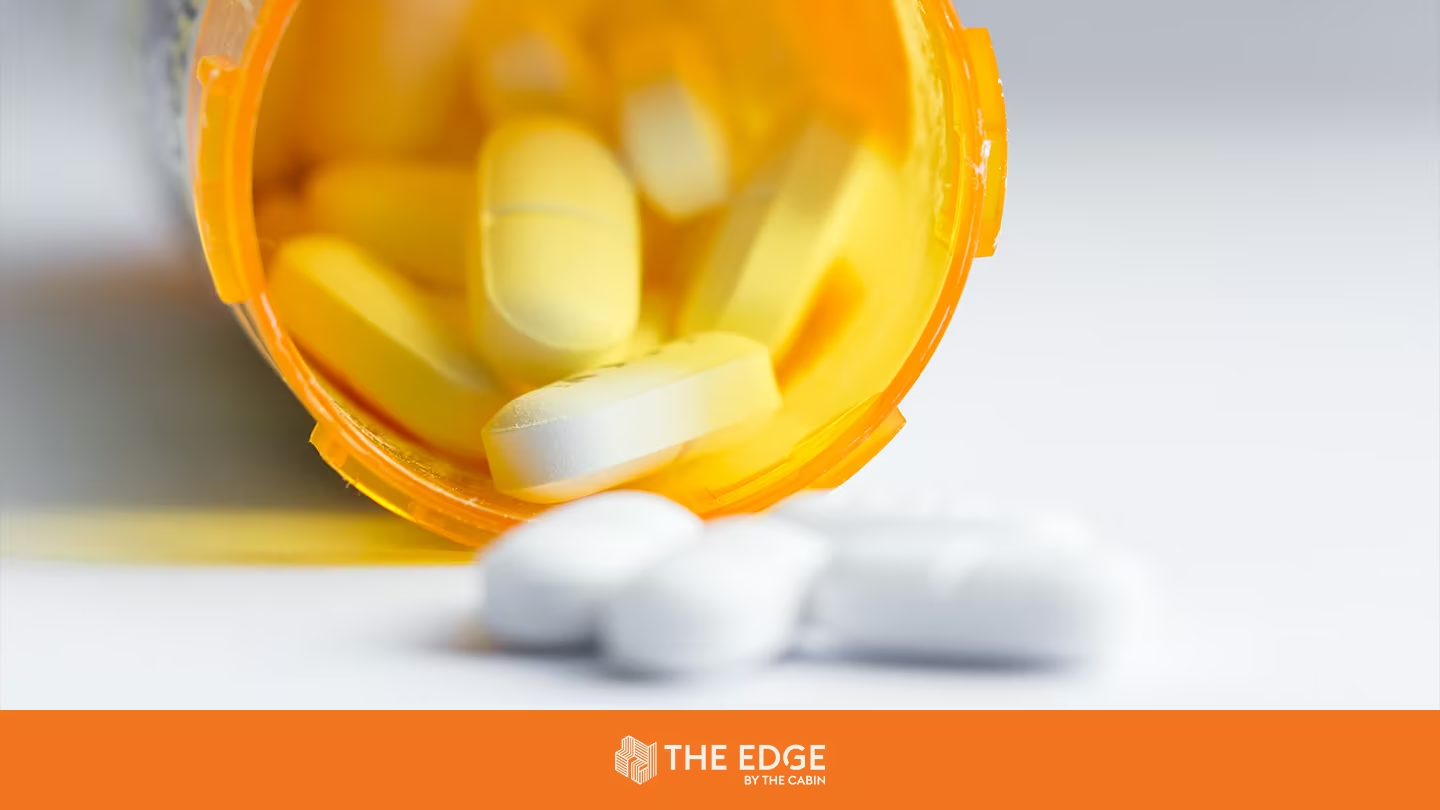
Vicodin is a prescription pain medication that combines hydrocodone and acetaminophen for short-term treatment of moderate to severe pain.
The medication is prescribed when pain relief needs stronger support than non opioid options alone. Hydrocodone is different from Vicodin because hydrocodone is the opioid ingredient, while Vicodin is the full combination product. Treatment options for Vicodin addiction include medical detoxification, medication-assisted treatment, counseling, behavioral therapy, and rehabilitation programs. Rehab helps people recover by providing medical support, therapy, structure, relapse prevention planning, and a safer setting for recovery work.
What is Vicodin?
Vicodin is a brand-name opioid pain medicine made with hydrocodone and acetaminophen. The medication is prescribed to treat moderate to severe pain when a clinician decides that opioid treatment is appropriate. Hydrocodone provides the opioid effect that changes how pain is felt in the brain and body. Acetaminophen adds a separate pain-relieving effect that supports the overall formulation. The combination is intended to improve pain control, yet the medication still carries serious risks. Misuse can lead to tolerance, dependence, addiction, overdose, and liver injury because acetaminophen is also part of the product. Medical supervision is important because safe dosing, treatment length, and monitoring all affect risk.
What is Vicodin Made Of?
Vicodin is made of hydrocodone and acetaminophen. Hydrocodone is the opioid component, and acetaminophen is the non opioid pain reliever. The combination is designed to improve pain control by using both ingredients together. Prescription use is required because the opioid component carries addiction and overdose risk. Acetaminophen matters clinically because high amounts can damage the liver. Safe use depends on following the dosing instructions and avoiding unsupervised escalation.
What is Vicodin Made Of?
Vicodin is made of hydrocodone and acetaminophen. Hydrocodone is the opioid component, and acetaminophen is the non opioid pain reliever. The combination is designed to improve pain control by using both ingredients together. Prescription use is required because the opioid component carries addiction and overdose risk. Acetaminophen matters clinically because high amounts can damage the liver. Safe use depends on following the dosing instructions and avoiding unsupervised escalation.
Does Vicodin Contain Hydrocodone and Acetaminophen?
Yes, Vicodin contains hydrocodone and acetaminophen. hydrocodone and acetaminophen contribute to pain relief through different actions in the body. Hydrocodone provides the opioid effect, and acetaminophen adds non opioid analgesic support. The combination is intentional because it is designed to improve pain management. Safe use remains important because each ingredient carries separate risks. Opioid effects and acetaminophen toxicity both become more dangerous when the product is misused. Medical review helps lower harm because dosing and duration both affect safety.
How does Vicodin Work in the Body?
Vicodin works in the body by affecting opioid receptors, changing pain perception, and adding acetaminophen-based pain relief through a separate mechanism. Hydrocodone changes how pain is perceived in the brain and body. Acetaminophen adds pain relief through a different non opioid mechanism. Pain signals are reduced, which is why relief may occur after dosing. Brain responses are altered because the opioid component affects reward, sedation, and breathing. Side effects are possible because the same mechanisms that reduce pain can impair alertness, slow breathing, and increase risk.
How does Hydrocodone Affect the Brain?
Hydrocodone affects the brain by activating opioid receptors, reducing pain perception, and influencing reward, stress, and sedation pathways. Pain perception decreases because opioid signaling reduces the intensity of pain messages. Brain activity is influenced in areas involved in reward, stress, and sedation. Relief can occur, yet repeated exposure can strengthen habit-forming patterns. Dependence may develop when use continues over time. Addiction risk rises further when the drug begins to serve as an emotional escape instead of prescribed pain control
Is Vicodin an Opioid Medication?
Yes, Vicodin is an opioid medication because it contains hydrocodone. Hydrocodone is the opioid component that gives the product its narcotic pain relief effect. Opioid effects occur in the brain and body, especially in pain and reward pathways. Medical benefits exist when the drug is prescribed carefully for pain. Risks still require monitoring because opioid medications can cause dependence, addiction, and overdose. Prescription use does not remove the need for caution. Ongoing review is important because repeated opioid exposure can change behavior and physical tolerance over time.
If use is becoming a habit
It’s time to understand why and take action, which is why it is important to seek lasting and effective help for young people who are misusing it.
What is Vicodin Used For?
Vicodin is used to treat moderate to severe pain. Doctors prescribe it when pain management needs opioid level relief rather than non opioid treatment alone. Prescription use is individualized because pain type, severity, medical history, and safety risks all matter. The goal is pain relief, not mood change or sedation seeking. Monitoring is important because the medication can become habit-forming with repeated use. Safe treatment depends on dose control, time-limited use when possible, and medical follow-up.
When Do Doctors Prescribe Vicodin?
Doctors prescribe Vicodin when moderate to severe pain requires opioid treatment and a clinical evaluation supports that choice. Pain severity matters because opioid medications carry more risk than many other pain treatments. Medical judgment guides the decision after reviewing the person’s symptoms, history, and safety concerns. Benefits and risks must be weighed carefully before prescribing. Some cases involve short-term pain after injury, procedure, or acute medical conditions. Prescriptions are individualized because not every pain problem is treated the same way.
Can Vicodin be Used for Short-Term Pain Relief?
Yes, Vicodin can be used for short-term pain relief under medical supervision. Short-term use is common when pain is temporary and strong enough to need opioid treatment. Clinical monitoring matters because addiction and overdose risk do not disappear during brief treatment. Pain may improve, yet unsafe dosing or early misuse can still cause harm. Prescription opioids are not low risk simply because the treatment period is short. Careful follow-through remains important from the first dose onward. Short use is safer than prolonged misuse, yet safety still depends on dose, timing, and review.
What are the Common Side Effects of Vicodin?
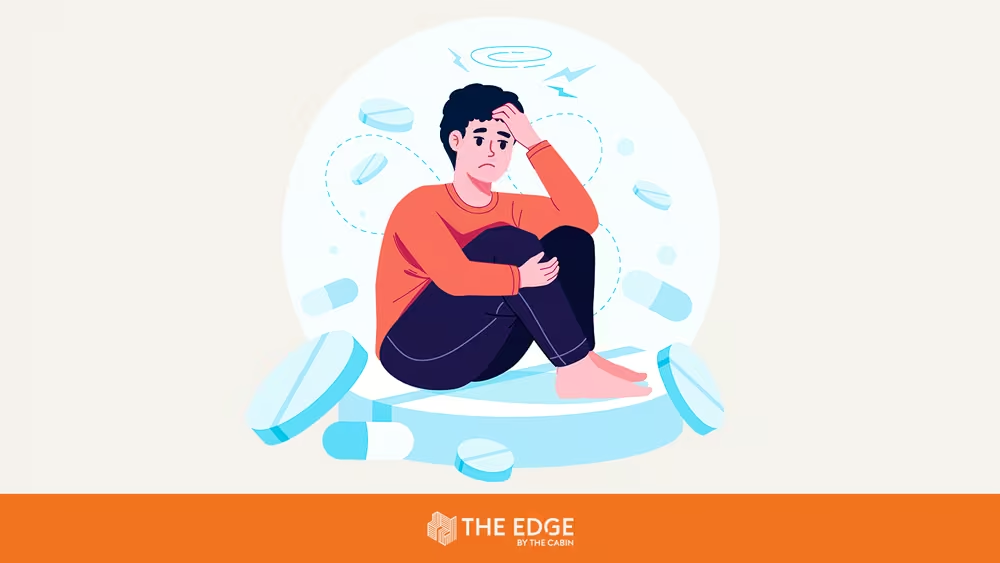
The common side effects of Vicodin are listed below.
- Drowsiness: Drowsiness is a common opioid related effect that can reduce alertness and slow reaction time. Driving and other risky tasks become less safe when sedation is present.
- Dizziness: Dizziness may affect balance and increase fall risk. Symptoms may feel worse when standing up quickly or mixing the drug with other sedating substances.
- Nausea: Nausea can occur early in treatment or after dose changes. Stomach discomfort sometimes makes eating and routine activities harder.
- Constipation: Constipation is a frequent opioid side effect because opioids slow bowel movement. Ongoing symptoms often require attention during longer use.
- Headache: Headache may occur during treatment and may be linked with the drug itself, dehydration, or other side effect patterns. Persistent headache deserves clinical review when it is severe or unusual.
What are the Serious Risks of Taking Vicodin?
The serious risks of taking Vicodin are listed below.
- Dependence: Dependence can develop when the body adapts to repeated opioid exposure. Withdrawal symptoms may appear if use is reduced suddenly.
- Addiction: Addiction can occur when use becomes compulsive despite harm. Cravings, loss of control, and continued use despite damage are major warning signs.
- Respiratory Depression: Respiratory depression means breathing slows dangerously. Overdose risk becomes much higher when Vicodin is mixed with alcohol or other sedating drugs.
- Overdose: Overdose is a life-threatening emergency that can lead to unresponsiveness, slowed breathing, coma, or death. Immediate medical treatment is critical.
- Liver Damage: Liver damage can result from excessive acetaminophen exposure. High-dose misuse is especially dangerous because the product contains acetaminophen as well as hydrocodone.
Can Vicodin Cause Drowsiness or Sleepiness?
Yes, Vicodin can cause drowsiness or sleepiness because those are common opioid related effects. Alertness may decrease soon after dosing, especially when the medication is new or the dose is too high. Fatigue and slowed reaction time can affect safety in daily activities. Work tasks, driving, and physical coordination may all be impaired. Caution is important because drowsiness becomes more dangerous when alcohol or other sedatives are added. Persistent or severe sedation needs medical review. Close monitoring supports safer use because sedation can worsen before the person fully notices the change.
Self-medication can lead to dependence
At The Edge, we recognise the challenges drug misuse brings to young men and their families. Our specialised treatment programme is designed to support those battling addiction and help them reclaim their lives.
How does Vicodin Compare to Hydrocodone?
Vicodin contains hydrocodone combined with acetaminophen, while hydrocodone refers to the opioid ingredient itself. Vicodin is therefore a combination product, and hydrocodone is one component inside that product. Their compositions differ even though their medical uses are related. Hydrocodone provides the narcotic pain relief effect, while acetaminophen adds non opioid pain relief and adds liver risk at high amounts. This distinction matters in both prescribing and addiction treatment. Misuse of Vicodin creates opioid risk and acetaminophen toxicity risk at the same time.
What is the Difference Between Vicodin and Norco?
The difference between Vicodin and Norco is the formulation strength and dosing details, even though both contain hydrocodone and acetaminophen. Ingredient amounts may vary by product and strength. Medical uses are similar because both medications are prescribed for pain relief. Prescribing details differ because formulation strength and dosing instructions are not always the same. Acetaminophen content matters clinically because it affects liver safety. Product comparison depends on the exact formulation rather than the name alone.
Are Vicodin and Hydrocodone the Same Thing?
No, Vicodin and hydrocodone are not the same thing because hydrocodone is the opioid ingredient, and Vicodin is a medication product that contains hydrocodone with acetaminophen. The terms are closely related, yet one term refers to a component and the other refers to a combination drug. Vicodin carries the opioid effects of hydrocodone and the added acetaminophen effect at the same time. That difference matters for pain treatment, overdose risk, and addiction treatment planning. Acetaminophen changes the safety profile because misuse can damage the liver as well as create opioid harm. A clear distinction helps prevent confusion in medical discussions. Accurate wording is important because medication comparisons can affect safety decisions and treatment understanding.
What are the Signs of Vicodin Misuse?

The signs of Vicodin misuse are listed below.
- Increased Use: Increased use means taking more tablets, taking doses closer together, or using the drug longer than prescribed. Dose changes without medical direction are a major warning sign.
- Drug Seeking: Drug seeking involves a strong focus on obtaining more medication. Refill pressure, doctor shopping, or using other people’s pills can appear.
- Loss of Control: Loss of control means the person struggles to stay within the prescription plan. Attempts to cut back may fail repeatedly.
- Neglected Responsibilities: Neglected responsibilities show up when work, school, family duties, or daily routine begin to suffer. Opioid use becomes more central than normal functioning.
- Continued Use Despite Harm: Continued use despite harm means the medication is still used after clear physical, emotional, financial, or relationship problems develop. This pattern strongly suggests misuse is progressing.
How can Vicodin Lead to Dependence?
Vicodin can lead to dependence through repeated use over time as the body adapts to regular opioid exposure. Tolerance may develop, which can make the same dose feel less effective. Withdrawal symptoms may then occur if use drops suddenly or stops. Dependence risk increases with ongoing use, higher doses, and nonmedical use patterns. The body begins to expect the opioid and reacts when it is no longer present. Monitoring is important because physical dependence is one of the main ways prescription opioid use becomes medically and behaviorally serious.
Can Vicodin Become Addictive?
Yes, Vicodin can become addictive because its hydrocodone content carries opioid addiction risk. Cravings may develop as repeated use strengthens reward-based and relief-seeking patterns. Use can become compulsive when pain treatment shifts into emotional escape, loss of control, or continued misuse despite harm. Risk rises further with dose escalation, longer exposure, or mixing with other substances. Addiction treatment is available and often works best when started before the pattern becomes more severe. Early intervention improves safety and long-term recovery planning. Professional support is important because opioid addiction often affects both thinking and physical functioning.
If these behaviours sound familiar
It is absolutely critical to seek help now. Seeking professional treatment isn’t just a choice; it’s a crucial step toward saving your loved one’s life.
What Happens During Vicodin Withdrawal?
Physical and emotional withdrawal symptoms happen during Vicodin withdrawal when use is reduced or stopped after dependence has developed. Symptoms appear because the body has adapted to regular opioid exposure. Common withdrawal features include body aches, sweating, nausea, anxiety, restlessness, sleep disturbance, and strong drug cravings. Discomfort varies by dose, duration of use, other substances, and individual health factors. Medical support helps because supervised care can improve safety and make the first stage of recovery more manageable. Recovery is possible, yet untreated withdrawal often increases relapse risk in the early phase.
What Treatment Options are Available for Vicodin Addiction?

The treatment options available for Vicodin addiction are listed below.
- Medical Detoxification: Medical detoxification helps manage withdrawal safely under professional supervision. This option often supports the first stage of opioid recovery when physical dependence is already present.
- Medication Assisted Treatment: Medication Assisted Treatment uses approved medications to reduce cravings, withdrawal symptoms, and relapse risk. This option improves treatment stability during opioid recovery.
- Counseling: Counseling provides emotional support and helps people understand the stress, beliefs, and life patterns linked to Vicodin misuse. Regular sessions often improve motivation, insight, and recovery planning.
- Behavioral Therapy: Behavioral therapy changes harmful patterns that keep Vicodin addiction active. Structured therapy often helps people build coping skills, reduce relapse risk, and respond more safely to pain, stress, and cravings.
- Rehabilitation Programs: Rehabilitation programs offer structured treatment, monitoring, therapy, and recovery support. This option is often useful when addiction is severe, repeated, or linked with other mental health or substance use concerns.
1. Medical Detoxification
Medical detoxification manages withdrawal safely during the first stage of treatment. This option helps people stop Vicodin under professional supervision while symptoms such as body aches, nausea, sweating, anxiety, restlessness, and cravings are monitored. Medical detox does not treat the full addiction by itself, yet it creates a safer starting point for recovery. Clinical monitoring is important because opioid withdrawal is physically distressing and emotionally destabilizing. The support structure explained in medical detox shows why supervised withdrawal often improves early treatment stability.
2. Medication Assisted Treatment
Medication-assisted treatment supports recovery by helping reduce cravings, withdrawal symptoms, and relapse risk. This option may include approved medications that stabilize opioid use disorder and make treatment participation easier. Medication treatment works best when it is combined with counseling, monitoring, and a broader recovery plan. The goal is not simply symptom control, because the larger aim is safer long-term recovery and better daily functioning. The evidence-based role of Medication Assisted Treatment (MAT) is important in Vicodin addiction treatment because opioid recovery often improves with medical support.
3. Counseling
Counseling provides emotional support and helps people understand the stress, beliefs, and life patterns linked to Vicodin misuse. Individual sessions often focus on motivation, shame, cravings, family strain, relapse triggers, and recovery goals. Counseling also helps people build insight into why opioid use continued even after harm became clear. Progress often becomes stronger when emotional support is paired with honesty, accountability, and practical recovery planning. The structured support model described in addiction counseling helps explain why counseling remains a core part of treatment.
4. Behavioral Therapy
Behavioral therapy changes harmful patterns that keep Vicodin addiction active. Treatment often focuses on triggers, avoidance habits, distorted thinking, coping deficits, and repeated relapse behavior. Cognitive and behavioral methods help people develop healthier responses to pain, stress, boredom, and emotional discomfort. Structured therapy also helps reduce drug-seeking behavior by replacing it with more stable coping skills and daily routines. The practical methods used in behavioral therapy are important because recovery becomes more durable when behavior patterns change, not only drug use itself.
5. Rehabilitation Programs
Rehabilitation programs offer structured treatment for people who need more support than outpatient care alone. Daily therapy, monitoring, peer support, and recovery planning often help reduce relapse risk during a vulnerable stage of recovery. A rehab setting may be especially helpful when Vicodin addiction is severe, repeated, or linked with other mental health or substance use concerns. Treatment also becomes more focused because the person is separated from some of the routines and triggers that supported ongoing misuse. The broader structure described in rehabilitation programs shows why rehab can play a major role in long-term opioid recovery.
Can Recovery Be Successful With Professional Treatment?
Yes, recovery can be successful with professional treatment. Patients achieve long-term improvement when proper care addresses withdrawal, cravings, mental health symptoms, coping skills, and relapse prevention together. Outcomes improve when medication treatment, therapy, and structured support match the person’s actual needs. Recovery requires commitment, yet recovery does not depend on willpower alone. Ongoing support remains important because opioid addiction affects both the body and behavior in powerful ways. Professional treatment gives a stronger foundation for stable progress over time.
Every type of addiction deserves the right treatment
At The Edge, our dedicated professionals are here to support you every step of the way. We’ll assess the severity of your situation and guide you on the path to recovery and a healthier, fulfilling life.