
Dependence vs addiction represents a critical distinction that shapes how substance use disorders are diagnosed and treated.
Dependence refers to the body’s physical or psychological reliance on a substance, producing withdrawal symptoms when use stops. Addiction involves compulsive substance use despite harmful consequences, driven by changes in the brain’s reward and motivation systems. Treatment options for both conditions include medical detox, medication, behavioral therapy, counseling, and support groups, tailored to individual needs. Rehab becomes especially important when substance use causes significant withdrawal, loss of control, or major disruption to daily life. Confusion between these two terms delays appropriate treatment, since a person showing signs of dependence may not need the same level of care as someone struggling with addiction. Understanding these terms, though related, clarifies why each describes a distinct experience requiring a different treatment approach.
What is the Difference Between Dependence and Addiction?
The difference between dependence and addiction is that dependence primarily reflects physical adaptation, while addiction involves compulsive behavior and impaired self-control. A person experiencing dependence alone may function normally in daily life, aside from withdrawal symptoms if the substance is stopped abruptly. Addiction typically disrupts relationships, work, and personal responsibilities as substance use becomes increasingly compulsive. These differences matter clinically because a treatment plan built around managing withdrawal does not necessarily address the behavioral drivers of addiction.
The differences between dependence and addiction are shown in the table below.
|
Feature |
Dependence |
Addiction |
|
Primary Effect |
Physical or psychological adaptation to a substance |
Compulsive drug-seeking despite harm |
|
Behavior |
Often continues without significant behavioral disruption |
Marked by loss of control and continued use despite consequences |
|
Cravings |
May be minimal or absent |
Strong and persistent cravings are common |
|
Withdrawal |
Common when substance use stops |
May or may not be present, depending on the substance |
|
Treatment Focus |
Medical management of physical symptoms |
Behavioral therapy alongside medical support |
What is Dependence?
Dependence is a physical or psychological reliance on a substance that causes withdrawal symptoms when use stops. Dependence develops after repeated or long-term use, as the body adjusts to the substance’s regular presence. The condition can occur with prescribed medications, including certain pain relievers or anti-anxiety drugs, not only with illicit substances. The body’s adaptation means that stopping suddenly can trigger uncomfortable or even dangerous withdrawal symptoms. This condition reflects a biological adjustment rather than necessarily indicating compulsive or harmful behavior. Someone taking a prescribed opioid for chronic pain, for example, may develop dependence purely as a side effect of appropriate medical treatment. Recognizing dependence as distinct from addiction helps guide more appropriate treatment decisions and reduces unnecessary stigma toward patients following legitimate medical advice.
Is Dependence the Same as Addiction?
No, dependence is not the same as addiction. Dependence reflects physical adaptation to a substance, while addiction involves compulsive use despite harmful consequences. A person can be physically dependent on a medication taken exactly as prescribed without ever developing addictive behavior. Addiction includes behavioral features such as loss of control, cravings, and continued use despite clear harm. These two conditions can occur separately or together, depending on the substance and individual circumstances. A patient recovering from surgery who develops dependence on pain medication, for instance, may taper off without ever experiencing the compulsive drug-seeking that defines addiction. Understanding this distinction helps clarify why treatment approaches differ between the two conditions.
Addiction Is a Brain-Based Disease
It’s time to understand why and take action. When substance use starts to take control, professional support at The Edge can help transform young lives.
What Causes Physical Dependence?
Repeated exposure to opioids, benzodiazepines, alcohol, or similar substances causes physical dependence. The body adapts to the substance’s presence, adjusting its normal functioning to accommodate regular exposure. Stopping suddenly can trigger withdrawal symptoms as the body struggles to function without the substance it has adjusted to. Higher doses and longer duration of use generally increase the chance and severity of physical dependence. Certain substances, including opioids, benzodiazepines, and alcohol, carry a particularly high risk of producing this type of adaptation due to their effect on the central nervous system. The body’s tolerance to these substances often builds gradually, meaning early warning signs may go unnoticed until withdrawal symptoms appear. Gradual tapering under medical supervision reduces the severity of withdrawal symptoms compared with abrupt discontinuation.
What is Physical Dependence?
Physical dependence is the body’s adaptation to a substance, leading to withdrawal symptoms when use stops. Physical dependence commonly develops with long-term medication or substance use, particularly involving opioids, benzodiazepines, or alcohol. The adaptation does not always indicate addiction, since the body can become dependent on a substance without accompanying compulsive behavior. Individuals taking prescribed medications exactly as directed develop physical dependence without ever misusing the drug. Medical supervision helps distinguish expected physical dependence from patterns that may indicate a developing addiction, such as requesting early refills or using medication for reasons beyond its prescribed purpose. Recognizing this distinction supports more accurate diagnosis and appropriate treatment planning, preventing patients from being mislabeled as addicted simply because they experience withdrawal.
Can Physical Dependence Occur Without Addiction?

Yes, physical dependence can occur without addiction. Some prescribed medications can cause dependence without compulsive misuse, particularly when taken exactly as directed by a healthcare provider. Medical supervision helps manage dependence safely, including guidance on gradual tapering when discontinuing a medication. Patients taking long-term pain medication or anti-anxiety drugs for legitimate medical reasons commonly experience this type of dependence. The absence of cravings, loss of control, or compulsive use distinguishes this pattern from addiction. A patient managing anxiety with a prescribed benzodiazepine for years, for example, may become dependent yet never seek the medication outside its intended medical use. Recognizing this difference helps prevent unnecessary stigma for individuals who are physically dependent but not addicted.
What Causes Addiction?
The causes of addiction are listed below.
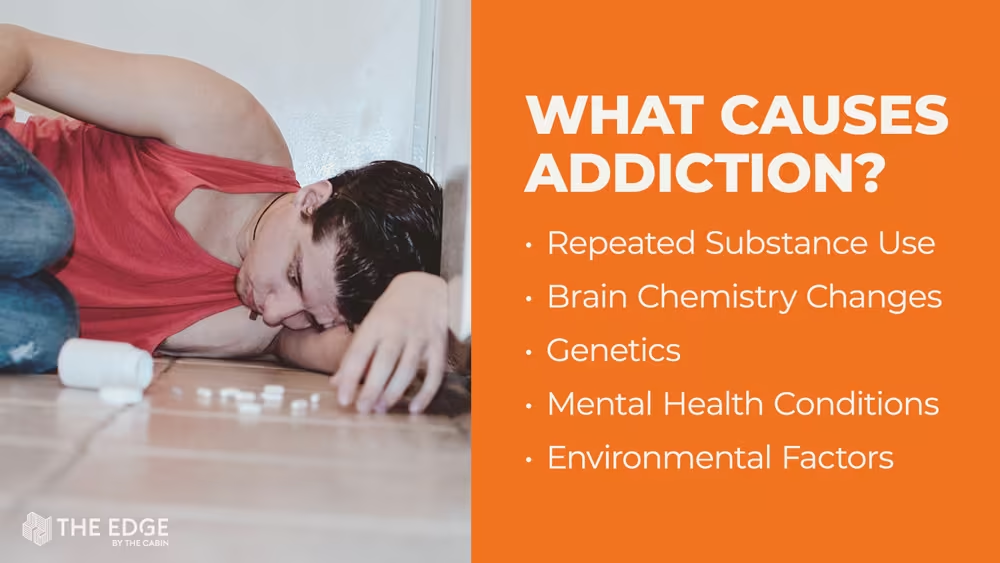
- Repeated Substance Use: Repeated substance use reinforces addictive patterns by strengthening the brain’s association between the substance and reward. Frequency and duration of use significantly influence how quickly addiction develops.
- Brain Chemistry Changes: Brain chemistry changes occur as substances repeatedly alter reward, motivation, and self-control circuits. These changes make continued use more likely despite negative consequences.
- Genetics: Genetics may increase vulnerability to addiction through inherited traits affecting impulse control and reward sensitivity. Family history often correlates with higher individual risk.
- Mental Health Conditions: Anxiety or depression can increase the risk of addiction through self-medication of untreated symptoms. Co-occurring conditions often complicate both diagnosis and treatment.
- Environmental Factors: Stress, trauma, or peer influence shape patterns of substance use and misuse. Unstable environments often increase exposure and overall risk.
How does Addiction Affect the Brain?
Addiction affects the brain by changing circuits involved in reward, motivation, and self-control. Addiction increases cravings and reduces impulse control, making continued substance use more likely despite clear negative consequences. Repeated exposure to addictive substances reinforces these changes, strengthening the association between use and reward over time. Natural reward pathways become less responsive to everyday activities as the brain increasingly relies on the substance for stimulation. Activities that once produced satisfaction, such as hobbies or social connection, often feel far less rewarding once addiction has taken hold. These changes make quitting more difficult, since the brain’s decision-making circuits become biased toward continued use. Understanding these changes helps explain why addiction often requires structured treatment rather than willpower alone.
Can Addiction Develop Without Physical Dependence?
Yes, addiction can develop without physical dependence. Stimulants, hallucinogens, and certain behavioral addictions mainly cause psychological dependence and compulsive use without producing significant physical withdrawal symptoms. Addiction is defined by behavior, not just withdrawal symptoms, including compulsive use, loss of control, and continued use despite harm. Certain behavioral addictions and substances with lower physical dependence potential produce strong psychological compulsion. For example, stimulants often produce intense cravings and compulsive use patterns without the same severe physical withdrawal seen with opioids or alcohol. This distinction highlights that addiction centers on behavioral and psychological patterns rather than physical adaptation alone. Recognizing this helps ensure that addiction is identified even in the absence of classic withdrawal symptoms.
If you suspect your son is dabbling in drugs
It’s crucial to step in sooner rather than later. His health and future are incredibly important, and early intervention can make a significant difference.
What are the Signs of Dependence vs Addiction?
The signs of dependence vs addiction are shared in some respects while presenting distinct behavioral and physical indicators. Recognizing these signs helps distinguish a physical adaptation from a deeper pattern of compulsive use.
The signs of dependence vs addiction are listed below.
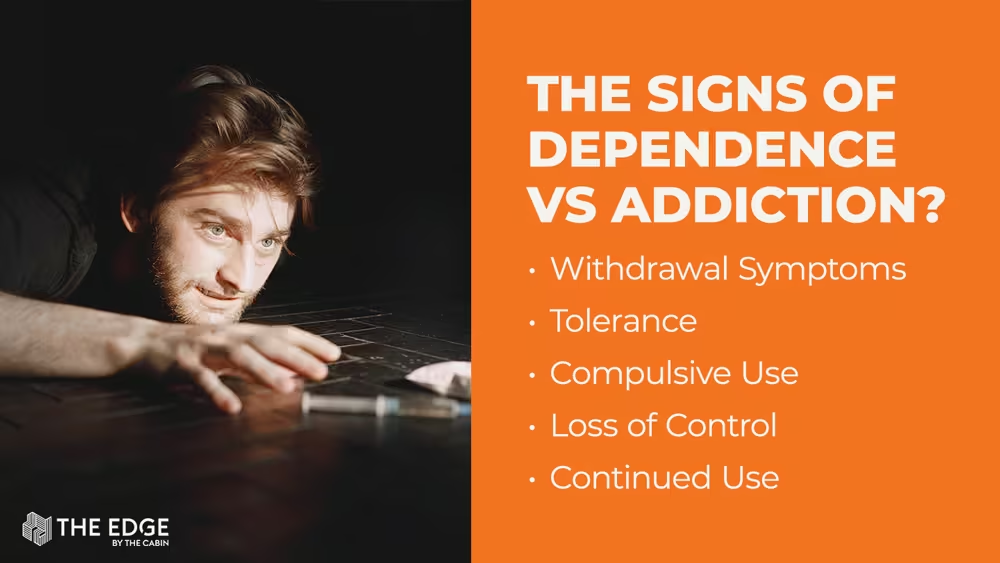
- Withdrawal Symptoms: Nausea, tremors, or anxiety are common with dependence as the body reacts to the absence of a substance like alcohol, opioids, or benzodiazepines it has adapted to. These symptoms may occur without any accompanying addictive behavior. Medical supervision often helps manage these symptoms safely during discontinuation.
- Tolerance: Tolerance involves needing more of the substance, such as requiring a higher dose of a prescribed painkiller to achieve the same relief once felt at a lower amount. This pattern can develop with both dependence and addiction. Increasing tolerance often signals the need for closer monitoring by a healthcare provider.
- Compulsive Use: Compulsive use represents a key sign of addiction, such as continuing to drink alcohol despite a doctor’s warning about liver damage. This behavioral pattern distinguishes addiction from dependence alone. The inability to stop despite clear medical risk often points toward a deeper addictive pattern.
- Loss of Control: Loss of control involves difficulty stopping substance use, such as repeated failed attempts to quit smoking or drinking, despite clear awareness of harmful consequences. This sign strongly indicates addiction rather than simple physical dependence. Repeated relapse despite genuine effort often reflects this loss of control.
- Continued Use: Continued use despite harm describes ongoing substance use, such as missing work or damaging a relationship, even after significant physical, emotional, or social damage becomes apparent. This pattern remains one of the clearest indicators of addiction. Persistent use despite mounting consequences often signals a need for professional intervention.
How can you tell the Difference Between Dependence and Addiction?

You can tell the difference between dependence and addiction through the presence of physical adaptation versus compulsive substance use despite harmful consequences. Addiction affects behavior and decision-making beyond physical symptoms, including cravings, loss of control, and continued use despite clear harm. Dependence alone may present primarily through tolerance and withdrawal without significant behavioral disruption. Healthcare providers evaluate both physical and behavioral signs to distinguish between the two conditions accurately. A person can show signs of dependence without meeting the broader behavioral criteria associated with addiction. Family members or friends may notice behavioral changes, such as secrecy or neglected responsibilities, that point toward addiction rather than simple dependence. This distinction matters because treatment approaches often differ significantly depending on which condition, or combination of conditions, is present.
Are Withdrawal Symptoms Always a Sign of Addiction?
No, withdrawal symptoms are not always a sign of addiction. Withdrawal reflects physical dependence, which can occur even with medications taken exactly as prescribed. Patients experience withdrawal symptoms after stopping certain medications without ever exhibiting compulsive or addictive behavior. Addiction requires additional behavioral features, including cravings, loss of control, and continued use despite harm. Withdrawal alone, without these behavioral patterns, typically indicates dependence rather than addiction. Recognizing this distinction helps prevent misdiagnosis and supports more accurate, appropriate treatment planning, ensuring patients are not unfairly labeled based on physical symptoms alone.
Because YOUNG MEN ARE AT HIGH RISK FOR ADDICTION
No matter what type of addiction you’re facing, there is hope and healing waiting for you and your loved one. Contact The Edge Crete for support in drug addiction recovery.
How are Dependence and Addiction Diagnosed?
Dependence and addiction are diagnosed through medical history, symptoms, and clinical evaluation. Healthcare providers assess physical, behavioral, and psychological factors to distinguish between the two conditions accurately. Diagnosis guides the most appropriate treatment, since dependence and addiction often require different approaches despite some overlapping symptoms. Providers typically consider the presence of withdrawal, tolerance, cravings, and behavioral patterns during this evaluation. Clinical interviews often explore how substance use has affected work, relationships, and overall functioning, providing context beyond physical symptoms alone. A thorough diagnostic process helps ensure that treatment addresses the specific combination of physical and behavioral factors present. Accurate diagnosis remains essential for developing an effective, individualized treatment plan.
What Tests or Assessments Do Healthcare Providers Use?
The tests and assessments healthcare providers use are listed below.
- Medical History: Medical history reviews substance use patterns, including frequency, duration, and prior treatment attempts. This information helps establish context for the current evaluation.
- Physical Examination: Physical examination checks overall health, identifying any physical signs related to substance use or withdrawal. The assessment helps rule out other medical conditions.
- Mental Health Assessment: Mental health assessment evaluates emotional well-being, identifying any co-occurring conditions that may influence treatment. This step often reveals underlying factors contributing to substance use.
- Screening Questionnaires: Screening questionnaires identify substance use disorders through standardized, validated assessment tools. These tools help quantify severity and guide treatment recommendations.
- Laboratory Tests: Laboratory tests detect substance use and related health issues, including organ function affected by prolonged use. These results support a more complete clinical picture.
Can Someone be Diagnosed With Both Dependence and Addiction?
Yes, a person can be diagnosed with both dependence and addiction. Opioid use disorder and alcohol use disorder commonly involve physical and behavioral symptoms occurring simultaneously. Physical dependence develops alongside addiction after months or years of continued substance use. Treatment usually addresses both conditions together, combining medical detox to manage withdrawal with Cognitive Behavioral Therapy to address compulsive drug-seeking. Recognizing both conditions ensures that treatment planning accounts for cravings, tolerance, withdrawal symptoms, and behavioral patterns like neglected responsibilities. For example, a patient with long-term opioid addiction often requires medical detox to manage withdrawal alongside behavioral therapy to address compulsive drug-seeking. Comprehensive evaluation, including medical history review and standardized screening questionnaires, helps identify when dependence and addiction are present simultaneously.
How are Dependence and Addiction Treated?

Dependence and addiction are treated through medical detox, Cognitive Behavioral Therapy (CBT), medication, and peer support groups. Treatment plans vary based on the individual’s needs, including the specific substance involved and the presence of co-occurring conditions. Early intervention improves recovery outcomes, particularly when treatment begins before symptoms become severe. Medical care often addresses withdrawal and physical symptoms, while therapy addresses the behavioral patterns associated with addiction. Ongoing support, including counseling and peer groups, helps sustain progress well beyond initial treatment. Family involvement can also strengthen recovery by improving communication and providing accountability throughout the treatment process. A combined approach addressing both physical and behavioral factors typically produces the most effective outcomes.
Which Treatment Options Work Best for Each Condition?
The treatment options that work best for each condition are listed below.
- Medical Detox: Medical detox manages withdrawal safely under professional supervision. Medical detox suits individuals experiencing significant physical dependence on substances such as opioids or alcohol.
- Medication: Medication helps reduce cravings or withdrawal symptoms associated with certain substances. Medication often supports individuals during both early detox and longer-term maintenance.
- Behavioral Therapy: Behavioral therapy addresses addictive behaviors by identifying triggers and building healthier coping strategies. Behavioral therapy suits individuals whose primary challenge involves compulsive drug-seeking rather than physical symptoms alone.
- Counseling: Counseling builds coping skills and provides emotional support throughout the recovery process. Counseling often benefits individuals working through stress, trauma, or relationship strain tied to substance use.
- Support Groups: Support groups encourage long-term recovery through shared experience and peer accountability. Support groups suit individuals seeking ongoing community support after completing formal treatment.
1. Medical Detox
Medical detox manages withdrawal safely for individuals with significant physical dependence on substances such as opioids, benzodiazepines, or alcohol. Trained medical staff monitor vital signs and administer medication as needed to ease symptoms such as tremors, nausea, or elevated heart rate. This structured setting reduces the risk of complications that can arise from unsupervised withdrawal, particularly with substances known to cause severe symptoms. Detox typically serves as the first phase of treatment rather than a complete solution on its own. Patients often transition into therapy or a structured rehab program once physical stabilization is achieved. Learning more about medical detox helps clarify what this initial stage of treatment involves.
2. Medication
Medication helps reduce cravings or withdrawal symptoms associated with substances such as opioids and alcohol. Options like buprenorphine or naltrexone work by targeting the same brain receptors affected by the addictive substance, easing the intensity of cravings. Other medications may address specific withdrawal symptoms, such as anxiety or insomnia, during the early recovery period. This approach often works best when combined with counseling or behavioral therapy rather than used in isolation. Regular monitoring by a healthcare provider ensures the medication remains effective and safe throughout treatment. Long-term use of certain medications may continue for months or years to support sustained recovery.
3. Behavioral Therapy
Behavioral therapy addresses addictive behaviors by identifying the specific triggers and thought patterns that drive compulsive substance use. Cognitive Behavioral Therapy is one of the most widely used approaches and helps patients recognize distorted thinking and replace it with healthier coping strategies. Sessions often focus on relapse prevention planning, teaching patients how to navigate high-risk situations without returning to substance use. This approach works particularly well for individuals whose addiction involves significant behavioral compulsion rather than physical dependence alone. Progress is typically measured through reduced cravings, improved decision-making, and fewer instances of relapse over time. Exploring Cognitive Behavioral Therapy (CBT) further clarifies how this method supports long-term behavioral change.
4. Counseling
Counseling builds coping skills by providing a structured space to address the emotional and psychological factors behind substance use. Sessions explore stress, trauma, or relationship difficulties that may have contributed to or worsened dependence and addiction. Individual counseling helps patients process personal challenges, while family counseling can rebuild trust and improve communication damaged by substance use. This approach complements medical treatment by addressing the underlying emotional drivers rather than symptoms alone. Regular sessions help track progress and adjust coping strategies as new challenges arise during recovery.
5. Support Groups
Support groups encourage long-term recovery by connecting individuals with others who have faced similar struggles with dependence or addiction. Shared experience within these groups often reduces feelings of isolation, particularly during the more difficult stages of early recovery. Regular attendance reinforces accountability, since consistent participation encourages individuals to remain committed to their recovery goals. Peer encouragement can provide practical coping strategies drawn from firsthand experience rather than clinical theory alone. Support groups complement formal treatment by extending support well beyond scheduled therapy or medical appointments.
Addiction affects more than behaviour
Whether an addiction is physical or purely psychological, lasting recovery requires actively rewiring the brain’s reward pathways. The Edge combines medical care, psychological therapy, and relapse prevention to support long-term recovery.
How Can You Prevent Dependence From Becoming Addiction?
You can prevent dependence from becoming addiction by following the six steps below. First, following medical guidance closely when taking any medication that carries a risk of dependence helps reduce the likelihood of misuse. Second, monitoring for early warning signs, such as increasing doses or cravings, supports timely intervention before patterns escalate. Third, maintaining open communication with a healthcare provider allows for adjustments before dependence progresses further, particularly if tolerance appears to be building faster than expected. Fourth, adopting healthy coping strategies for stress reduces reliance on substances as an emotional crutch. Fifth, building a strong support system encourages accountability and provides encouragement during vulnerable periods. Lastly, seeking help promptly at the first sign of escalating use significantly improves the chances of preventing the compulsive, harmful pattern captured in the addiction definition.
What Lifestyle Changes Help Lower the Risk?

The lifestyle changes that help lower this risk are listed below.
- Regular Exercise: Regular exercise improves mental health by supporting mood stability and reducing stress. Physical activity often reduces reliance on substances as a coping mechanism.
- Stress Management: Stress management reduces unhealthy coping by providing healthier alternatives for managing daily pressures. Lower stress levels often decrease the temptation toward substance use.
- Healthy Sleep: Healthy sleep supports emotional stability, reducing the likelihood of using substances to cope with fatigue or mood disturbances. Consistent sleep patterns improve overall resilience.
- Strong Support System: A strong support system encourages accountability through consistent connection with family, friends, or professionals. Social support often reduces isolation linked to substance misuse.
- Avoid High-Risk Situations: Avoiding high-risk situations reduces exposure to triggers linked to substance use. Awareness of personal risk factors strengthens long-term prevention efforts.
Is Early Treatment Important for Recovery?
Yes, early treatment is important for recovery. Early treatment can prevent symptoms from becoming more severe, particularly when dependence risks progressing into full addiction. Early intervention improves long-term treatment outcomes by addressing patterns before they become deeply entrenched. Prompt treatment often requires less intensive intervention compared with addressing severe, long-standing addiction. Individuals who seek help early frequently experience a smoother and shorter recovery process overall. Delaying treatment allows both physical dependence and behavioral patterns to become more deeply established, making later intervention more difficult. Recognizing warning signs and acting quickly remains one of the most effective strategies for improving recovery outcomes.
When is Rehab Recommended for Dependence or Addiction?

Rehab is recommended for dependence or addiction when substance use causes withdrawal, loss of control, or significant problems in daily life. Rehab is helpful for moderate to severe addiction or when repeated attempts to quit have failed without professional support. Professional treatment provides medical care, therapy, and relapse prevention support in a structured setting. Rehab becomes particularly important when dependence or addiction significantly affects work, relationships, or overall health. Co-occurring mental health conditions alongside substance use often warrant the integrated care available through a structured program. Individuals who have attempted to quit independently multiple times without success benefit most from the added structure and accountability rehab provides. Recognizing these signs helps determine when drug and alcohol rehab offers a more effective path forward than attempting recovery alone.
What Types of Rehab Programs are Available for Dependence and Addiction?
The types of rehab programs available for dependence and addiction are listed below.
- Inpatient Rehab: Inpatient rehab provides 24-hour structured care within a residential treatment setting. This level of care suits individuals with severe addiction or significant relapse risk.
- Outpatient Rehab: Outpatient rehab offers treatment while living at home, allowing individuals to maintain daily responsibilities. This format suits those with milder symptoms or strong personal support systems.
- Partial Hospitalization Program (PHP): Partial Hospitalization Program provides intensive daytime treatment while allowing individuals to return home in the evenings. This option suits those needing significant support without full residential care.
- Intensive Outpatient Program (IOP): Intensive Outpatient Program offers flexible treatment with regular therapy sessions throughout the week. This format supports individuals balancing treatment with work or family obligations.
- Medical Detox: Medical detox provides supervised withdrawal management, addressing the physical symptoms of dependence safely. This step precedes further treatment within a broader recovery plan, connecting patients to one of the other types of rehab programs suited to their needs.
Can Dependence be Treated Without Rehab?
Yes, dependence can be treated without rehab. Mild dependence may be managed through medical supervision, outpatient care, or gradual tapering under a healthcare provider’s guidance. More severe dependence or addiction requires a structured treatment program to address physical and behavioral symptoms effectively. Individual circumstances, including the substance involved and overall health, influence whether rehab becomes necessary. Regular monitoring by a healthcare provider helps determine whether outpatient management remains sufficient or whether a higher level of care is needed. A patient tapering off a prescribed medication under close medical guidance, for example, may never need a formal rehab program at all. Recognizing when additional support is necessary helps ensure safer and more effective treatment outcomes.
If Your Loved One Displays Signs of Addiction
An intervention or a simple conversation might be needed, but recovery is possible with the right support. At The Edge, we offer effective treatment for all substances.