

Amphetamine addiction is a chronic condition marked by compulsive use of amphetamine despite harmful physical, emotional, and social consequences.
Genetics, brain chemistry, environmental exposure, and mental health conditions combine to increase the risk of developing this disorder. Cravings, tolerance, neglected responsibilities, and continued use despite clear harm count among the most common warning signs. Insomnia, rapid heart rate, anxiety, and mood instability frequently accompany prolonged amphetamine misuse. Work performance, relationships, and daily routines decline as compulsive drug-seeking behavior takes priority over ordinary responsibilities. Behavioral therapy, counseling, support groups, and structured rehabilitation programs form the foundation of effective treatment for amphetamine addiction.
What is Amphetamine Addiction?
Amphetamine addiction is a chronic disorder characterized by compulsive amphetamine use despite clear harm to health, relationships, or daily functioning. Brain reward pathways become altered as repeated exposure reinforces drug-seeking behavior over healthier coping patterns. Control over use diminishes as cravings, tolerance, and psychological dependence strengthen with continued exposure. Work, school, and family responsibilities suffer once amphetamine use begins to dominate daily decision-making. Physical symptoms such as rapid heart rate, insomnia, and appetite loss frequently accompany the behavioral changes tied to this disorder. Professional treatment addresses both the physical and psychological aspects of amphetamine addiction through therapy, counseling, and structured support. Long-term management often becomes necessary because recovery involves ongoing attention to triggers, stress, and relapse prevention. Sustainable recovery becomes more achievable when treatment combines medical guidance with consistent behavioral support.
What are Amphetamines?
Amphetamines are stimulant drugs that increase activity in the central nervous system, raising alertness, energy, and focus. Prescription formulations treat conditions such as attention deficit hyperactivity disorder and narcolepsy under medical supervision. Illicit versions are manufactured and distributed outside medical channels, often carrying unpredictable purity and strength. Misuse increases health risks, including cardiovascular strain, psychological dependence, and long-term brain changes. Medical supervision remains important because dosage, frequency, and individual health history all influence safety. Unsupervised use carries significantly higher risk than use guided by a qualified prescriber.
How do Amphetamines Affect the Brain?
Amphetamines affect the brain by sharply raising dopamine and norepinephrine activity, chemicals responsible for reward, motivation, and alertness. Neurons release these chemicals in higher amounts than normal, producing heightened energy, focus, and euphoria during use. Reward pathways become strongly activated as dopamine floods brain regions tied to pleasure and reinforcement. Repeated activation trains the brain to associate amphetamine use with reward, strengthening the likelihood of continued use. Natural dopamine production often declines with prolonged exposure, making everyday activities feel less rewarding without the drug. Structural and chemical changes can persist even after use stops, particularly following heavy or long-term exposure. Professional evaluation helps determine the extent of brain changes and guides appropriate treatment.
Are Amphetamines Addictive?
Yes, amphetamines are addictive substances capable of producing both psychological and physical dependence. Repeated misuse strengthens brain reward pathways, making continued use more likely over time. Frequency, dose, and method of use all influence how quickly addiction develops. Early intervention reduces the likelihood of severe dependence and related health complications. Safe, medically supervised use lowers addiction risk compared with unsupervised or recreational use. Addiction potential remains present even among individuals using prescribed formulations if use deviates from medical guidance.
Addiction Is a Brain-Based Disease
It’s time to understand why and take action. When substance use starts to take control, professional support at The Edge can help transform young lives.
What Causes Amphetamine Addiction?
The causes of amphetamine addiction are listed below.
- Repeated Use: Repeated amphetamine use strengthens addictive patterns by reinforcing drug-seeking behavior in the brain. Frequency and duration of use both influence how quickly dependence forms.
- Brain Chemistry: Brain chemistry changes as amphetamine repeatedly alters dopamine and norepinephrine activity. Reward pathways become increasingly tied to the drug rather than natural sources of motivation.
- Genetics: Genetics may increase susceptibility to amphetamine addiction through inherited traits affecting impulse control and reward sensitivity. Family history often correlates with higher individual risk.
- Mental Health Conditions: Mental health conditions such as anxiety, depression, or attention disorders can raise the risk of amphetamine misuse. Self-medication of untreated symptoms often contributes to repeated use.
- Environmental Factors: Environmental factors, including peer influence, stress, and easy access to the drug, shape patterns of use. Unstable living conditions frequently increase exposure and risk.
Why Does Amphetamine Use Create Dependence?
Amphetamine use creates dependence because the brain adapts to repeated exposure and begins relying on the drug to function normally. Neural pathways controlling reward, motivation, and energy regulation shift toward expecting regular stimulation from the drug. Tolerance develops as the same dose produces weaker effects, prompting higher or more frequent use. Withdrawal symptoms such as fatigue, low mood, and intense cravings can appear once use decreases or stops. The body’s adjustment to amphetamine exposure explains why stopping suddenly often feels physically and emotionally difficult. Medical support can ease withdrawal symptoms and reduce the risk of complications during this transition. Dependence does not always signal full addiction, though the two conditions frequently overlap as compulsive use develops.
Can Prescription Amphetamines Lead to Addiction?
Yes, prescription amphetamines can lead to addiction when taken in higher doses or more frequently than prescribed. Proper medical use under professional guidance significantly lowers this risk. Deviating from a prescribed schedule, crushing tablets, or combining the medication with other substances increases the likelihood of dependence. Regular monitoring by a healthcare provider helps identify early signs of misuse before addiction develops. Open communication about side effects, cravings, or difficulty following the prescription supports safer long-term use. Addiction risk remains present even with legitimate prescriptions, making careful oversight essential.
What are the Signs of Amphetamine Addiction?
The signs of amphetamine addiction are listed below.
- Strong Cravings: Strong cravings involve a persistent urge to use amphetamine, intruding on daily thoughts and plans. The urge may intensify during stress or exposure to familiar triggers.
- Loss of Control: Loss of control means the person cannot stop using despite repeated attempts to cut back. Efforts to limit use fail as compulsive patterns take hold.
- Neglected Responsibilities: Neglected responsibilities occur when work, school, or family obligations suffer due to prioritized drug use. Missed deadlines and absences often become more frequent.
- Tolerance: Tolerance develops when larger amounts are needed to achieve the same effect once experienced at lower doses. The pattern drives escalating and riskier use.
- Continued Use: Continued use despite harm describes ongoing amphetamine use even after clear physical, emotional, or relational damage appears. The pattern remains one of the clearest indicators of addiction.
What are the Side Effects of Amphetamine Addiction?

The side effects of amphetamine addiction are listed below.
- Insomnia: Insomnia develops as amphetamine stimulates the nervous system, making restful sleep difficult to achieve. Sleep disruption often worsens with prolonged or heavy use.
- Weight Loss: Weight loss occurs as appetite decreases significantly during periods of amphetamine use. Nutritional deficiencies can develop when reduced eating continues over time.
- Rapid Heart Rate: Rapid heart rate results from the stimulant effect of amphetamine on the cardiovascular system. Elevated heart rate can strain the heart with continued use.
- Anxiety: Anxiety increases as amphetamines heighten nervous system activity beyond normal levels. Persistent nervousness often accompanies extended periods of use.
- Mood Changes: Mood changes develop as emotional stability declines with repeated amphetamine exposure. Irritability and unpredictable emotional shifts often become more frequent.
What are the Common Symptoms of Amphetamine Abuse?

The common symptoms of amphetamine abuse are listed below.
- Restlessness: Restlessness appears as constant physical activity and an inability to remain still. This symptom often reflects the stimulant’s effect on energy levels.
- Dilated Pupils: Dilated pupils occur as amphetamine affects the nervous system’s control over eye function. Eyes may appear noticeably enlarged during periods of use.
- Loss of Appetite: Loss of appetite develops as amphetamine suppresses normal hunger signals. Reduced eating often accompanies extended periods of use.
- Irritability: Irritability increases as amphetamine disrupts normal mood regulation. Minor frustrations may trigger stronger emotional reactions than usual.
- Sleep Problems: Sleep problems arise as amphetamine interferes with the body’s natural rest cycle. Difficulty falling or staying asleep often persists during active use.
Can Heavy Amphetamine Use Cause Long-Term Health Problems?
Yes, heavy amphetamine use can cause long-term physical and mental health problems. Cardiovascular strain, including elevated heart rate and blood pressure, develops with prolonged use. Cognitive decline, memory difficulties, and mood disorders may emerge as the nervous system adjusts to repeated stimulation. Malnutrition and significant weight loss frequently accompany extended periods of reduced appetite. Risk increases substantially the longer heavy use continues without treatment. Early intervention lowers the chance of severe or lasting complications and improves long-term recovery outcomes.
Understanding the signs is the first step toward recovery
If you recognise the signs of amphetamine misuse, The Edge Crete provides structured, expert care to help your loved one break free from the cycle and begin their recovery.
How does Amphetamine Addiction Affect Daily Life?
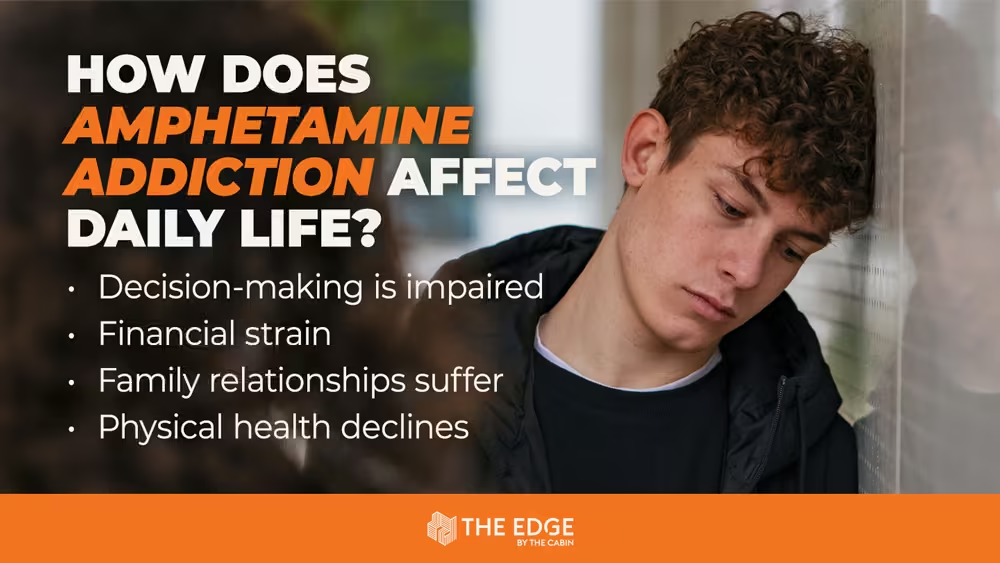
Amphetamine addiction affects daily life by disrupting work, school, relationships, and everyday responsibilities. Decision-making becomes impaired as drug-seeking behavior takes priority over routine obligations. Financial strain frequently develops as money and time increasingly center around obtaining and using amphetamine. Family relationships can suffer due to secrecy, mood instability, and broken trust caused by ongoing use. Physical health declines alongside daily functioning, compounding the difficulties created by addiction. Recovery improves daily functioning by restoring structure, stability, and healthier coping patterns. Support from treatment programs and personal networks plays an important role in rebuilding a manageable daily routine.
What are the Long-Term Effects of Amphetamine Addiction?
The long-term effects of amphetamine addiction are listed below.
- Heart Problems: Heart problems develop as cardiovascular risks increase with sustained amphetamine exposure. Elevated blood pressure and irregular heart rhythms often accompany long-term use.
- Mental Health Disorders: Mental health disorders, such as anxiety or psychosis, may occur as prolonged use affects brain chemistry. Symptoms can persist even after amphetamine use stops.
- Memory Problems: Memory problems arise as cognitive function declines with extended amphetamine exposure. Concentration and recall difficulties often become more noticeable over time.
- Weight Loss: Weight loss continues as nutrition suffers from prolonged appetite suppression. Malnutrition can develop when reduced eating persists over months or years.
- Social Difficulties: Social difficulties emerge as relationships become affected by secrecy, mood changes, and unreliable behavior. Isolation often increases as addiction progresses.
Does Amphetamine Addiction Affect Mental Health?
Yes, amphetamine addiction can affect mental health. Anxiety, depression, paranoia, and psychosis may develop or worsen with continued use. Symptoms vary depending on dosage, duration of use, and individual mental health history. Existing mental health conditions often become harder to manage once amphetamine use begins. Professional treatment addresses both addiction and related mental health symptoms. Recovery supports mental well-being by reducing the underlying stress that amphetamine use often creates.
How is Amphetamine Addiction Different from Other Stimulant Addictions?
Amphetamine addiction differs from other stimulant addictions in potency, duration of effect, and typical patterns of misuse. Stimulant drugs share similar effects on the central nervous system, yet chemical structure and strength vary between substances. Some stimulants produce faster or more intense effects, which can influence how quickly dependence develops. Method of use, including oral, snorted, or injected administration, also shapes risk and severity differently across the broader category of stimulant addictions. Withdrawal patterns and treatment approaches often overlap across stimulant classes despite these differences. Professional evaluation remains the most reliable way to understand distinctions between amphetamine addiction and other stimulant use disorders.
How does Amphetamine Addiction Compare with Methamphetamine Addiction?
Amphetamine addiction compares with methamphetamine addiction through shared stimulant effects but differing potency and physical impact. Methamphetamine typically produces a stronger and more prolonged effect on the brain compared with standard amphetamine formulations. Physical and cognitive damage often appear more severe and develop more quickly with methamphetamine use. Amphetamine carries recognized medical applications, while methamphetamine use is almost always associated with illicit or non-medical purposes. Withdrawal symptoms and treatment principles share considerable overlap between the two substances. Reviewing methamphetamine addiction symptoms alongside amphetamine addiction helps clarify these differences in severity and presentation. Individual risk still depends heavily on dosage, frequency, and method of use, regardless of which stimulant is involved.
Is Speed the Same as Amphetamine?
No, the informal term does not always refer to the exact same substance as pharmaceutical amphetamine. Illicit products may contain amphetamine, methamphetamine, or an unknown combination of stimulant chemicals. Purity and strength vary widely because these products are manufactured outside regulated medical settings. Health risks increase significantly when the actual contents and dosage remain unclear to the user. Unpredictable ingredients make overdose and adverse reactions more likely compared with controlled pharmaceutical use. The name Speed is commonly applied to a range of illicit stimulant products rather than one specific, consistent substance.
If you think your child is using or is addicted to amphetamine
The team at The Edge Crete can help. We operate an outpatient addiction-treatment programme that has been specially designed for young people.
How is Amphetamine Addiction Treated?

Amphetamine addiction is treated with behavioral therapies, counseling, and supportive care designed to address both physical and psychological dependence. Treatment plans are tailored to individual needs, taking into account the severity of use, co-occurring conditions, and personal circumstances. Structured therapy helps identify triggers, build coping skills, and reduce the likelihood of relapse. Emotional and social support often accompanies clinical treatment to strengthen long-term recovery outcomes. Recovery is achievable when treatment addresses the underlying causes of addiction rather than symptoms alone. Ongoing support after initial treatment improves the likelihood of sustained, long-term success. Consistency across therapy, monitoring, and daily routine plays a central role in effective treatment.
What are the Most Effective Treatment Options for Amphetamine Addiction?
The most effective treatment options for amphetamine addiction are listed below.
- Behavioral Therapy: Behavioral therapy changes unhealthy patterns linked to amphetamine cravings and drug-seeking behavior. Structured sessions help build healthier coping responses over time.
- Counseling: Counseling provides emotional support and helps address stressors connected to amphetamine use, including underlying experiences addressed through trauma and addiction treatment. Regular sessions strengthen motivation and long-term commitment to recovery.
- Support Groups: Support groups encourage long-term recovery through shared experience and peer accountability. Consistent participation often reinforces sobriety over time.
- Rehabilitation Programs: Rehabilitation programs offer structured care within a supportive treatment environment. Daily structure helps stabilize recovery during a vulnerable period.
- Aftercare Services: Aftercare services help prevent relapse by maintaining support after formal treatment ends. Continued check-ins reinforce skills learned during earlier treatment stages
1. Behavioral Therapy
Behavioral therapy addresses the thought patterns and habits that sustain amphetamine addiction. Sessions help identify triggers and replace harmful responses with healthier coping strategies. Stress management, impulse control, and relapse prevention planning form the core focus of most sessions. Skills learned through repeated practice often become more effective the longer treatment continues. Structured behavioral approaches remain among the most researched and widely used treatment methods for stimulant addiction. Consistency between sessions strengthens long-term behavioral change, particularly within a structured Cognitive Behavioral Therapy (CBT) framework.
2. Counseling
Counseling offers a structured space to address the emotional and psychological factors behind amphetamine use. Individual sessions often explore stress, trauma, or underlying mental health symptoms connected to substance use. Family or group counseling can improve communication and rebuild trust damaged by addiction. Motivation and accountability often strengthen through consistent counseling engagement. Emotional processing supports more sustainable behavior change alongside other treatment methods. Regular sessions help track progress and adjust strategies as recovery continues.
3. Support Groups
Support groups connect individuals recovering from amphetamine addiction with others facing similar challenges. Shared experience often reduces feelings of isolation during difficult stages of recovery. Regular attendance reinforces accountability and long-term commitment to sobriety. Peer encouragement can strengthen motivation during periods of stress or temptation. Group settings often complement individual therapy and medical treatment. Long-term participation frequently supports sustained recovery beyond formal treatment programs.
4. Rehabilitation Programs
Rehabilitation programs provide structured treatment for individuals needing more intensive support than outpatient care alone. Daily therapy, monitoring, and peer interaction help stabilize recovery during an early and vulnerable period. Reviewing the different types of rehabilitation programs helps identify the level of care best suited to individual needs. Removal from triggering environments often reduces access to drugs during active treatment. Recovery planning becomes more consistent within a structured, supportive setting. Extended program length often improves long-term treatment outcomes.
5. Aftercare Services
Aftercare services extend support beyond the completion of formal amphetamine addiction treatment. Continued counseling, group meetings, and check-ins help maintain progress achieved during earlier treatment stages. Relapse risk often decreases when structured support continues into daily life. Ongoing accountability reinforces healthy habits developed throughout treatment. Ongoing services help identify early warning signs before relapse occurs. Long-term recovery becomes more sustainable with continued aftercare involvement.
Can Someone Recover from Amphetamine Addiction?
Yes, patients can recover from amphetamine addiction with appropriate treatment and consistent support. Recovery unfolds as a gradual process rather than a single event. Commitment to therapy, counseling, and healthy routines strengthens progress over time. Setbacks may occur, though they do not eliminate the possibility of long-term success. Healthy coping habits and ongoing support systems play an important role in sustaining recovery. Long-term care often improves stability well beyond the initial treatment period.
No matter what type of addiction you’re facing, there is hope
At The Edge, our dedicated professionals are here to support you every step of the way. We’ll assess the severity of your situation and guide you on the path to recovery and a healthier, fulfilling life.
How Can Amphetamine Addiction be Prevented?
The ways amphetamine addiction can be prevented are listed below.
- Follow Prescriptions: Following prescriptions correctly reduces the risk of misuse among individuals using prescribed amphetamine medication. Adjusting dosage without medical guidance increases the likelihood of dependence.
- Education: Education about addiction risks helps individuals recognize warning signs before use escalates. Awareness often reduces experimentation and early misuse.
- Healthy Coping Skills: Healthy coping skills provide safer ways to manage stress without relying on stimulant use. Developing these skills early lowers vulnerability to substance misuse.
- Early Intervention: Early intervention addresses misuse quickly before patterns become more severe or harder to treat. Prompt action often improves long-term outcomes significantly.
- Support Systems: Support systems encourage healthy choices through consistent guidance from family, friends, or professionals. Strong personal connections often reduce isolation linked to substance misuse.
How Can Amphetamine Addiction be Managed?
Amphetamine addiction can be managed through a combination of medical care, behavioral therapy, and structured lifestyle changes. Ongoing counseling helps address cravings, triggers, and the emotional patterns that sustain compulsive use. Consistent participation in support groups strengthens accountability and reduces feelings of isolation during recovery. Healthy routines, including regular sleep, nutrition, and physical activity, support the body’s gradual stabilization after prolonged stimulant use. Stress management techniques help reduce the likelihood of relapse during difficult periods. Family involvement often improves communication and rebuilds trust affected by past behavior linked to addiction. Regular monitoring by healthcare professionals allows early identification of setbacks before they escalate. Long-term management typically requires ongoing effort rather than a single course of treatment. Sustainable recovery becomes more achievable when medical support, therapy, and personal accountability work together consistently over time.
What Helps Reduce the Risk of Relapse After Treatment?

The factors that help reduce relapse risk after treatment are listed below.
- Aftercare Programs: Aftercare programs provide ongoing support once formal treatment concludes. Continued structure helps reinforce recovery habits over time.
- Counseling: Counseling reinforces coping skills developed during earlier stages of treatment. Regular sessions help address new stressors as they arise.
- Support Groups: Support groups encourage accountability through shared recovery experiences. Consistent participation often strengthens long-term commitment to sobriety.
- Healthy Lifestyle: A healthy lifestyle promotes overall well-being through balanced nutrition, exercise, and sleep. Physical stability often supports emotional resilience during recovery.
- Trigger Management: Trigger management reduces relapse risk by identifying and avoiding situations linked to previous use. Awareness of personal triggers strengthens long-term recovery planning.
Is Long-Term Support Important for Recovery?
Yes, long-term support is important for sustained recovery from amphetamine addiction. Continued care helps maintain progress achieved during initial treatment. Ongoing counseling, group participation, and healthy routines strengthen resilience against relapse. Relapse risk often decreases when structured support continues well beyond early recovery stages. Consistent engagement with treatment resources improves stability over time. Long-term success becomes more likely when support remains available throughout the recovery process.
When Should Someone Enter a Drug and Alcohol Rehab Program for Amphetamine Addiction?

Patients should enter a Drug and Alcohol Rehab program for amphetamine addiction when use begins interfering with daily responsibilities, health, or relationships. Warning signs include repeated failed attempts to stop, worsening physical symptoms, or escalating dosage over time. Withdrawal symptoms, intense cravings, or mental health decline often indicate that professional treatment has become necessary. Continued use despite clear harm to work, family, or personal safety signals a need for structured intervention. Earlier treatment entry generally improves long-term outcomes and reduces the severity of related health complications. A comprehensive program can address the physical and psychological aspects of amphetamine addiction in one setting. Delaying treatment allows dependence to deepen, making recovery more difficult without the structured support found in adrug and alcohol rehab program.
Push yourself one step closer to The Edge of a new beginning!
If you’re struggling with addiction or grappling with withdrawal, remember: recovery is not just a dream—it’s within your grasp! Reach out to our admissions team today for a confidential, 24/7 consultation.