
Drug withdrawal is a group of physical and psychological symptoms that appear after drug use stops or decreases. The body and brain adapt to repeated substance exposure, and withdrawal begins when the substance level drops.
Symptoms depend on the drug type, dose, length of use, health status, and dependence level. Common symptoms include anxiety, insomnia, nausea, sweating, cravings, tremors, low mood, irritability, and body discomfort. Drug withdrawal types include alcohol withdrawal, opioid withdrawal, benzodiazepine withdrawal, stimulant withdrawal, cannabis withdrawal, nicotine withdrawal, antidepressant withdrawal, barbiturate withdrawal, sedative hypnotic withdrawal, and caffeine withdrawal. Recovery continues after withdrawal through treatment, therapy, support groups, relapse prevention, healthy routines, and long-term addiction care.
What is Drug Withdrawal?
Drug withdrawal is a group of physical and psychological symptoms that occur when drug use is stopped or reduced. The symptoms develop because the body adjusts to the absence of a substance after repeated exposure. Withdrawal symptoms vary by drug type because alcohol, opioids, benzodiazepines, stimulants, cannabis, nicotine, antidepressants, barbiturates, sedative hypnotics, and caffeine affect the body in different ways. Severity differs among patients based on dose, duration of use, health status, age, and co-occurring mental health concerns. Withdrawal can affect daily functioning when symptoms disrupt sleep, appetite, mood, focus, work, school, or relationships. Medical support may be needed when symptoms become severe, unpredictable, or linked to substances with higher medical risk. Detox programs help monitor symptoms and reduce complications during early stabilization. Ongoing treatment remains important because withdrawal care alone does not address the full pattern of substance use.
Why Does Drug Withdrawal Happen?
Drug withdrawal happens because the body adapts to repeated drug use over time. Repeated exposure changes brain chemistry, stress response, reward pathways, sleep patterns, and body regulation. The body becomes dependent on the substance when normal functioning starts to rely on its presence. Stopping the drug disrupts that adaptation and creates a period of physical and psychological adjustment. Symptoms appear during adjustment because the body tries to regain balance without the substance. Recovery takes time because brain circuits, sleep, mood, digestion, and stress response need stabilization. Withdrawal severity depends on the substance, dose, frequency, and length of use. Medical care helps reduce risk when withdrawal affects hydration, heart rate, blood pressure, breathing, mental state, or seizure risk.
Does Drug Withdrawal Occur When a Person Stops or Reduces Drug Use?
Yes, drug withdrawal occurs when a person stops or significantly reduces drug use after the body has adapted to regular substance exposure. The risk depends on the substance, dependence level, dose, duration of use, and medical history. Stopping use can trigger symptoms when the body no longer receives the substance to which it has adjusted. Reducing the use triggers symptoms when the change disrupts physical or brain adaptation. Dependence increases withdrawal risk because the body has become used to the substance for daily regulation. Symptoms range from mild discomfort to severe medical complications. Professional guidance helps reduce risk, especially with alcohol, benzodiazepines, barbiturates, opioids, and sedative hypnotics. A clinical assessment determines whether home support, outpatient detox, inpatient detox, or emergency care fits the situation.
What are the Common Symptoms of Drug Withdrawal?
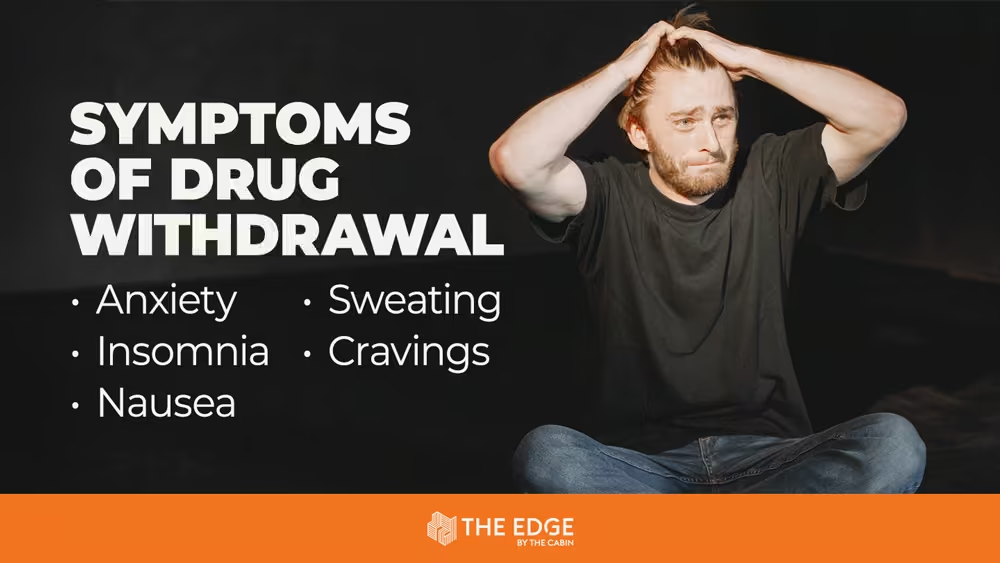
The common symptoms of drug withdrawal are listed below.
- Anxiety: Anxiety involves nervousness, restlessness, panic, racing thoughts, or fear during withdrawal. The symptom may become stronger when the body adjusts to lower substance levels.
- Insomnia: Insomnia means difficulty falling asleep, staying asleep, or feeling rested. Sleep problems are common during withdrawal because brain chemistry and stress hormones are changing.
- Nausea: Nausea involves stomach discomfort, reduced appetite, gagging, or vomiting. Digestive symptoms may increase the risk of dehydration when fluids are not replaced.
- Sweating: Sweating means increased perspiration during withdrawal. Temperature changes, chills, and clammy skin may appear with sweating.
- Cravings: Cravings are strong urges to use the drug again. Cravings may increase relapse risk when clients lack support, coping skills, or a recovery plan.
How do Physical and Psychological Withdrawal Symptoms Differ?
Physical withdrawal symptoms affect the body, while psychological withdrawal symptoms affect emotions, thinking, and behavior. Physical symptoms include sweating, nausea, tremors, muscle aches, vomiting, diarrhea, chills, rapid heartbeat, and sleep disruption. Psychological symptoms include anxiety, depression, irritability, cravings, poor focus, agitation, and mood swings. Symptom types overlap because body discomfort worsens emotional distress, and emotional distress intensifies physical tension. Severity varies by patient, substance, dosage, health status, and duration of use. Alcohol, benzodiazepine, barbiturate, and sedative withdrawal may carry a higher medical risk. Opioid withdrawal is usually very uncomfortable and can create a dehydration risk when vomiting or diarrhea appears. A treatment plan must address physical safety and emotional support together.
Can Withdrawal Symptoms Affect Both the Body and Mind?
Yes, withdrawal symptoms can affect both the body and mind. Patients experience physical and emotional symptoms at the same time during withdrawal. Body symptoms may include nausea, sweating, tremors, chills, pain, sleep problems, and digestive distress. Mind-related symptoms may include anxiety, depression, irritability, cravings, poor focus, fear, and emotional instability. Symptoms occur simultaneously because substance dependence affects brain chemistry and body regulation. Recovery involves physical and mental adjustment as the body returns to a steadier state. Support can improve outcomes through monitoring, hydration, medication when appropriate, counseling, and relapse prevention planning. Severe symptoms require prompt medical care because withdrawal becomes dangerous with certain substances.
Every type of addiction deserves the right treatment
No matter what type of addiction you’re facing, there is hope and healing waiting for you and your loved one. At The Edge, our dedicated professionals are here to support you every step of the way. We’ll assess the severity of your situation and guide you on the path to recovery and a healthier, fulfilling life.
When do Withdrawal Symptoms Start?
Withdrawal symptoms may start within hours to several days after stopping a drug. Timing depends on the substance used, the dose, the length of use, and the drug’s action in the body. Short-acting drugs cause earlier symptoms because substance levels drop faster. Longer-acting drugs take more time before withdrawal symptoms appear. Alcohol withdrawal may begin within hours after the last drink in dependent clients. Opioid withdrawal timing differs between short-acting opioids and long-acting opioids. Benzodiazepine withdrawal timing depends on whether the medication is short-acting or long-acting. Drug type is a key factor, and clinical guidance helps determine the safest monitoring plan.
How Long do Withdrawal Symptoms Last?
Withdrawal symptoms last from 3 days to 2 weeks, although some symptoms last for several weeks or months after acute detox. The duration depends on the drug, dosage, length of use, dependence level, health status, and treatment support. Alcohol withdrawal symptoms start within 6 to 24 hours, peak around 36 to 72 hours, and last 2 to 10 days. Opioid withdrawal commonly lasts about 4 to 10 days, while longer-lasting opioid cravings and low well-being can continue for months. Stimulant withdrawal symptoms begin within 24 hours and last 3 to 5 days, while fatigue, anxiety, sleep changes, and cravings continue for 1 to 2 months. Cannabis withdrawal symptoms last 1 to 2 weeks. Inhalant withdrawal symptoms last 2 to 3 days or extend up to 2 weeks. Benzodiazepine withdrawal requires a gradual taper, and dose reductions are commonly spaced at least 1 week apart for safety. Medical monitoring is necessary for alcohol, benzodiazepine, barbiturate, and sedative withdrawal because severe symptoms can become dangerous
What Factors Influence the Withdrawal Timeline?
The factors that influence the withdrawal timeline are listed below.
- Drug Type: Drug type affects how soon withdrawal begins and how long symptoms last. Short-acting substances usually create earlier symptom onset than longer-acting substances.
- Length of Use: Length of use affects the body’s dependence level. Long-term use may extend withdrawal and increase symptom burden.
- Dosage: Dosage affects withdrawal intensity because higher exposure can create stronger body adaptation. Higher use can increase severity and medical risk.
- Health Status: Health status affects withdrawal tolerance and recovery speed. Liver disease, heart concerns, dehydration, infections, and mental health conditions can change treatment needs.
- Individual Differences: Individual differences affect symptom response across clients. Genetics, age, sleep, nutrition, stress, medication use, and support systems influence withdrawal patterns.
Do Withdrawal Symptoms Vary by Drug Type and Usage History?
Yes, withdrawal symptoms vary by drug type and usage history. Different substances affect the body and brain in different ways, so withdrawal patterns are not the same for every drug. Alcohol withdrawal involves tremors, sweating, anxiety, seizures, or delirium in severe cases. Opioid withdrawal involves muscle aches, diarrhea, vomiting, cravings, sweating, and restlessness. Stimulant withdrawal involves fatigue, depression, sleep changes, and strong cravings. Long-term use causes stronger symptoms because the body has had more time to adapt. Drug characteristics influence withdrawal patterns, including half-life, dose, route of use, and frequency. Treatment needs may differ, so assessment must guide the safest withdrawal plan.
What Types of Drug Withdrawal Exist?
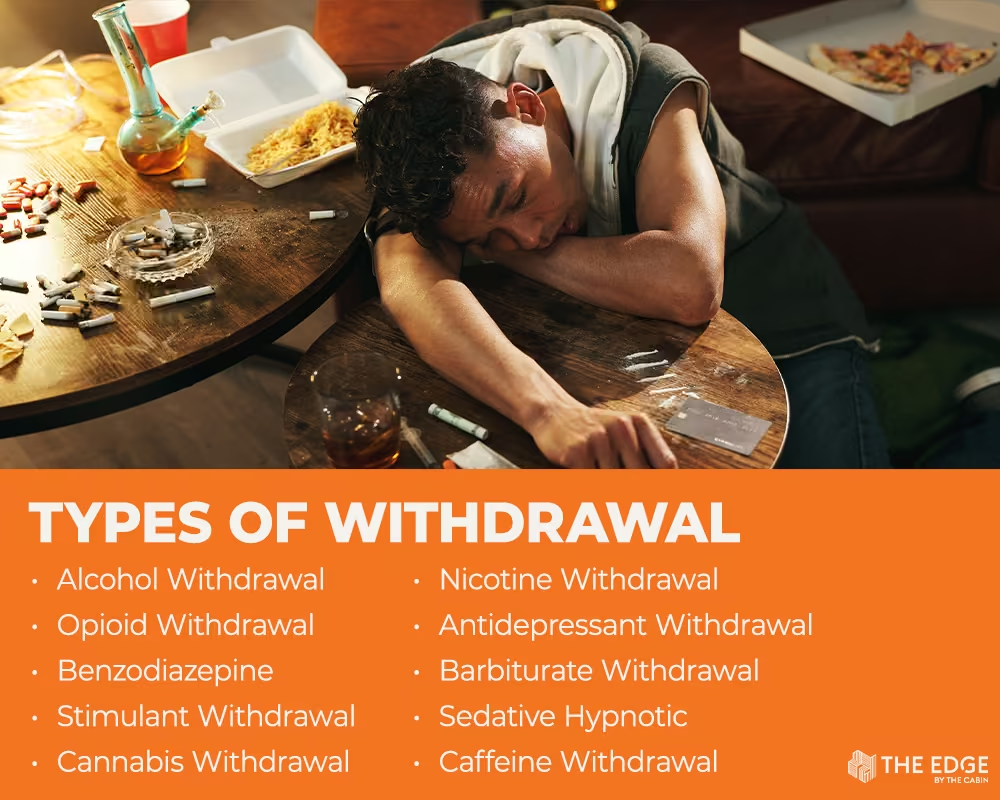
The types of drug withdrawal are listed below.
- Alcohol Withdrawal: Alcohol withdrawal occurs after reduced or stopped alcohol use in a dependent client. Symptoms include tremors, sweating, anxiety, nausea, insomnia, seizures, and delirium tremens in severe cases.
- Opioid Withdrawal: Opioid withdrawal occurs after reduced or stopped opioid use. Symptoms include muscle aches, runny nose, sweating, chills, nausea, vomiting, diarrhea, restlessness, cravings, and sleep problems.
- Benzodiazepine Withdrawal: Benzodiazepine withdrawal occurs after reduced or stopped benzodiazepine use, especially after regular or long-term use. Symptoms include anxiety, insomnia, tremors, agitation, perceptual changes, seizures, and rebound panic.
- Stimulant Withdrawal: Stimulant withdrawal occurs after reduced or stopped stimulant use. Symptoms include fatigue, depression, increased sleep, low motivation, irritability, increased appetite, and cravings.
- Cannabis Withdrawal: Cannabis withdrawal occurs after stopping regular cannabis use. Symptoms include irritability, sleep problems, reduced appetite, anxiety, restlessness, depressed mood, cravings, and physical discomfort.
- Nicotine Withdrawal: Nicotine withdrawal occurs after stopping or reducing nicotine use. Symptoms include cravings, irritability, anxiety, poor focus, increased appetite, sleep changes, and restlessness.
- Antidepressant Withdrawal: Antidepressant withdrawal refers to discontinuation symptoms after reducing or stopping certain antidepressants. Symptoms include dizziness, flu-like feelings, insomnia, irritability, anxiety, nausea, and sensory disturbances.
- Barbiturate Withdrawal: Barbiturate withdrawal occurs after reduced or stopped barbiturate use. Symptoms include anxiety, tremors, insomnia, hallucinations, seizures, delirium, and life-threatening complications.
- Sedative Hypnotic Withdrawal: Sedative hypnotic withdrawal occurs after reduced or stopped sedative or sleep medication use. Symptoms include insomnia, anxiety, agitation, tremors, confusion, seizures, and rebound symptoms.
- Caffeine Withdrawal: Caffeine withdrawal occurs after stopping or reducing regular caffeine intake. Symptoms include headache, fatigue, low mood, irritability, poor concentration, and sleepiness.
Alcohol Withdrawal
Alcohol withdrawal is a physical and psychological reaction that can occur when a dependent client stops or reduces alcohol use. The nervous system becomes overactive because the brain has adapted to repeated alcohol exposure. Symptoms include tremors, sweating, anxiety, nausea, vomiting, headache, insomnia, fast heart rate, and high blood pressure. Severe alcohol withdrawal involves hallucinations, seizures, delirium tremens, confusion, fever, agitation, and medical instability. Alcohol withdrawal becomes life-threatening without proper care. Medical detox is strongly recommended for alcohol withdrawal when heavy use, past seizures, severe symptoms, or other medical risks are present.
Opioid Withdrawal
Opioid withdrawal is a reaction that can occur when a client stops or reduces opioids after physical dependence develops. Opioids include heroin, fentanyl, oxycodone, hydrocodone, morphine, and similar substances. Symptoms include muscle aches, bone pain, runny nose, watery eyes, sweating, chills, nausea, vomiting, diarrhea, yawning, anxiety, insomnia, and cravings. The symptoms are usually very uncomfortable and lead to relapse when support is missing. Dehydration occurs when vomiting or diarrhea becomes severe. Medication support for opioid withdrawal includes treatments that reduce cravings, withdrawal discomfort, and relapse risk under clinical supervision.
Benzodiazepine Withdrawal
Benzodiazepine withdrawal is a reaction that can occur after reducing or stopping benzodiazepines after regular use. Benzodiazepines affect calming brain systems, so abrupt changes create serious symptoms. Symptoms include anxiety, panic, insomnia, tremors, sweating, irritability, nausea, muscle tension, sensitivity to light or sound, and confusion. Severe benzodiazepine withdrawal involves seizures, hallucinations, delirium, or dangerous changes in mental state. Gradual tapering under medical care is usually safer than abrupt stopping. Clients using benzodiazepines regularly need clinical guidance before changing dose to reduce the risk of benzodiazepine withdrawal.
Stimulant Withdrawal
Stimulant withdrawal is a reaction that can occur after reducing or stopping stimulant drugs. Stimulants include methamphetamine, cocaine, amphetamines, and some prescription stimulant medications when misused. Symptoms include fatigue, depression, increased sleep, low motivation, irritability, anxiety, increased appetite, and strong cravings. Patients experience agitation or suicidal thoughts during severe stimulant withdrawal. The withdrawal process can feel emotionally intense, even when physical danger is lower than that of alcohol or sedative withdrawal. Treatment for stimulant withdrawal focuses on monitoring mood, reducing relapse risk, restoring sleep, and building recovery structure.
Cannabis Withdrawal
Cannabis withdrawal is a reaction that occurs after stopping regular or heavy cannabis use. The body adjusts after repeated exposure to cannabinoids, and symptoms may appear after use stops. Symptoms include irritability, anxiety, restlessness, sleep problems, vivid dreams, reduced appetite, low mood, headaches, sweating, chills, stomach discomfort, and cravings. Cannabis withdrawal is usually not life-threatening, but symptoms disrupt sleep, mood, and daily functioning. Cravings and irritability may increase relapse risk during early recovery. Counseling, sleep routines, trigger planning, and support help patients stay stable during cannabis withdrawal.
Nicotine Withdrawal
Nicotine withdrawal is a reaction that occurs after stopping or reducing nicotine exposure from cigarettes, vaping, chewing tobacco, or nicotine products. Nicotine affects reward and stress pathways, so withdrawal creates strong urges and emotional changes. Symptoms include cravings, irritability, anxiety, restlessness, poor concentration, increased appetite, sleep problems, and low mood. The first days feel intense because cravings appear repeatedly throughout daily routines. Nicotine withdrawal is not usually medically dangerous, but relapse risk is high without a plan. Nicotine replacement, counseling, medication, and habit changes help manage cravings and support quitting during nicotine withdrawal.
Antidepressant Withdrawal
Antidepressant withdrawal means discontinuation symptoms that can appear after reducing or stopping some antidepressant medications. The risk depends on medication type, dose, duration, and taper speed. Symptoms include dizziness, nausea, headache, insomnia, anxiety, irritability, flu-like feelings, mood changes, and electric shock-like sensations. Symptoms can be confused with depression or anxiety returning, so clinical review is important. Abrupt stopping increases discomfort and emotional instability. A prescriber guides tapering and monitors mental health symptoms to reduce risks during antidepressant withdrawal.
Barbiturate Withdrawal
Barbiturate withdrawal is a reaction that occurs after reducing or stopping barbiturates after dependence develops. Barbiturates depress the central nervous system, and abrupt withdrawal is dangerous. Symptoms include anxiety, restlessness, tremors, sweating, insomnia, nausea, vomiting, hallucinations, confusion, seizures, and delirium. Severe barbiturate withdrawal becomes life-threatening without medical care. Hospital or medically supervised detox is necessary when dependence is present. Patients need professional guidance and supervised care to reduce medical risks during barbiturate withdrawal.
Sedative Hypnotic Withdrawal
Sedative hypnotic withdrawal is a reaction that occurs after reducing or stopping sleep medications or sedating drugs after dependence develops. The brain becomes overactive when sedative effects suddenly decrease. Symptoms include rebound insomnia, anxiety, agitation, tremors, sweating, nausea, confusion, hallucinations, seizures, and high sensitivity to stress. Severe withdrawal becomes dangerous, especially with long-term or high-dose use. Medical supervision helps reduce the risk of complications. A medically guided taper plan helps the body adjust more safely during sedative hypnotic withdrawal.
Caffeine Withdrawal
Caffeine withdrawal is a reaction that occurs after stopping or reducing regular caffeine intake. Caffeine affects alertness systems, and the body adjusts when daily intake decreases. Symptoms include headache, fatigue, sleepiness, irritability, low mood, poor concentration, and brain fog. Symptoms appear after caffeine intake drops and can last several days. Caffeine withdrawal is not usually dangerous, but it affects work, study, mood, and daily energy. Gradual reduction, hydration, sleep, and routine changes help manage discomfort during caffeine withdrawal.
What Risks Can Occur During Withdrawal?
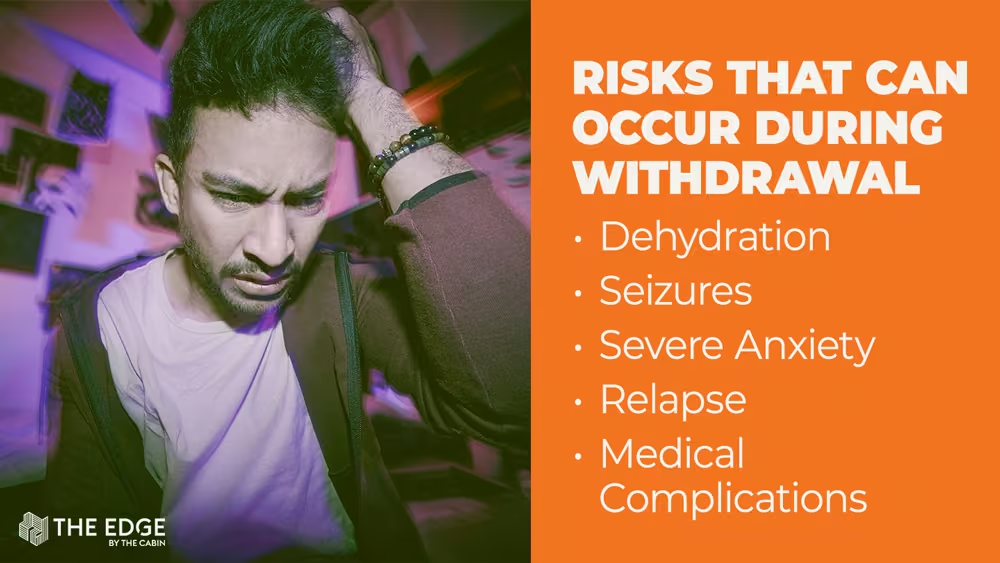
The risks that can occur during withdrawal are listed below.
- Dehydration: Dehydration occurs when vomiting, diarrhea, sweating, or poor fluid intake lasts during withdrawal. Severe dehydration may require medical care.
- Seizures: Seizures occur with alcohol, benzodiazepine, barbiturate, or sedative-hypnotic withdrawal. Any seizure during withdrawal requires urgent medical evaluation.
- Severe Anxiety: Severe anxiety creates panic, agitation, insomnia, and distress. Emotional instability may increase relapse risk without support.
- Relapse: Relapse means returning to drug use after stopping or reducing use. Cravings, discomfort, poor support, and unmanaged triggers increase relapse risk.
- Medical Complications: Medical complications involve heart rate changes, blood pressure changes, breathing problems, confusion, delirium, injury, or worsening medical conditions. Treatment is required when symptoms become severe.
Which Withdrawal Symptoms Require Immediate Medical Attention?
The withdrawal symptoms that require immediate medical attention are listed below.
- Seizures: Seizures require immediate medical evaluation. A seizure during withdrawal signals serious nervous system instability.
- Hallucinations: Hallucinations involve seeing, hearing, or feeling things that are not present. Hallucinations during withdrawal signal delirium or severe psychiatric distress.
- Severe Confusion: Severe confusion involves major changes in awareness, memory, orientation, or behavior. Confusion signals delirium, dehydration, infection, or dangerous withdrawal.
- Difficulty Breathing: Difficulty breathing is a medical emergency. Breathing problems involve overdose risk, medication effects, panic, infection, or medical instability.
- Loss of Consciousness: Loss of consciousness needs urgent treatment. The symptoms signal overdose, seizure, dehydration, head injury, or severe withdrawal complications.
Can Drug Withdrawal Be Life Threatening?
Yes, drug withdrawal can be life-threatening. Risk depends on the substance, dependence severity, medical history, dosage, and whether withdrawal happens suddenly. Benzodiazepine, barbiturate, and sedative hypnotic withdrawal cause seizures, confusion, and dangerous nervous system instability. Serious complications occur when clients have dehydration, heart problems, infections, or co-occurring substance use. Medical monitoring is necessary when symptoms are severe or the substance has known withdrawal risks. Early treatment reduces risks through assessment, medication when appropriate, hydration, monitoring, and emergency response planning. Severe symptoms require immediate care.
Recovery is Possible
At The Edge, we understand that every person’s recovery journey is unique. From overcoming misuse to managing dependencies and withdrawal, our specialised treatments are designed to support and empower you every step of the way.
What Treatments Help Manage Drug Withdrawal?
The treatments that help manage drug withdrawal are listed below.
- Medical Monitoring: Medical monitoring tracks symptoms, vital signs, hydration, mental state, and safety. Monitoring helps clinicians respond when withdrawal becomes severe.
- Medications: Medications reduce withdrawal effects, cravings, seizure risk, nausea, anxiety, sleep problems, or blood pressure changes. Medication choice depends on the substance and clinical assessment.
- Hydration: Hydration supports recovery when sweating, vomiting, diarrhea, or poor intake causes fluid loss. Fluids and electrolytes may be needed in more serious cases.
- Counseling: Counseling provides emotional support during early recovery. Therapy helps clients manage cravings, shame, fear, relapse risk, and motivation.
- Detox Programs: Detox programs provide structured withdrawal care with clinical monitoring and treatment planning. Detox must connect patients to ongoing addiction treatment after stabilization.
How do Detox Programs and Withdrawal Medications Work?
Detox programs provide supervised care while withdrawal medications help reduce symptoms and complications. Detox programs monitor vital signs, mental state, hydration, cravings, sleep, and medical risks during the withdrawal period. Withdrawal medications improve comfort and safety when symptoms create distress or medical risk. Medication support differs by substance, so alcohol, opioid, benzodiazepine, and sedative withdrawal require different clinical approaches. Symptoms are monitored closely to guide medication changes and emergency response when needed. Treatment reduces health risks by addressing seizures, dehydration, severe anxiety, cravings, blood pressure changes, or agitation. Recovery becomes more manageable when detox includes emotional support and discharge planning. Detox is the first stage of care, and ongoing treatment helps address addiction patterns after withdrawal ends.
Is Medical Supervision Recommended for Severe Withdrawal Symptoms?
Yes, medical supervision is recommended for severe withdrawal symptoms. Professional care helps manage complications safely through monitoring, medication, hydration, and emergency response. Serious symptoms require monitoring when withdrawal involves seizures, hallucinations, confusion, severe vomiting, high fever, unstable blood pressure, breathing problems, or loss of consciousness. Emergency risks are reduced when clinicians identify danger signs early. Medical support improves safety for clients withdrawing from alcohol, benzodiazepines, barbiturates, sedative hypnotics, or multiple substances. Treatment plans are adjusted as symptoms change during detox. Patients with heart disease, liver disease, seizure history, severe mental health symptoms, or past complicated withdrawal need careful assessment. Medical supervision supports stabilization before ongoing addiction treatment begins.
Unsure which treatment is right for you or someone you love?
Addiction affects families as well as individuals. Speak with The Edge’s team to explore personalised recovery options.
How Can Recovery Continue After Drug Withdrawal?
Recovery can continue after drug withdrawal through ongoing treatment, lifestyle changes, and support after withdrawal ends. Withdrawal care helps stabilize the body, but recovery requires work on cravings, triggers, behavior patterns, relationships, and mental health. Counseling supports recovery by addressing underlying issues and building coping skills. Healthy habits strengthen progress through sleep routines, nutrition, exercise, stress management, sober activities, and stable daily structure. Recovery is an ongoing process because cravings and relapse risk continue after physical symptoms improve. Continued support improves outcomes through therapy, support groups, medication when appropriate, case management, and aftercare planning. Patients need inpatient rehab, PHP, IOP, outpatient therapy, sober living, or peer support, depending on risk level. A strong recovery plan connects detox with long-term treatment rather than ending care after withdrawal.
What Strategies Help Prevent Relapse After Withdrawal?
The strategies that help prevent relapse after withdrawal are listed below.
- Therapy: Therapy addresses underlying issues such as trauma, anxiety, depression, grief, anger, and substance triggers. A therapist helps clients build practical relapse prevention skills.
- Support Groups: Support groups provide encouragement, accountability, and shared recovery experience. Peer support reduces isolation during early recovery.
- Healthy Routines: Healthy routines promote stability through sleep, meals, exercise, medication adherence, work structure, and sober activities. Routine reduces unplanned time that can increase cravings.
- Trigger Management: Trigger management helps clients avoid or respond to high-risk situations. Common triggers include stress, conflict, substance cues, loneliness, pain, and social pressure.
- Recovery Planning: Recovery planning supports long-term goals through emergency steps, support contacts, therapy appointments, relapse warning signs, and coping tools. A written plan helps clients act before cravings become relapse.
Can Therapy and Support Groups Improve Long-Term Recovery Outcomes?
Yes, therapy and support groups can improve long-term recovery outcomes. Therapy provides guidance, coping skills, relapse prevention, emotional processing, and treatment for co-occurring mental health concerns. Support groups provide accountability, encouragement, shared experience, and sober connection. Emotional support is strengthened when patients have safe spaces to discuss cravings, setbacks, shame, and stress. Coping skills improve through practice, feedback, and structured recovery planning. Relapse risk decreases when clients understand triggers and receive consistent support. Long-term recovery becomes more sustainable when treatment continues after withdrawal symptoms improve. Ongoing care helps clients rebuild health, relationships, work stability, and daily routines.
Seeking Help at The Edge
No matter what kind of addiction or withdrawal you’re dealing with, know that recovery is within your reach, and it all begins with understanding your journey. At The Edge, our compassionate and experienced professionals are here to support and guide you every step of the way. Don’t hesitate—reach out to us for a confidential conversation!