Ecstasy addiction refers to the compulsive use of MDMA, a synthetic psychoactive drug that produces stimulant and hallucinogenic effects on mood, energy, and perception.
Repeated use can make the drug addictive by altering brain chemicals tied to reward and pleasure, encouraging compulsive patterns of use over time. Cravings, tolerance, and continued use despite harm often signal a developing addiction to ecstasy. Behavioral therapy, counseling, support groups, structured rehabilitation programs, and aftercare services form the main treatment options available for ecstasy addiction. MDMA use remains present worldwide, particularly among adolescents and young adults. Long-term recovery becomes more achievable when professional treatment is combined with consistent lifestyle changes and ongoing support.
What is Ecstasy?
Ecstasy is a synthetic psychoactive drug known chemically as MDMA, producing both stimulant and hallucinogenic effects. Mood, energy levels, and sensory perception shift noticeably during use as the drug alters brain chemistry. Medical research has explored limited therapeutic applications, while illegal recreational use remains far more common and carries significant risk. Misuse can lead to serious health risks, including dehydration, overheating, and long-term changes in brain chemistry. Professional support becomes necessary when use escalates beyond occasional recreational exposure. Medical and illegal contexts exist for MDMA, though the substance remains classified as an illegal drug in most regions outside limited research settings.
How does Ecstasy Work?
Ecstasy works by causing a rapid and significant release of serotonin, along with smaller increases in dopamine and norepinephrine. Serotonin plays a central role in mood regulation, emotional connection, and the sense of well-being associated with MDMA use. Neurons release far more serotonin than usual, producing the euphoria and emotional openness commonly reported during use. Dopamine release contributes to feelings of pleasure and heightened energy that accompany the drug’s stimulant effects. Natural serotonin reserves become depleted after use, often leading to low mood, fatigue, and irritability in the days following. Repeated exposure can affect serotonin-producing neurons over time, potentially influencing memory, mood, and cognitive function. Effects typically begin within thirty to forty-five minutes of use and can last several hours, depending on dose and individual body chemistry.
How is Ecstasy Different From Molly?
Ecstasy differs from Molly primarily in form and perceived purity rather than core chemical identity. Ecstasy commonly refers to pills or tablets that may contain MDMA combined with other substances or fillers. Molly typically refers to powder or crystal forms marketed as purer MDMA, though actual content often varies widely. These terms don’t guarantee a specific dosage or ingredient list, since both are produced outside regulated manufacturing standards. Contaminants and unknown substances frequently appear in both forms, increasing health risks regardless of the name used. Reviewing the distinction between Molly vs. Ecstasy helps clarify why neither form must be considered safer than the other. Unpredictable content remains the primary danger connecting both terms.
Is Ecstasy a Stimulant?
Yes, ecstasy has stimulant effects, although it produces hallucinogenic properties. Increased energy, alertness, and heart rate commonly appear during use as the stimulant component takes effect. Altered perception, emotional openness, and sensory changes reflect the hallucinogenic side of the drug’s profile. Effects vary depending on dose, individual body chemistry, and the presence of other substances. Higher doses intensify both stimulant and hallucinogenic effects simultaneously, raising the risk of adverse reactions. Risks increase significantly with repeated or combined misuse, particularly when mixed with alcohol or other drugs.
What Makes Ecstasy Addictive?
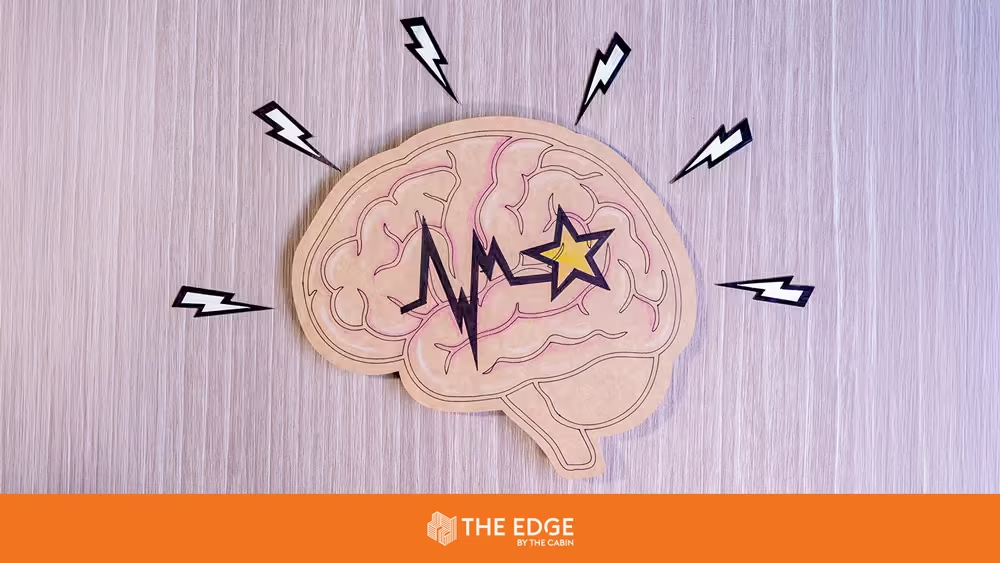
Brain chemicals involved in reward, pleasure, and emotional regulation make ecstasy addictive. Serotonin levels rise sharply during use, producing the euphoric and emotionally intense effects associated with the drug. Repeated use may encourage compulsive drug-taking as the brain begins associating ecstasy with emotional relief or pleasure. Reward pathways are affected each time the drug is used, reinforcing the chance of continued exposure. Natural serotonin production can decline with frequent use, making the drug feel necessary to achieve a similar emotional state. Addiction develops differently among individuals, depending on frequency of use, genetics, and underlying mental health. Early intervention remains beneficial in reducing the likelihood of long-term dependence.
How does Ecstasy Affect the Brain?
Ecstasy affects the brain by causing a rapid and significant release of serotonin, along with smaller increases in dopamine and norepinephrine. Serotonin plays a central role in mood regulation, emotional connection, and the sense of well-being associated with MDMA use. Neurons release far more serotonin than usual, producing the euphoria and emotional openness commonly reported during use. Natural serotonin reserves become depleted after use, often leading to low mood, fatigue, and irritability in the days following. Repeated exposure can damage serotonin-producing neurons over time, potentially affecting memory, mood, and cognitive function. Structural brain changes may persist with heavy or prolonged use, particularly when the drug is combined with other substances. Professional evaluation helps determine the extent of these changes following repeated exposure.
Can you Get Addicted to Ecstasy?
Yes, you can get addicted to ecstasy, especially with repeated use. Psychological dependence is more common than physical dependence, though both can contribute to compulsive use patterns. Cravings and a strong desire to recreate the drug’s emotional effects often drive continued use. Repeated use increases the risk of dependence as the brain adjusts to frequent serotonin surges. Treatment can help address both the psychological triggers and behavioral patterns tied to ecstasy addiction. Long-term recovery is achievable with consistent therapy, support, and healthy coping strategies.
Addiction Is a Brain-Based Disease
It’s time to understand why and take action. When substance use starts to take control, professional support at The Edge can help transform young lives.
Why do People Develop Ecstasy Addiction?
The reasons people develop ecstasy addiction are listed below.
- Repeated Use: Repeated use reinforces drug-taking behavior by strengthening the brain’s association between ecstasy and emotional reward. Frequency of exposure often determines how quickly compulsive patterns form.
- Brain Chemistry: Brain chemistry changes as ecstasy repeatedly alters serotonin and dopamine activity. Reward pathways become increasingly tied to the drug’s effects rather than natural sources of pleasure.
- Peer Influence: Peer influence encourages use through social environments where ecstasy is common, particularly at parties or nightlife events. Social pressure often normalizes repeated exposure to the drug.
- Mental Health Conditions: Mental health conditions increase vulnerability to ecstasy addiction, particularly among individuals managing anxiety, depression, or emotional distress. Self-medication of untreated symptoms often contributes to repeated use.
- Genetics: Genetics may raise addiction risk through inherited traits affecting impulse control and reward sensitivity. Family history often correlates with a higher individual likelihood of developing dependence.
What Factors Increase the Risk of Ecstasy Addiction?
The factors that increase the risk of ecstasy addiction are listed below.
- Frequency of Use: Frequency of use raises risk as repeated exposure strengthens compulsive drug-seeking behavior. Regular use accelerates tolerance and psychological dependence.
- Polysubstance Use: Polysubstance use increases risk by combining ecstasy with alcohol or other drugs, intensifying both effects and health dangers. Combined use often complicates recovery and increases overdose potential.
- Underlying Mental Health Conditions: Underlying mental health conditions raise vulnerability, particularly among individuals using ecstasy to manage untreated emotional symptoms. Existing conditions often worsen alongside continued drug use.
- Social Environment: Social environment plays a significant role when ecstasy use is common within a person’s peer group or social setting. Regular exposure through social circles increases the likelihood of repeated use.
- Age of First Use: Age of first use influences risk, since earlier exposure during adolescence often correlates with a higher likelihood of long-term dependence. Developing brains may be more vulnerable to lasting chemical changes.
Does Frequent Ecstasy Use Lead to Dependence?
Yes, frequent ecstasy use can lead to psychological dependence in some individuals. Continued use becomes difficult to control as the brain adapts to repeated serotonin surges. Cravings can occur between uses, particularly when emotional stress or social triggers are present. Tolerance often develops with frequent use, prompting higher doses to achieve similar effects. Early treatment improves the chance of recovery before dependence becomes more severe. Long-term support remains valuable in maintaining progress after initial treatment ends.
What are the Signs of Ecstasy Addiction?
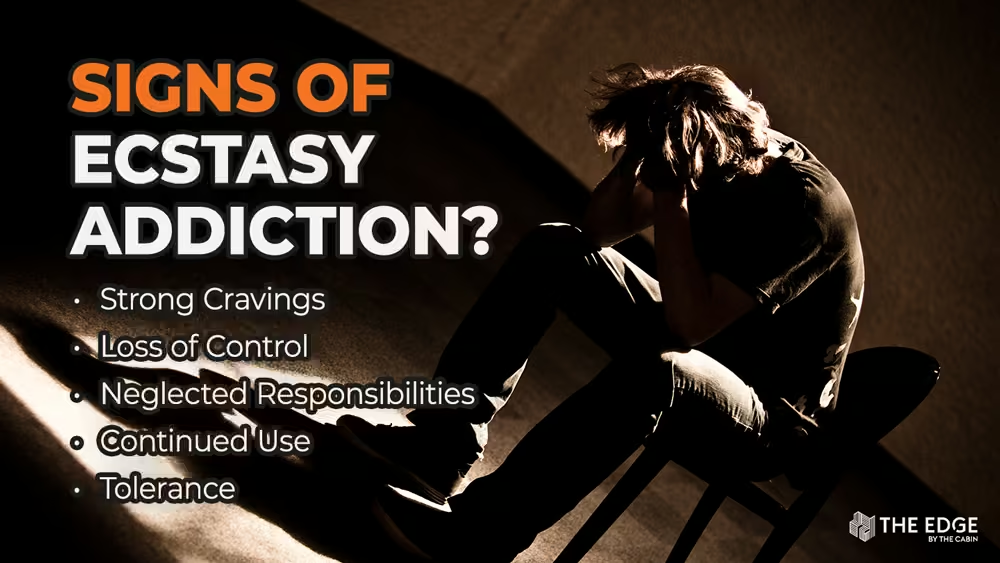
The signs of ecstasy addiction are listed below.
- Strong Cravings: Strong cravings involve a persistent urge to use ecstasy, often intensifying during stress or social situations linked to prior use. The urge may interfere with daily focus and decision-making.
- Loss of Control: Loss of control means the person struggles to stop using despite repeated attempts to cut back. Efforts to limit use often fail as compulsive patterns take hold.
- Neglected Responsibilities: Neglected responsibilities occur when work, school, or family obligations suffer due to prioritized drug use. Missed commitments often become more frequent over time.
- Continued Use: Continued use despite harm describes ongoing ecstasy use even after clear physical, emotional, or relational damage appears. This pattern remains one of the clearest indicators of addiction.
- Tolerance: Tolerance develops when larger amounts are needed to achieve the same emotional or physical effect once experienced at lower doses. This pattern often drives escalating and riskier use.
Understanding the signs is the first step toward recovery
If you recognise the signs of substance use, The Edge Crete offers structured, expert care to help you break free from the cycle and begin recovery.
What are the Short-Term Effects of Ecstasy Abuse?
The short-term effects of ecstasy abuse are listed below.
- Increased Energy: Increased energy appears shortly after use as the stimulant properties of ecstasy take effect. The effect typically fades within several hours.
- Elevated Body Temperature: Elevated body temperature occurs during use and can become dangerous in warm environments or crowded settings. Dehydration risk rises significantly alongside this effect.
- Heightened Emotional Sensitivity: Heightened emotional sensitivity develops as serotonin levels rise sharply, producing feelings of closeness and euphoria. The effect often fades within a few hours after use.
- Rapid Heart Rate: Rapid heart rate results from the stimulant effect of ecstasy on the cardiovascular system. The effect can place added strain on the heart during use.
- Jaw Clenching and Muscle Tension: Jaw clenching and muscle tension commonly occur during use due to increased nervous system activity. The effect often persists for several hours after the drug wears off.
What are the Long-Term Effects of Ecstasy Abuse?
The long-term effects of ecstasy abuse are listed below.
- Memory Problems: Memory problems can develop with repeated long-term use as serotonin-producing neurons sustain damage. Cognitive difficulties may persist even after use stops.
- Chronic Anxiety or Depression: Chronic anxiety or depression may emerge after prolonged use as brain chemistry adjusts to repeated serotonin depletion. Emotional instability often becomes more persistent with continued exposure.
- Sleep Disturbances: Sleep disturbances often develop with continued use as serotonin depletion disrupts normal rest cycles. Difficulty sleeping may persist well beyond periods of active use.
- Reduced Cognitive Function: Reduced cognitive function can occur with extended use, affecting concentration, decision-making, and mental clarity. These changes may become more noticeable with prolonged exposure.
- Increased Risk of Dependence: Increased risk of dependence develops as repeated use strengthens the brain’s association between ecstasy and emotional reward. This pattern often leads to compulsive, long-term drug-seeking behavior.
Can Ecstasy Addiction Cause Mental Health Problems?
Yes, ecstasy addiction can contribute to anxiety, depression, memory problems, and other mental health concerns. Symptoms vary between individuals depending on frequency of use, dosage, and underlying vulnerability. Mental health may decline gradually as serotonin depletion affects mood regulation over time. Emotional changes, including irritability and reduced emotional stability, often accompany prolonged use. Professional treatment supports recovery by addressing both addiction and related mental health symptoms. Early care improves outcomes by reducing the severity of lasting emotional and cognitive effects.
What do the Latest Ecstasy Addiction Statistics Reveal?
Recent statistics show that MDMA use remains present worldwide, particularly among adolescents and young adults, although prevalence varies by region and year. Usage patterns change over time as cultural trends, availability, and enforcement efforts shift across different areas. Young people are commonly affected, with experimentation often beginning during adolescence or early adulthood. Nightlife and festival settings frequently show higher concentrations of use compared with other social environments. Monitoring trends helps guide prevention efforts by identifying which populations face the greatest risk. Public health efforts remain important in addressing experimentation and long-term addiction patterns. Data collection continues to evolve as reporting methods and regional monitoring systems improve over time.
Which Groups are Most Affected by Ecstasy Abuse?
The groups most affected by ecstasy abuse are listed below.
- Adolescents: Adolescents show higher experimentation rates, often influenced by curiosity, peer pressure, or social gatherings. Early exposure during developmental years may increase long-term risk.
- Young adults: Young adults are frequently affected by ecstasy use, particularly within social and nightlife settings, making targeted drug rehab for young adults an important treatment resource. Peer environments often normalize repeated exposure during this life stage.
- Nightlife participants: Nightlife participants face increased exposure due to the drug’s association with music festivals, clubs, and late-night social events. Frequent attendance often correlates with repeated use.
- Polysubstance users: Polysubstance users carry a greater misuse risk when combining ecstasy with alcohol or other drugs. Combined use often intensifies health complications and overdose potential.
- People with mental health disorders: People with mental health disorders show increased vulnerability to ecstasy misuse, often related to self-medication of untreated symptoms. Existing conditions may worsen alongside continued drug use.
Are Ecstasy Use Rates Increasing?
Ecstasy use rates vary across countries and time periods rather than following one consistent global trend. Some regions report increases tied to nightlife culture, festival attendance, or shifting drug availability. Other regions show stable or declining rates due to prevention programs and public health awareness efforts. Trends differ significantly by location, age group, and social context. Monitoring continues through ongoing public health surveys and regional data collection. Prevention efforts often influence these patterns by targeting high-risk populations and settings. Public health data guide responses by identifying where intervention is most needed.
Because YOUNG MEN ARE AT HIGH RISK FOR ADDICTION
Seeking professional treatment isn’t just a choice; it’s a crucial step toward saving your loved one’s life.
What Treatments are Available for Ecstasy Addiction?

The treatments available for ecstasy addiction are listed below.
- Behavioral Therapy: Behavioral therapy changes unhealthy patterns linked to ecstasy cravings and compulsive use. Structured sessions help build healthier coping responses over time.
- Counseling: Counseling provides emotional support and helps address stressors connected to ecstasy use. Regular sessions strengthen motivation and long-term commitment to recovery.
- Support Groups: Support groups encourage long-term recovery through shared experience and peer accountability. Consistent participation reinforces sobriety over time.
- Rehabilitation Programs: Rehabilitation programs offer structured care within a supportive treatment environment. Daily structure helps stabilize recovery during a vulnerable period.
- Aftercare Services: Aftercare services help prevent relapse by maintaining support after formal treatment ends. Continued check-ins reinforce skills learned during earlier treatment stages.
1. Behavioral Therapy
Behavioral therapy addresses the thought patterns and habits that sustain ecstasy addiction. Sessions help identify triggers and replace harmful responses with healthier coping strategies. Stress management, impulse control, and relapse prevention planning form the core focus of most sessions. Skills learned through repeated practice become more effective the longer treatment continues. Structured behavioral approaches remain among the most researched and widely used treatment methods for addiction. Consistency between sessions strengthens long-term behavioral change, particularly within a structured Cognitive Behavioral Therapy (CBT) framework.
2. Counseling
Counseling offers a structured space to address the emotional and psychological factors behind ecstasy use. Individual sessions often explore stress, trauma, or underlying mental health symptoms connected to substance use. Family or group counseling can improve communication and rebuild trust damaged by addiction. Motivation and accountability often strengthen through consistent counseling engagement. Emotional processing supports more sustainable behavior change alongside other treatment methods. Regular sessions help track progress and adjust strategies as recovery continues.
3. Support Groups
Support groups connect individuals recovering from ecstasy addiction with others facing similar challenges. Shared experience often reduces feelings of isolation during difficult stages of recovery. Regular attendance reinforces accountability and long-term commitment to sobriety. Peer encouragement can strengthen motivation during periods of stress or temptation. Group settings often complement individual therapy and medical treatment. Long-term participation frequently supports sustained recovery beyond formal treatment programs.
4. Rehabilitation Programs
Rehabilitation programs provide structured treatment for individuals needing more intensive support than outpatient care alone. Daily therapy, monitoring, and peer interaction help stabilize recovery during an early and vulnerable period. Reviewing the different types of rehabilitation programs helps identify the level of care best suited to individual needs. Removal from triggering environments often reduces access to drugs during active treatment. Recovery planning becomes more consistent within a structured, supportive setting. Extended program length often improves long-term treatment outcomes.
5. Aftercare Services
Aftercare services extend support beyond the completion of formal ecstasy addiction treatment. Continued counseling, group meetings, and check-ins help maintain progress achieved during earlier treatment stages. Relapse risk decreases when structured support continues into daily life. Ongoing accountability reinforces healthy habits developed throughout treatment. Ongoing services help identify early warning signs before relapse occurs. Long-term recovery becomes more sustainable with continued aftercare involvement.
Can Ecstasy Addiction be Successfully Treated?
Yes, ecstasy addiction can be successfully treated with professional care, healthy lifestyle changes, and continued support. Recovery is achievable when treatment addresses both the psychological triggers and behavioral patterns tied to compulsive use. Treatment is effective when combined with consistent therapy, counseling, and peer support over time. Commitment matters throughout the recovery process, particularly during the early stages when cravings feel strongest. Long-term recovery is possible for individuals who maintain structured support after initial treatment. Continued care reduces relapse risk by reinforcing healthy habits well beyond formal treatment.
How Can Recovery From Ecstasy Addiction be Maintained?

The ways recovery can be maintained are listed below.
- Therapy Continuation: Therapy continuation supports recovery by addressing new stressors and reinforcing coping skills over time. Regular sessions help identify early warning signs before setbacks occur.
- Support Network Involvement: Support network involvement strengthens accountability through consistent connection with family, friends, or peer groups. Isolation often increases relapse risk when this involvement decreases.
- Healthy Lifestyle Habits: Healthy lifestyle habits, including balanced nutrition, exercise, and sleep, support physical and emotional stability during recovery. Consistent routines reduce vulnerability to stress-related triggers.
- Trigger Awareness: Trigger awareness helps individuals recognize and avoid situations linked to previous ecstasy use. Awareness of personal triggers strengthens long-term recovery planning.
- Relapse Prevention Planning: Relapse prevention planning provides structured strategies for managing cravings and unexpected setbacks. A clear plan often improves confidence during high-risk situations.
What Steps Support Long-Term Recovery After Treatment?
The steps that support long-term recovery are listed below.
- Attend Therapy: Attending therapy continues professional care by reinforcing coping strategies developed during initial treatment. Ongoing sessions help address new challenges as they arise.
- Maintain Support Networks: Maintaining support networks keeps individuals connected to family, friends, or peer groups throughout recovery. A consistent connection often reduces the risk of isolation.
- Avoid High-Risk Situations: Avoiding high-risk situations reduces exposure to triggers linked to previous ecstasy use, particularly nightlife or social settings associated with past behavior. Awareness of personal risk factors strengthens prevention efforts.
- Practice Stress Management: Practicing stress management improves resilience through healthy coping techniques such as exercise, mindfulness, or structured routines. Reduced stress often lowers the likelihood of relapse.
- Set Healthy Goals: Setting healthy goals encourages positive progress by giving structure and purpose to daily recovery efforts. Achievable milestones often reinforce motivation over time.
Is Relapse Prevention Part of Ecstasy Addiction Treatment?
Yes, relapse prevention is an important part of ecstasy addiction treatment. Relapse prevention teaches strategies for managing cravings and avoiding triggers linked to previous use. Prevention remains ongoing throughout recovery rather than limited to the initial treatment period. Coping skills are essential in helping individuals respond to stress or temptation without returning to drug use. Continued support improves long-term recovery by reinforcing these strategies over time. Healthy routines reduce relapse risk by replacing previous patterns with more stable daily habits.
OVERCOME YOUR STRUGGLE WITH THE EDGE'S SUPPORT
Push yourself one step further to The Edge by contacting our admissions team for a confidential, 24/7 consultation and take the first step toward a brighter tomorrow!