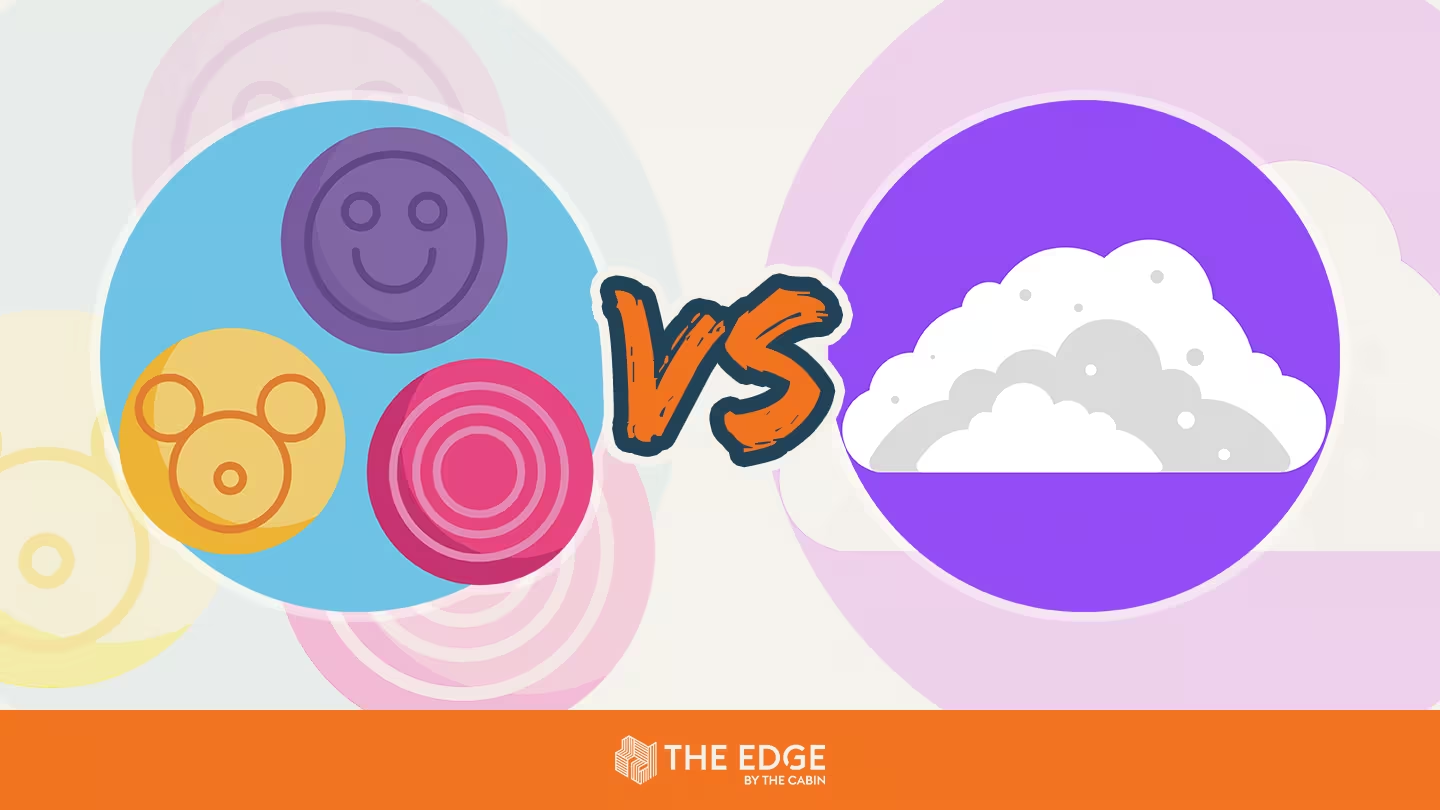
Ecstasy and Molly are associated with MDMA, though their forms, purity, and ingredients differ significantly. Effects on the body may include increased heart rate, elevated body temperature, and changes in mood, energy, and emotional processing.
Common risks include overheating, dehydration, heart complications, and unpredictable effects caused by unknown ingredients. Ecstasy and Molly addiction is treated through group therapy, individual counseling, motivational interviewing, contingency management, and detox and withdrawal management when needed. Drug and alcohol rehab must be considered when use becomes difficult to control or continues despite harmful consequences.
What is the Difference Between Ecstasy and Molly?
The difference between Ecstasy and Molly is primarily found in physical form, main ingredient consistency, appearance, purity, and overall risk profile. Ecstasy is typically sold as a pressed pill or tablet, often stamped with a logo or design, while Molly is usually sold as a powder or in capsule form. Both are associated with MDMA as the primary active ingredient, though neither form guarantees that MDMA is actually present. Purity varies widely between batches, since illegal production lacks the quality control found in regulated substances. Risk increases when either product contains unknown fillers, stimulants, or other synthetic substances instead of or alongside MDMA. Laboratory testing remains the only reliable way to confirm the actual contents of either substance.
The differences between ecstasy and Molly are shown in the table below.
| Category | Ecstasy | Molly |
| Form | Pressed pill or tablet | Powder or capsule |
| Main Ingredient | MDMA, though often mixed with other substances | MDMA, marketed as a purer form |
| Appearance | Stamped tablets with logos or designs | Crystalline powder or loose capsules |
| Purity | Inconsistent, varies by batch | Inconsistent, despite purity marketing |
| Risk | High, due to unregulated production | High, due to unverified contents |
What is MDMA?
MDMA is a synthetic psychoactive drug that affects mood, energy, and perception by altering brain chemicals. MDMA is the primary active ingredient associated with ecstasy and Molly. The central nervous system becomes affected as MDMA increases activity in brain regions linked to mood, energy, and emotional processing. Mood changes temporarily as the drug alters the balance of serotonin, dopamine, and norepinephrine. Misuse can cause serious health risks, including overheating, dehydration, and cardiovascular strain. Repeated use may lead to harmful effects on memory, emotional regulation, and mental health. Professional treatment can address the physical and psychological effects of MDMA misuse.
Are Ecstasy and Molly the Same Drug?
No, ecstasy and Molly are not always the same drug, though both are associated with MDMA. Their contents can vary significantly depending on the source and method of production. Both may contain MDMA, though neither form guarantees its presence or purity. Ingredients are unpredictable, since illegal production frequently introduces fillers or other substances. Laboratory testing is the only way to know the actual contents of either product. Street products must not be assumed to be pure, regardless of their marketed name or appearance. Confusion between the two terms leads to underestimating the risks involved in using either substance.
What is Ecstasy Made Of?
Ecstasy is made of MDMA in most cases, but it may also contain other stimulants, synthetic drugs, or fillers. The composition varies between batches, since production occurs without regulated oversight. Ingredients are inconsistent, and a single batch may differ significantly from another sold under the same name. Adulterants are common, including caffeine, synthetic cathinones, or other unknown substances. Unknown contents increase health risks by introducing unpredictable interactions within the body. Effects become less predictable when additional substances are present alongside or instead of MDMA. Individuals affected by ecstasy misuse may benefit from structured support through ecstasy addiction statistics and treatment.
Why are Ecstasy Pills Different?
Ecstasy pills are different because they are produced illegally without consistent quality control. Their ingredients, strength, and appearance vary widely between manufacturers and batches. Manufacturing is unregulated, which allows significant variation in potency and composition. Potency differs even among pills that appear visually identical, since stamps and colors do not indicate actual contents. Pills with similar appearances may contain different substances, ranging from stimulants to other synthetic compounds. Risks are unpredictable as a result, since a person cannot determine the strength or safety of a pill through appearance alone. Awareness of this variability supports safer decision-making and reduces the likelihood of unexpected complications.
Can Ecstasy Contain Other Drugs?
Yes, ecstasy can contain other drugs in addition to or instead of MDMA. These substances may increase the risk of harmful effects. Adulterants are common, including synthetic stimulants, cutting agents, or other unregulated chemicals. Contents are unpredictable, since production methods vary between illegal manufacturers. Unexpected ingredients increase the chance of adverse reactions, particularly when combined with other substances or alcohol. Caution is essential when considering the use of any product sold as ecstasy. Testing services, where available, can help identify unknown substances before use occurs.
It’s time to understand why and take action
When substance use starts to take control, professional support at The Edge can help transform young lives.
What is Molly?
Molly is a street name commonly used for powdered or capsule forms marketed as MDMA. Molly is promoted as a purer form than ecstasy. The drug is usually sold as powder or capsules rather than pressed tablets. Purity is not guaranteed despite marketing claims suggesting a cleaner or more refined product. Laboratory testing has found that many products sold as Molly contain other substances, including synthetic cathinones or stimulants. Physical appearance alone cannot confirm the presence or absence of MDMA. Understanding the potential Molly side effects helps individuals recognize warning signs associated with use.
Why is Molly Often Sold as Pure MDMA?
Molly is often sold as pure MDMA because it may be perceived as safer or higher quality than ecstasy pills. Marketing claims are not always accurate. Purity claims are common among sellers seeking to distinguish Molly from ecstasy in the illegal drug market. Verification is difficult without laboratory testing, since packaging and appearance provide no reliable indication of contents. Products may still contain unexpected ingredients despite claims of purity. Appearance alone cannot confirm purity, regardless of texture, color, or crystalline structure. Reliance on marketing claims increases the risk of unknowingly ingesting unidentified substances.
Is Molly Always Pure MDMA?
No, Molly is not always pure MDMA despite being marketed as a purer alternative to ecstasy. Laboratory analysis has repeatedly found other substances in products sold under the Molly name. Synthetic cathinones, caffeine, and other stimulants have been identified in samples tested by independent laboratories. Purity claims from sellers cannot be verified without formal testing, regardless of price or presentation. Risk remains present even when a product is described as clean or lab-tested by an unverified source. Assuming purity based on marketing or appearance increases the likelihood of unexpected health effects. Caution remains necessary regardless of how a product is labeled or sold.
How do Ecstasy and Molly Affect the Body?

Ecstasy and Molly affect the body by increasing activity in the central nervous system. They can raise heart rate, body temperature, and energy levels. Physical stimulation occurs as the body responds to increased neurotransmitter activity. Body functions change, including blood pressure, hydration levels, and muscle tension. Effects vary depending on dose and ingredients, since unknown substances may intensify or alter expected reactions. Adulterants may increase risks by introducing additional strain on the heart, nervous system, or temperature regulation. Medical attention may become necessary when physical symptoms become severe or unmanageable.
What does MDMA do to the Brain?
MDMA increases the release of serotonin, dopamine, and norepinephrine, producing changes in mood, energy, and emotional processing. Brain chemicals are altered as these neurotransmitters surge beyond typical levels. Mood temporarily changes, producing feelings of euphoria, emotional closeness, and increased energy. Repeated misuse may affect memory and mental health, particularly with frequent or high-dose use. Emotional regulation may become more difficult as the brain adjusts to repeated neurotransmitter depletion. Recovery is possible with treatment, including therapy and structured support addressing both physical and psychological effects. Long-term brain function may improve with sustained abstinence and professional care.
Does MDMA Change Mood and Energy?
Yes, MDMA can change mood and energy by temporarily increasing feelings of energy, emotional closeness, and euphoria while also affecting mood regulation. Mood changes occur as neurotransmitter levels shift significantly during use. Energy often increases, leading to heightened activity, sociability, and alertness. Effects eventually wear off as the body metabolizes the substance and neurotransmitter levels normalize. Some people experience low mood afterward, sometimes described as an emotional crash following use. Sleep disturbances and irritability may accompany this decline in mood. Repeated use may intensify these mood fluctuations over time.
Understanding the signs is the first step toward recovery
If you recognise the signs of substance use, The Edge Crete offers structured, expert care to help you break free from the cycle and begin recovery.
What are the Effects of Ecstasy vs Molly?
The effects of Ecstasy vs Molly are largely similar in intent, though actual effects often depend heavily on the true ingredients present. Intended effects typically include euphoria, increased energy, and emotional openness associated with MDMA. Actual effects may differ substantially when other substances are present instead of or alongside MDMA. Consistency remains low for both substances due to unregulated production and variable sourcing. Health risks increase when unknown ingredients interact unpredictably with the body’s systems.
The effects of Ecstasy vs Molly are shown in the table below.
| Category | Ecstasy | Molly |
| Intended Effects | Euphoria, increased energy, emotional closeness | Euphoria, increased energy, emotional closeness |
| Actual Effects | Variable, depending on the true contents | Variable, depending on the true contents |
| Consistency | Low, due to unregulated production | Low, despite purity marketing |
| Health Risks | High, from unknown adulterants | High, from unknown adulterants |
How Long do the Effects Last?
The main effects of MDMA typically last about three to six hours, although aftereffects such as fatigue or mood changes may last longer. Duration varies based on dose, individual metabolism, and the presence of other substances. Individual factors influence effects, including body weight, hydration status, and overall health. Dose and product composition also affect how intensely and how long the effects are experienced. Aftereffects, including exhaustion and low mood, may persist for one to several days following use. Recovery from these aftereffects generally improves with rest, hydration, and time. Repeated use within a short period may intensify or prolong these lingering effects.
Do Ecstasy and Molly Have the Same Effects?
Yes, ecstasy and Molly can produce similar effects if they contain MDMA, but actual effects may differ because their ingredients are often not the same. Similar intended effects are expected when genuine MDMA is present in either product. Different contents change outcomes significantly when adulterants or substitute substances are involved. Unknown substances increase unpredictability, making it difficult to anticipate how the body will respond. Effects vary from product to product, even among items sold under the same name or appearance. Physical and psychological reactions may range from mild to severe, depending on the actual composition. Caution remains important regardless of which name a product is sold under.
What are the Risks of Using Ecstasy or Molly?
The risks of using ecstasy or Molly are listed below.
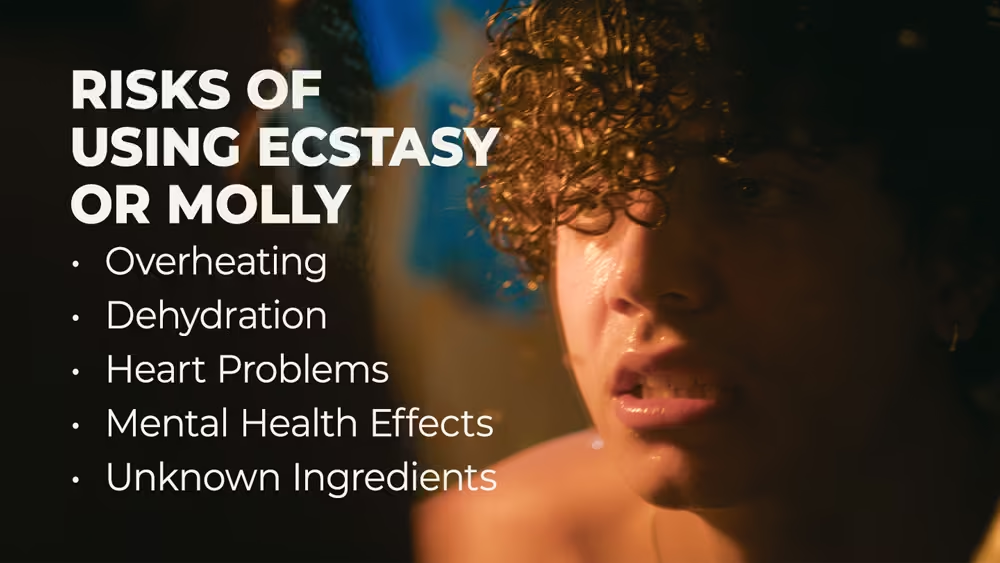
- Overheating: Body temperature may rise dangerously during use, particularly in warm environments or crowded settings. Severe overheating can lead to medical emergencies without prompt intervention.
- Dehydration: Fluid imbalance can occur as the body loses water through increased physical activity and elevated temperature. Electrolyte disruption may follow if fluids are not properly managed.
- Heart Problems: Heart rate and blood pressure increase during use, placing additional strain on the cardiovascular system. Preexisting heart conditions may increase the severity of these effects.
- Mental Health Effects: Anxiety or confusion may develop during or after use, particularly with higher doses. Mood disturbances may persist beyond the immediate effects of the substance.
- Unknown Ingredients: Unidentified substances increase unpredictable risks, since neither ecstasy nor Molly can be assumed pure. Adverse reactions become more likely when the contents differ from expectations.
What are the Common Side Effects?
The common side effects of ecstasy and Molly are listed below.
- Jaw Clenching: Muscle tension increases in the jaw and face during use. The effect often persists throughout the duration of intoxication.
- Sweating: Body temperature rises, leading to increased perspiration. Excessive sweating may contribute to dehydration if fluids are not replaced.
- Nausea: Digestive discomfort occurs in some individuals shortly after use. Symptoms may range from mild queasiness to more significant discomfort.
- Dilated Pupils: Vision may be affected as pupils widen in response to the substance. Sensitivity to light often increases during this period.
- Difficulty Sleeping: Rest becomes harder to achieve during and after use. Sleep disturbances may continue for one or more nights following use.
Can Ecstasy or Molly be Dangerous?
Yes, Ecstasy and Molly can be dangerous, particularly because of high doses, unknown ingredients, or dangerous physical effects such as overheating. Serious complications are possible, including cardiovascular strain, severe dehydration, and dangerous elevations in body temperature. Risks vary by product, depending on the presence of adulterants or unexpectedly high potency. Medical emergencies can occur when body temperature rises uncontrollably or when heart function becomes severely affected. Immediate care may be necessary for symptoms including confusion, seizures, or loss of consciousness. Combining either substance with alcohol or other drugs further increases the likelihood of dangerous outcomes. Awareness of these risks supports safer decision-making and faster recognition of medical emergencies.
Because YOUNG MEN ARE AT HIGH RISK FOR ADDICTION
Seeking professional treatment isn’t just a choice; it’s a crucial step toward saving your loved one’s life.
How do you Compare Ecstasy vs Molly?
Ecstasy and Molly are compared across physical form, marketing claims, actual purity, and the presence of unknown ingredients. Physical form differs, with ecstasy typically sold as pressed tablets and Molly sold as powder or capsules. Marketing distinguishes the two, since Molly is often promoted as a purer alternative despite limited verification. Actual purity remains inconsistent for both substances due to unregulated production methods. Unknown ingredients appear frequently in laboratory testing of both ecstasy and Molly samples.
A comparison of ecstasy and Molly is shown in the table below.
| Category | Ecstasy | Molly |
| Physical Form | Pressed tablet | Powder or capsule |
| Marketed As | Recreational stimulant/euphoric drug | Purer form of MDMA |
| Actual Purity | Inconsistent | Inconsistent |
| Unknown Ingredients | Common | Common |
Which Drug Has a Higher Risk of Unknown Ingredients?
Ecstasy and Molly have a high risk of containing unknown ingredients because they are often produced without quality control. Neither is reliably predictable in terms of actual composition. Both carry similar risks, regardless of the name under which they are sold or marketed. Purity cannot be assumed for either substance, even when described as tested or verified by a seller. Laboratory testing is the only way to verify contents accurately before use. Appearance is not reliable, since color, texture, and packaging provide no indication of true ingredients. Awareness of this shared risk supports more cautious decision-making regardless of which product is being considered.
Should You Assume Molly Is Safer Than Ecstasy?
No, Molly should not be assumed safer than ecstasy despite common marketing claims suggesting otherwise. Laboratory testing has repeatedly found unknown or unexpected substances in products sold as Molly. Purity claims are not verified through any regulated process, regardless of price or reputation. Risk remains comparable between the two substances due to shared issues with unregulated production. Assuming safety based on name or form increases the chance of unexpected adverse reactions. Caution must be applied equally to both substances, regardless of how they are marketed. Testing services, when accessible, offer the most reliable way to reduce uncertainty before use.
How is Ecstasy and Molly Addiction Treated?

Ecstasy and Molly addiction is treated through the approaches listed below.
- Group Therapy: Group therapy provides peer support and shared accountability during recovery. Participants benefit from discussing challenges and progress within a structured group setting.
- Cognitive Behavioral Therapy (CBT): Cognitive Behavioral Therapy helps individuals identify and change thought patterns linked to substance use. Structured sessions support the development of healthier coping strategies.
- Motivational Interviewing (MI): Motivational Interviewing strengthens personal motivation to pursue and maintain recovery. The approach encourages individuals to explore their own reasons for change.
- Contingency Management (CM): Contingency Management uses positive reinforcement to encourage continued progress in treatment. Rewards are tied to measurable recovery milestones.
- Detox and Withdrawal Management: Detox and withdrawal management address the physical symptoms that may occur when substance use stops. Medical supervision helps ensure safety during this stage of treatment.
1. Group Therapy
Group therapy provides a structured setting where individuals recovering from ecstasy or Molly misuse can share experiences and receive support from peers facing similar challenges. Sessions are typically guided by a licensed therapist who facilitates discussion and encourages open communication. Participants benefit from hearing how others manage cravings, triggers, and setbacks during recovery. Accountability increases when individuals commit to shared goals within a group setting. Emotional isolation decreases as participants build connections with others in recovery. Structured group therapy sessions support long-term engagement with the recovery process.
2. Cognitive Behavioral Therapy (CBT)
Cognitive Behavioral Therapy (CBT) helps individuals identify thought patterns and behaviors that contribute to continued ecstasy or Molly use. Sessions focus on recognizing triggers, including stress, social situations, or emotional distress. Coping strategies are developed to replace harmful patterns with healthier responses. Structured, goal-oriented techniques allow for measurable progress throughout treatment. Therapy sessions are adjusted based on individual response and evolving recovery needs. The Cognitive Behavioral Therapy (CBT) remains one of the most widely used approaches for treating stimulant and MDMA-related substance use.
3. Motivational Interviewing (MI)
Motivational Interviewing (MI) focuses on strengthening an individual’s internal motivation to pursue and sustain recovery from ecstasy or Molly misuse. The approach encourages open dialogue rather than direct confrontation regarding substance use behavior. Personal goals and values are explored to build commitment toward long-term change. Ambivalence toward treatment is addressed through supportive, non-judgmental conversation. Progress improves when individuals feel a sense of ownership over their recovery decisions. Sustained engagement throughout the treatment process is supported through Motivational Interviewing (MI).
4. Contingency Management (CM)
Contingency Management uses structured incentives to reinforce positive behaviors during treatment for ecstasy or Molly misuse. Rewards are provided when individuals meet specific recovery milestones, including negative drug screenings. Positive reinforcement strengthens motivation to remain engaged in treatment. Consistency in reward structure helps build predictable, achievable recovery goals. Programs incorporating this approach often see improved attendance and participation. A Contingency Management (CM) supports measurable progress throughout the recovery process.
5. Detox and Withdrawal Management
Detox and withdrawal management address the physical symptoms that may occur when ecstasy or Molly use stops. Symptoms may include fatigue, low mood, irritability, and difficulty sleeping during the initial recovery period. Medical supervision helps monitor these symptoms and ensures safety throughout the process. Support during detox often includes hydration, nutritional care, and emotional support. Stabilization during this phase creates a foundation for continued therapeutic treatment. Structured Detoxification (Detox) provides a safe environment for managing the early stages of recovery.
When Should you Seek Drug and Alcohol Rehab for Ecstasy or Molly Use?

You should seek drug and alcohol rehab for ecstasy, or Molly use when it becomes difficult to control, interferes with daily life, or continues despite harmful consequences. A professional assessment can determine the most appropriate level of care based on individual history and severity of use. Loss of control is an important warning sign, particularly when use continues despite awareness of physical or emotional harm. Early treatment often leads to better outcomes by addressing patterns before they become more severe. Co-occurring mental health symptoms, including anxiety or mood instability, may also indicate a need for structured support. Rehabilitation provides structured support, therapy, and relapse prevention strategies that promote long-term recovery. Ongoing care through Drug and Alcohol Rehab helps individuals build healthier habits and reduce the risk of continued substance use.
Every type of addiction deserves the right treatment
Push yourself one step further to The Edge by contacting our admissions team for a confidential, 24/7 consultation and take the first step toward a brighter tomorrow!