
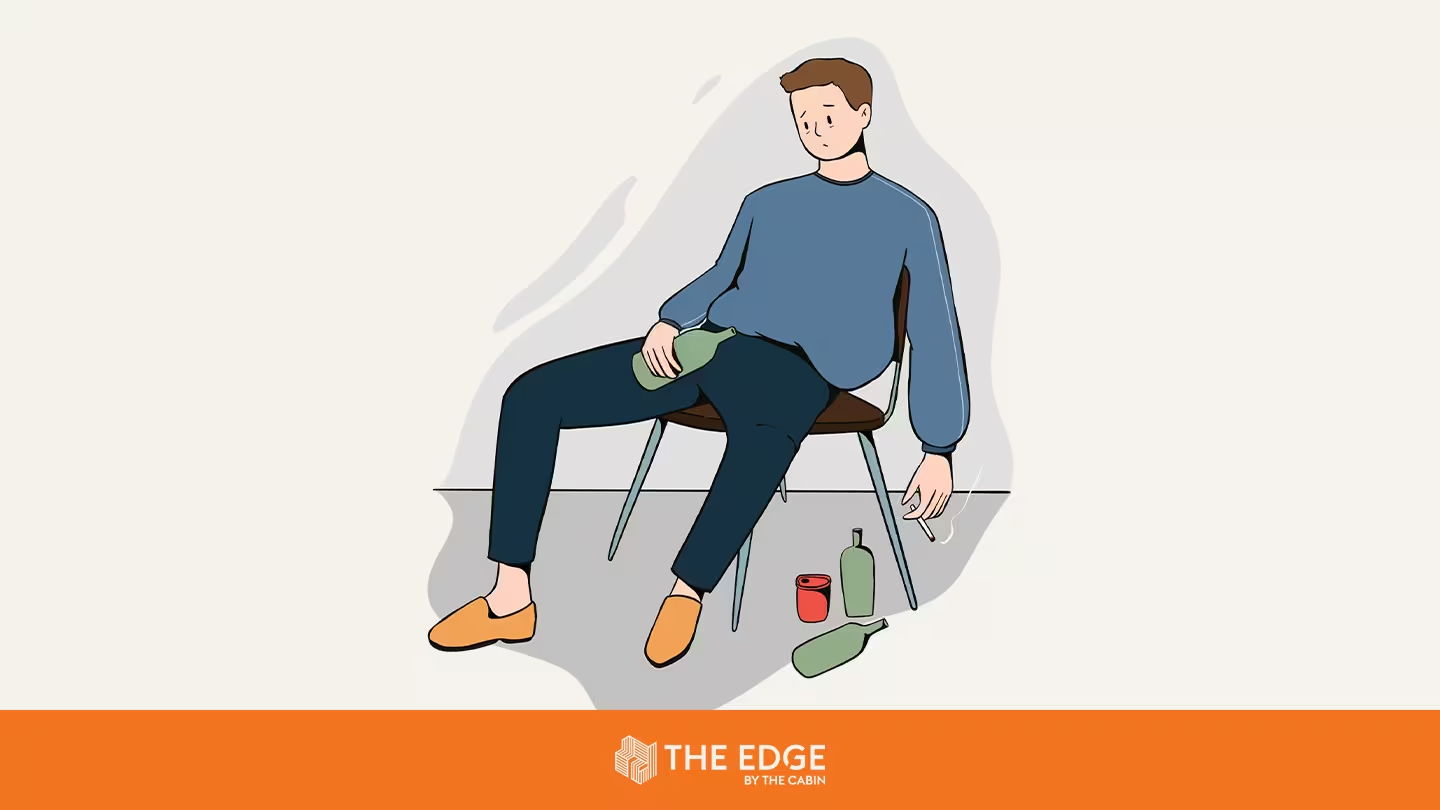
Gateway drugs refer to substances that may be associated with a greater chance of using other drugs later, though the term describes a possible pattern rather than a guaranteed outcome.
Common examples include alcohol, nicotine, cannabis, inhalants, and prescription medications, and each substance carries different risk levels depending on age, frequency of use, and individual circumstances. Effects on the body vary by substance, dose, and duration of use, and may involve changes to the brain, heart, lungs, or emotional stability. Adolescents, individuals with a family history of addiction, and patients exposed to early substance use face a higher chance of gateway drug involvement. Education, healthy coping skills, and early intervention can help reduce the risk of progression toward further substance use. Drug and alcohol rehab must be considered when substance use becomes difficult to control or begins interfering with daily responsibilities.
What is a Gateway Drug?
A gateway drug is a term applied to substances connected with an increased chance of trying additional drugs afterward. The term describes a potential pattern of progression rather than a direct cause-and-effect relationship. Increased risk is implied by the label, though use of a gateway drug does not guarantee future drug use. Individual factors, including genetics and mental health, influence how a person responds to early substance exposure. Social and environmental factors, such as peer groups and family history, also shape the chance of continued substance use. Researchers continue to study the connection between early substance use and later drug involvement. The gateway concept remains a useful framework for understanding risk rather than a fixed rule of behavior.
Why is the Term “Gateway Drug” Used?
The term “gateway drug” is used because it describes substances that are often used before other drugs in some people’s patterns of substance use. It reflects an observed sequence rather than proof of causation. Patterns identified through research show that certain substances tend to appear earlier in a person’s history of substance use. Many factors contribute to later substance use beyond the initial drug, including stress, environment, and mental health conditions. Correlation between early and later use does not establish that one substance directly causes progression to another. Public health professionals apply the term to guide prevention efforts and early education. Awareness of this pattern supports more informed conversations about substance use risk among young people.
BECAUSE YOUNG MEN ARE AT HIGH RISK FOR ADDICTION
At The Edge, we understand that these struggles can feel overwhelming. That’s why our approach focuses on treating the whole person.
What are the Most Common Gateway Drugs Examples?
The most common gateway drug examples are listed below.
- Alcohol: Alcohol is frequently used early in life and is widely accessible in social settings. Early exposure may increase the likelihood of experimenting with other substances.
- Nicotine: Nicotine is commonly associated with later substance use, particularly when use begins during adolescence. Its effects on brain reward pathways may influence future substance choices.
- Cannabis: Cannabis is considered a gateway drug in some research due to its frequent presence in early substance use patterns. Legal status and availability vary by region and continue to shift.
- Inhalants: Inhalants are sometimes used during adolescence because of their accessibility in household products. Early inhalant use may signal a broader pattern of substance experimentation.
- Prescription Medications: Prescription medications may contribute to gateway drug patterns when misused outside of medical guidance. Misuse often begins with medications originally intended for legitimate treatment.
1. Alcohol

Alcohol is frequently used early in life and remains one of the most accessible substances among adolescents and young adults. Social settings, celebrations, and family environments often introduce alcohol before other substances become available. Early exposure may shape attitudes toward substance use and influence decisions about experimentation later in life. Repeated early use can increase tolerance and normalize drinking behavior during formative years. Risk factors, including family history and peer influence, often intensify the impact of early alcohol exposure. Structured support becomes important when alcohol use begins interfering with daily responsibilities or emotional stability. The Alcohol Rehab for Young Adults provides age-appropriate care for individuals affected by early alcohol use
2. Nicotine
Nicotine is associated with later substance use, particularly when exposure begins during adolescence. Repeated nicotine use affects brain reward pathways involved in motivation and reinforcement. Behavioral patterns linked with nicotine use, including habit formation and social bonding, may extend to other substances over time. Early nicotine exposure does not guarantee future substance use, though an association has been observed across multiple studies. Dependence can develop quickly due to the highly addictive nature of nicotine. Recognizing early nicotine use allows families and providers to intervene before patterns become more established. Structured treatment for nicotine/tobacco addiction supports individuals working to reduce dependence and prevent further substance involvement.
3. Cannabis
Cannabis is considered a gateway drug in some research due to its frequent presence in early patterns of substance use. Increasing availability and shifting legal status have changed how cannabis use is perceived among young people. Early cannabis use may influence brain development, particularly in areas related to decision-making and impulse control. Association with later substance use varies depending on frequency, age of first use, and co-occurring risk factors. Some individuals use cannabis without progressing to other substances, while others show a broader pattern of experimentation. Mental health symptoms, including anxiety, may worsen with frequent cannabis use. Support through cannabis addiction treatment helps individuals address dependence and related behavioral patterns.
4. Inhalants
Inhalants are sometimes used during adolescence because common household products make them easy to access. Early experimentation often occurs before other substances become available to younger individuals. Health risks associated with inhalant use include damage to the brain, heart, and other vital organs. Repeated use can lead to dependence despite the short-lived nature of the intoxicating effects. Awareness among parents and educators plays an important role in identifying early inhalant use. Prevention efforts focus on younger populations due to the accessibility and low cost of these substances. Treatment for inhalant addiction addresses both the physical and behavioral aspects of this form of substance use.
5. Prescription Medications

Prescription medications may contribute to gateway drug patterns when taken outside of medical direction. Painkillers, sedatives, and stimulants carry misuse potential when doses are increased or medications are shared. Early exposure often begins with a legitimate prescription before shifting toward unsupervised use. Misuse can lead to tolerance, dependence, and continued use of the medication or other substances. Accessibility within the home increases risk, particularly for adolescents and young adults. Education about safe medication use helps reduce the chance of misuse. Support for prescription medication misuse addresses both the initial misuse and any related substance use patterns.
If you suspect your son is using drugs
It’s crucial to step in sooner rather than later. His health and future are incredibly important, and early intervention can make a significant difference.
Why are Some Drugs Called Gateway Drugs?
Some drugs are called gateway drugs because research has found they are often used before other substances. The term reflects an association rather than a proven cause. Observed patterns show that certain substances frequently appear earlier in a person’s substance use history. Social, genetic, and environmental factors also affect future drug use beyond the initial substance. The label is based on population-level trends rather than individual certainty. Many individuals use a gateway substance without ever progressing to additional drugs. Continued research helps refine the understanding of how early substance exposure relates to later use.
How does the Gateway Drug Theory Work?
The gateway drug theory works through the proposal that early use of certain substances may increase the chance of trying other drugs later. It proposes a progression rather than a guaranteed pathway. Brain development during adolescence may make individuals more susceptible to the reinforcing effects of early substance use. Behavioral patterns established through early use, including seeking new experiences, may extend to other substances over time. Individual circumstances, including mental health and social environment, strongly influence outcomes. Progression is not inevitable, and many people use a gateway substance without moving toward other drugs. Ongoing research continues to examine how strongly this theory applies across different populations.
Is the Gateway Drug Theory Supported by Evidence?
Yes, the Gateway Drug Theory is supported by evidence to some extent, since research shows an association between early substance use and later drug use, though the theory remains debated because many biological, psychological, and social factors also contribute. Evidence supports an association rather than a confirmed cause-and-effect relationship. Causation is not fully established, since other variables influence both early and later substance use. Most experts view addiction as influenced by multiple interacting factors, including genetics, environment, and mental health. Studies vary in their findings depending on population, substance type, and research methodology. Ongoing research continues to refine the understanding of how early use relates to later substance involvement. Recognizing this complexity supports more balanced approaches to prevention and treatment planning.
What Effects Can Gateway Drugs Have on the Body?
Gateway drugs can affect the brain, heart, lungs, and other body systems, depending on the substance used. Effects vary by drug, dose, and frequency of use. Different organs may be affected, including those involved in circulation, respiration, and cognitive function. Repeated exposure to certain substances may alter brain chemistry linked to reward, motivation, and impulse control. Mental health symptoms, including anxiety or mood changes, may also develop or worsen with continued use. Long-term misuse increases health risks and may contribute to lasting physical or psychological complications. Early identification of gateway drug use allows for timely intervention before more severe effects develop.
What are the Harmful Effects of Gateway Drugs?
The harmful effects of gateway drugs are listed below.
- Impaired Judgment: Decision-making may decline as substance use continues. Risky behavior often increases alongside reduced judgment.
- Addiction Risk: Dependence may develop with repeated exposure to certain substances. Risk increases with earlier age of first use.
- Mental Health Changes: Anxiety or depression may worsen with continued substance use. Emotional stability may decline over time.
- Physical Health Problems: Organs, including the heart and lungs, may be affected by repeated substance exposure. Long-term use increases the likelihood of lasting damage.
- Academic or Work Difficulties: Performance may decline as substance use becomes more frequent. Responsibilities may be neglected as use takes priority.
Can Gateway Drugs Affect the Brain and Body?
Yes, gateway drugs can affect the brain and body by altering brain chemistry and influencing physical health. Effects depend on the substance and amount used. Brain reward pathways may adjust in response to repeated exposure, reinforcing continued use. Physical health may decline as organs adapt to the presence of the substance over time. Responses vary between individuals based on genetics, health history, and frequency of use. Early intervention can reduce long-term harm by addressing use before dependence develops. Professional support helps individuals manage both the physical and psychological effects of gateway drug use.
Addiction is a Disease, Not a Character Flaw.
It needs a comprehensive approach addressing the physical, emotional, and behavioural roots. At The Edge Rehab, we provide a structured, supportive environment away from daily triggers where young adults can safely reset.
Why is Nicotine Linked to Gateway Drug Use?

Nicotine is linked to gateway drug use because early nicotine use has been associated with a greater chance of experimenting with other substances in some populations. An association has been observed across multiple studies examining substance use patterns. Multiple factors influence risk, including social environment, peer behavior, and mental health status. Nicotine alone does not determine future substance use, since many individuals use nicotine without progressing further. Brain development during adolescence may make nicotine’s reinforcing effects more influential during this period. Behavioral patterns linked to nicotine use, including habit formation, may extend to other substances over time. Continued research helps clarify how strongly nicotine use relates to later substance involvement.
How does Nicotine Increase the Risk of Drug Use?
Nicotine may increase the risk of later drug use by affecting brain reward pathways and by being associated with behavioral and social factors linked to substance use. Brain reward systems are involved, since nicotine activates pathways that reinforce repeated use. Environment matters, including exposure to peers or family members who use nicotine or other substances. Risk varies between individuals based on genetics, mental health, and age of first exposure. Prevention strategies remain important for reducing early nicotine use among adolescents. Education about nicotine’s effects supports informed decision-making among young people. Early intervention can reduce the likelihood of progression toward other substances.
Is Nicotine a Gateway Drug?
Yes, nicotine is considered a gateway drug because early nicotine use has been associated with an increased likelihood of later substance use in some people. Nicotine is widely recognized as a gateway drug within public health and prevention research. It does not guarantee progression, since many individuals use nicotine without moving toward other substances. Many additional risk factors influence future substance use, including family history and social environment. Brain development during adolescence may increase sensitivity to nicotine’s reinforcing effects. Ongoing prevention efforts target nicotine use due to its accessibility and addictive potential. Early education helps reduce the chance of nicotine leading to broader substance use patterns.
Who is Most at Risk of Using Gateway Drugs?
The people most at risk of using gateway drugs are listed below.
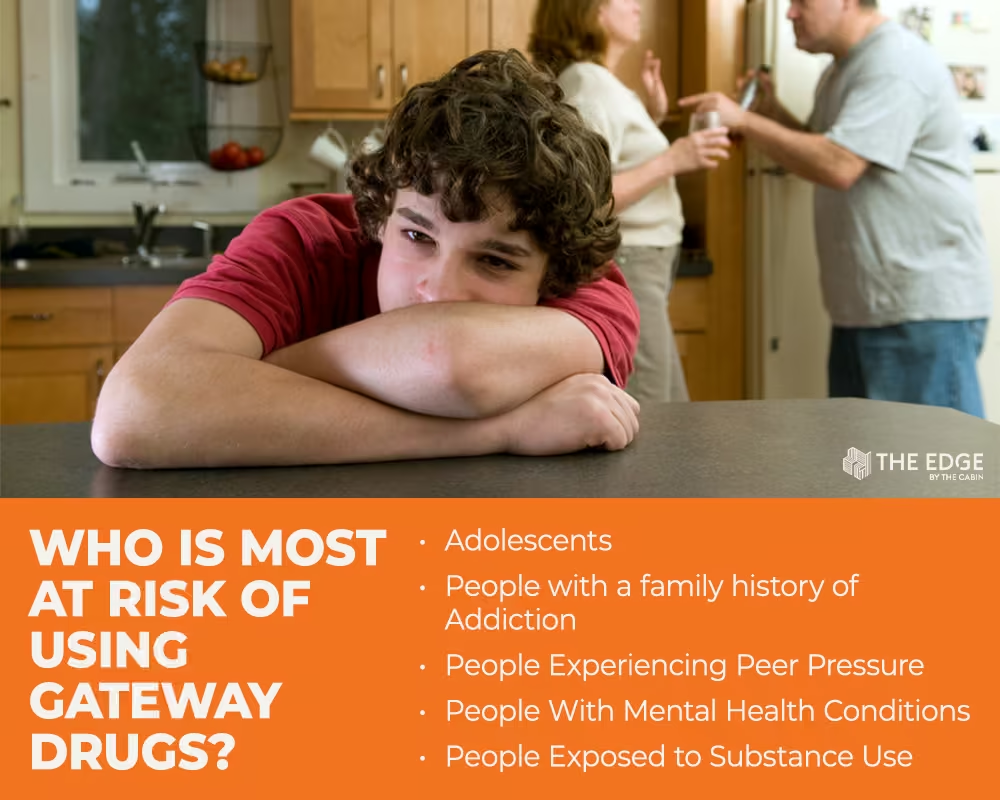
- Adolescents: Early experimentation is more common during adolescence due to brain development and social pressures. Risk often decreases as decision-making skills mature.
- People with a family history of Addiction: Risk may be higher when close relatives have experienced substance use disorders. Genetic and environmental factors often combine to increase vulnerability.
- People Experiencing Peer Pressure: Social influence increases risk when peer groups normalize substance use. Group dynamics often shape early substance use decisions.
- People With Mental Health Conditions: Individuals with untreated anxiety, depression, or other conditions may be more vulnerable. Substances may be used as a coping mechanism for emotional distress.
- People Exposed to Substance Use: Environmental factors contribute when substance use is common within the home or community. Early exposure often normalizes future use.
What Factors Increase the Risk of Gateway Drug Use?
Factors that increase the risk of gateway drug use are listed below.
- Early Substance Exposure: Increases vulnerability when introduced during adolescence or childhood. Early exposure shapes long-term attitudes toward substance use.
- Peer Influence: Encourages experimentation when social groups normalize substance use. Peer behavior remains one of the strongest predictors of early use.
- Family Environment: Plays an important role in shaping attitudes and access to substances. Stability and communication within the home can reduce risk.
- Mental Health Conditions: May increase risk when emotional distress goes unaddressed. Substance use is sometimes used to manage underlying symptoms.
- Stress and Trauma: Can contribute to substance use as a coping mechanism. Unresolved stress often increases vulnerability to experimentation.
Can Early Drug Use Increase the Risk of Addiction?
Yes, early drug use can increase the risk of addiction, since it is associated with a higher chance of developing substance use disorders later in life, although it does not guarantee addiction. Early use increases risk due to ongoing brain development during adolescence. Outcomes differ between individuals based on genetics, environment, and mental health status. Prevention and early intervention can reduce long-term harm by addressing substance use before patterns become established. Family support and open communication often lower the likelihood of progression toward addiction. Education about the risks of early substance use supports informed decision-making among young people. Continued monitoring helps identify warning signs before dependence develops.
How Can Gateway Drug Use be Prevented?

Getaway drug use can be prevented by following the strategies listed below.
- Education: Learning about substance risks helps individuals make informed decisions. Awareness of potential consequences often reduces early experimentation.
- Parental Support: Encouraging healthy communication strengthens trust between parents and children. Open dialogue allows for early identification of concerning behavior.
- Healthy Activities: Promoting positive alternatives, including sports or hobbies, reduces idle time associated with substance use. Structured activities support healthier coping mechanisms.
- Mental Health Care: Addressing emotional challenges early reduces the likelihood of self-medication through substances. Professional support helps manage anxiety, depression, or trauma.
- Early Intervention: Responding to substance use promptly prevents patterns from becoming more established. Timely support improves long-term outcomes.
What Steps Help Prevent Gateway Drug Use?
Steps that help prevent gateway drug use are listed below.
- Build Healthy Relationships: Strengthening support systems reduces reliance on substances for emotional connection. Trusted relationships often provide stability during difficult periods.
- Avoid Peer Pressure: Choosing positive influences reduces exposure to environments that normalize substance use. Supportive peer groups help reinforce healthier decisions.
- Develop Coping Skills: Managing stress effectively reduces the likelihood of turning to substances. Healthy coping mechanisms support long-term emotional stability
- Stay Informed: Understanding substance risks supports more confident, informed choices. Awareness helps individuals recognize early warning signs.
- Seek Help Early: Addressing concerns before they worsen improves the likelihood of a positive outcome. Early support reduces the risk of long-term substance use patterns.
When Should Someone Consider Drug and Alcohol Rehab?

Drug and alcohol rehab should be considered when substance use becomes difficult to control, interferes with daily life, or continues despite harmful consequences. Loss of control is a key warning sign that use has moved beyond occasional experimentation. A professional assessment can determine the most appropriate level of care based on individual history and severity of use. Early treatment often improves outcomes by addressing patterns before they become more severe. Rehabilitation provides structured treatment, counseling, and relapse prevention strategies that support long-term recovery. Co-occurring mental health symptoms are often addressed alongside substance use during treatment. Ongoing support through Drug and Alcohol Rehab helps individuals build healthier habits and reduce the risk of continued substance use.
Understanding the signs is the first step toward recovery
If you recognise the signs of substance use, The Edge Crete offers structured, expert care to help you break free from the cycle and begin recovery.