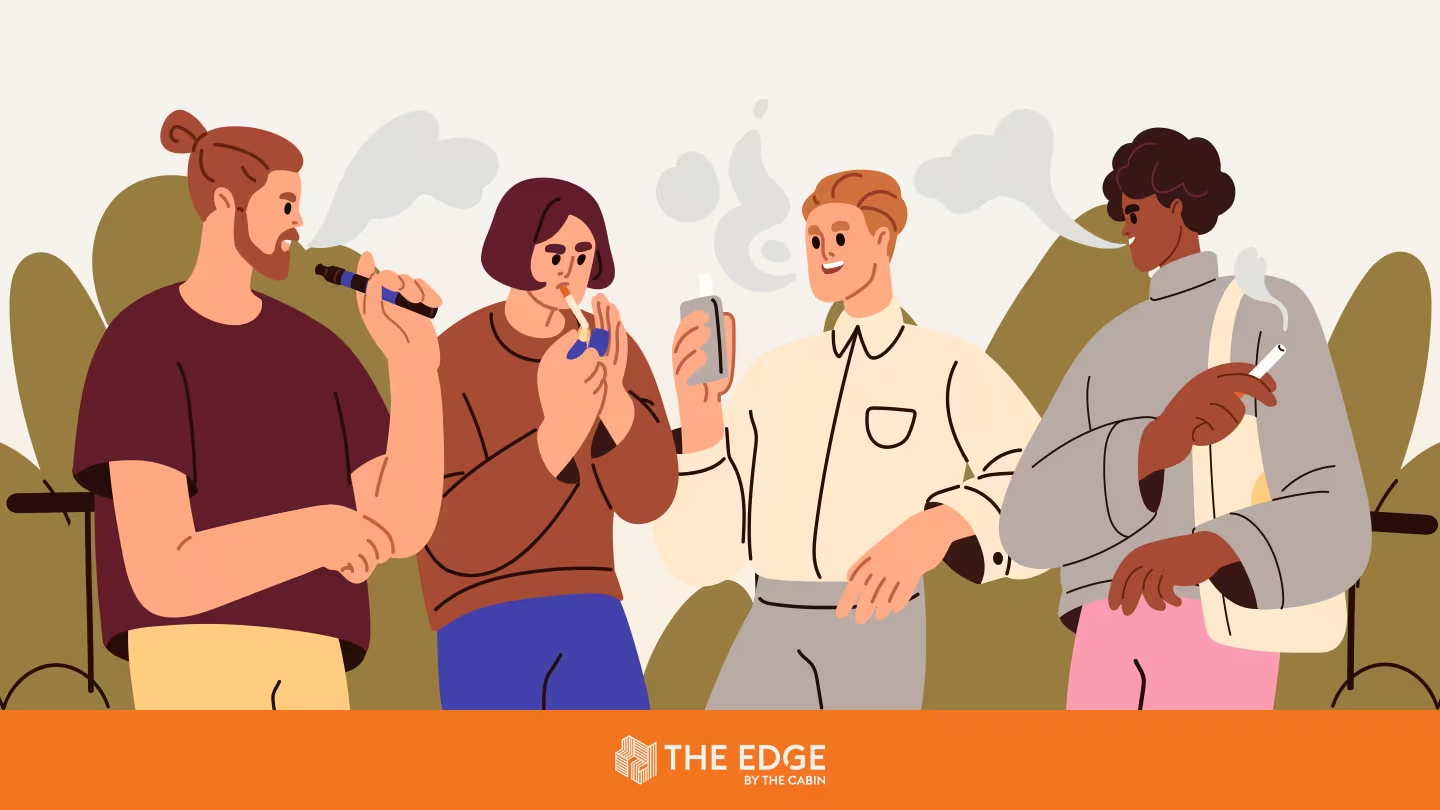
Nicotine addiction is dependence on nicotine that causes continued use despite health, emotional, financial, or social harm.
Nicotine affects brain reward pathways and can create cravings, withdrawal symptoms, and repeated use patterns. Causes may include early exposure, frequent use, stress, peer influence, mental health symptoms, easy access, and repeated nicotine reward. Symptoms may include cravings, irritability, restlessness, difficulty concentrating, tolerance, withdrawal discomfort, and loss of control. Treatment may include counseling, behavioral therapy, nicotine replacement therapy, medications, relapse prevention, support groups, and specialized rehab programs.
What is Nicotine Addiction?
Nicotine addiction is dependence on nicotine that makes stopping difficult despite the harmful effects. Nicotine addiction can develop through cigarettes, vapes, nicotine pouches, cigars, smokeless tobacco, or other nicotine products. Cravings are common because nicotine affects brain reward pathways linked with pleasure, focus, and relief. Stopping use can be difficult when the body and brain expect regular nicotine exposure. Dependence can develop over time through repeated use, but some people may notice early signs quickly. Treatment may be needed when cravings, withdrawal symptoms, or repeated quit attempts interfere with daily life. Nicotine addiction can affect physical health, mood, sleep, focus, and long-term recovery goals. Professional support may help people build a safer plan for quitting.
Why is Nicotine So Addictive?
Nicotine is addictive because it affects brain reward pathways and reinforces repeated use. It can create pleasurable sensations, temporary focus, or stress relief that encourages the brain to seek nicotine again. Dopamine release occurs after nicotine reaches the brain, which strengthens the connection between use and reward. Cravings can develop quickly when the brain begins expecting nicotine during stress, boredom, social situations, or routine triggers. Repeated use strengthens dependence because the brain and body adapt to regular nicotine exposure. Quitting becomes harder when withdrawal symptoms appear after nicotine levels drop. Common triggers may include coffee, alcohol, driving, work breaks, anxiety, or contact with other nicotine users. Treatment helps weaken these learned patterns through counseling, medication support, and relapse prevention.
Is Nicotine a Drug?
Yes, nicotine is a drug. Nicotine affects the brain and body by stimulating the nervous system and activating reward pathways. Nicotine alters mood and attention because it can create temporary alertness, pleasure, calmness, or focus. It can cause dependence when repeated exposure changes how the brain responds to reward and cravings. Addiction may develop when the person continues using nicotine despite health risks or repeated attempts to stop. Health risks can increase when nicotine use occurs through tobacco products, vaping products, or other delivery forms. Nicotine can raise heart rate and blood pressure for a period after use. Medical and behavioral support may help when nicotine use becomes hard to control.
Tired of Living Around Your Next Cigarette or Vape?
At The Edge Rehab, our specialised treatment programs look beyond surface habits to address the psychological, physical, and emotional roots of dependency. Discover how professional addiction treatment can help you take back control of your life.
How does Nicotine Affect the Body and Brain?
Nicotine affects the body and brain by changing brain signaling, nervous system activity, and physical responses. Nicotine can raise alertness, mood changes, heart rate, blood pressure, and cravings. Heart rate may increase because nicotine stimulates the body’s stress and alertness systems. Brain reward systems are activated when nicotine increases dopamine activity and reinforces repeated use. Dependence can develop when the brain begins to expect nicotine to feel focused, calm, awake, or normal. Long-term effects may occur when repeated nicotine exposure strengthens addiction patterns and makes quitting harder. Nicotine use during adolescence may affect brain systems involved in attention, mood, learning, and impulse control. Treatment may help reduce cravings, manage withdrawal, and support healthier coping routines.
What does Nicotine Do to Your Body?
Nicotine stimulates the body and nervous system by increasing activity in brain and body pathways linked to alertness, reward, heart rate, blood pressure, and cravings. It affects the heart, blood vessels, brain, and stress response. Blood pressure may increase for a period after nicotine use because blood vessels can narrow and heart activity can rise. Alertness may rise temporarily, but the effect can fade and lead to more cravings. Repeated exposure affects health by strengthening dependence and creating withdrawal symptoms when nicotine levels drop. Dependence can develop when nicotine becomes part of daily routines, stress relief, social behavior, or mood management. Nicotine can also affect sleep, appetite, anxiety, and concentration. Stopping may feel difficult because the body and brain must adjust to functioning without nicotine.
Is Nicotine a Stimulant?
Yes, nicotine is a stimulant. Nicotine increases activity in the nervous system and can produce short-term alertness. Alertness may improve temporarily because nicotine stimulates brain signaling linked with attention and reward. Heart rate may increase because nicotine activates physical stress responses. Stimulant effects can encourage repeated use when a person connects nicotine with focus, calmness, energy, or relief. Dependence may result when the brain expects nicotine to manage mood or routine triggers. Nicotine is different from stronger stimulants such as cocaine or methamphetamine, but it still carries addiction risk. Treatment may help reduce reliance on nicotine’s short-term stimulant effects.
What Causes Nicotine Dependence?
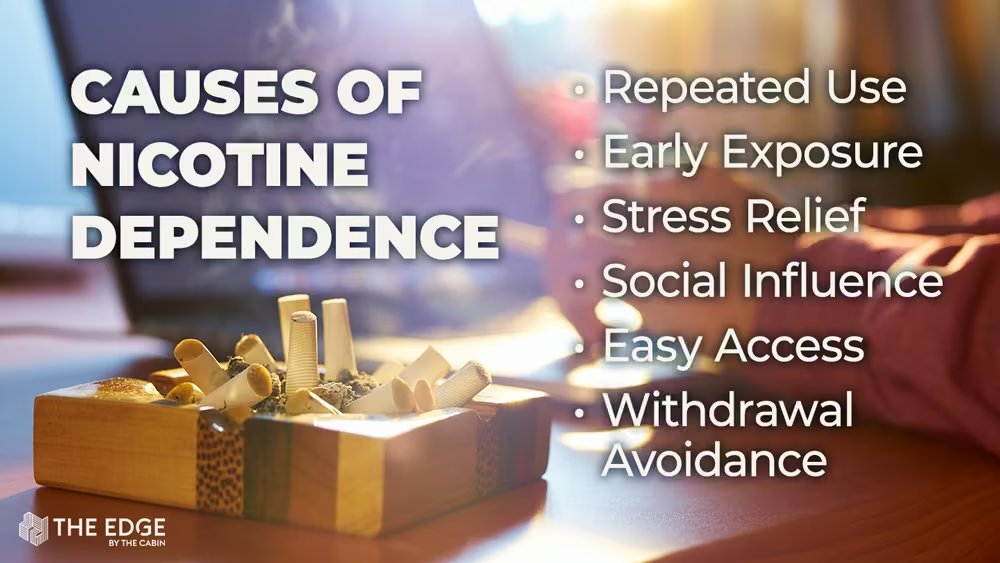
The causes of nicotine dependence are listed below.
- Repeated Nicotine Use: Repeated nicotine use strengthens the brain’s link between nicotine and reward. Regular exposure may make cravings stronger when nicotine is absent.
- Early Exposure: Early exposure can increase vulnerability because the adolescent brain is still developing. Younger users may develop dependence more quickly than adults.
- Stress Relief: Stress relief can become a reason for repeated nicotine use. The person may begin using nicotine to manage anxiety, anger, boredom, or emotional discomfort.
- Social Influence: Social influence can increase use when friends, family, coworkers, or online content normalize smoking, vaping, or nicotine products. Social triggers may make quitting harder.
- Easy Access: Easy access can increase repeated use when nicotine products are available at home, school, work, or social settings. Frequent access may support habit formation.
- Withdrawal Avoidance: Withdrawal avoidance can keep nicotine use going after dependence develops. Nicotine may be used to reduce cravings, irritability, restlessness, or focus problems.
How Long does It Take to Get Addicted to Nicotine?
It takes about 2 to 4 weeks of repeated use to get addicted to nicotine, although some individuals notice cravings within a few days. Individuals become dependent quickly because nicotine reaches the brain fast and strongly reinforces reward pathways. Risk differs by frequency of use, nicotine strength, product type, age, genetics, stress level, and mental health status. Early use can lead to addiction when the brain starts linking nicotine with relief, focus, pleasure, or social comfort. Individual factors matter because some people notice cravings after limited use, while others develop dependence more gradually. Teenagers and young adults may be more vulnerable because the brain continues developing into the mid-twenties. Higher nicotine products may increase dependence risk when use becomes frequent. Early support may help prevent occasional use from becoming a repeated pattern.
Can You Get Addicted to Nicotine After Just a Few Uses?
Yes, you can get addicted to nicotine after just a few uses. Susceptibility varies because age, nicotine strength, product type, genetics, stress, and social environment affect risk. Cravings may appear quickly when the brain begins linking nicotine with reward, comfort, or routine. Brain changes can begin early because nicotine activates reward pathways and encourages repeated use. Risk exists even with limited use, especially when the product delivers nicotine quickly. Continued use increases dependence because withdrawal discomfort may begin when nicotine levels drop. Early signs may include thinking about nicotine, wanting to use again, irritability without use, or difficulty refusing more. Quitting support may help even when nicotine use has not continued for a long time.
What are the Signs of Nicotine Addiction?

The signs of nicotine addiction are listed below.
- Cravings: Cravings are strong urges to use nicotine. They may appear during stress, after meals, while driving, during breaks, or around other users.
- Tolerance: Tolerance means a person needs more nicotine over time to feel the same effect. The pattern may increase dependence and daily use.
- Withdrawal Symptoms: Withdrawal symptoms are discomfort that appears when nicotine use stops or decreases. Symptoms may include irritability, anxiety, cravings, restlessness, sleep problems, and focus trouble.
- Loss of Control: Loss of control means difficulty reducing nicotine use even after deciding to quit. Repeated failed attempts may show stronger dependence.
- Continued Use: Continued use means nicotine use continues despite harmful effects. Problems may involve health, money, relationships, mood, or daily routines.
What are the Common Symptoms of Nicotine Addiction?
The common symptoms of nicotine addiction are listed below.
- Strong Cravings: Strong cravings are persistent urges to use nicotine. Cravings may feel stronger during withdrawal or familiar routines.
- Irritability: Irritability means increased frustration, anger, or impatience when nicotine is absent. Mood changes may appear during quit attempts.
- Restlessness: Restlessness means difficulty relaxing or sitting still. The symptom may increase when the body expects nicotine.
- Difficulty Concentrating: Difficulty concentrating means reduced focus and attention during nicotine withdrawal. The symptom may affect work, school, or daily tasks.
- Withdrawal Discomfort: Withdrawal discomfort includes symptoms that occur when nicotine levels drop. The discomfort may include cravings, mood changes, sleep problems, and appetite changes.
Do Strong Cravings Mean You are Addicted?
Yes, strong cravings mean you are addicted. Strong cravings indicate dependence when urges feel difficult to resist or return repeatedly after nicotine use stops. Cravings reflect brain adaptation because the brain starts expecting nicotine during stress, routine triggers, or emotional discomfort. Cravings can drive continued use by making nicotine feel necessary for calmness, focus, or relief. Cravings alone are not the only sign because assessment considers tolerance, withdrawal symptoms, loss of control, and continued use despite harm. Individuals may have strong cravings during early quitting, even when motivation is high. Treatment can reduce craving intensity through counseling, nicotine replacement therapy, medications, and trigger planning. Professional support may help when cravings interfere with daily life or repeated quit attempts.
Step Into a Community Built for Lasting Growth
If you are ready to make a meaningful change in a supportive setting, we invite you to look inside our structured facility.
What are the Effects of Long-Term Nicotine Use?
The effects of long-term nicotine use are listed below.
- Dependence: Dependence means the body and brain begin expecting nicotine. This can lead to cravings, withdrawal symptoms, and repeated use.
- Heart Strain: Heart strain may occur because nicotine can increase heart rate and blood pressure. Ongoing nicotine exposure may add stress to cardiovascular health.
- Sleep Problems: Sleep problems may occur when nicotine affects alertness and withdrawal disrupts rest. Poor sleep may increase irritability and cravings.
- Mood Changes: Mood changes may include irritability, anxiety, low mood, or emotional instability. Dependence can make a mood feel tied to nicotine use.
- Reduced Quit Control: Reduced quit control means stopping becomes harder despite motivation. Repeated attempts may need structured treatment and support.
What are the Short-Term Effects of Nicotine?
The short-term effects of nicotine are listed below.
- Increased Heart Rate: Nicotine can increase heart rate shortly after use. This effect occurs because nicotine stimulates the nervous system and raises physical alertness.
- Higher Blood Pressure: Nicotine can raise blood pressure for a short period. This response happens when blood vessels narrow and the heart works harder.
- Temporary Alertness: Nicotine may create short-term alertness or focus. The effect can fade quickly and may lead to repeated use.
- Dizziness: Nicotine can cause dizziness, lightheadedness, or nausea, especially in new users or after high nicotine exposure. These effects may occur when the body reacts strongly to stimulation.
- Strong Cravings: Nicotine can trigger cravings as its effects wear off. Cravings may encourage repeated use and increase the risk.
Can Nicotine Harm Your Mental Health?
Yes, nicotine can affect mental health. Nicotine may influence mood, stress response, attention, and emotional regulation. Anxiety symptoms may worsen when nicotine withdrawal creates restlessness, irritability, or nervousness. Dependence can affect well-being because the person may feel controlled by cravings or daily nicotine routines. Mental health effects vary because some people use nicotine during stress, while others experience more anxiety or low mood after dependence develops. Professional support may help when nicotine use overlaps with depression, anxiety, trauma, ADHD symptoms, or substance use concerns. Quitting may cause temporary mood changes, but support can make the process safer and more manageable. Treatment may include counseling, coping skills, medication options, and relapse prevention planning.
How is Nicotine Addiction Different From Tobacco Addiction?
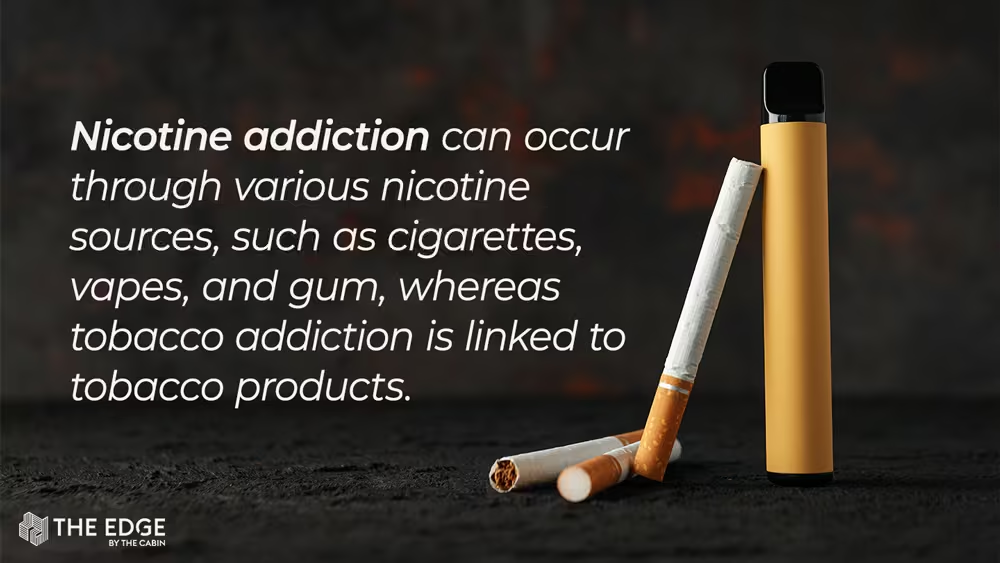
Nicotine addiction is different from tobacco addiction in that it is dependent on nicotine itself rather than dependence linked specifically to tobacco products. Nicotine addiction refers to dependence on nicotine, while tobacco addiction involves nicotine dependence through tobacco use. Nicotine is the addictive substance that affects brain reward pathways and creates cravings. Tobacco is a delivery source that contains nicotine along with many other chemicals. The concepts are related because tobacco products can deliver nicotine and reinforce continued use. Their focus differs because nicotine addiction can occur through cigarettes, vapes, pouches, gum misuse, or other nicotine products. Tobacco addiction specifically involves products made from or containing tobacco. A person can be dependent on nicotine without smoking traditional cigarettes. Treatment focuses on reducing nicotine dependence and addressing the specific product used.
What Is the Difference Between Nicotine and Tobacco?
The difference between nicotine and tobacco is that nicotine is a chemical substance, while tobacco is a plant product that contains nicotine. Nicotine causes dependence by affecting brain reward pathways and reinforcing repeated use. Tobacco contains many substances, including nicotine and other chemicals created or released during processing or burning. Nicotine and tobacco are not the same because nicotine is one compound and tobacco is a product source. Nicotine is contained within tobacco when tobacco products deliver nicotine to the body. Nicotine may also appear in non-tobacco products, including some synthetic nicotine products. Tobacco products include cigarettes, cigars, pipe tobacco, chewing tobacco, and some other products. Understanding the difference helps explain why nicotine dependence can continue across different product types.
Are All Tobacco Products Addictive?
Yes, most tobacco products are addictive because they contain nicotine. Addiction risk varies by product, nicotine delivery speed, frequency of use, age, and personal vulnerability. Nicotine drives dependence by activating reward pathways and creating cravings. Repeated use increases risk because the brain learns to expect nicotine during routines, stress, or social triggers. Dependence can develop over time when tobacco products are used regularly. Regular use raises addiction potential because withdrawal symptoms can appear when nicotine levels drop. Tobacco products may include cigarettes, cigars, smokeless tobacco, pipe tobacco, and some heated tobacco products. Stopping may require counseling, medication support, nicotine replacement therapy, or structured cessation care.
How Can Nicotine Addiction Be Treated?

Nicotine addiction can be treated through behavioral support, medical care, and relapse prevention. Treatment supports cessation and recovery by reducing cravings, managing withdrawal symptoms, and changing nicotine-related habits. Counseling may be used to identify triggers, plan coping skills, and manage stress without nicotine. Medications may assist treatment by reducing withdrawal symptoms and making quitting more manageable. Nicotine replacement therapy may include patches, gum, lozenges, inhalers, or nasal spray, depending on clinical guidance and product availability. Recovery is achievable when treatment addresses both physical dependence and behavior patterns. Support improves success rates when counseling, medication options, family support, and follow-up care work together. A quit plan may include setting a quit date, removing triggers, tracking cravings, and preparing for relapse warning signs.
What Types of Rehabilitation Programs are Available for Nicotine Addiction?
The rehabilitation programs available for nicotine addiction are listed below.
- Outpatient Programs: Outpatient programs offer flexible treatment while a person lives at home. They may include counseling, medication support, relapse prevention, and follow-up appointments.
- Inpatient Programs: Inpatient programs provide structured residential care when nicotine addiction occurs with severe substance use, mental health concerns, or medical needs. These programs may offer daily support and monitored routines.
- Behavioral Therapy Programs: Behavioral therapy programs focus on behavior change, trigger management, coping skills, and relapse prevention. They help people replace nicotine routines with healthier responses.
- Counseling Services: Counseling services provide emotional support during quitting and withdrawal. Sessions may address stress, anxiety, depression, trauma, cravings, or motivation.
- Aftercare Programs: Aftercare programs support long-term recovery after the main treatment phase. Aftercare programs may include continued counseling, support groups, check-ins, and relapse prevention planning as part of different types of rehabilitation programs.
What Happens During Drug and Alcohol Rehab for Nicotine Addiction?
Structured treatment, counseling, craving management, relapse prevention, and broader addiction support happen during drug and alcohol rehab for nicotine addiction. Treatment focuses on stopping nicotine use, managing cravings, and preventing relapse. Counseling is often included to help clients identify nicotine triggers, emotional patterns, stress responses, and social routines. Recovery skills are developed through coping plans, craving management, relapse prevention, and healthier daily habits. Long-term success may improve when rehab includes aftercare, support groups, family education, and continued counseling. Dependence can be addressed through behavioral strategies, medication support when appropriate, and structured treatment goals. Rehab may also address alcohol, stimulant, opioid, or sedative use when multiple substances are involved. Nicotine recovery can connect with broader addiction care through drug and alcohol rehab.
Can Nicotine Withdrawal Symptoms Become Severe?
Yes, nicotine withdrawal symptoms can become severe. Symptom intensity varies by nicotine amount, frequency of use, product type, stress level, mental health, and previous quit history. Cravings may be strong and may appear during routines, emotional stress, or exposure to other nicotine users. Mood changes can occur, including irritability, anxiety, sadness, frustration, anger, or restlessness. Withdrawal is usually temporary, but symptoms can feel intense during the early quitting period. Treatment can provide support through counseling, nicotine replacement therapy, medication options, and relapse prevention planning. Severe distress, depression, or thoughts of self-harm require immediate professional support. A planned quit process may help reduce withdrawal intensity and improve safety.
Can Young Adults Benefit From Specialised Rehab for Nicotine Addiction?
Yes, young adults can benefit from specialized rehab for nicotine addiction. Programs can address age-specific needs involving school, work, peer pressure, social media, vaping culture, stress, identity, and mental health. Treatment may be tailored to young adults’ routines and triggers so the plan feels more relevant. Recovery skills can be strengthened through counseling, behavioral therapy, relapse prevention, support groups, and family education. Early intervention improves outcomes because nicotine dependence can become stronger with repeated use. Long-term recovery may be supported when young adults learn coping skills before nicotine becomes deeply tied to stress relief or social life. Specialized care may also address vaping, nicotine pouches, cigarettes, and co-occurring substance use. Independence, health, and recovery planning can be supported through drug rehab for young adults.
Quit for Good—Not Just for Today
Imagine life without nicotine controlling your day. Every smoke-free day is a step towards better physical and mental health. Speak confidentially with our team today and find the treatment option at The Edge that’s right for you.