

Polysubstance use is the use of more than one substance during the same period or across a repeated pattern of use. An individual may use more than one substance to change, increase, soften, or extend drug effects.
Dependence, availability, peer influence, trauma, stress, cravings, and untreated mental health symptoms may contribute to mixed substance use. Methamphetamine addiction may play a major role in polysubstance use because methamphetamine is sometimes combined with opioids, alcohol, cannabis, sedatives, or other stimulants. Drug and alcohol rehabs may offer medical support, detox planning, therapy, relapse prevention, mental health care, family support, and long-term recovery guidance.
Why do People Use More Than One Substance?
People use more than one substance because they want to change or enhance effects, reduce unwanted symptoms, or manage dependence. Individuals combine substances to increase euphoria, reduce anxiety, stay awake, sleep, manage withdrawal, or soften the crash from another drug. Others use multiple substances because drugs are available, mixed unknowingly, or used within the same social setting. Combining substances alters their effects because each drug affects the brain, heart, breathing, liver, judgment, and coordination differently. It increases health risks because the body processes more than one active substance at the same time. Risks become less predictable when drugs interact, overlap, or intensify each other. Harm becomes more severe when opioids, alcohol, benzodiazepines, stimulants, cannabis, or sedatives are combined. Medical and behavioral treatment help identify the pattern and reduce risk.
What Types of Drugs Are Commonly Mixed?
The types of drugs commonly mixed are listed below.
- Opioids: Opioids include prescription pain relievers, heroin, fentanyl, and other illicit opioids. Mixing opioids with alcohol, sedatives, or benzodiazepines may increase breathing suppression and overdose risk.
- Alcohol: Alcohol is a central nervous system depressant that slows brain and body function. Combining alcohol with opioids, sedatives, stimulants, or cannabis can increase impairment, injury risk, and medical danger.
- Stimulants: Stimulants are drugs that increase alertness, energy, heart rate, and brain activity. Mixing stimulants with depressants may hide warning signs while increasing strain on the heart and nervous system.
- Cannabis: Cannabis is a psychoactive substance that can affect mood, perception, memory, coordination, and reaction time. Mixing cannabis with alcohol, sedatives, or stimulants may increase confusion, anxiety, impaired driving risk, or unwanted mental effects.
- Sedatives: Sedatives are drugs that slow brain activity and may reduce anxiety or promote sleep. Combining sedatives with opioids or alcohol may increase sedation, breathing problems, overdose risk, and severe impairment.
1. Opioids
Opioids are drugs that reduce pain and can affect breathing, mood, sedation, and reward pathways. Prescription opioids may be used for pain under medical supervision, while illicit opioids such as heroin or illicit fentanyl carry a high overdose risk. Opioids are commonly involved in polysubstance use because they may be combined with alcohol, sedatives, stimulants, or cannabis. Mixing opioids with depressants may suppress breathing and reduce consciousness. Combining opioids with stimulants may increase cardiovascular strain while masking sedation. Education about What Are Opioids helps clarify why opioid combinations can become dangerous quickly.
2. Alcohol
Alcohol is a central nervous system depressant that slows brain activity, reaction time, judgment, and coordination. Alcohol is mixed with opioids, sedatives, stimulants, cannabis, and prescription medications. Combining alcohol with depressants increases sedation, blackouts, falls, breathing problems, and overdose risk. Mixing alcohol with stimulants can hide intoxication and increase risky behavior. Alcohol use can worsen emotional instability, conflict, and relapse risk during recovery. Supportive treatment can help address alcohol use, reduce relapse risk, and manage overlapping substance use patterns with alcohol rehab for young adults.
3. Stimulants
Stimulants are drugs that increase alertness, energy, heart rate, blood pressure, and central nervous system activity. Cocaine, methamphetamine, amphetamine, methylphenidate, nicotine, and caffeine are examples of stimulants. Stimulants are mixed with opioids, alcohol, cannabis, or sedatives to change effects or manage a crash. Combining stimulants with other substances increases heart strain, anxiety, paranoia, and overdose risk. Stimulant use also makes sleep, appetite, mood, and judgment less stable. Support may help when fatigue, depression, cravings, and sleep disruption appear after stopping stimulants during stimulant withdrawal.
4. Cannabis
Cannabis is a psychoactive substance that can affect mood, memory, coordination, appetite, perception, and reaction time. Cannabis may be mixed with alcohol, stimulants, opioids, sedatives, or other drugs. Combining cannabis with alcohol may increase impairment and make driving or decision-making more dangerous. Mixing cannabis with stimulants may increase anxiety, panic, or paranoia in some people. Cannabis can complicate recovery when it becomes part of a broader pattern of substance use. Irritability, sleep problems, cravings, appetite changes, and mood changes may appear after stopping regular use during cannabis withdrawal.
5. Sedatives
Sedatives are drugs that slow brain activity and may reduce anxiety, relax the body, or promote sleep. Sedatives include benzodiazepines, sleep medications, barbiturates, and other calming drugs. Sedatives may be mixed with alcohol, opioids, cannabis, or stimulants, which can increase risk. Combining sedatives with opioids or alcohol may cause severe drowsiness, slowed breathing, confusion, falls, overdose, or loss of consciousness. Mixing sedatives with stimulants may create unpredictable effects because the substances push the body in different directions. Medical support may be needed because some withdrawal symptoms during sedative hypnotic withdrawal can be severe.
Is Polydrug Use the Same as Polysubstance Use?
Yes, polydrug use and polysubstance use are used interchangeably. Both terms refer to using more than one substance during the same period, within the same event, or across a repeated pattern of use. The substances may be used together or separately, depending on the context. The focus is on multiple substance use rather than one isolated drug. The terms have similar meanings in many education, prevention, and treatment settings. Context may determine preferred usage because clinicians, researchers, and public health sources may choose one term over the other. Polysubstance use is common in clinical writing because it emphasizes substance combinations and related risks. Polydrug use is understandable when describing drug mixing in everyday language.
Every type of addiction deserves the right treatment
At The Edge, our dedicated professionals are here to support you every step of the way.
How does Polysubstance Abuse Affect the Body?
Polysubstance abuse affects the body by disrupting multiple body systems at once because more than one drug acts on the body and brain. Polysubstance abuse can disrupt brain function, heart rhythm, breathing, liver processing, kidney function, body temperature, sleep, mood, coordination, and judgment. Drug interactions can alter normal body responses by making one substance stronger, weaker, slower, or more toxic. Effects may become stronger or weaker depending on the substances, doses, timing, health status, and route of use. Health risks increase significantly when opioids, alcohol, benzodiazepines, stimulants, cannabis, or sedatives overlap. Recovery may become more difficult because withdrawal, cravings, mood changes, and relapse triggers may involve several substances. The body may also struggle to process substances safely when dehydration, poor sleep, infection, or medical illness is present. Clinical assessment helps identify which substances are involved and which risks need urgent care.
Why Can Combining Two Drugs Intensify the Effects?
Combining two drugs can intensify the effects because the body may receive additive or synergistic impacts. Additive effects occur when two substances with similar actions build on each other. Synergistic effects may occur when substances interact in ways that create a stronger overall impact than expected. Drugs amplify each other by slowing breathing, increasing sedation, raising heart strain, or altering metabolism. This can increase toxicity because the body may not compensate for the combined drug burden. Stronger effects raise health risks, especially when opioids, alcohol, sedatives, or stimulants are involved. Overdose becomes more likely when breathing, consciousness, heart function, or body temperature is affected. Medical risk becomes harder to predict because dose, timing, and individual health all change the outcome.
Can Mixing Substances Change How Drugs Work?
Yes, mixing substances can change how drugs work. Interactions may alter absorption, metabolism, clearance, sedation, stimulation, breathing, heart rate, mood, and coordination. Effects can become stronger when two depressants slow the nervous system together. Effects can become weaker or masked when stimulants hide sedation or fatigue from other drugs. Outcomes may be unpredictable because one drug can change how another drug feels or how long it remains active. Drug interactions increase risk when substances are taken close together or when a drug supply contains an unknown substance. Unexpected reactions may include panic, confusion, vomiting, blackouts, overheating, chest pain, slowed breathing, or loss of consciousness. Professional support is important when mixed use becomes frequent or difficult to stop.
What Happens During Combined Drug Intoxication?
Multiple substances affect the body at the same time during combined drug intoxication by overlapping across the brain, nervous system, heart, lungs, liver, and behavior. Their effects can interact and intensify, making intoxication less predictable. Brain and body functions may become impaired through confusion, slowed reaction time, poor judgment, sedation, agitation, panic, or reduced coordination. Toxicity may increase when drugs strain the same body systems or interfere with metabolism. Serious complications can develop quickly when breathing, consciousness, heart rhythm, blood pressure, or body temperature becomes unstable. Medical attention may be needed when the person does not stay awake, breathe normally, speak clearly, walk safely, or respond appropriately. Combined intoxication may also increase injury, violence, risky sex, poisoning, and overdose risk. Emergency care is needed when symptoms become severe or rapidly worsen.
How does Multiple Drug Intoxication Develop?
Multiple drug intoxication develops through the use of more than one substance during the same period. The substances interact within the body through overlapping effects on the brain, breathing, heart function, liver processing, coordination, and consciousness. Effects may accumulate rapidly when substances are taken close together or when one drug has not left the body before another is used. Toxic reactions can occur when the combined drug load overwhelms normal body regulation. Severity varies by substance combination, dose, timing, tolerance, age, health status, and other medications. Risk increases with higher doses because the body has less ability to manage the combined effects. Multiple drug intoxication may be intentional or accidental when substances are unknowingly mixed or contaminated. Medical evaluation helps identify the likely substances and guide safe treatment
Can Acute Combined Drug Intoxication Become an Emergency?
Yes, acute combined drug intoxication can become an emergency. It may cause life-threatening complications when substances impair breathing, heart function, body temperature, consciousness, or brain activity. Breathing and heart function may be affected when opioids, alcohol, benzodiazepines, sedatives, or stimulants are involved. Consciousness may decline rapidly when depressant effects intensify or when overdose begins. Immediate treatment may be required for slowed breathing, chest pain, seizures, severe confusion, hallucinations, fainting, blue lips, or loss of consciousness. Delays increase danger because mixed drug effects can worsen quickly. Emergency teams may need to support breathing, circulation, temperature control, and overdose reversal when appropriate. Acute combined drug intoxication should be treated as urgent when symptoms are severe or unpredictable.
What Signs Suggest Someone Is Misusing Multiple Drugs?

The signs that suggest multiple drug misuse are listed below.
- Unpredictable Mood Changes: Unpredictable mood changes may include sudden anger, anxiety, sadness, euphoria, panic, or emotional numbness. These shifts may become more noticeable when different substances affect the brain at different times.
- Sleep Pattern Changes: Sleep pattern changes may include staying awake for long periods, sleeping excessively, or having irregular rest. Stimulants, sedatives, alcohol, opioids, and cannabis can disrupt sleep in different ways.
- Physical Instability: Physical instability may include poor coordination, sweating, tremors, slowed movement, restlessness, nausea, or repeated illness. Mixed substances may make physical signs harder to explain.
- Social Withdrawal: Social withdrawal may involve avoiding family, friends, work, school, or normal activities. Isolation may increase when substance use becomes harder to hide.
- Risky Behavior: Risky behavior may include impaired driving, unsafe sex, fighting, stealing, sharing pills, or using unknown substances. Multiple drug use can reduce judgment and increase harm.
- Medication or Substance Secrecy: Medication or substance secrecy may include hiding bottles, deleting messages, lying about use, or changing friend groups. Secrecy may suggest loss of control or shame.
- Cravings and Loss of Control: Cravings and loss of control may involve strong urges, repeated failed attempts to stop, or continued use despite consequences. These signs may indicate polydrug addiction.
How Can a Person Tell if Someone Has a Polydrug Addiction?
A person can tell if someone has a polydrug addiction by watching for repeated use of more than one substance despite harm. Warning signs may include cravings, secrecy, withdrawal symptoms, mood swings, missed duties, risky behavior, and continued use after serious consequences. Polydrug addiction may involve alternating substances, combining drugs in one event, or using one drug to manage the effects of another. Daily functioning may decline when work, school, relationships, finances, legal safety, or health are affected. Physical signs may include sleep changes, appetite changes, shaking, sweating, poor coordination, sedation, or agitation. Emotional signs may include anxiety, irritability, depression, paranoia, impulsivity, or emotional instability. A clinical assessment is needed because similar signs can appear with mental health conditions or medical problems. Early support may reduce overdose risk and help guide treatment.
If you suspect your son is dabbling in drugs
It’s crucial to step in sooner rather than later. His health and future are incredibly important, and early intervention can make a significant difference.
Are Mood and Behavior Changes Common Warning Signs?
Yes, mood and behavior changes are common warning signs. Sudden emotional shifts may occur when substances affect the brain, sleep, stress response, and impulse control. Irritability and impulsivity may increase during intoxication, withdrawal, cravings, or conflict about use. Social withdrawal may appear when the person hides use, avoids responsibility, or loses interest in usual activities. These signs can indicate substance misuse when they appear with secrecy, cravings, missed duties, or physical changes. Early recognition is important because mixed substance use can escalate quickly. Mood changes alone do not prove addiction, but they can signal the need for assessment. Professional support may help identify whether substance use, mental health symptoms, or both are involved.
How is Polysubstance Use Different From Single Drug Use?
Polysubstance use is different from single drug use by involving more than one substance during a pattern or event. Single drug use involves only one substance. Drug interactions occur in polysubstance use, which makes effects harder to predict. Risks become more complex because one substance can strengthen, mask, delay, or change the effects of another. Outcomes are less predictable when doses, timing, tolerance, and drug purity vary. Harm is often greater because the body must process several substances at once. Polysubstance use may also complicate withdrawal, cravings, relapse prevention, and treatment planning. Single drug use can still be harmful, but polysubstance use adds interaction risks that require careful assessment.
What Makes Polydrug Use More Dangerous?
Substance interactions make polydrug use more dangerous by increasing toxicity, overdose risk, breathing problems, heart strain, sedation, confusion, and unpredictable drug effects. These interactions can increase toxicity, sedation, stimulation, confusion, breathing problems, and heart strain. Effects may intensify unexpectedly when substances share similar actions or affect the same organ systems. Overdose risk rises when the body becomes overwhelmed by combined effects. Complications become more severe when one drug hides warning signs from another, including stimulants masking alcohol or opioid sedation. Medical emergencies are more likely when opioids, alcohol, benzodiazepines, sedatives, stimulants, or unknown drug contaminants are involved. Polydrug use can increase injury, impaired driving, violence, and unsafe decision-making. Treatment is more complex because care must address every substance and related trigger.
Does Using Multiple Drugs Raise the Risk of Overdose?
Yes, using multiple drugs raises overdose risk. Combined effects can overwhelm the body when substances affect breathing, heart rhythm, blood pressure, consciousness, or body temperature at the same time. Toxicity may increase rapidly when opioids are mixed with alcohol, benzodiazepines, or sedatives. Breathing may be suppressed when depressant drugs overlap and slow the central nervous system. Fatal outcomes become more likely when the person cannot breathe, stay awake, or respond to danger. Prompt intervention is critical because symptoms may worsen quickly. Stimulant combinations may raise risk through overheating, seizures, heart strain, or severe agitation. Emergency help is needed when overdose signs appear.
Unsure which treatment is right for you or someone you love?
Addiction affects families as well as individuals. Speak with The Edge’s team to explore personalised recovery options.
What Complications Can Mixed Drug Toxicity Cause?
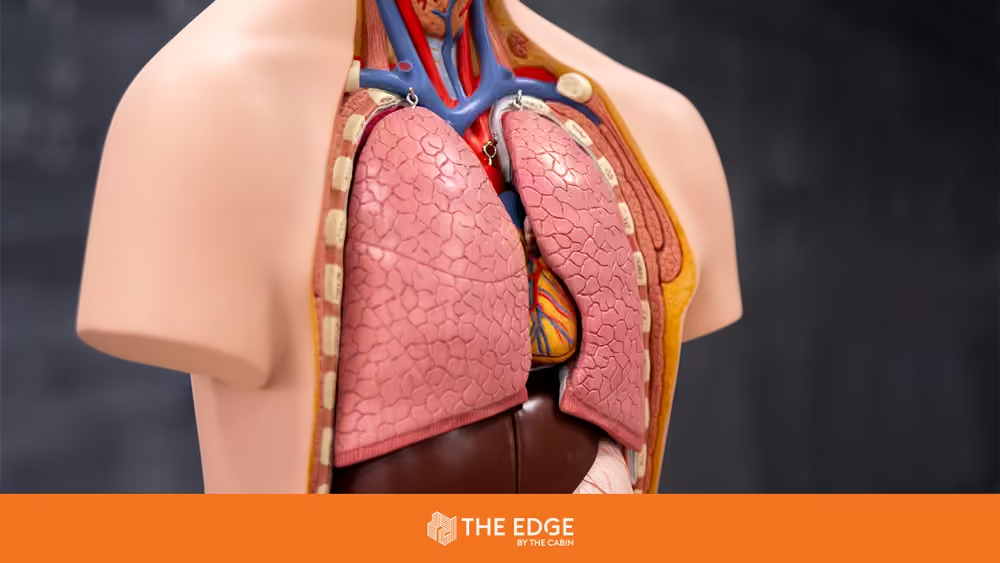
The complications that can be caused by mixed drug toxicity are listed below.
- Respiratory Depression: Respiratory depression means slowed or ineffective breathing. It may occur when opioids, alcohol, benzodiazepines, or sedatives are combined.
- Heart Problems: Heart problems may include chest pain, abnormal rhythm, high blood pressure, low blood pressure, or heart strain. Stimulants and mixed drug toxicity can increase cardiovascular risk.
- Seizures: Seizures can occur when the brain becomes overstimulated or medically unstable. Stimulants, withdrawal states, and toxic combinations may increase seizure risk.
- Severe Confusion: Severe confusion may involve disorientation, hallucinations, delirium, or inability to respond normally. Mixed intoxication can make mental status change quickly.
- Organ Damage: Organ damage may affect the brain, heart, liver, kidneys, or lungs. Toxic stress, low oxygen, dehydration, overheating, or overdose may injure tissues.
- Loss of Consciousness: Loss of consciousness may occur when drug effects overwhelm alertness and breathing. The symptom requires urgent medical attention.
- Death: Death can occur when mixed drug toxicity causes respiratory failure, heart collapse, severe overheating, poisoning, or untreated overdose. Immediate emergency response may prevent fatal outcomes.
How Can Polydrug Cocktails Lead to Death?
Polydrug cocktails can lead to death by overwhelming vital body systems through combined toxicity. Opioids, alcohol, benzodiazepines, and sedatives may slow breathing until oxygen levels become dangerously low. Stimulants may increase heart rate, blood pressure, body temperature, agitation, and seizure risk. Combining stimulants with depressants may hide warning signs, which can lead to higher use and delayed help. The heart, brain, lungs, liver, and kidneys may become unable to manage the combined drug burden. Death may occur from respiratory failure, cardiac arrest, stroke, severe overheating, choking, aspiration, or injury during intoxication. Unknown contaminants, such as fentanyl in another drug supply, may increase danger without the person knowing. Emergency care is critical when someone becomes unconscious, stops breathing normally, has chest pain, has seizures, or cannot respond.
Can Acute Polydrug Intoxication Damage Major Organs?
Yes, acute polydrug intoxication can damage major organs. The heart, liver, kidneys, lungs, and brain may be affected when combined substances disrupt oxygen, blood flow, temperature, hydration, or metabolism. Toxic stress can injure tissues when the body cannot process or recover from the combined drug load. Organ function may decline when breathing slows, blood pressure becomes unstable, body temperature rises, or toxins accumulate. Damage can be temporary or permanent depending on severity, timing, treatment access, and the substances involved. Severe cases may be life-threatening when oxygen drops, heart rhythm changes, seizures occur, or overheating develops. Medical evaluation can help detect complications early. Emergency treatment may reduce the risk of lasting damage.
Recovery is Possible
At The Edge, we understand that every person’s recovery journey is unique. From overcoming misuse to managing dependencies and withdrawal, our specialised treatments are designed to support and empower you every step of the way.
Which Drugs are Most Commonly Involved in Polysubstance Use?
The drugs most commonly involved in polysubstance use are listed below.
- Alcohol: Alcohol is commonly combined with opioids, sedatives, stimulants, cannabis, and prescription drugs. Alcohol can worsen impairment, sedation, blackouts, and risky behavior.
- Opioids: Opioids are frequently involved in overdose cases, especially when combined with alcohol, benzodiazepines, sedatives, or fentanyl. Breathing suppression is a major risk.
- Stimulants: Stimulants are often used with depressants, opioids, alcohol, or cannabis. These combinations may increase heart strain, agitation, and overdose danger.
- Cannabis: Cannabis is common in mixed substance use and may appear with alcohol, stimulants, opioids, or sedatives. Cannabis can worsen impairment, anxiety, or coordination problems in some combinations.
- Sedatives: Sedatives may increase overdose risk when mixed with opioids or alcohol. These drugs can intensify sedation, confusion, falls, and breathing problems.
What Role Does Methamphetamine Addiction Play in Polysubstance Abuse?
The role methamphetamine addiction plays in polysubstance abuse involves increasing the chance of combining methamphetamine with other substances to change or manage effects. Individuals may combine it with opioids, alcohol, cannabis, sedatives, or other stimulants. Methamphetamine is commonly mixed with depressants or opioids when someone attempts to soften agitation, anxiety, or insomnia. Interactions increase risk because stimulant effects and depressant effects place competing stress on the brain, heart, and breathing systems. Toxicity may become more severe when methamphetamine increases heart strain, while another substance impairs breathing or judgment. Treatment may become more complex because cravings, sleep disruption, depression, anxiety, trauma, and withdrawal symptoms may overlap. Methamphetamine addiction may increase risky behavior and exposure to unknown drug supplies. Care plans often need to address methamphetamine use and every other substance involved.
Can Stimulant Combinations Increase the Risk of Toxicity?
Yes, stimulant combinations can increase the risk of toxicity. Stimulant combinations can place excessive stress on the body by increasing heart rate, blood pressure, body temperature, alertness, and agitation. Heart rate and blood pressure may rise to unsafe levels when stimulants overlap. Serious reactions may occur, including chest pain, panic, paranoia, seizures, overheating, or abnormal heart rhythm. Toxic effects can escalate quickly when high doses or repeated use are involved. Medical complications become more likely when stimulants are mixed with alcohol, opioids, sedatives, or other stimulants. The person may not recognize danger because stimulation can mask fatigue, sedation, or intoxication. Emergency support is important when severe agitation, chest pain, confusion, overheating, or seizures appear.
How is Polysubstance Abuse Treated?

Polysubstance abuse is treated through medical and behavioral care that addresses all substances involved. Treatment begins with assessment because clinicians need to identify drug combinations, withdrawal risks, overdose history, mental health symptoms, trauma, and medical concerns. Detoxification may be required when withdrawal from alcohol, opioids, benzodiazepines, sedatives, or other substances could become unsafe. Counseling supports recovery by helping clients understand triggers, cravings, trauma, mood symptoms, and behavior patterns. Care is often individualized because polysubstance use can look different for each person. Long-term support improves outcomes when treatment includes relapse prevention, therapy, support groups, medication care when appropriate, and aftercare. Residential, inpatient, outpatient, and intensive outpatient programs may be considered based on severity. A combined plan reduces risk by treating the full substance pattern rather than one drug alone.
What Recovery Options Are Available for Poly Users?
The recovery options available for poly users are listed below.
- Detoxification: Detoxification provides medical management of withdrawal and intoxication risks. It may help stabilize clients who use alcohol, opioids, benzodiazepines, sedatives, or other substances.
- Counseling: Counseling provides behavioral and psychological support for cravings, triggers, trauma, stress, and co-occurring mental health symptoms. Individual sessions help clients understand why multiple substances became part of the pattern.
- Rehabilitation Programs: Rehabilitation programs provide structured treatment services for substance use and related life problems. Programs may include therapy, medication support, education, relapse prevention, and aftercare planning.
- Support Groups: Support groups provide peer-based recovery assistance and accountability. Shared experience may reduce isolation and strengthen motivation.
- Aftercare Services: Aftercare services provide continued recovery support after detox, inpatient care, or outpatient treatment. Ongoing care may include therapy, support groups, sober housing, recovery coaching, and relapse prevention planning.
1. Detoxification
Detoxification is the medical management of withdrawal and early stabilization. It may be needed when more than one substance creates overlapping withdrawal risks. Detox teams may monitor breathing, blood pressure, hydration, sleep, mental status, and seizure risk. Medications may be used when clinically appropriate to reduce withdrawal symptoms or prevent complications. The Detoxification (Detox) is not a full addiction treatment by itself, so continued care is needed after stabilization.
2. Counseling
Counseling is behavioral and psychological support for polysubstance recovery. It helps clients identify triggers, cravings, stress, trauma, relationship conflict, and relapse patterns. Counseling can address the reasons multiple substances became part of daily coping or social behavior. CBT, motivational therapy, relapse prevention, and trauma-informed therapy may support recovery. Counseling also helps clients build safer coping skills for high-risk situations.
3. Rehabilitation Programs
Rehabilitation programs are structured treatment services for people recovering from substance use disorders. Rehabilitation programs may be inpatient, residential, outpatient, or intensive outpatient, based on clinical need. Programs can address several substances at once through therapy, education, medication care, relapse prevention, and family support. Structured treatment helps clients replace chaotic substance use with recovery routines. The types of rehabilitation programs can help match the level of care to the severity of polysubstance use.
4. Support Groups
Support groups provide peer-based recovery assistance. Support groups create a setting where clients can share experiences, learn coping ideas, and receive encouragement from others in recovery. Support groups may reduce isolation and shame because polysubstance use can feel difficult to discuss alone. Peer accountability can help clients stay connected between therapy sessions. Support groups work best when combined with clinical care for severe or complex cases.
5. Aftercare Services
Aftercare services provide continued recovery support after primary treatment ends. They may include outpatient therapy, recovery coaching, support groups, sober living, medication follow-up, and relapse prevention planning. Aftercare helps clients manage cravings, stress, social pressure, and everyday triggers. Continued care is important because polysubstance patterns can return when structure decreases. A strong aftercare plan helps protect progress after detox or rehab.
Is Long-Term Treatment Needed for Severe Cases?
Yes, long-term treatment is needed for severe polysubstance use cases. Severe cases may involve multiple addictions, repeated overdose, withdrawal risks, mental health symptoms, trauma, unstable housing, legal issues, or repeated relapse. Longer care gives clients more time to stabilize physically, emotionally, and socially. Treatment may include detox, residential care, outpatient therapy, medication management, support groups, and aftercare. Long-term support helps address every substance involved instead of focusing on one drug alone. Recovery may take longer when opioid use, alcohol use, benzodiazepine use, stimulant use, or methamphetamine addiction overlap. Ongoing care may reduce relapse risk by strengthening coping skills and accountability. A clinical team can adjust the plan as symptoms, cravings, and safety needs change.
How does Treatment Help People Recover From Polysubstance Abuse?
Treatment helps people recover from polysubstance abuse by addressing the full pattern of substance use and related health risks. Care may begin with medical assessment, detox support, overdose risk review, and withdrawal management. Therapy helps clients identify cravings, triggers, trauma, mental health symptoms, and social patterns that reinforce mixed substance use. Treatment also supports safer routines, relapse prevention, medication adherence, family communication, and coping skills. Recovery becomes more realistic when every substance involved receives attention in the care plan. Medical and behavioral support can reduce the risk of dangerous drug interactions and repeated intoxication. Long-term treatment helps clients maintain progress after the acute phase ends. A structured plan may improve safety, stability, and daily functioning.
What Benefits do Drug and Alcohol Rehab Programs Offer?
The benefits of drug and alcohol rehab programs are listed below.
- Medical Stabilization: Medical stabilization helps manage intoxication, withdrawal, overdose risk, and health complications. Clinical monitoring may be important when multiple substances affect breathing, heart function, or mental status.
- Structured Treatment: Structured treatment provides a daily plan for therapy, education, recovery skills, and accountability. Consistent structure may reduce chaos and help clients focus on recovery.
- Relapse Prevention: Relapse prevention teaches clients how to identify triggers, cravings, high-risk situations, and safer coping steps. Planning is important when several substances are linked to relapse risk.
- Mental Health Support: Mental health support addresses anxiety, depression, trauma, mood changes, shame, and stress. Treating mental health concerns may reduce the urge to use substances for relief.
- Family Education: Family education helps loved ones understand polysubstance use, boundaries, warning signs, and recovery support. Better communication can improve safety and reduce enabling patterns.
- Aftercare Planning: Aftercare planning connects clients with continuing care after rehab ends. Ongoing therapy, support groups, medication follow-up, and recovery coaching may support long-term stability.
- Safer Recovery Skills: Safer recovery skills in drug and alcohol rehab help clients manage cravings, social pressure, sleep problems, emotional triggers, and daily routines. These skills help replace substance use with healthier responses.
Get Young Men Back on Track
At The Edge, our specialised, inpatient programmes are tailored to the needs of young men struggling with a range of substance and mental health issues, including polydrug dependency.


