

Partial Hospitalization Program (PHP) is an intensive daytime treatment level for clients who need structured mental health or addiction care without overnight hospitalization.
PHP practice areas include depression, anxiety, OCD, trauma, substance use disorders, dual diagnosis, medication monitoring, relapse prevention, and stabilization after crisis or detox. The main process includes intake, clinical assessment, treatment planning, daily therapy, medication review, progress monitoring, discharge planning, and aftercare coordination. The main benefit of PHP is intensive support with home integration, which helps clients practice recovery skills outside treatment hours. PHP did not come from one single inventor because partial hospital and day hospital care evolved through early community psychiatry before the 1950s and expanded through community mental health systems. Men engage with PHP after delaying care, and common treatment needs include substance dependence, anger, risk-taking, emotional suppression, work stress, and relapse prevention.
What is a Partial Hospitalization Program (PHP)?
A Partial Hospitalization Program (PHP) is a structured daytime treatment program for mental health or substance use needs that require more care than routine outpatient therapy but less supervision than inpatient hospitalization. PHP refers to intensive outpatient psychiatric care delivered during the day, usually through therapy, skill building, medication review, and clinical monitoring. A partial hospitalization program differs from inpatient care because clients do not stay overnight in a hospital or residential facility. PHP treatment differs from standard outpatient care because clients attend several hours of programming on multiple days each week. Inpatient treatment provides 24-hour supervision for acute safety or medical needs, while PHP supports clients who are stable enough to return home after daily treatment. Outpatient programs involve fewer weekly hours and less intensive monitoring. Men often delay treatment, show externalizing symptoms such as anger or risk-taking, and benefit from structured daytime programs that provide accountability without full residential admission.
What is the Purpose of a Partial Hospitalization Program (PHP)?
The purpose of a Partial Hospitalization Program (PHP) is to provide intensive clinical care for mental health and substance use disorders while allowing clients to return home outside treatment hours. PHP mental health care supports clients who need daily structure, therapy, monitoring, and stabilization after crisis, inpatient discharge, detox, or symptom escalation. Partial hospitalization therapy helps clients address depression, anxiety, trauma, OCD, relapse risk, medication needs, and functional impairment through a coordinated treatment plan. A PHP gives more support than weekly outpatient therapy while preserving home integration, family contact, and real-world practice. Clients attend daytime services and use evenings to apply coping tools in daily life. Men have higher rates of substance dependence in many treatment populations, and accountability-based PHP programs may support relapse prevention, attendance, medication adherence, and emotional regulation. PHP treatment helps men who minimize distress because the program combines structure with repeated clinical contact. Strong PHP planning connects therapy goals with work stress, family responsibilities, sobriety needs, and safer coping behavior.
Why is the Partial Hospitalization Program Important?
A Partial Hospitalization Program is important because it provides intensive therapy and clinical monitoring while maintaining outpatient freedom. PHP offers a middle level of care for clients who need more structure than weekly counseling but do not need 24-hour inpatient supervision. The program helps reduce treatment gaps after detox, hospital discharge, crisis stabilization, or symptom relapse. Science-based PHP care includes evidence-informed therapies such as CBT, DBT, trauma-informed therapy, psychoeducation, medication management, and relapse prevention. Clients with depression, anxiety, OCD, substance use, and trauma may benefit from daily structure and repeated skill practice. Men benefit from PHP when emotional distress appears through anger, withdrawal, work decline, alcohol misuse, or risky behavior. The treatment model supports accountability because clients follow a set schedule and receive frequent clinical feedback. PHP helps families and care teams monitor progress while the client remains connected to normal routines.
Who Qualifies for a Partial Hospitalization Program (PHP)?
Patients who need more support than standard outpatient therapy provides, but do not need 24-hour inpatient hospitalization. PHP admission criteria include psychiatric symptoms, substance use risks, functional decline, post-detox stabilization needs, medication monitoring needs, relapse risk, or difficulty maintaining progress in standard outpatient therapy. A client must generally have enough stability and support to remain safe outside program hours. Age groups may include adolescents, young adults, adults, and older adults when the program is licensed and clinically designed for that population. Men may qualify when symptoms appear as irritability, anger, risky behavior, substance use, avoidance, or work problems rather than direct emotional disclosure. Admission assessment evaluates depression, anxiety, trauma, suicidal ideation, relapse risk, sleep disruption, aggression risk, and support systems. PHP may fit patients who need daily therapy, medication review, relapse prevention, and practical coping skills. A clinician determines eligibility through intake, diagnosis, safety review, medical history, and level of care assessment.
Which Mental Health Conditions in Men Can be Treated Through a PHP?
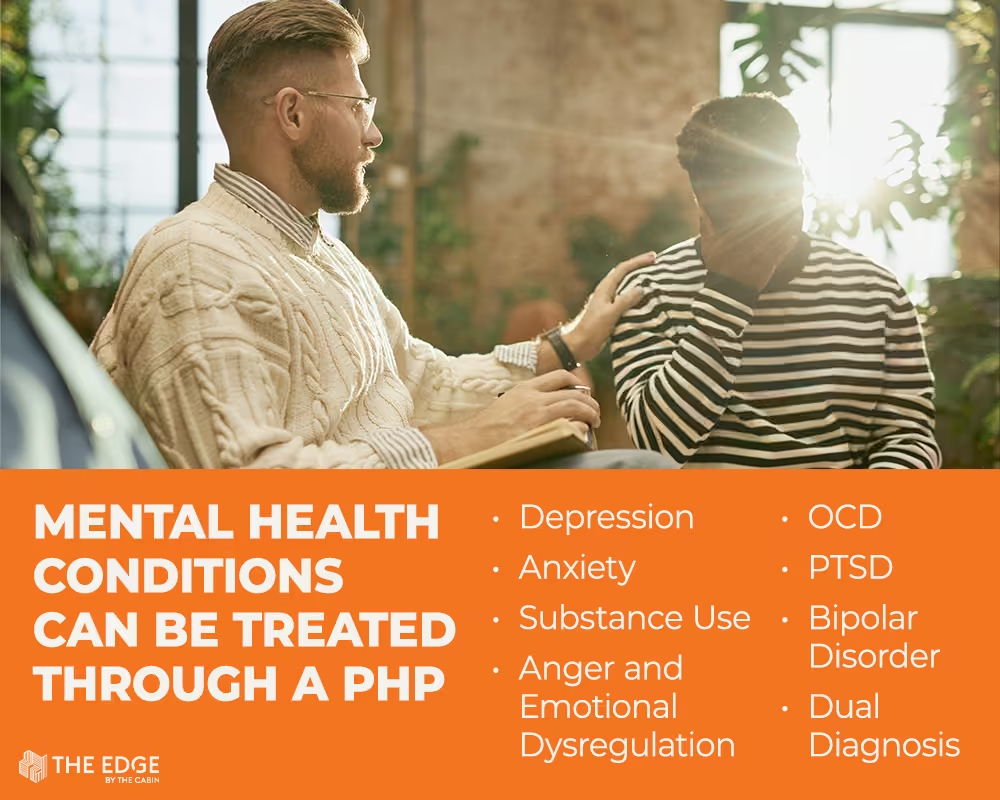
The mental health conditions in men that can be treated through PHP are listed below.
- Depression: Depression in men may appear through low mood, irritability, isolation, fatigue, anger, or loss of interest. PHP treatment supports symptom monitoring, behavioral activation, medication review, and daily coping practice.
- Anxiety Disorders: Anxiety disorders may involve panic, excessive worry, social avoidance, physical tension, or fear-based behavior. PHP care supports exposure planning, grounding skills, cognitive restructuring, and stress regulation.
- Substance Use Disorders: Substance use disorders in men may involve alcohol, opioids, stimulants, cannabis, sedatives, or polysubstance use. PHP treatment supports relapse prevention, craving management, group therapy, accountability, and recovery planning.
- Post-traumatic stress disorder: Post-traumatic stress disorder may involve intrusive memories, hypervigilance, sleep problems, anger, avoidance, or emotional numbing. PHP programs use trauma-informed care, grounding, psychoeducation, and stabilization skills.
- Obsessive Compulsive Disorder: Obsessive Compulsive Disorder may involve intrusive thoughts, compulsive behaviors, avoidance, and high distress. PHP care supports structured therapy, exposure-based work when appropriate, and relapse prevention planning.
- Bipolar Disorder: Bipolar disorder may involve mood swings, impulsivity, sleep changes, depression, or elevated energy. PHP treatment supports medication monitoring, routine stabilization, mood tracking, and coping skills.
- Anger and Emotional Dysregulation: Anger and emotional dysregulation may involve outbursts, conflict, impulsive reactions, or difficulty naming emotions. PHP programming supports emotion regulation, distress tolerance, communication practice, and accountability.
- Dual Diagnosis: Dual diagnosis involves a mental health disorder and a substance use disorder at the same time. PHP coordinates therapy, relapse prevention, medication support, and safety planning.
What Happens During a PHP?
Patients follow a structured daily routine that includes therapy sessions, group activities, medication management, skill building, and clinical monitoring during a PHP. Patients attend a partial-day schedule that lasts 4 to 6 hours per day, several days per week. PHP therapy program services include individual counseling, group therapy, psychoeducation, family sessions, psychiatric check-ins, and relapse prevention work. Partial hospitalization care helps clients practice coping skills during the day and return home to apply skills in real-life settings. PHP program mental health routines may address depression, anxiety, OCD, trauma, substance use, sleep, medication adherence, and crisis prevention. Men in PHP may receive monitoring for alcohol use, relapse patterns, anger management, emotional avoidance, and risky behavior. The daily schedule creates accountability for clients who need more support than outpatient therapy. Staff review progress throughout treatment and adjust the care plan when symptoms, safety needs, or recovery goals change.
How is a Partial Hospitalization Program (PHP) Structured?
A PHP program uses a structured daily format with therapy, monitoring, and recovery planning. Each part of the schedule supports stabilization, coping skills, and step-down planning. Program structure varies by diagnosis, age group, licensing, and treatment setting.
The main parts of PHP are listed below.
- Attend Daily Programming. Clients attend PHP several days per week for a partial-day schedule. A common schedule lasts 4 to 6 hours per day, 5 days per week.
- Complete Clinical Check Ins. Staff review symptoms, sleep, cravings, medication concerns, safety risks, and recent stressors. Check-ins help the team track changes early.
- Join Group Therapy. Group therapy gives clients structured support, education, and skill practice. Groups may focus on CBT, DBT, relapse prevention, trauma education, or emotional regulation.
- Receive Individual Therapy. Individual therapy targets personal treatment goals and symptoms. Sessions may address depression, anxiety, trauma, anger, substance use, or relationship stress.
- Review Medication Needs. Psychiatric providers review medication response, side effects, adherence, and symptom changes. Medication monitoring supports safety and stabilization.
- Practice Recovery Skills. Clients practice coping tools during groups, worksheets, role play, and homework. Skill building helps clients respond to cravings, distress, conflict, or negative thoughts.
- Monitor Progress Frequently. The treatment team tracks attendance, symptoms, safety, coping skills, cravings, and functioning. Progress monitoring guides treatment updates and discharge timing.
- Plan Step Down Care. Discharge planning prepares the client for IOP, outpatient therapy, psychiatry, support groups, or ongoing recovery care. Step-down planning reduces relapse risk after PHP ends.
Every addiction is different, and so is every recovery
The Edge addresses the physical, emotional, and psychological factors behind addiction for sustainable recovery.
What are the Types of PHP Programs?
PHP programs are specialized partial hospitalization formats that provide structured daytime treatment for mental health and substance use disorders. Each PHP type matches care intensity, therapy structure, and clinical monitoring to the client’s diagnosis, symptoms, and recovery needs. Mental health PHP programs treat conditions such as depression, anxiety, OCD, trauma, and mood instability through therapy, medication review, and skill building. Substance use PHP programs treat alcohol use, drug use, relapse patterns, cravings, and co-occurring mental health symptoms through addiction therapy and recovery planning.
The types of PHP programs are listed below.
- PHPs Mental Health Disorders: PHPs for mental health disorders provide intensive daytime care for depression, anxiety, OCD, trauma, bipolar disorder, and emotional dysregulation. The program supports psychiatric stabilization, medication review, safety planning, and coping skill practice.
- PHPs Substance Use Disorders: PHPs for substance use disorders provide structured addiction treatment for alcohol, opioids, stimulants, cannabis, sedatives, and polysubstance concerns. The program supports relapse prevention, craving management, recovery planning, and accountability after detox or residential treatment.
- Dual Diagnosis PHP Programs: Dual Diagnosis PHP Programs treat mental health disorders and substance use disorders together. The program supports clients whose depression, anxiety, trauma, or mood instability interacts with alcohol use, drug use, cravings, or relapse risk.
- Behavioral Addiction PHP Programs: Behavioral Addiction PHP Programs treat compulsive behaviors that affect health, relationships, work, finances, or daily functioning. The program supports impulse control, trigger awareness, relapse prevention, and healthier coping skills.
- Adult PHP Programs: Adult PHP Programs provide structured daytime treatment for adults with mental health symptoms, substance use concerns, dual diagnosis needs, or stabilization needs. The program supports daily therapy, medication review, relapse prevention, and step-down planning.
- Specialized PHP Programs: Specialized PHP Programs provide focused care for specific diagnoses, populations, or treatment needs. The program supports trauma, OCD, eating disorders, mood disorders, young adult needs, professional stress, veteran needs, chronic pain, or medication stabilization.
1. PHPs Mental Health Disorders
PHPs for mental health disorders provide structured daytime treatment for clients with depression, anxiety, OCD, trauma, bipolar disorder, or emotional dysregulation. The purpose of PHP mental health care is to stabilize symptoms, reduce crisis risk, improve functioning, and support step-down planning without overnight hospitalization. Sessions follow a structured format with psychiatric evaluation, group therapy, individual therapy, medication management, safety planning, and coping skills training. The process of the PHP mental health program helps clients track symptoms, practice coping strategies, review medication response, and prepare for outpatient care. Adults, young adults, and men experiencing mood instability, severe anxiety, depression, trauma symptoms, or functional decline may benefit from a mental health PHP program. Mental health PHP programs support clients who need structured treatment intensity before transitioning into lower-level care for mental health disorders.
- Tracks psychiatric symptoms through daily clinical monitoring
- Focuses on therapy, medication review, safety planning, and coping skills
- Supports clients who need intensive care without overnight hospitalization
2. PHPs Substance Use Disorders
PHPs for substance use disorders provide intensive daytime addiction treatment for clients with alcohol, opioid, stimulant, cannabis, sedative, or polysubstance concerns. The purpose of substance use PHP care is to reduce relapse risk, strengthen recovery skills, and support sobriety after detox or residential treatment. Sessions follow a structured format with addiction assessment, relapse prevention groups, individual counseling, medication coordination, CBT, DBT, and recovery planning. The process helps clients identify triggers, manage cravings, practice refusal skills, review relapse patterns, and build support systems. Men, young adults, and adults dealing with alcohol dependence, drug addiction, relapse risk, or early recovery instability may benefit from a PHP program for substance abuse. Substance use PHP programs support clients who need accountability, clinical monitoring, and the focused structure of an addiction PHP before transitioning into a partial hospitalization program for an addiction step-down plan. A Substance Abuse Partial Hospitalization Program (PHP) gives clients structured daytime addiction treatment while supporting recovery practice at home after program hours.
- Identifies cravings, relapse triggers, and high-risk situations
- Focuses on addiction therapy, recovery planning, and relapse prevention
- Supports clients stepping down from detox, residential care, or inpatient treatment
3. Dual Diagnosis PHP Programs
Dual Diagnosis PHP Programs provide structured care for clients with a mental health disorder and substance use disorder at the same time. The purpose of dual diagnosis PHP care is to treat psychiatric symptoms and addiction patterns together rather than separately. Sessions follow a coordinated format with psychiatric evaluation, addiction counseling, medication review, relapse prevention, group therapy, and safety planning. The process helps clients understand how mood, anxiety, trauma, sleep, cravings, and substance use affect one another. Men and young adults with depression, anxiety, PTSD, bipolar symptoms, alcohol use, drug use, or relapse patterns may benefit from dual diagnosis PHP treatment. Dual diagnosis PHP programs support clients who need integrated care for mental health symptoms and substance use risks.
- Links mental health symptoms with substance use patterns
- Focuses on coordinated psychiatric care and addiction treatment
- Supports clients who need relapse prevention and symptom stabilization together
4. Behavioral Addiction PHP Programs
Behavioral Addiction PHP Programs provide structured daytime treatment for compulsive behaviors that impair health, relationships, finances, work, or daily functioning. The purpose of behavioral addiction PHP care is to improve impulse control, reduce harmful behavior cycles, and build healthier coping skills. Sessions follow a structured format with behavioral assessment, trigger mapping, CBT, DBT skills, relapse prevention, family education, and impulse control planning. The process helps clients identify urges, behavior chains, emotional triggers, avoidance patterns, and safer response plans. Men, young adults, and adults with gambling, gaming, compulsive spending, compulsive sexual behavior, or internet-related impairment benefit from behavioral addiction PHP treatment. An adolescent partial hospitalization program or pediatric PHP supports younger clients when compulsive behaviors affect school, family life, emotional health, or social functioning. Behavioral addiction PHP programs support clients who need structure, accountability, and partial-day treatment inside a partial program mental health setting.
- Maps compulsive behavior patterns and emotional triggers
- Focuses on impulse control, relapse prevention, and coping practice
- Supports clients whose behaviors cause distress, secrecy, or functional decline
5. Adult PHP Programs
Adult PHP Programs provide structured daytime treatment for adults with mental health concerns, substance use disorders, dual diagnosis needs, or stabilization needs. The purpose of adult PHP care is to provide intensive support while allowing adults to return home after treatment hours. Sessions follow a structured format with intake, psychiatric evaluation, therapy groups, individual sessions, medication review, relapse prevention, and discharge planning. The process helps adults stabilize symptoms, build coping skills, review treatment progress, and transition into IOP or outpatient therapy. Men and adults dealing with depression, anxiety, trauma, substance use, anger, work stress, or relationship strain may benefit from adult PHP treatment. Adult PHP programs support clients who need the intensity of an adult partial hospitalization program with continued home integration. Searches for PHP programs near me help clients compare location, specialty, insurance coverage, and clinical fit before admission. An Adult Partial Hospitalization Program (PHP) helps adults maintain treatment intensity while returning home after scheduled care hours.
- Provides structured daytime care for adult clinical needs
- Focuses on therapy, medication review, relapse prevention, and discharge planning
- Supports adults who need more care than weekly outpatient therapy
6. Specialized PHP Programs
Specialized PHP Programs provide focused daytime treatment for specific diagnoses, populations, or clinical needs. The purpose of specialized PHP care is to match treatment content with the client’s condition, risk factors, age group, identity needs, or recovery goals. Sessions follow a tailored format with specialized assessment, condition-focused groups, psychiatric support, skill training, family involvement, and step-down planning. The process helps clients receive focused care for trauma, OCD, eating disorders, mood disorders, young adult needs, professional stress, veterans’ needs, chronic pain, or medication stabilization. Men and young adults may benefit from specialized PHP when emotional distress appears through irritability, risky behavior, avoidance, substance use, or work decline. Specialized PHP programs support clients who need targeted care beyond a broad mental health or addiction program.
- Matches treatment content with diagnosis or population needs
- Focuses on specialized therapy, skill building, and clinical monitoring
- Supports clients whose symptoms require targeted daytime care
What is the Process of PHP Treatment?

The process of PHP treatment follows a structured path from admission to aftercare. Each step helps the treatment team assess needs, provide intensive therapy, monitor progress, and prepare clients for a lower level of care. Men benefit from clear structure and goal-oriented programming because PHP creates daily accountability and practical treatment goals.
The eight steps in PHP treatment are listed below.
- Complete PHP Intake. Submit intake forms, insurance details, referral information, and basic clinical screening materials before treatment begins. Early screening helps determine whether the program fits the client’s symptoms and safety needs.
- Conduct Clinical Assessment. Evaluate mental health symptoms, substance use, trauma history, medication needs, medical risks, and support systems through a clinical review. Assessment also covers anger, relapse patterns, suicidal ideation, and functional decline.
- Create Treatment Plan. Outline therapy goals, medication needs, relapse prevention targets, family involvement, and discharge expectations in a personalized plan. Clear goals help clients understand what treatment needs to be addressed each week.
- Attend Daily Therapy. Join structured daily groups and individual sessions based on the PHP schedule. Therapy focuses on CBT, DBT, trauma-informed care, relapse prevention, psychoeducation, or coping skills.
- Review Medication Management. Examine symptoms, medication response, side effects, and safety needs with psychiatric providers. Medication review supports stabilization during intensive treatment.
- Monitor Progress Regularly. Track attendance, mood changes, cravings, sleep, coping skills, safety concerns, and treatment participation throughout PHP care. Progress review helps the team adjust care when needs change.
- Practice Home Integration. Apply treatment skills at home after programming during evenings or weekends. Home practice helps connect therapy with real-life stressors.
- Prepare Discharge Plan. Arrange step-down care before PHP ends. Discharge planning includes IOP, outpatient therapy, psychiatry, support groups, relapse prevention, and family support.
How Long Does a Typical PHP Program Run?
A typical PHP program runs 4 to 6 weeks, with duration adjusted by clinical progress, diagnosis, safety needs, and insurance authorization. Programs meet 5 days per week for 4 to 6 hours per day. Clients complete PHP sooner when symptoms stabilize and aftercare is ready. Clients need longer treatment when trauma, dual diagnosis, relapse risk, severe depression, or medication adjustment requires continued structure. PHP follows inpatient treatment, residential care, or detox as a step-down level of care. Transitions after detox need careful planning, especially for alcohol or stimulant-related issues that involve cravings, mood instability, sleep changes, and relapse risk. A treatment team reviews progress weekly and decides when step-down care becomes safe. The next level of care often includes IOP, outpatient therapy, psychiatry, and recovery support.
Can a PHP Program Address Addiction Issues in Men?
Yes, a PHP program can address addiction issues in men through structured therapy, relapse prevention, medication support, group accountability, and recovery planning. Addiction treatment in PHP focuses on alcohol, opioids, stimulants, cannabis, sedatives, or polysubstance use. Men may face higher risk patterns involving alcohol dependence, risky behavior, legal stress, anger, work pressure, and delayed help seeking. PHP supports addiction recovery by providing daily treatment while allowing clients to practice sobriety skills at home. Programming may include CBT, DBT, motivational therapy, psychoeducation, craving management, drug testing when clinically used, and family education. The structure helps men identify triggers, manage cravings, and build support before returning to a lower level of care. PHP fits men who no longer need detox or residential care but need intensive accountability. Clinical assessment for PHP addiction care begins by explaining what addiction is, so men understand substance use patterns, health risks, and recovery goals.
READY TO BEGIN YOUR JOURNEY?
The odyssey of recovery begins here. Take the first step on a journey back to your true self.
Which Therapies are Commonly Used in PHP Programs?
The therapies commonly used in PHP programs are listed below.
- Individual Therapy: Individual therapy gives clients private time with a therapist to address personal symptoms, goals, trauma, relapse risk, or family stress. PHP therapy uses individual sessions to refine the treatment plan and review progress.
- Group Therapy: Group therapy gives clients structured peer support and therapist-guided skill practice. Groups may focus on coping skills, relapse prevention, mood regulation, communication, or psychoeducation.
- Family Therapy: Family therapy helps relatives understand symptoms, boundaries, communication patterns, and recovery needs. Partial hospitalization therapy uses family involvement to support home stability and aftercare.
- CBT: Cognitive Behavioral Therapy helps clients identify and change unhelpful thoughts and behaviors. PHP programs may use CBT for depression, anxiety, OCD, addiction, and relapse prevention.
- DBT: Dialectical Behavior Therapy teaches mindfulness, distress tolerance, emotion regulation, and interpersonal effectiveness. DBT skills help clients with self-harm risk, impulsivity, anger, trauma symptoms, or emotional dysregulation.
- Trauma-Informed Therapy: Trauma-informed therapy supports safety, choice, trust, and emotional stabilization. The approach helps clients whose symptoms connect with abuse, violence, loss, neglect, or other traumatic experiences.
- Medication Management: Medication management involves psychiatric review of prescriptions, response, side effects, and safety. PHP programs use medication support when symptoms require medical monitoring.
- Psychoeducation: Psychoeducation teaches clients about symptoms, diagnosis, coping skills, relapse risk, medication, sleep, and stress. Education helps clients understand treatment and make informed choices.
- Relapse Prevention Therapy: Relapse prevention therapy helps clients identify triggers, cravings, high-risk situations, and coping steps. Addiction-focused PHP programs use relapse prevention to support early recovery.
- Skills Training: Skills training teaches practical tools for emotion regulation, communication, problem solving, stress tolerance, and routine building. Clients practice skills during treatment and apply them after program hours. Skill practice shows how PHP therapy meaning connects structured clinical support with daily coping behavior.
What is the Role of Trauma Informed Care in Men’s PHP Programs?
Trauma-informed care plays a safety-focused role in men’s PHP programs by helping clinicians recognize trauma symptoms, emotional safety needs, and the effect of past experiences on current behavior. Trauma PHP programs use principles such as safety, trust, choice, collaboration, and empowerment. Men with trauma may show anger, numbness, substance use, risky behavior, work problems, or withdrawal instead of direct emotional disclosure. PHP therapy helps clinicians address trauma without forcing details before the client has enough coping skills. Partial hospitalization therapy may include grounding, psychoeducation, emotional regulation, relapse prevention, and gradual processing when clinically appropriate. Trauma-informed care helps staff avoid shame-based or confrontational approaches that increase resistance. Men benefit when treatment links trauma responses with sleep, relationships, alcohol use, anger, and anxiety. Strong PHP care supports stabilization first and deeper trauma work when readiness and safety improve, which reflects the core purpose of Trauma Informed Care.
How Much Does a PHP Program Cost?
A PHP program costs around [$300 to $450] per day in private care before insurance, although pricing changes by location, provider, services, and program length. A 4-week program may cost several thousand dollars before insurance when clients attend multiple days per week. Insurance may reduce out-of-pocket costs when PHP is medically necessary, and the program is in network. Hospital-based PHP, private addiction PHP, psychiatric PHP, and specialized trauma PHP may have different fee structures. Additional costs may include psychiatric evaluation, medication, drug testing, family sessions, transportation, or medical services. Public programs, nonprofit clinics, and sliding scale providers may reduce costs for eligible clients. The final cost depends on the daily rate, the number of treatment days, the deductible, the copay, the coinsurance, and the authorization rules. Clients should request a written estimate and insurance verification before admission.
When is a PHP Program Necessary?
A PHP program is necessary when symptoms require intensive daily treatment but do not require overnight hospitalization. PHP treatment may be clinically appropriate after detox, inpatient discharge, crisis stabilization, or worsening outpatient symptoms. A PHP mental health program may fit severe depression, anxiety, OCD, trauma symptoms, mood instability, medication changes, suicidal ideation management, or relapse risk when the client remains safe outside program hours. Partial hospitalization program treatment supports clients who need structured monitoring, frequent therapy, medication review, and safety planning. PHP may also be necessary when weekly therapy does not provide enough support. Men may need PHP when substance use, anger, risky behavior, work decline, emotional suppression, or relationship conflict creates serious impairment. Admission requires clinical assessment of risk, diagnosis, support systems, and ability to follow the program schedule. Immediate danger, severe withdrawal, or medical instability usually requires emergency care, detox, inpatient care, or residential treatment instead of PHP alone.
What to Know Before Starting a PHP Program as a Man?
A man starting a PHP program needs to know that treatment begins with structured intake, clinical assessment, daily therapy, goal setting, and regular progress review. PHP intake includes personal history, symptoms, medications, substance use patterns, safety concerns, insurance details, and referral information. PHP referral may come from a therapist, hospital, detox center, physician, family member, employer assistance program, or self-contact. PHP services mental health programs include group therapy, individual therapy, psychiatry, relapse prevention, family support, and coping skills education. Eligibility depends on clinical need, safety outside program hours, medical stability, insurance authorization, and program fit. Men should prepare to discuss anger, cravings, sleep, work pressure, relationship conflict, trauma, and emotional avoidance honestly. The program schedule may affect work, school, family routines, and transportation. Strong preparation includes arranging time away from duties, gathering medication information, confirming insurance, and identifying support for evenings.
What are the Advantages of Participating in a PHP Program?

The advantages of participating in a PHP program are listed below.
- Intensive Daily Support: PHP provides structured therapy several days per week. Frequent support helps clients stabilize symptoms faster than routine outpatient care.
- No Overnight Stay: PHP lets clients return home after treatment hours. Home integration helps clients practice coping skills in daily life.
- Step Down Stability: PHP supports clients after inpatient care, residential care, or detox. Step-down care reduces the gap between high-intensity treatment and outpatient therapy.
- Medication Monitoring: PHP includes a psychiatric review when medication support is part of the care plan. Monitoring helps track side effects, adherence, and symptom changes.
- Group Accountability: PHP group work helps clients practice communication and receive peer support. Accountability helps clients stay engaged during recovery.
- Relapse Prevention: Addiction-focused PHP teaches craving management, trigger planning, and refusal skills. Relapse prevention supports early recovery after detox or residential treatment.
- Family Involvement: PHP may include family sessions or education. Family involvement supports communication, boundaries, and aftercare planning.
- Skill Building: PHP teaches coping tools through CBT, DBT, psychoeducation, and stress management. Skills help clients manage symptoms after program hours.
- Clinical Monitoring: PHP staff monitor mood, safety, cravings, sleep, and functioning. Ongoing monitoring helps detect setbacks early.
- Aftercare Planning: PHP prepares clients for IOP, outpatient therapy, psychiatry, or support groups. Planned step-down care improves continuity after discharge.
Who Benefits Most from PHP Programs?
Patients who benefit most from PHP programs are clients who need intensive clinical support while remaining stable enough to live outside treatment hours. Depression, anxiety, OCD, trauma, bipolar symptoms, substance use disorders, and dual diagnosis are common reasons for PHP admission. A client leaving inpatient care, residential treatment, or detox may benefit from PHP as a step-down program. Another client may enter PHP directly when weekly therapy no longer controls symptoms. Men may benefit when distress appears through anger, work decline, alcohol misuse, risky behavior, emotional avoidance, or relationship conflict. Young adults may benefit when symptoms disrupt school, early career development, family roles, or independent living. PHP works best when clients attend consistently, participate in groups, practice skills, and follow safety planning. Clinical fit depends on diagnosis, medical stability, support system, and risk level.
Unsure which treatment is right for you or someone you love?
Addiction affects families as well as individuals. Speak with The Edge’s team to explore personalised recovery options.
What are the Dangers of Avoiding a Supervised PHP Program?
The dangers of avoiding a supervised PHP program are medical, psychological, and relapse risks that increase when symptoms require intensive care. Untreated depression, anxiety, OCD, trauma, substance use, or mood instability may worsen without structured support. Medication mismanagement may occur when clients stop medication, miss doses, combine substances, or ignore side effects without psychiatric monitoring. Relapse risk may increase after detox, residential care, or inpatient discharge when daily accountability disappears too soon. Substance-related medical emergencies may be more likely in men with severe alcohol use, polysubstance use, or risky behavior patterns. Suicidal ideation, self-harm urges, aggression, or severe withdrawal symptoms require immediate professional attention and may exceed the PHP level of care. Avoiding treatment can strain work, family, finances, and legal stability. A supervised PHP provides monitoring, therapy, relapse planning, and timely referral when a higher level of care becomes necessary.
What is PHP Recovery and Aftercare?
PHP Recovery and Aftercare is the transition steps that move clients from partial hospitalization into lower levels of care, such as IOP, outpatient therapy, psychiatry, support groups, or recovery coaching. PHP recovery focuses on stabilization, skill practice, relapse prevention, medication adherence, and daily routine rebuilding. Aftercare begins before discharge because the treatment team identifies ongoing risks and support needs early. Family involvement supports communication, boundaries, safety planning, and relapse prevention. Men may face challenges during treatment transitions because structure decreases after PHP ends. Common transition risks include missed appointments, relapse triggers, work pressure, emotional shutdown, and reduced accountability. A strong aftercare plan includes scheduled appointments, medication follow-up, emergency contacts, relapse prevention steps, and peer support. Recovery becomes more stable when clients continue care rather than stopping treatment suddenly after PHP.
How Successful are PHP Programs?
PHP programs are very successful when clients show symptom improvement, safer coping skills, medication stability, stronger attendance, and readiness for step-down care. Exact success rates differ by diagnosis, program model, client severity, attendance, insurance limits, and aftercare quality. PHP reports improvement in depression, anxiety, functioning, and crisis stabilization, although results vary across settings. Men improve with structured programs when treatment addresses substance use, anger, emotional suppression, and daily accountability. A strong PHP outcome means fewer crisis episodes, stronger relapse prevention skills, and improved ability to function outside treatment hours. Success depends on consistent attendance, honest participation, medication follow-through, family support, and aftercare engagement. Programs that use CBT, DBT, trauma-informed care, relapse prevention, and psychiatric monitoring may support better continuity. PHP must be measured by individualized goals rather than one universal success number.
How to Find a PHP Program Near You?
To find a PHP program near you, follow the nine steps below.
- Search Local PHP Options. Search for PHP programs near me, partial hospitalization programs near me, or a PHP facility in the preferred location. Local search results must be checked against licensing, clinical services, and admission criteria.
- Check Program Specialty. Review whether the program treats mental health, addiction, dual diagnosis, trauma, OCD, mood disorders, or young adults. A specialty match improves clinical fit.
- Review Accreditation Status. Look for accreditation, state licensing, hospital affiliation, or recognized behavioral health standards. Accreditation supports quality and safety expectations.
- Confirm Insurance Coverage. Contact the program and insurance provider before admission. Coverage review should include deductible, copay, coinsurance, authorization, and daily treatment limits.
- Ask About Male-Focused Care. Ask whether the program has experience with men, addiction, anger, trauma, relapse patterns, or work-related stress. Male-specific experience may improve engagement.
- Compare Schedule Requirements. Review treatment days, daily hours, start times, and attendance rules. Schedule fit matters for work, family, school, and transportation.
- Evaluate Clinical Services. Confirm individual therapy, group therapy, medication management, family therapy, relapse prevention, and discharge planning. Strong PHP care includes multiple coordinated services.
- Ask About Step Down Planning. Choose a program that prepares clients for IOP, outpatient therapy, psychiatry, and recovery support. Step-down planning reduces treatment gaps.
- Complete an Intake Call. Contact the PHP facility for screening and admission guidance. Intake staff explain eligibility, required documents, cost, and start date.
Empower His Path to Sobriety
Discover a dynamic, adventure-based treatment program engineered specifically to help young men defeat addiction and mental health issues.
Why Should Men Consider The Edge Rehab for Their PHP Program?

Men should consider The Edge Rehab for their PHP program because The Edge Rehab focuses on structured mental health and addiction support for men who need intensive daytime care. The Edge Rehab helps men address depression, anxiety, trauma, alcohol use, drug use, anger, relapse patterns, and emotional suppression through a coordinated PHP plan. The program can support men who delay care or minimize symptoms because PHP provides accountability without overnight hospitalization. The Edge Rehab combines individual therapy, group work, relapse prevention, psychiatric support, and aftercare planning. A male-focused setting helps clients discuss stress, shame, work pressure, relationship conflict, and risky behavior more openly. The structured schedule supports men who need routine and clear treatment goals. The Edge Rehab may also help clients transition from detox, inpatient care, or residential treatment into a lower level of support. PHP at The Edge Rehab fits men who need focused treatment, skill practice, and continued recovery planning.
How is PHP Different from Inpatient Rehab?
PHP is different from inpatient rehab because PHP provides intensive daytime treatment without overnight residence, while inpatient rehab provides 24-hour supervision inside a residential or hospital setting. PHP gives clients structured therapy, medication review, relapse prevention, and clinical monitoring during scheduled program hours. Inpatient rehab gives clients continuous support when withdrawal risk, psychiatric instability, relapse danger, or safety concerns require round-the-clock care. PHP allows more patient independence because clients return home after treatment, while inpatient rehab limits outside exposure to support stabilization. A partial inpatient structure fits clients who need strong clinical support but remain stable enough outside treatment hours.
The differences between PHP and Inpatient Rehab are shown in the table below.
|
Aspect |
Partial Hospitalization Program (PHP) |
Inpatient Rehab |
|
Intensity |
PHP provides intensive daytime care across several hours per day. |
Inpatient rehab provides continuous treatment with 24-hour care. |
|
Supervision |
PHP includes frequent clinical monitoring during scheduled treatment hours. |
Inpatient rehab includes round-the-clock supervision, safety checks, and staff support. |
|
Duration |
PHP often runs 4 to 6 weeks based on progress and aftercare needs. |
Inpatient rehab often lasts 30, 60, or 90 days based on severity and program structure. |
|
Patient Independence |
PHP allows clients to return home after treatment hours. |
Inpatient rehab requires clients to live on-site during treatment. |
|
Treatment Setting |
PHP takes place in a daytime treatment facility or behavioral health center. |
Inpatient rehab takes place in a residential or hospital-based facility. |
|
Best Fit |
PHP fits clients who need intensive care without overnight hospitalization. |
Inpatient rehab fits clients who need medical stabilization, detox support, or 24-hour structure. |
|
Cost |
PHP usually costs less than inpatient rehab because it does not include overnight housing. |
Inpatient rehab usually costs more because it includes lodging, meals, and continuous staffing. |
What is the Difference Between PHP and Outpatient Rehab?
The difference between PHP and outpatient rehab is the level of treatment intensity and clinical supervision. Outpatient PHP is more structured than standard outpatient rehab because PHP requires several hours of treatment per day. Standard outpatient rehab may involve weekly or twice-weekly sessions with less monitoring. PHP includes a partial day schedule, group therapy, individual therapy, medication support, relapse prevention, and discharge planning. Outpatient rehab focuses on continued care after stabilization or lower-risk cases. PHP works as a bridge between inpatient treatment and outpatient therapy. The outpatient rehab works as a maintenance level when clients can manage daily life with periodic support. Clinical assessment determines the best fit based on symptoms, safety, relapse risk, and home support.
The differences between PHP and Outpatient rehab are shown in the table below.
|
Aspect |
Partial Hospitalization Program (PHP) |
Outpatient Rehab |
|
Care Level |
PHP provides intensive outpatient level care. |
Outpatient rehab provides standard ongoing care. |
|
Weekly Hours |
PHP requires many weekly treatment hours. |
Outpatient rehab requires fewer weekly hours. |
|
Treatment Focus |
PHP focuses on stabilization, structure, medication review, and step-down planning. |
Outpatient rehab focuses on maintenance, counseling, and continued recovery. |
|
Monitoring |
PHP includes frequent symptom and safety monitoring. |
Outpatient rehab uses periodic progress review. |
|
Best Fit |
PHP fits clients needing intensive support without overnight care. |
Outpatient rehab fits clients with stable symptoms and lower relapse risk. |
What is the Difference Between PHP and IOP?
The Difference Between PHP and IOP is the treatment intensity, supervision level, daily schedule, and clinical structure. PHP provides more hours, more monitoring, and a higher level of care than IOP. IOP means Intensive Outpatient Program, and IOP supports clients who need more than weekly therapy but less than PHP. PHP meets 5 days weekly for several hours daily. IOP meets 3 to 5 days weekly with fewer daily hours. PHP fits clients stepping down from inpatient, detox, or residential care when symptoms still need close monitoring. IOP fits clients who have gained stability but still need structured therapy and relapse prevention. Cost differs because PHP uses more treatment hours and clinical resources. The right choice depends on risk level, symptom severity, substance use history, support system, and progress when comparing IOP vs PHP.
The differences between PHP and IOP are shown in the table below.
|
Aspect |
Partial Hospitalization Program (PHP) |
Intensive Outpatient Program (IOP) |
|
Level of Care |
PHP provides higher intensity outpatient care below inpatient treatment. |
IOP provides moderate-intensity outpatient care below PHP. |
|
Hours per Week |
PHP commonly provides at least 20 hours weekly in many coverage models. |
IOP often provides around 9 or more hours weekly for adults in many substance use models. |
|
Duration per Day |
PHP often lasts 4 to 6 hours per treatment day. |
IOP often lasts 2 to 4 hours per treatment day. |
|
Frequency |
PHP often meets 5 days per week. |
IOP often meets 3 to 5 days per week. |
|
Level of Supervision |
PHP provides more frequent clinical monitoring and structure. |
IOP provides less monitoring than PHP but more than standard outpatient care. |
|
Cost |
PHP usually costs more because treatment hours and services are higher. |
IOP usually costs less than PHP because weekly service hours are lower. |
It's Never Too Early—or Too Late—to Seek Help
Entering rehab can be intimidating, but understanding the journey ahead can shift your anxiety to hope. Reach out for a free consultation, and we’ll respond within 24 hours.