

Antidepressant withdrawal is a discontinuation syndrome that develops after reducing or stopping antidepressant medication following regular use.
Serotonin regulation and receptor adaptation shift once medication levels decline, producing a range of physical, emotional, and cognitive symptoms. Abrupt discontinuation, high doses, and certain medications with shorter half-lives increase the risk and severity of these symptoms. Recovery timelines vary from days to several months, depending on medication type, dosage, and individual biology. Cognitive behavioral therapy, mindfulness-based approaches, and support groups commonly assist individuals through the transition. Understanding antidepressant withdrawal helps clarify what to expect physically and emotionally after reducing or stopping treatment.
What is Antidepressant Withdrawal?
Antidepressant withdrawal is a set of physical, emotional, and cognitive symptoms that emerge after reducing or stopping antidepressant medication. Antidepressant Discontinuation Syndrome is a condition that affects individuals who have taken these medications consistently for weeks or longer. The brain adapts to the medication’s presence over time, requiring a readjustment period once levels decline. Physical, emotional, and cognitive symptoms commonly accompany this adjustment, varying in intensity between individuals. Abrupt discontinuation frequently produces more pronounced symptoms compared with a gradual, supervised tapering process. Medical guidance during this transition helps reduce discomfort and supports a safer path toward full discontinuation.
How does Antidepressant Withdrawal affect the Brain?
Antidepressant withdrawal affects the brain through shifts in serotonin regulation and receptor sensitivity following medication discontinuation. Regular antidepressant use adjusts serotonin receptor activity over time, allowing the brain to function with the medication’s continued presence. Receptor adaptation means the brain has calibrated itself around a certain level of serotonin availability during treatment. Symptoms emerge once medication levels decline because the brain has not yet readjusted to functioning without that support. Neurochemical changes during this transition can affect mood, sleep, and sensory processing until the brain fully recalibrates. Gradual tapering allows more time for this readjustment, often reducing the intensity of resulting symptoms.
Is Antidepressant Withdrawal an Addiction?
No, antidepressant withdrawal is not classified as an addiction. Addiction involves compulsive drug-seeking behavior driven by reward-based reinforcement, which does not characterize standard antidepressant use. Physical dependence reflects the brain’s natural adaptation to a medication taken consistently over time. Discontinuation symptoms occur because of the physiological adjustment rather than psychological cravings for reward or euphoria. Medical supervision during discontinuation addresses these adaptation-related symptoms rather than addiction-specific treatment needs. Distinguishing between dependence and addiction remains important for understanding antidepressant withdrawal accurately.
When Mental Health and Addiction Overlap, You’re Not Without Options
Explore the conditions and behaviours treated through The Edge’s structured therapy and addiction treatment programme.
Why does Antidepressant Withdrawal happen?
Antidepressant withdrawal happens because biological readjustment follows long-term use of the medication. Serotonin receptors adapt to the presence of medication over time, adjusting their sensitivity to maintain balance during treatment. Receptors require time to return to their original, unmedicated state of functioning once medication levels decline. This readjustment period produces the physical and emotional symptoms associated with the condition. Longer treatment duration and higher dosages typically correlate with a more significant adaptation that takes longer to reverse. Gradual tapering supports a smoother transition by giving the brain more time to adjust incrementally.
Which Factors Increase the risk of Antidepressant Withdrawal?
The factors that increase the risk of antidepressant withdrawal are listed below.
- Abrupt Discontinuation: Abrupt discontinuation significantly raises withdrawal risk by giving the brain no time to gradually adjust to declining medication levels. Sudden stopping often produces more intense and immediate symptoms.
- High Doses: High doses taken prior to discontinuation often correlate with more pronounced withdrawal symptoms. Greater prior exposure typically requires a longer readjustment period.
- Long-Term Use: Long-term use increases risk because extended treatment duration allows deeper receptor adaptation to occur. Years of consistent use frequently correlate with a more challenging withdrawal experience.
- Short Half-Life Medications: Short half-life medications leave the system more quickly, often producing more abrupt and noticeable withdrawal symptoms. Longer half-life medications typically allow a more gradual natural decline.
- Previous Withdrawal Experiences: Previous withdrawal experiences may indicate a higher likelihood of experiencing symptoms again during future discontinuation attempts. Prior history often informs how tapering should be approached.
Can Stopping Antidepressants Suddenly Trigger Severe Symptoms?
Yes, stopping antidepressants suddenly can trigger severe symptoms. Abrupt discontinuation removes the gradual adjustment period that tapering typically provides. Physical symptoms such as dizziness and flu-like discomfort often intensify significantly without a slow reduction in dosage. Emotional symptoms, including agitation and mood swings, can become more pronounced following sudden cessation. Medications with shorter half-lives carry a particularly higher risk of severe symptoms when stopped abruptly. Medical supervision during any discontinuation process helps reduce this risk and supports a safer transition.
What are the Symptoms of Antidepressant Withdrawal?
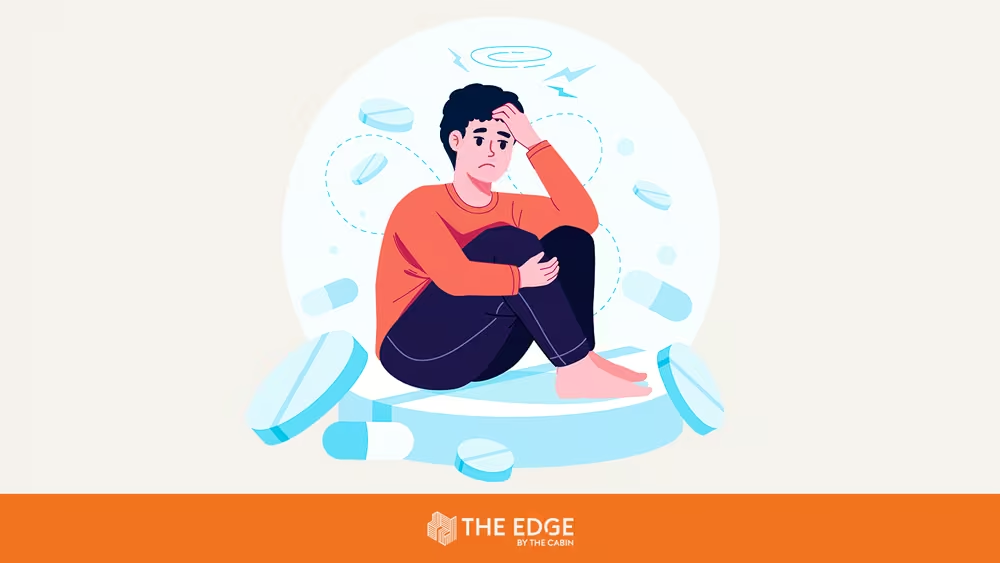
The symptoms of antidepressant withdrawal are listed below.
- Physical Symptoms: Physical symptoms include dizziness, headaches, nausea, fatigue, tremors, and flu-like discomfort following discontinuation. The symptoms reflect the body’s direct physiological adjustment.
- Emotional Symptoms: Emotional symptoms include anxiety, irritability, mood swings, agitation, and crying spells during the adjustment period. The symptoms affect daily emotional stability.
- Cognitive Symptoms: Cognitive symptoms include concentration problems, confusion, memory difficulties, and derealization tied to neurochemical shifts. The symptoms interfere with work and relationships during recovery.
What Physical Symptoms occur During Antidepressant Withdrawal?
The physical symptoms that occur during antidepressant withdrawal are listed below.
- Dizziness: Dizziness frequently occurs as the nervous system adjusts to reduced serotonin regulation following discontinuation. The symptom appears within the first few days.
- Headaches: Headaches commonly develop during the early withdrawal period as neurochemical activity shifts. The symptom typically eases within one to two weeks.
- Nausea: Nausea often accompanies the body’s broader adjustment process during withdrawal. The symptom tends to resolve as the body stabilizes over time.
- Fatigue: Fatigue develops as the nervous system readjusts to functioning without the medication’s prior support. Energy levels often improve gradually as recovery progresses.
- Tremors: Tremors may appear in some individuals as part of the nervous system’s readjustment process. The symptom generally decreases as the neurochemical balance restores.
- Flu-Like Symptoms: Flu-like symptoms, including body aches and chills, frequently accompany withdrawal, particularly with abrupt discontinuation. Severity depends on prior dosage and medication half-life.
What Emotional Symptoms occur During Antidepressant Withdrawal?
The emotional symptoms that occur during antidepressant withdrawal are listed below.
- Anxiety: Anxiety increases as neurochemical balance shifts during the withdrawal period. The symptom can interfere with daily functioning and sleep.
- Irritability: Irritability develops as emotional regulation becomes more difficult during the adjustment process. Minor frustrations may trigger stronger reactions than usual.
- Mood Swings: Mood swings reflect the broader instability in brain chemistry during withdrawal. Emotional unpredictability often eases as the body stabilizes.
- Agitation: Agitation may accompany other emotional symptoms, creating a restless or unsettled feeling. The symptom often intensifies with abrupt discontinuation.
- Crying Spells: Crying spells can occur unexpectedly as emotional regulation adjusts during the withdrawal period. The episodes typically decrease as symptoms resolve over time.
What Cognitive Symptoms occur During Antidepressant Withdrawal?
The cognitive symptoms that occur during antidepressant withdrawal are listed below.
- Concentration Problems: Concentration problems often develop as the brain adjusts to declining medication levels. The symptom can affect work performance and daily tasks.
- Confusion: Confusion may occur during the adjustment period as neurochemical activity stabilizes. The symptom typically improves as withdrawal progresses.
- Memory Difficulties: Memory difficulties can accompany other cognitive symptoms during the withdrawal timeline. The difficulties resolve as brain chemistry returns to baseline.
- Derealization: Derealization is a sense of detachment from surroundings, which may occur in some individuals during withdrawal. The symptom causes significant distress despite typically being temporary.
Can Antidepressant Withdrawal Cause Brain Zaps?
Yes, antidepressant withdrawal can cause brain zaps. Brain zaps often feel like brief electrical shocks or jolts, particularly in the head. Brain zaps commonly occur with medications that have a shorter half-life due to more rapid changes in serotonin levels. The exact mechanism remains under study, though it appears connected to disrupted serotonin signaling during the adjustment period. Frequency and intensity decrease as the withdrawal process continues and the brain stabilizes. Gradual tapering may reduce the chance of experiencing this particular symptom compared with abrupt discontinuation.
Medication Withdrawal Is Only One Part of the Journey
If anxiety, depression, trauma, or addictive behaviours are affecting your life, therapy can help you understand the underlying patterns and develop healthier ways to cope.
How Long does Antidepressant Withdrawal Last?
Antidepressant withdrawal typically lasts between 1 week and 3 months, depending on medication type and individual factors. Short-term withdrawal resolves within 7 to 14 days for individuals using medications with a longer half-life. Prolonged withdrawal, sometimes extending beyond 3 months, can occur with medications that have a shorter half-life or following abrupt discontinuation. Tapering speed and prior dosage significantly influence how quickly symptoms resolve, with slower tapers reducing overall duration by 1 to 2 weeks. Individual biology, including metabolism and overall health, shapes the pace of recovery. Medical supervision throughout this timeline helps manage symptoms and reduces the chance of a prolonged or severe course.
Which Factors Affect Recovery Time from Antidepressant Withdrawal?
The factors affecting recovery time from antidepressant withdrawal are listed below.
- Medication Type: Medication type significantly affects recovery time, since different antidepressants carry varying withdrawal risks based on their chemical properties. Some medications produce shorter, milder withdrawal courses than others.
- Treatment Duration: Treatment duration plays a role, as longer periods of use often correlate with a more extended recovery timeline. Years of consistent use frequently require additional time for full readjustment.
- Dosage: Dosage prior to discontinuation influences symptom severity and recovery length. Higher doses typically require a longer period for the brain to stabilize.
- Tapering Speed: Tapering speed directly affects recovery time, with slower, gradual reductions generally producing a smoother and shorter withdrawal course. Abrupt discontinuation often extends and intensifies the overall timeline.
- Individual Biology: Individual biology, including metabolism and genetic factors, shapes how quickly each person processes and adjusts to medication changes. The variability explains why recovery experiences differ significantly between individuals.
Can Antidepressant Withdrawal last for Several Months?
Yes, antidepressant withdrawal can last for several months. Medications with a shorter half-life or a history of long-term, high-dose use correlate with an extended recovery timeline. Abrupt discontinuation without medical supervision frequently increases the chance of prolonged symptoms. Emotional and cognitive symptoms sometimes persist longer than physical symptoms during an extended withdrawal course. Individual biology and prior treatment history both influence whether symptoms extend beyond the typical several-week window. Medical guidance throughout an extended withdrawal period helps manage symptoms and supports steady progress toward full recovery.
Which Antidepressants are most Likely to Cause Withdrawal Symptoms?
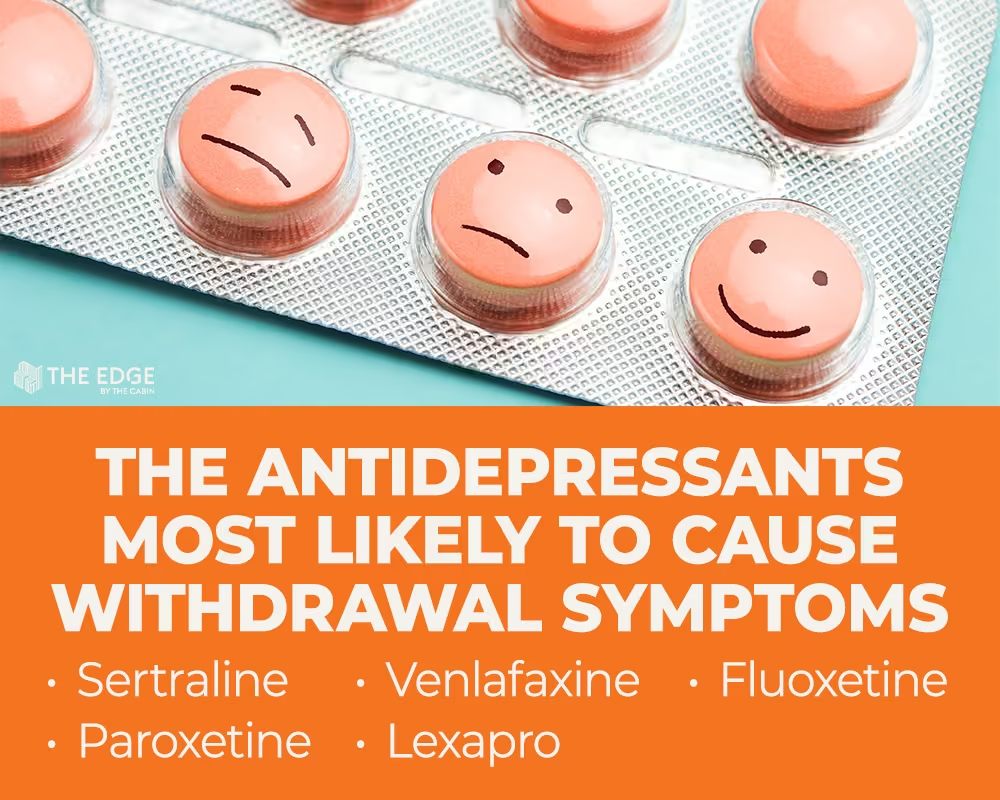
The antidepressants most likely to cause withdrawal symptoms are listed below.
- Sertraline: Sertraline carries a moderate withdrawal risk, with symptoms varying based on prior dosage and treatment duration. Its relatively short half-life can contribute to noticeable symptoms upon discontinuation.
- Paroxetine: Paroxetine carries one of the highest withdrawal risks among common antidepressants due to its short half-life. Symptoms often appear more quickly and with greater intensity following discontinuation.
- Venlafaxine: Venlafaxine frequently produces pronounced withdrawal symptoms because of its short half-life and dual mechanism of action. Gradual tapering often becomes especially important with this medication.
- Lexapro: Lexapro carries a moderate withdrawal risk, with emotional symptoms sometimes more prominent than physical ones. Its half-life falls within a middle range compared with other common antidepressants.
- Fluoxetine: Fluoxetine generally carries a lower withdrawal risk because of its notably long half-life. Medication levels decline more gradually, often producing a smoother discontinuation experience.
What Withdrawal Symptoms can occur after Stopping Sertraline?
Withdrawal symptoms that can occur after stopping sertraline include dizziness, nausea, irritability, and flu-like discomfort. Symptoms typically emerge within a few days of reducing or stopping the medication due to its relatively short half-life. Emotional symptoms such as anxiety and mood swings may also accompany the physical discomfort during this period. Symptom severity often increases with higher prior doses or longer treatment duration before discontinuation. Most symptoms associated with sertraline withdrawal resolve within one to three weeks with appropriate tapering. Gradual dose reduction under medical guidance often minimizes the intensity of these symptoms.
What Withdrawal Symptoms can occur after Stopping Lexapro?
Withdrawal symptoms that can occur after stopping Lexapro include dizziness, irritability, mood swings, and difficulty concentrating. Emotional symptoms appear more prominent with this medication compared with some other antidepressants. Anxiety and agitation may intensify during the first one to two weeks following discontinuation. Physical symptoms such as headaches and fatigue can accompany these emotional changes during the adjustment period. Recovery expectations generally include gradual symptom improvement over two to four weeks with proper tapering. Medical supervision during discontinuation helps manage both emotional and physical symptoms effectively.
What Withdrawal Symptoms can occur after Stopping Fluoxetine?
Withdrawal symptoms that can occur after stopping fluoxetine generally present with a lower risk because of the medication’s long half-life. The gradual natural decline in medication levels reduces the intensity of symptoms compared with shorter half-life alternatives. Mild symptoms such as irritability, fatigue, or difficulty concentrating can occur in some individuals. Emotional symptoms tend to appear more gradually rather than suddenly due to the slower decline in medication levels. Physical symptoms, including dizziness or nausea, remain possible but generally occur less frequently than with other antidepressants. Medical guidance remains valuable even with lower-risk medications to ensure a smooth discontinuation process.
Do Withdrawal Risks Differ Between Antidepressant Medications?
Yes, withdrawal risks differ significantly between antidepressant medications. Half-life plays a central role, with shorter half-life medications generally producing more abrupt and intense withdrawal symptoms. Dosage prior to discontinuation influences risk, regardless of which specific medication was used. Medications such as paroxetine and venlafaxine typically carry a higher withdrawal risk compared with fluoxetine’s notably lower risk profile. Individual biology and treatment duration further shape how these risks manifest for each person. Medical guidance helps determine the safest tapering approach based on the specific medication involved.
Self-medication can lead to dependence
At The Edge, we recognise the challenges Antidepressant misuse brings to young men and their families. Our specialised treatment programme is designed to support those battling addiction and help them reclaim their lives.
What Therapy Options are available for Antidepressant Withdrawal?

The therapy options available for antidepressant withdrawal are listed below.
- Cognitive Behavioral Therapy: Cognitive Behavioral Therapy helps manage anxiety and negative thought patterns connected to withdrawal symptoms. Structured sessions build coping skills for navigating this transition.
- Mindfulness-Based Therapy: Mindfulness-based therapy helps reduce stress and improve emotional regulation during the withdrawal process. Meditation-based techniques often increase tolerance of uncomfortable symptoms.
- Support Groups: Support groups connect individuals with others experiencing similar withdrawal challenges. Shared experience often reduces feelings of isolation during recovery.
How can Cognitive Behavioral Therapy help during Antidepressant Withdrawal?
Cognitive Behavioral Therapy helps during antidepressant withdrawal by addressing anxiety, negative thought patterns, and fear connected to withdrawal symptoms. Structured sessions identify unhelpful thoughts that may intensify the perceived severity of physical or emotional symptoms. Coping skills developed through this approach provide healthier ways to manage discomfort during the discontinuation process. Fear of symptoms, including anticipatory anxiety, often decreases as individuals learn to reframe these experiences. Relapse prevention planning, a core component of the therapy, supports long-term emotional stability after withdrawal resolves. Consistent application of these skills through Cognitive Behavioral Therapy improves overall coping throughout the withdrawal period.
How can Mindfulness-Based Therapy Support Recovery from Antidepressant Withdrawal?
Mindfulness-based therapy supports recovery from antidepressant withdrawal by reducing stress and improving emotional regulation during the adjustment period. Present-moment awareness techniques help individuals observe uncomfortable symptoms without immediately reacting to them. Increased tolerance of physical and emotional discomfort develops through consistent mindfulness practice. Meditation-based approaches frequently accompany structured mindfulness-based cognitive therapy sessions during recovery. Breathing exercises and body awareness techniques help ease tension associated with withdrawal symptoms. Regular practice strengthens long-term emotional resilience through structured Mindfulness-Based Therapy well beyond the initial withdrawal period.
Can Support Groups help People Cope with Antidepressant Withdrawal?
Yes, support groups can help people cope with antidepressant withdrawal. Shared experience among group members reduces feelings of isolation during a difficult and sometimes confusing process. Peer support provides reassurance that symptoms are a recognized part of discontinuation rather than a personal failure. Group settings allow individuals to exchange practical coping strategies for managing specific symptoms. Consistent participation can strengthen motivation to continue tapering safely under medical guidance. These groups frequently complement individual therapy and medical support offered through structured support groups throughout the withdrawal process.
You Deserve Support Beyond Medication
Whether you are dealing with difficult emotions, unhealthy coping behaviours, or addiction alongside mental-health challenges, professional therapy can provide a path forward.
How can Antidepressant Withdrawal be Distinguished from Depression Relapse?
Antidepressant withdrawal can be distinguished from depression relapse through differences in onset timing, symptom type, and duration. Withdrawal symptoms typically emerge quickly after dose reduction, while relapse symptoms tend to develop more gradually over time. Physical symptoms such as dizziness or flu-like discomfort commonly accompany withdrawal but rarely appear with relapse alone. Duration also differs, since withdrawal symptoms generally resolve within weeks while relapse symptoms often persist without treatment. Symptom presentation offers another distinction, as withdrawal frequently includes sensory disturbances absent from typical patterns of depression relapse.
The key differences between antidepressant withdrawal and depression relapse are shown in the table below.
|
Feature |
Antidepressant Withdrawal |
Depression Relapse |
|
Onset |
Within days of dose reduction |
Gradually, over weeks |
|
Duration |
Days to a few months |
Persistent without treatment |
|
Physical Symptoms |
Common, including dizziness and flu-like discomfort |
Uncommon |
|
Sensory Disturbances |
Possible, including brain zaps |
Rare |
|
Resolution |
Improves with stabilization or reintroduction |
Requires renewed treatment |
What Signs Suggest Depression Relapse Instead of Withdrawal?

The signs that suggest depression relapse instead of withdrawal are listed below.
- Gradual Symptom Onset: Gradual symptom onset over several weeks suggests relapse rather than the rapid emergence typical of withdrawal. The pattern develops well after medication discontinuation.
- Persistent Low Mood: Persistent low mood lasting beyond the typical withdrawal timeline often indicates depression returning rather than resolving. The symptom frequently continues without improvement.
- Absence of Physical Symptoms: Absence of physical symptoms such as dizziness or flu-like discomfort, points more toward relapse than withdrawal. Withdrawal typically includes these physical indicators, while relapse does not.
- Return of Original Depressive Symptoms: Return of original depressive symptoms, including hopelessness or loss of interest, suggests the underlying condition has resurfaced. The pattern often mirrors symptoms experienced prior to treatment.
- Lack of Improvement Over Time: Lack of improvement over time distinguishes relapse from withdrawal, since withdrawal symptoms typically ease as the timeline progresses. Persistent or worsening symptoms often indicate a need for renewed treatment.
When Should Medical Help be Sought for Antidepressant Withdrawal?
Medical help should be sought for antidepressant withdrawal when symptoms escalate beyond typical physical or emotional discomfort. Escalating symptoms, including worsening dizziness, mood changes, or physical discomfort that does not improve over time, often signal a need for professional evaluation. Withdrawal symptoms that significantly interfere with work, relationships, or basic daily functioning warrant prompt medical attention. Any indication of suicidal thoughts or self-harm intent constitutes an immediate medical emergency, regardless of withdrawal stage. Symptoms that persist well beyond the expected timeline without improvement often indicate a need for reassessment of the tapering approach. Professional guidance before making further changes to dosage or tapering schedule helps ensure safety throughout the discontinuation process.
What Symptoms Require Immediate Medical Attention During Antidepressant Withdrawal?
The symptoms that require immediate medical attention during antidepressant withdrawal are listed below.
- Suicidal Thoughts: Suicidal thoughts constitute a medical emergency requiring immediate intervention regardless of withdrawal stage. This symptom represents the most urgent concern during discontinuation.
- Severe Mood Changes: Severe mood changes, including intense agitation or emotional instability, may signal a need for prompt medical evaluation. These changes often exceed the typical range associated with standard withdrawal.
- Inability to Function: Inability to function in daily responsibilities, including work or personal care, warrants urgent professional attention. This level of impairment often indicates symptoms have become medically significant.
- Persistent Symptoms: Persistent symptoms that continue well beyond the expected withdrawal timeline may require reassessment of the tapering approach. Ongoing discomfort without improvement often signals a need for medical guidance.
The Edge Treat the Trigger, Not Just the Symptoms
At The Edge Rehab, we combine targeted