
The ten types of rehabilitation include physical rehabilitation, occupational rehabilitation, speech and language rehabilitation, cognitive rehabilitation, neurological rehabilitation, cardiac rehabilitation, pulmonary rehabilitation, substance abuse rehabilitation, vocational rehabilitation, and pediatric rehabilitation.
Rehabilitation is a structured care process that helps people improve function, independence, and quality of life after health, injury, mental health, or addiction-related limitations. Each rehabilitation type supports different recovery needs, such as movement, communication, thinking ability, heart health, lung function, work readiness, or substance use recovery. The main advantages of rehabilitation include structured care, medical support, skill development, stronger independence, peer support, and aftercare planning. Rehabilitation is used in hospitals, clinics, residential programs, outpatient centers, schools, workplaces, community services, and home care to match support with each person’s recovery needs.
1. Physical Rehabilitation
Physical rehabilitation is a treatment process that helps restore movement, strength, balance, coordination, and physical function. It supports recovery after injury, surgery, stroke, chronic pain, illness, or physical decline. Physical rehabilitation includes physical therapy, exercise therapy, mobility training, stretching, strengthening, assistive device training, and pain support. Physical rehabilitation is chosen when a person needs help walking, moving safely, reducing pain, rebuilding strength, or completing daily tasks. It improves independence by helping the body perform important activities with better control and less strain. It reduces fall risk when balance, coordination, and safe movement are part of the care plan. Walking distance, stair use, transfers, and self-care are practical goals used to measure treatment progress in physical rehabilitation.
2. Occupational Rehabilitation
Occupational rehabilitation is a treatment process that helps people return to daily activities, work tasks, home routines, and meaningful roles. It focuses on the skills needed for self-care, household tasks, school, employment, social participation, and safe independence. Occupational rehabilitation may include activity training, adaptive equipment, hand therapy, energy conservation, task modification, and home safety planning. Occupational rehabilitation is chosen when a health condition affects dressing, bathing, cooking, writing, driving, working, or managing daily routines. It may improve independence by teaching safer and easier ways to complete essential tasks. It can support return to work by improving task tolerance, planning skills, and work readiness. Occupational rehabilitation may also reduce frustration because treatment connects directly with real-life needs.
3. Speech and Language Rehabilitation
Speech and language rehabilitation is a therapy process that helps improve communication, speech, voice, language, swallowing, and cognitive communication skills. It may support people after a stroke, brain injury, neurological disease, developmental conditions, surgery, or illness. Speech and language rehabilitation may include speech practice, language exercises, swallowing therapy, memory strategies, voice training, and communication aids. Speech and language rehabilitation is chosen when speaking, understanding, reading, writing, swallowing, or social communication becomes difficult. It may improve safety when swallowing problems increase the risk of choking or aspiration. It can improve social participation by helping a person communicate needs, feelings, and ideas more clearly. Speech and language rehabilitation may also support confidence during family, school, work, and community interactions.
4. Cognitive Rehabilitation
Cognitive rehabilitation is a treatment process that helps improve thinking skills affected by injury, illness, addiction, neurological disease, or mental health symptoms. It may target memory, attention, planning, problem solving, decision making, learning, and organization. Cognitive rehabilitation may include memory aids, attention training, structured routines, problem-solving exercises, task practice, and compensatory strategies. Cognitive rehabilitation is chosen when thinking changes affect school, work, safety, medication routines, communication, or daily independence. It may help people manage real-life tasks through reminders, calendars, planning tools, and step-by-step routines. It can support recovery after brain injury, stroke, substance use-related cognitive changes, or neurological conditions. Stronger strategies can improve daily function when practiced during cognitive rehabilitation.
Start Your Journey to Wellness
Making the decision to enter rehab can feel intimidating, but understanding the path ahead can replace anxiety with hope. Let us provide the structure and support you need to reclaim your timeline.
5. Neurological Rehabilitation
Neurological rehabilitation is a treatment process that helps people manage functional changes caused by brain, spinal cord, nerve, or neurological conditions. It may support recovery after stroke, traumatic brain injury, spinal cord injury, multiple sclerosis, Parkinson’s disease, neuropathy, or other nervous system disorders. Neurological rehabilitation may include physical therapy, occupational therapy, speech therapy, cognitive therapy, balance training, mobility work, and assistive technology. Neurological rehabilitation is chosen when a condition affects movement, coordination, speech, swallowing, cognition, sensation, or independence. It may help reduce complications through fall prevention, mobility support, muscle management, and daily skill training. It can improve participation in family life, work, school, and community roles.
Function, mobility, and daily independence receive support for safer long-term adaptation through neurological rehabilitation.
6. Cardiac Rehabilitation
Cardiac rehabilitation is a supervised program that supports recovery and heart health after a heart-related condition or procedure. It may help people after a heart attack, heart surgery, heart failure, angioplasty, stent placement, or other cardiovascular events. Cardiac rehabilitation may include monitored exercise, education, nutrition guidance, medication support, stress management, smoking cessation support, and risk factor control. Cardiac rehabilitation is chosen when a person needs safer exercise progression and heart health education after a cardiac event. It may improve stamina, confidence, blood pressure control, and activity tolerance. It can support long-term health by helping people manage heart disease risk factors. Clinical guidance supports safer activity and recovery during cardiac rehabilitation.
7. Pulmonary Rehabilitation
Pulmonary rehabilitation is a structured program that helps people manage lung disease, breathing limitations, and reduced activity tolerance. It may support people with COPD, asthma, pulmonary fibrosis, long COVID effects, or other chronic breathing conditions. Pulmonary rehabilitation may include breathing exercises, supervised activity, oxygen education, pacing strategies, nutrition guidance, and symptom management. Pulmonary rehabilitation is chosen when shortness of breath limits walking, daily activities, sleep, work, or social participation. It may improve endurance by helping the person use energy more efficiently. It can reduce fear around breathlessness by teaching breathing control and pacing. Education, activity planning, and self-management skills may support long-term lung health through pulmonary rehabilitation.
8. Substance Abuse Rehabilitation
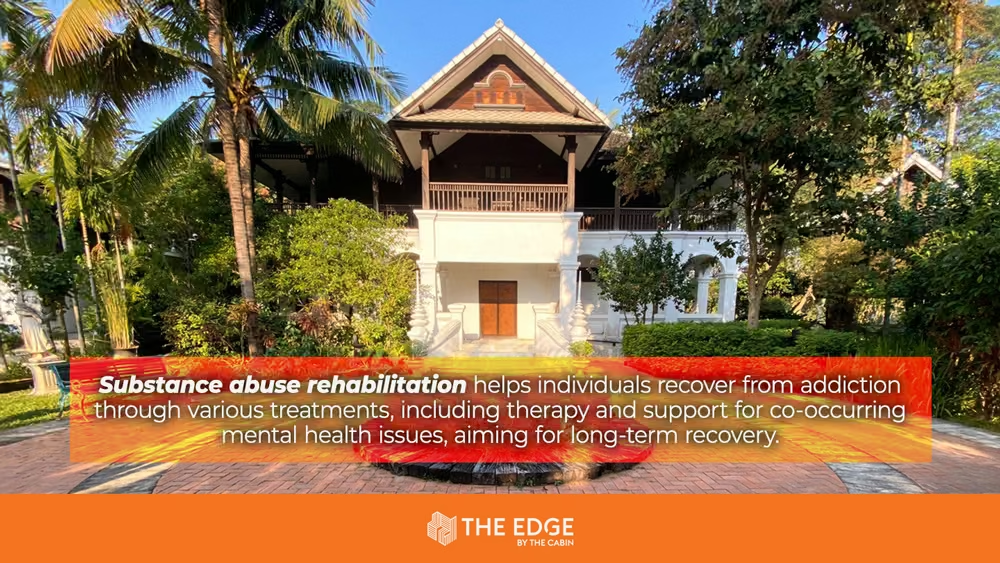
Substance abuse rehabilitation is a structured treatment process that helps people recover from alcohol or drug misuse, dependence, or addiction. It may include medical assessment, detox support, individual therapy, group therapy, relapse prevention, medication support, family care, and aftercare planning. Substance abuse rehabilitation may occur in inpatient, residential, outpatient, intensive outpatient, or partial hospitalization settings. Substance abuse rehabilitation is chosen when substance use becomes difficult to control or causes health, relationship, legal, school, work, or emotional problems. It may help clients identify triggers, manage cravings, build coping skills, and repair routines. It can support long-term recovery by connecting therapy, accountability, peer support, and aftercare. Substance abuse rehabilitation may also address co-occurring mental health concerns that influence relapse risk.
Treating Addiction Means Treating the Whole Person
Every addiction is different, and so is every recovery. The Edge addresses the physical, emotional, and psychological factors behind addiction for sustainable recovery.
9. Vocational Rehabilitation
Vocational rehabilitation is a service process that helps people prepare for, enter, return to, or maintain employment after health-related barriers. It may support people with physical disabilities, mental health conditions, addiction recovery needs, chronic illness, injury, or cognitive challenges. Vocational rehabilitation may include job readiness training, career counseling, workplace accommodations, skill development, assistive technology, and employer coordination. Vocational rehabilitation is chosen when a health condition affects job performance, work confidence, attendance, safety, or career planning. It may improve independence by helping a person build employment skills and workplace stability. It can support financial stability, confidence, routine, and community participation. Recovery goals can connect with meaningful work roles through vocational rehabilitation.
10. Pediatric Rehabilitation
Pediatric rehabilitation is a specialized care process that supports infants, children, and adolescents with developmental, physical, cognitive, speech, behavioral, or medical needs. It may help children after injury, surgery, neurological conditions, developmental delays, congenital conditions, chronic illness, or feeding and communication difficulties. Pediatric rehabilitation may include physical therapy, occupational therapy, speech therapy, behavioral support, family education, and school coordination. Pediatric rehabilitation is chosen when a child needs support with movement, play, learning, communication, feeding, self-care, or social participation. It may improve development by supporting age-appropriate skills and family routines. It can help caregivers understand exercises, adaptations, safety needs, and daily support strategies. Pediatric rehabilitation may also support school participation and long-term independence as the child grows.
What is Rehabilitation?

Rehabilitation is a structured process that supports recovery, functioning, independence, and well-being after health-related limitations. It helps people regain abilities affected by illness, injury, disability, addiction, mental health symptoms, surgery, or chronic conditions. Rehabilitation addresses physical and behavioral needs through therapy, education, medical support, skill practice, and recovery planning. It supports long-term recovery because progress often requires repeated practice and ongoing adjustment. Functional abilities may improve when treatment targets movement, communication, thinking skills, self-care, emotional regulation, or relapse prevention. Quality of life can increase when a person becomes more independent and more active in daily roles. The process may take place in hospitals, clinics, residential programs, outpatient centers, schools, workplaces, and home settings. The rehabilitation definition centers on restoring function rather than only treating symptoms.
Why is Rehabilitation Important?
Rehabilitation is important because it supports recovery, independence, and daily function after health-related challenges. Rehabilitation helps people manage physical, emotional, behavioral, communication, cognitive, or social limitations. Skills and abilities can improve through targeted therapy, education, repetition, and progress review. Recovery goals become more achievable when treatment is structured around the person’s condition, strengths, and daily needs. Long-term outcomes may improve when rehabilitation reduces complications, supports healthy routines, and prevents functional decline. Daily functioning can increase when therapy improves mobility, self-care, communication, work readiness, or relapse prevention. Rehabilitation can help people adapt when full recovery is not possible. The process gives patients and care teams a clear path for improving quality of life.
What does Rehab Mean for Recovery?
Rehab means structured support that helps a person rebuild function, health, stability, and daily living skills during recovery. Rehab may include medical care, therapy, education, peer support, relapse prevention, and aftercare planning. Recovery is actively supported because rehab provides goals, routines, professional guidance, and progress tracking. Treatment addresses underlying issues such as pain, trauma, mental health symptoms, substance use patterns, mobility limits, or communication problems. Stability may improve when rehab helps a person build coping skills, healthier habits, and safer routines. Relapse risk may decrease when triggers are identified and relapse prevention plans are practiced. Rehab can help families understand the recovery process and provide better support. The meaning of rehab depends on the condition being treated, but the goal remains improved function and long-term stability.
Is Rehabilitation Only for People With Addiction?
No, rehabilitation is not only for people with addiction. Rehabilitation is used for many health needs, including injury recovery, stroke recovery, surgery recovery, chronic illness, disability, mental health concerns, speech problems, cognitive changes, heart disease, lung disease, and pediatric development. Addiction treatment is one type of rehabilitation, but it does not define the entire field. Physical rehabilitation may focus on movement, pain, strength, and safe activity. Mental health rehabilitation may focus on coping skills, emotional regulation, medication routines, and social participation. Medical rehabilitation may help people return to daily activities after illness or hospital care. Rehabilitation can support people who need work readiness, school support, or home safety planning. The broad purpose is to improve function, independence, and quality of life.
What are the Benefits of Different Rehabilitation Options?
The benefits of different rehabilitation options are listed below.
- Medical Support: Medical support manages health needs, symptoms, medications, safety risks, and recovery complications. Medical support may help people with complex conditions receive care from trained professionals.
- Structured Care: Structured care provides organized treatment through schedules, goals, therapy sessions, and regular progress reviews. Structured care may help people stay consistent during recovery.
- Skill Development: Skill development builds coping strategies, mobility skills, communication ability, work readiness, daily living habits, and relapse prevention tools. Skill development helps people practice real-life tasks.
- Peer Support: Peer support encourages recovery through shared experience, accountability, and social connection. Peer support may reduce isolation and improve motivation.
- Aftercare Planning: Aftercare planning supports long-term progress after the main treatment phase ends. Aftercare planning may include follow-up care, therapy, support groups, home exercises, or relapse prevention plans.
Which Type of Rehabilitation Offers the Most Support?
Inpatient rehabilitation offers the most support because it provides overnight care, daily structure, medical monitoring, and access to multiple professionals. More intensive programs generally provide greater supervision, structure, and access to doctors, nurses, therapists, counselors, and support staff. Inpatient rehabilitation may offer the strongest support when a person needs overnight care, daily therapy, medical monitoring, or a highly structured environment. Residential substance abuse rehabilitation may offer strong support for clients who need separation from triggers and focused recovery care. Support levels vary by program because outpatient care, intensive outpatient care, partial hospitalization, and inpatient care provide different time commitments. Treatment is often personalized through assessment, goal setting, and progress review. Appropriate care improves outcomes when the level of support matches the person’s actual needs. Individual assessment is important because too little support may increase risk, and too much support may limit independence.
Does a Longer Rehab Program Always Lead to Better Results?
No, a longer rehab program does not always lead to better results. The treatment success depends on the quality of care, patient needs, condition severity, engagement, support system, aftercare, and realistic goals, while it is generally considered that appropriate treatment for a longer period of time leads to better results. A longer program may help when a person needs more time to stabilize, practice skills, manage symptoms, or prevent relapse. A shorter program may work well when the condition is mild, the support system is strong, and goals are clear. Length alone does not guarantee progress because the treatment must match the person’s needs. Progress also depends on consistent attendance, active participation, and follow-up care. Longer care may become useful when recovery barriers remain active. Clinical assessment helps determine whether a longer or shorter program is appropriate.
THE EDGE CRETE YOUR SUPERIOR CHOICE FOR RESIDENTIAL REHAB
Discover a dynamic, adventure-based treatment program engineered specifically to help young men defeat addiction and mental health issues.
How Long does Rehabilitation Usually Take?
Rehabilitation usually takes 2 to 12 weeks for many short-term recovery plans, while complex conditions may require several months or longer. The timeline varies because recovery needs differ by diagnosis, severity, age, health status, motivation, support, and treatment setting. Some physical rehabilitation plans may last a few weeks after a minor injury or surgery. Neurological, addiction, cardiac, pulmonary, cognitive, or mental health rehabilitation may require longer care. Progress occurs at different rates because healing, skill learning, symptom control, and behavior change do not follow one fixed schedule. Treatment duration is individualized through assessment, progress review, and goal adjustment. Ongoing support may be needed after the main program ends. Rehabilitation works best when the duration matches the person’s needs rather than a set timeline.
What Happens During the First Days of Rehab?
The first days of rehab focus on assessment, orientation, safety planning, and treatment planning. Health and recovery needs are evaluated through medical history, current symptoms, functional limits, substance use history when relevant, mental health review, and daily life goals. Goals are established so the treatment team and patient understand the main recovery priorities. Support services are introduced, including therapy schedules, group sessions, medical care, medication review, family contact, or discharge planning. Early planning guides treatment because providers need to identify risks, strengths, barriers, and needed resources. A recovery foundation is created through routines, education, expectations, and initial skill practice. The first days may feel structured because staff gather information and explain the care plan. Adjustments may occur as the team learns more about the person’s needs.
Can Rehab Help Prevent Relapse?
Yes, rehab can help prevent relapse. Rehab teaches coping and recovery skills that help people manage triggers, cravings, stress, and high-risk situations. Triggers are identified through therapy, group work, self-reflection, and review of past relapse patterns. Relapse prevention strategies are developed through coping plans, support contacts, routine building, refusal skills, and emergency steps. Recovery becomes more stable when the person learns how to respond before urges become actions. Long-term success may improve when rehab includes aftercare, support groups, therapy, and family education. Relapse prevention also applies to mental health symptoms, chronic conditions, pain management, and substance use recovery. Continued practice after rehab helps maintain progress.
What Therapies are Used in Rehabilitation?
The therapies used in rehabilitation are listed below.
- Cognitive Behavioral Therapy: Cognitive Behavioral Therapy changes harmful thinking patterns and behaviors that affect recovery. It may help with addiction, depression, anxiety, pain coping, and relapse prevention.
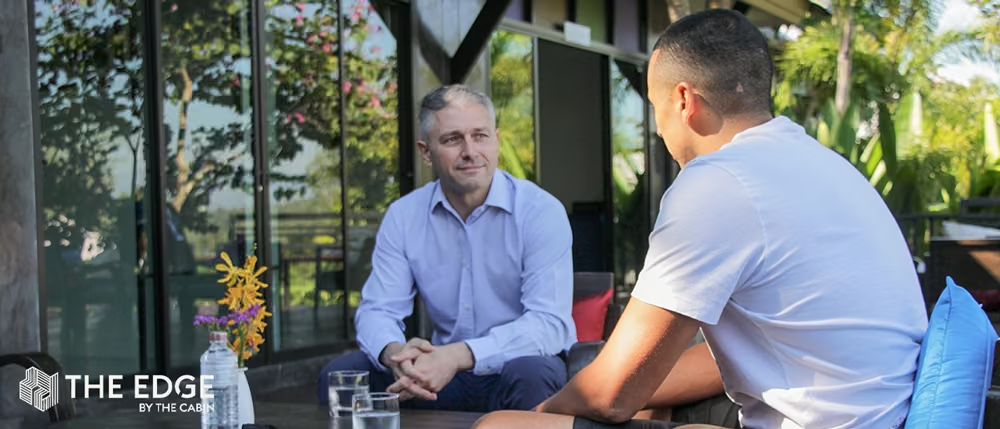
- Group Therapy: Group therapy provides peer support, shared learning, accountability, and guided discussion. It may help people build social connections and practice recovery skills.
- Individual Counseling: Individual counseling addresses personal challenges, emotional distress, trauma, relapse risk, grief, motivation, or treatment barriers. Private sessions help tailor care to the person’s needs.
- Family Therapy: Family therapy improves family relationships, communication, boundaries, and support roles. It may help families understand recovery and reduce conflict.
- Skill Training: Skill training develops recovery skills, daily living skills, coping strategies, communication, problem-solving, and self-management. Skill training helps people apply treatment in real-life settings. Rehabilitation therapy may also include condition-specific counseling support, including therapy for young men with depression.
What is Cognitive Behavioral Therapy in Rehab?
Cognitive Behavioral Therapy in rehab is a structured counseling approach that helps change harmful thoughts and behaviors. It is used in rehabilitation to help people identify patterns that affect recovery, relapse risk, mood, pain, or daily functioning. Thinking patterns are examined so the person can understand how beliefs, triggers, and habits influence choices. Healthier responses are developed through coping skills, problem-solving, thought reframing, and behavior practice. Coping skills may improve when clients learn how to manage cravings, stress, fear, anger, shame, or avoidance. Recovery can be strengthened because CBT connects thoughts, emotions, actions, and consequences. CBT may be used in addiction rehab, mental health rehab, pain rehabilitation, and chronic condition support. A therapist may adjust CBT goals based on the person’s condition and treatment stage.
Does Group Therapy Improve Recovery Outcomes?
Yes, group therapy can improve recovery outcomes for many people. It provides shared support, accountability, education, and guided discussion within a structured setting. Participants learn from others by hearing coping strategies, relapse prevention ideas, communication skills, and recovery experiences. Social connection is encouraged, which may reduce isolation and shame. Motivation may increase when group members see progress in others and receive encouragement. Recovery skills can improve through feedback, role practice, and repeated discussion. Group therapy may support addiction recovery, mental health rehabilitation, chronic illness coping, and family adjustment. Outcomes vary because group fit, participation, facilitator skill, and individual needs affect progress.
Unsure which treatment is right for you or someone you love?
Addiction affects families as well as individuals. Speak with The Edge’s team to explore personalised recovery options.
What is the Difference Between Detox and Rehabilitation?
Detox differs from rehabilitation because detox removes substances from the body, while rehabilitation addresses behavioral, emotional, medical, and recovery needs. Detox focuses on stabilization during withdrawal and may include medical monitoring, medication support, hydration, and safety planning. Rehabilitation focuses on long-term recovery through therapy, relapse prevention, education, skill development, support groups, and aftercare. Detox may be necessary when withdrawal risks are present, but it does not resolve the full pattern of addiction. Rehabilitation helps address triggers, cravings, trauma, mental health symptoms, relationships, and daily routines. Both may be important because detox can support physical safety and rehab can support lasting behavior change. Their purposes are different, but they can work together in a full treatment plan. A clinical assessment helps determine whether rehabilitation needs to begin after detoxification (Detox).
Why is Detox Not Enough on Its Own?
Detox is not enough on its own because it addresses physical dependence but does not treat the behavioral causes of substance use. Detox may help the body stabilize after alcohol or drug use stops, but cravings and triggers can remain. Recovery requires additional support because addiction often involves habits, emotional distress, trauma, social pressure, mental health symptoms, and relapse patterns. Relapse risks remain when detox ends without therapy, recovery planning, or aftercare. Rehabilitation helps fill this gap by teaching coping skills, relapse prevention, emotional regulation, and healthier routines. Long-term recovery becomes more achievable when detox is followed by structured treatment. Detox can be an important first step, but it is not a complete recovery plan. Continued care helps connect physical stabilization with lasting change.
Can Rehab Begin Without Medical Detox?
Yes, rehab can begin without medical detox in some cases. The need for detox depends on the substance used, withdrawal risk, medical history, current symptoms, and level of dependence. Assessment determines treatment needs before the program begins. Not all cases require detox because some people do not face dangerous withdrawal symptoms. Care should be individualized because alcohol, benzodiazepine, barbiturate, opioid, and heavy polysubstance use may require medical withdrawal support. Professional evaluation is important to identify safety risks before treatment starts. Rehab may begin directly when the person is medically stable and the withdrawal risk is low. A clinician can decide whether detox, inpatient rehab, outpatient rehab, or another level of care is safest.
How do Doctors Choose the Right Rehabilitation Program?
Doctors choose the right rehabilitation program by following six steps. First, review the person’s diagnosis, symptoms, medical history, safety risks, and current level of function. Second, assess treatment needs, including withdrawal risk, mobility limits, mental health symptoms, pain, communication issues, cognitive changes, or relapse risk. Third, evaluate the person’s recovery goals, home support, transportation, work duties, school needs, and family responsibilities. Fourth, match the level of care to the person’s condition, including inpatient rehab, outpatient rehab, residential care, IOP, PHP, or home care. Fifth, consider past treatment history to understand what helped, what failed, and what barriers remained. Lastly, update care when progress, symptoms, safety needs, or goals change within the rehabilitation program.
What Factors Affect the Choice of Rehab Treatment?
The factors that affect the choice of rehab treatment are listed below.
- Condition Severity: Condition severity determines treatment intensity, supervision needs, and safety planning. More severe conditions may require inpatient or residential care.
- Medical Needs: Medical needs identify health requirements such as medication support, withdrawal monitoring, pain care, mobility safety, or chronic disease management. Medical complexity may affect the setting and care team.
- Recovery Goals: Recovery goals guide treatment planning and therapy selection. Goals may include walking, working, communicating, staying sober, managing mood, or improving self-care.
- Support System: Support system assesses available assistance from family, peers, caregivers, school, work, or community services. Strong support may make outpatient care more manageable.
- Treatment History: Treatment history reviews previous care experiences, progress, setbacks, relapse patterns, and barriers. Past care can guide better program selection.
Can Rehabilitation Plans Change Over Time?
Yes, rehabilitation plans can change over time. Adjustments are made as needs evolve, symptoms improve, barriers appear, or goals shift. Progress is monitored regularly through reassessment, therapy response, functional changes, symptom tracking, and patient feedback. Goals may be updated when a person reaches milestones or needs a different level of support. Flexible care improves effectiveness because treatment can respond to real progress rather than staying fixed. Recovery support remains appropriate when the plan reflects current needs. A person may move from inpatient care to outpatient care or from intensive therapy to aftercare. Plan changes help rehabilitation stay practical, safe, and goal-focused.
It's Never Too Early—or Too Late—to Seek Help
The Edge Rehab provides a safe, structured, and compassionate environment for your recovery. Reach out to our caring team through our Contact Page for a free consultation, and we guarantee a response within 24 hours.