
Types of addiction include substance addictions, behavioral addictions, process addictions, psychological addiction, and physical addiction. Understanding the addiction types helps individuals, families, and treatment professionals identify specific patterns and choose the right intervention early.
Substance addictions involve dependence on alcohol, opioids, nicotine, cocaine, or prescription drugs. Behavioral addictions involve compulsive actions, including gambling, gaming, shopping, or internet use. Process addictions involve repeated activities that create emotional reward, including compulsive eating, exercise addiction, or pornography use. Psychological addiction involves a mental or emotional reliance on a substance or behavior, while physical addiction involves body dependence that causes withdrawal symptoms. Common signs include increased tolerance, cravings, social withdrawal, mood changes, financial problems, and loss of interest in normal activities. Common causes include genetics, trauma, peer pressure, chronic stress, mental health disorders, and changes in brain reward pathways. Treatment includes behavioral therapy, medical support when needed, relapse prevention planning, support groups, and family counseling. Rehabilitation centers help by providing structured care, detox support for substance addiction, therapy for behavioral addiction, and personalized recovery plans for long-term stability.
1. Substance Addictions
Substance addictions involve the physical and mental dependence on various chemicals that alter normal bodily and cognitive functions. The conditions manifest when individuals compulsively consume drugs, alcohol, or other psychoactive materials despite the negative impact on their lives. The brain’s reward system becomes hijacked by these substances, leading to intense cravings and a loss of control over usage. Physical changes in the nervous system often occur, making it difficult for the body to function without the presence of the substance. Recovery typically requires a combination of medical intervention and psychological counseling to address the physical and mental aspects of the disorder. Patients find success through structured rehabilitation programs that offer a safe space for healing and growth. Early intervention significantly improves the chances of a successful long-term recovery for patients struggling with substance addictions.
Alcohol Addiction

Alcohol addiction is a chronic relapsing brain disorder characterized by an impaired ability to stop or control drinking despite adverse social, occupational, or health consequences. Signs of the condition include consuming more alcohol than intended, experiencing withdrawal symptoms like tremors, and spending significant time obtaining or recovering from its effects. The disorder is highly common, affecting millions of adults worldwide and contributing to numerous preventable health conditions. Major causes include genetic predisposition, high stress levels, and early exposure to drinking environments. Symptoms manifest as increased tolerance, frequent blackouts, and neglect of personal responsibilities. Treatment protocols usually involve medically supervised detox followed by cognitive behavioral therapy to change drinking habits. Rehabilitation facilities provide a controlled environment where patients can focus entirely on sobriety while receiving support for the underlying causes of alcohol addiction.
Nicotine/Tobacco Addiction
Nicotine addiction is a dependency on tobacco products or electronic delivery systems that provide a powerful stimulant to the central nervous system. Signs of addiction struggle include unsuccessful attempts to quit, continued use despite lung or heart problems, and irritability when the substance is unavailable. Tobacco use remains one of the most common addictions globally due to the legal availability and high habit-forming nature of the primary chemical. Causes are frequently linked to social influences, marketing, and the rapid release of dopamine in the brain upon inhalation. Symptoms include a persistent cough, decreased physical stamina, and strong cravings during periods of abstinence. Treatments for the condition involve nicotine replacement therapies, prescription medications, and behavioral counseling to break established habits. Rehabilitation facilities help by addressing the behavioral triggers and providing a supportive community for patients overcoming nicotine addiction.
Opioid Addiction
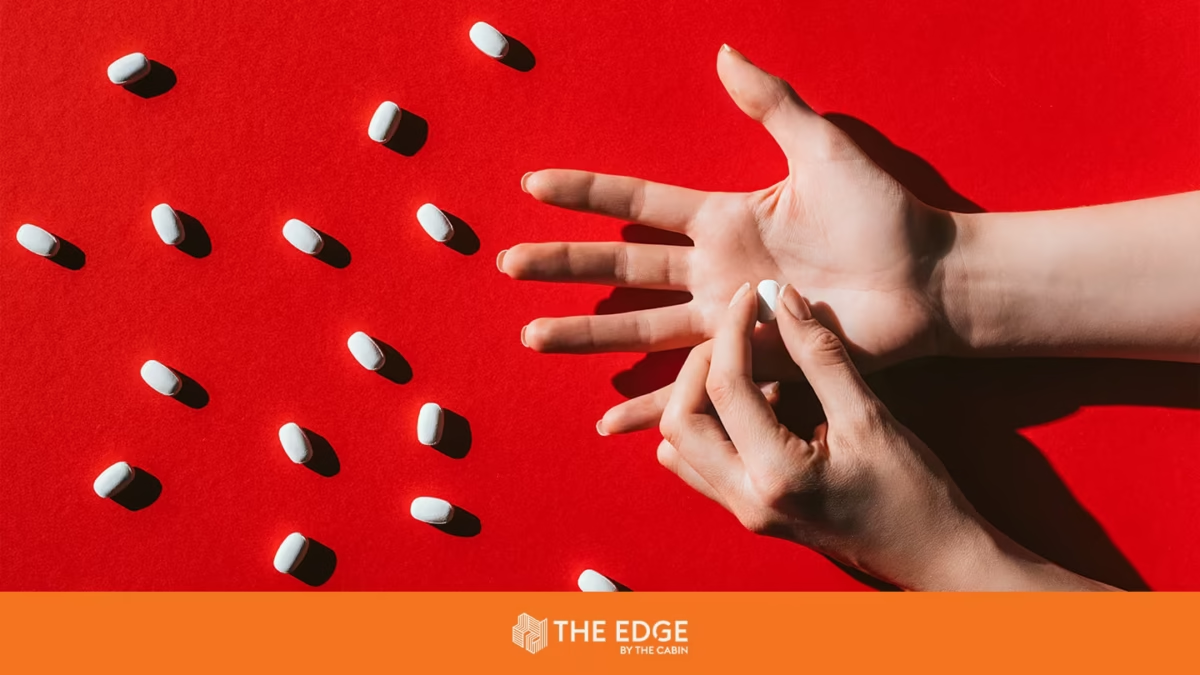
Opioid addiction is a serious medical condition involving the compulsive use of natural or synthetic pain-relieving substances. Signs of the dependency include pinpoint pupils, extreme drowsiness, and the prioritize of drug use over financial or familial obligations. The condition has become increasingly common due to high prescription rates for chronic pain and the availability of potent synthetic alternatives. Major causes include the rapid development of physical tolerance and the intense euphoria these drugs produce in the brain’s reward centers. Symptoms frequently involve severe constipation, respiratory depression, and intense flu-like withdrawal when stopping use. Treatments include medication-assisted therapy using substances like methadone or buprenorphine alongside intensive counseling. Rehabilitation centers provide the medical monitoring necessary to safely manage withdrawal and the psychological support required to treat opioid addiction.
Cocaine Addiction
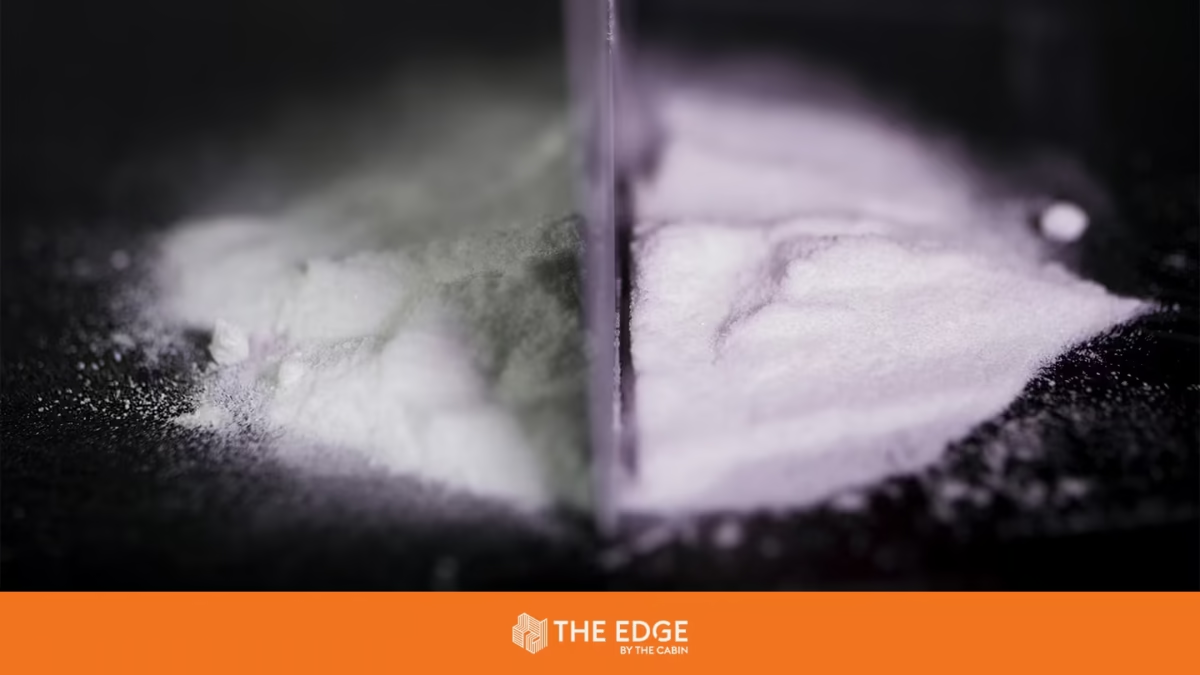
Cocaine addiction is a powerful dependency on a stimulant drug that creates an intense, short-lived burst of energy and euphoria. Signs of having the condition include frequent nosebleeds, dilated pupils, and sudden bursts of hyperactivity followed by deep crashes. The addiction is common in urban environments and among individuals seeking high-performance or high-stimulation lifestyles. Distinct causes include the drug’s ability to prevent the reabsorption of dopamine, leading to extreme reinforcement of the usage behavior. Symptoms manifest as paranoia, cardiovascular issues, and significant financial distress due to the high cost of the substance. Treatments focus on behavioral therapies like contingency management and cognitive interventions to handle triggers. Rehab facilities offer a stimulant-free environment and specialized counseling to repair the brain’s natural reward pathways damaged by cocaine addiction.
Cannabis Addiction

Cannabis addiction is a recognized disorder where an individual is unable to stop using the plant despite it interfering with various aspects of daily life. Signs of having the condition include a loss of motivation, social anxiety, and an inability to fulfill major duties at work or school. This form of dependency is becoming more common as the perceived risk of the substance decreases in many societies. Major causes include the high concentration of THC in modern products and the use of the substance to cope with underlying mental health issues. Symptoms often involve memory problems, disturbed sleep patterns, and irritability when not using the drug. Treatment options include motivational enhancement therapy and support groups tailored to substance misuse. Rehabilitation facilities treat this by providing a structured schedule and teaching alternative coping mechanisms to replace cannabis addiction.
Prescription Drug Addiction

Prescription drug addiction involves the misuse of medications intended for medical purposes, such as sedatives, stimulants, or painkillers. Signs of the issue include “doctor shopping” to obtain multiple prescriptions, taking higher doses than recommended, and appearing unusually sedated or energetic. The condition is common among all age groups, starting with a legitimate medical need before transitioning into a dependency. Major causes include the easy accessibility of the drugs and the false belief that they are safer than illicit substances. Symptoms vary depending on the drug type but include mood swings, sleep disturbances, and cognitive impairment. Treatments involve a gradual tapering of the medication under medical supervision and therapy to address the root cause of the initial prescription. Rehabilitation facilities offer the specialized medical oversight needed to safely transition away from prescription drug addiction.
Inhalant Addiction
Inhalant addiction is a dangerous dependency on chemical vapors found in common household products (glue, gasoline, or aerosol sprays). Signs of having the condition include chemical odors on the breath, slurred speech, and a persistent rash around the mouth or nose. This addiction is most common among adolescents and young adults who have easy access to these legal but toxic materials. Major causes include the desire for a quick, inexpensive high and the lack of awareness regarding the permanent damage these chemicals cause. Symptoms include loss of coordination, hearing loss, and significant damage to the brain and vital organs. Treatments emphasize immediate cessation and long-term psychological support to address the environmental factors leading to use. Rehab facilities treat inhalant addiction by providing a safe environment away from chemical access, intensive therapy, relapse prevention planning, and neurocognitive support.
Addiction isn't a failure of willpower
It’s a chronic medical condition that rewires the brain’s reward system, especially in young adults. However, there is help available. At The Edge, we offer specialised inpatient programs for young men facing substance and mental health issues, including drug dependency.
2. Behavioral Addictions
Behavioral addictions involve compulsive participation in specific activities that provide a rewarding sensation similar to substance use. The conditions occur when a person repeatedly engages in a behavior despite it causing significant distress or impairment in their life. The brain experiences a release of dopamine during the activities, reinforcing the urge to repeat the behavior frequently. The issues do not involve the ingestion of chemicals but create a similar cycle of craving and withdrawal, unlike substance dependencies. Recovery focuses on regaining control over impulses and identifying the emotional triggers that lead to the behavior. Rehabilitation programs utilize cognitive behavioral therapy to help patients develop healthier habits and coping strategies. Understanding the neurological similarities between the actions and drugs helps medical professionals treat behavioral addictions.
Gambling Addiction

Gambling addiction is a condition characterized by a persistent and recurring problematic wagering behavior that leads to significant distress. Signs of the struggle include lying to family members about losses, borrowing money to fund bets, and feeling a need to gamble with increasing amounts of money. The issue is common in many cultures where betting is legalized and easily accessible through digital platforms. Major causes include the “near-miss” effect that stimulates the brain and the desire to escape from emotional pain or financial stress. Symptoms include extreme anxiety, depression, and the total neglect of personal and professional responsibilities. Treatment protocols involve financial counseling, support groups, and therapy to address the cognitive distortions associated with winning. Rehabilitation facilities treat gambling addiction by providing a controlled environment that blocks access to betting platforms while addressing financial stress, emotional triggers, and distorted beliefs about winning.
Internet or Social Media Addiction

Internet addiction is a compulsive need to spend excessive amounts of time online, leading to the neglect of physical and social needs. Signs of having the condition include feeling restless when offline, using the internet to escape problems, and experiencing a decline in academic or work performance. The issue has become highly common with the rise of smartphones and the constant availability of digital entertainment. Major causes include the immediate gratification provided by social media likes and the infinite scroll features designed to keep users engaged. Symptoms often manifest as eye strain, sleep deprivation, and a sense of isolation from real-world relationships. Treatments focus on digital detoxification, setting strict boundaries for usage, and improving face-to-face social skills. Rehab facilities help by providing a screen-free environment and teaching patients how to balance technology use with a healthy lifestyle to overcome internet addiction.
Gaming Addiction

Gaming addiction is a pattern of persistent or recurrent gaming behavior that takes precedence over other life interests and daily activities. Signs of the disorder include preoccupation with games, withdrawal symptoms when not playing, and the loss of significant relationships due to excessive playtime. The condition is common among young adults and teenagers who find a sense of community or achievement within virtual worlds. Major causes include the reward systems built into modern games and the use of gaming as a primary coping mechanism for stress. Symptoms include carpal tunnel syndrome, poor personal hygiene, and significant shifts in sleep-wake cycles. Treatment often involves cognitive behavioral therapy and family counseling to rebuild real-world connections. Rehabilitation facilities provide a structured environment that replaces digital rewards with physical activities and social interaction to treat gaming addiction.
When internet use and gaming becomes an addiction
Don’t worry—you’re not alone. Our trained professionals at The Edge will assess and guide you to recovery.
Shopping Addiction
Shopping addiction involves a compulsive urge to make purchases to experience a temporary mood boost or to relieve negative feelings. Signs of the condition include hiding purchases from others, spending more than one can afford, and feeling a sense of guilt after a buying spree. The addiction is common in consumer-driven societies where digital storefronts make purchasing instantaneous and easy. Major causes include low self-esteem, a desire for social status, and the temporary rush of dopamine associated with acquiring new items. Symptoms involve severe debt, cluttered living spaces, and conflict within the family regarding finances. Treatments involve financial management education and therapy to identify the emotional voids being filled by consumption. Rehab facilities provide a supportive setting to address the compulsive nature of the behavior and help patients regain financial control over their shopping addiction.
Sex Addiction
Sex addiction is a compulsive engagement in sexual activities despite negative consequences such as health risks or relationship breakdowns. Signs of the struggle include a preoccupation with sexual fantasies, an inability to control sexual impulses, and using sex as a way to cope with loneliness. The condition is more common than reported due to the stigma and shame associated with the behavior. Major causes include past trauma, brain chemistry imbalances, and the easy accessibility of high-stimulation digital content. Symptoms manifest as emotional detachment, risk-taking behavior, and the neglect of career or family duties. Treatment protocols involve specialized counseling, support groups, and sometimes medication to manage underlying impulsivity. Rehabilitation facilities provide a safe and private space to address the psychological roots and behavioral patterns of sex addiction.
Food Addiction
Food addiction is a behavioral disorder characterized by the compulsive consumption of highly palatable foods that trigger the brain’s reward centers. Signs of having the condition include eating to the point of physical discomfort, unsuccessful attempts to cut back, and experiencing withdrawal-like symptoms when avoiding certain ingredients. The issue is common due to the widespread availability of processed foods engineered to be hyper-rewarding. Major causes include hormonal imbalances, emotional distress, and the addictive nature of sugar and fats. Symptoms include obesity, metabolic disorders, and significant emotional distress regarding body image. Treatments involve nutritional counseling, behavioral therapy, and identifying the emotional triggers for overeating. Rehab facilities treat food addiction by providing structured meal plans, nutritional guidance, behavioral therapy, and psychological support to help individuals build a healthier relationship with food.
Exercise Addiction
Exercise addiction is an unhealthy obsession with physical fitness and activity that results in negative physical and psychological consequences. Signs of the condition include working out despite injuries, feeling extreme guilt when missing a session, and isolating oneself from others to prioritize the gym. The condition is common among individuals with body image concerns or those who use physical activity to gain a sense of control. Major causes include the release of endorphins during high-intensity activity and the social reinforcement of extreme fitness levels. Symptoms involve stress fractures, hormonal imbalances, and neglect of work or social obligations. Treatment focuses on moderating activity levels and addressing the underlying body dysmorphia or control issues. Rehabilitation facilities treat exercise addiction by providing structured routines, therapy, and balanced activity plans that help patients rebuild a healthy relationship with movement.
Work Addiction

Work addiction is a compulsive need to work excessively at the expense of health, relationships, and personal well-being. Signs of the struggle include thinking about work during leisure time, using work to avoid personal problems, and experiencing health issues due to overexertion. The condition is common in competitive professional environments where high output is rewarded and praised. Major causes include a deep-seated need for validation, fear of failure, and the use of professional success to mask low self-esteem. Symptoms manifest as chronic stress, burnout, and the total breakdown of domestic life. Treatments involve setting firm boundaries between professional and personal life and therapy to find self-worth outside of productivity. Rehab facilities help by teaching stress management techniques and helping individuals reconnect with their families to resolve work addiction.
3. Process Addictions
Process addictions are a category of behavioral dependencies where an individual becomes compulsively attached to a specific sequence of actions or rewards. The conditions mirror substance use disorders in how they affect the brain’s neurological pathways and daily functioning. The individual feels a persistent urge to engage in the process to achieve a desired emotional state or to avoid discomfort. The person may lose the ability to choose whether to engage in the activity, leading to negative life outcomes. Recovery involves restructuring daily routines and developing new, healthy ways to process emotions and stress. Patients benefit from therapeutic interventions that target the specific triggers of their compulsive cycles. Understanding the mechanisms is essential for healthcare providers who treat various forms of process addictions.
Compulsive Eating
Compulsive eating involves the frequent consumption of large quantities of food as a response to emotional stress rather than physical hunger. Signs of having the condition include eating very rapidly, eating alone due to embarrassment, and feeling disgusted with oneself after a session. The issue is common among individuals who lack healthy emotional coping mechanisms or have experienced significant life trauma. Major causes include the temporary soothing effect that certain foods have on the nervous system and biological disruptions in hunger signaling. Symptoms include rapid weight fluctuations, digestive problems, and social withdrawal to hide eating habits. Treatments involve mindfulness-based eating strategies and psychological therapy to address the underlying emotional pain. Rehabilitation facilities provide a supportive environment to identify triggers and establish regular, healthy eating patterns to stop compulsive eating.
Risk Taking

Risk-taking addiction is a condition where an individual compulsively seeks out dangerous or high-stakes activities to experience a rush of adrenaline. Signs of the struggle include engaging in illegal activities, extreme sports without safety precautions, or reckless financial investments for the thrill. The condition is common among individuals with high sensation-seeking personalities or individuals who feel numb in their everyday lives. Major causes include the brain’s need for extreme stimulation to achieve a normal level of dopamine release. Symptoms often manifest as frequent injuries, legal troubles, and total disregard for personal safety or the safety of others. Treatments involve finding healthy outlets for energy and therapy to address the need for extreme stimulation. Rehabilitation facilities treat compulsive risk-taking addiction by providing structured, safe activities that satisfy the need for excitement while addressing emotional numbness, impulse control issues, and unhealthy thrill-seeking patterns.
Hoarding
Hoarding disorder is a behavioral disorder characterized by persistent difficulty discarding or parting with possessions, regardless of their actual value. Signs of having the condition include living spaces that are unusable due to clutter, significant distress at the thought of throwing items away, and social isolation. The issue is common among older adults but can begin in early childhood or adolescence. Major causes include traumatic loss, genetic factors, and a cognitive inability to categorize or organize belongings. Symptoms include unsafe living conditions, fire hazards, and strained relationships with family members who try to clean. Treatments involve cognitive behavioral therapy and specialized coaching to improve decision-making and organizational skills. Rehab facilities treat hoarding disorder behaviors by providing a clean, organized environment, intensive therapy, decision-making support, and practical skills for reducing emotional attachment to possessions.
Compulsive Cleaning
Compulsive cleaning is a behavioral dependency where an individual feels an uncontrollable urge to clean or sanitize their environment excessively. Signs of the condition include spending hours every day on repetitive cleaning tasks, feeling extreme anxiety if an item is out of place, and using harsh chemicals to the point of skin damage. The issue is common among individuals with high levels of anxiety or those seeking to gain a sense of control over their environment. Major causes include past trauma related to illness or a lack of stability during childhood development. Symptoms manifest as raw hands, social isolation to avoid “contaminants,” and significant time lost from work or family. Treatment involves exposure and response prevention therapy to reduce the anxiety associated with a less-than-perfect environment. Rehab facilities help by providing a structured setting where patients practice moderation and manage the triggers of compulsive cleaning.
Every type of addiction deserves the right treatment
No matter what type of addiction you’re facing, there is hope and healing waiting for you and your loved one. At The Edge, our dedicated professionals are here to support you every step of the way. We’ll assess the severity of your situation and guide you on the path to recovery and a healthier, fulfilling life.
4. Psychological Addiction
Psychological addiction involves an emotional or mental reliance on a substance or behavior to function or cope with daily life. The condition occurs when a person believes they cannot handle stress, social situations, or emotional pain without their specific dependency. The form is rooted in the mind’s perceived need for the rewarding sensation provided by the habit, unlike physical reliance. Individuals experience intense cravings and mental distress when they are unable to engage in the activity or use the substance. The brain associates the behavior with safety or pleasure, making it difficult to break the mental cycle. Treatment focuses heavily on cognitive behavioral therapy and emotional regulation skills to build resilience. Individuals find that addressing the psychological component is the most challenging part of overcoming a psychological addiction.
5. Physical Addiction
Physical addiction occurs when the body’s physiological systems adapt to the constant presence of a substance, leading to a state of dependency. The condition is marked by the development of tolerance, where larger amounts are needed to achieve the same effect. The body experiences withdrawal symptoms (tremors, nausea, or seizures) as it attempts to rebalance when the substance is removed. The nervous system effectively incorporates the chemical into its normal functioning, making cessation physically painful and sometimes dangerous. Medical supervision is required during the initial stages of recovery to ensure the safety of the individual. Rehabilitation programs provide the necessary medical support to manage the bodily responses effectively. Long-term health depends on allowing the body to heal from the changes caused by physical addiction.
What is Addiction?
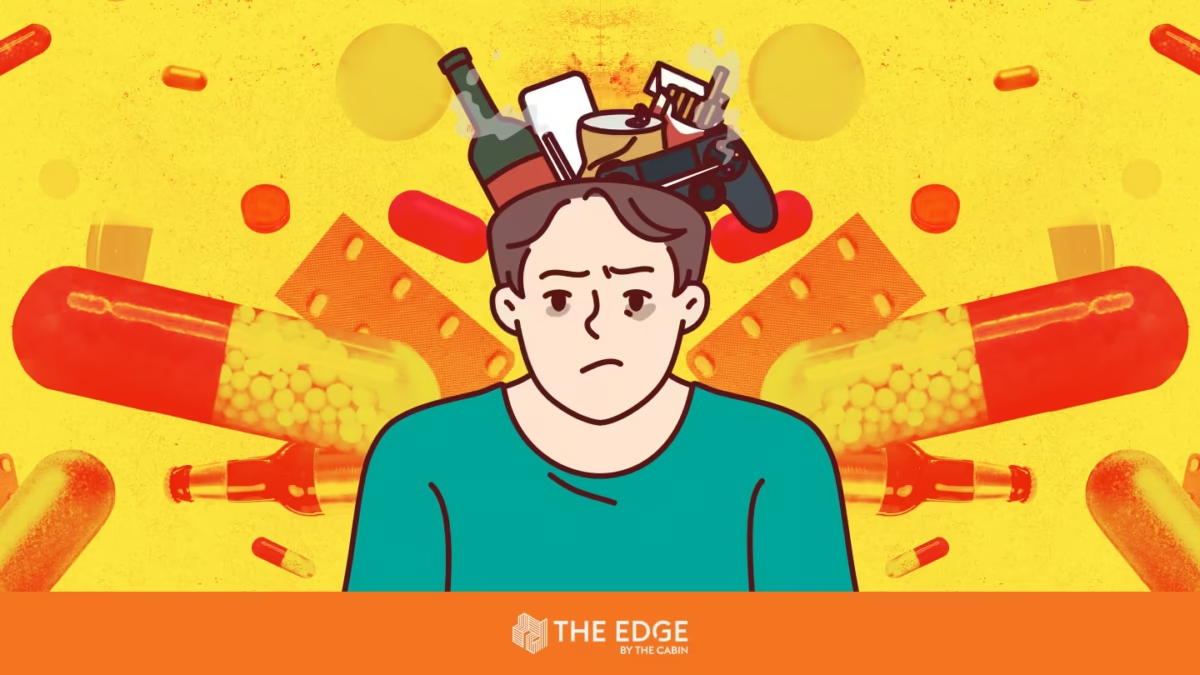
Addiction is a chronic condition involving compulsive substance use or behavior that continues despite the presence of harmful effects. The complex brain disorder manifests as an inability to stop an activity or substance use even when it damages health, relationships, and career prospects. The condition alters the brain’s reward, motivation, and memory functions, leading to persistent cravings and a loss of self-control. Individuals suffering from this disorder often prioritize their dependency over basic needs and responsibilities. Early intervention and professional treatment are essential for improving long-term recovery outcomes and preventing permanent damage to the body and mind. Education regarding the nature of this struggle helps reduce the stigma and encourages more people to seek help. Medical professionals use a comprehensive addiction definition to diagnose and treat these varied conditions.
How does Addiction Affect the Brain?
Addiction affects the brain by fundamentally changing the reward and decision-making systems through repeated exposure to high levels of dopamine. The neural pathways responsible for pleasure become overstimulated, leading the brain to prioritize the addictive substance or behavior over natural rewards like food or social interaction. The brain’s ability to produce dopamine naturally decreases, causing the individual to feel flat or depressed without the substance. The changes impair the prefrontal cortex, which is the area responsible for impulse control and rational thinking. The neurological shift explains why individuals continue their harmful habits despite knowing the negative consequences. Treatment and rehabilitation aim to support the brain as it slowly recalibrates and repairs these damaged pathways. Recovery is a long process because of the significant and lasting changes to brain function.
Why are Young Adults More Vulnerable to Addiction?
Young adults are more vulnerable to addiction because their brains are in a critical stage of development, particularly the areas responsible for decision-making. The prefrontal cortex does not fully mature until the mid-twenties, which can lead to higher levels of impulsivity and risk-taking. Peer pressure and social environments often increase the chance of experimenting with substances during the formative years. Emotional regulation is developing, making substances seem like an attractive way to cope with the stresses of early independence. Early exposure to drugs or alcohol can interfere with normal brain maturation, creating a higher risk for lifelong dependency. Prevention programs and educational initiatives are vital for protecting the age group from the long-term consequences of misuse. Supportive environments and professional guidance are important for the recovery of young adults.
Is Addiction Considered a Disease?
Yes, addiction is considered a disease by major medical organizations because it involves significant and measurable changes to brain structure and function. The chronic condition affects the reward, memory, and motivation centers of the brain, making it much more than a simple matter of willpower. It requires long-term management and professional medical intervention to treat effectively, like other chronic illnesses such as diabetes or heart disease. The condition involves a cycle of remission and relapse that must be addressed through a combination of behavioral and physiological therapies. Medical support is necessary to handle the complex changes in brain chemistry that occur over time. Viewing the struggle as a medical issue helps reduce shame and encourages individuals to seek the clinical care they need. Proper treatment improves recovery chances significantly for patients suffering from the disease.
Unsure which treatment is right for you or someone you love?
Addiction affects families as well as individuals. Speak with The Edge’s team to explore personalised recovery options.
What Causes Addiction to Develop?
Factors that cause addiction to develop are listed below
- Genetic Predisposition: Family history plays a significant role in how individuals process rewarding stimuli. Hereditary factors can influence the speed at which a person develops a dependency.
- Environmental Influences: Growing up in an environment where substance misuse is common can normalize the behavior. High levels of stress or exposure to trauma also increase the likelihood of seeking an escape.
- Brain Chemistry: Variations in how the brain produces and responds to dopamine can make some individuals more susceptible to cravings. The biological differences affect the initial reaction to addictive substances or behaviors.
- Early Exposure: Using substances during adolescence can disrupt brain development and create a higher risk for future dependency. The developing brain is more sensitive to the reinforcing effects of drugs and alcohol.
- Mental Health Conditions: Individuals with anxiety, depression, or other disorders may use substances to self-medicate their symptoms. The dual diagnosis creates a complex path toward dependency.
- Social Pressure: The desire to fit in with a particular social group can lead to experimental use that transitions into a habit. Peer groups significantly influence the types of behaviors an individual considers acceptable.
- Physical Trauma: Chronic pain resulting from injuries can lead to the long-term use of powerful prescription medications. Dependence can occur even when the medication is initially used as directed by a doctor.
Why do Some People Become Addicted Faster?
Some people become addicted faster because of a unique combination of genetic, biological, and environmental risk factors. Individuals with a family history of dependency may have a biological makeup that experiences a more intense reward response to certain substances. Mental health conditions s(untreated anxiety or depression) accelerate the transition from casual use to compulsive habit. Brain chemistry plays a vital role, as some individuals have fewer dopamine receptors, making the rush from a substance feel more necessary for emotional balance. Frequent use or high doses at an early age can speed up the brain’s adaptation process, leading to rapid physical dependence. Every person’s risk level is different, which is why some can use a substance occasionally while others quickly lose control. Early prevention and awareness of individual vulnerability are important for safety.
Do Genetics Increase Addiction Risk?
Yes, genetics can increase addiction risk by influencing how the brain and body respond to various substances and behaviors. Studies of families and twins have shown that hereditary factors account for a significant portion of a person’s vulnerability to dependency. Certain inherited traits can affect impulse control, stress response, and the sensitivity of the brain’s reward system. For example, some patients may have genetic variations that make the withdrawal process more severe or the initial high more intense. They do not guarantee that an individual will develop a disorder, while genetics provides a blueprint for risk. Environmental factors and personal choices also play a critical role in whether these genetic predispositions are activated. Understanding one’s family history can be a powerful tool for prevention and for choosing the right treatment path.
Can ADHD Increase the Risk of Addiction?
Yes, ADHD can increase the risk of addiction due to common symptoms like impulsivity and a constant need for stimulation. Individuals with Attention-Deficit/Hyperactivity Disorder (ADHD) may struggle with executive function, making it harder to consider the long-term consequences of their actions. Substance use begins as a way to self-medicate for restlessness or to help with focus and emotional regulation. The brain’s reward system in patients with ADHD functions differently, leading to a higher drive for activities that provide immediate gratification. The connection highlights the importance of managing the primary condition effectively through professional medical care. Early intervention and proper support can significantly reduce the chance of developing a secondary dependency. Seeking help from a specialized ADHD treatment centre provides the necessary tools for dual recovery.
Addiction affects more than behaviour
Whether an addiction is physical or purely psychological, lasting recovery requires actively rewiring the brain’s reward pathways. The Edge combines medical care, psychological therapy, and relapse prevention to support long-term recovery.
What Signs Can Point to Addiction?
Signs that can point to addiction are listed below.
- Cravings: Individuals feel a strong, nearly uncontrollable urge to use a substance or engage in a specific behavior. The mental preoccupation often interferes with concentration and daily tasks.
- Loss of Control: The person finds it difficult to stop the use or behavior once they have started. Attempts to cut back or quit are frequently unsuccessful despite a sincere desire to do so.
- Tolerance: Tolerance indicates that the brain and body have adapted to the previous levels of stimulation. Larger amounts of the substance or more frequent participation in the activity are needed to achieve the same effect.
- Withdrawal Symptoms: Physical or emotional discomfort occurs when the substance is not used or the behavior is stopped. The symptoms can range from mild anxiety to severe physical illness.
- Neglected Responsibilities: Daily duties at work, school, or home become ignored in favor of the addiction. Personal hygiene and social obligations decline as dependency takes priority.
- Secrecy: The individual begins to hide their habits or lie about the extent of their use to friends and family. The behavior is driven by shame or a fear of intervention.
- Financial Problems: Unexplained debt or a sudden lack of funds often results from spending money on substances or compulsive activities. The need to fund the habit becomes more important than paying for necessities.
How do Addiction Symptoms Change Over Time?
Addiction symptoms often become stronger over time as the body and brain adjust to the substance or behavior. Initial signs may be subtle, such as occasional misuse or a slight increase in the frequency of a certain activity. Tolerance continues to rise as the condition progresses, forcing the individual to increase their usage to avoid feeling low. Withdrawal symptoms typically become more severe and can eventually lead to a state where the person uses simply to feel “normal.” The negative impact on health, relationships, and finances usually accumulates, creating more stress that further fuels the dependency. Long-term addiction can cause permanent changes to brain function and significant damage to vital organs. Early treatment is essential because it reduces the complexity of these complications and improves the chances of a stable recovery.
Can Addiction Affect Mental Health?
Yes, addiction can affect mental health by worsening existing conditions or causing new psychological issues to emerge. Substance misuse disrupts the chemical balance in the brain, leading to increased feelings of anxiety, depression, and irritability. The lifestyle associated with dependency, including social isolation and financial stress, further contributes to a decline in emotional well-being. The addiction and mental health issues form a “co-occurring disorder” where each condition makes the other harder to treat. Professional help that addresses the dependency and the psychological state is usually necessary for a successful outcome. Combined care models ensure that the root emotional causes are handled alongside the physical habits. Improving mental health is a core component of maintaining long-term sobriety.
When addiction takes control, it can feel like your future is beyond reach
But there is hope. At The Edge Rehab, we craft specialised treatment plans that dive deep into the neurological roots of your dependency.
How Is Drug Addiction Different From Other Addictions?
Drug addiction is different from other addictions because it involves direct dependence on chemical substances that enter the bloodstream and affect the brain. The substances cause immediate and intense physiological changes that can lead to physical dependency and tolerance. Behavioral or process addictions mainly affect the brain through the internal release of neurotransmitters during specific activities. While both forms affect the reward circuitry, drug addiction carries unique risks, including overdose, organ failure, and severe physical withdrawal. Treatment for chemical dependency requires a medical detox phase to safely remove harmful substances from the body. Behavioral recovery focuses more heavily on impulse control and restructuring daily habits without the need for medical stabilization. Both forms can seriously harm a person’s life, but the physiological impact of chemicals is the primary distinction.
What Types of Drug Addiction Are Most Harmful?
The most harmful types of drug addiction are listed below.
- Opioid Addiction: Opioid addiction carries a high risk of fatal overdose and rapid physical dependence. Individuals face severe respiratory issues and a very painful withdrawal process.
- Methamphetamine Addiction: Methamphetamine addiction leads to significant physical decay, including tooth loss and skin sores. Continuous use causes severe and sometimes permanent damage to the brain and cardiovascular system
- Cocaine Addiction: The stimulant increases the risk of heart attacks, strokes, and severe mental health issues like paranoia. The short duration of the high leads to frequent, dangerous binge usage.
- Alcohol Addiction: Alcohol addiction is one of the few dependencies where withdrawal can be life-threatening without medical care. Long-term misuse damages the liver, heart, and brain while increasing the risk of several types of cancer.
- Heroin Addiction: Heroin is strongly linked to overdose deaths and the transmission of infectious diseases through needle use. The intense physical cravings make it exceptionally difficult to quit without professional help.
Are Prescription Drugs Addictive?
Yes, prescription drugs are addictive. Opioids, stimulants, and sedatives carry a higher risk of dependence when misused or taken without proper medical supervision. The medications are designed to change body chemistry to treat pain, ADHD, or anxiety, but misuse increases the risk of dependency. Tolerance can develop even when someone follows a doctor’s orders, potentially leading to physical dependence over time. Long-term misuse increases the risk of serious health complications and possible transition to illicit substances. Medical supervision helps ensure that prescription drugs are used safely and for their intended purpose. Proper use and open communication with healthcare providers reduce the risk of falling into a cycle of misuse. Awareness of the potential for dependency is a key part of responsible medication management.
Contact The Edge If Your Teenage Son Is Using Drugs
If you suspect your son is dabbling in drugs or alcohol, it’s crucial to step in sooner rather than later. His health and future are incredibly important, and early intervention can make a significant difference.
How Can Addiction be Treated and Managed?

Addiction can be treated through a comprehensive approach that combines medical, psychological, and social support. The first step involves a professional assessment to determine the severity of the condition and the presence of any co-occurring mental health issues. Medically supervised detoxification helps the individual safely navigate the physical withdrawal stage. Behavioral therapies such as cognitive behavioral therapy are then used to identify triggers and develop healthy coping mechanisms. Support groups provide a community of peers who understand the challenges of recovery and offer long-term accountability. Management of the condition is an ongoing process that requires a commitment to lifestyle changes and regular follow-up care. Relapse prevention strategies are essential for maintaining sobriety in the face of life’s stresses.
What Treatments Help People Recover From Addiction?
Treatments that help people recover from addiction are listed below.
- Cognitive Behavioral Therapy: Cognitive Behavioral Therapy helps patients identify and change the thought patterns that lead to substance use or harmful behaviors. Cognitive Behavioral Therapy provides practical tools for managing cravings and avoiding high-risk situations.
- Medication-Assisted Treatment: Medication-Assisted Treatment is used for opioid and alcohol recovery to improve long-term success rates. Certain medications can reduce cravings and ease withdrawal symptoms for specific chemical dependencies
- Dialectical Behavior Therapy: Dialectical Behavior Therapy focuses on emotional regulation and mindfulness to help individuals handle intense feelings without turning to an addiction. Dialectical Behavior Therapy is particularly effective for patients with co-occurring personality disorders.
- Family Counseling: Family Counseling addresses the systemic issues that may contribute to the cycle of dependency. Involving family members in the treatment process helps repair relationships and creates a supportive home environment.
- Group Therapy: Sharing experiences with others in similar situations reduces isolation and provides diverse perspectives on recovery. Peer support is a powerful motivator for staying committed to a sober lifestyle.
- Holistic Therapies: Activities like yoga, art therapy, and meditation support overall well-being and stress reduction. The methods complement traditional medical treatments by focusing on the whole person.
- Contingency Management: Contingency Management uses positive reinforcement and rewards to encourage sobriety and participation in treatment. Contingency Management is effective for stimulant and tobacco dependencies.
How do Rehabilitation Programs Help Addiction Recovery?

Rehabilitation programs help addiction recovery by providing a structured and supportive environment away from the triggers of daily life. The programs offer a combination of medical care, individual therapy, and group sessions to address all aspects of the disorder. Patients learn vital coping strategies to handle stress and social pressure without returning to their previous habits. Facilities provide educational workshops on nutrition, fitness, and life skills to support a healthy lifestyle. The focused nature of these programs allows individuals to build a strong foundation for their long-term sobriety. Structured schedules help patients regain a sense of normalcy and discipline in their daily routines. Individuals find that the community aspect of the rehabilitation programs is the key to their success.
Is Recovery From Addiction Possible?
Yes, recovery from addiction is possible, and millions of patients successfully lead fulfilling lives after treatment. The process requires a long-term commitment to change and the willingness to seek professional support. Individuals find that a combination of therapy, lifestyle adjustments, and peer support helps them maintain their sobriety. Continuous effort and the development of new, healthy habits significantly reduce the risk of returning to old behaviors. Success in recovery is not just about stopping the behavior but about building a life where the addiction is no longer necessary. Ongoing support from friends, family, and medical professionals is essential for navigating the challenges of long-term healing. Each day of sobriety builds the strength needed to continue the journey.
Can All Types of Addiction be Treated in Rehab?
Yes, all types of addiction can be treated in rehab centers, as the facilities are designed to address chemical and behavioral dependencies. Medical professionals and therapists work together to create personalized plans that target the specific needs of each patient. Common conditions treated in these settings include alcohol, opioid, cocaine, gambling, and sex addictions. Rehab centers treat different types of dependency by providing specialized therapy groups and tailored medical interventions for each disorder. The facilities offer a comprehensive range of services, from detox and intensive therapy to aftercare planning and family support. Patients receive the tools needed to understand their triggers and rebuild their lives in a safe, drug-free environment. Choosing a high-quality facility like The Edge Rehab ensures that an individual receives evidence-based care for their unique recovery journey.
Don't let the weight of an old habit dictate your future self
No matter what type of addiction you are facing, recovery is possible, starting with an understanding of the addiction. Contact The Edge today to speak confidentially with our team for a free consultation available 24/7.
