

Rehabilitation is a structured care process that helps individuals restore function, independence, and the ability to manage daily life after illness, injury, addiction, mental health concerns, or long-term health limitations.
Rehabilitation may support physical recovery, mental health recovery, substance use recovery, mobility, communication skills, self-care abilities, and participation in family, work, and community life. The main types of rehabilitation include inpatient rehabilitation, outpatient rehabilitation, substance abuse rehabilitation, mental health rehabilitation, and physical rehabilitation, each designed to meet different levels of care and recovery needs. Rehabilitation may offer benefits such as improved physical function, greater independence, enhanced mobility, pain management support, relapse prevention, emotional stability, and a better overall quality of life. Rehabilitation is provided across hospitals, clinics, residential programs, outpatient centers, community services, and long-term care settings, allowing treatment to be tailored to each person’s unique recovery goals, challenges, and support needs.
What is Rehabilitation?
Rehabilitation is a structured process that helps individuals restore function, independence, and the ability to manage daily activities after experiencing health-related limitations or life-altering conditions. It supports both physical and mental recovery by focusing on the skills, abilities, and adaptations a person needs to function safely and effectively in everyday life. Rehabilitation may be beneficial following injury, surgery, stroke, chronic illness, disability, addiction, mental health concerns, or other significant life disruptions that affect daily functioning. Treatment may include therapy, education, practical skill development, medical support, assistive strategies, and individualized recovery planning. The primary goal of rehabilitation is to improve overall daily functioning and quality of life rather than focusing solely on symptom reduction. Recovery outcomes may improve when care is guided by realistic goals, measurable progress, and ongoing evaluation throughout the rehabilitation process. Independence may increase when rehabilitation helps a person improve mobility, manage symptoms, strengthen communication skills, perform self-care tasks, and return to work, education, family responsibilities, or community participation. The Drug and Alcohol Rehab is one example of a rehabilitation service that supports recovery from substance use through therapy, relapse prevention strategies, recovery education, and ongoing care designed to promote long-term stability.
How is Rehabilitation Different From General Medical Treatment?
Rehabilitation differs from general medical treatment by focusing on restoring function, independence, and daily abilities, while general medical treatment primarily focuses on diagnosing, treating, and managing health conditions. General medical treatment may involve diagnosing illnesses, prescribing medications, performing surgical procedures, managing symptoms, and addressing acute or urgent health concerns. Rehabilitation emphasizes long-term recovery by helping individuals regain physical skills, mobility, independence, emotional well-being, and the ability to participate in everyday activities. Medical treatment often addresses immediate health needs and symptom management, while rehabilitation focuses on improving a person’s ability to function after a condition has affected daily life. Both forms of care play important roles in recovery because medical treatment may stabilize a condition while rehabilitation helps individuals rebuild function and adapt to ongoing challenges. Their primary purposes differ because medical treatment focuses on disease management and symptom control, whereas rehabilitation focuses on ability, function, participation, and adaptation to daily life demands. For example, a person recovering from surgery may require medical wound care to support healing as well as rehabilitation exercises to restore strength, mobility, and independence. Similarly, a person recovering from addiction may benefit from medical support alongside rehabilitation therapies that focus on relapse prevention, coping skills, emotional regulation, and the development of healthy daily routines.
Is Rehabilitation Only Used After an Injury?
No, rehabilitation is not limited to injury recovery and can be used to support a wide range of health conditions and recovery needs. Rehabilitation may assist individuals recovering from illness, surgery, stroke, chronic pain, substance use disorders, mental health conditions, neurological disorders, disabilities, or other long-term health-related changes. Injury recovery is one of the most common applications of rehabilitation, because therapeutic interventions can help improve strength, mobility, coordination, balance, and safe movement. Rehabilitation may also help individuals manage chronic conditions when complete recovery is not possible or when maintaining function and quality of life becomes the primary objective. Rehabilitation services can support greater independence, symptom management, daily routine development, communication skills, emotional well-being, and participation in meaningful personal, social, and community activities. Healthcare professionals may provide rehabilitation across hospitals, outpatient clinics, addiction treatment programs, mental health services, community-based settings, and home care environments. Rehabilitation may begin during acute medical care and continue after discharge as part of an ongoing recovery plan. A comprehensive rehabilitation plan may help reduce complications, improve long-term outcomes, and support individuals as they adapt to health-related limitations and life changes.
Start Your Journey to Wellness
Making the decision to enter rehab can feel intimidating, but understanding the path ahead can replace anxiety with hope. Let us provide the structure and support you need to reclaim your timeline.
Why is Rehabilitation Important for Recovery?
Rehabilitation is important for recovery because it helps individuals regain lost abilities, improve functioning, and maintain greater independence in daily life. It provides structure to the recovery process through individualized goal setting, progress monitoring, and treatment plans that are tailored to each person’s specific needs and circumstances. Functional skills may improve when rehabilitation focuses on areas such as mobility, physical strength, communication, self-care abilities, emotional regulation, and relapse prevention strategies. Daily activities may become more manageable because rehabilitation emphasizes practical skills and tasks that are directly relevant to everyday living. Recovery may progress more effectively when individuals receive education, hands-on practice, professional support, and ongoing clinical guidance throughout the rehabilitation process. Long-term outcomes may improve when rehabilitation helps reduce complications, prevent further decline, strengthen healthy routines, and encourage consistent self-management. Rehabilitation can also increase confidence and motivation, because progress is often measurable and linked to meaningful personal goals. Overall, rehabilitation helps bridge the gap between medical stabilization and successful participation in daily life, supporting a smoother and more sustainable recovery journey.
What are the Main Goals of Rehabilitation?
The main goals of rehabilitation are listed below. These goals focus on helping individuals improve function, regain independence, and participate more fully in daily life.
- Function Restoration: Function restoration involves improving abilities that have been affected by illness, injury, addiction, mental health conditions, or disability. This goal may focus on restoring movement, communication, cognitive abilities, self-care skills, emotional regulation, and other functions that support everyday living.
- Independence: Independence involves helping individuals perform daily tasks with less assistance and greater confidence. Rehabilitation may focus on activities such as bathing, dressing, walking, preparing meals, managing medications, and maintaining healthy recovery-related routines.
- Mobility: Mobility focuses on improving movement, balance, coordination, walking ability, transfers, and overall physical control. Enhanced mobility may reduce the risk of falls, increase safety, and support greater participation in community and daily activities.
- Participation: Participation involves helping individuals return to meaningful roles and activities within their family, social life, education, employment, and community. Rehabilitation emphasizes active involvement in daily life rather than focusing solely on symptom management.
- Quality of Life: Quality of life focuses on improving comfort, confidence, purpose, safety, and overall well-being. Rehabilitation may contribute to a higher quality of life by supporting better functioning, stronger coping skills, increased independence, and greater satisfaction with daily living.
Can Rehabilitation Improve Quality of Life?

Yes, rehabilitation can improve quality of life by helping individuals regain important abilities, increase independence, and participate more fully in everyday activities and meaningful life roles. Rehabilitation may support greater independence by helping individuals develop safer movement patterns, strengthen self-care abilities, improve communication skills, and build healthier coping strategies. Daily functioning may improve through structured therapy, repeated skill practice, educational support, and the use of adaptive techniques that make activities more manageable. Confidence and motivation may increase when progress becomes measurable, and individuals achieve realistic, personally meaningful goals. Overall well-being may improve when challenges such as pain, disability, relapse risk, emotional distress, or functional limitations become easier to manage through rehabilitation support. Rehabilitation may also reduce feelings of isolation by supporting a return to family responsibilities, educational activities, employment, social relationships, and community participation. Outcomes can vary from person to person because factors such as health conditions, personal goals, available support systems, and consistency with treatment may influence progress. A personalized rehabilitation plan can help each individual focus on meaningful improvements that align with their unique needs, priorities, and long-term quality-of-life goals.
Treating Addiction Means Treating the Whole Person
Every addiction is different, and so is every recovery. The Edge addresses the physical, emotional, and psychological factors behind addiction for sustainable recovery.
What are the Different Types of Rehabilitation?
The different types of rehabilitation are listed below. Each type is designed to address specific recovery needs and support individuals in improving function, independence, and overall quality of life.
- Inpatient Rehabilitation: Inpatient rehabilitation provides intensive, structured care while the individual resides in a treatment facility or hospital-based rehabilitation setting. This level of care may support recovery following a major illness, injury, surgery, addiction, or significant loss of function that requires close supervision and comprehensive treatment.
- Outpatient Rehabilitation: Outpatient rehabilitation delivers therapy and recovery services while individuals continue living at home and attending scheduled treatment sessions. This option may be appropriate for people who require ongoing rehabilitation support but do not need overnight medical or residential care.
- Substance Abuse Rehabilitation: Substance abuse rehabilitation focuses on helping individuals recover from alcohol or drug use disorders. Treatment may include therapy, relapse prevention strategies, detoxification support, medication management when appropriate, recovery education, and aftercare planning to support long-term recovery.
- Mental Health Rehabilitation: Mental health rehabilitation helps individuals manage psychiatric symptoms while rebuilding daily functioning and improving overall well-being. Services may include therapy, coping skills training, medication support, life skills development, social support, and assistance with community reintegration.
- Physical Rehabilitation: Physical rehabilitation focuses on improving movement, strength, mobility, coordination, pain management, and overall physical function. Treatment may include physical therapy, exercise-based interventions, occupational therapy, and training in the use of assistive devices. Physical rehabilitation is one of the most common types of rehabilitation and is used to help individuals restore movement, improve daily functioning, and enhance independence following illness, injury, surgery, or physical decline.
1. Inpatient Rehabilitation
Inpatient rehabilitation is a structured treatment setting in which an individual resides at a facility while receiving intensive rehabilitation services and ongoing clinical support. Inpatient rehabilitation may be recommended following a serious injury, stroke, surgery, severe illness, substance use disorder, or a significant decline in physical, cognitive, or emotional functioning. One of the primary advantages of inpatient rehabilitation is continuous support, allowing healthcare professionals to closely monitor safety, symptoms, treatment response, and daily progress. Another benefit is access to a multidisciplinary treatment team that may include physicians, nurses, therapists, counselors, and case managers working together to support recovery. A structured daily schedule is also beneficial because it promotes consistent participation in therapy, skill development, healthy routines, and recovery-focused activities. Individuals who require a higher level of care than outpatient services can provide may benefit significantly from the intensive support available in an inpatient rehabilitation setting. Discharge planning is an important component of inpatient rehabilitation because it helps connect individuals with follow-up services, community resources, and ongoing care needed to support continued recovery after leaving the facility.
2. Outpatient Rehabilitation
Outpatient rehabilitation is a treatment model in which individuals attend scheduled therapy, rehabilitation, or recovery services while continuing to live at home between appointments. Outpatient rehabilitation may be used for a variety of needs, including physical therapy, mental health treatment, addiction recovery, speech therapy, occupational therapy, and support for chronic health conditions. One of the main advantages of outpatient rehabilitation is flexibility, because treatment can often be scheduled around work responsibilities, educational commitments, family obligations, and daily routines. Another benefit is the opportunity for real-life practice, allowing individuals to apply newly learned skills and strategies in their home and community environments between treatment sessions. A further advantage is reduced disruption to daily life, because outpatient rehabilitation does not require overnight stays in a treatment facility. The Outpatient rehabilitation may be most appropriate for individuals who have stable housing, manageable symptoms, reliable transportation, and sufficient support outside of treatment hours. Regular appointments allow healthcare professionals to monitor progress, address challenges, and adjust the treatment plan as recovery needs change over time.
3. Substance Abuse Rehabilitation
Substance abuse rehabilitation is a structured treatment process designed to help individuals recover from drug or alcohol misuse, dependence, or addiction while building the skills needed to maintain long-term recovery. Substance abuse rehabilitation may include detoxification support, individual and group therapy, relapse prevention strategies, medication-assisted care when appropriate, peer support groups, family involvement, and comprehensive aftercare planning. One major advantage is structured recovery support, which helps individuals identify personal triggers, develop healthier coping strategies, and establish recovery-focused routines. Another benefit is access to professional clinical guidance for managing withdrawal risks, cravings, co-occurring mental health concerns, and relapse prevention challenges. A third advantage is increased accountability through counseling sessions, group participation, recovery planning, goal setting, and regular progress reviews. A substance abuse rehabilitation may be provided in a variety of settings, including inpatient programs, outpatient services, residential treatment centers, and intensive outpatient programs (IOPs), depending on the individual’s needs and level of care required. Continued care and ongoing recovery support are important components of rehabilitation because they help individuals maintain progress, reduce relapse risk, and strengthen long-term recovery after the initial phase of treatment has been completed.
4. Mental Health Rehabilitation
Mental health rehabilitation is a structured recovery process that helps individuals manage psychiatric symptoms, strengthen coping abilities, and improve overall daily functioning. Mental health rehabilitation may support individuals experiencing depression, anxiety, trauma-related symptoms, bipolar disorder, psychosis, substance use concerns, or difficulties with emotional regulation and daily life management. One important advantage is skill development, which may enhance coping strategies, communication abilities, routine management, problem-solving skills, and emotional stability. Another benefit is structured support for medication adherence, therapeutic goal achievement, crisis management planning, and participation in social, educational, or community activities. A third advantage is increased independence, as individuals may become better equipped to manage symptoms and navigate daily responsibilities more effectively. The mental health rehabilitation services may be provided in hospitals, outpatient clinics, residential treatment programs, community-based services, or day treatment settings, depending on the level of support required. Treatment may include individual counseling, group therapy, family support services, case management, life skills training, recovery planning, and other interventions designed to promote long-term mental health and community participation.
5. Physical Rehabilitation
Physical rehabilitation is a structured treatment process that helps individuals restore movement, strength, balance, coordination, and overall physical function following illness, injury, or physical impairment. Physical rehabilitation may support recovery after injury, surgery, stroke, chronic pain, neurological disorders, disability, or age-related and health-related physical decline. One major advantage is improved mobility, which may help individuals walk more safely, transfer between positions, climb stairs, maintain balance, and move more confidently in their daily environments. Another benefit is pain management support through guided movement, strengthening exercises, posture correction, body mechanics training, and other therapeutic techniques designed to improve physical comfort and function. A third advantage is increased independence in daily activities, including dressing, bathing, meal preparation, driving, household tasks, and work-related responsibilities. The physical rehabilitation may include physical therapy, occupational therapy, therapeutic exercise programs, assistive device training, mobility support, and patient education to encourage safe and effective recovery. Progress is typically measured through individualized functional goals, performance assessments, and regular reassessments that help ensure treatment remains aligned with the individual’s recovery needs and objectives.
How does Rehabilitation Therapy Work?
Rehabilitation therapy works by improving function, reducing limitations, and helping individuals regain the skills needed to participate more fully in daily life through targeted and evidence-informed treatment approaches. Rehabilitation therapy uses individualized interventions that are tailored to a person’s condition, recovery goals, current abilities, symptoms, and everyday functional needs. Treatment may focus on specific areas such as movement, strength, balance, coordination, communication, self-care skills, emotional regulation, pain management, cognitive functioning, or relapse prevention, depending on the individual’s circumstances. Progress is monitored regularly through assessments, goal evaluations, therapy outcomes, and observed changes in daily functioning and participation. Recovery may become more effective when treatment plans are adjusted in response to progress, challenges, changing needs, and barriers that arise during the rehabilitation process. Functional abilities often improve through consistent practice, education, professional support, skill development, and ongoing clinical guidance. Rehabilitation therapy may be delivered by a single provider or by a multidisciplinary team of healthcare professionals working together to support recovery. The rehabilitation plan may evolve over time as the individual gains strength, stability, confidence, independence, and the ability to achieve increasingly advanced recovery goals.
What Methods are Used in Rehabilitation Therapy?
The methods used in rehabilitation therapy are listed below. These approaches may be used individually or combined to address a person’s specific recovery goals, functional limitations, and health needs.
- Exercise Therapy: Exercise therapy is designed to improve strength, endurance, flexibility, balance, mobility, and overall body control. It may support recovery following injury, surgery, illness, disability, or physical decline by helping individuals regain function and improve physical performance.
- Physical Therapy: Physical therapy focuses on restoring movement, physical function, coordination, and safe mobility. Treatment may include stretching exercises, strength training, gait training, pain management techniques, balance exercises, and education on safe movement patterns.
- Occupational Therapy: Occupational therapy helps individuals perform daily activities such as dressing, bathing, cooking, writing, managing household tasks, and participating in work-related responsibilities. It also focuses on adapting tasks, environments, and routines to promote greater independence and safety.
- Speech Therapy: Speech therapy is used to improve communication abilities, speech clarity, voice function, swallowing skills, and certain cognitive functions. It may benefit individuals recovering from stroke, brain injury, neurological disorders, or developmental conditions that affect communication or swallowing.
- Patient Education: Patient education promotes self-management by providing information about symptoms, safety precautions, exercise programs, medications, relapse prevention strategies, and healthy lifestyle habits. Education helps individuals better understand their recovery plan and apply therapeutic skills consistently outside of treatment sessions.
THE EDGE CRETE YOUR SUPERIOR CHOICE FOR RESIDENTIAL REHAB
Discover a dynamic, adventure-based treatment program engineered specifically to help young men defeat addiction and mental health issues.
Can Rehabilitation Therapy Be Customized for Each Patient?
Yes, rehabilitation therapy can be customized for each patient to ensure that treatment aligns with their unique health needs, recovery goals, and daily life requirements. Treatment plans are developed based on factors such as medical history, current symptoms, physical and cognitive abilities, personal goals, support systems, lifestyle demands, and daily responsibilities. Rehabilitation goals vary from person to person, because one individual may require assistance with walking and mobility, while another may need support for relapse prevention, speech recovery, pain management, emotional regulation, or other specific challenges. Care is personalized through comprehensive assessments, individualized therapy selection, ongoing progress monitoring, and treatment plan adjustments as recovery needs evolve. Personalized treatment often improves relevance and engagement because therapy is designed to address the individual’s real-life challenges, priorities, and functional goals. Recovery outcomes may improve when treatment reflects the person’s health condition, level of motivation, home environment, available support, and long-term objectives. A customized rehabilitation plan may include multiple therapies and services when recovery needs overlap across different areas of functioning. Regular reviews help the rehabilitation team adjust treatment strategies, address barriers, and ensure that care remains aligned with the individual’s progress and changing recovery needs.
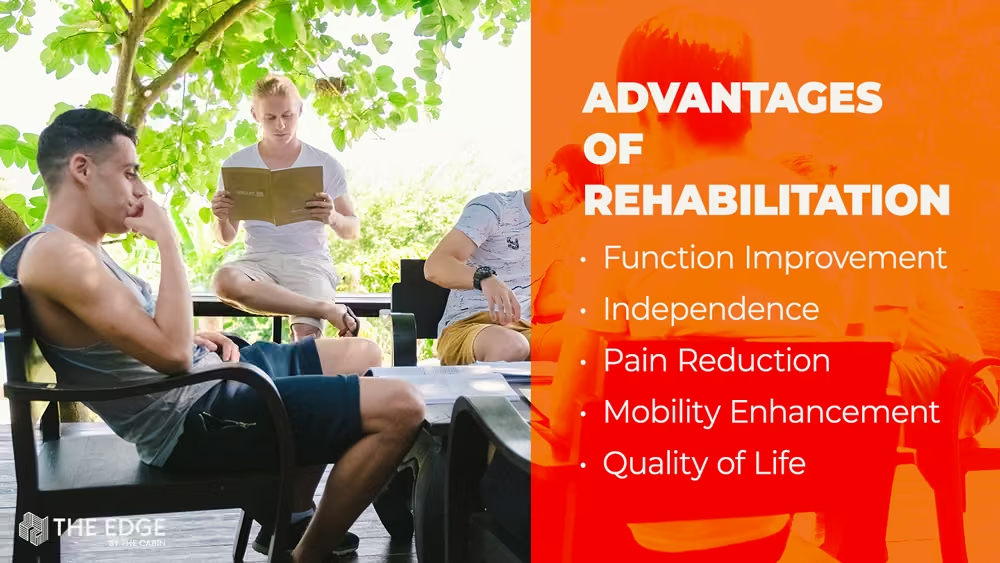
What are the Advantages of Rehabilitation?
The therapeutic techniques used in CBT are listed below.
- Cognitive Restructuring: Identifying and challenging distorted thought patterns allows individuals to develop more balanced and realistic perspectives on their experiences.
- Exposure Therapy: Gradually confronting feared situations or stimuli helps reduce anxiety and decrease the urge to avoid challenging environments.
- Role Playing in CBT: Rehearsing interpersonal scenarios within the safety of the session improves social skills and builds confidence in communication.
- Meditation Inside CBT: Practicing focused attention and mindfulness helps individuals observe thoughts without becoming emotionally overwhelmed or stuck.
- Journaling in CBT: Maintaining a structured record of thoughts and emotions provides valuable data for identifying patterns and testing alternative perspectives.
- Progressive Muscle Relaxation: Systematically tensing and releasing muscle groups, one of the techniques used in CBT, reduces physical tension and increases awareness of the body’s stress responses.
How does Rehabilitation Support Long-Term Health?
Rehabilitation supports long-term health by improving functional abilities, strengthening self-management skills, and promoting greater stability in daily life. It helps individuals maintain recovery progress through education, therapeutic exercise, coping strategies, relapse prevention techniques, and effective symptom management. Healthy habits are reinforced when rehabilitation teaches safe movement practices, medication management, and stress reduction. Rehabilitation may help reduce complications by supporting fall prevention, pain management, improved mobility, emotional regulation, and the effective management of chronic health conditions. Long-term outcomes may improve because individuals learn how to recognize challenges early, adapt to limitations, and manage health concerns before they become more severe. Independence may be preserved or enhanced when newly developed skills are practiced consistently and integrated into everyday routines and responsibilities. For some conditions, rehabilitation may also help reduce the likelihood of hospital readmission when follow-up care, monitoring, and treatment recommendations are followed consistently. Ongoing support and periodic reassessment help individuals adapt to changing health needs, maintain progress, and continue working toward long-term health and wellness goals.
Are Rehabilitation Results Different for Every Person?
Yes, rehabilitation results are different for every person, because recovery is influenced by a wide range of individual factors and circumstances. Rehabilitation outcomes may depend on factors such as the diagnosis, severity of the condition, age, overall health, access to treatment, motivation, support systems, and consistency with the rehabilitation plan. Health conditions and personal circumstances vary significantly, so the same therapy approach may produce different levels of progress for different individuals. Recovery goals also differ from person to person, because one individual may prioritize walking safely, while another may focus on sobriety, communication skills, emotional stability, pain management, or daily self-care activities. Progress may occur at different rates depending on healing time, response to treatment, symptom severity, personal circumstances, and the level of support available within the home environment. Individualized care remains essential because rehabilitation plans should be tailored to the person’s unique strengths, abilities, limitations, and recovery objectives. Some individuals may regain a high level of independence and function, while others may focus on maintaining current abilities, preventing further decline, and improving quality of life. Regular reassessment allows the rehabilitation team to monitor progress, adjust treatment strategies, and refine goals to ensure they remain realistic, meaningful, and aligned with the individual’s changing needs.
How is Rehabilitation Used in Different Healthcare Settings?
Rehabilitation is used in a variety of healthcare settings by providing therapy, medical support, education, and recovery planning across hospitals, clinics, residential treatment programs, outpatient centers, community services, and home-based care environments. Rehabilitation services are tailored to each individual’s needs based on factors such as diagnosis, level of risk, functional limitations, recovery goals, and the amount of support available within their environment. Rehabilitation may be delivered in an inpatient setting when an individual requires intensive therapy, ongoing medical monitoring, or a highly structured level of daily support. Outpatient rehabilitation may be appropriate when a person is able to live at home while attending scheduled therapy appointments and recovery services. Rehabilitation support can continue after discharge through home exercise programs, outpatient therapy, aftercare services, community-based programs, support groups, and regular follow-up appointments. Access to rehabilitation is improved when services are available across multiple healthcare settings, allowing individuals to receive care that matches their changing needs throughout recovery. Recovery support becomes more flexible and continuous when treatment transitions smoothly from hospital-based care to outpatient services, community programs, and other long-term support resources. Rehabilitation within healthcare settings often involves a multidisciplinary team that may include physicians, nurses, therapists, counselors, social workers, case managers, and other professionals working together to support recovery and long-term health outcomes.
What is the Role of Rehabilitation in Chronic Condition Management?

The role of rehabilitation in chronic condition management is to improve functional abilities, support symptom management, strengthen self-management skills, and enhance participation in daily life activities. Rehabilitation supports long-term condition management when health challenges affect mobility, pain levels, emotional well-being, breathing, cognitive function, communication abilities, or overall independence. Daily functioning may improve when rehabilitation teaches pacing techniques, safe movement strategies, energy conservation methods, coping skills, and adaptive approaches that help individuals manage their condition more effectively. Independence may be preserved or enhanced when rehabilitation helps individuals maintain physical strength, balance, healthy routines, confidence, and the skills needed for everyday activities. Quality of life may improve because rehabilitation can support greater involvement in home responsibilities, employment, social relationships, recreational activities, and community participation. Rehabilitation may help reduce complications by promoting fall prevention, regular physical activity, medication adherence, relapse prevention strategies, and ongoing symptom monitoring. Chronic condition management typically requires continuous support and long-term care rather than a single short-term treatment episode. Rehabilitation helps individuals adapt to changing health needs over time while maintaining function, maximizing independence, and supporting long-term well-being.
Can Rehabilitation Be Combined With Other Therapies?
Yes, rehabilitation can be combined with other therapies to create a more comprehensive and coordinated approach to recovery and long-term health management. Integrated care may improve treatment outcomes because different therapeutic approaches can work together to address physical, emotional, behavioral, social, and medical needs at the same time. Different therapies often complement one another when an individual requires services such as physical therapy, occupational therapy, counseling, medication management, speech therapy, or substance use treatment. Care becomes more comprehensive and effective when healthcare providers collaborate, share treatment goals, and coordinate interventions across disciplines. Recovery support may be strengthened when multiple aspects of a person’s health and well-being are addressed rather than focusing on a single symptom or condition in isolation. Individual needs may be addressed more completely when rehabilitation is integrated with medical care, mental health services, addiction treatment, family involvement, and other supportive resources. Recovery may improve when personalized interventions such as Individual Therapy are used to address emotional distress, trauma, addiction-related concerns, and mental health symptoms alongside rehabilitation services. By combining rehabilitation with other therapeutic approaches, individuals may experience safer progress, improved functional outcomes, and greater long-term stability in recovery and daily life.
It's Never Too Early—or Too Late—to Seek Help
The Edge Rehab provides a safe, structured, and compassionate environment for your recovery. Reach out to our caring team through our Contact Page for a free consultation, and we guarantee a response within 24 hours.


